Seruwawila Mangala Raja Maha Stupa

Seruwawila Mangala Raja Maha Vihara Seruwawila Mangala Raja Maha Vihara Seruwawila Mangala Raja Maha Vihara

Seruwawila Mangala Raja Maha Stupa is an ancient Buddhist stupa located in the Eastern Province of Sri Lanka, near the town of Seruwawila. It is one of the country's most sacred and historically significant stupas, believed to house relics of the Buddha, making it a major pilgrimage site for Buddhists.

The stupa is said to have been built by King Kavantissa in the 2nd century BCE, following the arrival of Buddhist missionaries to Sri Lanka. It features traditional stupa architecture, with a large dome-shaped structure and a surrounding precinct of religious monuments. The stupa is particularly revered for its association with the Buddha's relics and its serene location, surrounded by lush greenery and tranquil landscapes.

Visitors to the Seruwawila Mangala Raja Maha Stupa can explore the peaceful surroundings, offering an opportunity for meditation and reflection. The stupa is complemented by other significant structures, including smaller shrines and ancient stone carvings, which further highlight its cultural and religious importance.

The best time to visit Seruwawila Mangala Raja Maha Stupa is during the dry season, from December to April, when the weather is most favorable for sightseeing and exploring. Easily accessible from nearby towns, the stupa provides an enriching experience for those interested in Sri Lanka's Buddhist heritage and archaeological history.

Seruwawila Mangala Raja Maha Vihara Seruwawila Mangala Raja Maha Vihara Seruwawila Mangala Raja Maha Vihara

Sobre o Distrito de Trincomalee

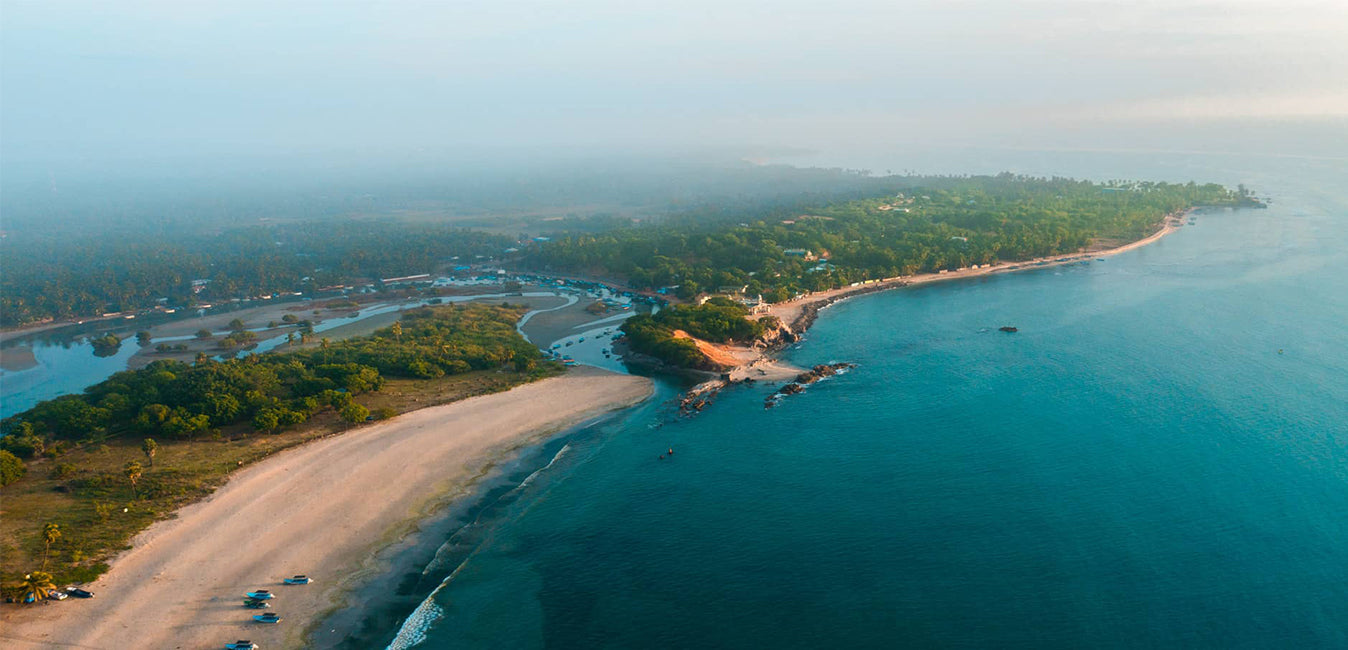
Trincomalee é uma cidade portuária na costa leste do Sri Lanka. O porto da Baía de Trincomalee é conhecido por seu tamanho e segurança; diferentemente de outros portos no Oceano Índico, ele é acessível a todos os tipos de embarcações em qualquer clima. As praias são utilizadas para surfe, mergulho, pesca e observação de baleias. A cidade também abriga o maior forte holandês do Sri Lanka. É sede de importantes bases navais do Sri Lanka e de uma base da Força Aérea do Sri Lanka.

A maioria dos tâmeis e cingaleses acredita que este lugar é sagrado para eles e são os povos indígenas da região. Trincomalee e seus arredores possuem sítios históricos hindus e budistas. Esses locais são sagrados para hindus e budistas.

Sobre a Província Oriental

A Província Oriental é uma das 9 províncias do Sri Lanka. As províncias existem desde o século XIX, mas não possuíam personalidade jurídica até 1987, quando a 13ª Emenda à Constituição de 1978 do Sri Lanka estabeleceu os conselhos provinciais. Entre 1988 e 2006, a província foi temporariamente unida à Província do Norte para formar a Província do Nordeste. A capital da província é Trincomalee. A população da Província Oriental era de 1.460.939 habitantes em 2007. A província é a mais diversa do Sri Lanka, tanto étnica quanto religiosamente.

A Província Oriental possui uma área de 9.996 quilômetros quadrados (3.859,5 milhas quadradas). A província é cercada pela Província do Norte ao norte, pela Baía de Bengala a leste, pela Província do Sul ao sul e pelas províncias de Uva, Central e Centro-Norte a oeste. O litoral da província é dominado por lagoas, sendo as maiores a lagoa de Batticaloa, a lagoa de Kokkilai, a lagoa de Upaar e a lagoa de Ullackalie.