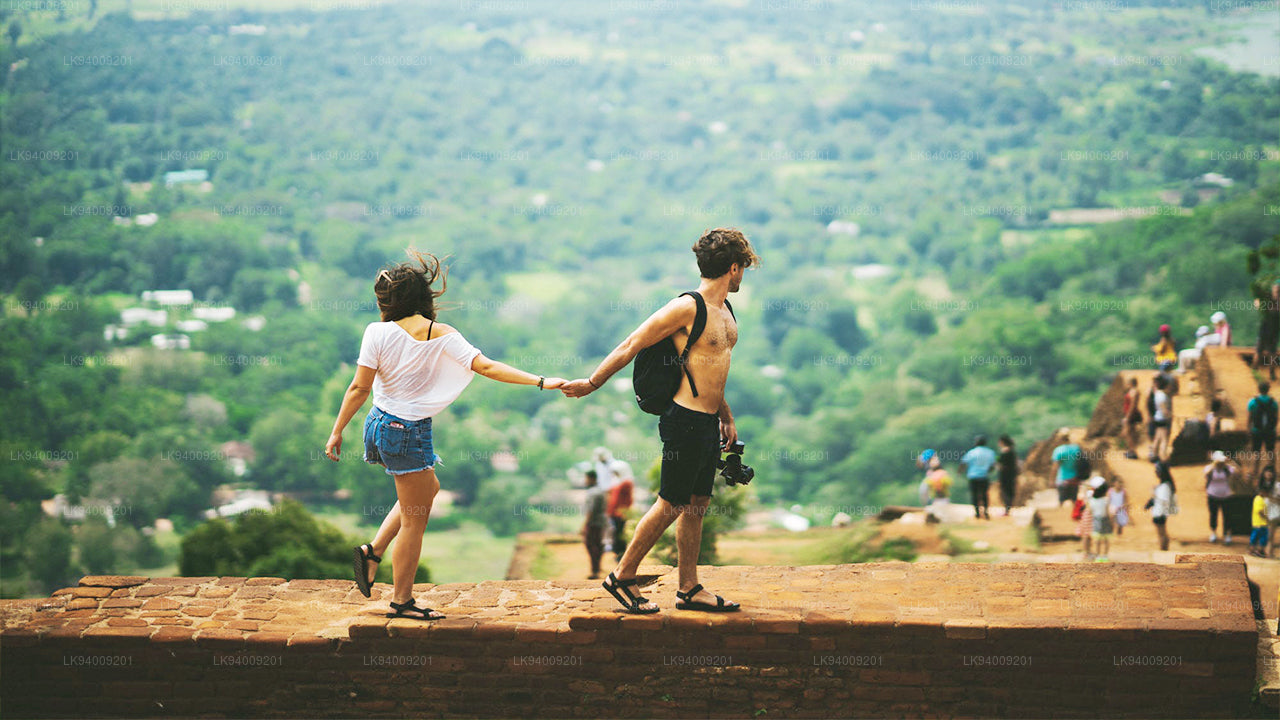
Namunukula


Namunukula é uma cadeia montanhosa localizada perto de Badulla, a capital da província de Uva, nas terras altas do sudeste do Sri Lanka. Com uma altitude de 2.035 metros acima do nível do mar, está entre as 12 montanhas mais altas do país e é o pico mais elevado na parte oriental da cordilheira sul, que se estende de Siri Pada (Pico de Adão) no oeste até Namunukula no leste. A montanha domina as regiões de Spring Valley e Passara, conhecidas por suas plantações de chá, e faz parte da famosa região produtora de chá de Uva, que se estende por cerca de 40 km desde Horton Plains.
Várias trilhas levam ao planalto de Namunukula, sendo a mais fácil aquela que começa perto da passagem entre Spring Valley e Passara. A passagem é fácil de encontrar, pois há apenas uma estrada que atravessa a área. Basta seguir a estrada B97 através de Spring Valley em direção a Demodara, virar à esquerda na loja no centro da vila e continuar pela estrada secundária quase até o topo. Cerca de 300 metros antes da passagem, uma trilha de caminhada se ramifica à esquerda. A subida não requer habilidades de escalada, mas é fisicamente exigente devido à inclinação acentuada.
A área florestal abriga macacos, cervos sambar e javalis. Leopardos também vivem nas terras altas do Sri Lanka, embora sejam raramente vistos. No planalto do topo, com cerca de 150 metros de diâmetro, existem pequenos santuários dedicados a Buda, Vishnu e Ganesha. No Sri Lanka, Vishnu é venerado principalmente pelos budistas cingaleses, enquanto Ganesha está mais associado à tradição tâmil. Assim como no Pico de Adão, acredita-se na existência de um deus da montanha chamado Indaka, que protege a região.
O nome “Namunukula” significa “nove picos” em cingalês e refere-se a toda a cadeia montanhosa, não apenas ao ponto mais alto. A cordilheira se estende por aproximadamente 13 km de norte a sul, abrangendo áreas desde Badulla até passagens próximas. Uma vila localizada na encosta sul também leva o nome Namunukula, o que acrescenta singularidade a esta região montanhosa cênica e culturalmente importante nas terras altas do Sri Lanka.
Special places in Badulla
-
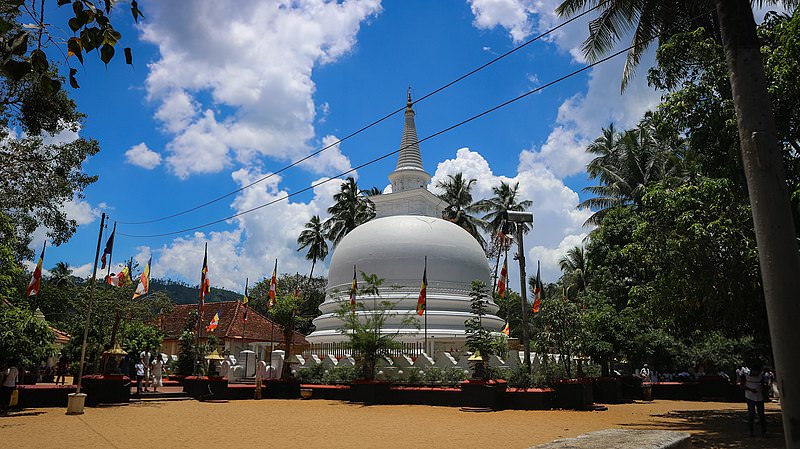 Muthiyangana Raja Maha Vihara
Muthiyanganaya Raja Maha Viharaya lies in the centre of the city of Badulla. The History of this temple goes back to the time of Buddha but this area around Badulla goes way back in to the time of 19th -18th century BCE.
-
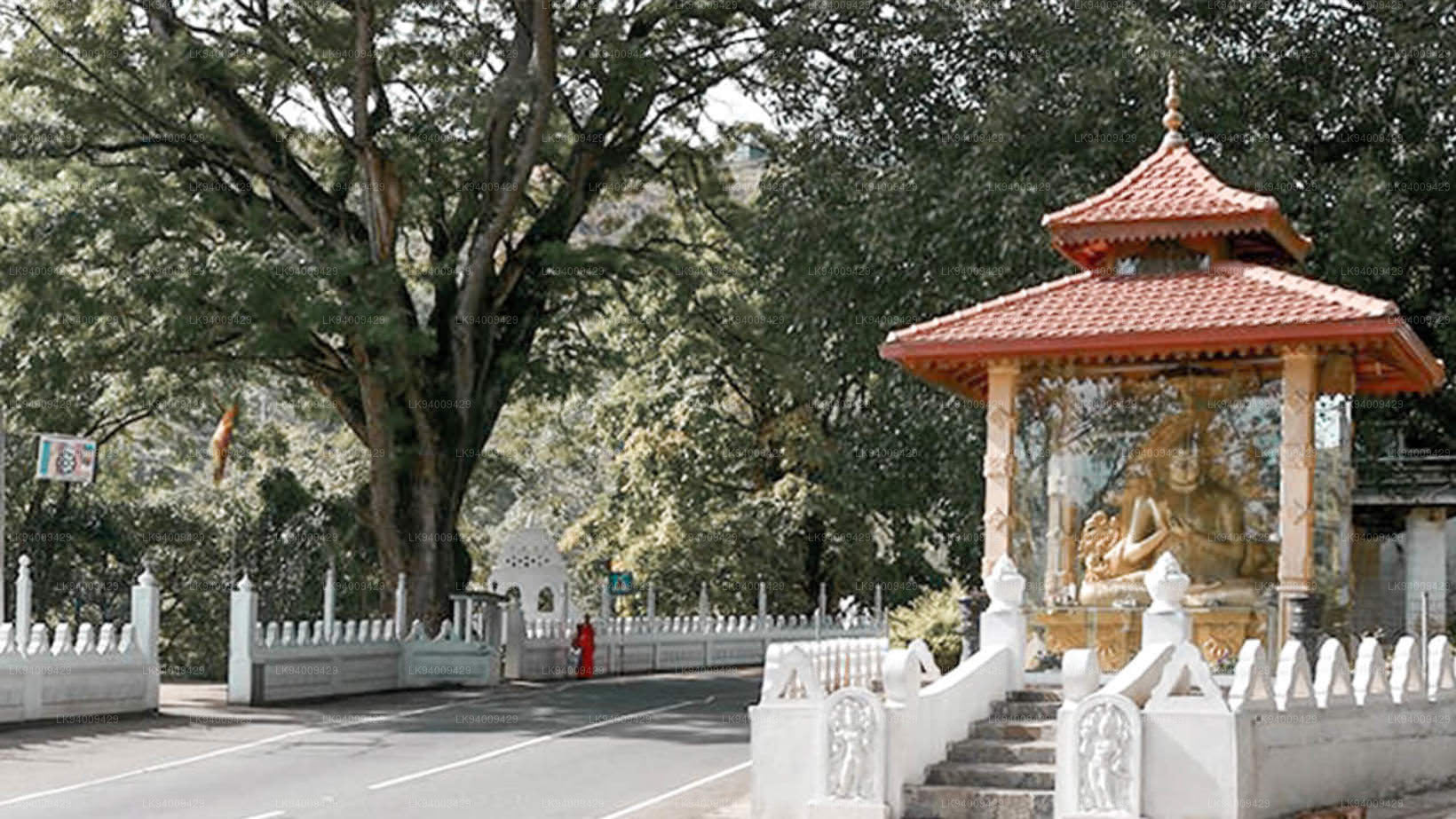 Dowa Raja Maha Viharaya
Dowa Raja Maha Viharaya (Dowa Cape Temple) lies few kilometres away from the Bandarawela town on the Bandarawela – Badulla Road. This temple is thought to be done by King Walagamba in the in first century BC.
-
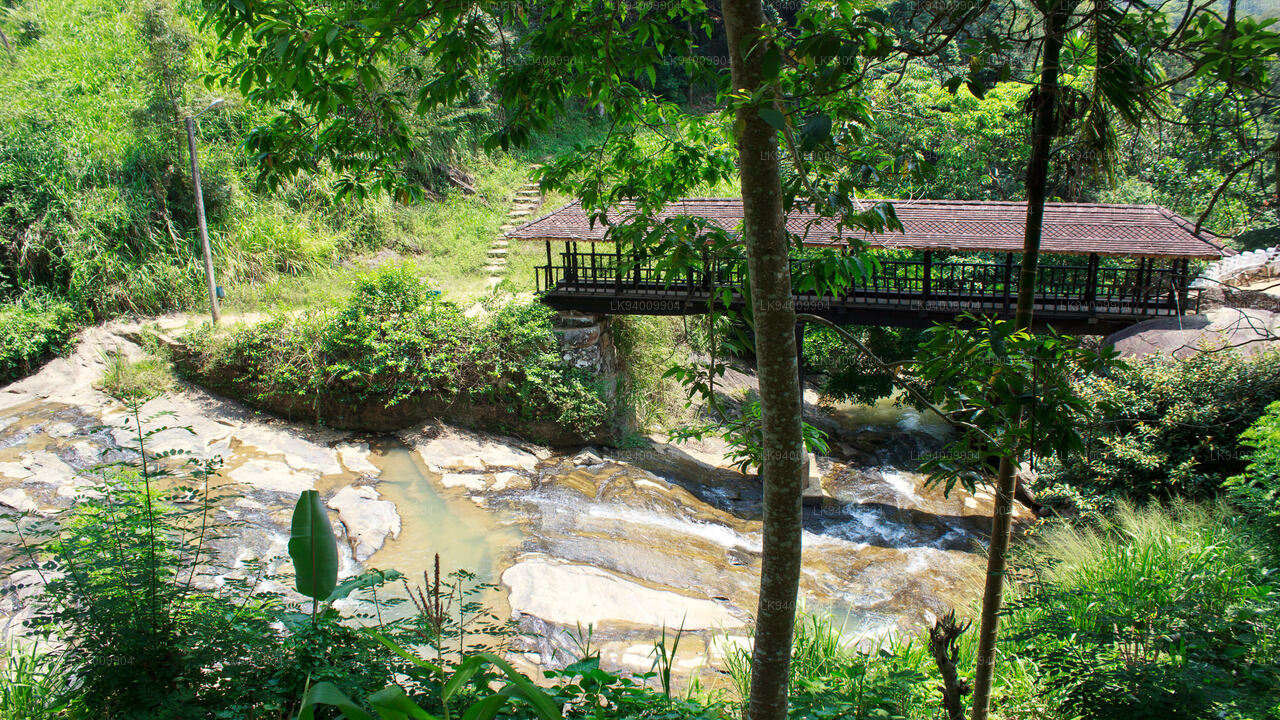 Bogoda Wooden Bridge
The Bogoda Wooden Bridge was built in the 16th century during the Dambadeniya era. This is said to be the oldest surviving wooden bridge in Sri Lanka. The bridge is situated at 7 kilometres (4.3 mi) west of Badulla.
-
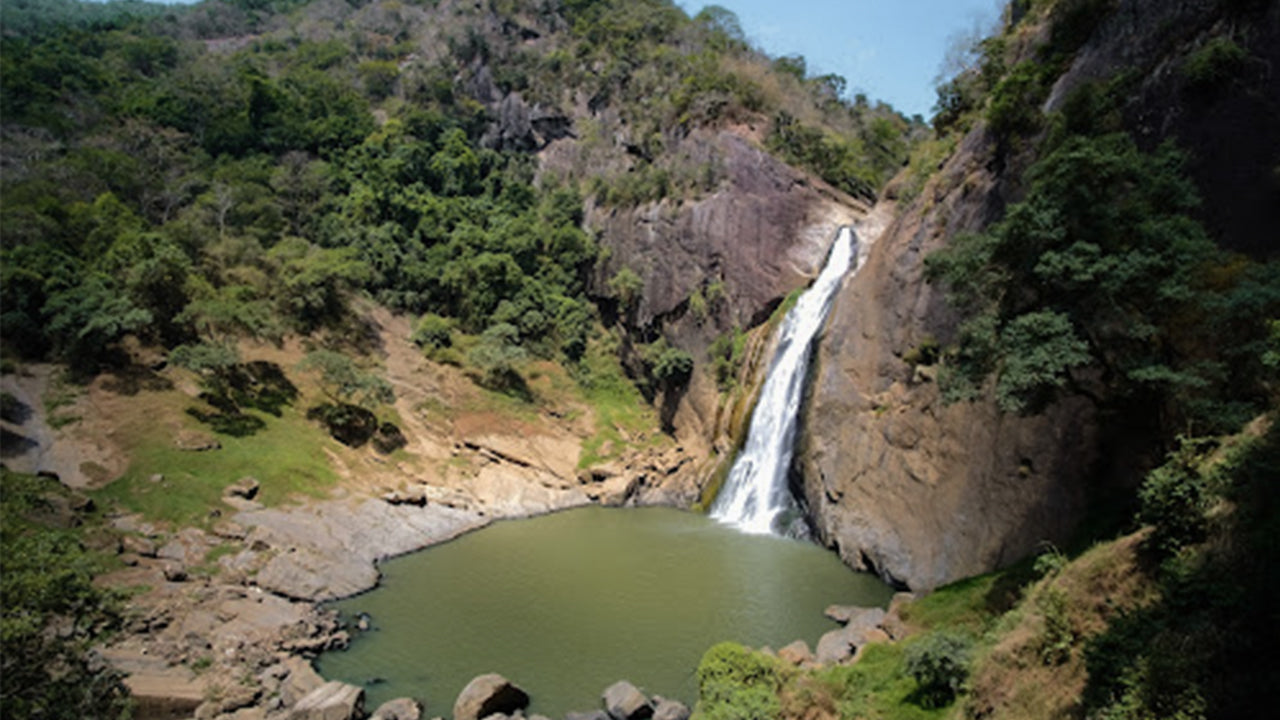 Dunhinda Falls
Dunhinda Falls is situated about 5 km away from Badulla town. It is 63 meters high and is considered to be one of the most beautiful waterfalls in Sri Lanka. The falls gets its name dew to the smoky dew drops spray.