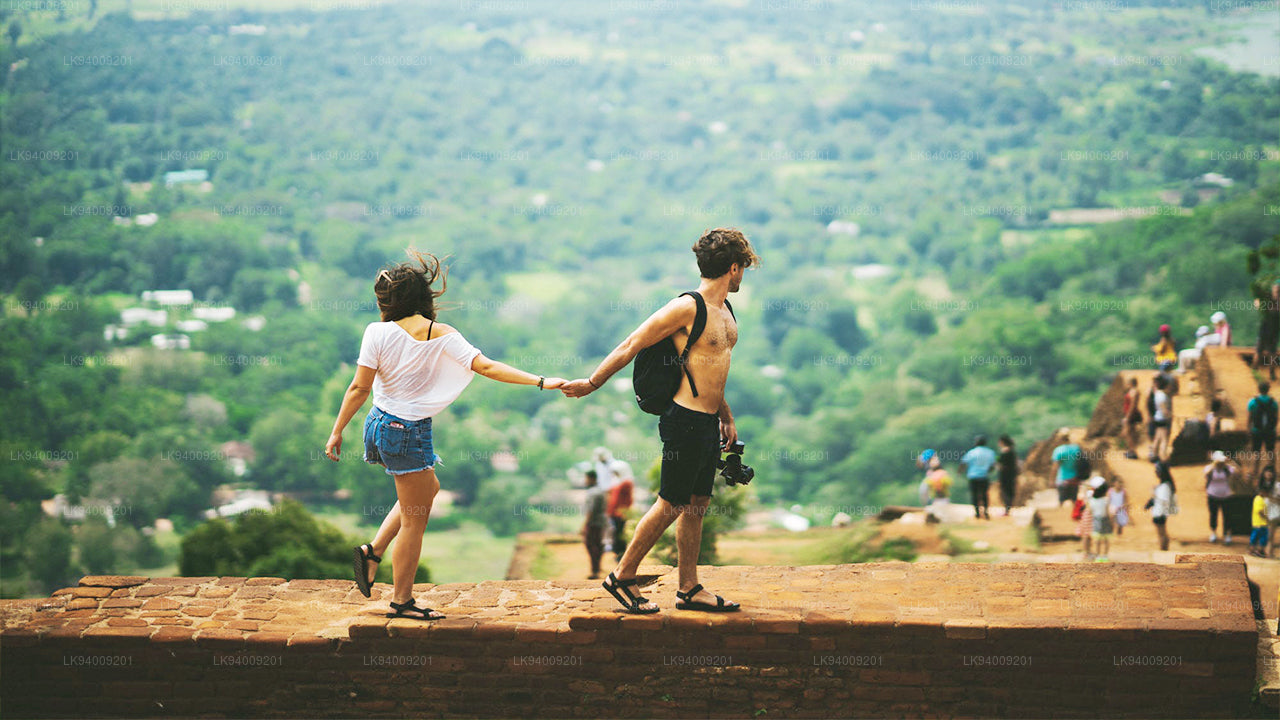
Indigenous People (Vedda)


The Wanniyala-Aetto, or “forest people”, more commonly known as Veddas or Veddahs, are an Indigenous people of Sri Lanka, an island nation in the Indian Ocean; they were never numerous and are now few in number.
Roots of the Indigenous People
According to Early Man and the Rise of Civilisation in Sri Lanka: the Archaeological Evidence by S. U. Deraniyagala, by about 125,000 BP it is certain that there were prehistoric settlements in Sri Lanka . From as early as 18,000 BC a genetic continuum is shown with present-day Veddas.
According to the genesis myth of the Sinhala “race”/people, recorded in the ancient chronicle of the Sinhalese royalty, the Mahavansa, the Pulindas also called Veddas are descended from Prince Vijaya (6th-5th century BC), the founding father of the Sinhalese nation, through Kuveni, a woman of the Yakkha clan whom he had espoused. The Mahavansa relates that following the repudiation of Kuveni by Vijaya, in favour of a “Kshatriya” princess from the “Pandya” country, their two children, a boy and a girl, departed to the region of “Sumanakuta” (Adam’s Peak in the Ratnapura District), where they multiplied, giving rise to the Veddhas. Anthropologists such as the Seligmanns (The Veddhas 1911) believe the Veddhas to be identical with the “Yakkhas” of yore.
Veddas are also mentioned in Robert Knox’s history of his captivity by the King of Kandy in the 17th century. Knox described them as “wild men,” but also said there was a “tamer sort,” and that the latter sometimes served in the king’s army.
Indigenous people in Sri Lanka
The Ratnapura District, which is part of the Sabaragamuwa Province is known to have been inhabited by the Veddhas in the distant past. This has been shown by scholars like Nandadeva Wijesekera (Veddhas in transition 1964). Indeed, the very name Sabaragamuwa is believed to have meant the village of the Sabaras or “forest barbarians”. Such place-names as Veddha-gala (Veddha Rock), Veddha-ela (Veddha Canal) and Vedi-kanda (Veddha Mountain) in the Ratnapura District also bear testimony to this. As Wijesekera observes, a strong Veddha element is discernible in the population of Veddha-gala and its environs. As for the traditional Veddha lifestyle, a number of authorities have delved on this and we can easily describe their life-style as it existed in the past, and as it exists today.
Language of the Indigenous People
The original language of the Veddas is the Vedda language. Today it is used primarily by the interior Veddas. Communities, such as Coast Veddas and Anuradhapura Veddas, that do not identify themselves strictly as Veddas also use Vedda language in part for communication during hunting and or for religious chants. When a systematic field study was conducted in 1959 it was determined that the language was confined to the older generation of Veddas from Dambana. In 1990s self-identifying Veddas knew few words and phrases
Special places in Badulla
-
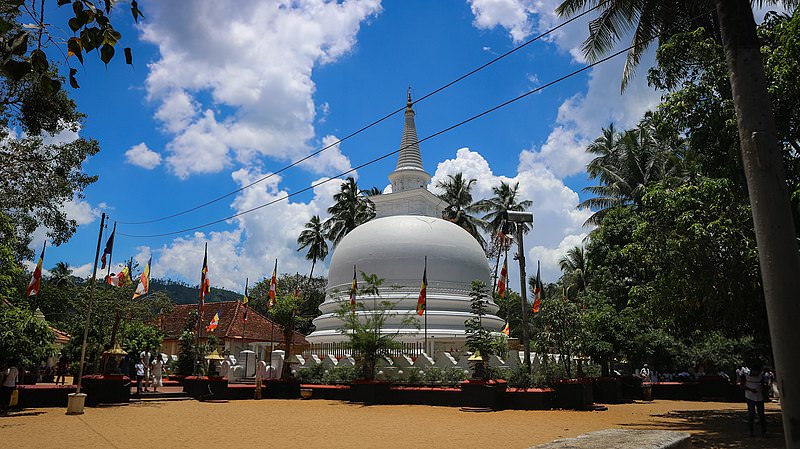 Muthiyangana Raja Maha Vihara
Muthiyanganaya Raja Maha Viharaya lies in the centre of the city of Badulla. The History of this temple goes back to the time of Buddha but this area around Badulla goes way back in to the time of 19th -18th century BCE.
-
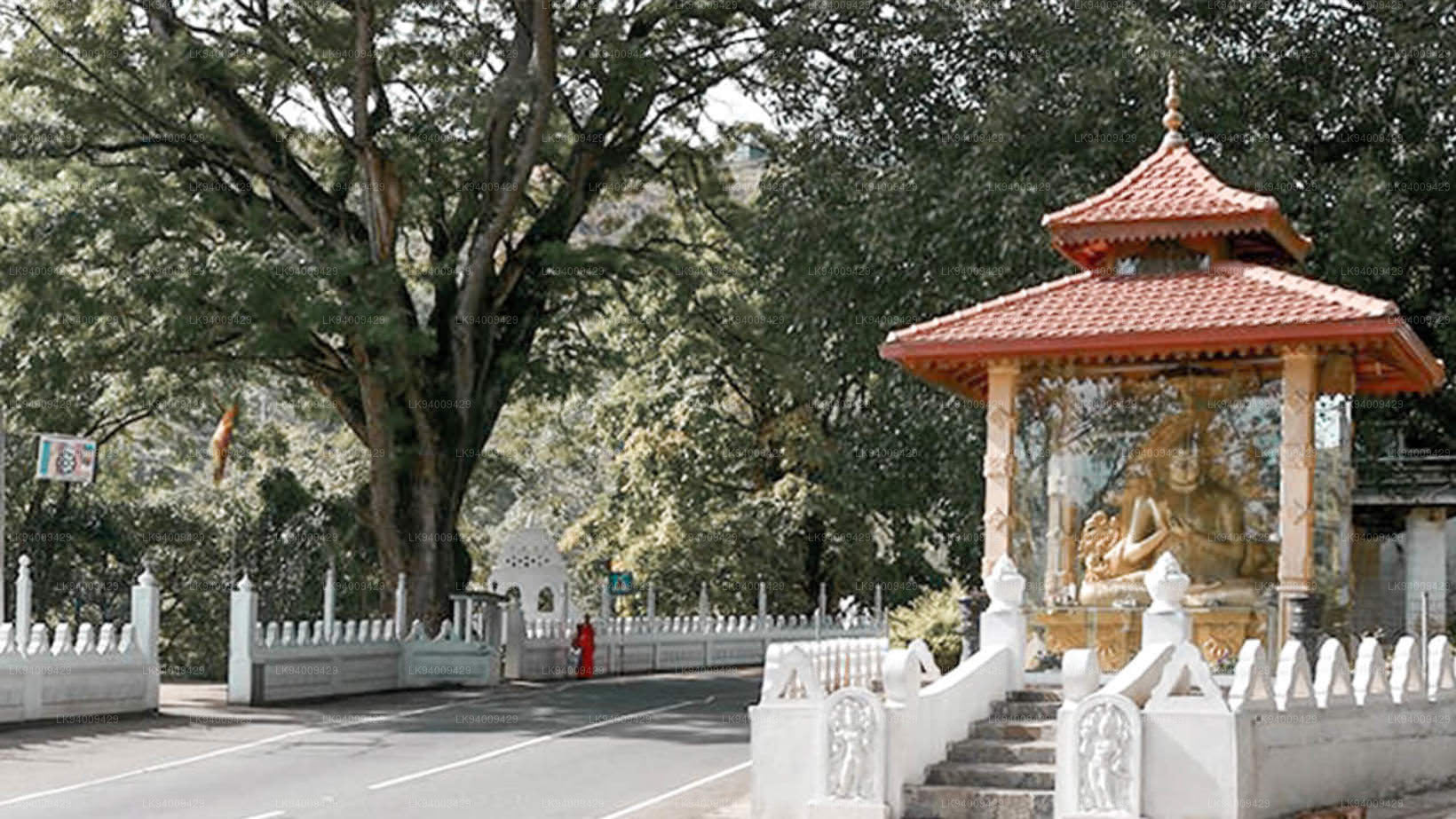 Dowa Raja Maha Viharaya
Dowa Raja Maha Viharaya (Dowa Cape Temple) lies few kilometres away from the Bandarawela town on the Bandarawela – Badulla Road. This temple is thought to be done by King Walagamba in the in first century BC.
-
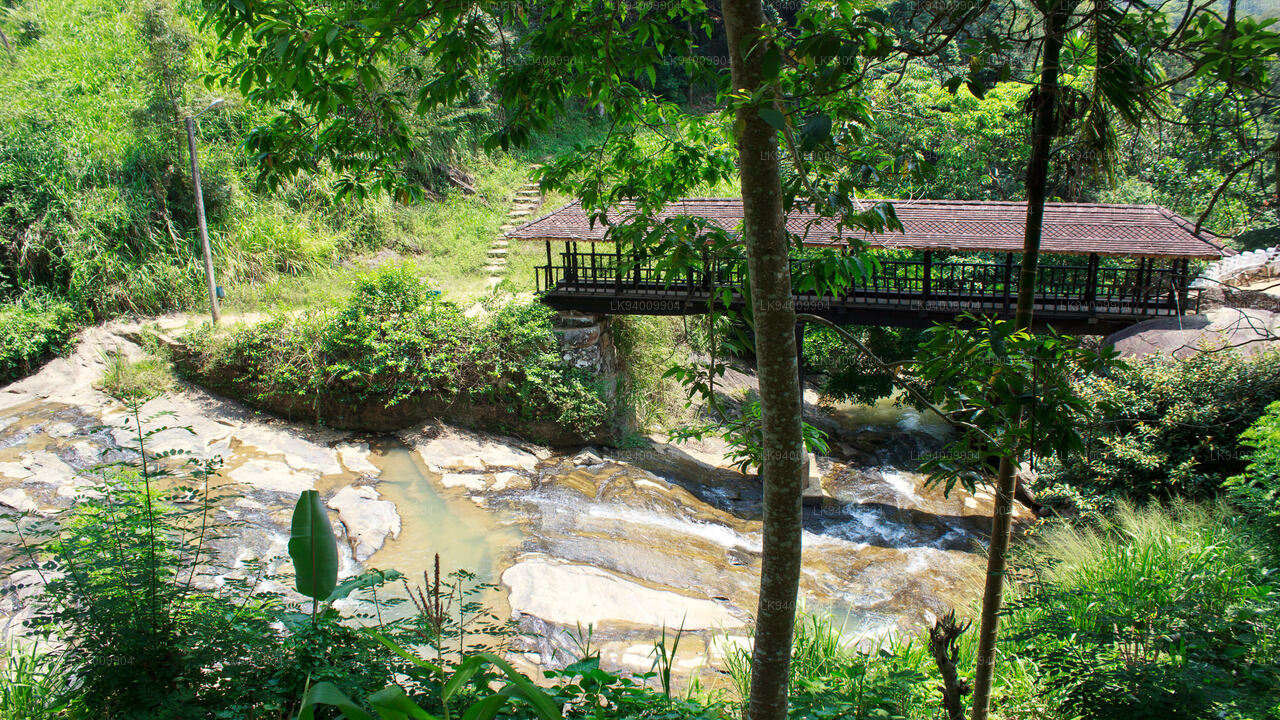 Bogoda Wooden Bridge
The Bogoda Wooden Bridge was built in the 16th century during the Dambadeniya era. This is said to be the oldest surviving wooden bridge in Sri Lanka. The bridge is situated at 7 kilometres (4.3 mi) west of Badulla.
-
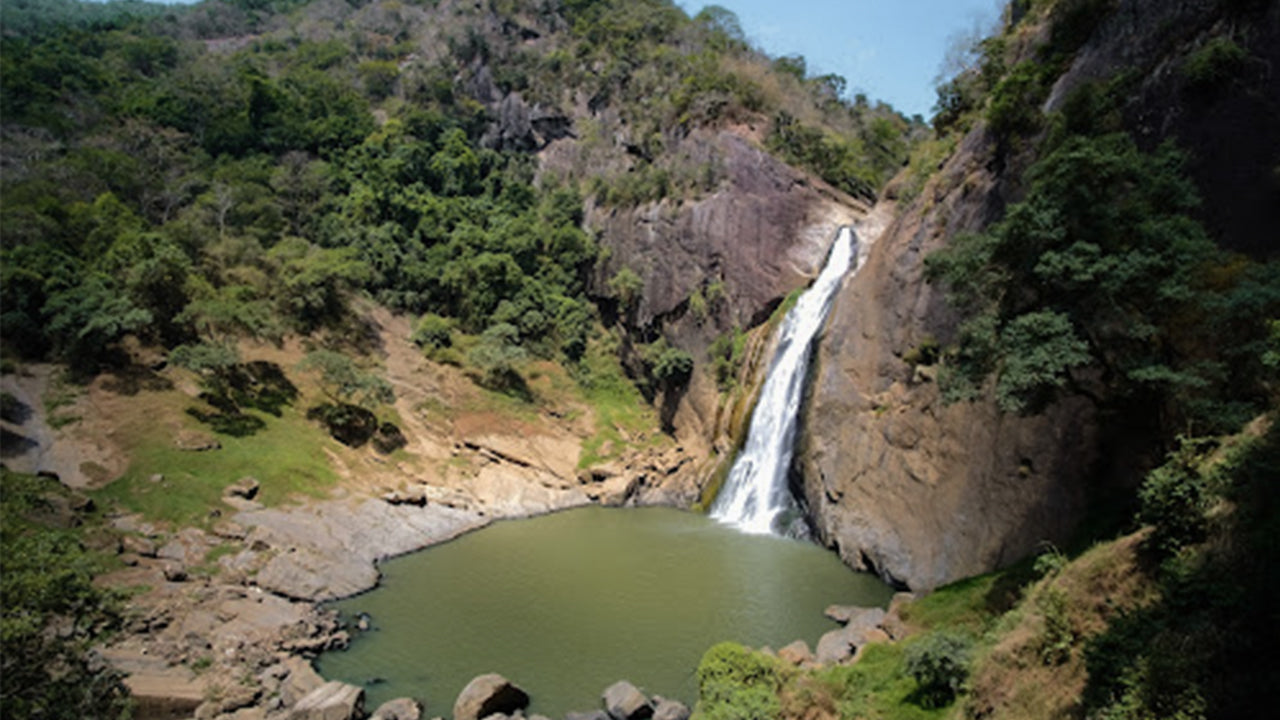 Dunhinda Falls
Dunhinda Falls is situated about 5 km away from Badulla town. It is 63 meters high and is considered to be one of the most beautiful waterfalls in Sri Lanka. The falls gets its name dew to the smoky dew drops spray.