Saraca asoca



Saraca asoca, commonly known as the Ashoka tree, is a revered species native to South and Southeast Asia. It holds significant cultural and religious importance, often planted near temples and used in various rituals. The tree is celebrated for its vibrant clusters of orange-red flowers, glossy green leaves, and fragrant blooms that enhance the landscape with beauty and symbolism.
Medicinal Uses:
The Ashoka tree is highly valued in traditional medicine, particularly Ayurveda. Its bark, flowers, and seeds are used for treating gynecological disorders, menstrual irregularities, and uterine health. Additionally, extracts from the bark are believed to help manage pain, inflammation, and certain skin conditions, making it an important natural remedy.
Ecological Importance:
Apart from its medicinal and cultural significance, Saraca asoca also contributes to the ecosystem. It provides habitat and food for various insects and birds, supporting local biodiversity. Its adaptability to tropical climates makes it a resilient tree that thrives in gardens, parks, and forested areas.
Cultural Significance:
The Ashoka tree is symbolic of love, fertility, and prosperity in many South Asian traditions. Its name literally means “without sorrow” in Sanskrit, reflecting its revered status in mythology and folklore. Its beautiful flowering season is often celebrated during festivals and special occasions.
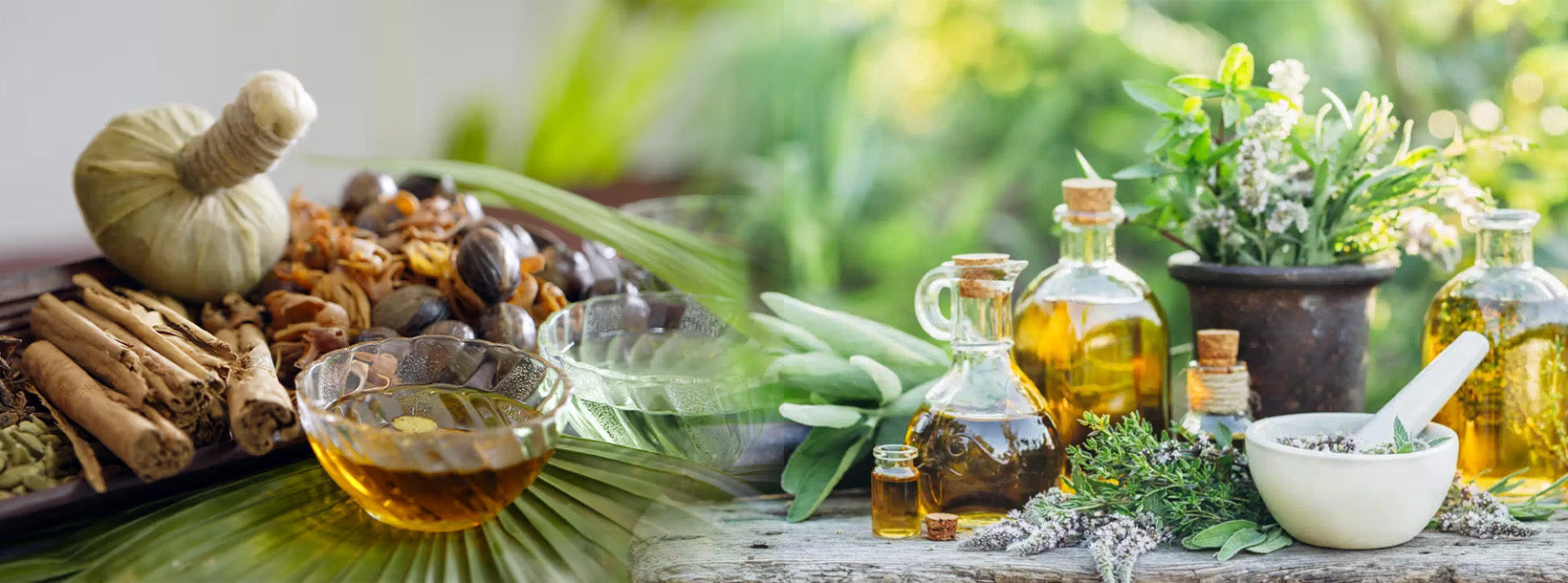
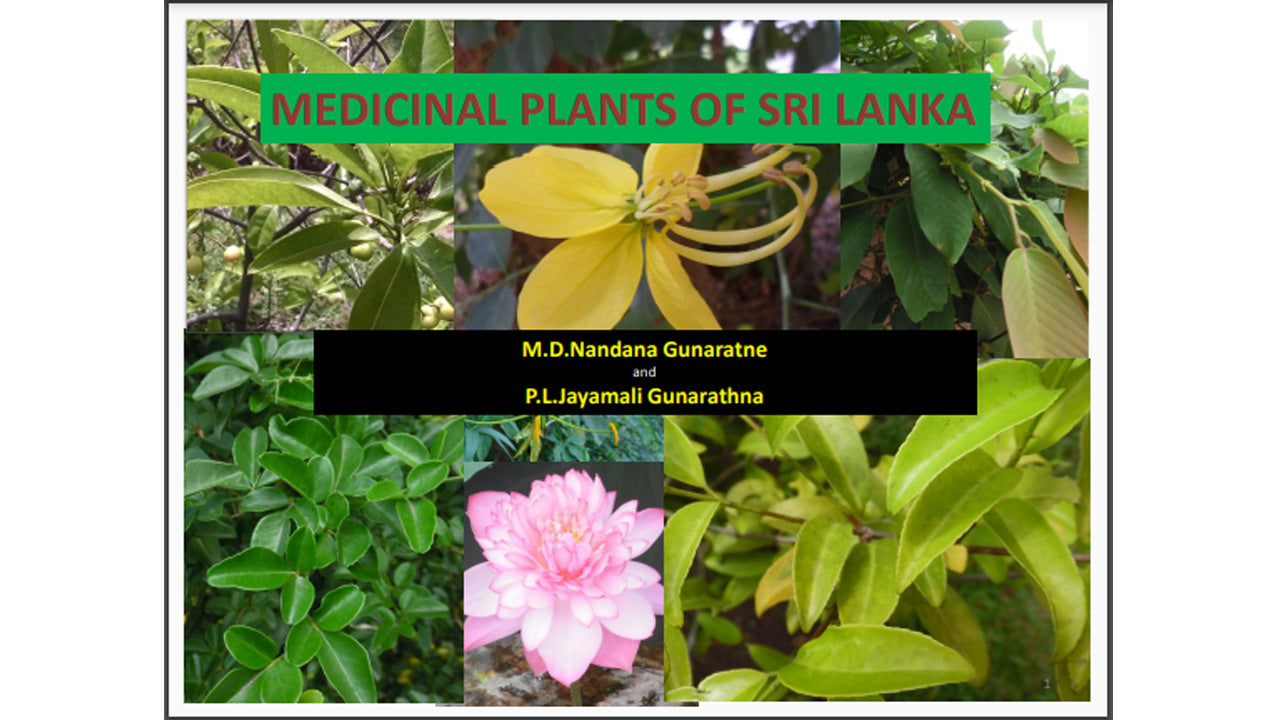
Saraca asoca is part of the catalog of ayurvedic medicinal plants of Sri Lanka.



-
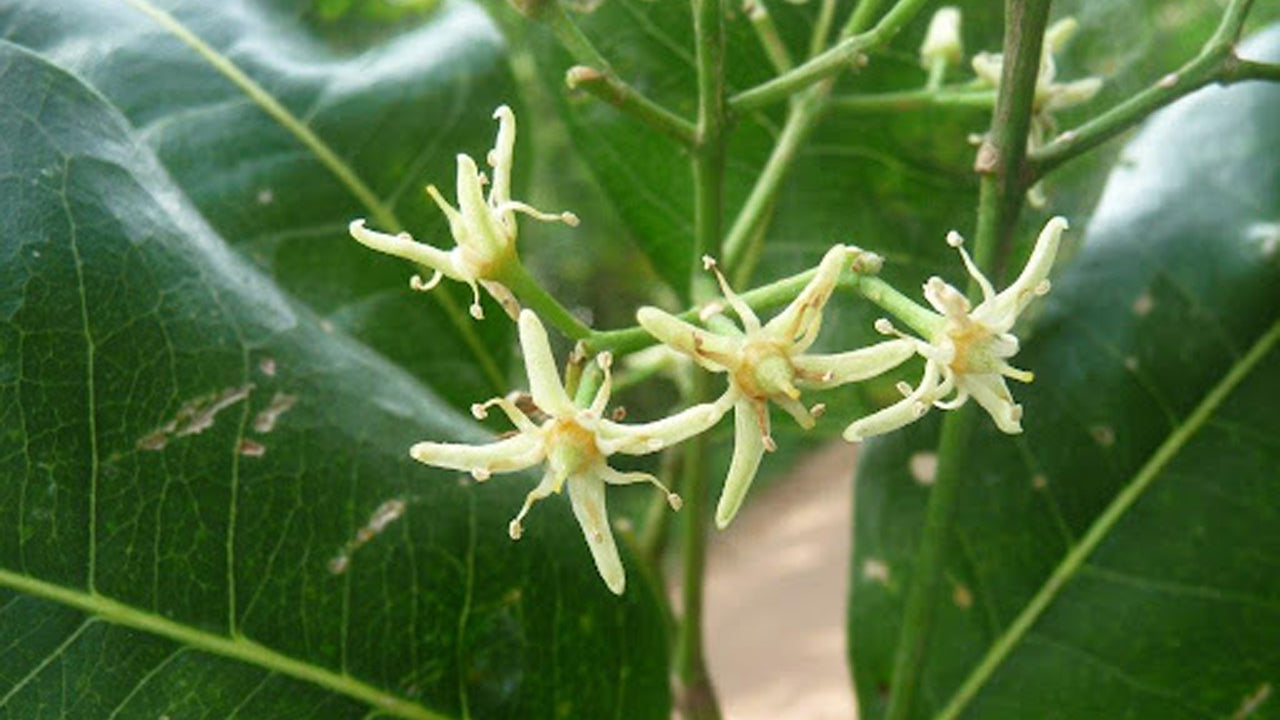
Claw-flowered laurel
Acronychia pedunculata -
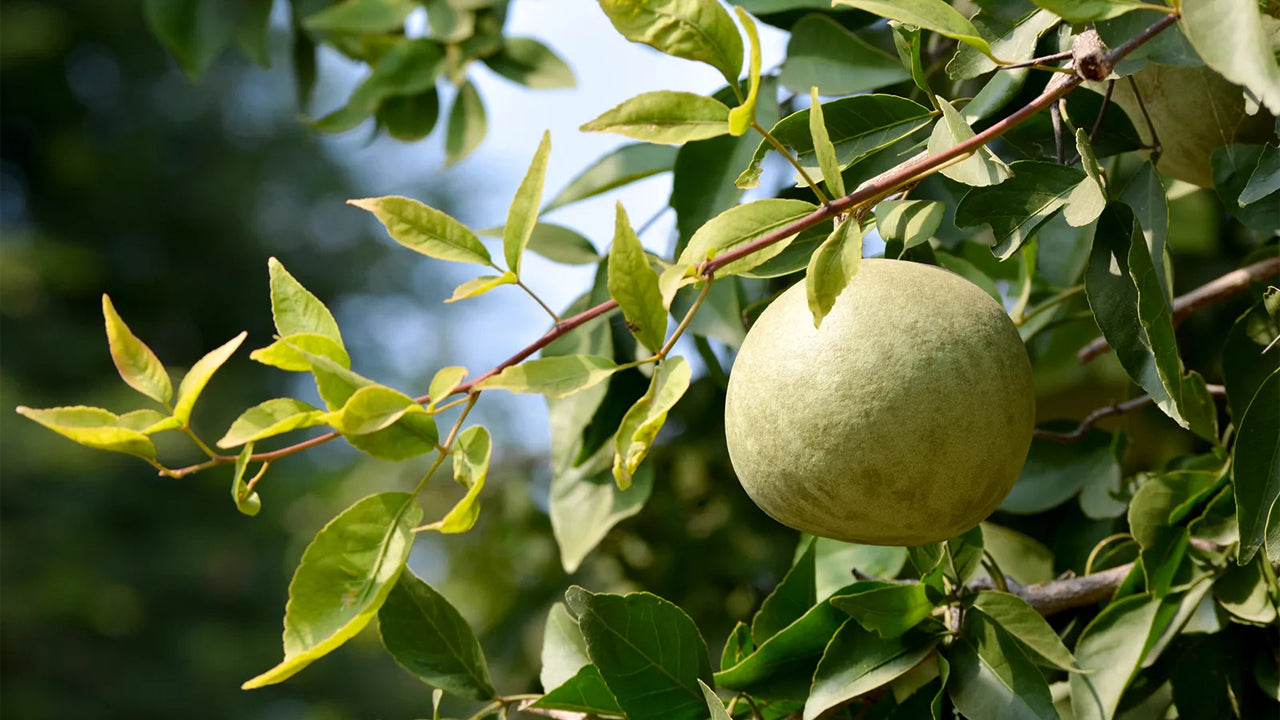
Bael
Aegle marmelos -
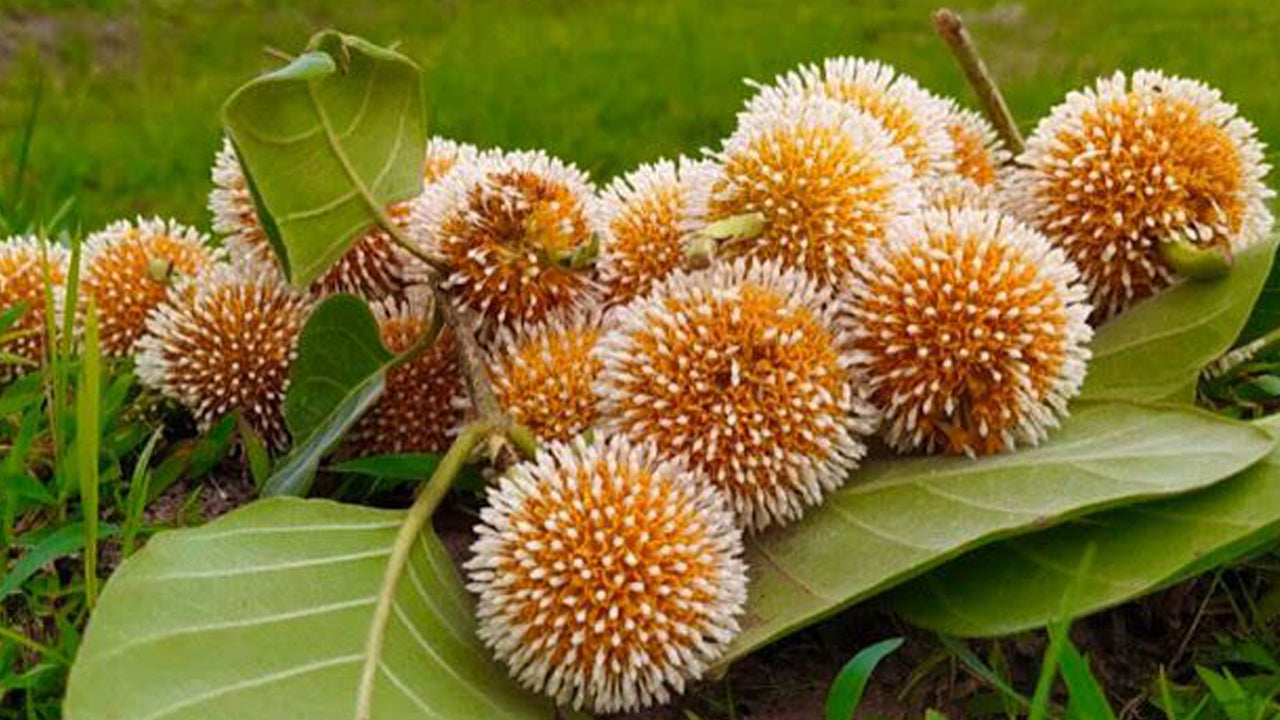
Leichhardt tree
Nauclea orientalis -
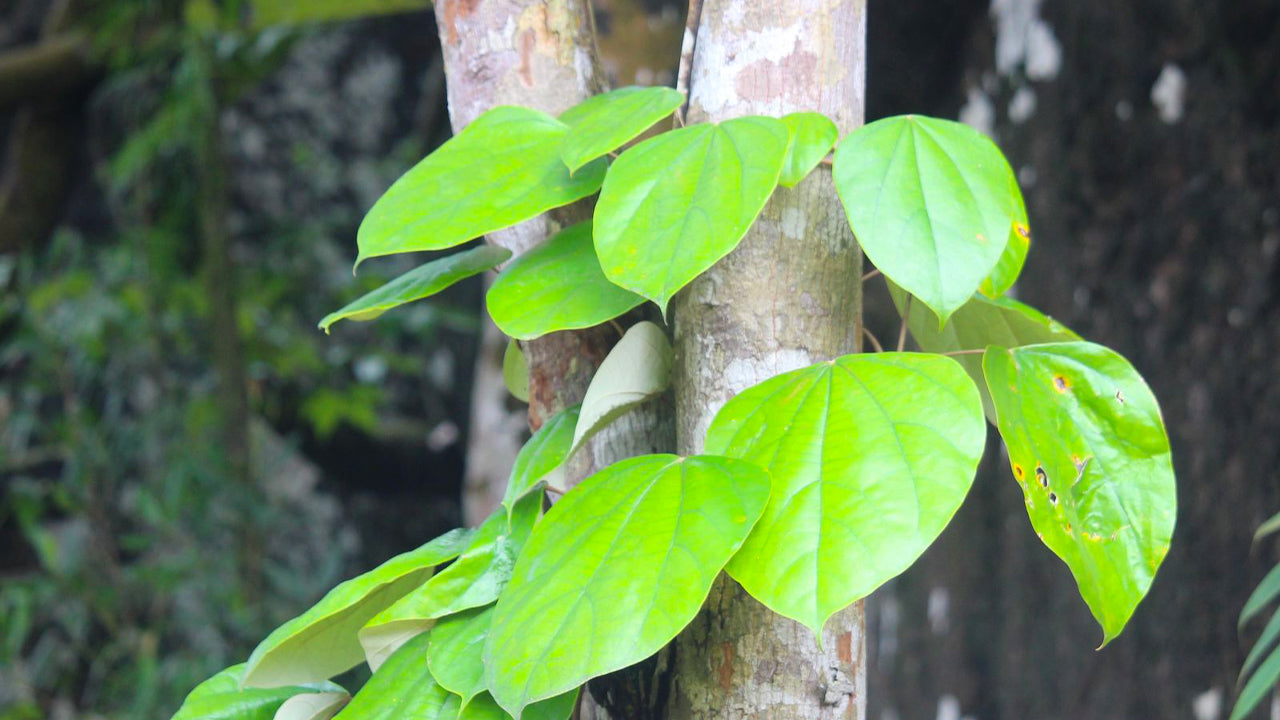
False Calumba
Coscinium fenestratum -

Malabar Gulbel
Tinospora malabarica -
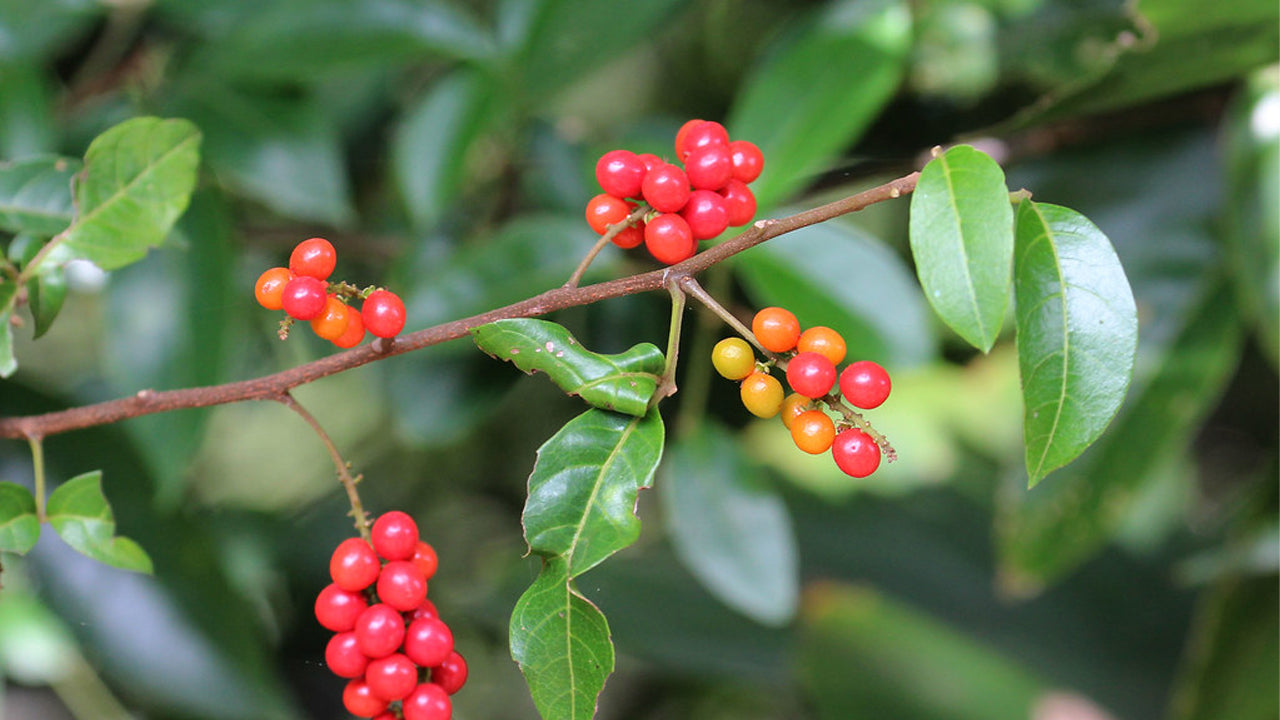
Titberry
Allophylus cobbe -
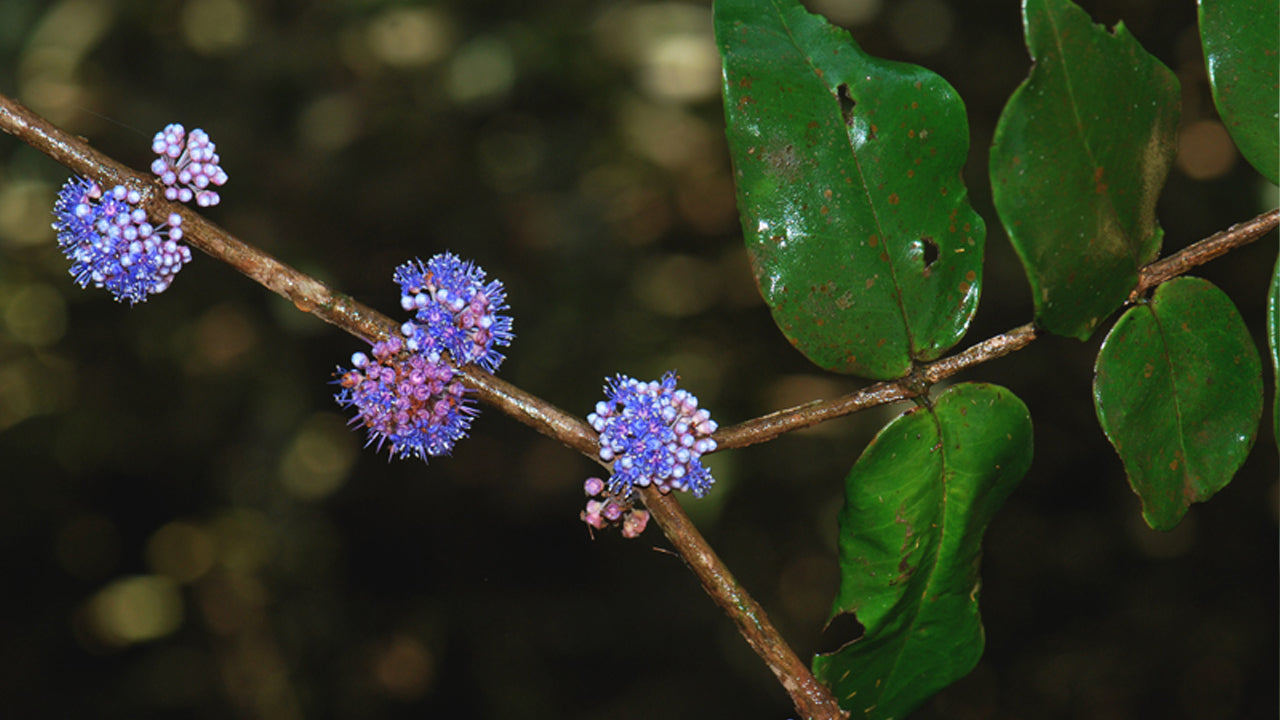
Ironwood Tree
Memecylon capitellatum -
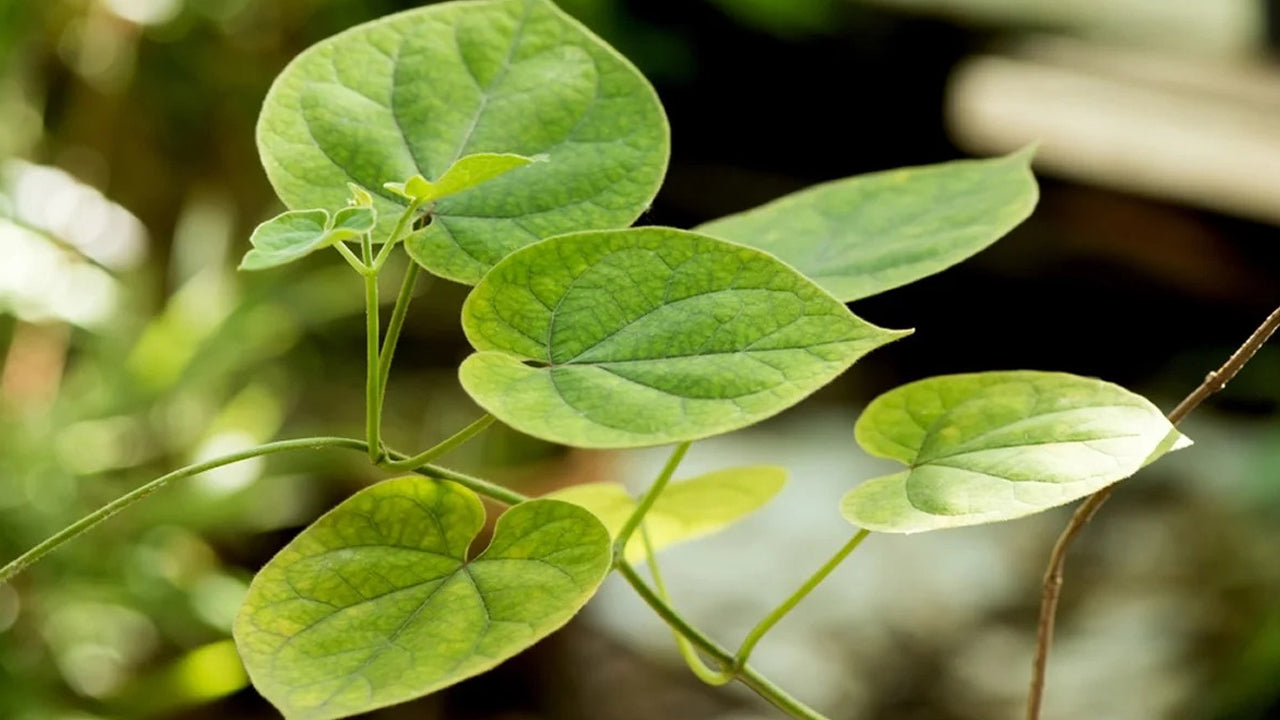
Velvet Leaf
Cissampelos pareira -
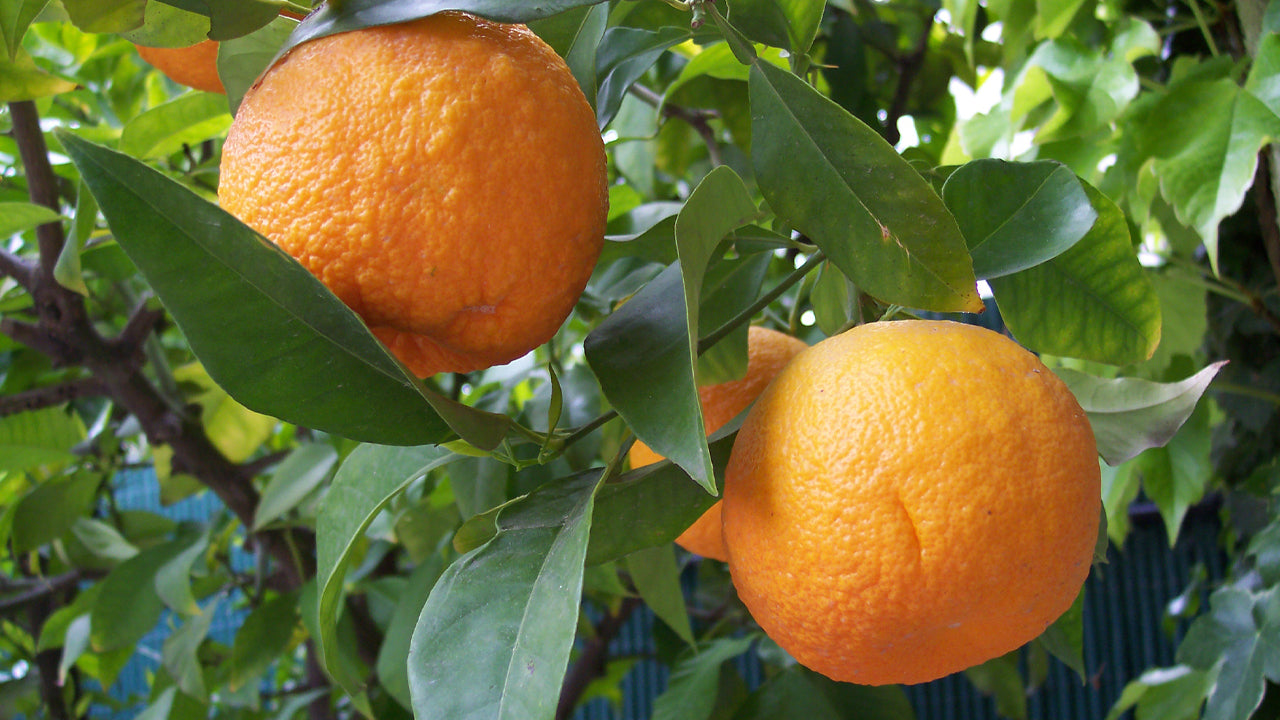
Bitter orange
Citrus aurantium -

Reinwardt's Tree Plant
Biophytun reinward -
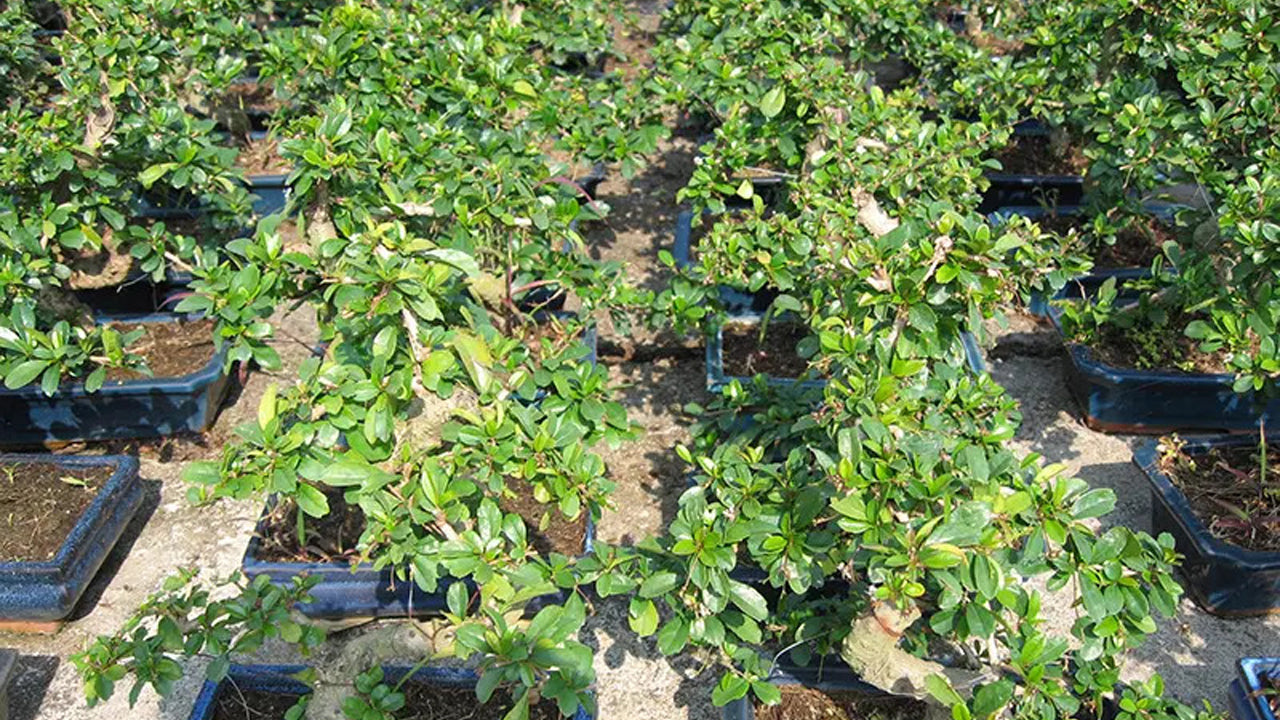
Fukien tea
Carmona microphylla -
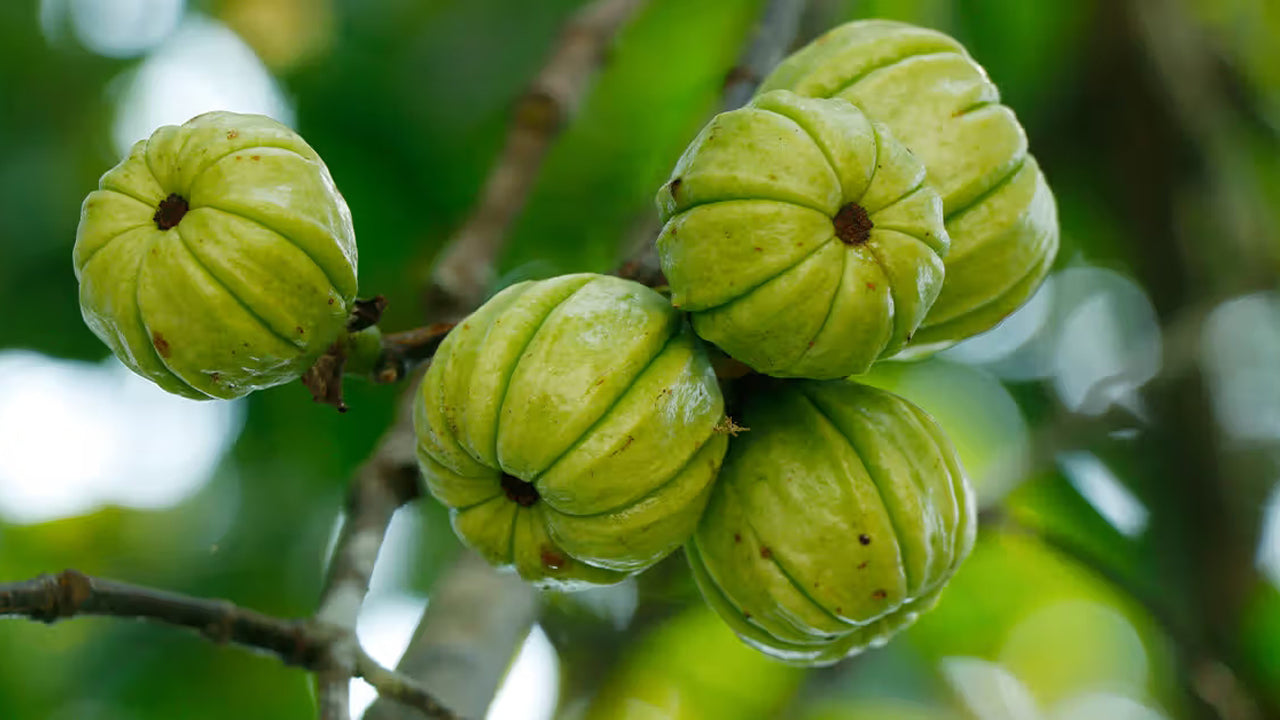
Malabar tamarind
Garcinia cambogia -
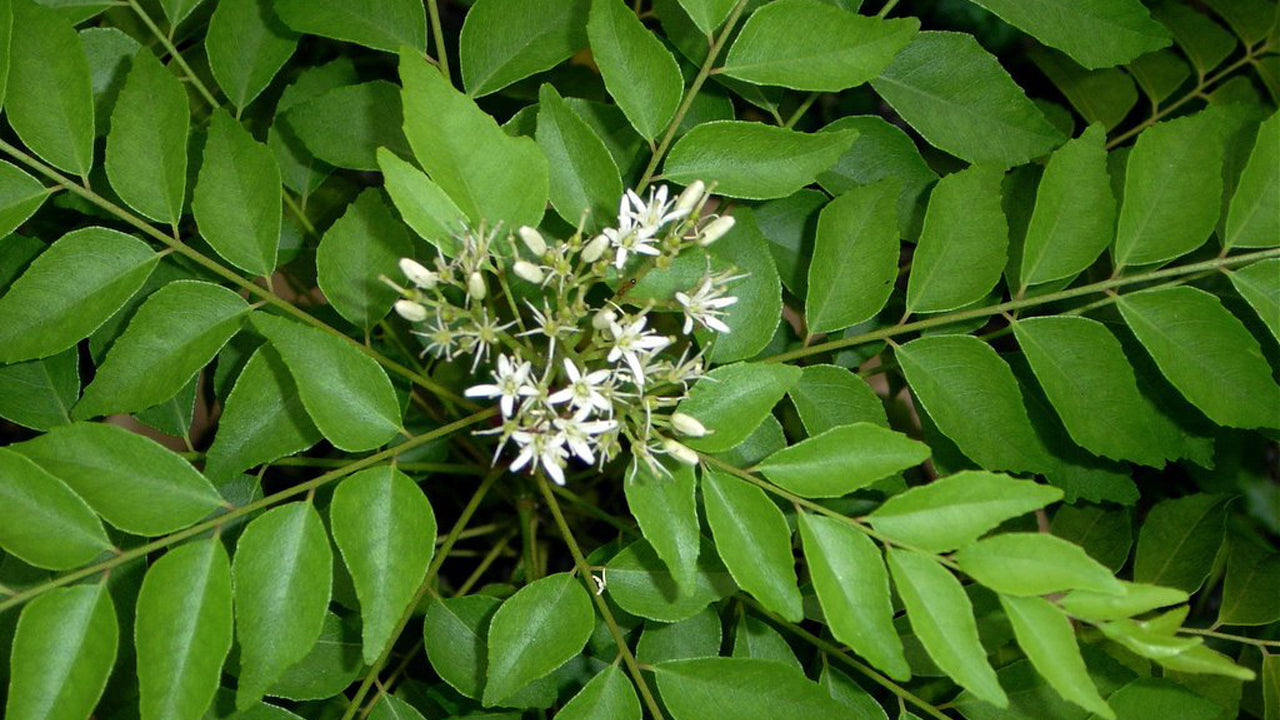
Curry leaf tree
Murraya koenigii -
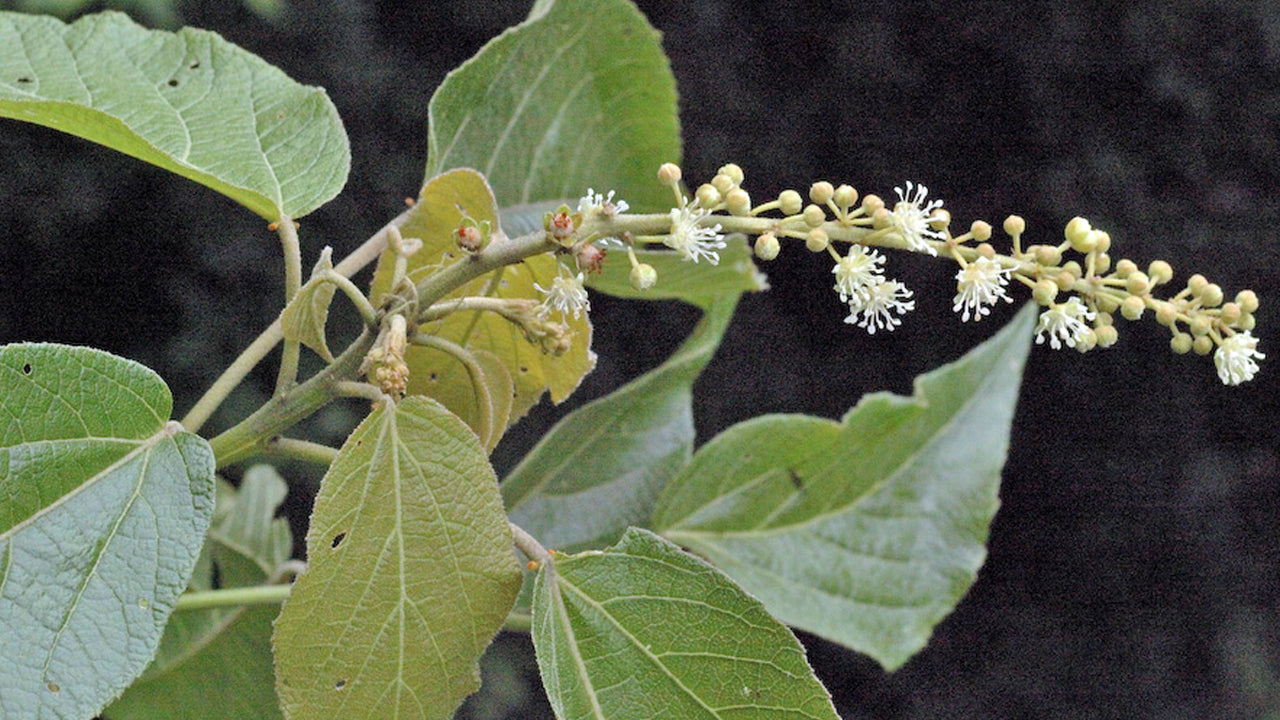
Kappetiya
Croton laccifer -
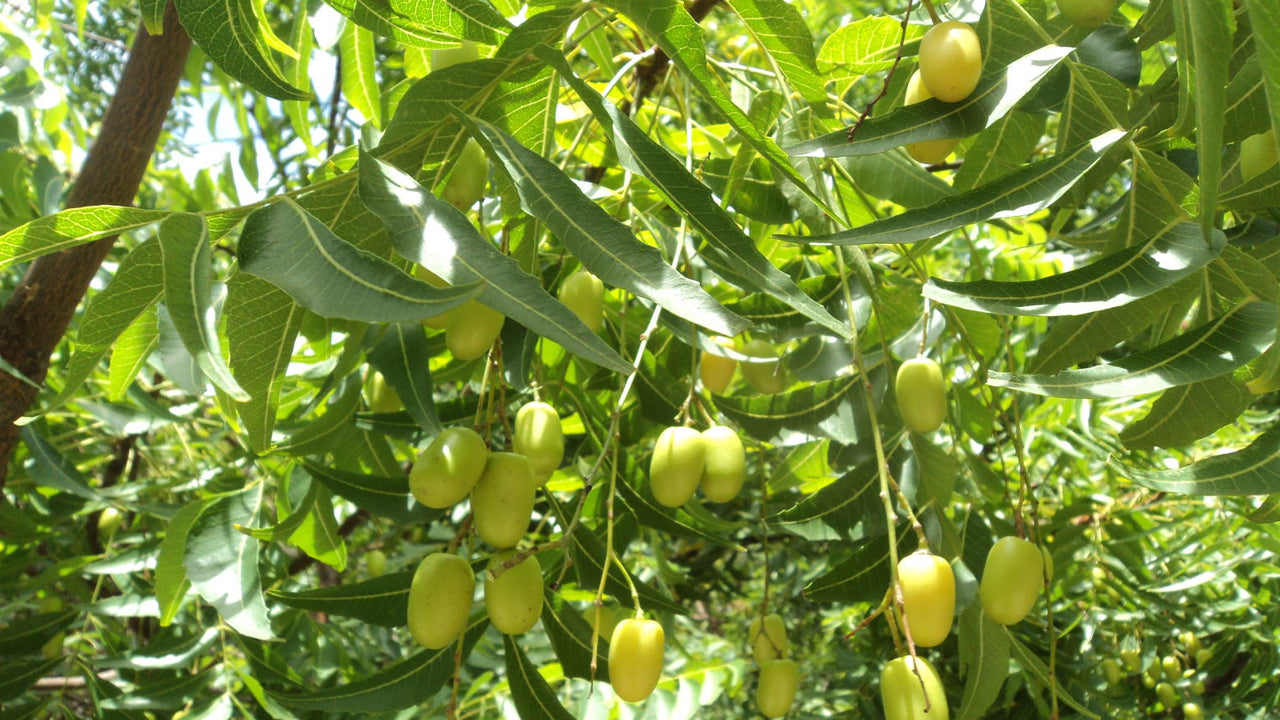
Indian lilac
Azadirachta indica -
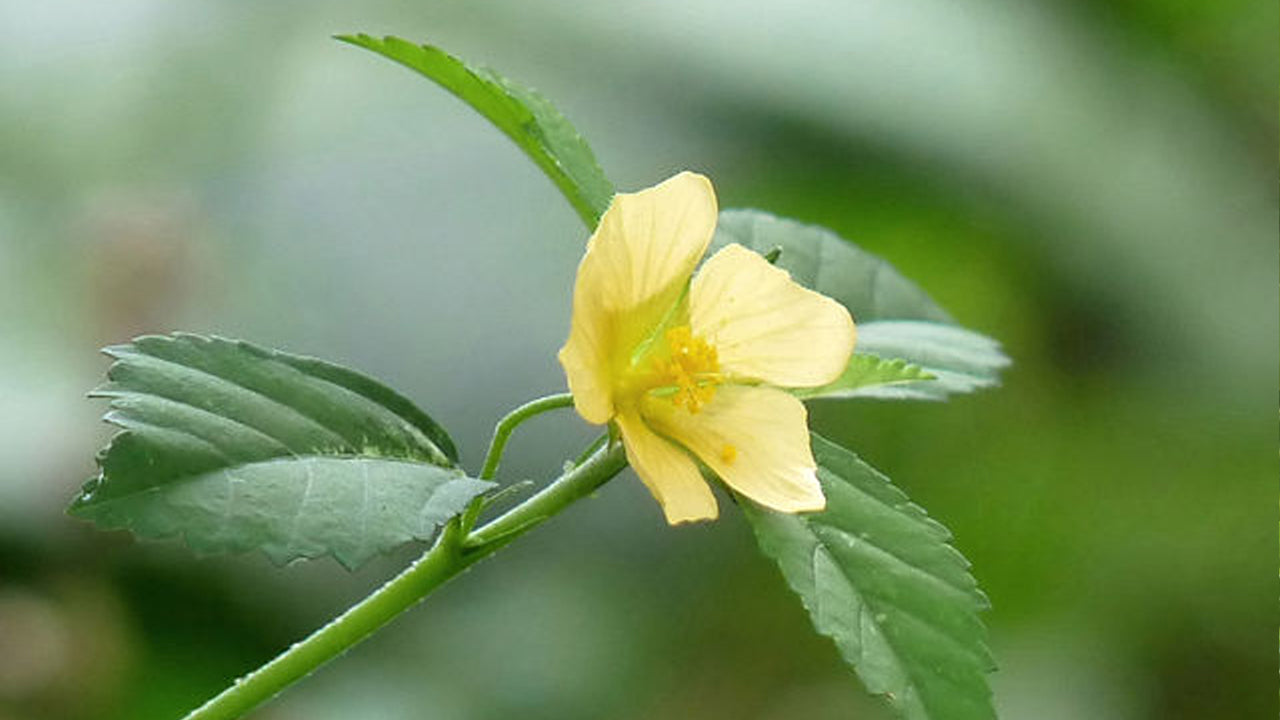
Spiny sida
Sida alba -
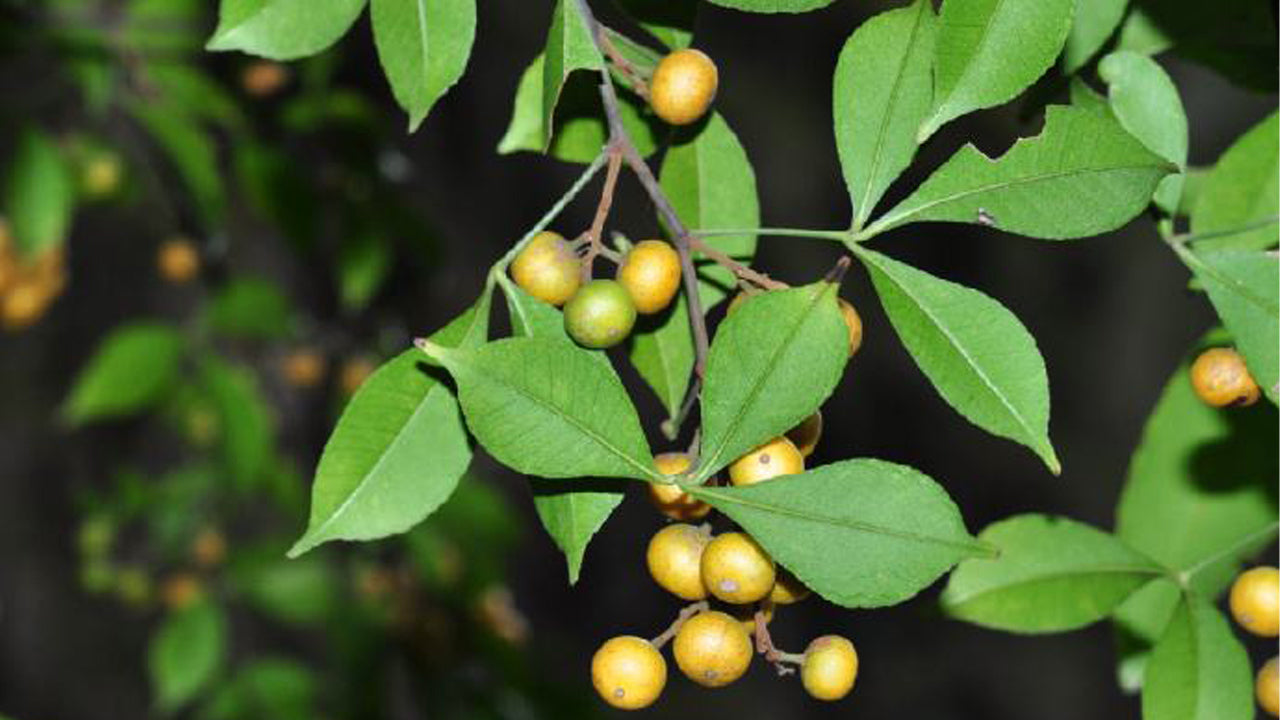
Orange climber
Toddlia asiatica -
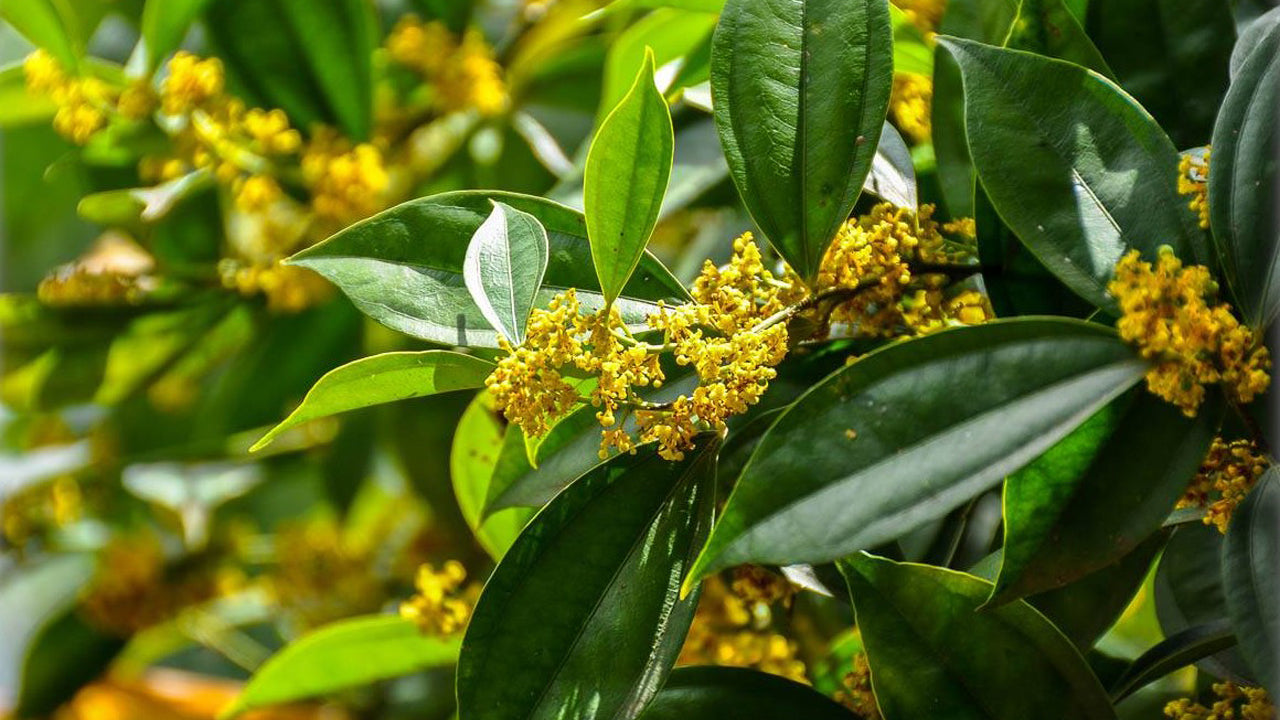
Ceylon cinnamon
Cinnamomum zeylanicum -
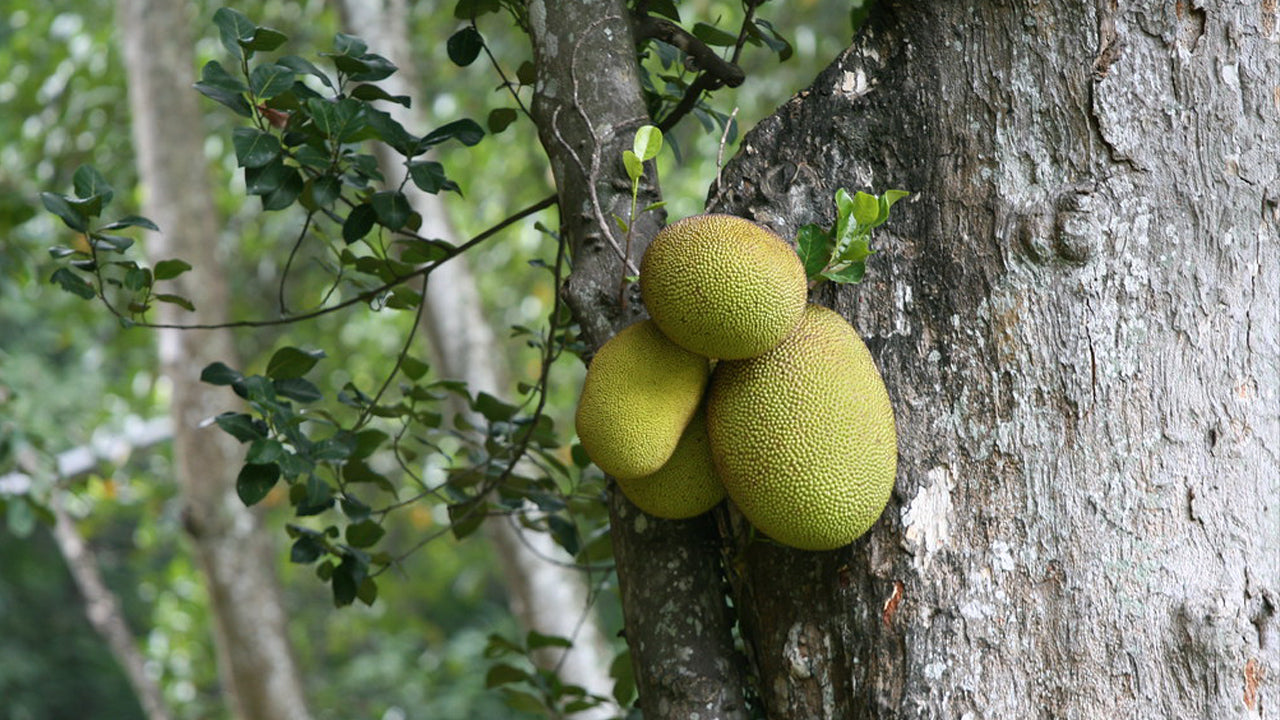
Jackfruit
Artocarpus heterophyllus -
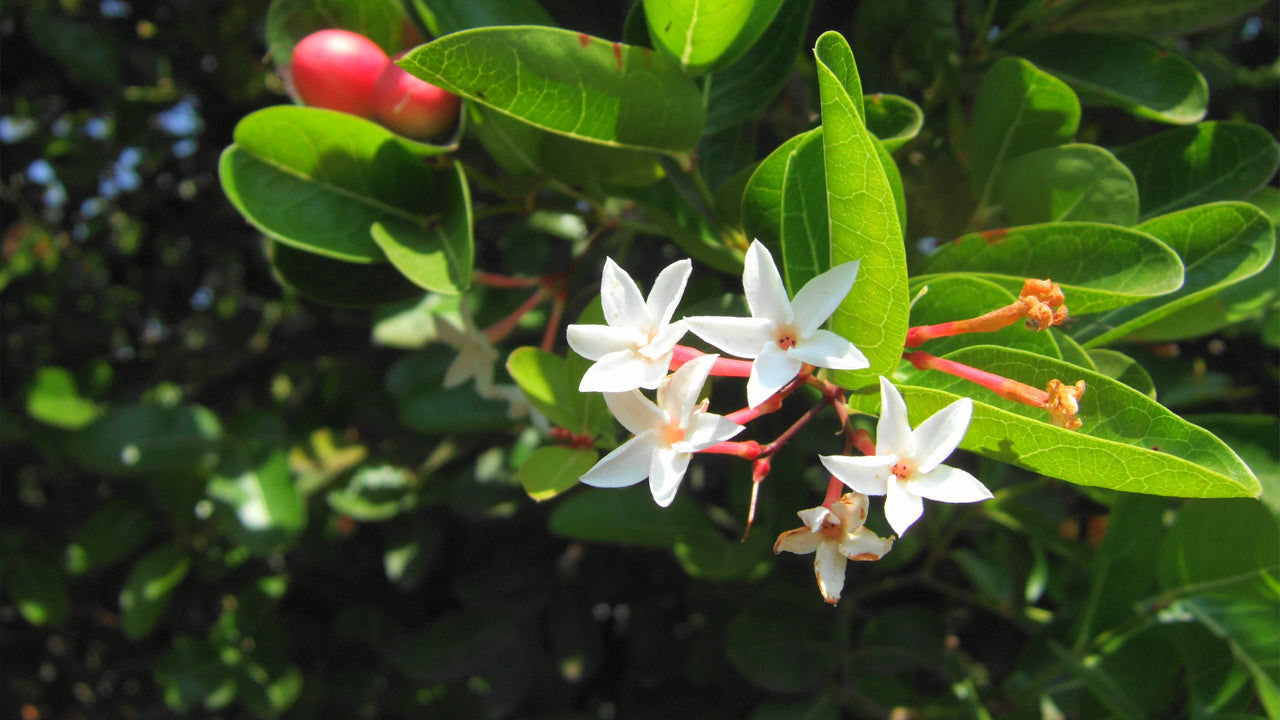
Karonda
Carissa carandas -
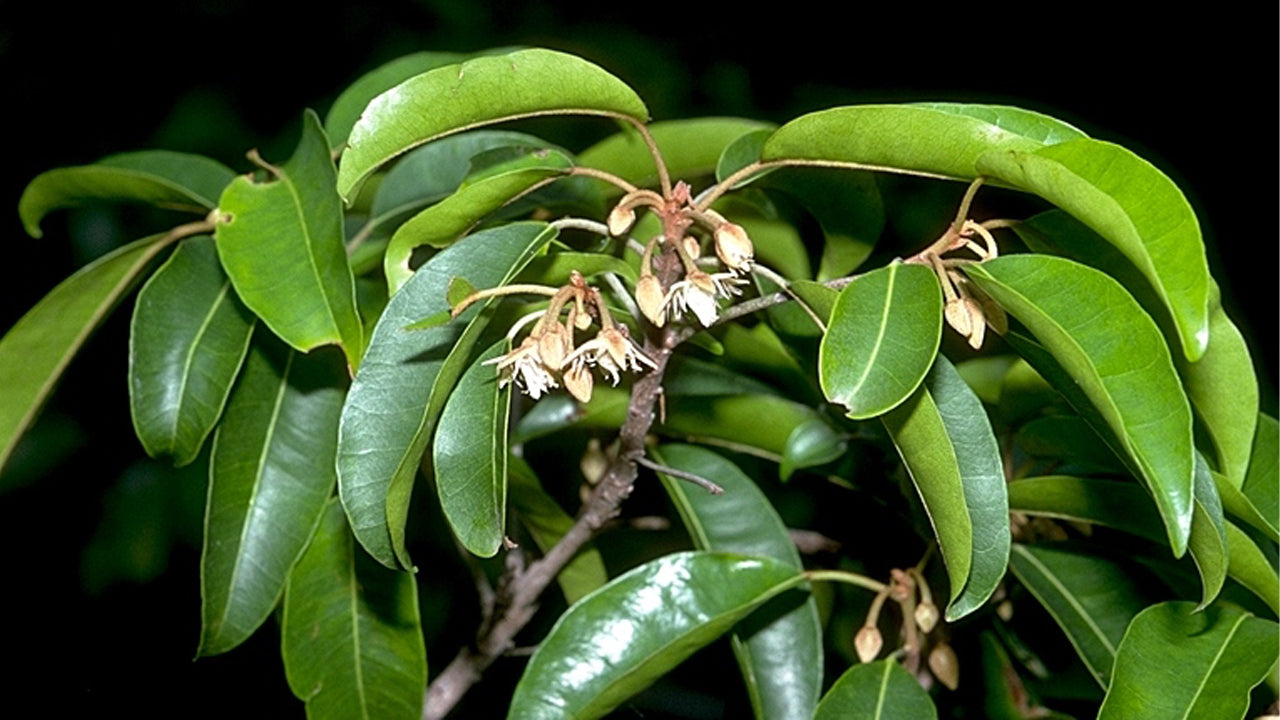
Spanish cherry
Mimusops elengi -
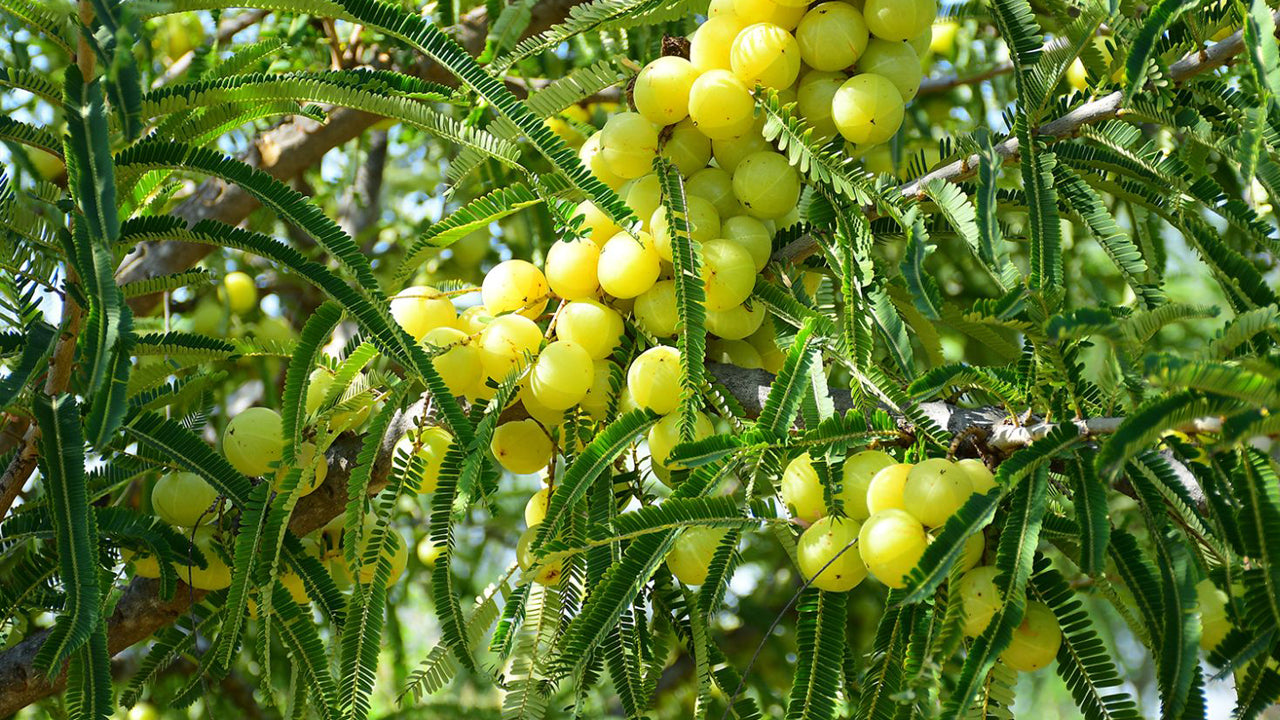
Indian gooseberry
Phyltanthus emblica -
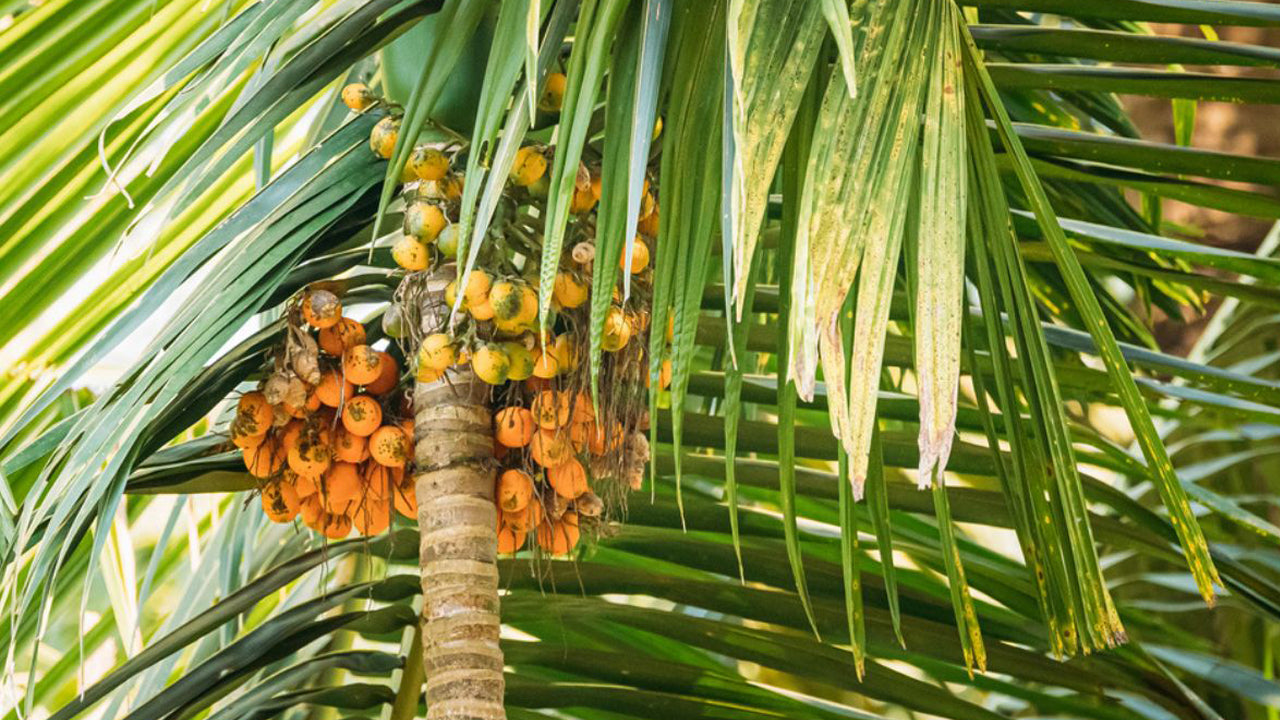
Betel palm
Areca catechu -
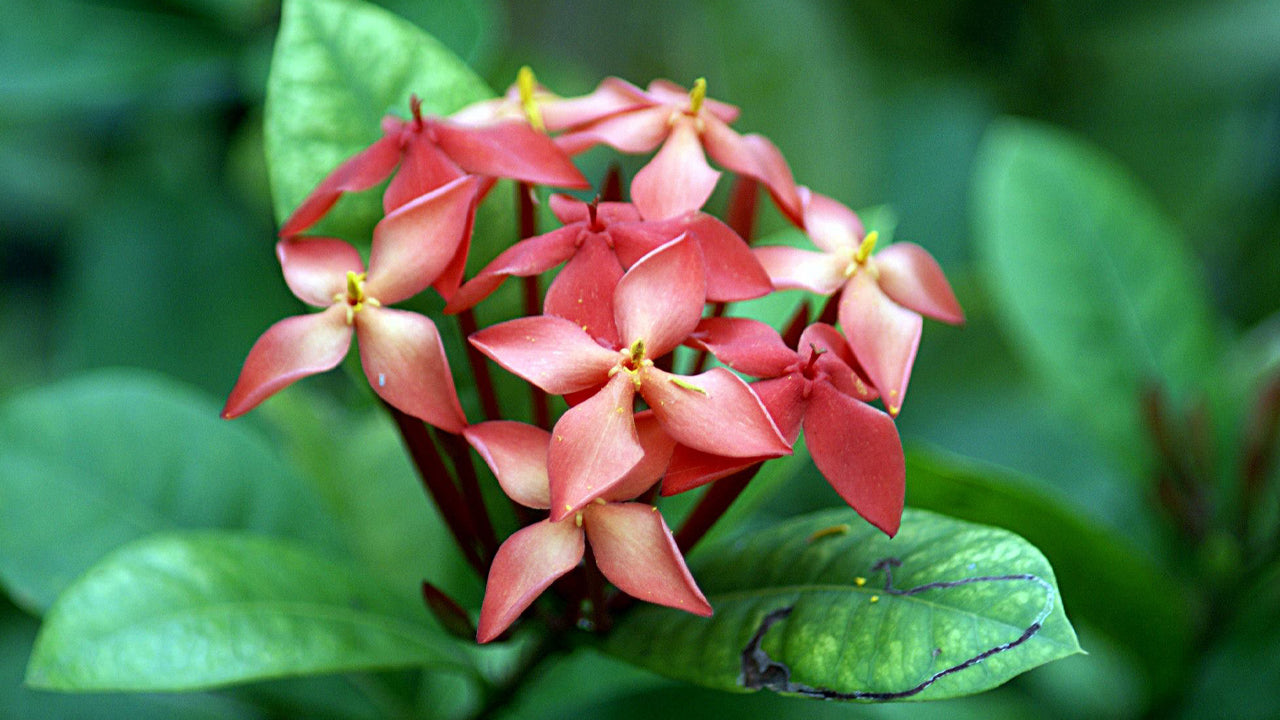
Jungle geranium
Ixora coccinea -
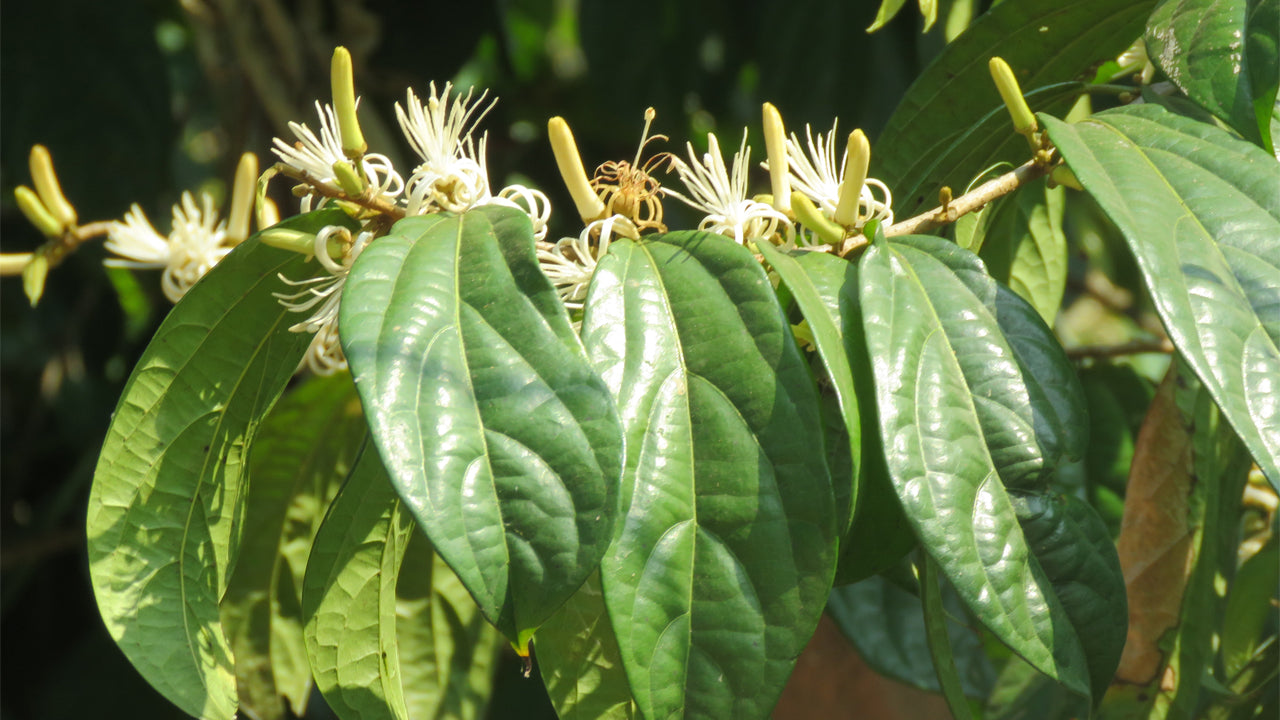
Sage-leaved alangium
Alangium salviifolium -
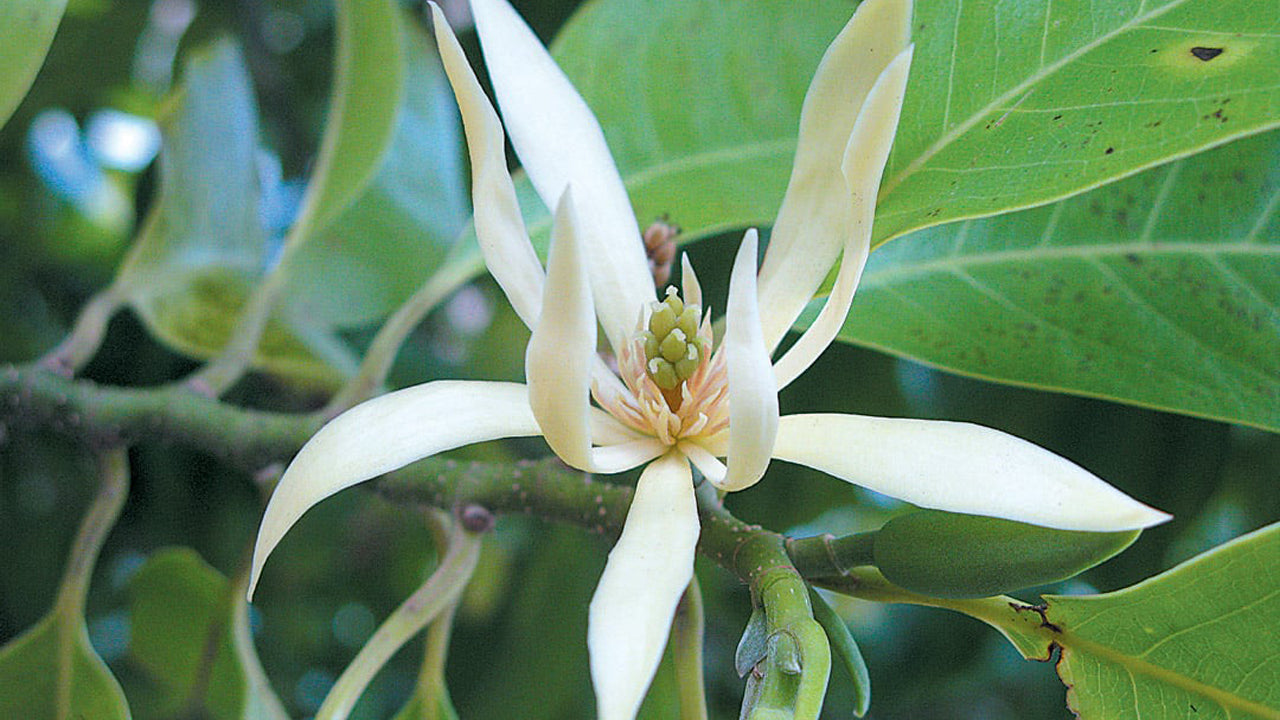
Champak
Michelia champaca -
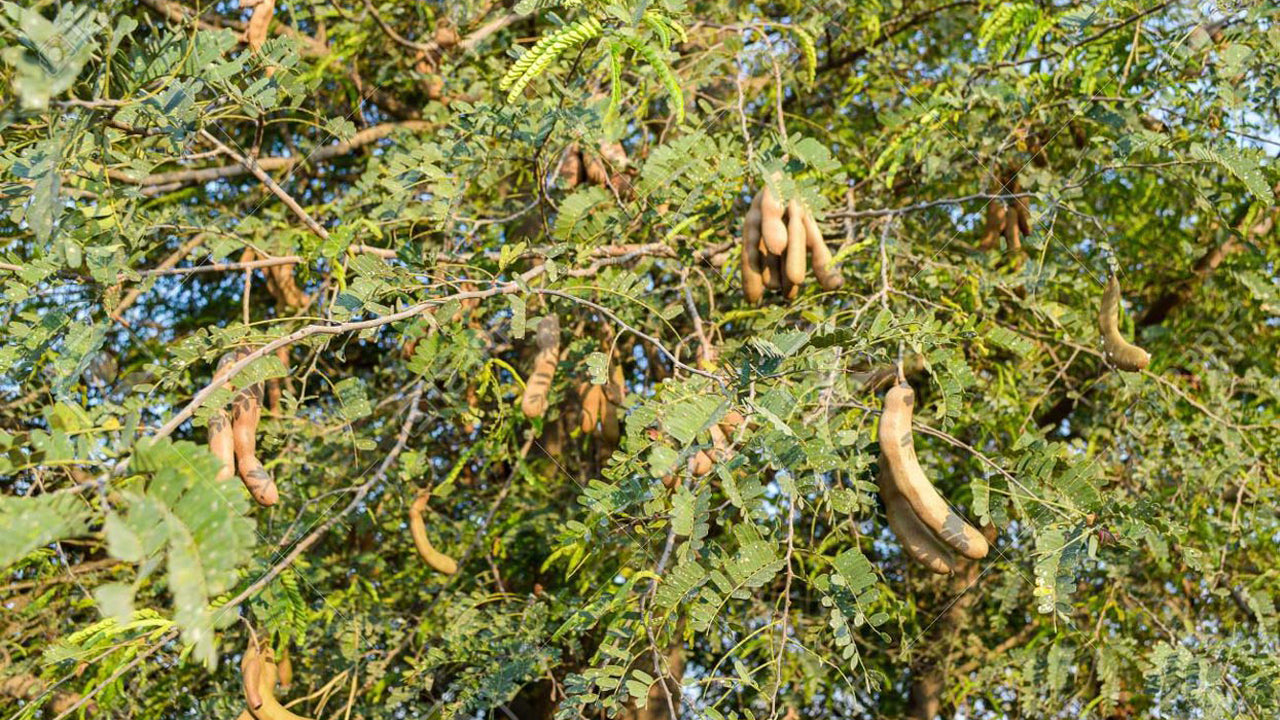
Tamarind
Tamarindus indica -
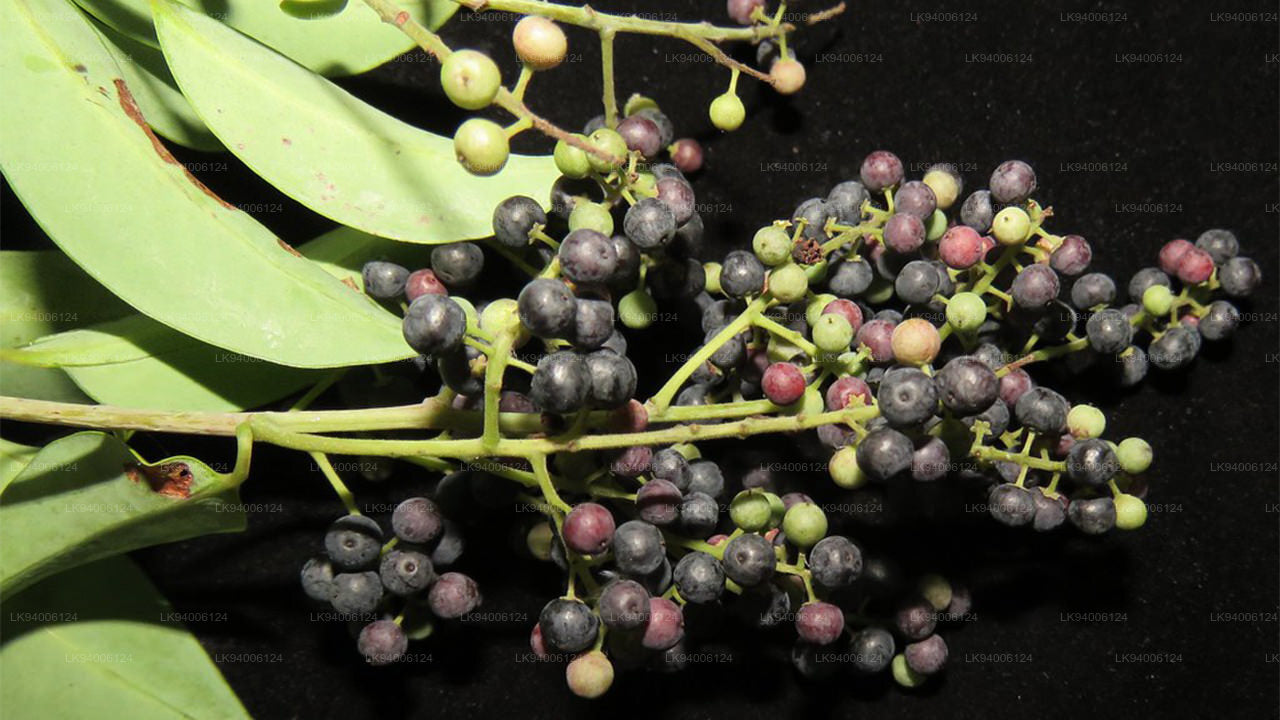
False Black Pepper
Embelia ribes -
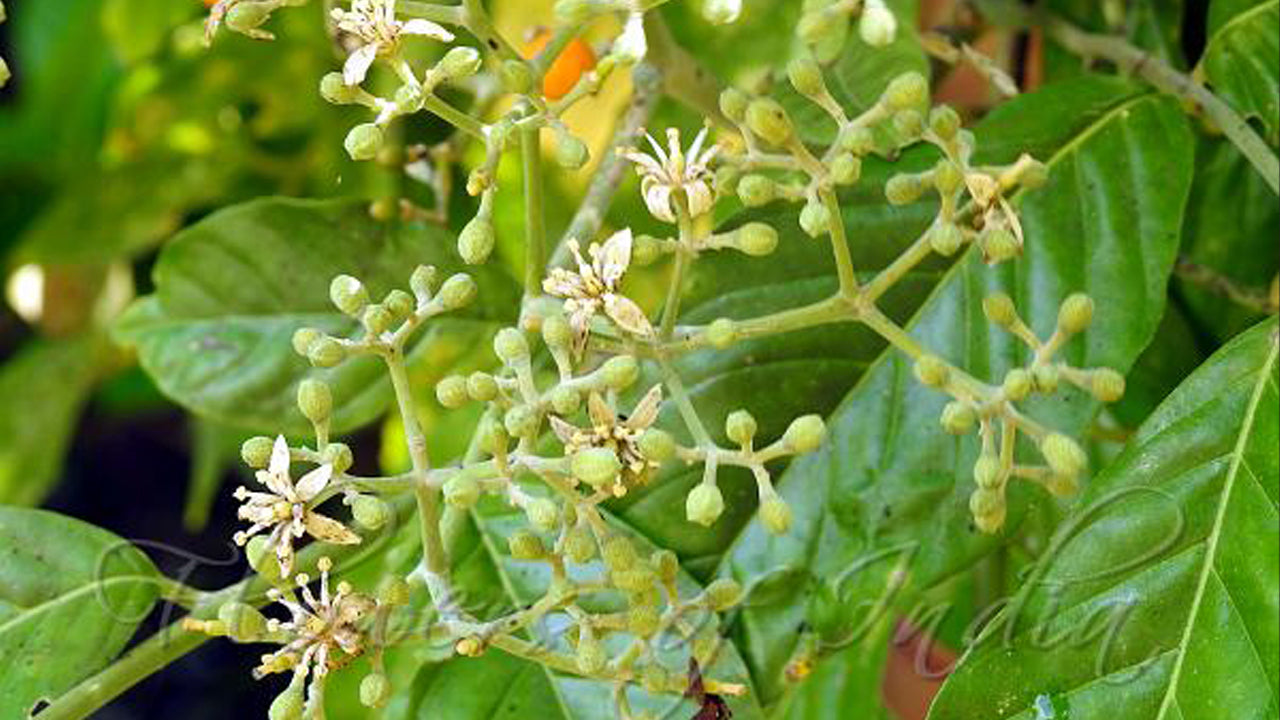
Limeberry
Micromelum ceylanicum -
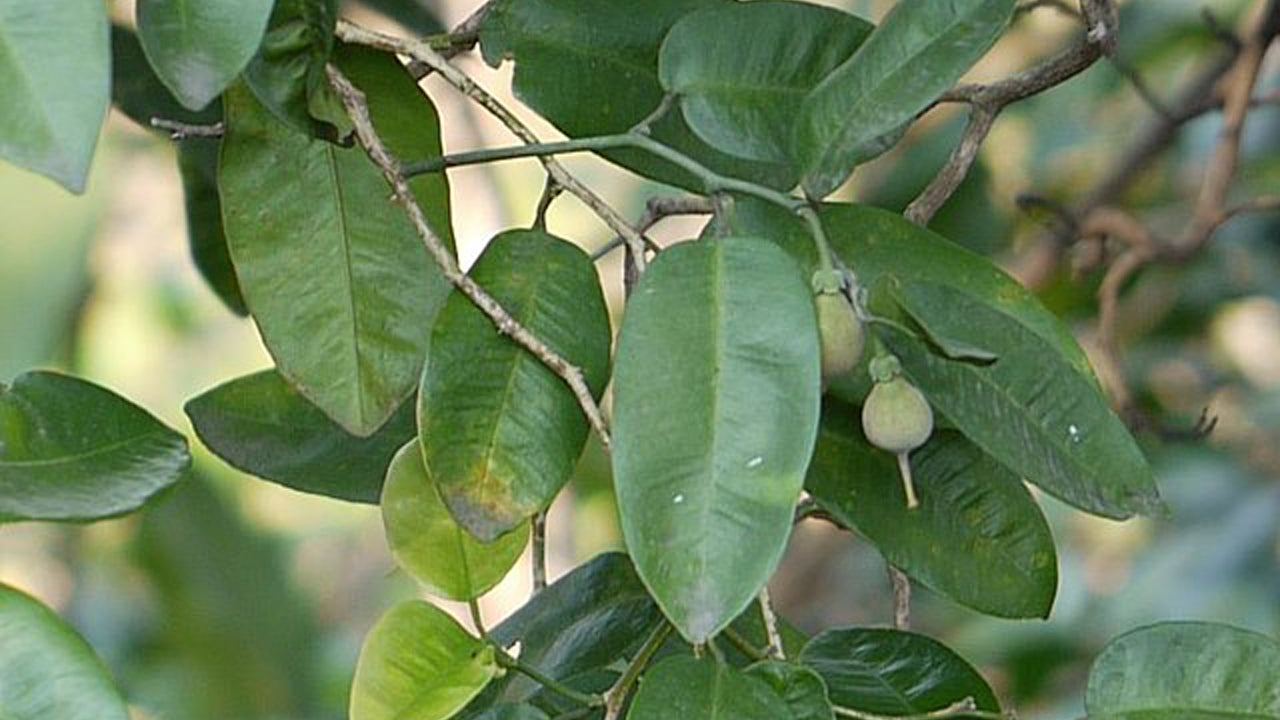
Climbing Atalantia
Paramignya monophylla





Ayurvedic and Herbal
-
Siddhalepa Ayurveda Herbal Balm
Regular price From $0.32 USDRegular price$0.38 USDSale price From $0.32 USDSale -
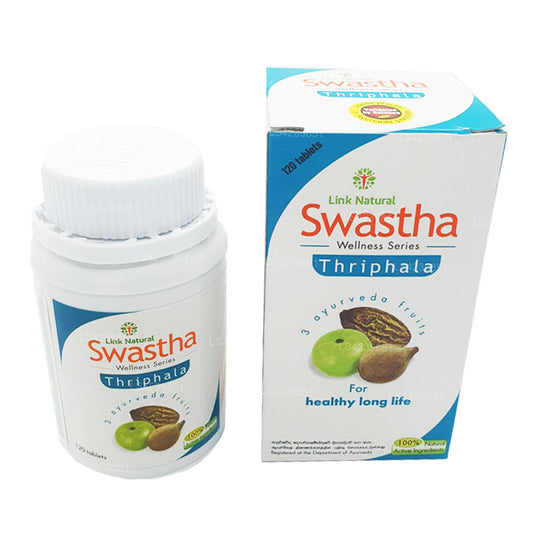
Link Swastha Triphala
Regular price From $1.90 USDRegular price$2.25 USDSale price From $1.90 USDSale -
Lakpura® Wildcrafted Soursop (Guanabana, Graviola, Guyabano) Dehydrated Leaves Whole
Regular price From $0.78 USDRegular price$0.92 USDSale price From $0.78 USDSale -
Sethsuwa Pranajeewa Oil
Regular price From $4.11 USDRegular price$4.88 USDSale price From $4.11 USDSale