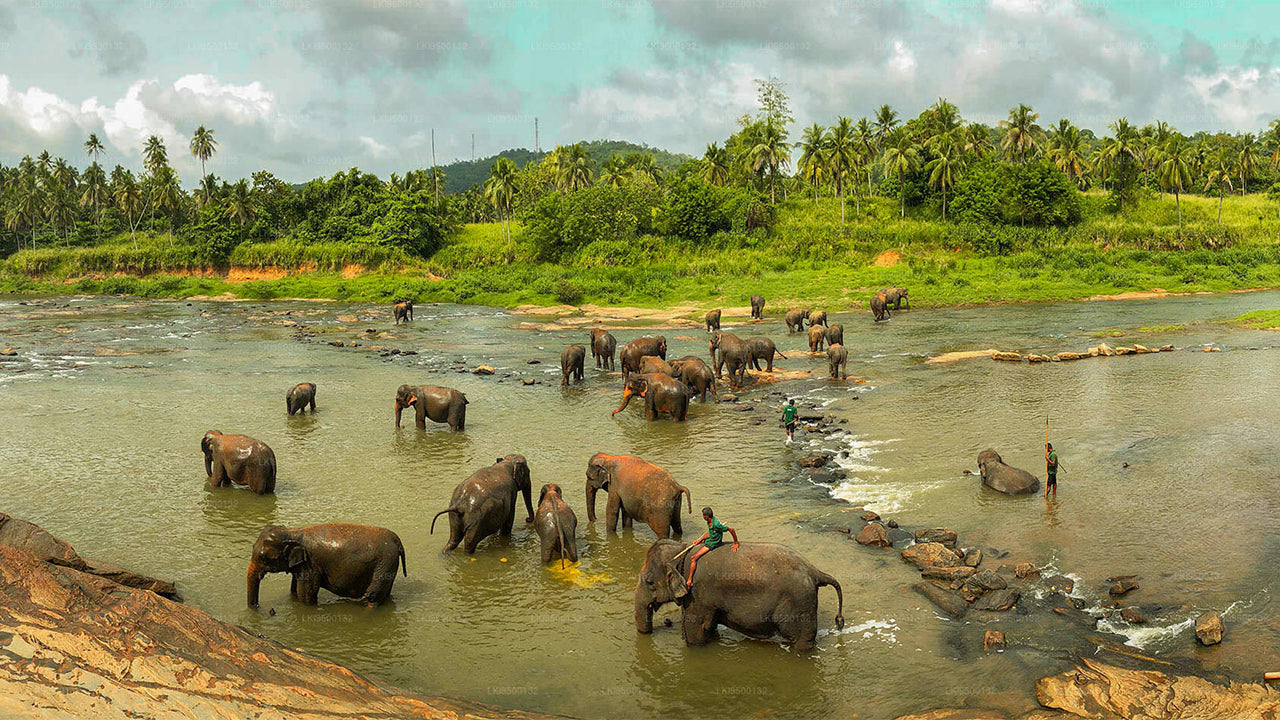
Pinnawala is a small town in the Kegalle District of Sabaragamuwa Province, sitting roughly midway along the road between Colombo and Kandy. Most visitors arrive with one thing in mind — the elephants — but the town rewards those who slow down. The Maha Oya River threads through the surrounding countryside, paddy fields stretch to low forested ridges, and the pace of daily life here feels genuinely unhurried.
What is Pinnawala best known for?
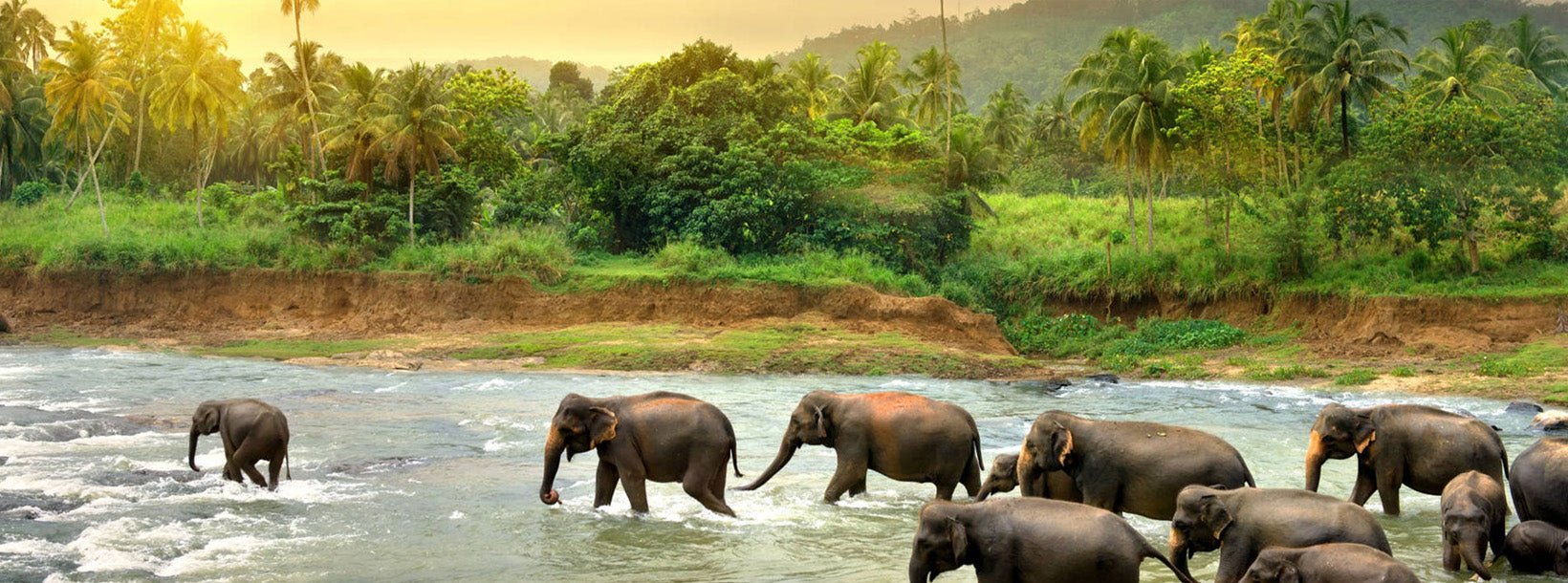
Pinnawala is home to two significant elephant care centres. The older and better-known is the Pinnawala Elephant Orphanage, established in 1975 by the Sri Lanka Department of Wildlife Conservation to care for orphaned and injured wild elephants. It now houses one of the largest captive herds of Asian elephants in the world, and the riverside bathing sessions — held at the Maha Oya twice daily — draw visitors from across the globe.
A separate facility, the Millennium Elephant Foundation, offers a different experience: smaller in scale, more intimate, and focused on the welfare of working elephants retired from temple processions and logging. Both centres are worth comparing when planning your time in Pinnawala.
For context on government-run elephant rehabilitation elsewhere in Sri Lanka, the Elephant Transit Home in Udawalawe operates a strict non-contact model and represents a contrasting conservation philosophy.
When is the best time to visit Pinnawala?
The dry season from December to April generally offers the most comfortable conditions for outdoor visits. Skies are clearer, temperatures are warm without being oppressive, and the riverside setting is at its most photogenic. That said, Pinnawala sits in the wet zone of Sri Lanka and receives rainfall year-round, so a passing shower is always possible even in the dry season.
The elephant bathing sessions are the anchor of most visits. They typically take place in the mid-morning and mid-afternoon, though exact times can shift — checking with your guide or accommodation on arrival is advisable. Arriving early in the morning before tour buses gather gives you calmer conditions for photography.
How do I get to Pinnawala from Colombo or Kandy?
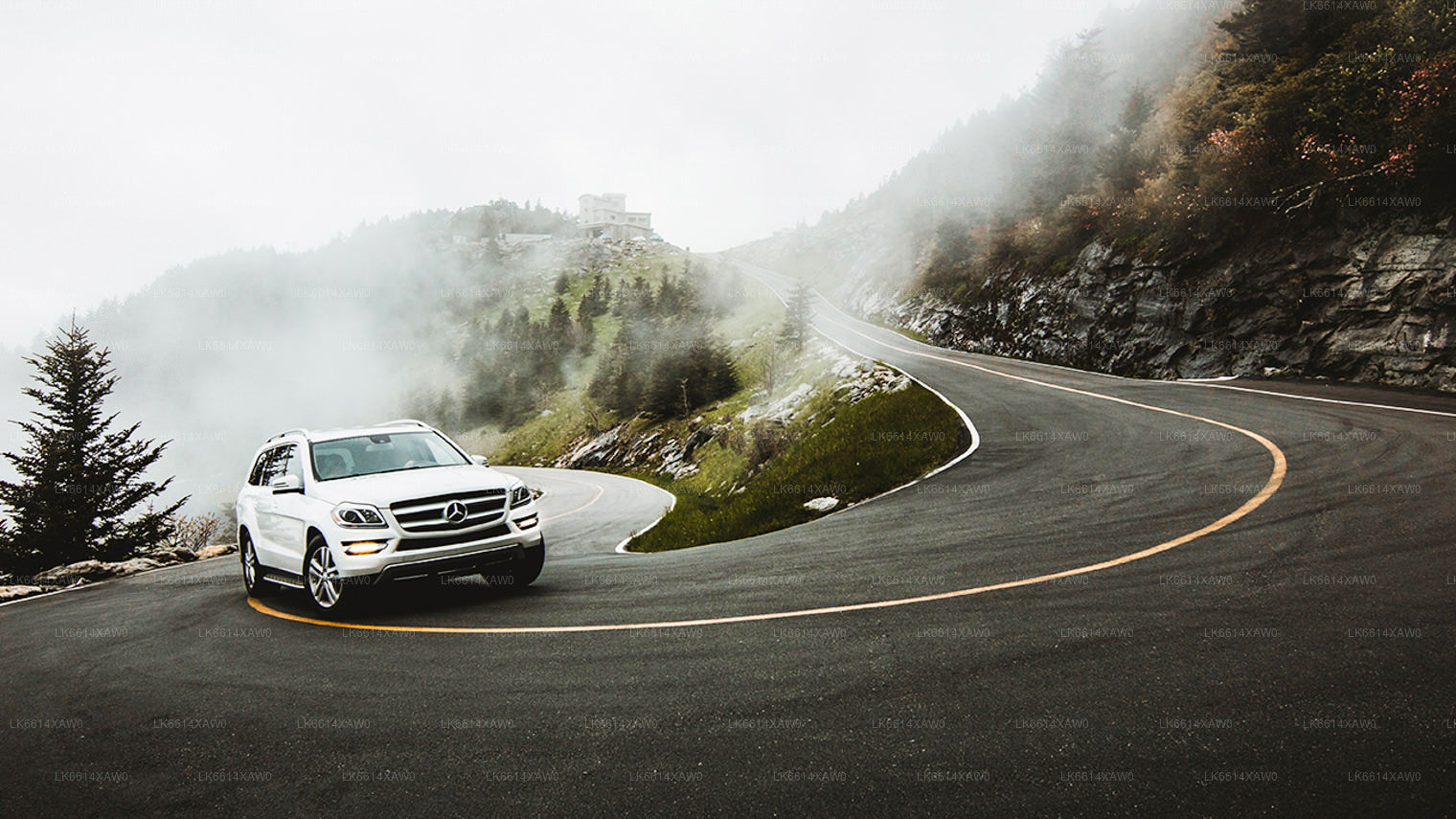
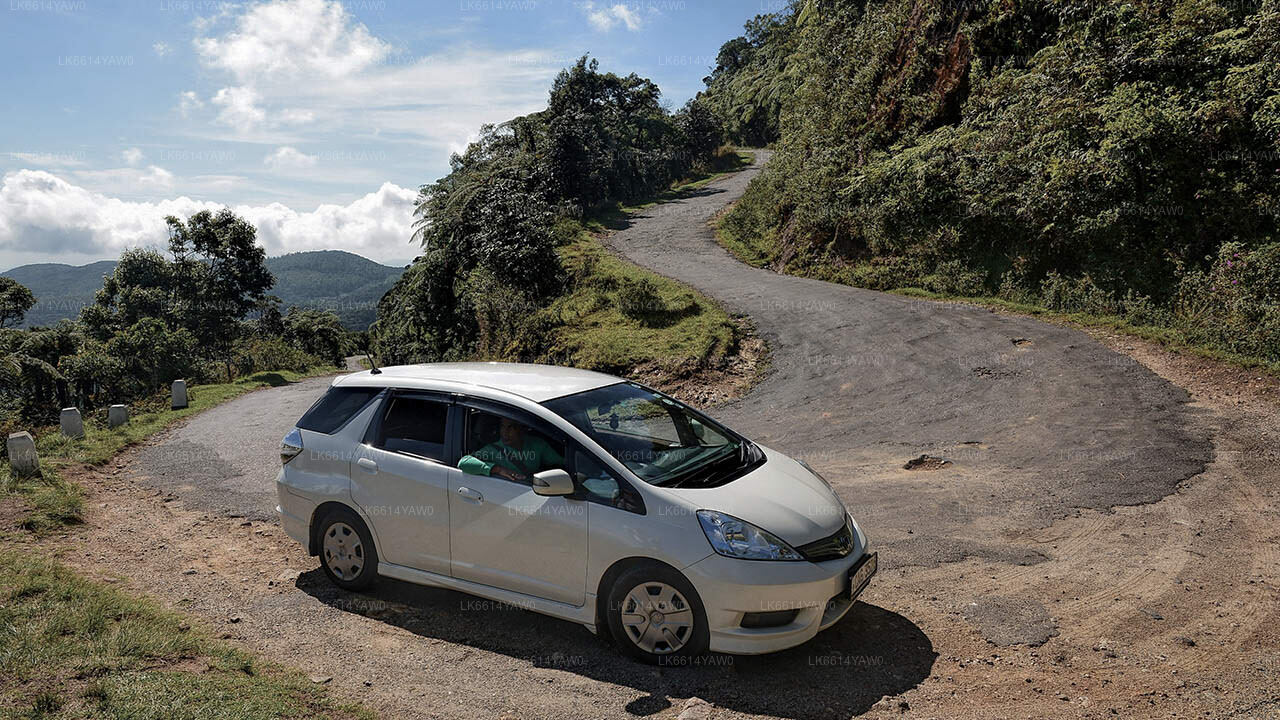
By road, Pinnawala lies around 90 kilometres east of Colombo and roughly 35 kilometres west of Kandy on the A1 highway. A private transfer from Colombo typically takes between two and two-and-a-half hours depending on traffic; from Kandy, the drive is under an hour. This positioning makes Pinnawala a natural stop on a Colombo–Kandy itinerary rather than a detour.
Public buses run from both Colombo and Kandy to Kegalle town, from where local vehicles reach Pinnawala. If you are travelling independently, the Kandy city tour circuit is a practical way to combine the two destinations in a single day.
| Origin | Approximate distance | Approximate drive time |
|---|---|---|
| Colombo | ~90 km | 2–2.5 hours |
| Negombo | ~100 km | 2–2.5 hours |
| Kandy | ~35 km | 45–60 minutes |
| Bentota | ~150 km | 3–3.5 hours |
What can I see and do beyond the elephant orphanage?
The countryside around Pinnawala is genuinely worth exploring on its own terms. Several experiences fill out a half-day or full-day visit:
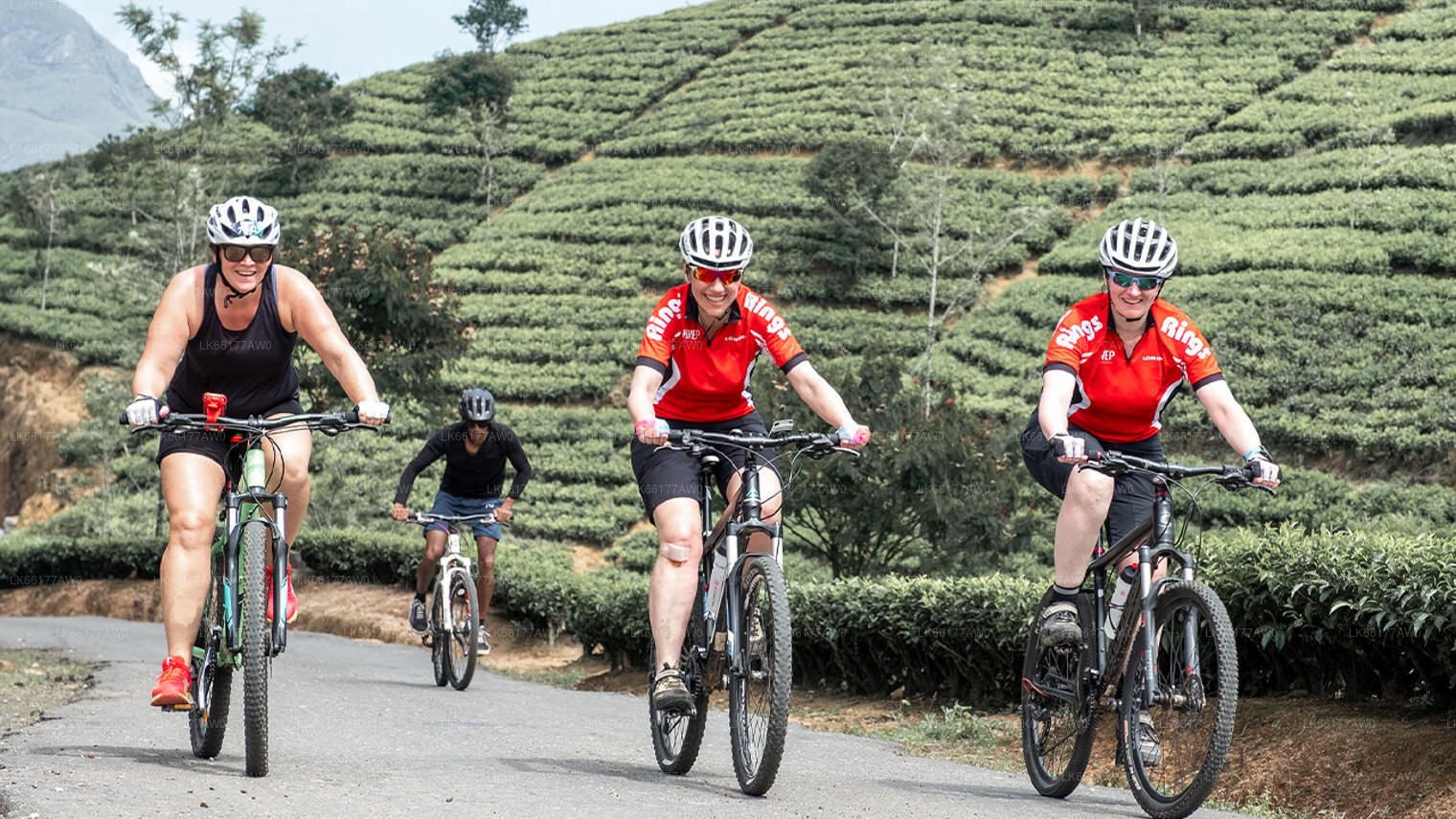
- Pottery villages: Traditional clay pottery-making has survived in villages near Pinnawala. Cycling between workshops gives a grounded look at a craft that predates tourism in the area by centuries.
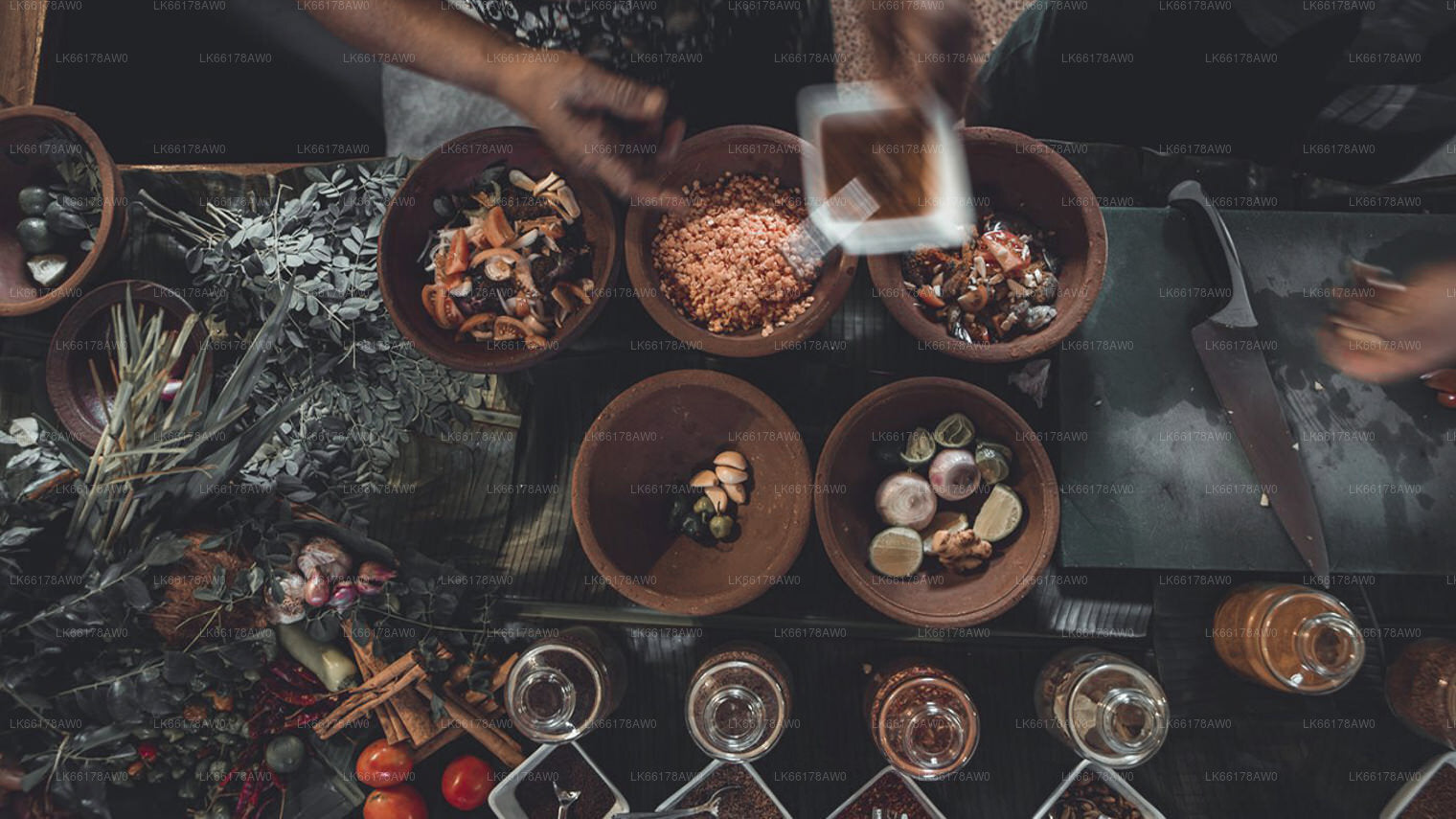
- Spice gardens: The Kegalle District's climate supports a variety of spice cultivation. Guided visits typically cover cinnamon, pepper, and cardamom, often finishing with a cooking demonstration using freshly harvested ingredients.
- Padavigampola village: A short ride from Pinnawala, this rural settlement offers a structured village cycling tour combined with a cooking demonstration — a practical way to understand everyday Kandyan-region life.
- Maha Oya riverbank walks: Even outside bathing hours, the river and its banks are pleasant for a walk. Kingfishers, water monitors, and various wetland birds are regularly spotted along the margins.
- Pinnawala Iperanigama Theme Park: A locally operated park near the town that adds a family-friendly recreational dimension to a Pinnawala visit.
What wildlife can I see in and around Pinnawala?
The Asian elephant (Elephas maximus maximus) is the obvious draw, but the broader landscape supports considerable biodiversity. The Maha Oya and its riparian forest patches attract a range of bird species including kingfishers, bee-eaters, and various herons. Water monitors (Varanus salvator) are common along the riverbanks and largely indifferent to human presence.
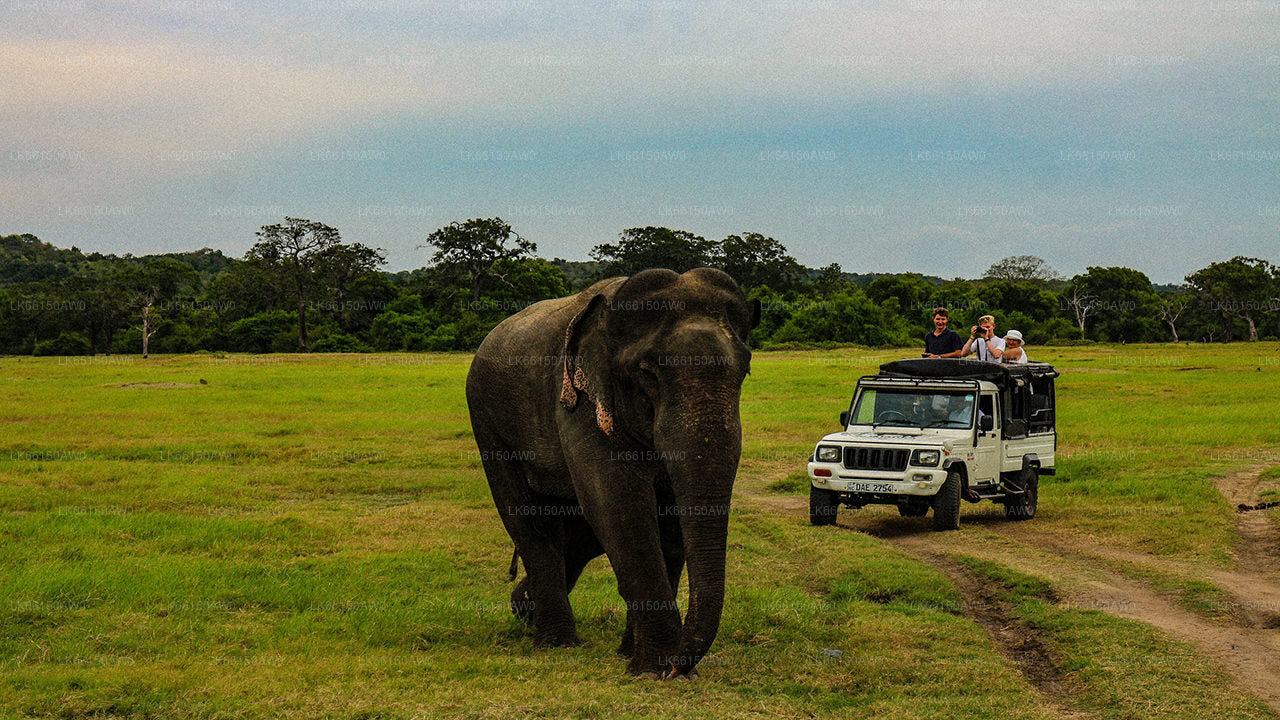
Visitors with a deeper interest in Sri Lankan wildlife often use Pinnawala as a comfortable base before continuing south toward Udawalawe National Park, where wild elephant herds roam a protected landscape of around 30,000 hectares — a very different experience from the orphanage setting.
Is Pinnawala suitable for families with children?
Yes, with some practical considerations. Children generally respond well to the scale and proximity of the elephant orphanage, and the riverside setting is safe and accessible. However, the orphanage can become crowded during peak tourist season, and the heat at midday can be tiring for young children. Planning to arrive for the morning bathing session and leaving before noon avoids both problems.
Cycling tours to nearby villages are often suitable for older children (typically 10 and above), and spice garden visits involve enough sensory variety — smells, textures, tastes — to hold younger travellers' attention.
Where should I stay in Pinnawala?
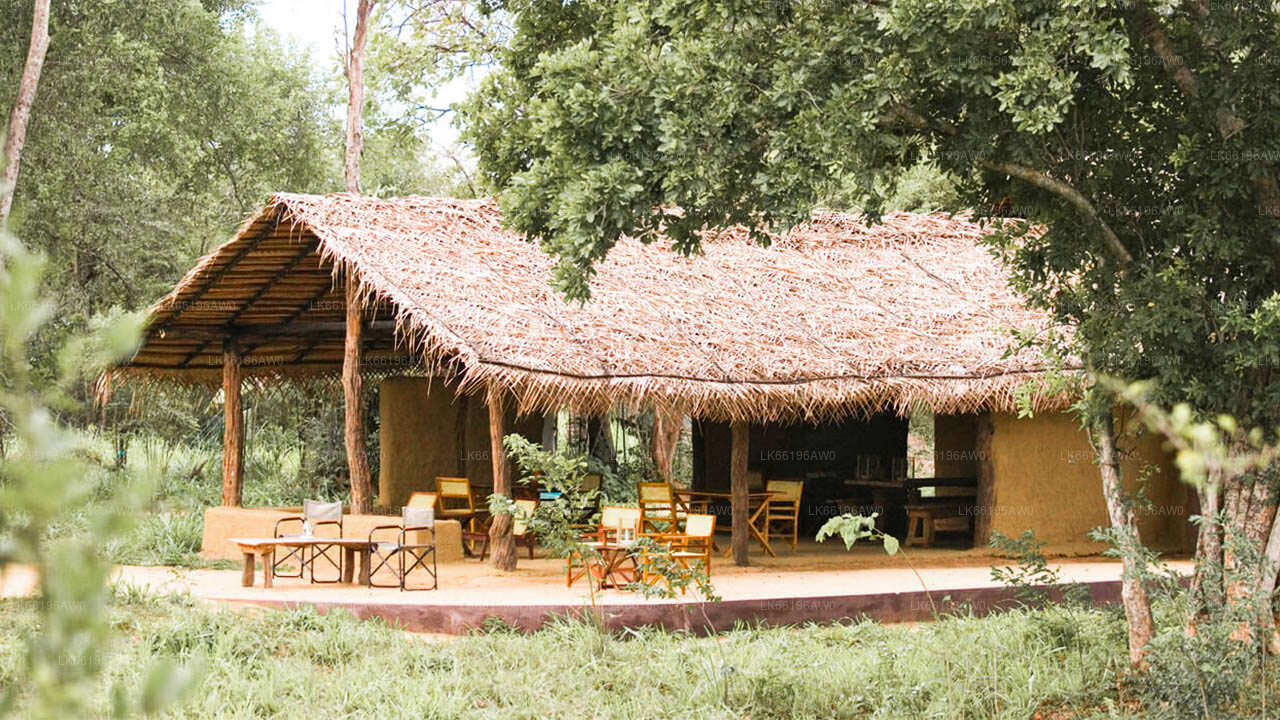
Accommodation in Pinnawala ranges from small guesthouses directly above the river — where you can watch elephants pass from a balcony — to mid-range hotels and villa-style properties set in the surrounding greenery. Staying overnight rather than visiting on a day trip meaningfully changes the experience: the town is quieter after the tour groups depart, and early-morning light on the river is particularly appealing for photography.
Several properties sit within a short walk of the orphanage gates, while others are set back in quieter rural surroundings a few kilometres away. Lakpura works directly with a selection of hotels and villas in the area to arrange comfortable, well-positioned accommodation to suit different travel styles.
What should I know before visiting the elephant orphanage?
- The orphanage is managed by the Department of Wildlife Conservation under the Sri Lanka government.
- Entry fees apply for foreign visitors; check current rates before arrival as they are periodically revised.
- Elephant rides are not offered at the orphanage, though some private operators in the area may advertise them. Responsible wildlife tourism guidelines generally discourage riding.
- Photography is permitted in most areas; flash photography near the animals is not appropriate.
- The facility can become very busy on weekends and Sri Lanka public holidays. Weekday visits are generally quieter.
- Comfortable footwear is recommended — the paths between viewing areas involve some uneven ground and can be muddy after rain.