Lakpura
Lakpura®

Kumana City

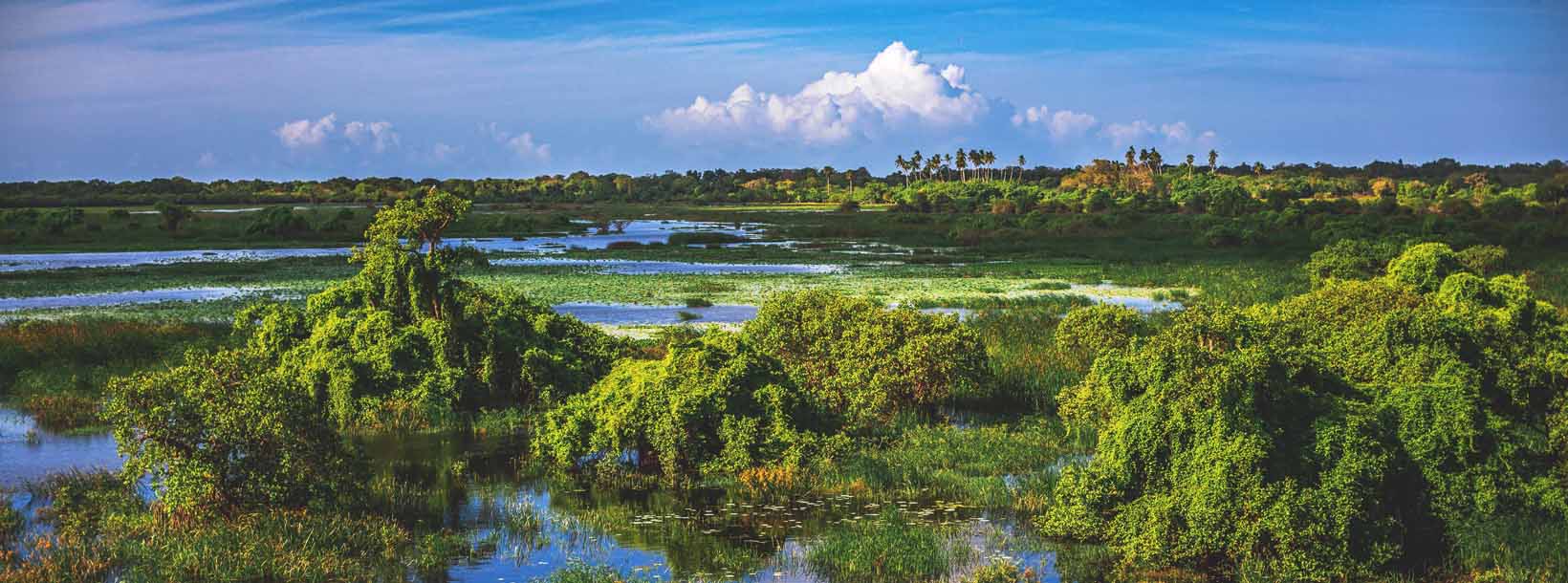
Kumana sits at the southeastern edge of Sri Lanka's Eastern Province, within Ampara District, where the dry-zone scrublands give way to mangroves, tidal lagoons, and freshwater marshes. The area is best known as the gateway to Kumana National Park, one of the island's most important avian refuges and a compelling alternative to the more heavily visited parks in the south and northwest.

What makes Kumana National Park special?

Kumana National Park — formerly known as Yala East — covers around 35,700 hectares of coastal wetland, dry-monsoon forest, and open scrub. Its defining feature is the Kumana Villu, a large brackish lagoon that floods seasonally and draws extraordinary concentrations of waterbirds. The park sits directly on the migratory flyway that carries birds between Central Asia and the Indian subcontinent, which means the species count spikes significantly between April and July.

What separates Kumana from parks like Wilpattu or Udawalawe is the combination of coastal habitat with inland scrubland. That mosaic supports both resident wildlife and transient species in numbers that few other Sri Lankan parks can match in a single day's outing.

What birds can I see at Kumana?

Kumana is considered one of the finest birdwatching sites in South Asia. Painted storks, lesser adjutants, open-billed storks, purple herons, great white pelicans, and several species of egret are regularly recorded around the main villu. During the northern winter and the pre-monsoon period, Eurasian and bar-tailed godwits, various sandpipers, and red-necked phalaropes pass through.

  • Painted stork — nests colonially in the trees fringing the lagoon; one of the largest breeding colonies on the island
  • Lesser adjutant stork — a globally vulnerable species; Kumana holds a significant Sri Lankan population
  • Black-necked stork — occasional but recorded; always attracts attention
  • Spot-billed pelican — resident breeder; often seen loafing on dead trees in the villu
  • Migrant waders — best between August and April along the tidal mudflats near the coast

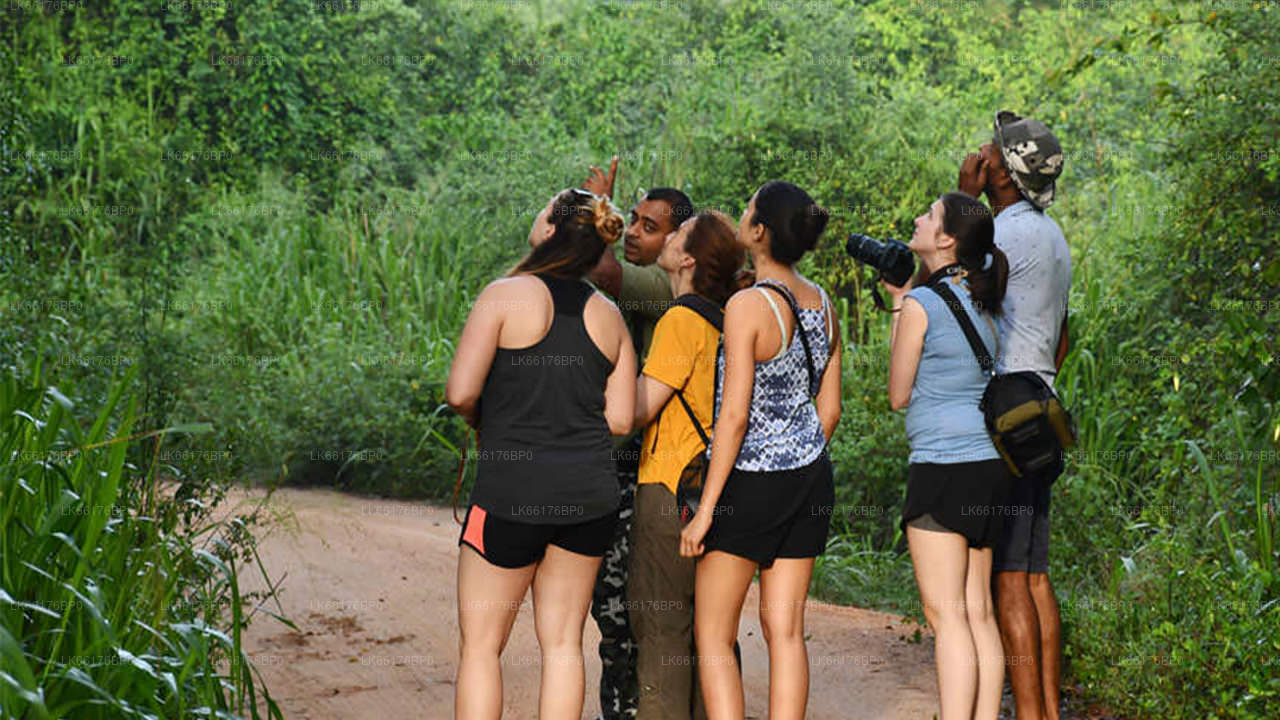
A guided birdwatching session with an experienced naturalist substantially increases the species count. Early morning departures — before 07:00 — consistently produce the most activity.

What other wildlife lives in Kumana?

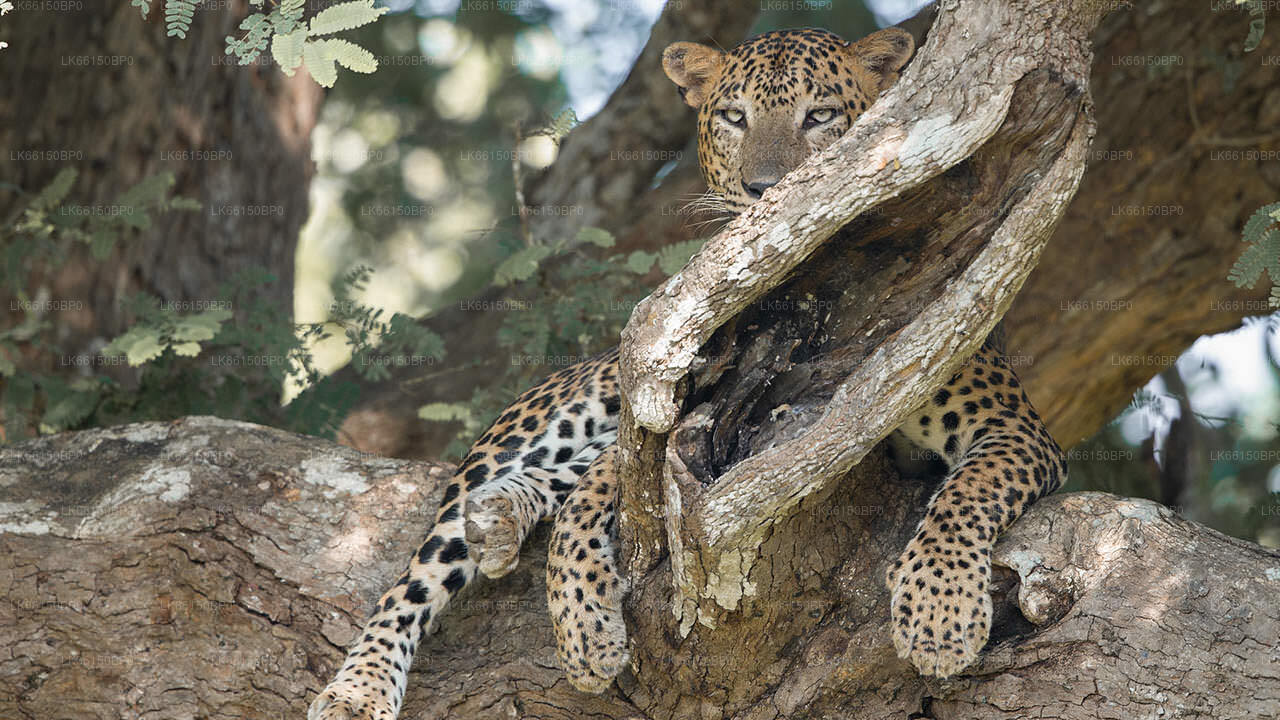
Despite its reputation as a birding destination, Kumana supports a full complement of Sri Lankan megafauna. Sri Lankan leopards are present and, though sightings are less frequent than at Yala Block I, encounters do happen — particularly in the drier months when wildlife concentrates near water. Elephants move through the park in small herds, and sloth bears are occasionally spotted after dusk near fruiting trees.

The wetlands also support large mugger crocodiles, and it is common to see several individuals basking on exposed mudbanks in the early morning. Crocodile watching is a natural by-product of any jeep safari in the park. Water buffalo, spotted deer, sambar, and wild boar are abundant and often form large aggregations in the open grassland patches.

When is the best time to visit Kumana?

The park is generally open from February to October each year, closing during the inter-monsoon and northeast monsoon seasons when the access tracks become impassable. The prime wildlife period runs from April through July, when the Kumana Villu is at its fullest and colonial waterbird nesting is underway. This window also coincides with peak migratory bird traffic.

Month range Conditions Wildlife highlight
April – July Park open; villu full; dry heat Colonial waterbird nesting; peak bird diversity
August – October Park open; vegetation denser Resident mammals; migrant waders arriving
November – January Park typically closed; northeast monsoon Off-season; access not recommended
February – March Park reopening; vegetation recovering Early-season leopard and elephant sightings

How do I get to Kumana from Colombo or Arugam Bay?

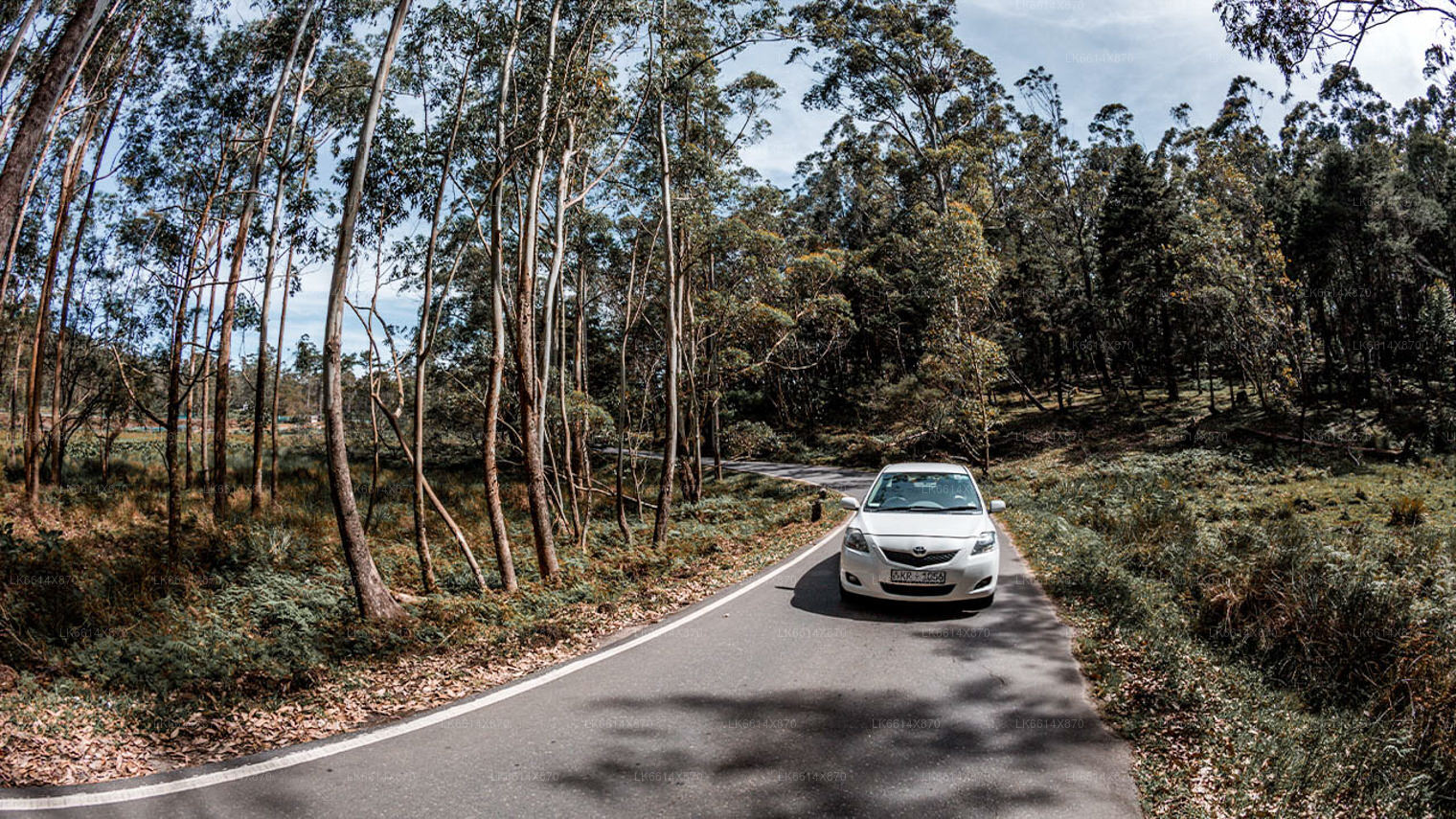
Kumana is situated roughly 390 km from Colombo by road. The most practical route takes you via Ratnapura or Kandy and then down the southeast coast through Pottuvil. The nearest well-known landmark is Arugam Bay, a surf town approximately 20 km north of the park entrance. From Arugam Bay, the drive to the Kumana park gate takes around 30 to 40 minutes on a sealed road that transitions to gravel closer to the gate.

Organised safaris departing from Arugam Bay or from the small town of Panama — south of the park — are the most convenient option for most visitors. Panama provides access to the southern section of the park and has a small cluster of guesthouses for those wanting an overnight stay near the wildlife corridor. Domestic flights to Ampara or Batticaloa airports shorten the journey considerably from Colombo.

What should I know before visiting Kumana National Park?

Entry to Kumana National Park requires a valid ticket purchased through the Department of Wildlife Conservation. Foreign nationals pay a higher tariff than Sri Lankan citizens, and the fee structure covers both the park entrance and the service charge. Visitors must travel in a registered 4WD jeep with a licensed tracker — self-drive is not permitted inside the park boundary.

  • Bring a hat, sunscreen, and at least 1.5 litres of water per person; shade inside the park is limited
  • Binoculars are essential for meaningful birdwatching; a 8×42 or 10×42 configuration works well in bright conditions
  • Photography works best in the first two hours after sunrise and the last hour before sunset
  • Plastic bags are prohibited inside the park; use a fabric or hard container for rubbish
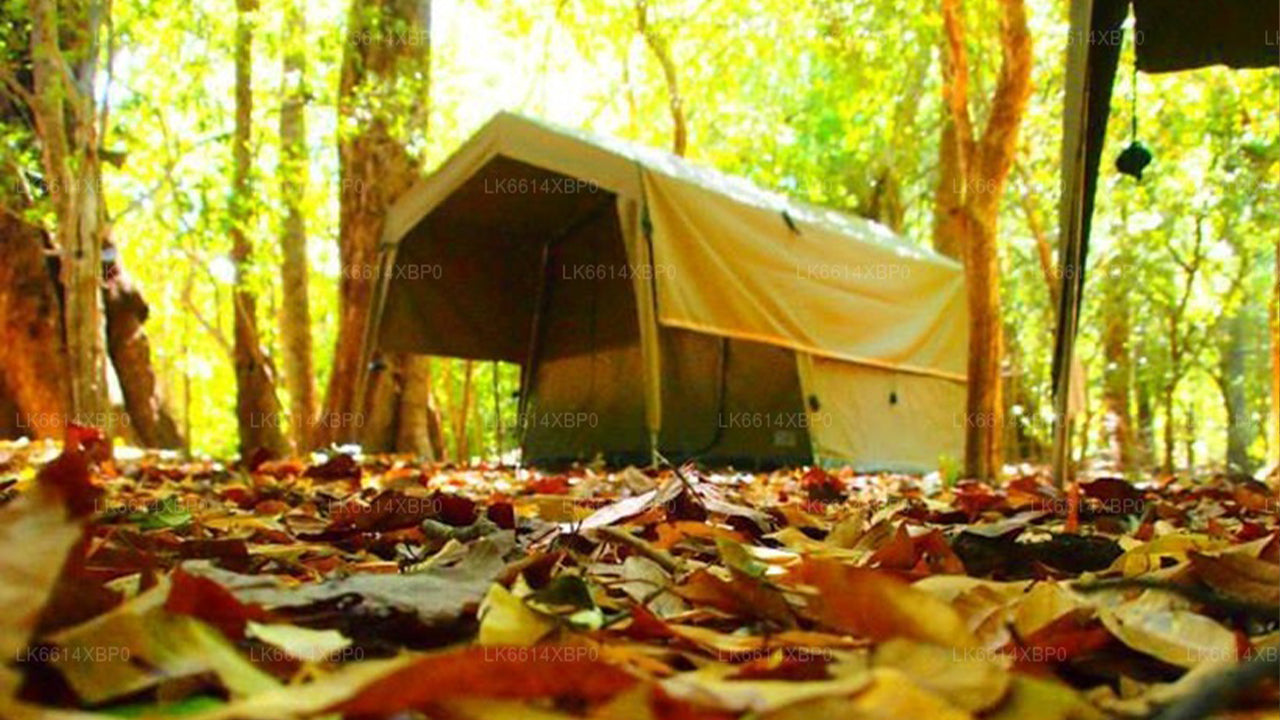
  • Camping within the park is available at designated sites; advance permits are required

What else is there to see around Kumana?

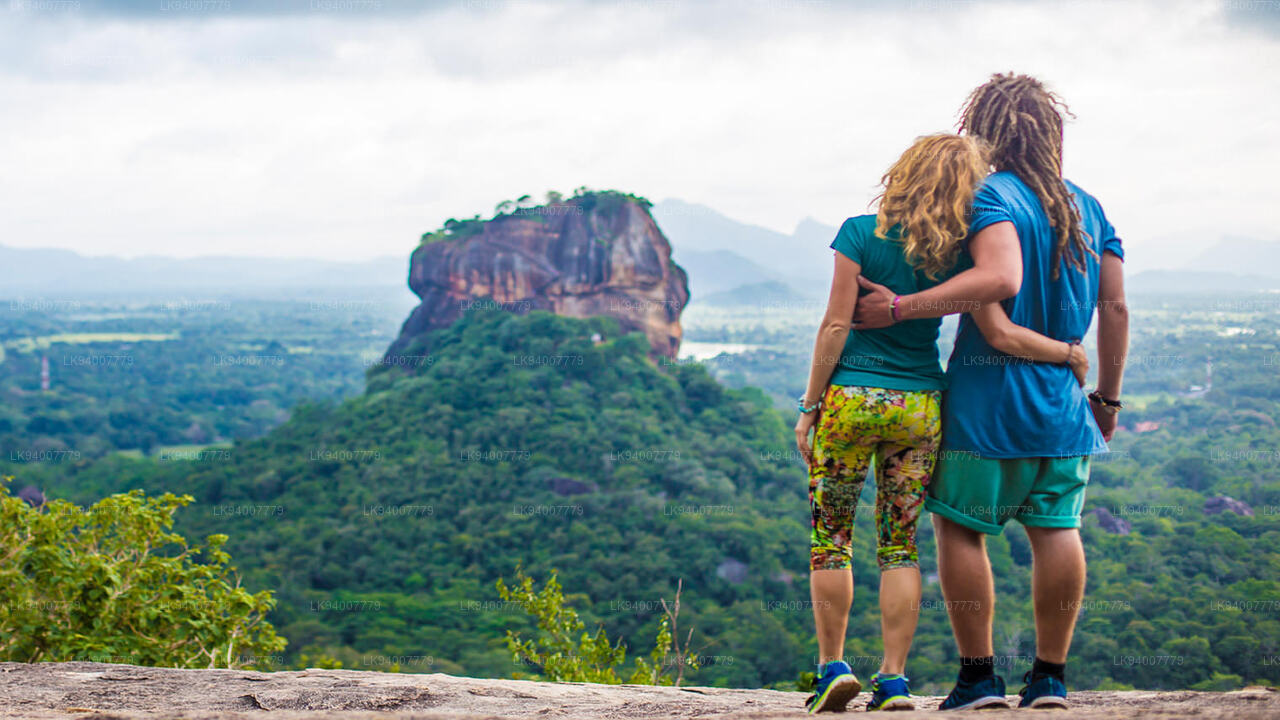
The region surrounding Kumana carries significant archaeological and cultural weight. The ancient port of Kudiramalai and several small dagobas (stupas) dating to the Anuradhapura period dot the coastline between Panama and Okanda. The Okanda Devalaya, a Hindu-Buddhist pilgrimage shrine perched on a coastal headland, is particularly atmospheric at dawn and forms part of the annual Pada Yatra pilgrimage route that culminates in Kataragama.

The beaches between Arugam Bay and Pottuvil are among the least developed on the island, and the Pottuvil Lagoon — just north of Arugam Bay — supports its own population of waterbirds and crocodiles. Visitors combining a wildlife focus with a coastal stay will find this corner of the Eastern Province genuinely rewarding outside peak tourist season.

Book this experience with Lakpura

Curated by our local team. Direct booking, instant confirmation.

Ask Lakpura® Agent