Lakpura
Lakpura®

Bacopa monnieri

Bacopa monnieri — known in Sri Lanka as Lunuwila (ලුණුවිල) — is one of the most revered herbs in Ayurvedic medicine. A small, creeping plant that thrives in wet, tropical environments, it has been prescribed by traditional healers for centuries to sharpen memory, calm the nervous system, and manage a range of neurological complaints. Today, it attracts growing interest from both clinical researchers and wellness travellers exploring Sri Lanka's rich tradition of plant-based medicine.

What Is Bacopa Monnieri?

Bacopa monnieri belongs to the family Plantaginaceae and goes by several common names: brahmi, water hyssop, thyme-leaved gratiola, and herb of grace. The plant is characterised by small, succulent leaves arranged along slender stems, and it produces delicate white or pale-purple flowers. It typically reaches between 10 cm and 30 cm in height. Unlike most land-based herbs, Bacopa monnieri can survive fully submerged in water, a trait that has made it popular among aquarium enthusiasts worldwide.

In Sri Lanka, it features prominently in the island's catalogued Ayurvedic medicinal plants, alongside other botanicals such as Pongamia pinnata. Its Sinhala name, Lunuwila, is widely used by practitioners and collectors across the wet zone.

Where Does Bacopa Monnieri Grow in Sri Lanka?

The plant is gregarious by nature, often forming dense, low mats across wet or seasonally flooded ground. In Sri Lanka it is found in:

  • Marshy inland areas and paddy field margins
  • Mangrove fringes, particularly along the southwest coast
  • Riverbanks, stream edges, and irrigation ditches
  • Coastal lagoons and estuarine flats

The herb is especially common along the slow-moving waterways of Sri Lanka's wet zone. Visitors exploring the waterways of the Madu Ganga estuary near Balapitiya sometimes spot dense stands of Bacopa monnieri colonising the shallower banks alongside a wide variety of other aquatic plants.

What Are the Traditional Ayurvedic Uses of Bacopa Monnieri?

Ayurvedic texts — some dating back more than 3,000 years — reference brahmi as a medhya rasayana, a class of herbs believed to nourish and rejuvenate the mind. Traditional Sri Lankan and South Asian practitioners have historically used it for:

  • Cognitive enhancement — improving retention, recall, and concentration
  • Anxiety and stress reduction — as a nervine tonic to calm an overactive mind
  • Epilepsy management — in formulations aimed at reducing seizure frequency
  • Sleep support — as a mild sedative in children with sleep disturbances
  • Anti-inflammatory applications — topically for skin conditions and as a general tonic

It is typically prepared as a decoction, medicated oil (particularly for scalp application), or incorporated into compound formulations such as classical ghee preparations. Related compound medicines used in Sri Lankan Ayurveda include Yogaraja Guggulu and Kaishore Guggulu, which draw on similar botanical principles.

What Does Modern Research Say About Bacopa Monnieri?

Scientific interest in Bacopa monnieri has grown considerably since the 1990s. The plant's active compounds — primarily a group of saponins known as bacosides — are thought to support synaptic communication in the brain and may protect neural tissue from oxidative stress. Key areas of investigation include:

  • Memory and learning — several randomised controlled trials have found that bacopa supplementation improved delayed recall and cognitive processing speed in healthy adults
  • Anxiety — clinical studies suggest measurable reductions in anxiety scores over 8–12 week supplementation periods
  • Antioxidant activity — bacoside compounds demonstrate free-radical scavenging properties in laboratory settings
  • Neuroprotection — preliminary animal research points to potential benefits in neurodegenerative conditions, though large human trials are still limited

It is worth noting that most human studies use concentrated, standardised extracts. The effects of consuming the whole plant in traditional preparations may differ, and anyone considering Bacopa as a supplement should seek guidance from a qualified practitioner.

How Is Bacopa Monnieri Used in Sri Lankan Wellness Tourism?

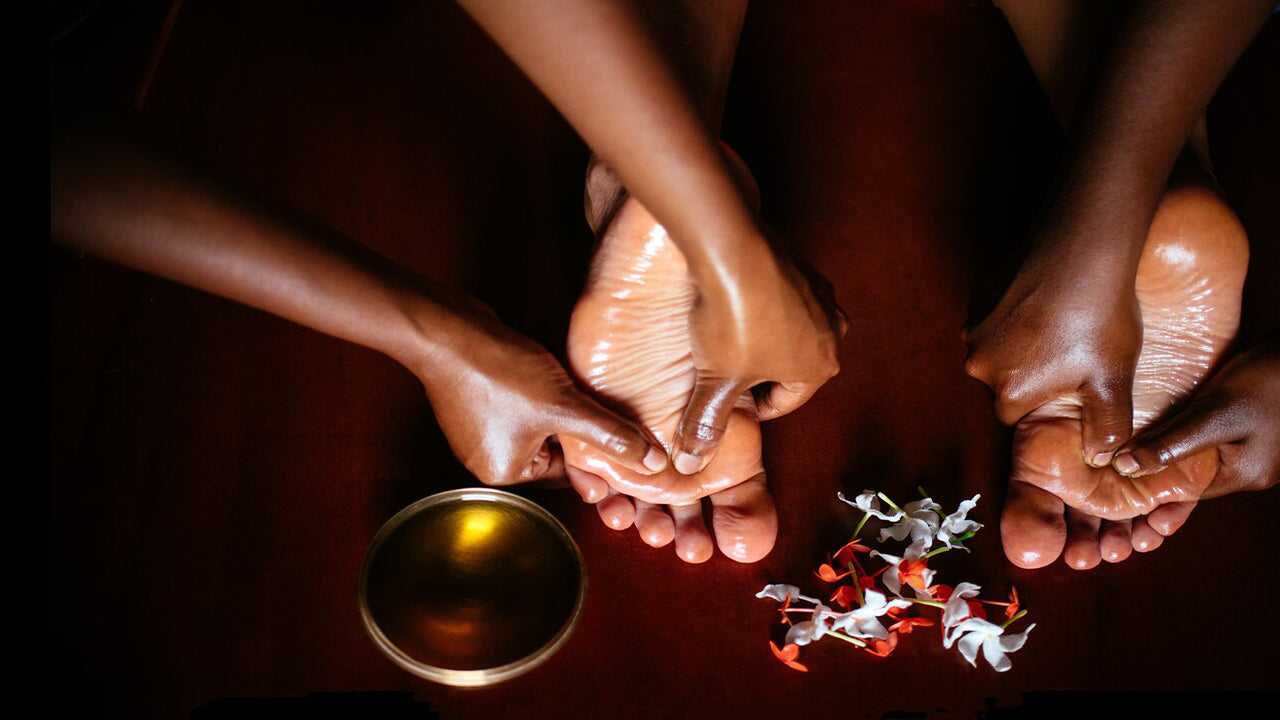
Sri Lanka's Ayurvedic heritage is increasingly woven into the island's tourism offering. Many wellness retreats — particularly those in the hill country and southwest coast — incorporate brahmi oil treatments, known as shirodhara and shiro abhyanga, as part of multi-day programmes. These treatments apply warm medicated oil, sometimes brahmi-based, to the head and scalp to promote mental calm and relieve stress.

Travellers with an interest in medicinal plants often combine cultural circuits — visiting ancient cities such as Polonnaruwa, where Ayurvedic knowledge was historically preserved and practised — with visits to botanical gardens and traditional herb farms. The Sinharaja Forest Reserve in the wet zone, while primarily a biodiversity hotspot, also gives botanically inclined visitors a sense of the richly varied plant communities in which species like Bacopa monnieri exist.

Those seeking a structured wellness experience in Sri Lanka can enquire with Lakpura about itineraries that incorporate Ayurvedic consultations and plant-based treatment programmes alongside the island's mainstream attractions.

Plant Profile at a Glance

Attribute Detail
Common name (Sri Lanka) Lunuwila
Common names (other) Brahmi, water hyssop, herb of grace, thyme-leaved gratiola
Scientific name Bacopa monnieri
Family Plantaginaceae
Average height 10–30 cm
Habitat Marshes, riverbanks, mangroves, coastal lagoons, ditches
Distribution in Sri Lanka Wet zone and coastal areas islandwide
Traditional system Ayurveda (medhya rasayana category)
Key active compounds Bacosides A and B

How to Identify Bacopa Monnieri in the Wild

The plant is relatively straightforward to recognise once you know what to look for. Its leaves are small, oblong, and slightly fleshy, with a smooth margin and a pale green colour. They are arranged alternately along a soft, branching stem that roots readily at the nodes when it touches moist soil or water. Flowers are small, five-petalled, and typically white to pale lilac. The plant's preference for waterlogged ground means it is almost always found at the edge of or within standing or slow-moving water. It should not be confused with other small aquatic herbs such as Lindernia species, which share similar habitats.

Ask Lakpura® Agent