Adenia hondala
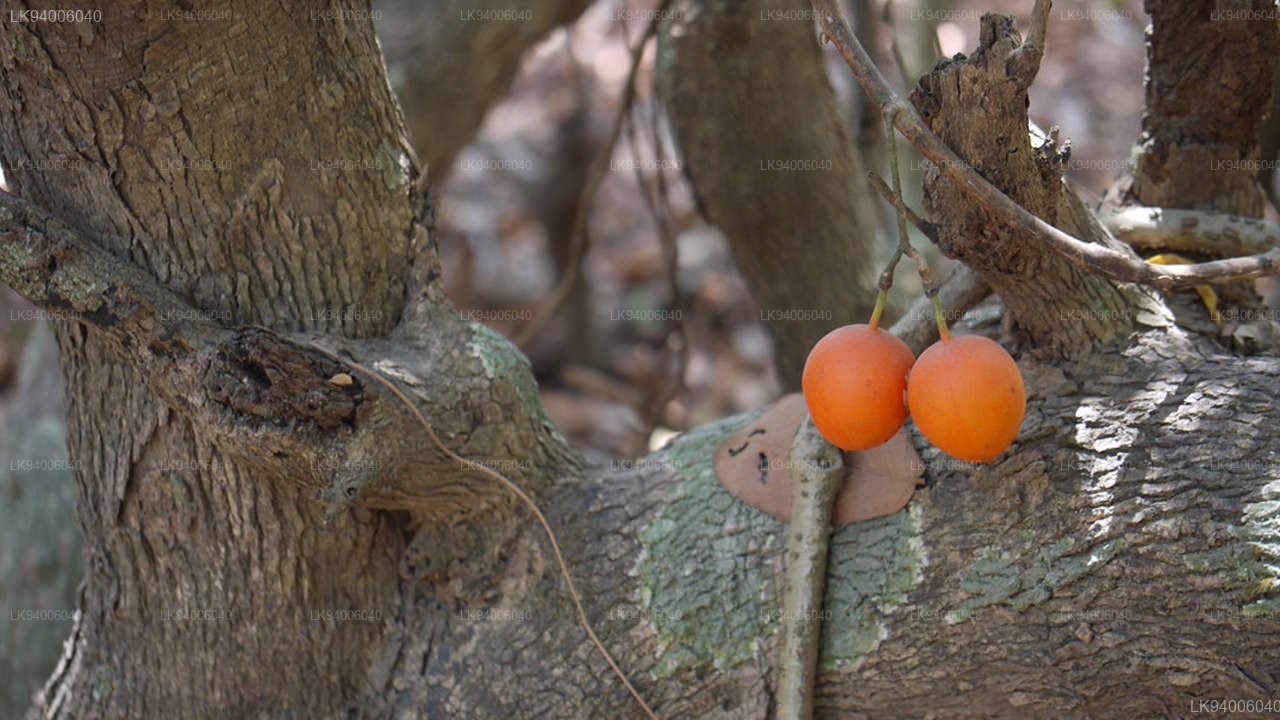
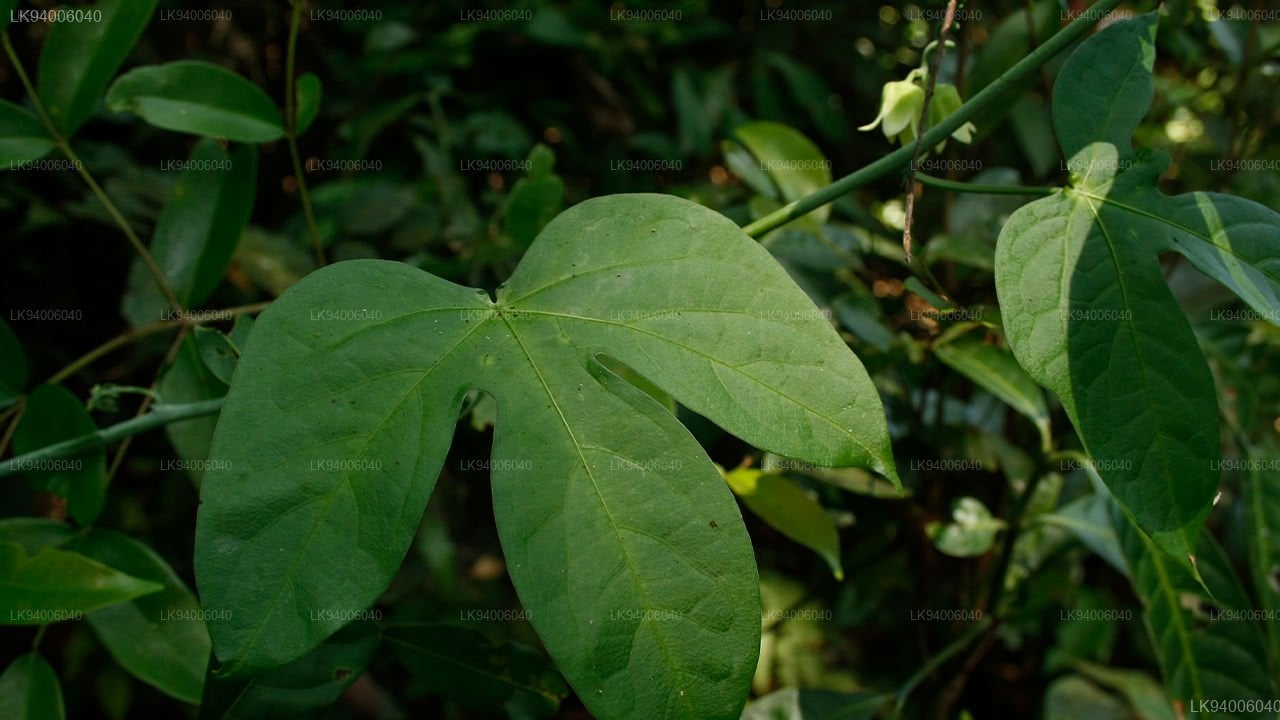
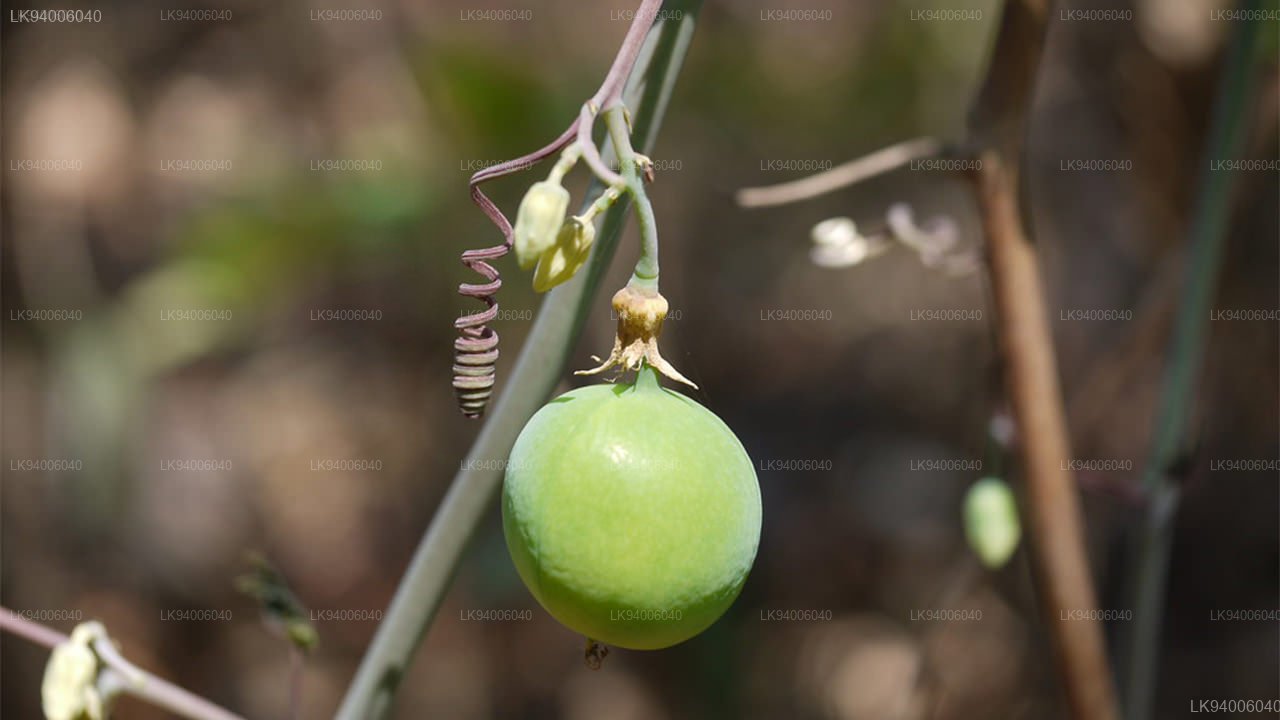
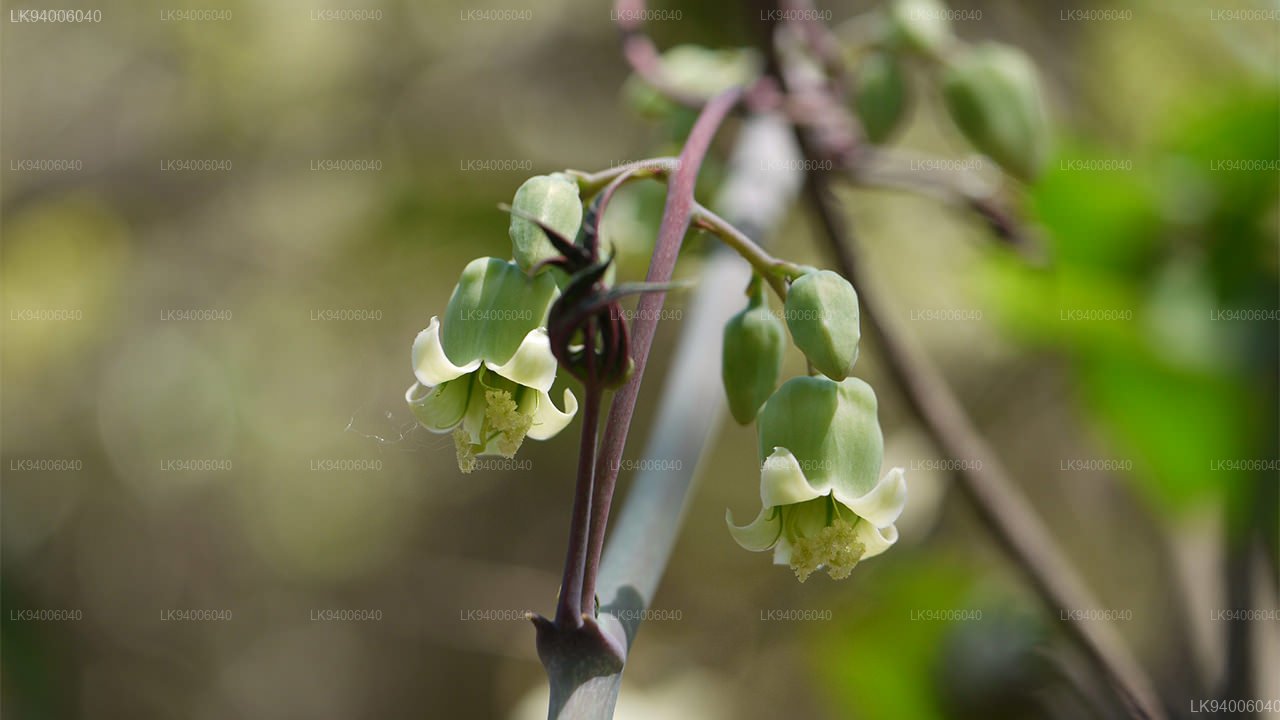
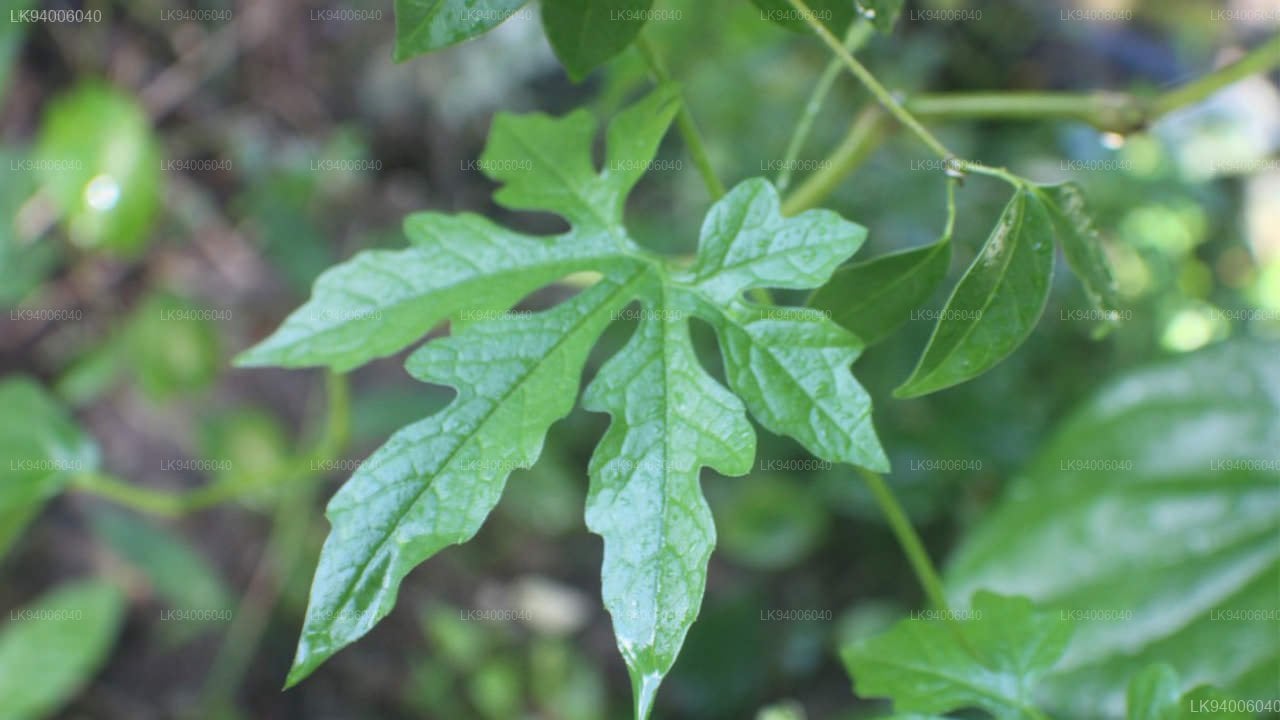
Adenia hondala is a climbing plant growing from a large irregular-shaped tuber. The woody, scrambling stems are thickened at the nodes. The leaves are alternate, with a tendril growing from each node, and these tendrils bear the flowers. The leaves are large and are deeply, palmately divided into three to five lobes; they have circular glands between the lobes. The flowers are greenish-white or bluish-white, each with a bell-shaped tube and five curled-back petals. The fruit is a capsule splitting into three valves with stiff rind and filled with seeds surrounded by fleshy white arils. The fruit is globular, green at first, turning orange as it ripens, and is poisonous. The fruits are poisonous and their resemblance to the fruits of the passion flower has led children to eat it mistakenly.
The young shoots and leaf stalks can be cooked and eaten. The tubers, which are poisonous, have antibacterial and antimicrobial properties and are used in Ayurvedic medicine for the treatment of skin disorders and to treat hernias. The seeds are used to combat the effects of poison, and the tubers are used to make a drug known as "vidari" or "vidaari", The plant is also used against snake bites.
Adenia hondala is part of the catalog of ayurvedic medicinal plants of Sri Lanka.

-
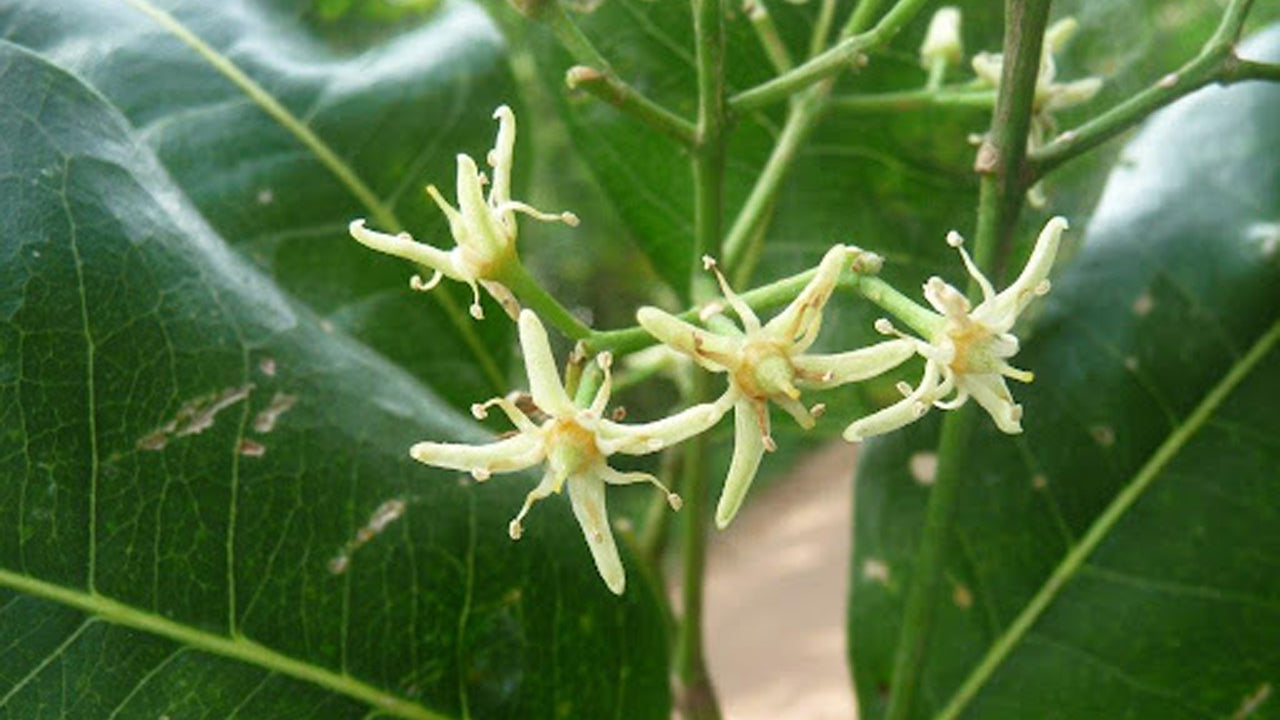
Claw-flowered laurel
Acronychia pedunculata -
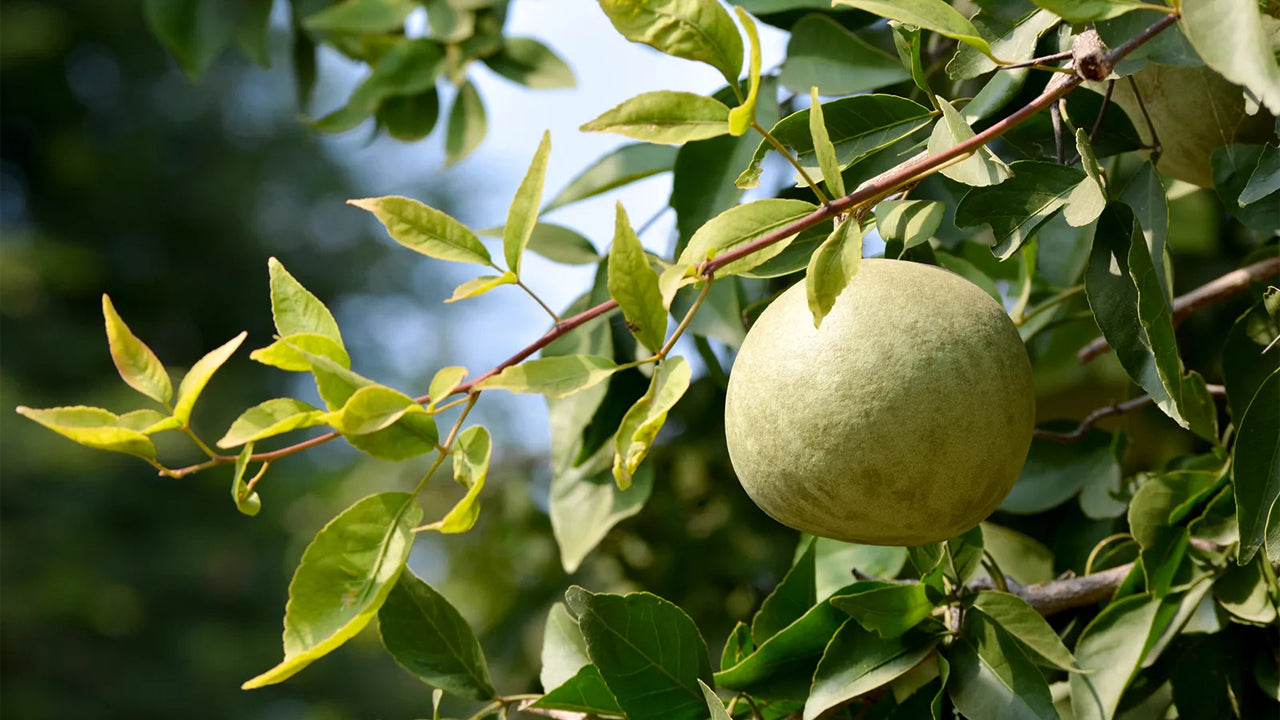
Bael
Aegle marmelos -
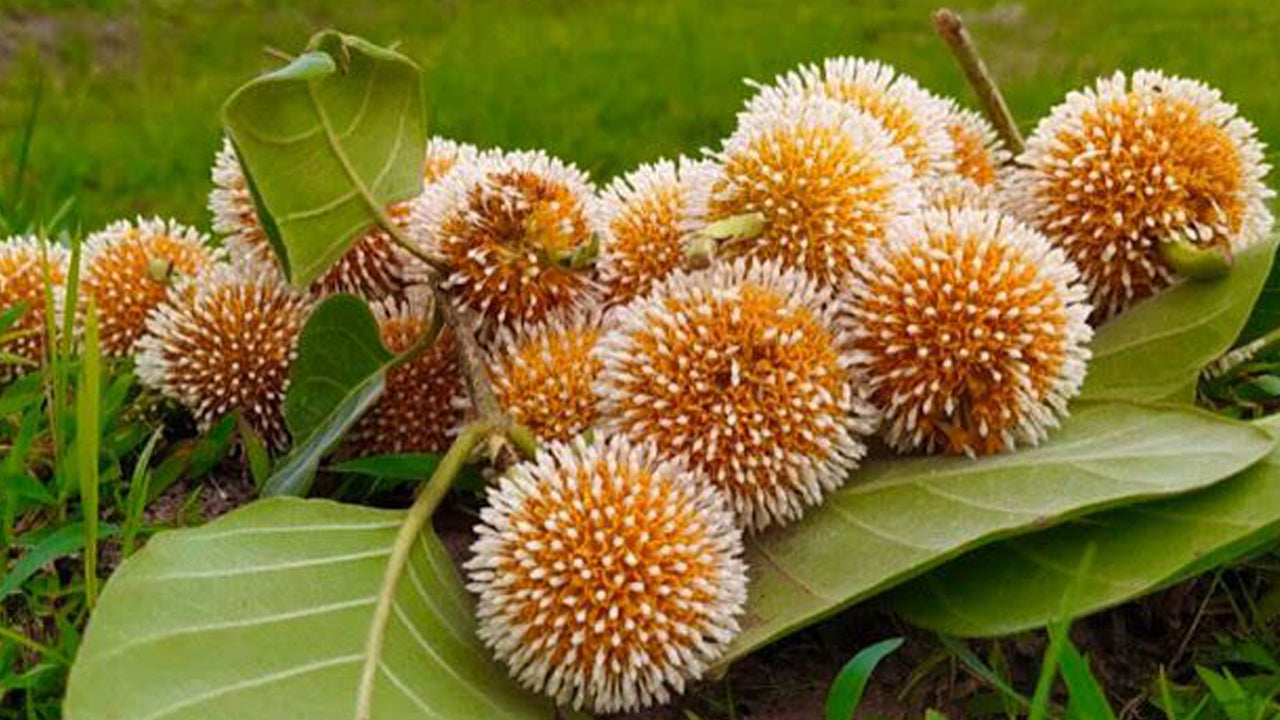
Leichhardt tree
Nauclea orientalis -
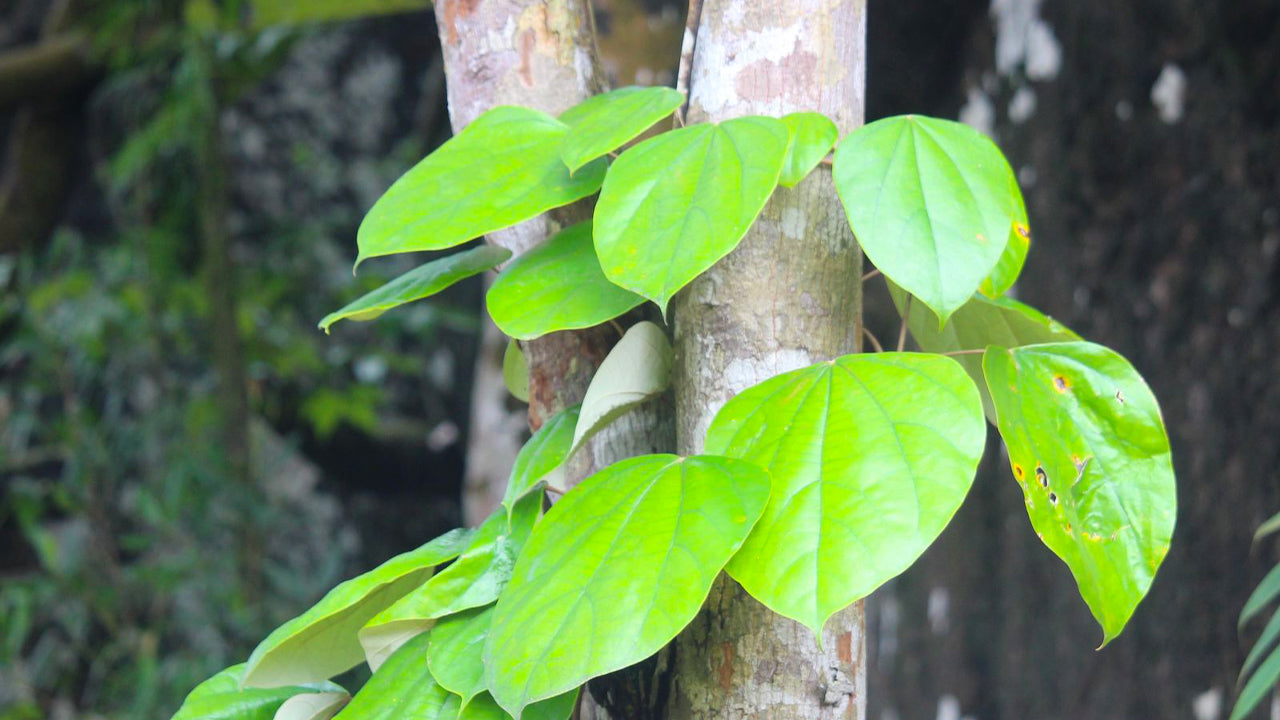
False Calumba
Coscinium fenestratum -

Malabar Gulbel
Tinospora malabarica -
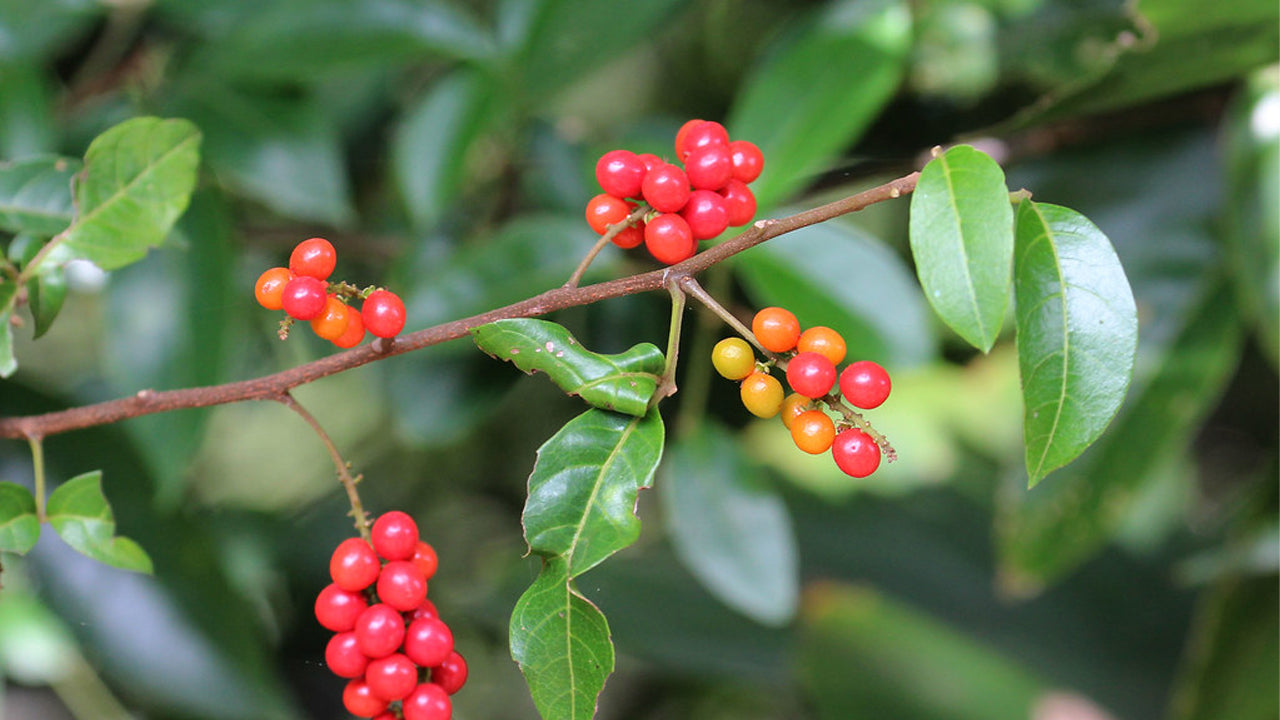
Titberry
Allophylus cobbe -
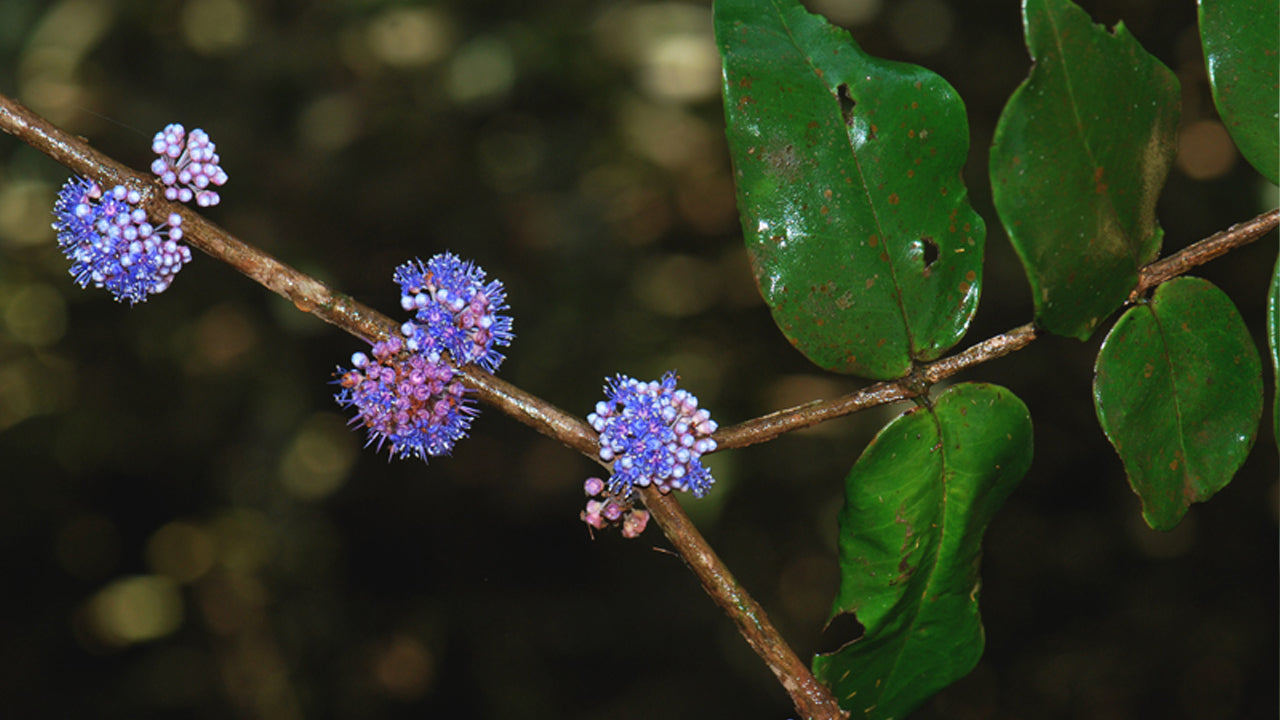
Ironwood Tree
Memecylon capitellatum -
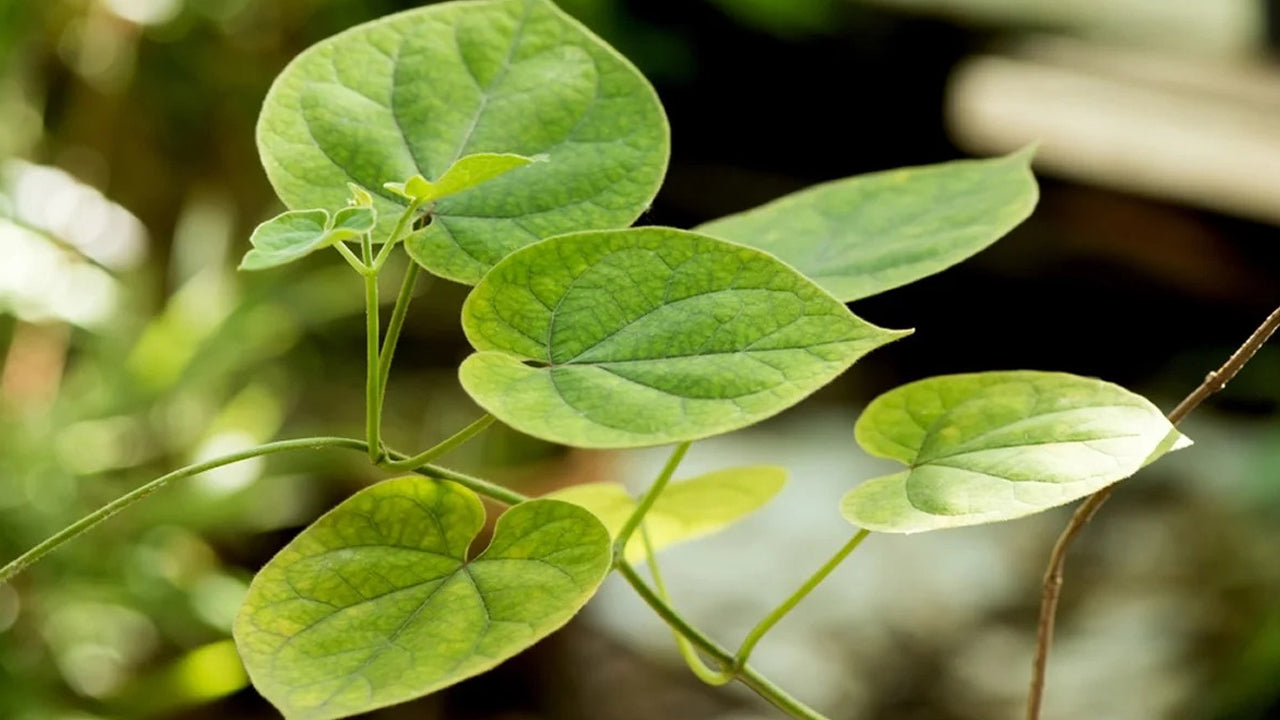
Velvet Leaf
Cissampelos pareira -
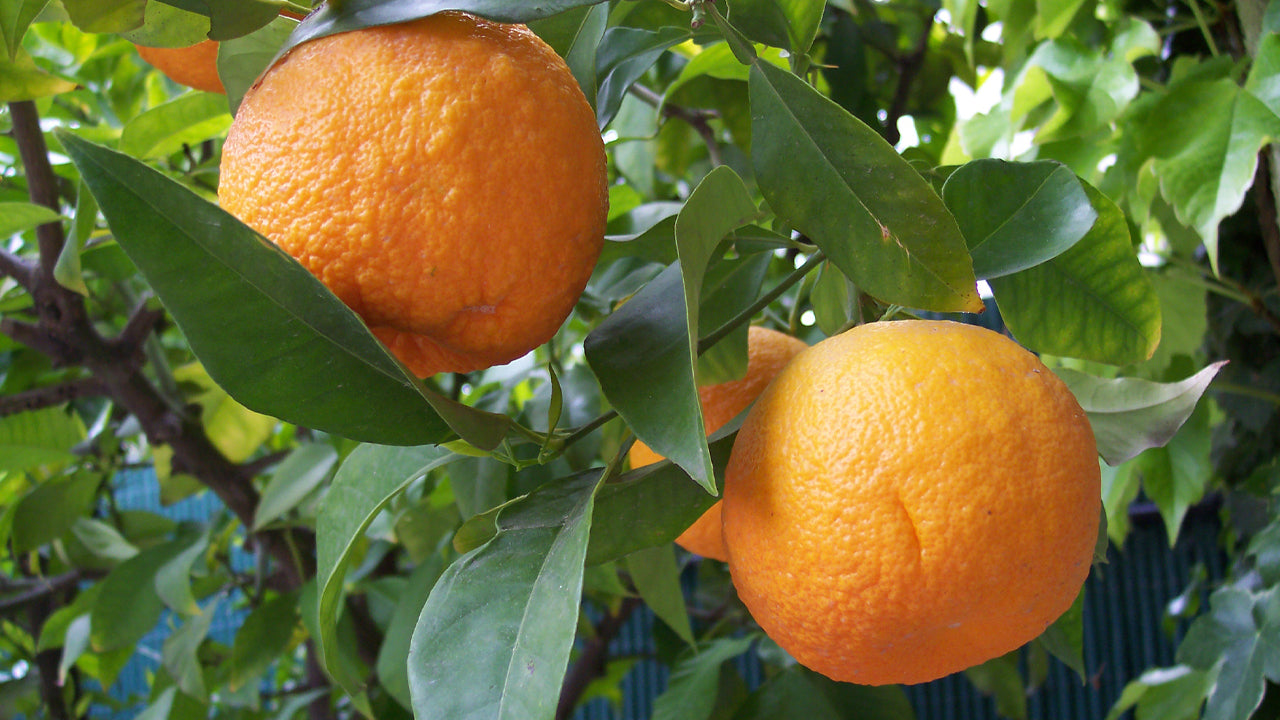
Bitter orange
Citrus aurantium -

Reinwardt's Tree Plant
Biophytun reinward -
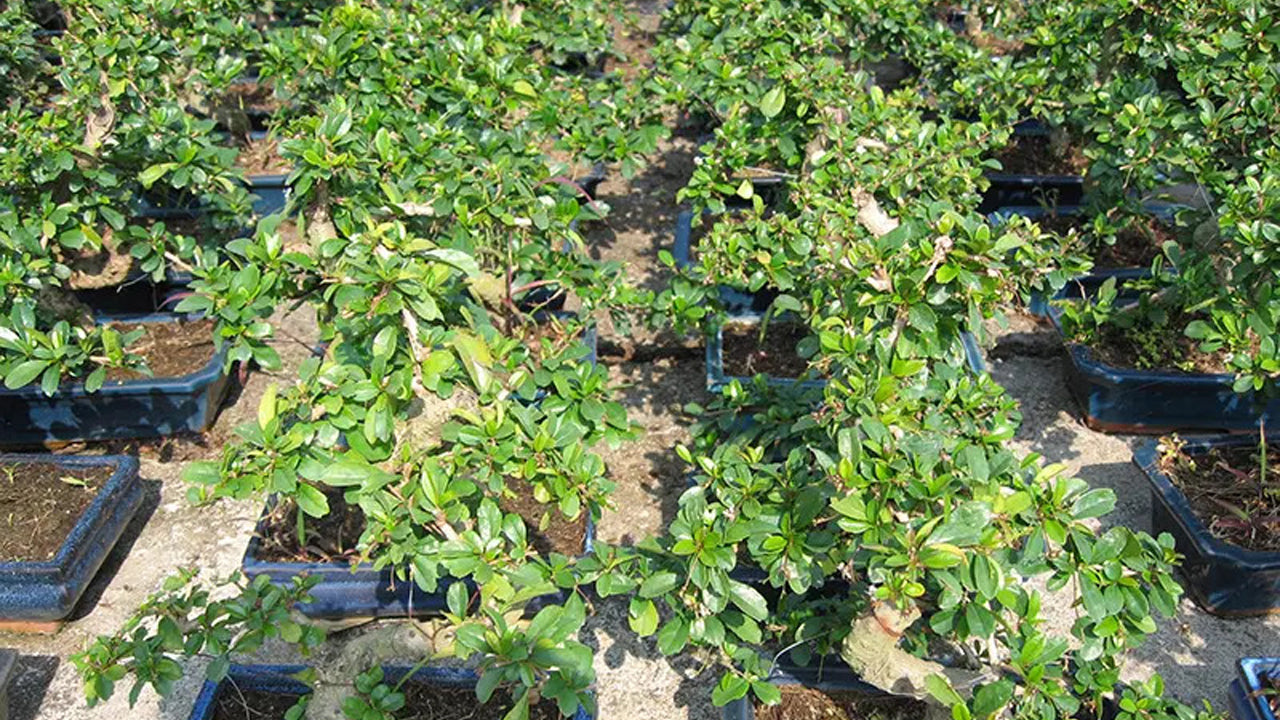
Fukien tea
Carmona microphylla -
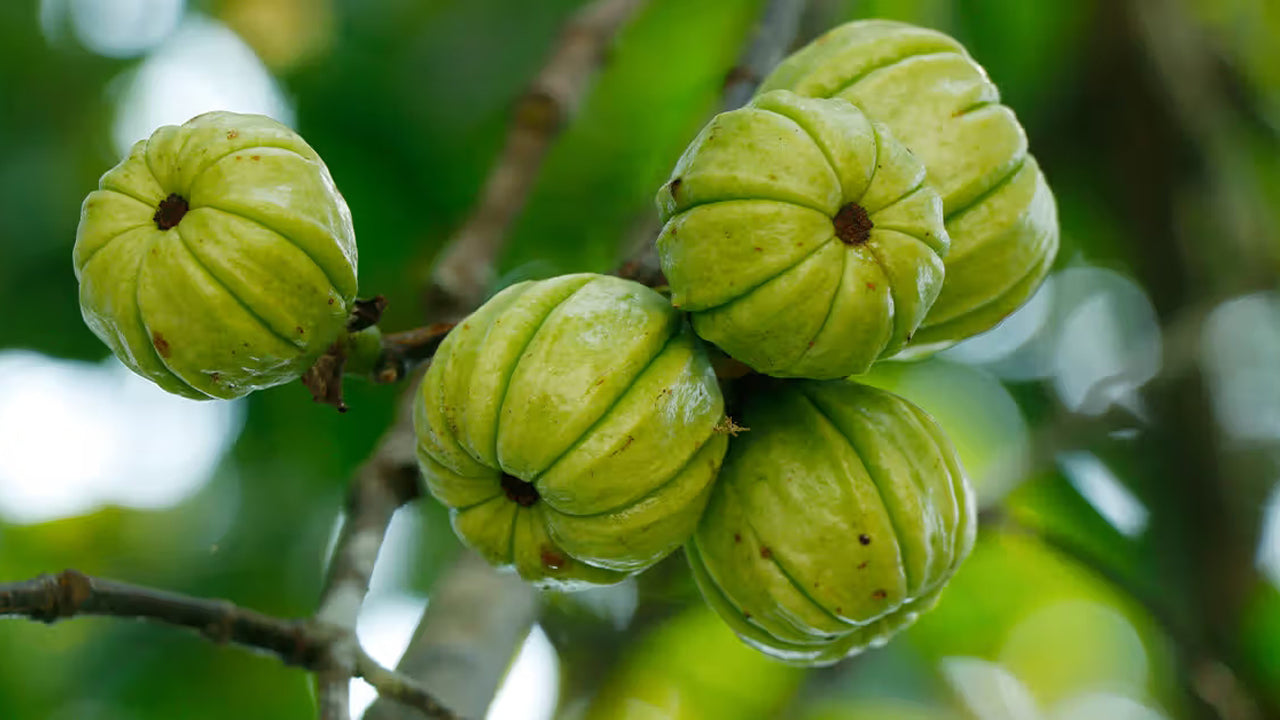
Malabar tamarind
Garcinia cambogia -
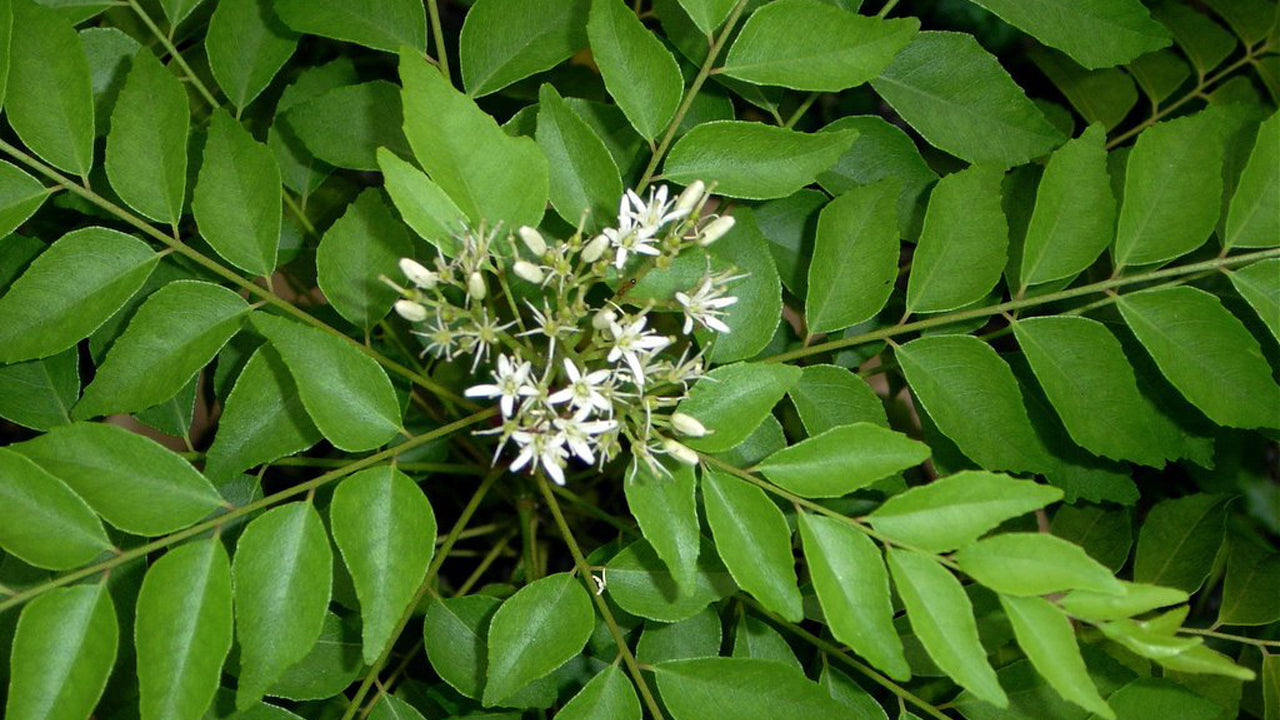
Curry leaf tree
Murraya koenigii -
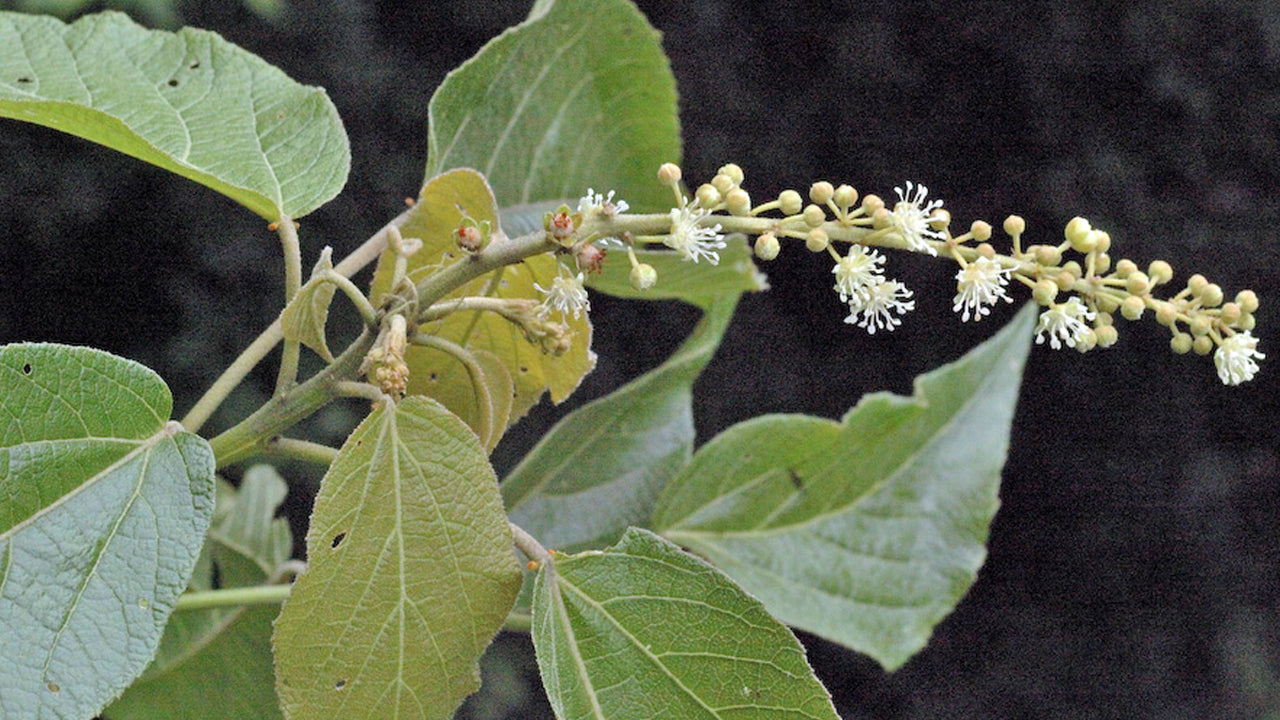
Kappetiya
Croton laccifer -
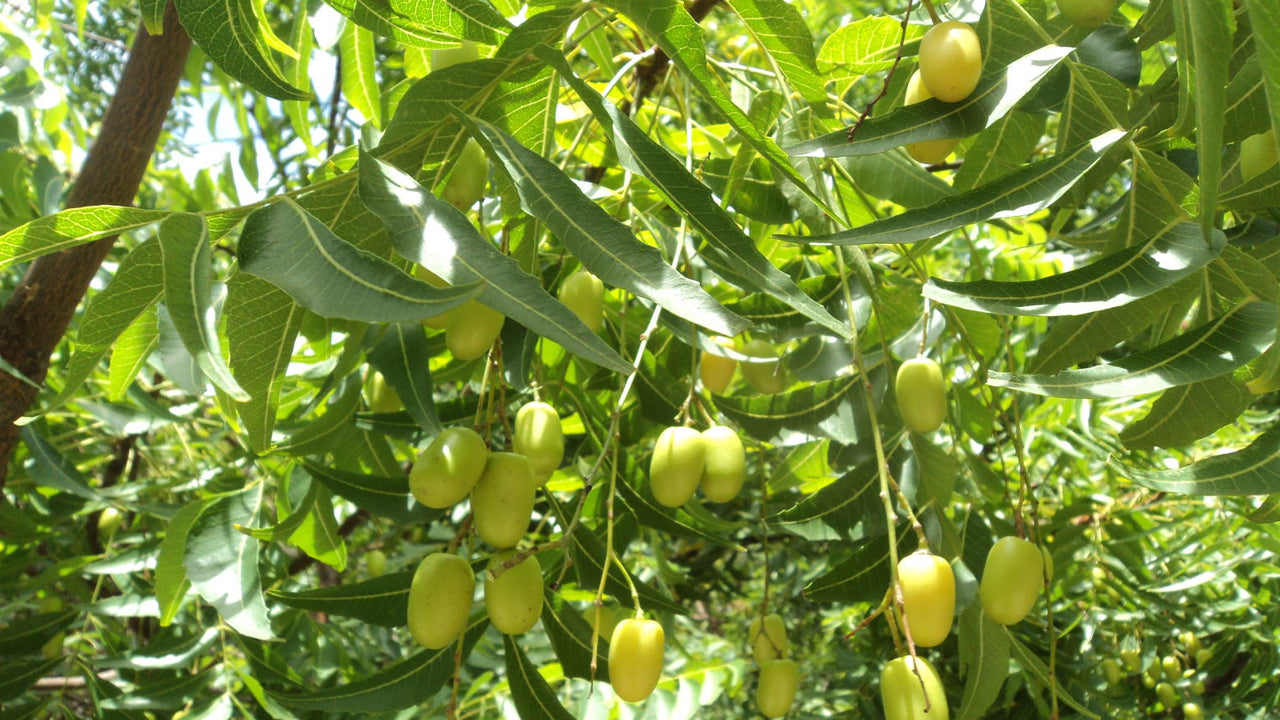
Indian lilac
Azadirachta indica -
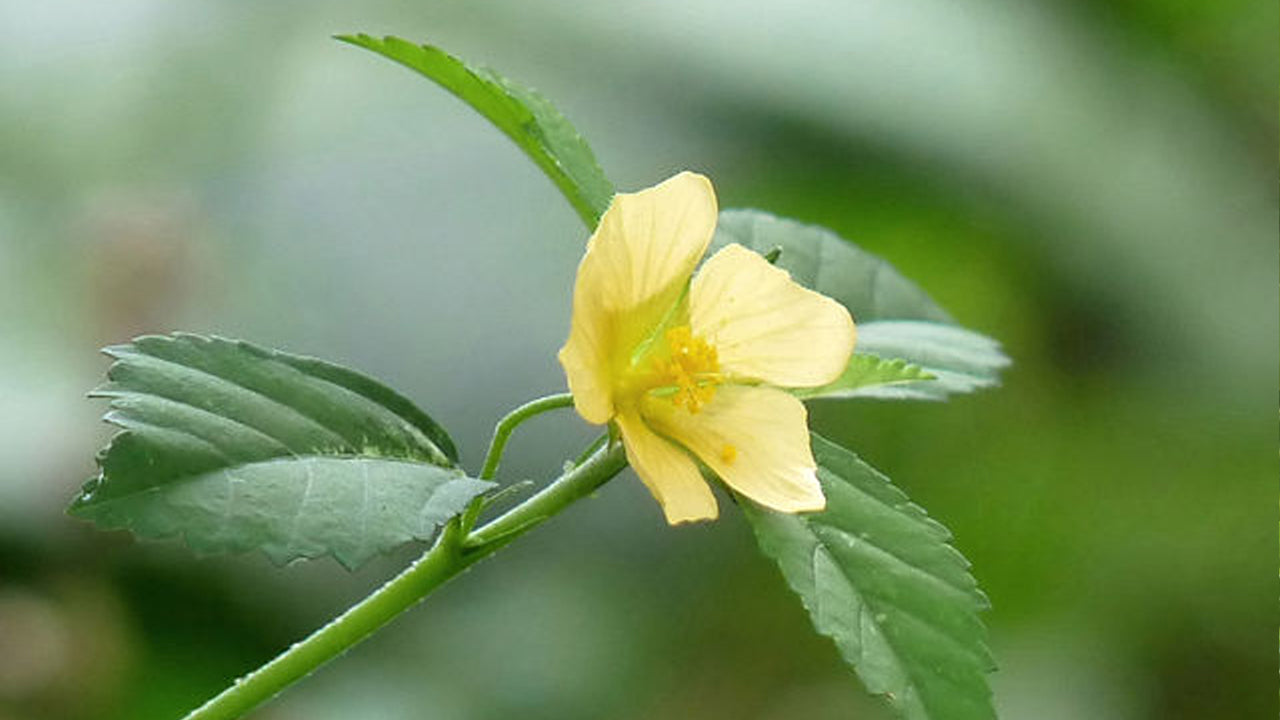
Spiny sida
Sida alba -
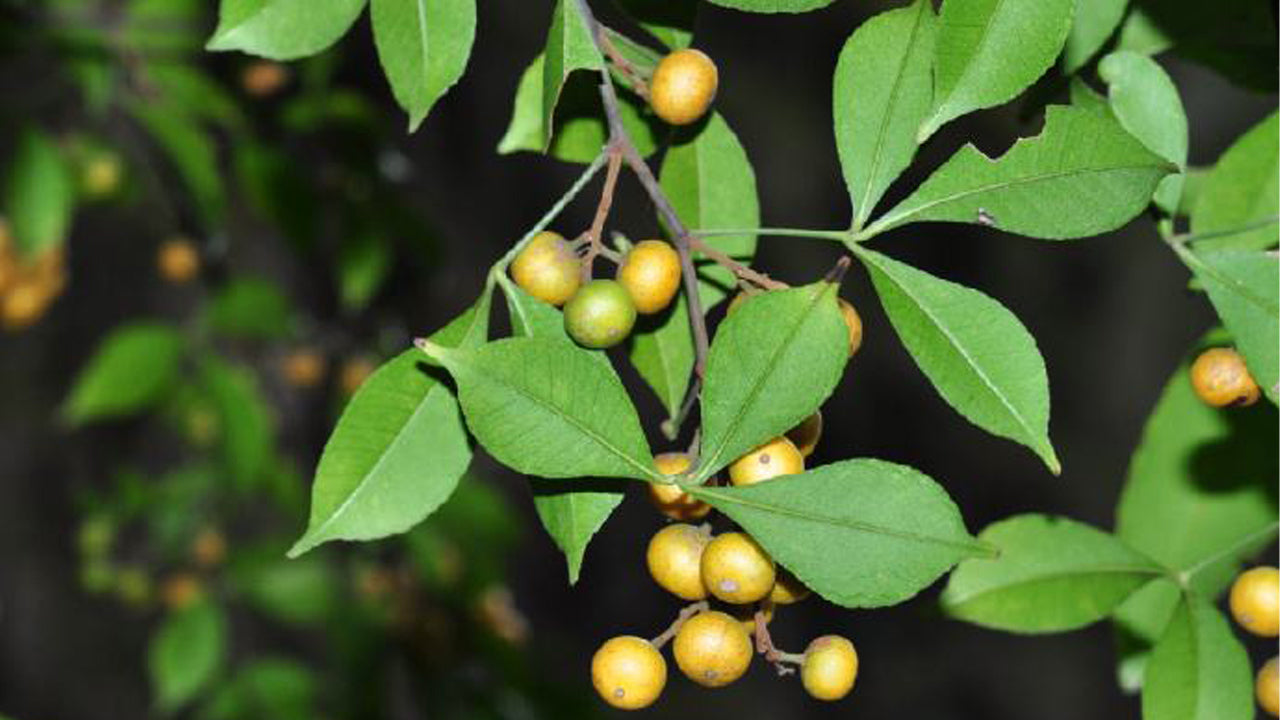
Orange climber
Toddlia asiatica -
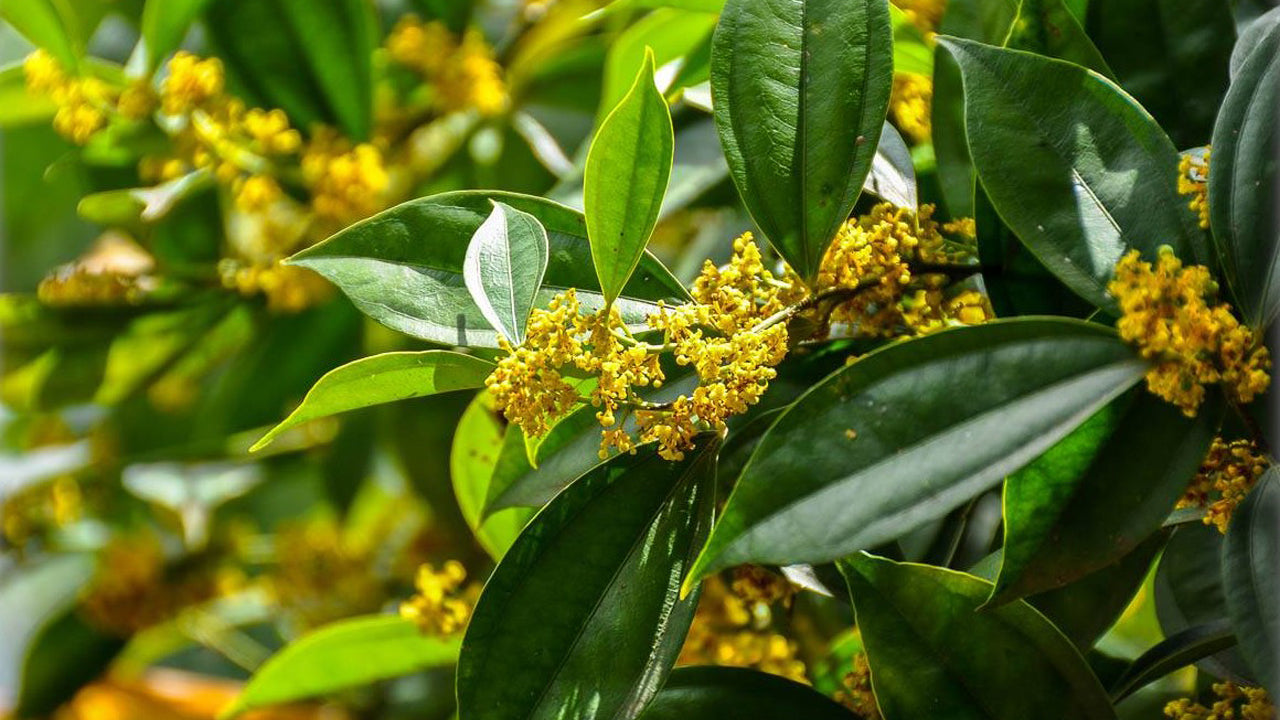
Ceylon cinnamon
Cinnamomum zeylanicum -
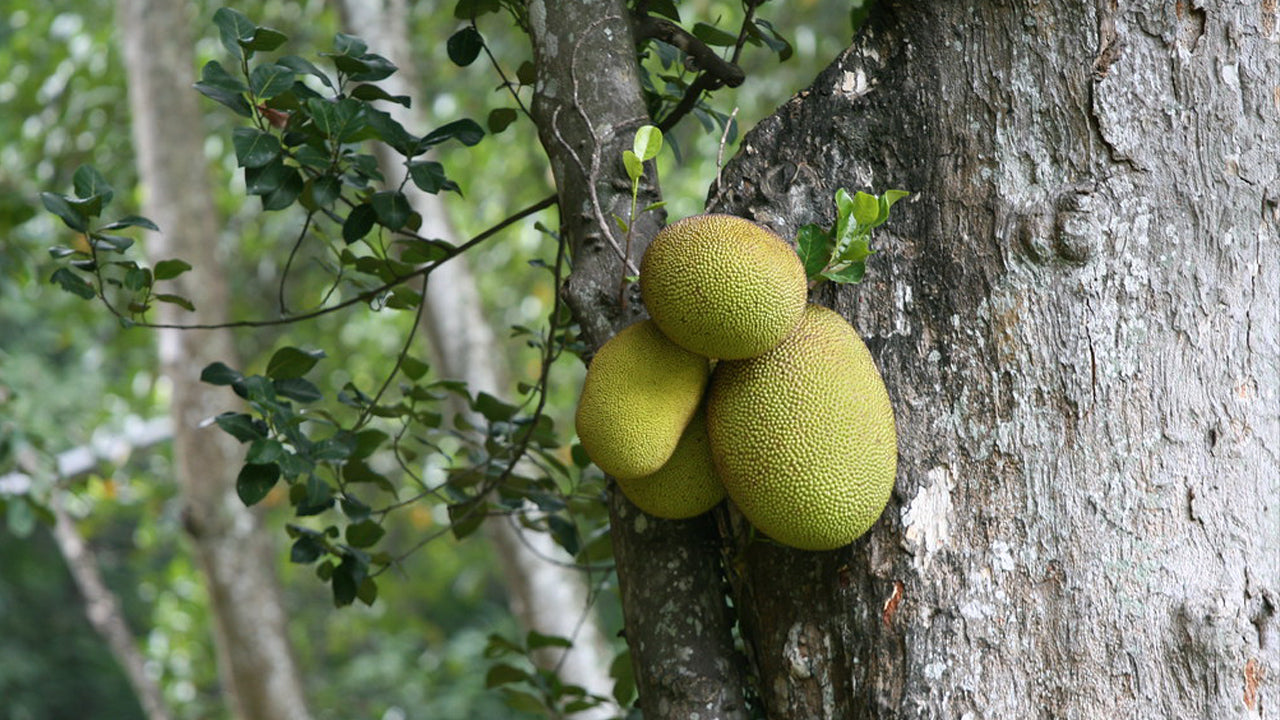
Jackfruit
Artocarpus heterophyllus -
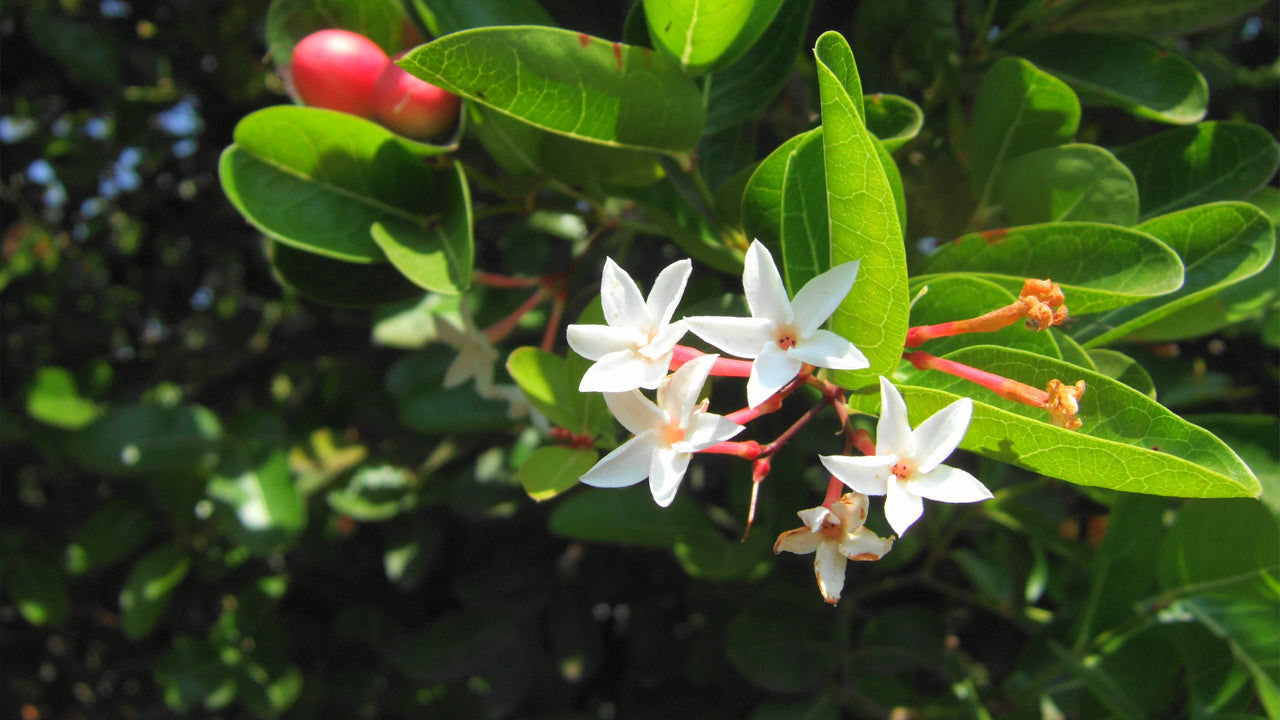
Karonda
Carissa carandas -
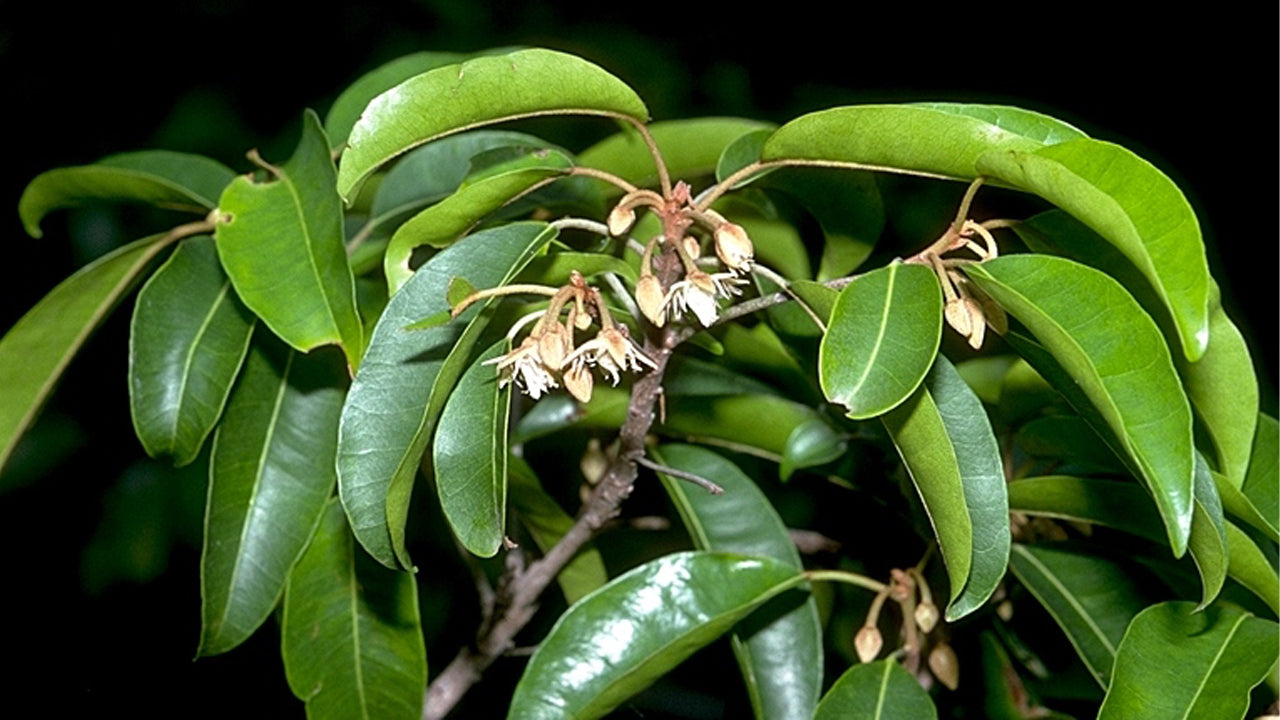
Spanish cherry
Mimusops elengi -
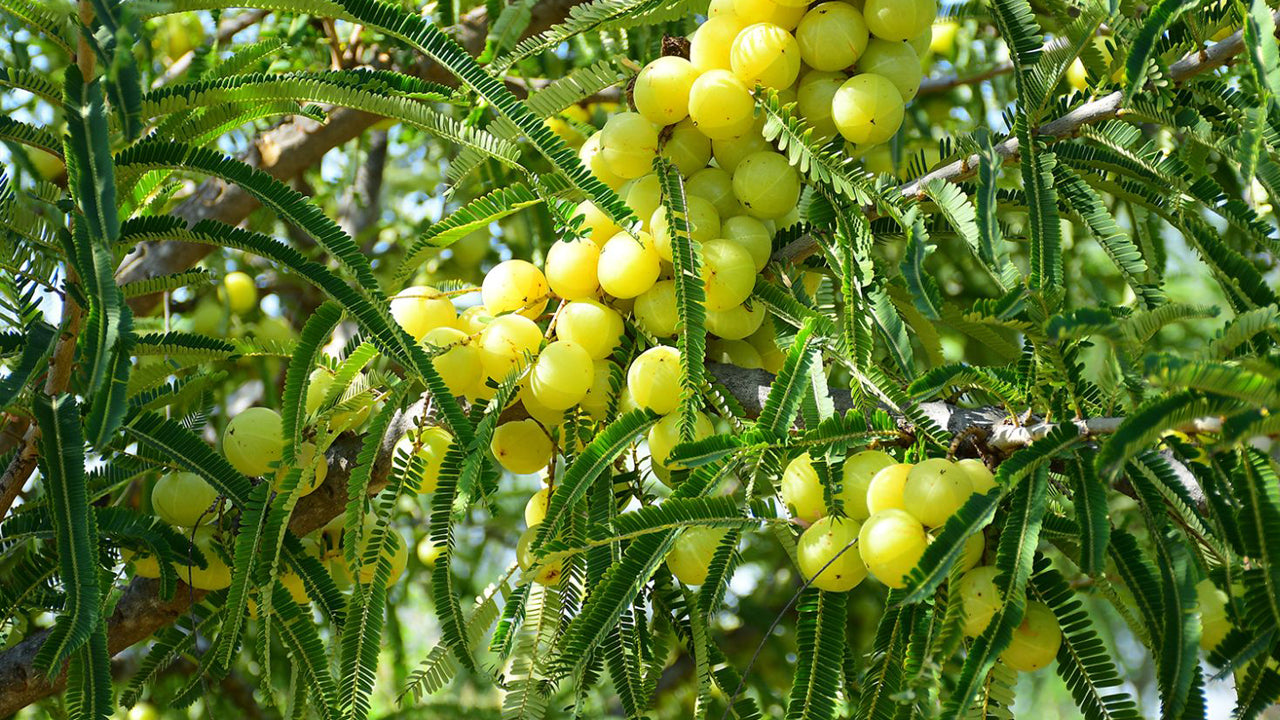
Indian gooseberry
Phyltanthus emblica -
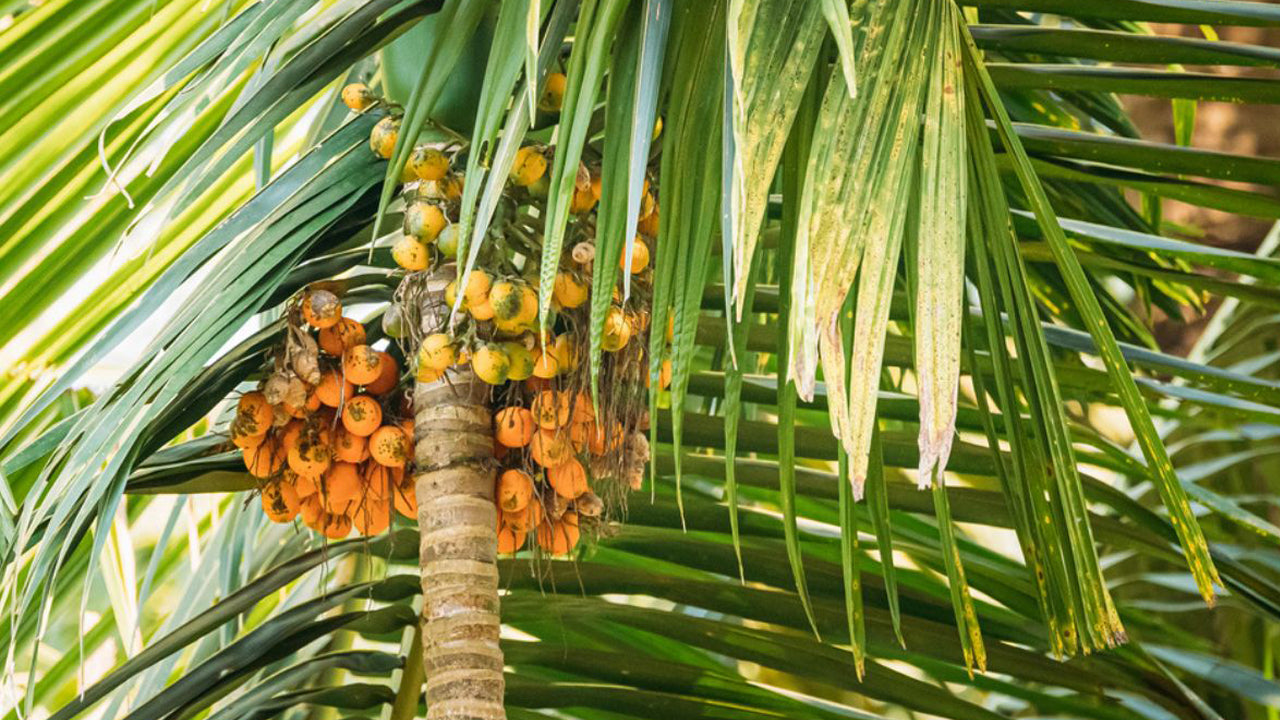
Betel palm
Areca catechu -
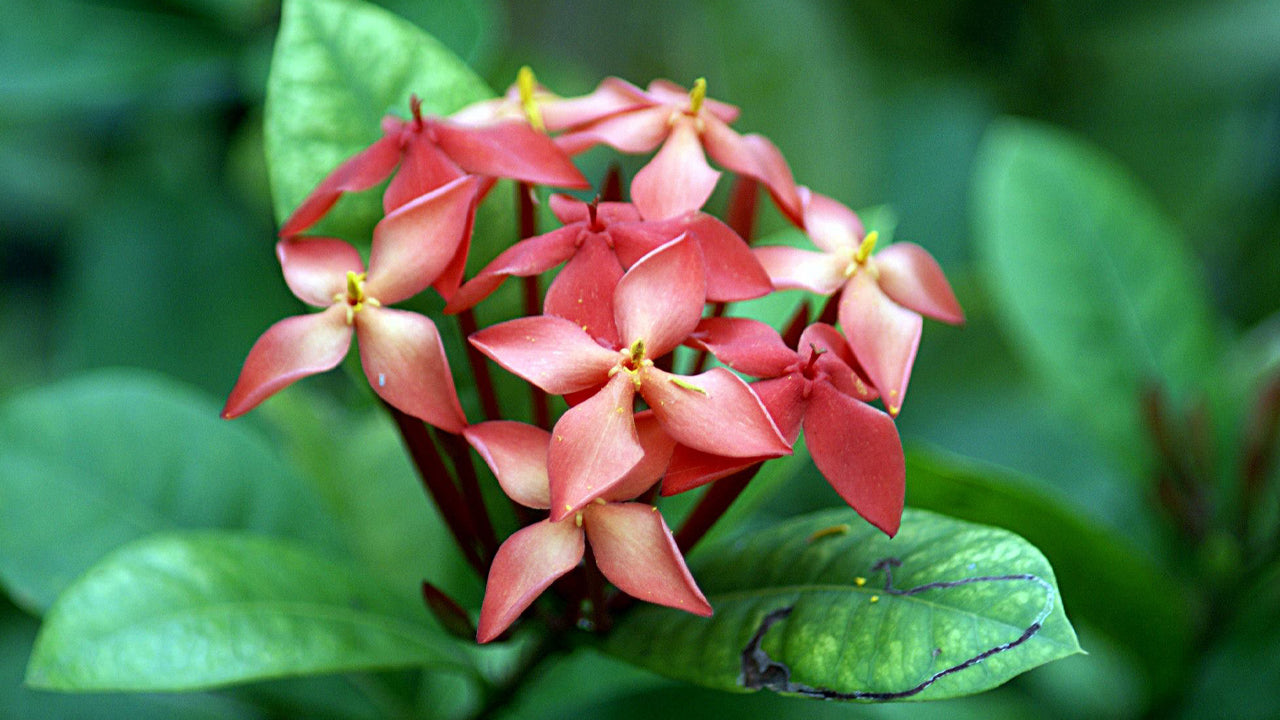
Jungle geranium
Ixora coccinea -
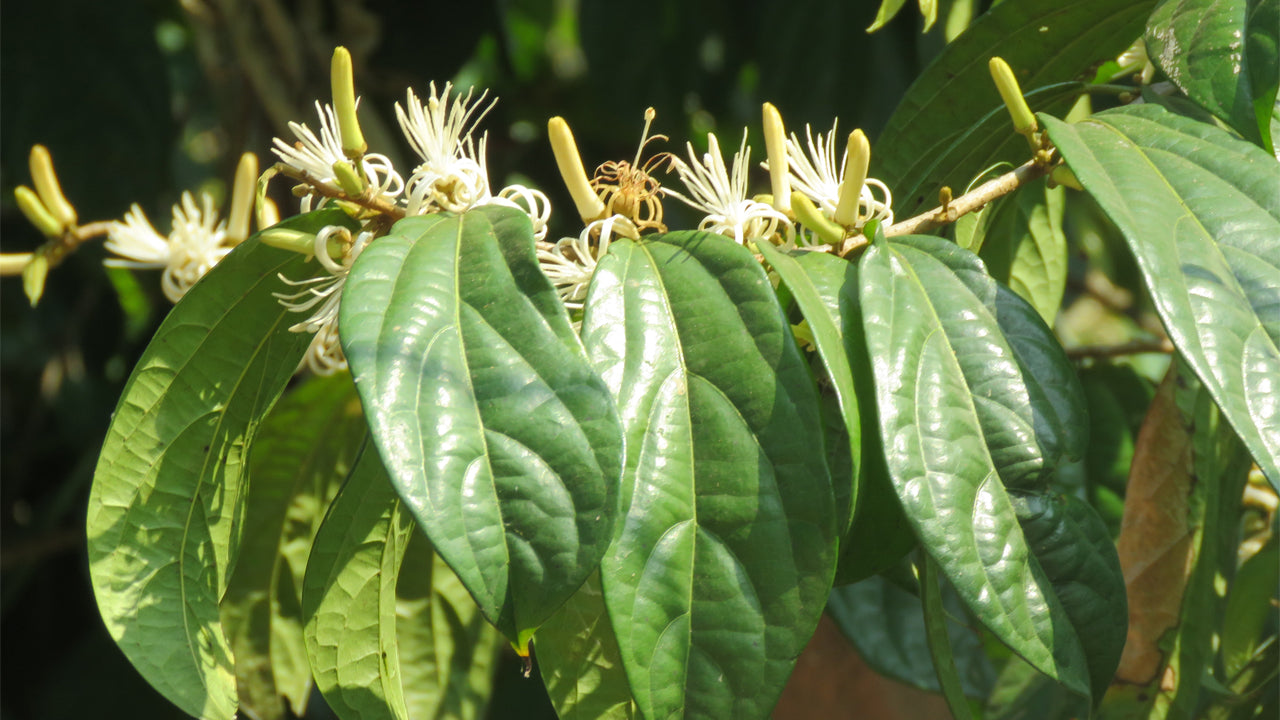
Sage-leaved alangium
Alangium salviifolium -
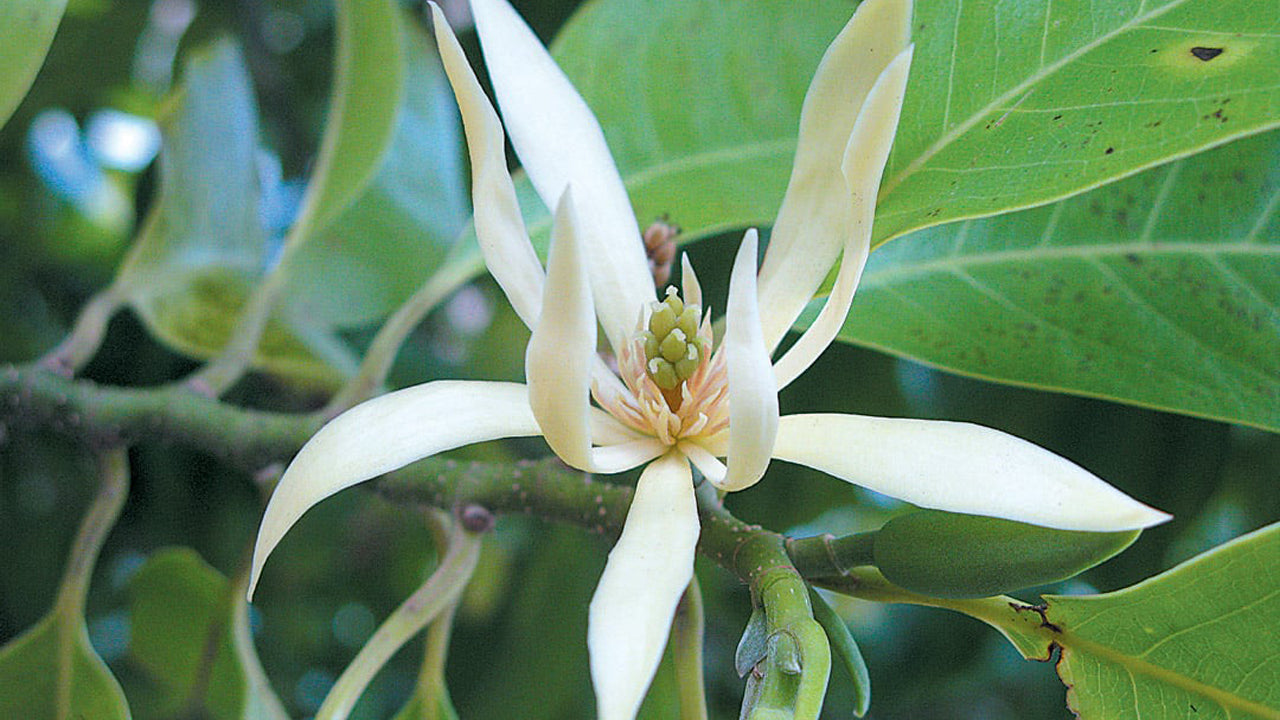
Champak
Michelia champaca -
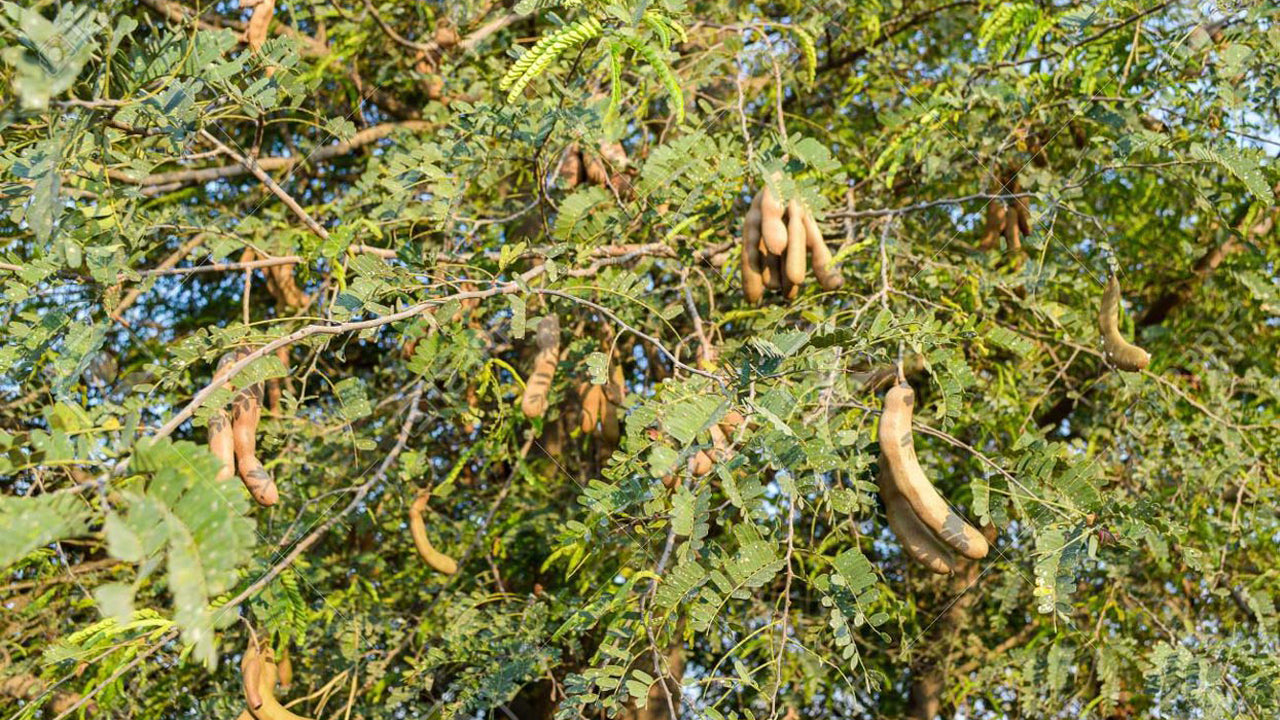
Tamarind
Tamarindus indica -
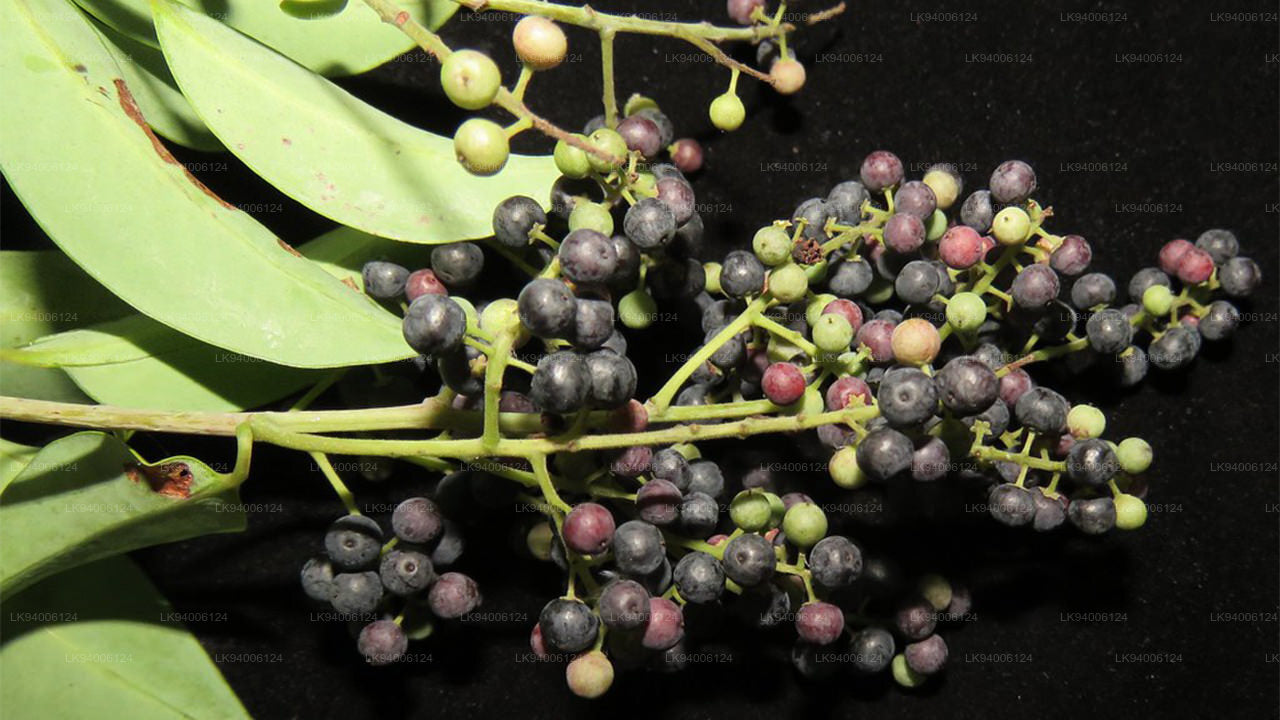
False Black Pepper
Embelia ribes -
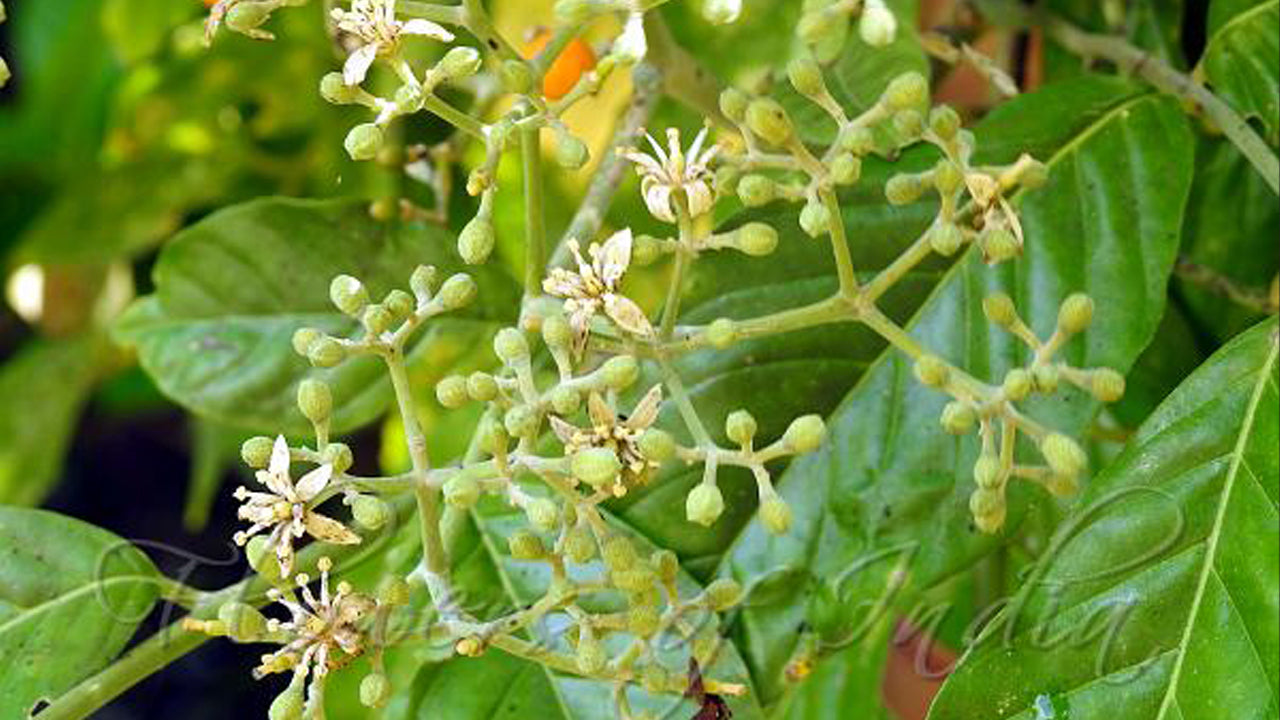
Limeberry
Micromelum ceylanicum -
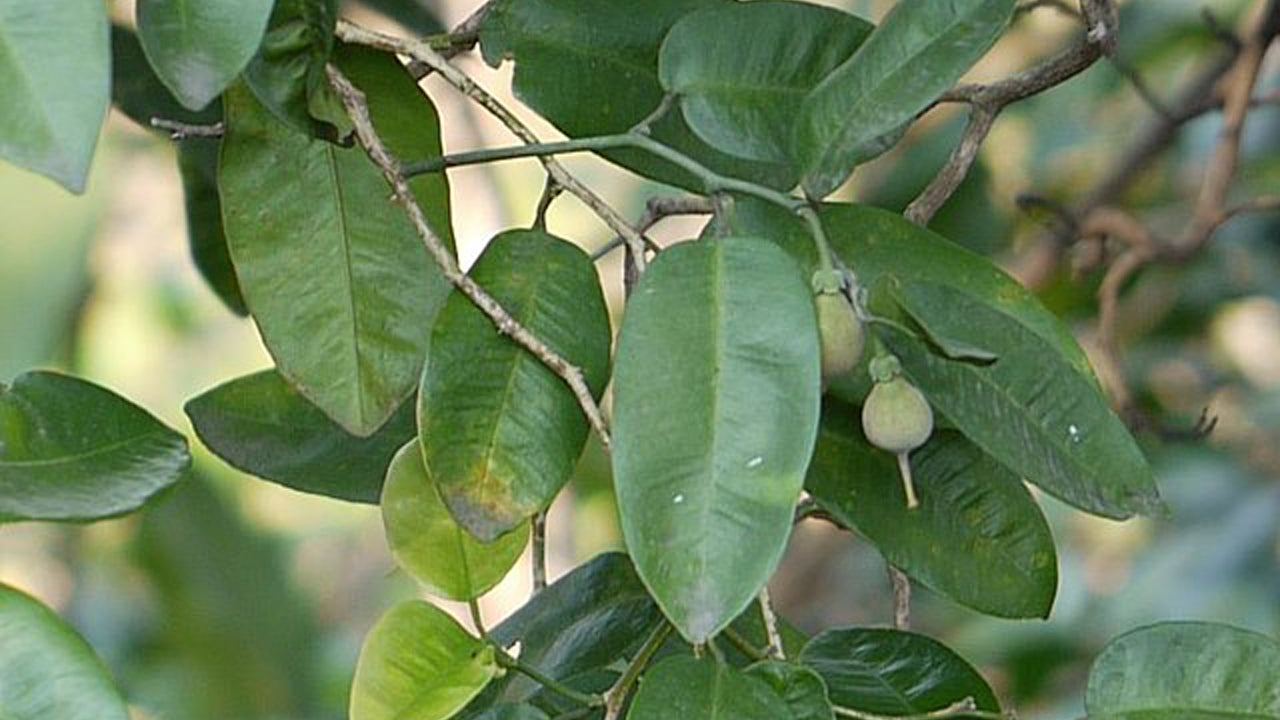
Climbing Atalantia
Paramignya monophylla





Ayurvedic and Herbal
-
Siddhalepa Ayurveda Herbal Balm
Regular price From $0.32 USDRegular price$0.38 USDSale price From $0.32 USDSale -
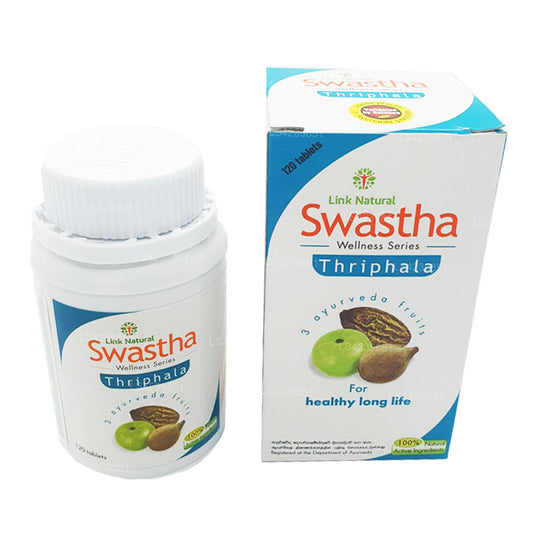
Link Swastha Triphala
Regular price From $1.90 USDRegular price$2.25 USDSale price From $1.90 USDSale -
Lakpura® Wildcrafted Soursop (Guanabana, Graviola, Guyabano) Dehydrated Leaves Whole
Regular price From $0.78 USDRegular price$0.92 USDSale price From $0.78 USDSale -
Sethsuwa Pranajeewa Oil
Regular price From $4.11 USDRegular price$4.88 USDSale price From $4.11 USDSale