Muthiyangana Raja Maha Vihara


Muthiyanganaya Raja Maha Viharaya ligt in het centrum van de stad Badulla. De geschiedenis van deze tempel gaat terug tot de tijd van Boeddha, maar dit gebied rond Badulla (met name de Uva-provincie) gaat helemaal terug naar de 19e - 18e eeuw v.Chr. Keizer Rawana regeerde dit land met Badulla als hoofdstad. Er wordt ook geloofd dat de oorlog tussen Rama en Rawana in dit gebied plaatsvond. Er zijn veel plaatsen en namen die dit gebied identificeren als een van Rawana's hoofdsteden; Seetha Eliya, Seetha Kotuwa, en Rawana Ella, zoals beschreven in de Ramayana. Er wordt gezegd dat Rawana uiteindelijk de oorlog verloor en zijn verraderlijke broer Vibishana de hoofdstad naar Kelaniya bracht en dat Uva geleidelijk verloren ging in de geschiedenis tot de 5e eeuw.
Boeddha en 500 Arhanten bezochten dit eiland voor de derde keer op uitnodiging van koning Naga Maniakkhitha naar Kelaniya. Tijdens dit bezoek kwam Boeddha naar Badulla op uitnodiging van koning Indaka (nu verheven tot de status van een god), heerser van de Namunukula-bergketen. Koning Indaka bouwde een Stupa waarin enkele haren van Boeddha en Mukthaka Dathu (druppels zweet die in parels veranderden) werden bewaard op de plaats waar Boeddha zijn preken hield. Dit is de geboorte van de Muthiyanganaya Stupa. Sindsdien is deze Stupa en de tempel uitgebreid, herbouwd en gerenoveerd door veel koningen.
Torana met een uniek ontwerp van zes niveaus bij de ingang van de tempel komt uit een onbekend tijdperk. Het eerste niveau bevat de hoofdtoegang en daarboven, op het tweede niveau, bevindt zich een typische Makara (draak) hoofd. Aan de zijkanten van het hoofd staan twee bewakers en op de hoeken staan twee leeuwenfiguren. Op het derde niveau staan twee Vamana figuren en aan de randen twee dieren, waarschijnlijk leeuwen. Deze figuren zijn niet zo duidelijk als de leeuwenfiguren op het tweede niveau. In het midden van het derde niveau staat een hoge standaard die tot het vierde niveau gaat, met daarop twee stieren, en de bijzondere kenmerken van deze stieren zijn dat ze versierd zijn en grote bulten hebben. Dergelijke stieren zijn een kenmerk van hindoeïsme en dit kenmerk wijst op een invloed van het hindoeïsme bij de bouw van deze structuur. Tot slot, bovenop het vijfde niveau, staat een zittende Boeddha-standbeeld. Het vijfde niveau is gewijd aan het Boeddha-standbeeld. De pauwen op het zesde niveau voltooien de omtrek van de structuur. Bij de ingang is een kleurrijke Makara Thorana. Direct boven de ingang en onder het draakhoofd staat een beeld van Maitre Bodhisattva. Aan de rechterkant van het beeldhuis staat een standbeeld van de god Indaka, de beschermer van het heilige land van Muthiyanganaya en de Namunukula-bergketen. Aan de rechterkant staat het standbeeld van Maitre Bodhisattva. Na het voorbijgaan van het beeldhuis komt men bij het heiligste gebouw van de tempel, de Stupa, die de haren en de Mukthaka Dathu van Boeddha bewaart. De oorspronkelijke Stupa, gebouwd door de god Indaka in de 5e eeuw v.Chr., werd uitgebreid door koning Devanampiyatissa (150-210 v.Chr.) van de Anuradhapura-periode.


Special places in Badulla
-
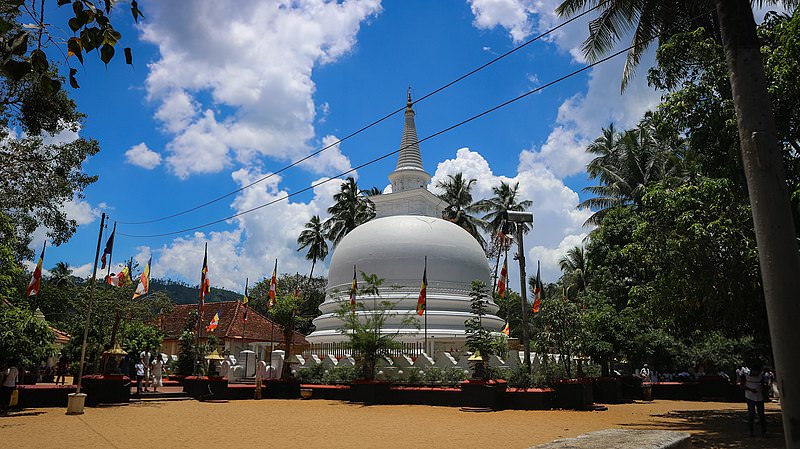 Muthiyangana Raja Maha Vihara
Muthiyanganaya Raja Maha Viharaya lies in the centre of the city of Badulla. The History of this temple goes back to the time of Buddha but this area around Badulla goes way back in to the time of 19th -18th century BCE.
-
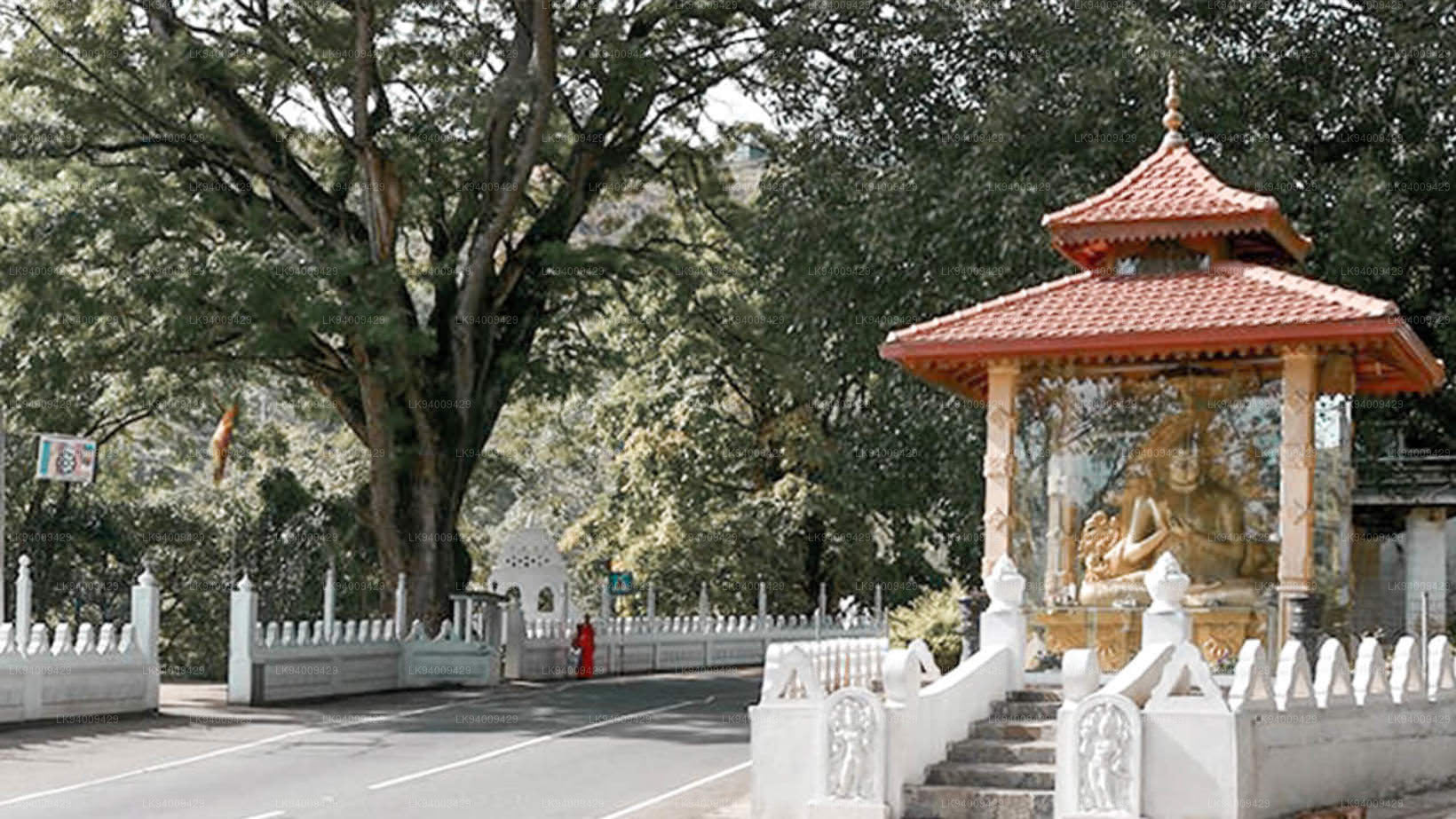 Dowa Raja Maha Viharaya
Dowa Raja Maha Viharaya (Dowa Cape Temple) lies few kilometres away from the Bandarawela town on the Bandarawela – Badulla Road. This temple is thought to be done by King Walagamba in the in first century BC.
-
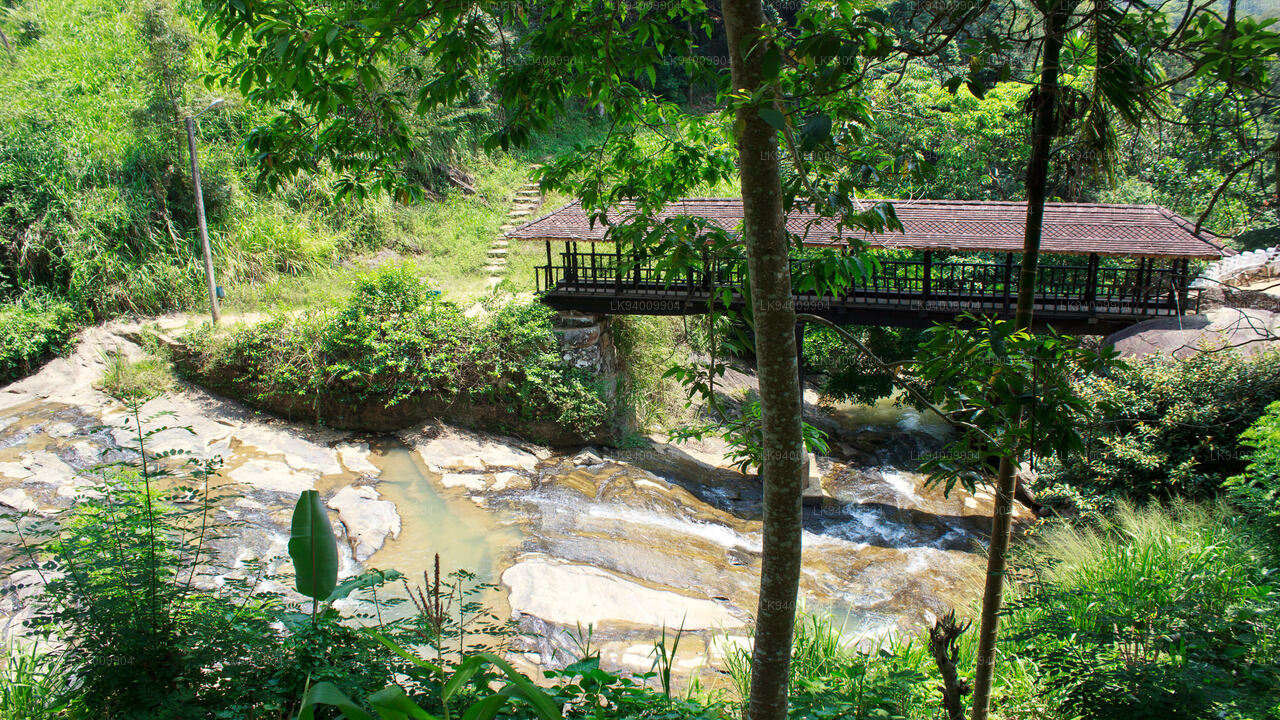 Bogoda Wooden Bridge
The Bogoda Wooden Bridge was built in the 16th century during the Dambadeniya era. This is said to be the oldest surviving wooden bridge in Sri Lanka. The bridge is situated at 7 kilometres (4.3 mi) west of Badulla.
-
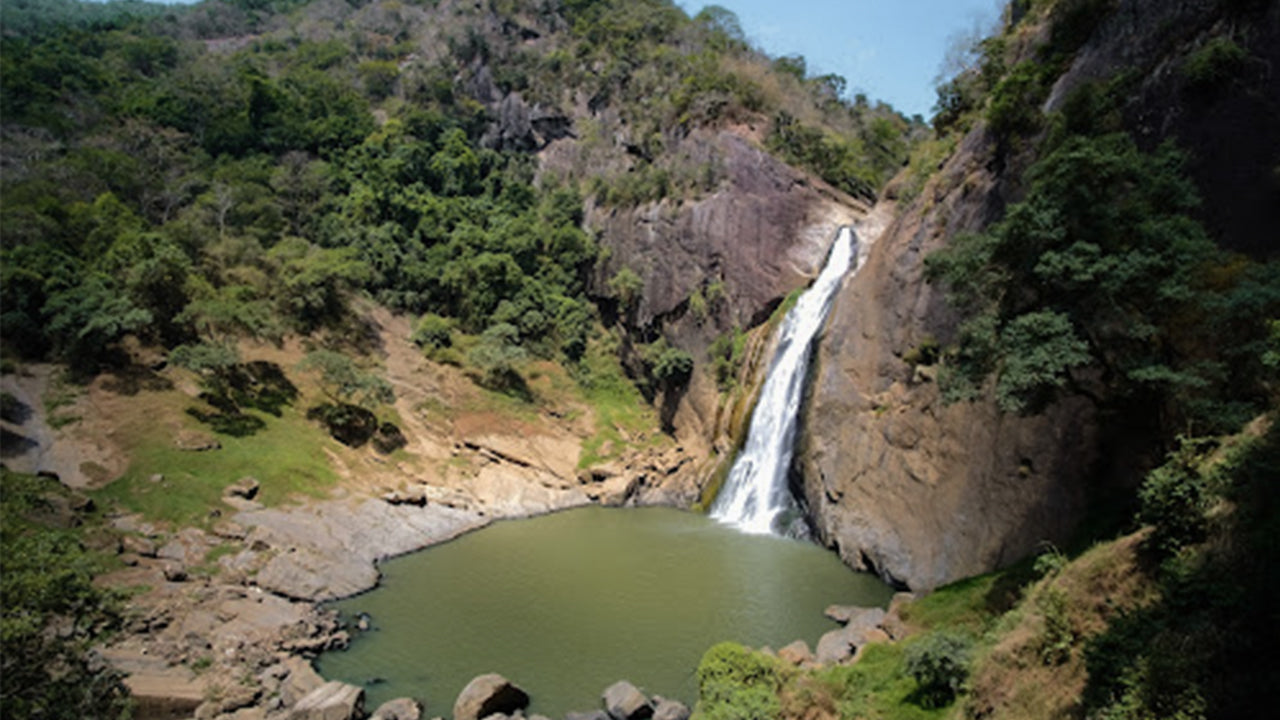 Dunhinda Falls
Dunhinda Falls is situated about 5 km away from Badulla town. It is 63 meters high and is considered to be one of the most beautiful waterfalls in Sri Lanka. The falls gets its name dew to the smoky dew drops spray.