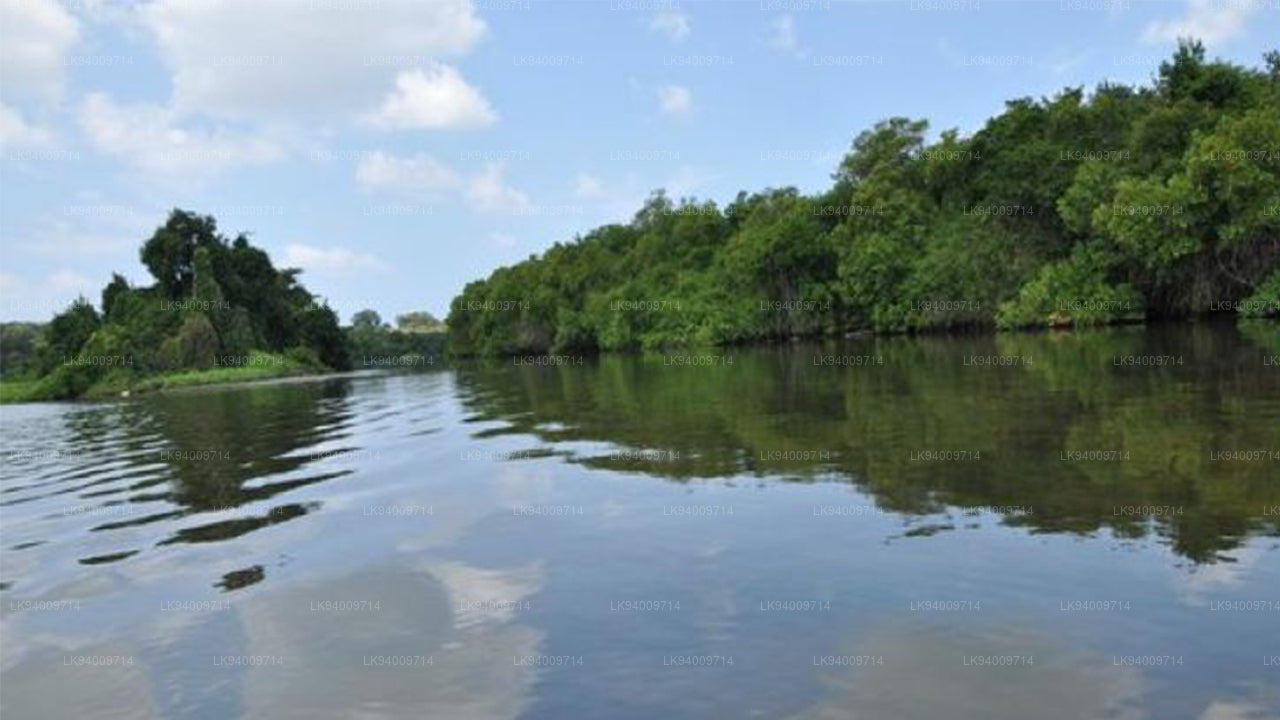
Gal Oya, fiume


Il fiume Gal Oya è uno dei principali fiumi della Provincia Orientale dello Sri Lanka, che ha origine dalle colline centrali e attraversa la zona secca prima di raggiungere il mare vicino alla Laguna di Batticaloa. Il fiume è vitale per le attività agricole, fornendo irrigazione e approvvigionamento idrico essenziali per le comunità agricole della regione. Il suo percorso attraverso valli, pianure e foreste contribuisce alla bellezza naturale dell'area, rendendolo una caratteristica importante del paesaggio della regione.
Gal Oya ha svolto un ruolo centrale nei sistemi di irrigazione dello Sri Lanka per secoli. Il fiume è cruciale per l'economia agricola della Provincia Orientale, alimentando serbatoi come il Serbatoio di Gal Oya, che aiuta ad irrigare i campi di riso, le fattorie di ortaggi e altre terre agricole. Il flusso costante delle sue acque sostiene i mezzi di sussistenza degli agricoltori di Batticaloa, Ampara e dei distretti circostanti, assicurando una fornitura costante di acqua durante la stagione secca.
Ecologicamente, il bacino del fiume Gal Oya supporta una varietà di specie vegetali e animali. Le zone umide e le rive del fiume forniscono habitat importanti per i pesci d'acqua dolce, gli uccelli acquatici e altri animali selvatici. Quando il fiume entra nella zona costiera, alimenta la Laguna di Batticaloa e le foreste di mangrovie circostanti, che sono cruciali per la biodiversità costiera e la vita marina. Questi ecosistemi umidi e costieri fanno del fiume una risorsa importante sia per la conservazione ambientale che per l'ecoturismo.
Culturalmente, Gal Oya è profondamente radicato nella vita quotidiana delle persone che vivono lungo le sue rive. Da generazioni, il fiume supporta le attività agricole e fornisce acqua per l'uso domestico. Il fiume Gal Oya è parte integrante dell'economia e dello stile di vita della Provincia Orientale, e le sue acque rimangono simbolo di resilienza e prosperità agricola nella regione.
Rischio di Inondazioni e Importanza Idrologica
Seppur Gal Oya sia vitale per l'agricoltura e l'approvvigionamento idrico, è anche suscettibile a inondazioni durante periodi di forti piogge. Comprendere i rischi di inondazione del fiume è cruciale per gestire le risorse idriche, proteggere le terre agricole e salvaguardare le comunità che dipendono da esso.
- Misurazioni Idrologiche Correnti (Rapporto Ufficiale):
I dati correnti per Gal Oya dal rapporto ufficiale di idrologia non sono disponibili. Il fiume non è elencato nelle stazioni di segnalazione delle inondazioni disponibili. - Sensibilità del Bacino di Drenaggio: Le forti piogge sulle colline centrali possono causare un rapido deflusso, che aumenta i livelli dell'acqua nel fiume a valle, in particolare durante i monsoni del sud-ovest e del nord-est.
- Zone a Rischio di Inondazione: Le aree basse di Ampara, Batticaloa e dei distretti circostanti sono a rischio di inondazioni quando il fiume cresce oltre i suoi normali livelli di flusso, specialmente durante i periodi di forti piogge.
- Impatto sull'Agricoltura: Le inondazioni possono interrompere i sistemi di irrigazione e danneggiare le colture, in particolare i campi di riso e le fattorie di ortaggi che dipendono dal flusso costante delle acque del fiume per l'irrigazione.
- Deflusso Lento nelle Zone Costiere: Quando il fiume entra nella pianura costiera, il suo flusso rallenta, aumentando il rischio di inondazioni prolungate e allagamenti, specialmente nelle zone agricole vicino alla Laguna di Batticaloa.
- Necessità di Monitoraggio: La raccolta regolare dei dati idrologici e il miglioramento dei sistemi di monitoraggio sono essenziali per prevedere gli eventi di inondazione e fornire avvisi precoci alle comunità e agli agricoltori.
- Rischi Legati alle Piogge Stagionali: Il rischio di inondazione per Gal Oya è maggiore durante la stagione dei monsoni, in particolare durante il monsoni del sud-ovest, quando le piogge sulle colline centrali causano un rapido aumento dei livelli dell'acqua a valle.
Gal Oya rimane una risorsa vitale per l'agricoltura, l'approvvigionamento idrico e gli ecosistemi nella Provincia Orientale dello Sri Lanka. Tuttavia, il rischio di inondazioni, specialmente durante la stagione dei monsoni, sottolinea la necessità di una gestione efficace delle inondazioni e di un monitoraggio continuo per proteggere le comunità e le risorse agricole della regione.


-
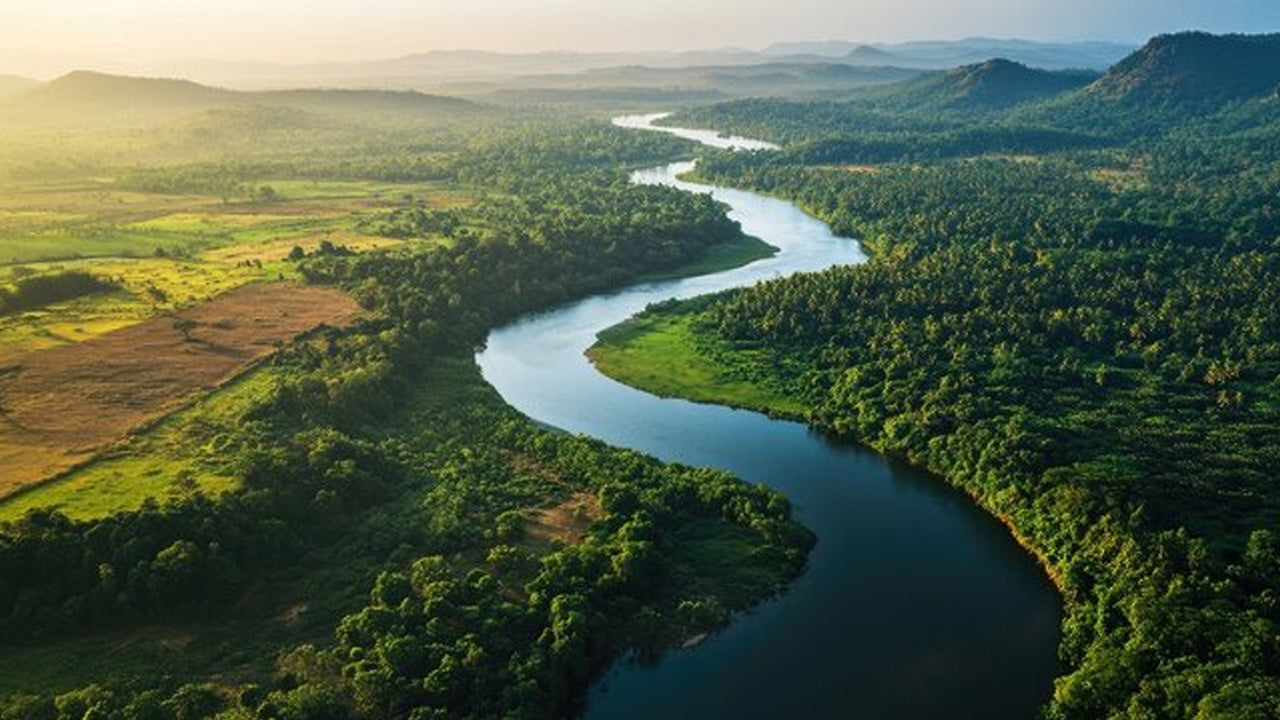 Mahaweli River
Explore the majestic Mahaweli River, Sri Lanka’s longest river, offering serene boat rides and opportunities for birdwatching and nature adventures along its winding course through scenic valleys.
-
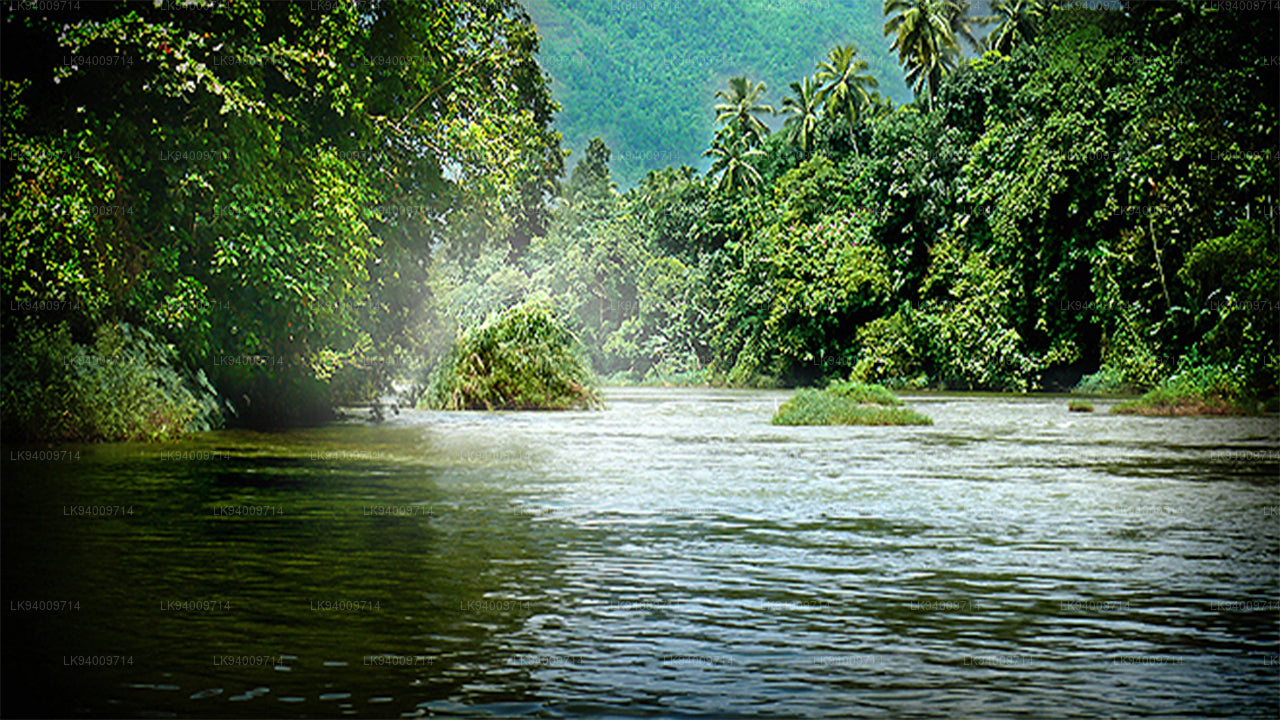 Kelani River
The Kelani River is a 145-kilometre-long (90 mi) river in Sri Lanka. It flows through or borders the Sri Lankan districts of Nuwara Eliya, Ratnapura, Kegalle, Gampaha and Colombo.
-
 Kalu Ganga
Kalu Ganga is a river in Sri Lanka. Measuring 129 km (80 mi) in length. The mountainous forests in the Province and the Sinharaja Forest Reserve are the main sources of water for the river.
-
 Walawe River
The southern region of Sri Lanka is exalted by a bushel of enthralling and glorified rivers and the Walawe River is one of them. Gently flowing through the Udawalawe National Park, the Walawe River provides water for a multitude of species of mesmerising fauna.
-
 Deduru Oya
The Deduru Oya Dam is an embankment dam built across the Deduru River in Kurunegala District of Sri Lanka. Built in 2014, the primary purpose of the dam is to retain approximately a billion cubic metres of water for irrigation purposes, which would otherwise flow out to sea.
-
 Malwathu Oya
The Malvathu River long river in Sri Lanka, connecting the city of Anuradhapura, which was the capital of the country for over 15 centuries, to the coast of Mannar. It currently ranks as the second longest river in the country, with a great historic significance.
-
 Kala Oya
It was around these ancient tank (water storage reservoir) irrigation systems that the economy and human settlements of early Sri Lankan society were organised into a “hydraulic civilization”.
-
 Gal Oya
Discover Gal Oya, a tranquil sanctuary in Sri Lanka, known for its lush landscapes, rich wildlife, and serene boat safaris, offering a peaceful retreat surrounded by nature and wildlife.
-
 Gin Ganga
The Gin Ganga, is a 115.9 km (72 mi) long river situated in Galle District of Sri Lanka. The river's headwaters are located near Deniyaya, bordering the Sinharaja Forest Reserve.
-
 Kirindi Oya
Experience the serene beauty of Kirindi Oya, a tranquil river in Sri Lanka. Enjoy scenic boat rides, lush landscapes, and opportunities for birdwatching, offering a peaceful escape into nature.
-
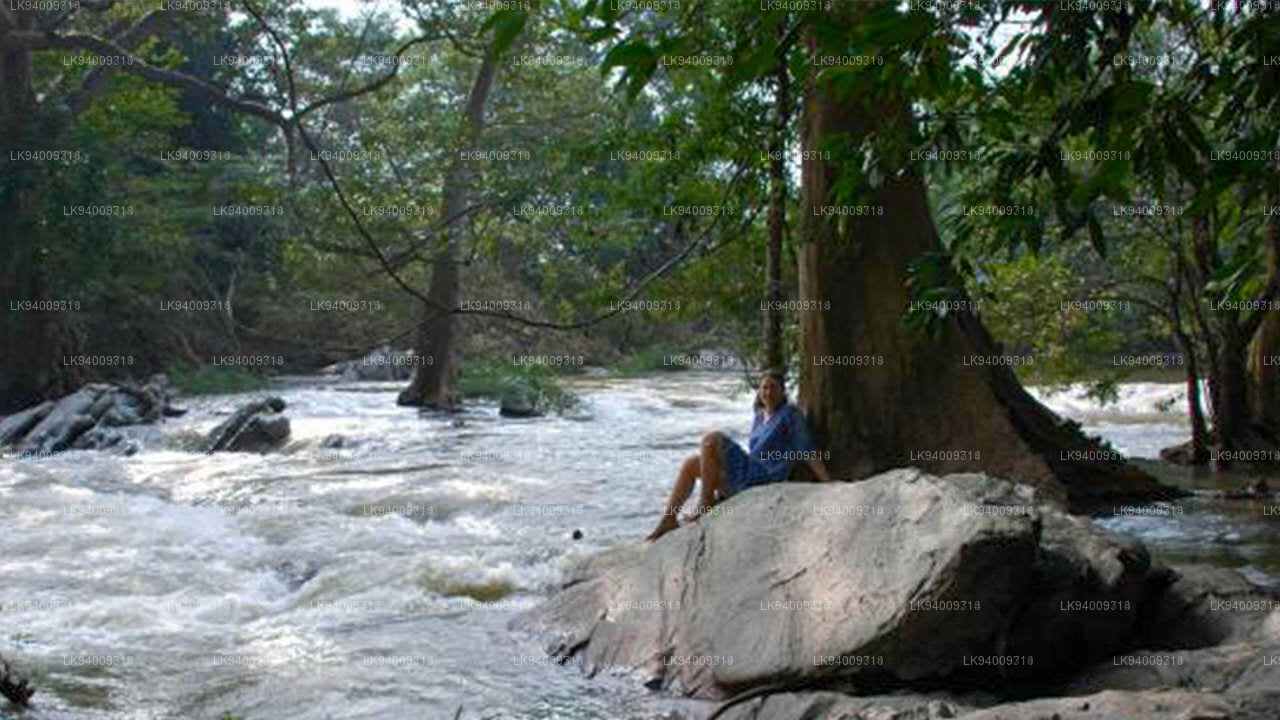 Kumbukkan Oya
The Kumbukkan Oya is the twelfth-longest river of Sri Lanka. It is approximately 116 km (72 mi) long. Its catchment area receives approximately 2,115 million cubic metres of rain per year.
-
 Maduru Oya
The Maduru Oya is a major stream in the North Central Province of Sri Lanka. It is approximately 135 km (84 mi) in length. approximately 3,060 million cubic metres of rain per year
-
 Manik River
Explore the peaceful Manik River, surrounded by lush greenery and rich wildlife. Enjoy scenic boat rides and nature walks, offering a serene and refreshing experience.
-
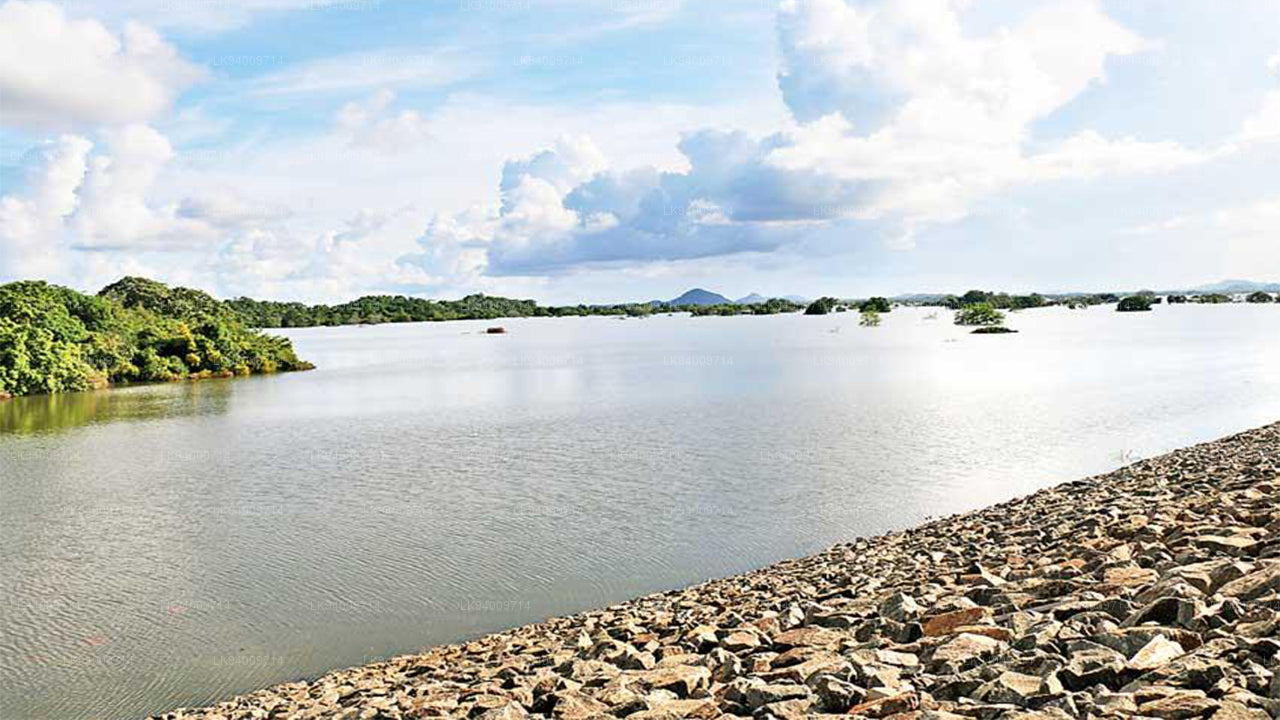 Yan Oya
The Yan Oya, 142 km long and receives 2,371 million cubic meters of rainfall annually, with 17% flowing to the sea. Its catchment area covers 1,520 square kilometers.