Lakpura
Lakpura®

National Parks

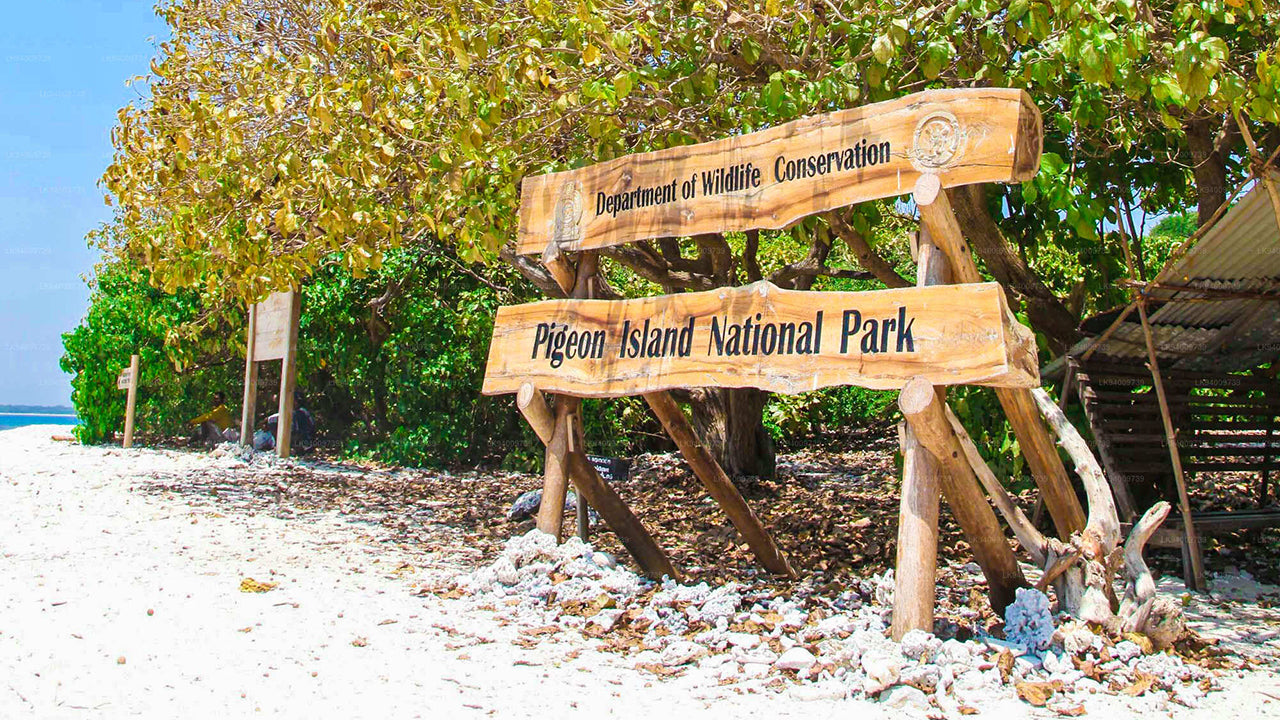
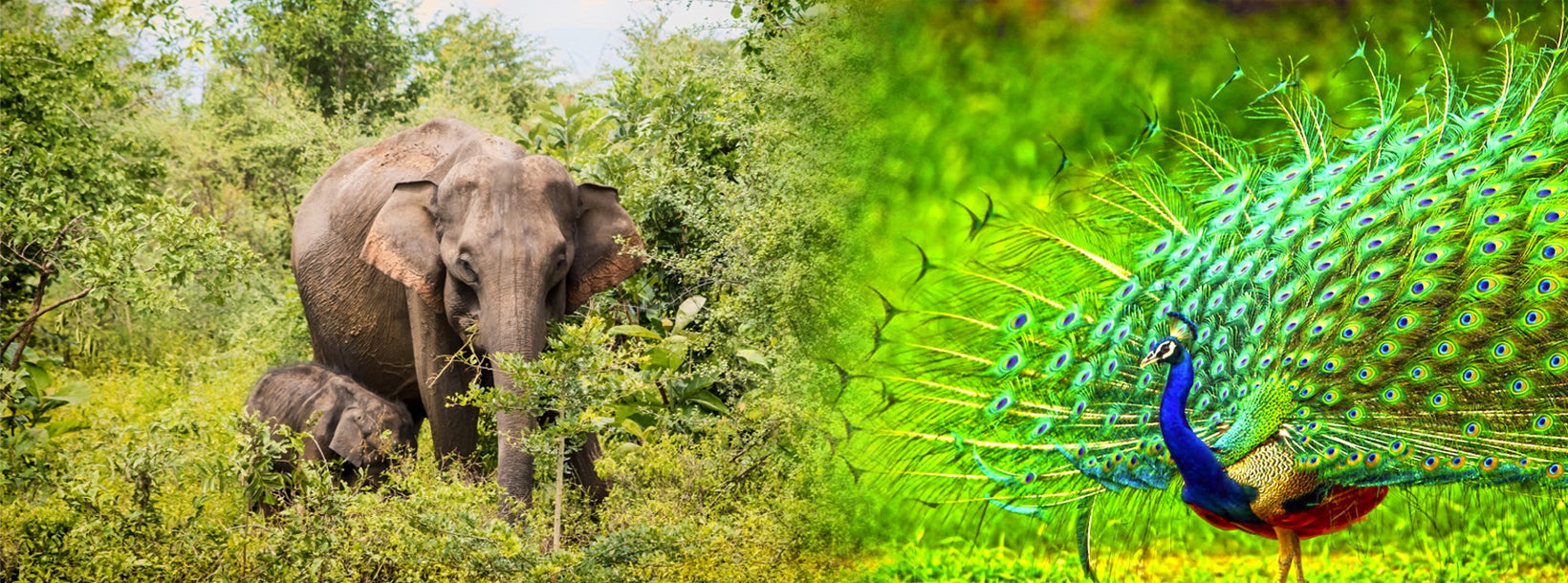
Sri Lanka packs an extraordinary range of ecosystems into a relatively small island — dry-zone scrubland, montane cloud forest, coastal lagoons, and ancient tank country — and its national parks protect the best of all of them. Administered by the Department of Wildlife Conservation under the Fauna and Flora Protection Ordinance of 1937, these protected areas collectively shelter some of Asia's most impressive concentrations of wildlife, including the world's highest density of wild leopards and one of the largest gatherings of Asian elephants on earth.

How many national parks does Sri Lanka have?

Sri Lanka currently gazetted more than 20 national parks, ranging in size from a few hundred hectares to over 97,000 hectares. They span every climatic zone of the island, so the habitat and species you encounter change dramatically depending on which park you visit. A single trip can realistically cover two or three parks if you plan the route sensibly; attempting more than that risks turning a wildlife journey into a logistics exercise.

Which national parks should I prioritise?

The answer depends on what you most want to see. Below is an overview of the parks that consistently deliver the strongest wildlife experiences for first-time and returning visitors.

Yala National Park

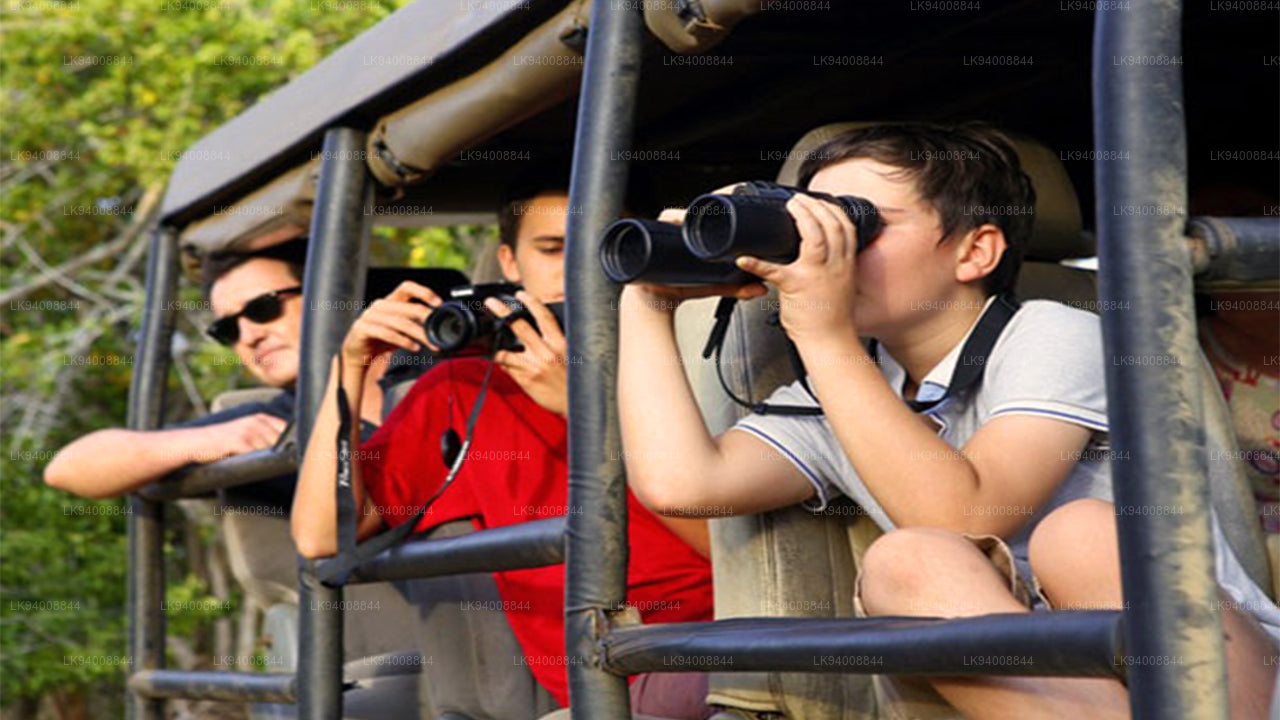
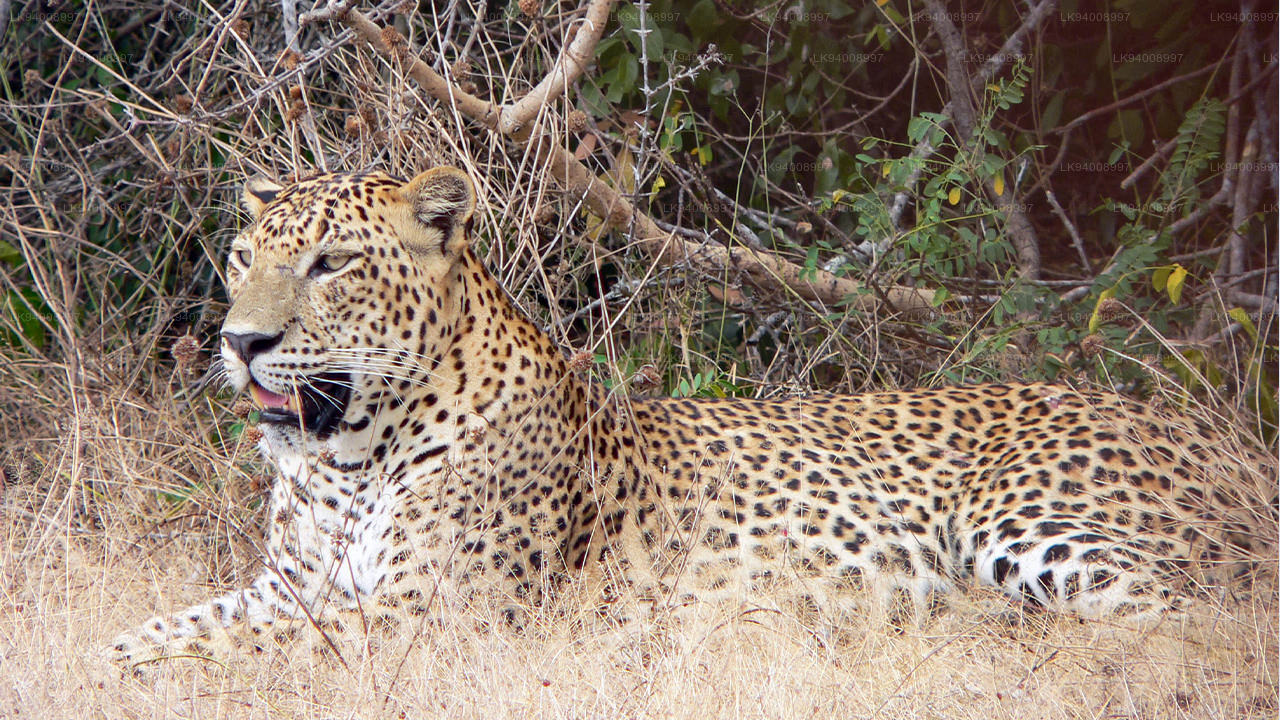
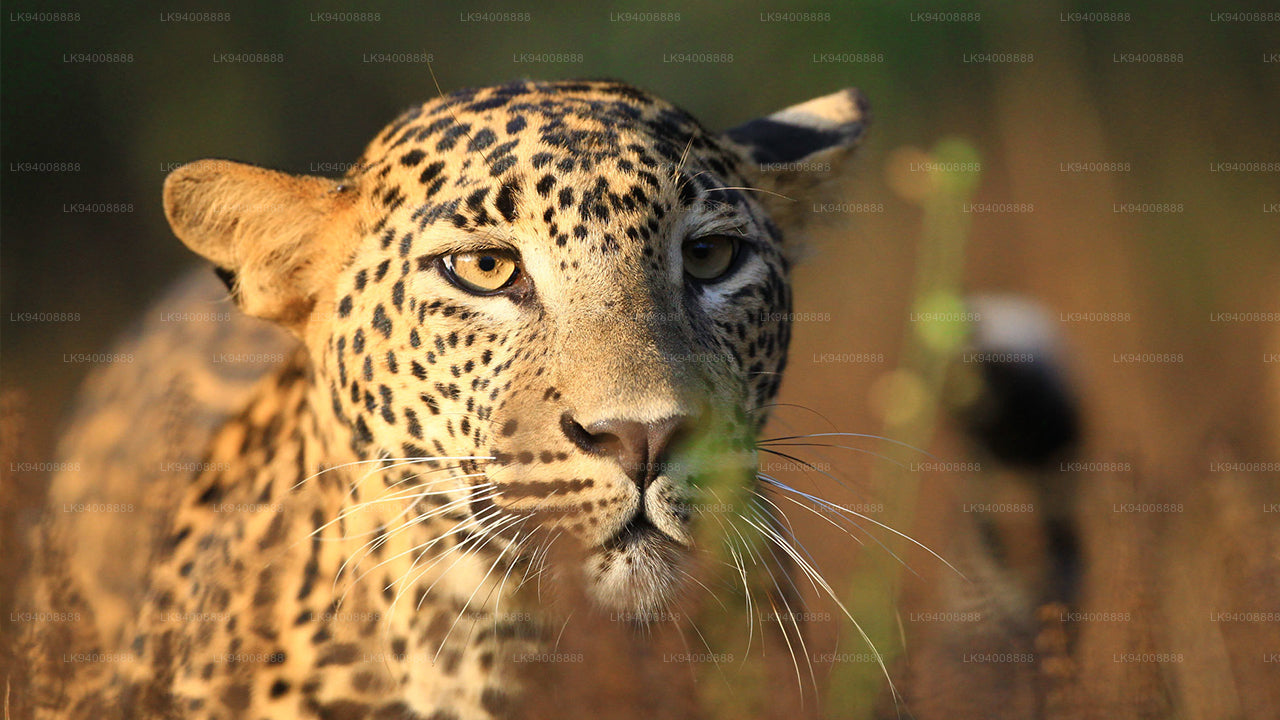
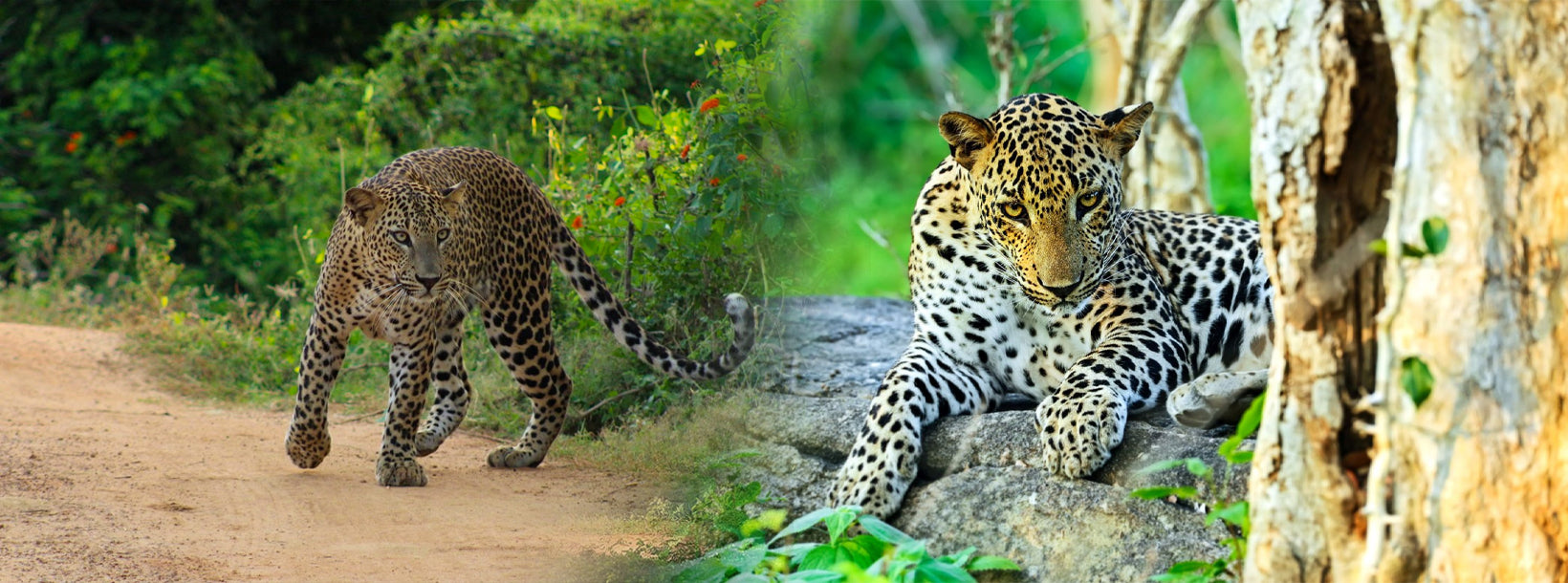
Located in the deep south, Yala is Sri Lanka's most-visited park and arguably its most dramatic. Block I — the section open to safari vehicles — holds a dense leopard population, making sightings more reliable here than almost anywhere else in the world. Sloth bears, elephants, mugger crocodiles, and a rich bird list round out a typical game drive. The park is at its best from February to July, when the dry season concentrates animals around water sources.

Udawalawe National Park

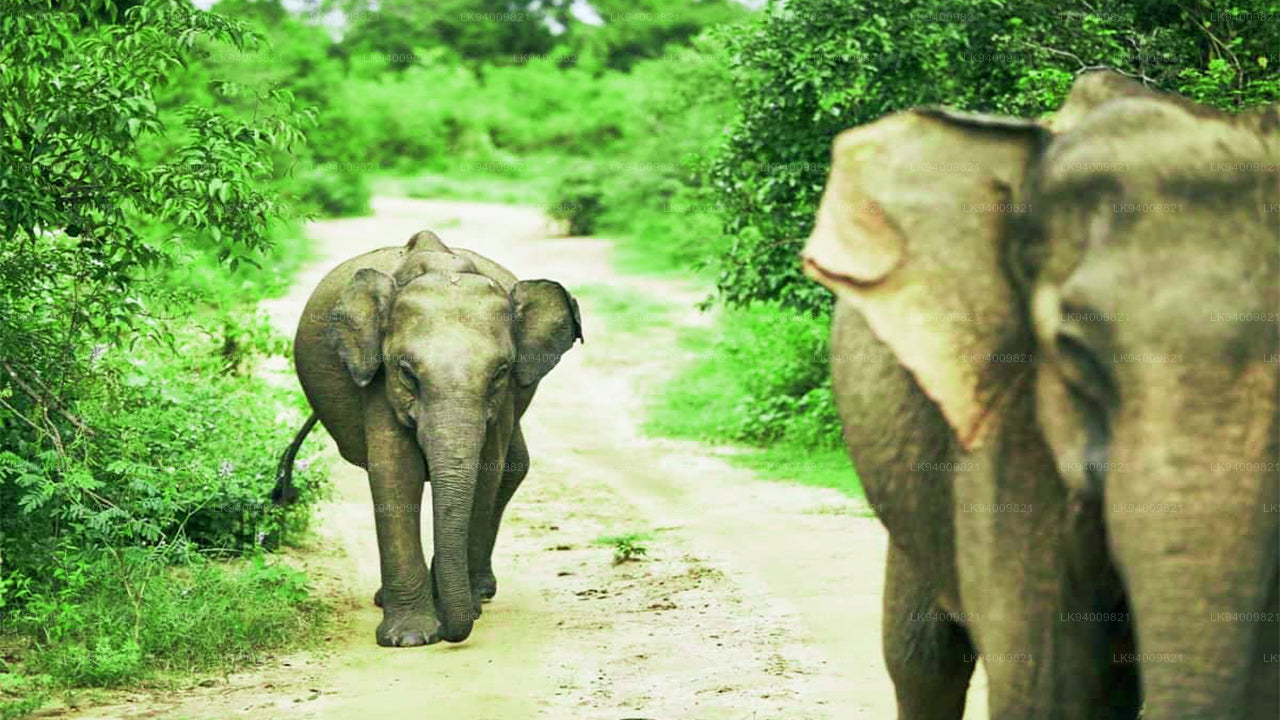
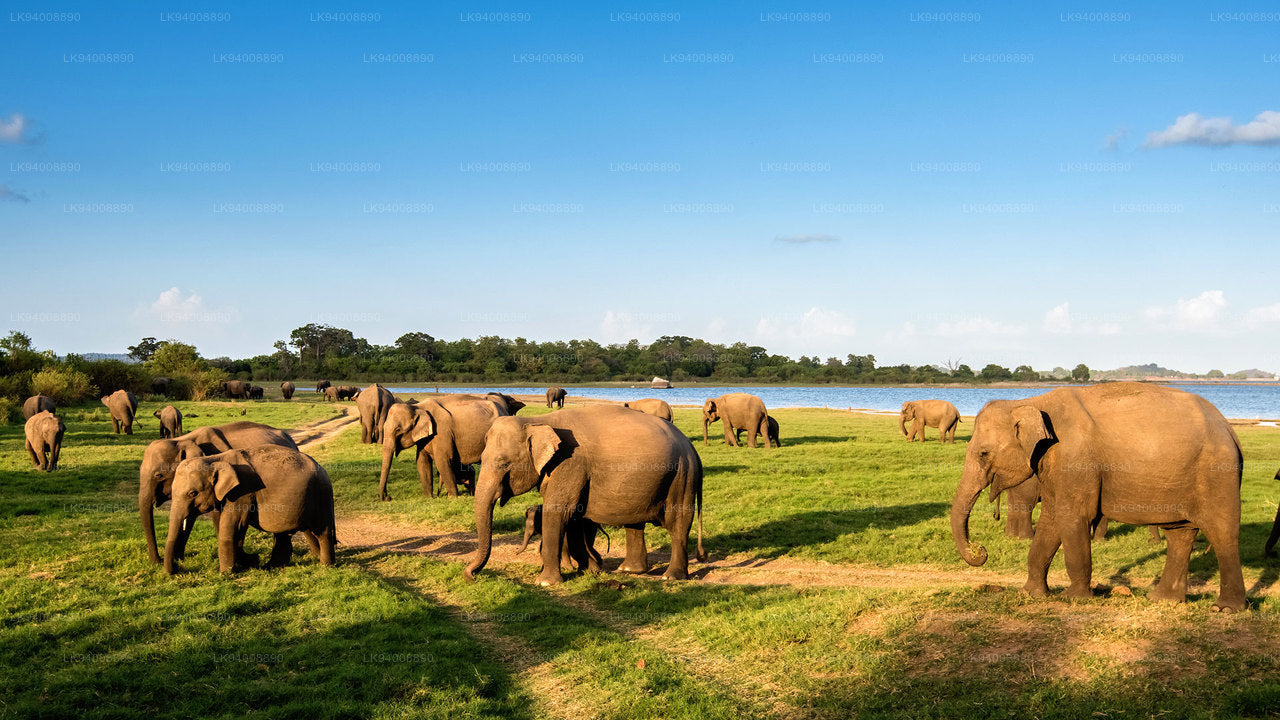
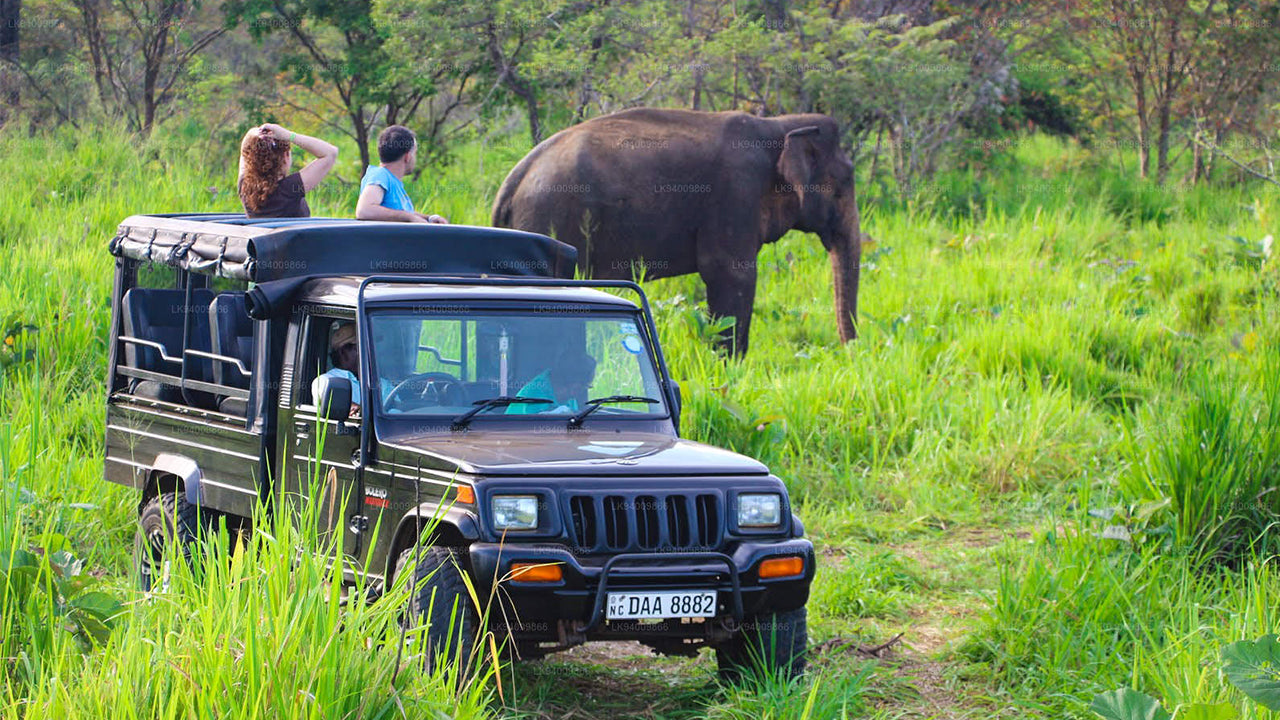
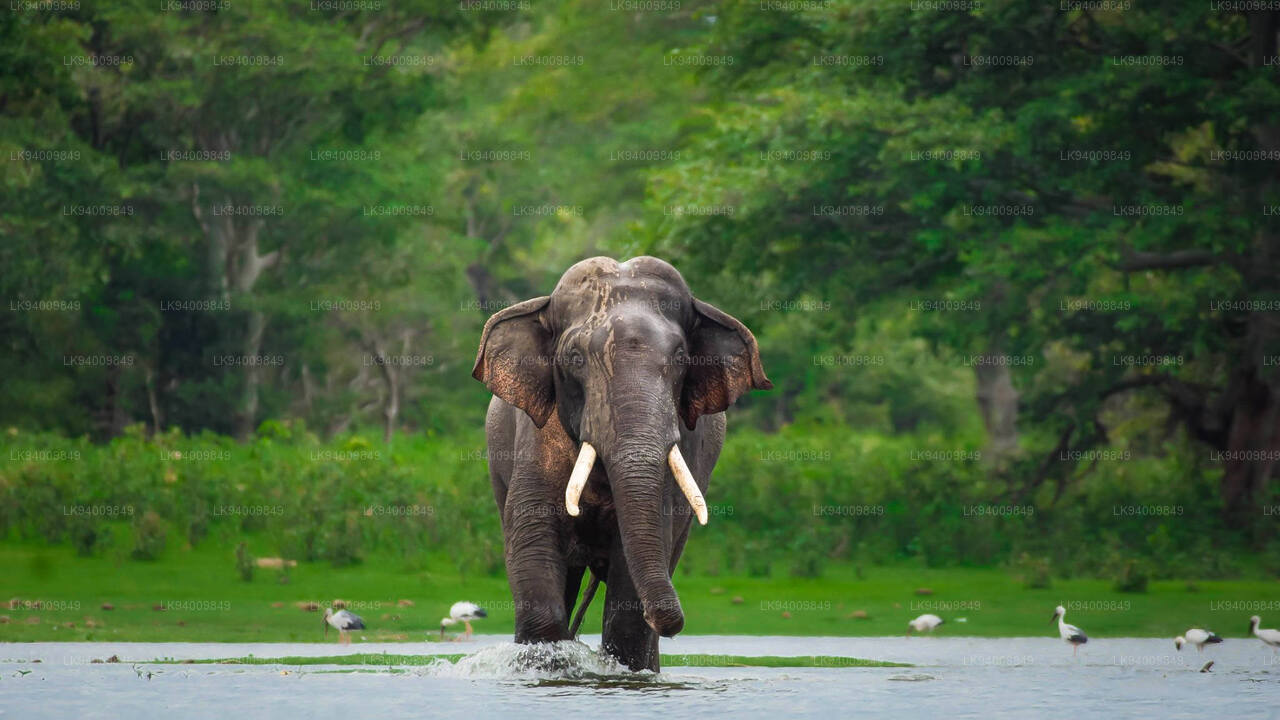
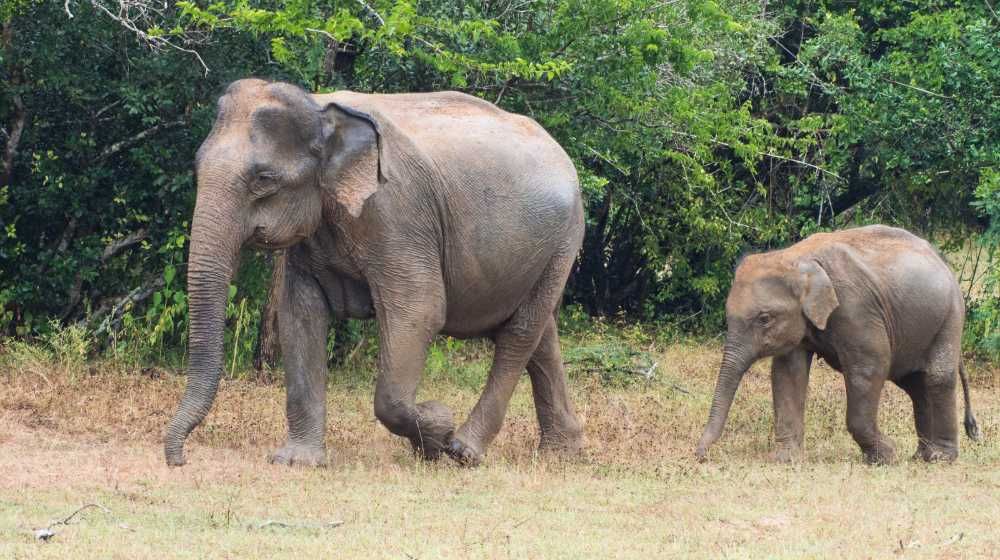
Udawalawe National Park is the place to come specifically for elephants. The Udawalawe Reservoir draws herds throughout the year, and it is common to see well over a hundred individuals on a single morning drive. Udawalawe is also home to the Elephant Transit Home, a rehabilitation facility where orphaned calves are prepared for release into the wild — a worthwhile stop before or after your safari.

Wilpattu National Park

Wilpattu National Park in the northwest is Sri Lanka's largest park by area and one of the oldest protected areas in the world. Its defining feature is its villus — natural circular lakes fed by rainwater — which create open, photogenic savannah landscapes quite different from the dense scrub of Yala. Leopards are present and increasingly well-documented here, and the park sees fewer visitors, making for a quieter, more private experience.

Minneriya and Kaudulla National Parks

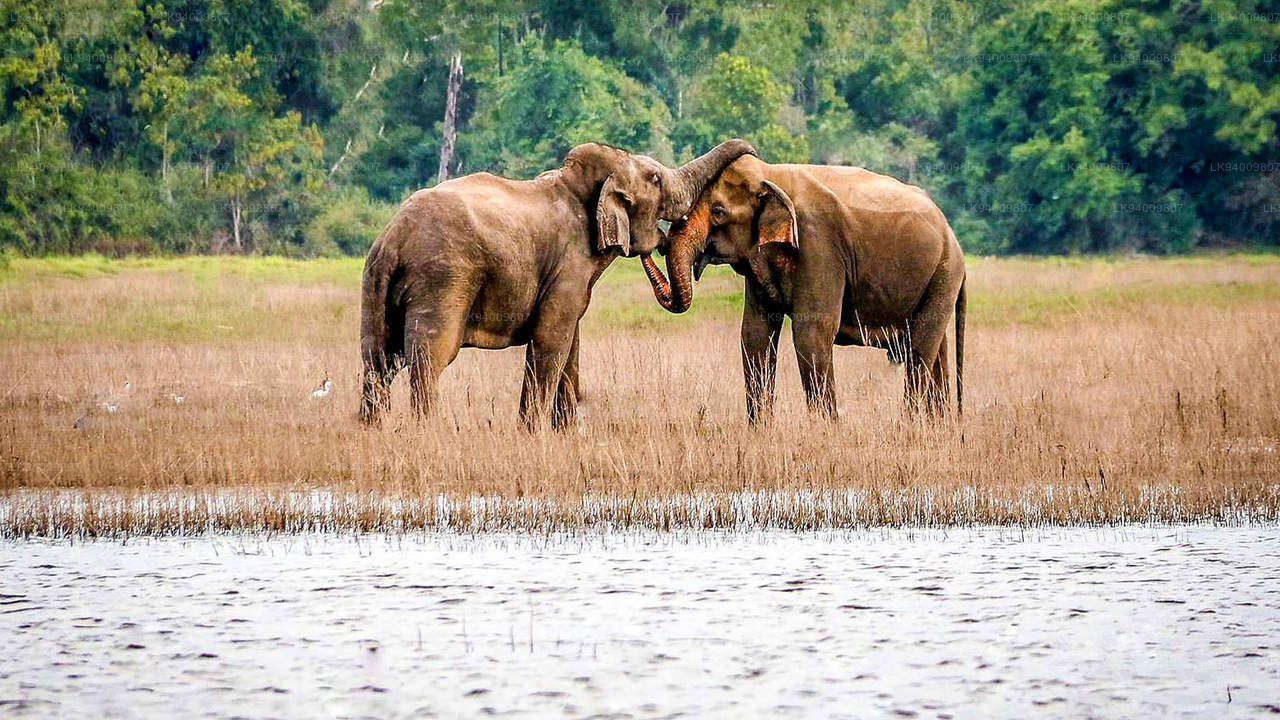
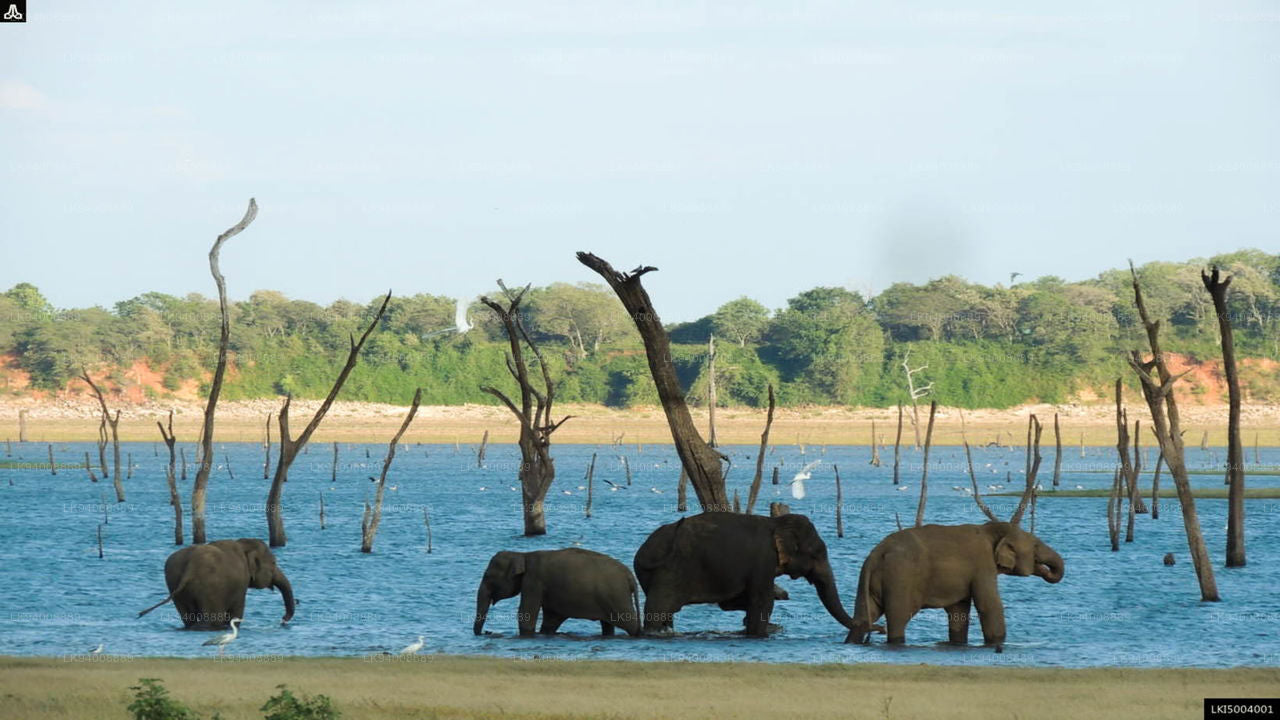
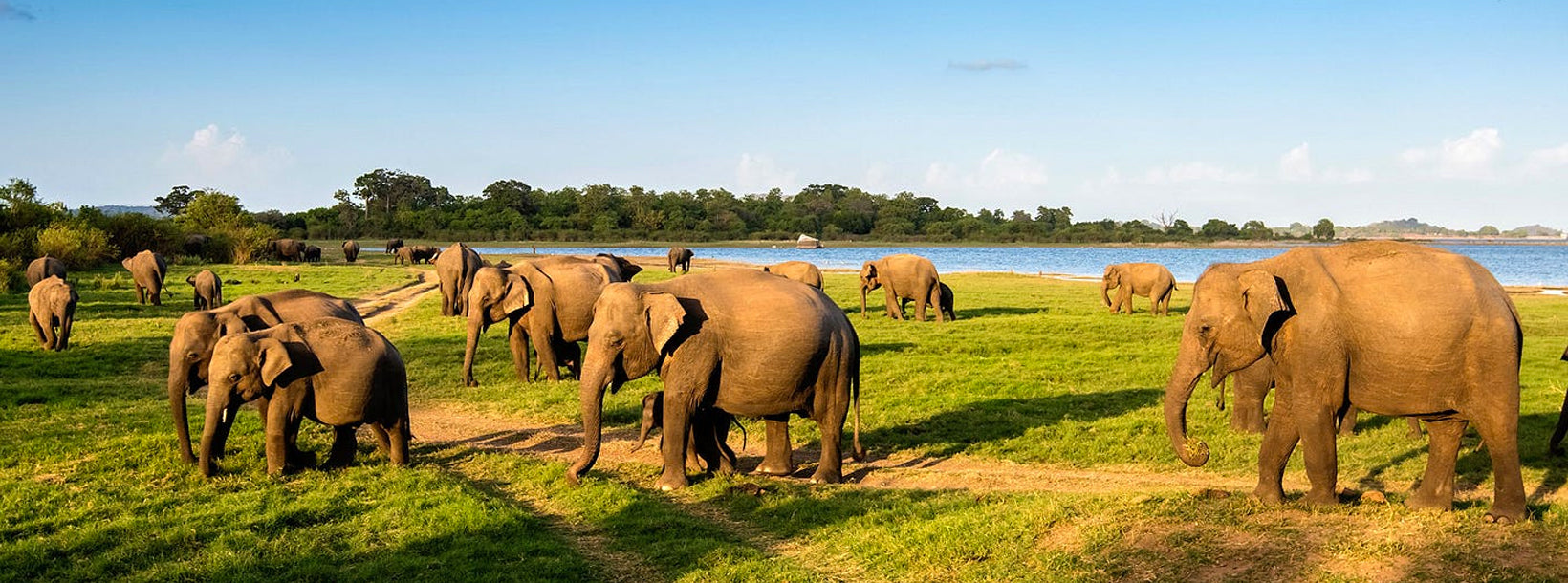
These two parks in the North Central Province are best known for the Gathering — a seasonal phenomenon in which hundreds of Asian elephants converge around the receding Minneriya and Kaudulla tanks between July and October, drawn by the fresh grass exposed as water levels drop. At peak season this is considered the largest single gathering of Asian elephants anywhere on earth. The parks are close to the ancient city of Polonnaruwa, making it easy to combine a cultural visit with an afternoon safari.

Horton Plains National Park

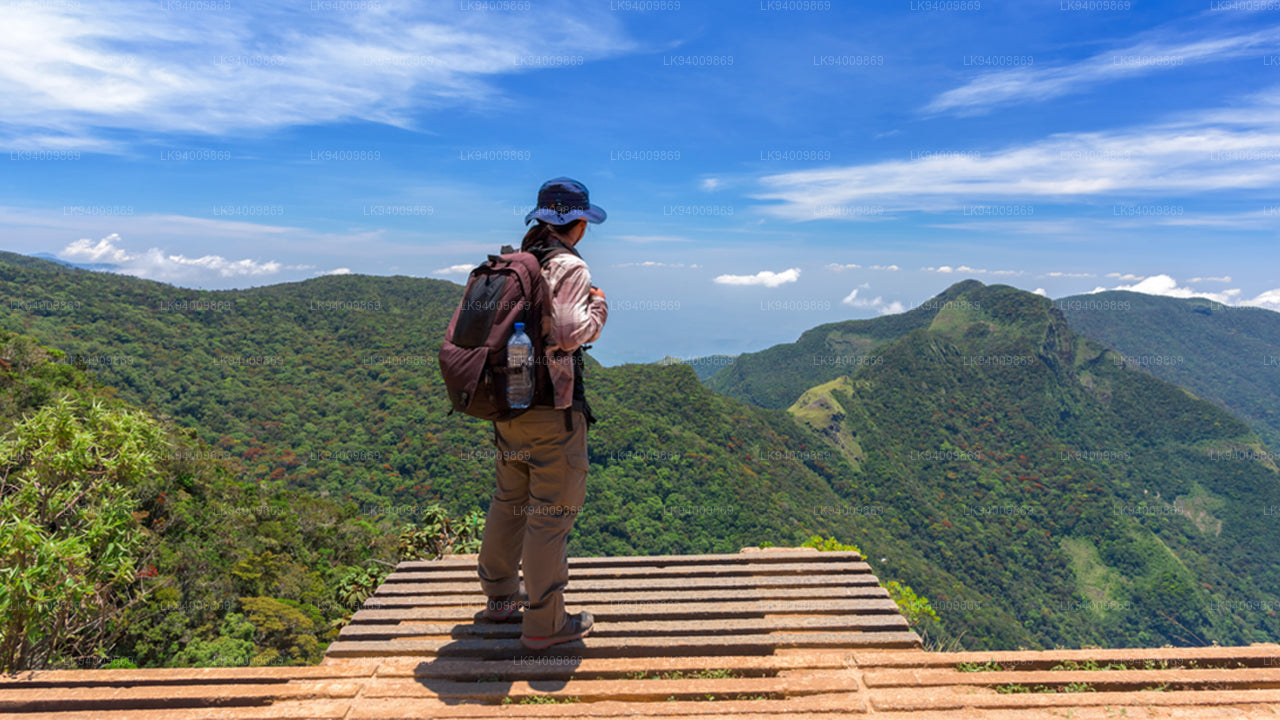
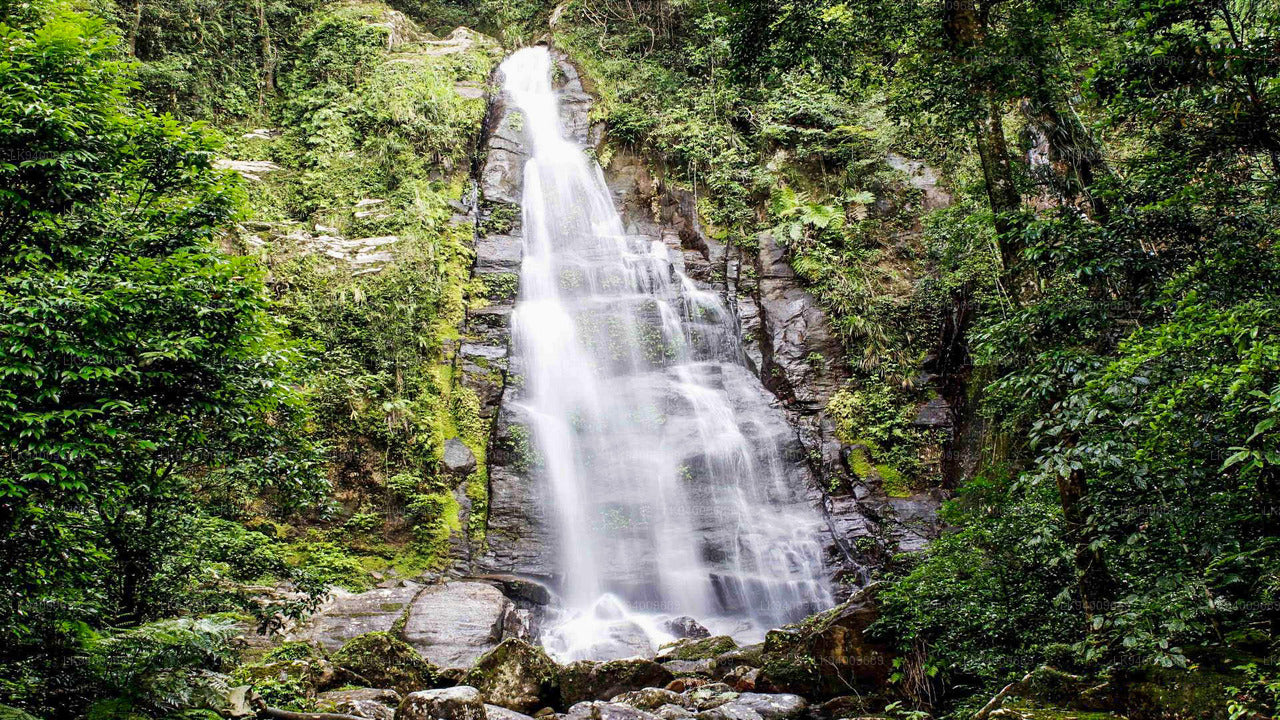
Horton Plains National Park sits at over 2,100 metres above sea level and is a completely different proposition from the lowland dry-zone parks. This UNESCO World Heritage-listed plateau protects montane cloud forest and open grassland grazed by sambar deer. The main draw for most visitors is World's End — a sheer escarpment with a drop of around 870 metres — and Baker's Falls. The park is best explored on foot, and early morning entry before the clouds roll in is strongly advisable.

Bundala National Park

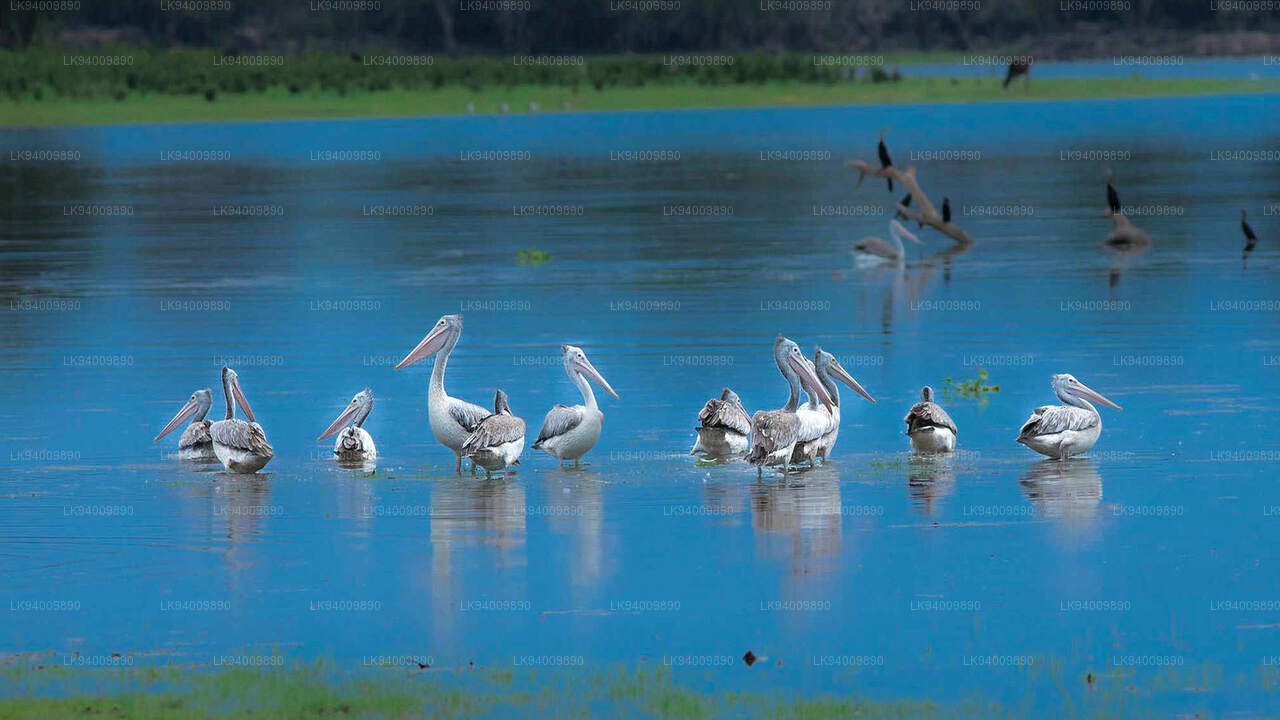
Bundala, a Ramsar-listed wetland on the southern coast, is Sri Lanka's premier birdwatching destination. Tens of thousands of migratory shorebirds and waterfowl arrive between November and March, and flamingos are a seasonal highlight. The landscape of lagoons, dunes, and scrub forest also supports elephants, crocodiles, and a healthy reptile population including the Indian star tortoise.

Kumana National Park

Kumana adjoins Yala on its eastern boundary and shares much of the same dry-zone fauna, including good leopard and elephant populations. Its real distinction is its bird life: the Kumana Villu — a large mangrove swamp — hosts one of Sri Lanka's largest waterbird colonies during the nesting season from May to July. Because it sits at the end of a long road from Arugam Bay, Kumana remains lightly visited and genuinely wild in character.

Sinharaja Forest Reserve

Strictly speaking a UNESCO-listed biosphere reserve rather than a national park, Sinharaja Forest Reserve is nevertheless an essential stop for serious naturalists. It is the largest surviving area of lowland rainforest in Sri Lanka and harbours exceptionally high levels of endemism — around 60 percent of the island's endemic birds are regularly recorded here, along with a remarkable diversity of endemic amphibians, reptiles, and plants.

When is the best time to visit Sri Lanka's national parks?

Sri Lanka's dual monsoon system means that no single season is ideal for every park simultaneously. As a general guide:

  • Southern and eastern parks (Yala, Kumana): February to July for dry conditions and concentrated wildlife around water.
  • Northern and north-central parks (Wilpattu, Minneriya, Kaudulla): May to September for the best elephant sightings; Wilpattu closes during parts of the northwest monsoon.
  • Udawalawe: Open year-round with reliable elephant sightings in most months.
  • Horton Plains: January to March offers the clearest skies; avoid public holidays when the park becomes crowded.
  • Bundala and Kumana (birdwatching): November to March for migratory species at Bundala; May to July for Kumana's nesting colony.

What wildlife can I expect to see in Sri Lanka's national parks?

Sri Lanka's parks collectively shelter a remarkable range of species. Highlights include:

  • Sri Lankan leopard — a subspecies found only on the island; best seen at Yala and Wilpattu.
  • Asian elephant — present in most lowland parks; most numerous at Udawalawe and during the Gathering at Minneriya/Kaudulla.
  • Sloth bear — shy but regularly sighted at Yala and Wilpattu.
  • Sri Lankan sambar deer — abundant at Horton Plains and in most other parks.
  • Mugger and saltwater crocodiles — common in park waterways; good crocodile watching opportunities at several locations.
  • Over 430 bird species — including 33 endemics; Sinharaja, Bundala, and Kumana are birdwatching benchmarks.
  • Sperm whales and blue whales — accessible by boat from Mirissa and Trincomalee, just outside the formal park system.

How do I get to Sri Lanka's national parks?

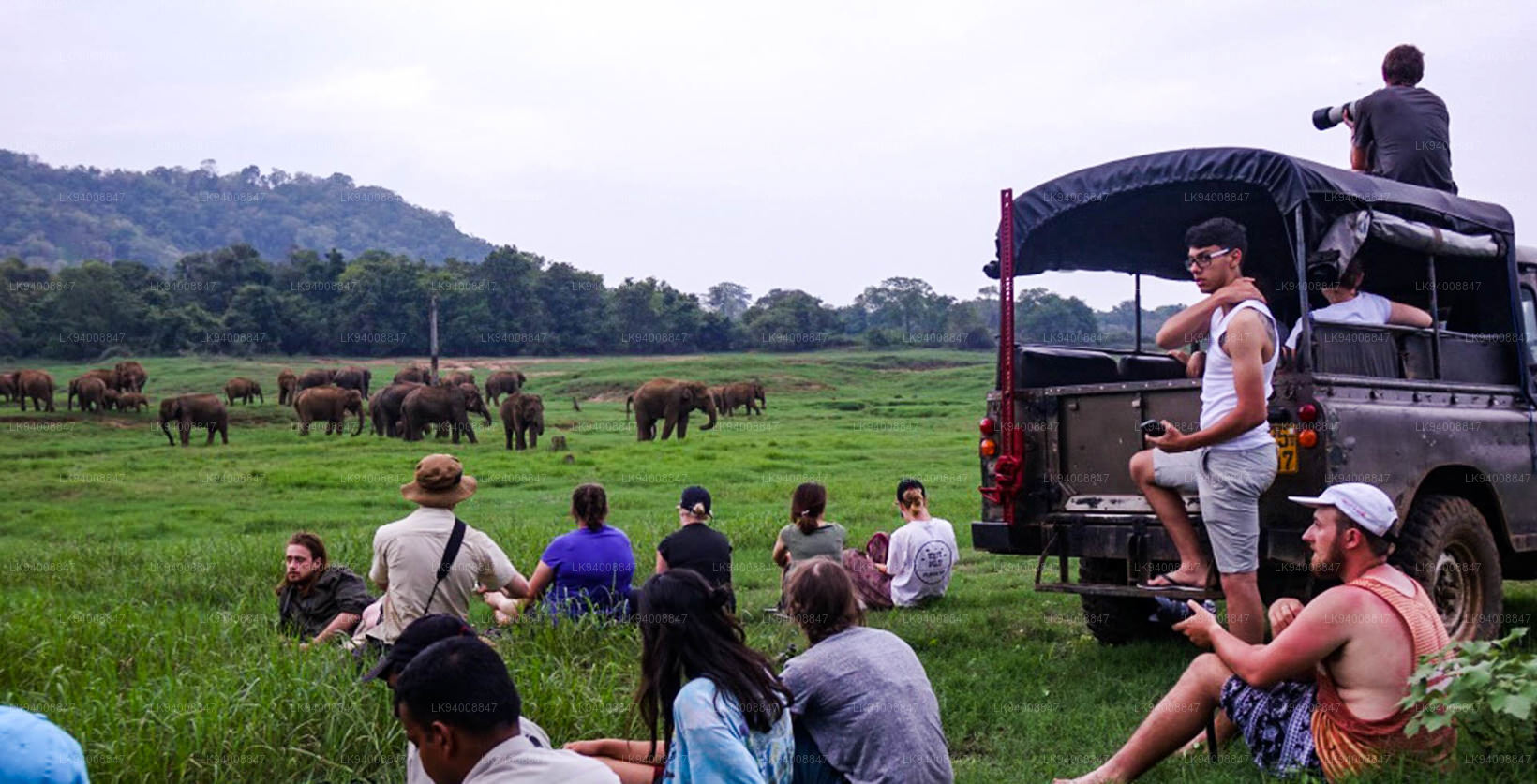
Most parks are most conveniently reached by private vehicle. A typical itinerary pairs Yala or Udawalawe with a southern beach stay, Minneriya or Kaudulla with the Cultural Triangle, and Horton Plains with the hill-country tea regions around Nuwara Eliya. Private drivers and guides are the standard way to connect parks across the island, and many experienced naturalist guides can arrange permits, lodges, and safari jeeps in advance — which is strongly advisable for Yala during peak season.

Do I need a permit to enter a national park?

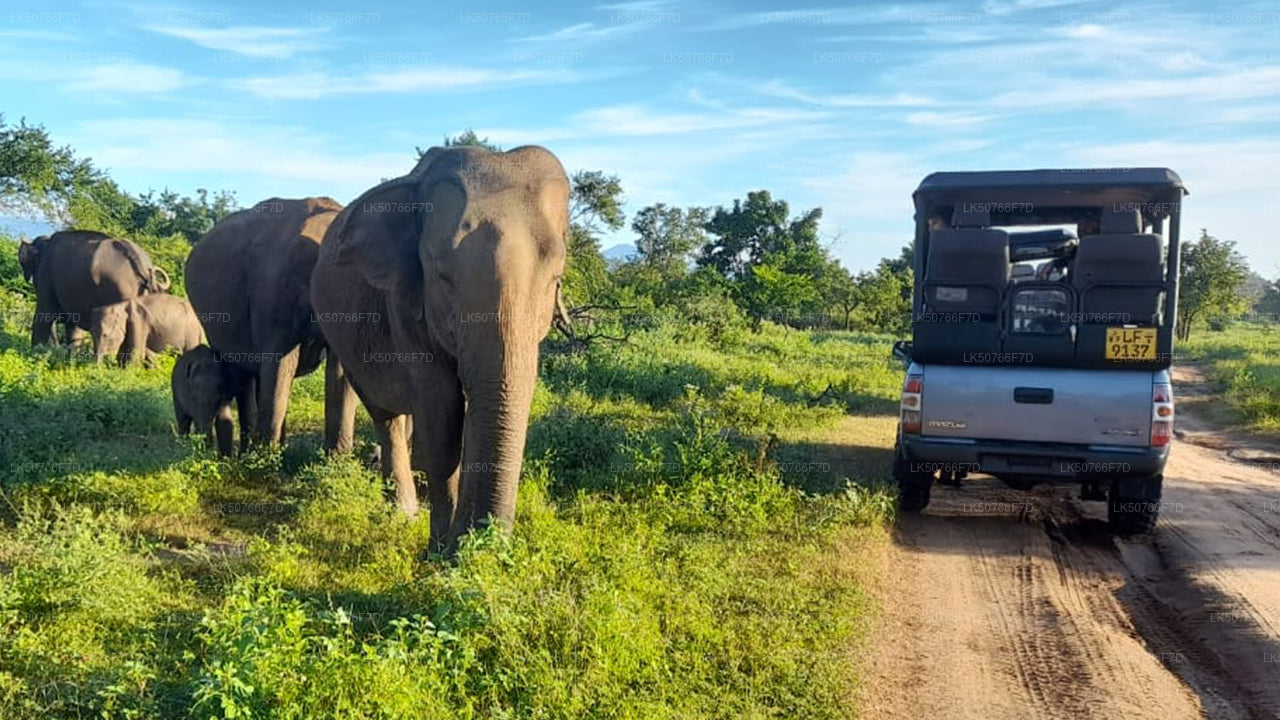
Yes. Every visitor requires an entry ticket purchased through the Department of Wildlife Conservation. Tickets are available at park gates, though for popular parks like Yala it is advisable to arrange them in advance to avoid long queues. Safari jeeps must be hired with a licensed tracker inside the park — private vehicles are not permitted on game drives. Some parks also offer camping with a separate permit.

Book this experience with Lakpura

Curated by our local team. Direct booking, instant confirmation.

Ask Lakpura® Agent