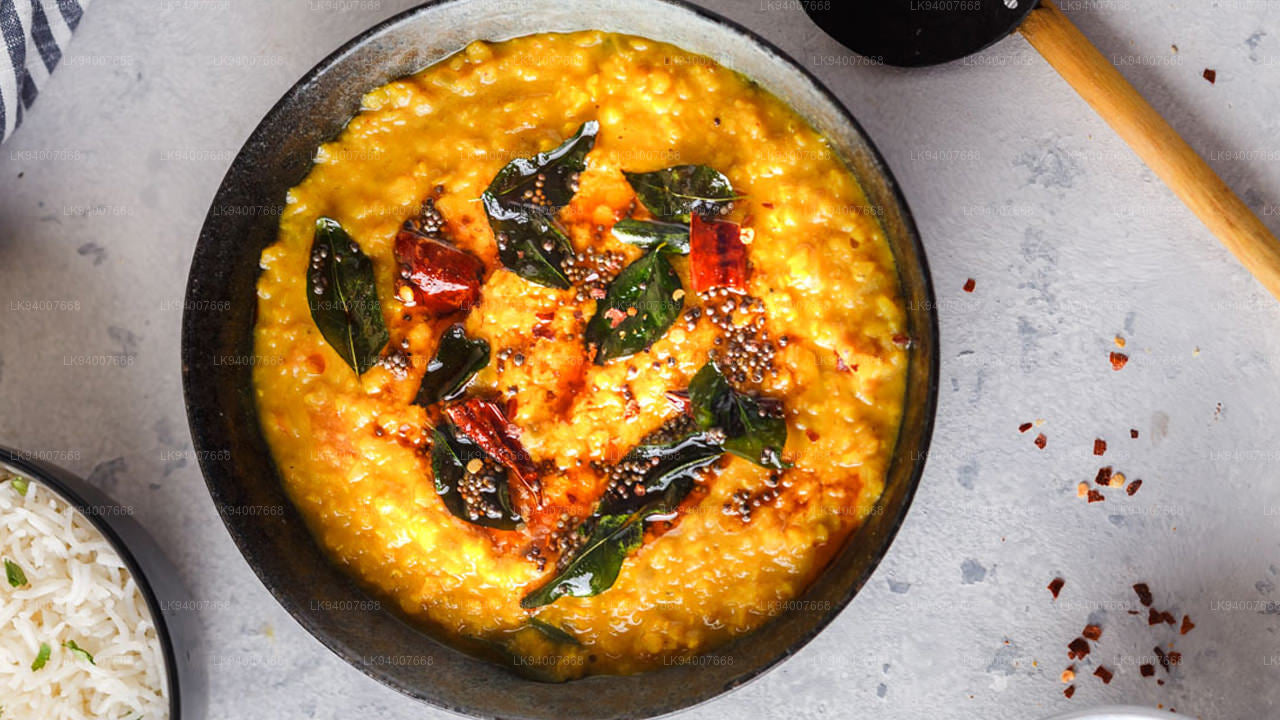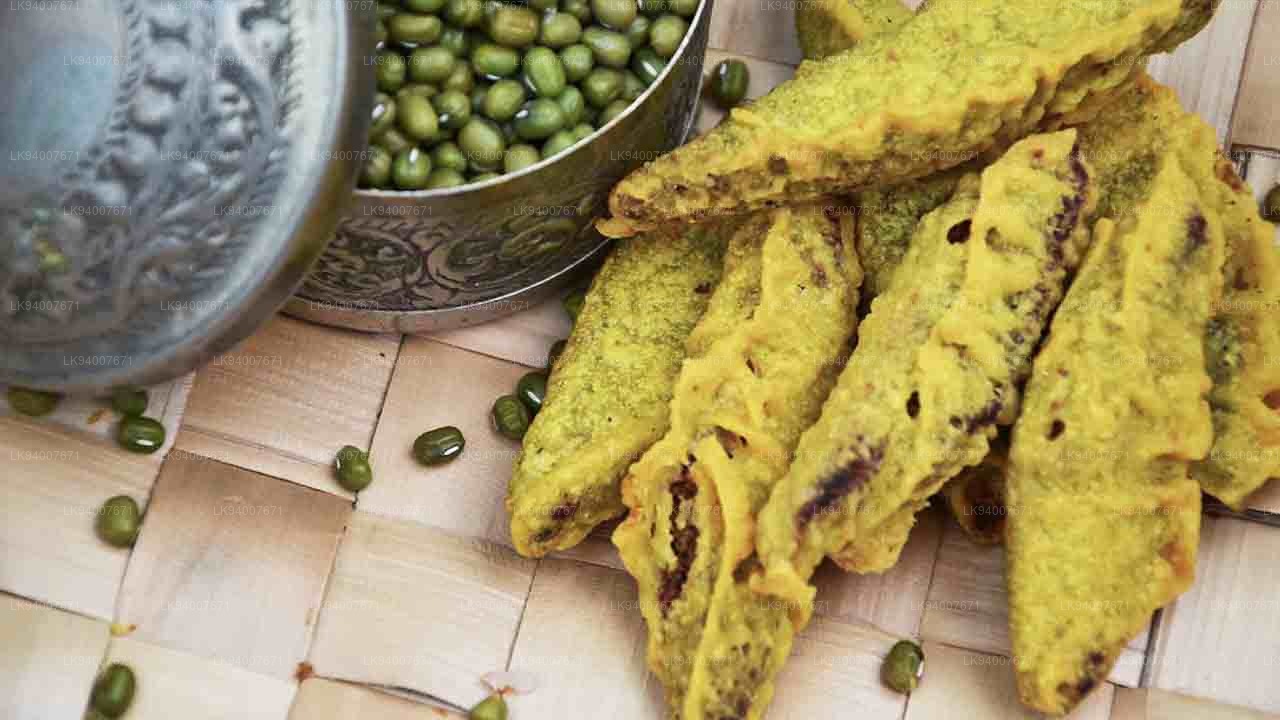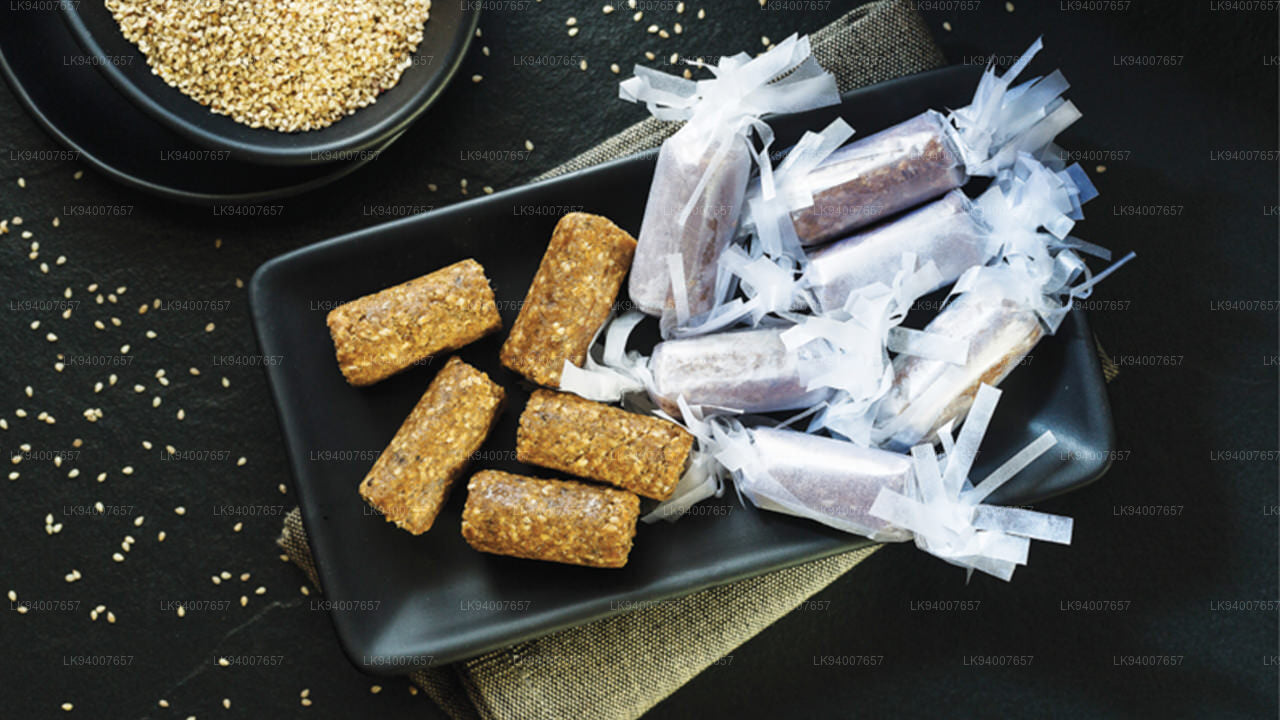
Dhal curry — known locally as parippu (පරිප්පු) — is arguably the most democratic dish in Sri Lankan cooking. It appears on the breakfast table alongside traditional Sri Lankan snacks, anchors the midday rice-and-curry spread, and is the last thing many households cook before bed. Simple to prepare, naturally vegan, gluten-free, and high in plant protein, it rewards even first-time cooks with deep, satisfying flavour.
What makes Sri Lankan dhal curry different from Indian dal?
If you have cooked Indian dal before, the method will feel familiar, but the flavour profile diverges in two important ways. Sri Lankan parippu is finished with coconut milk, which gives it a mild creaminess and a faintly sweet undertone. It is also tempered — a technique called thel dala — with fresh curry leaves, mustard seeds, dried chilli, and cumin sizzled in oil and poured over the cooked lentils at the end. That final tempering is not optional; it is where most of the fragrance lives.
The use of coconut in everyday Sri Lankan cooking reflects the island's agricultural landscape, where coconut palms line the coast and inland villages alike. Coconut milk softens the earthiness of the lentils without masking the spices.
What ingredients do you need?
- Red lentils (masoor dal) — the variety most commonly used in Sri Lankan households; they cook quickly and break down into a thick, scoopable consistency.
- Onion — sliced or roughly chopped; it adds body and a gentle sweetness.
- Garlic and ginger — crushed or finely minced; both go in raw at the boiling stage.
- Tomato — one medium tomato adds acidity and helps the dal thicken.
- Curry leaves — fresh is strongly preferred. They are the single most distinctive aromatic in this dish.
- Coconut milk — stirred in after the lentils are cooked; use full-fat for the best result.
- Spice powders — turmeric, chilli, cumin, and coriander. Sri Lankan roasted curry powder can substitute the cumin and coriander for a deeper, smokier note.
- Whole spices for tempering — mustard seeds, cumin seeds, and a few dried chilli pieces.
- Neutral cooking oil — coconut oil is traditional and adds an authentic layer of flavour.
How do you cook Sri Lankan dhal curry?
- Rinse the lentils. Place the red lentils in a sieve and rinse under cold running water, stirring with your hand, until the water runs clear rather than cloudy. This removes excess starch and prevents the curry from becoming gluey.
- Cook the base. Transfer the rinsed lentils to a medium saucepan. Add enough cold water to cover by about 4 cm. Add the sliced onion, chopped tomato, minced garlic and ginger, turmeric, chilli powder, ground cumin, ground coriander, and salt. Bring to a boil over medium-high heat.
- Simmer until tender. Reduce the heat, cover, and cook until the lentils have absorbed most of the water and turned soft — typically around 15 to 20 minutes. Stir occasionally and add a splash of water if the pot looks dry before the lentils are fully cooked.
- Add coconut milk. Pour in the coconut milk and a little extra water if needed to reach your preferred consistency. Stir gently and simmer for a further 5 minutes over low heat. Taste and adjust salt.
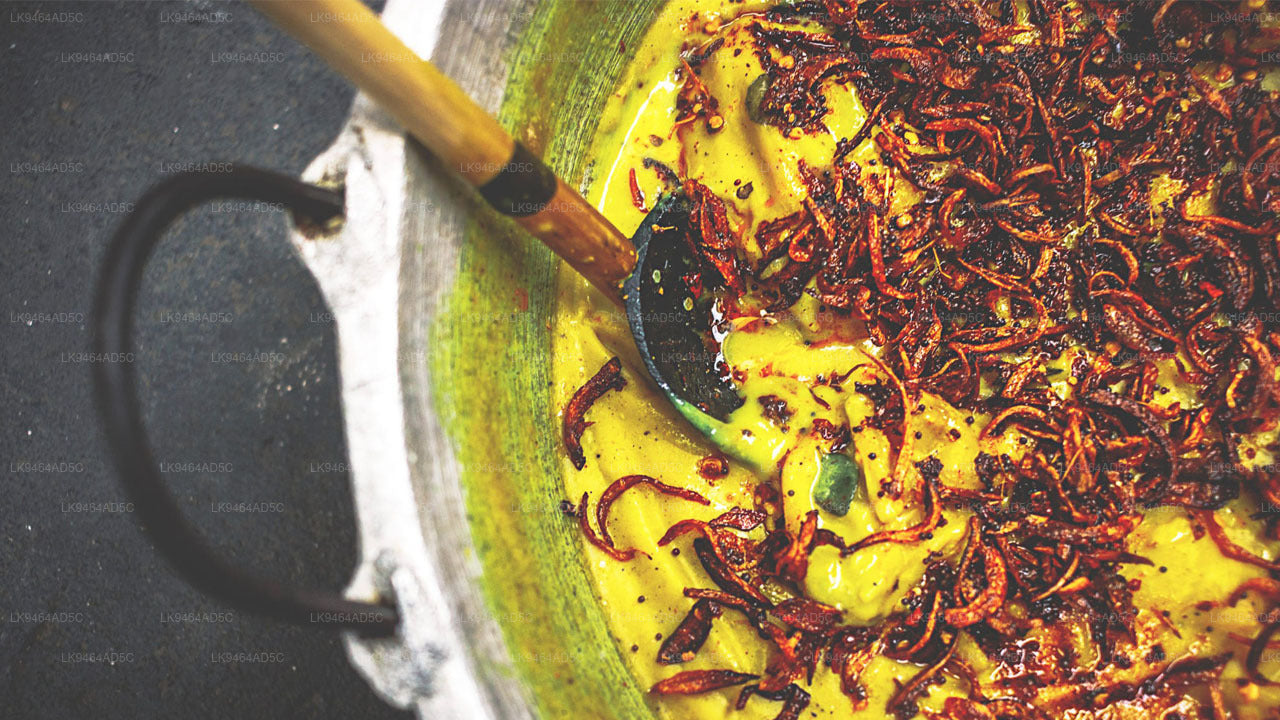
- Prepare the tempering. In a small pan, heat a tablespoon of oil over medium-high heat. Add the mustard seeds and wait for them to begin popping. Add the cumin seeds, curry leaves, and two or three pieces of dried chilli. The leaves will crackle and release their aroma almost immediately — this should take no more than 30 to 45 seconds in total.
- Combine. Pour the hot tempering directly over the cooked dal. Stir once or twice to distribute, then cover the pot for a minute so the aromatics infuse into the curry before serving.
What can you serve with dhal curry?
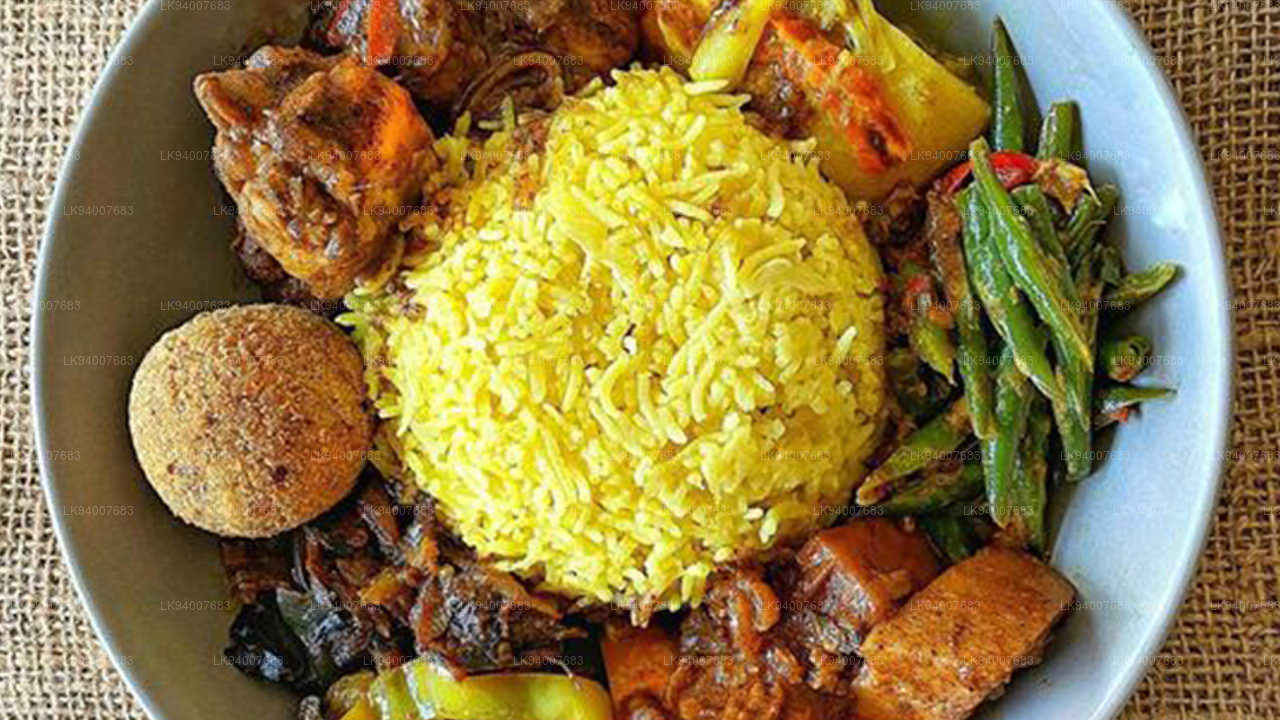
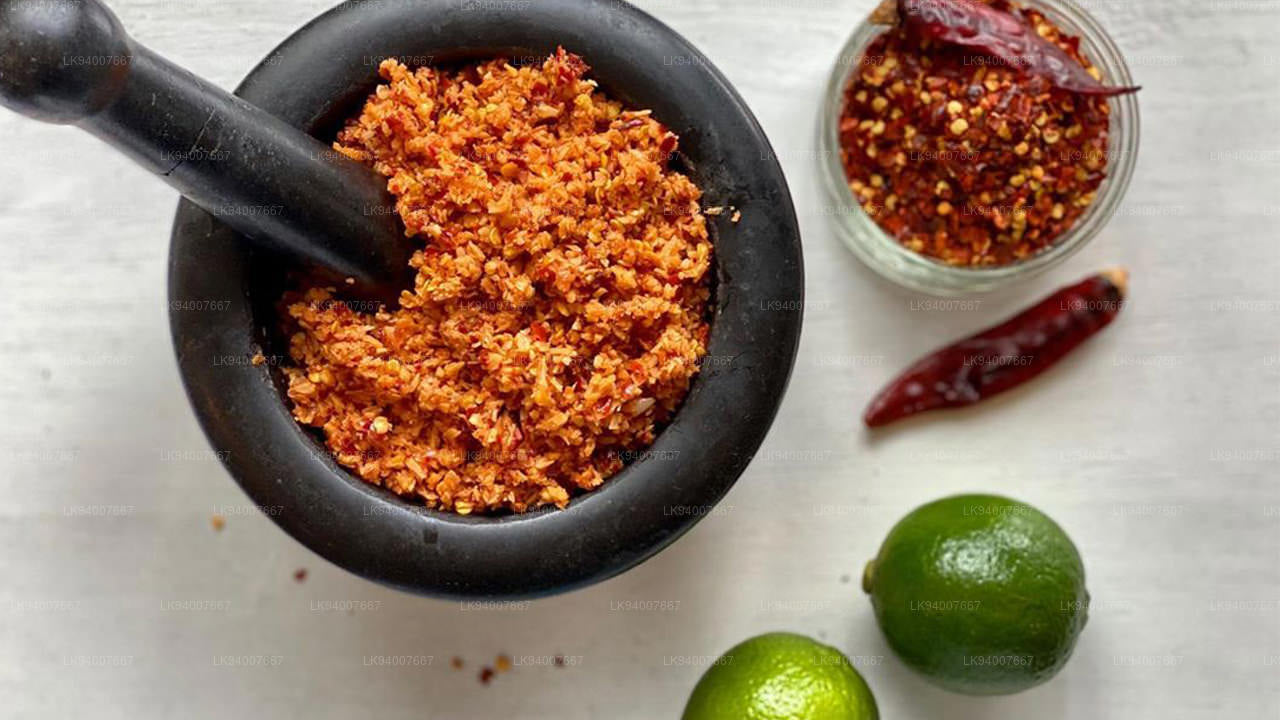
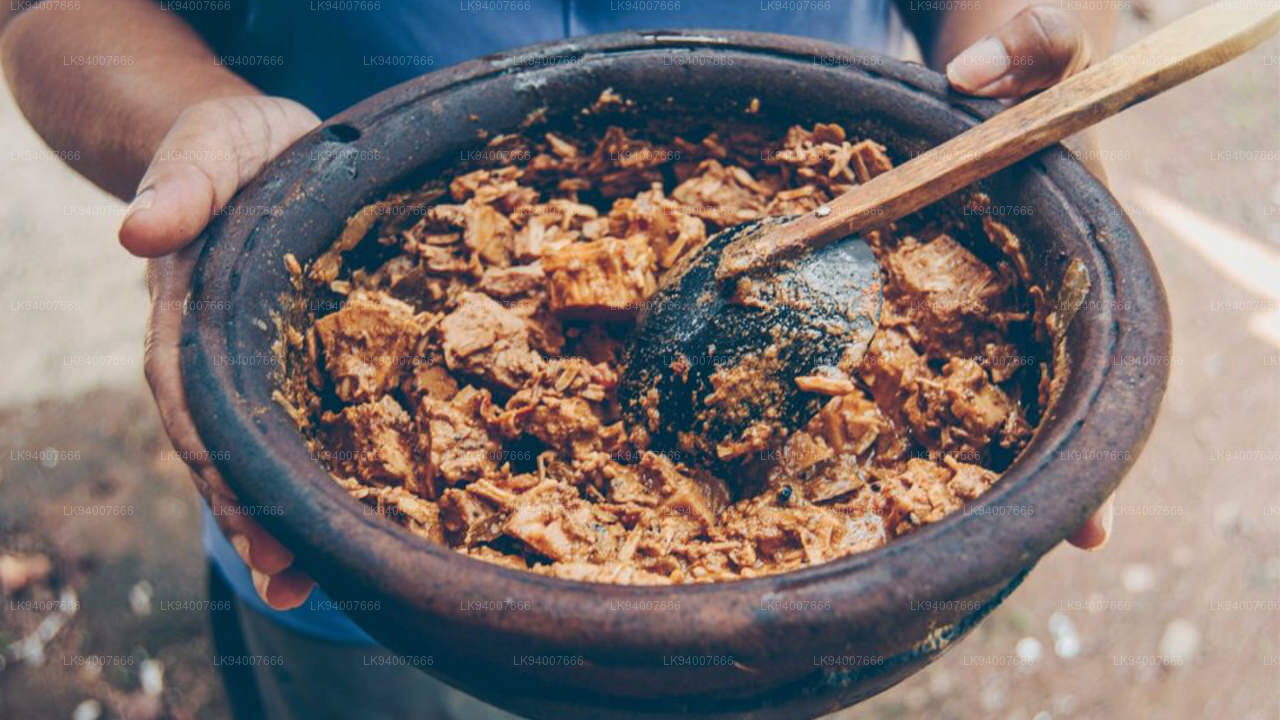
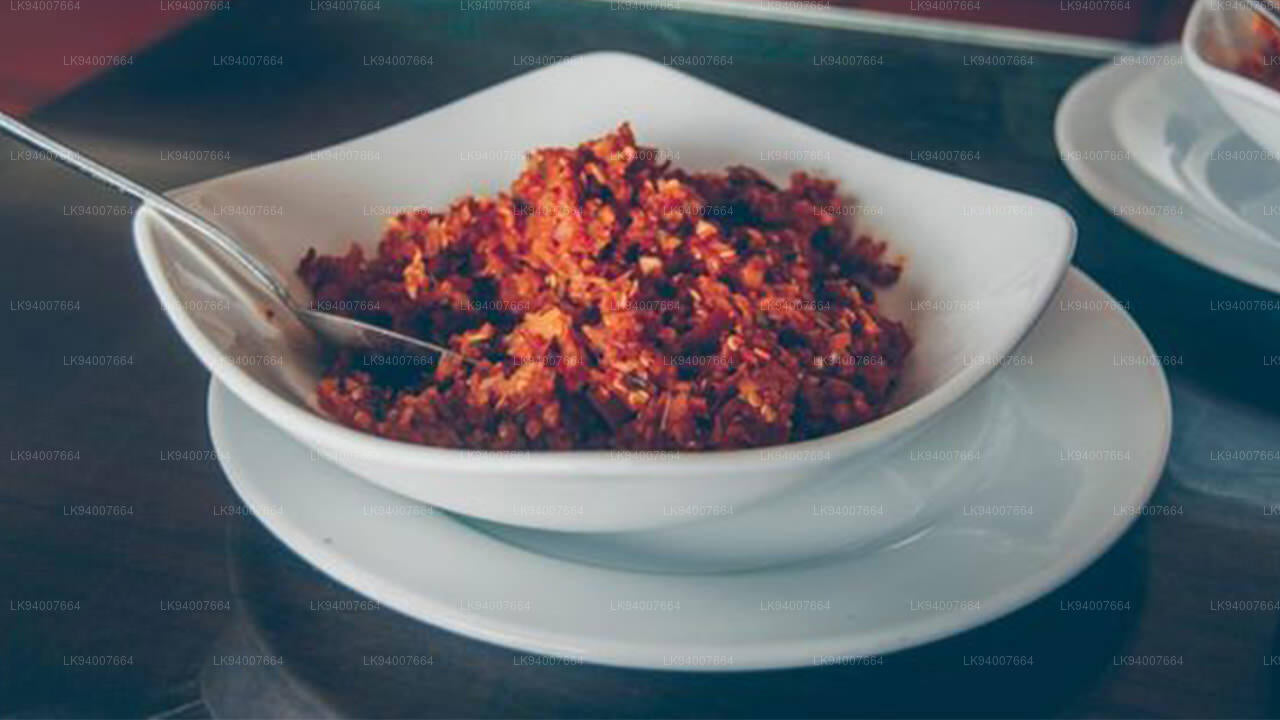
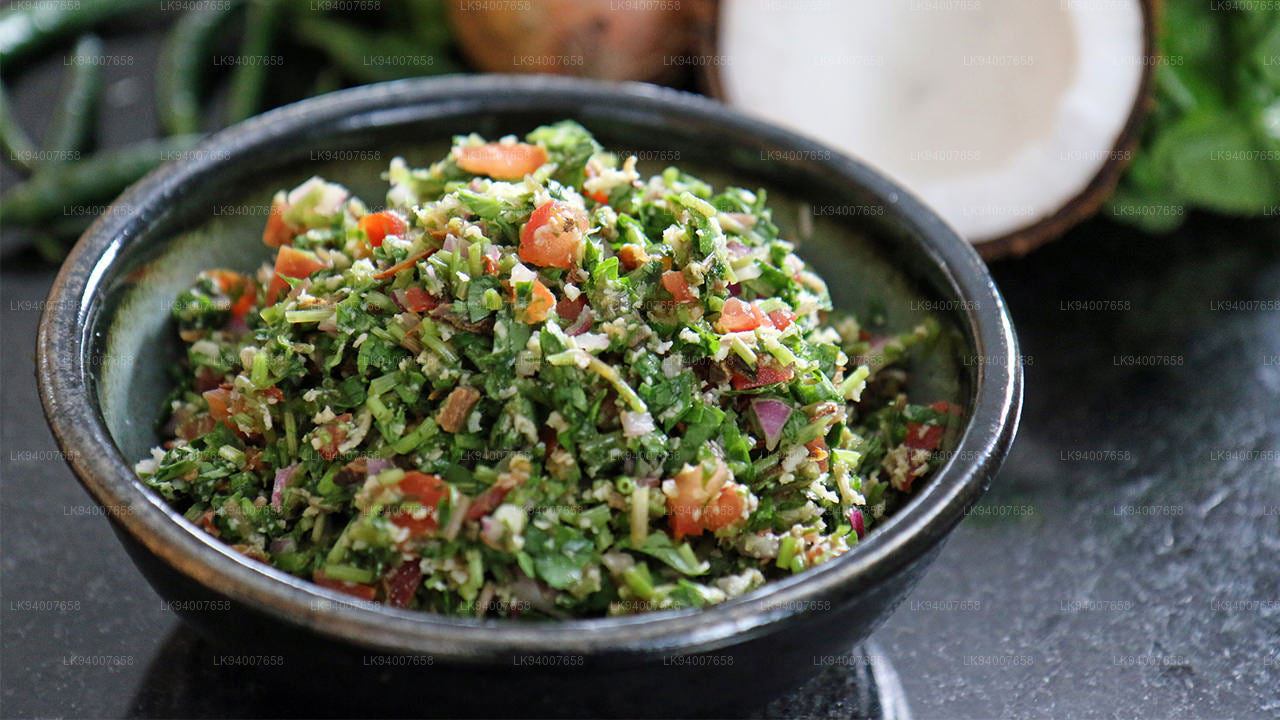
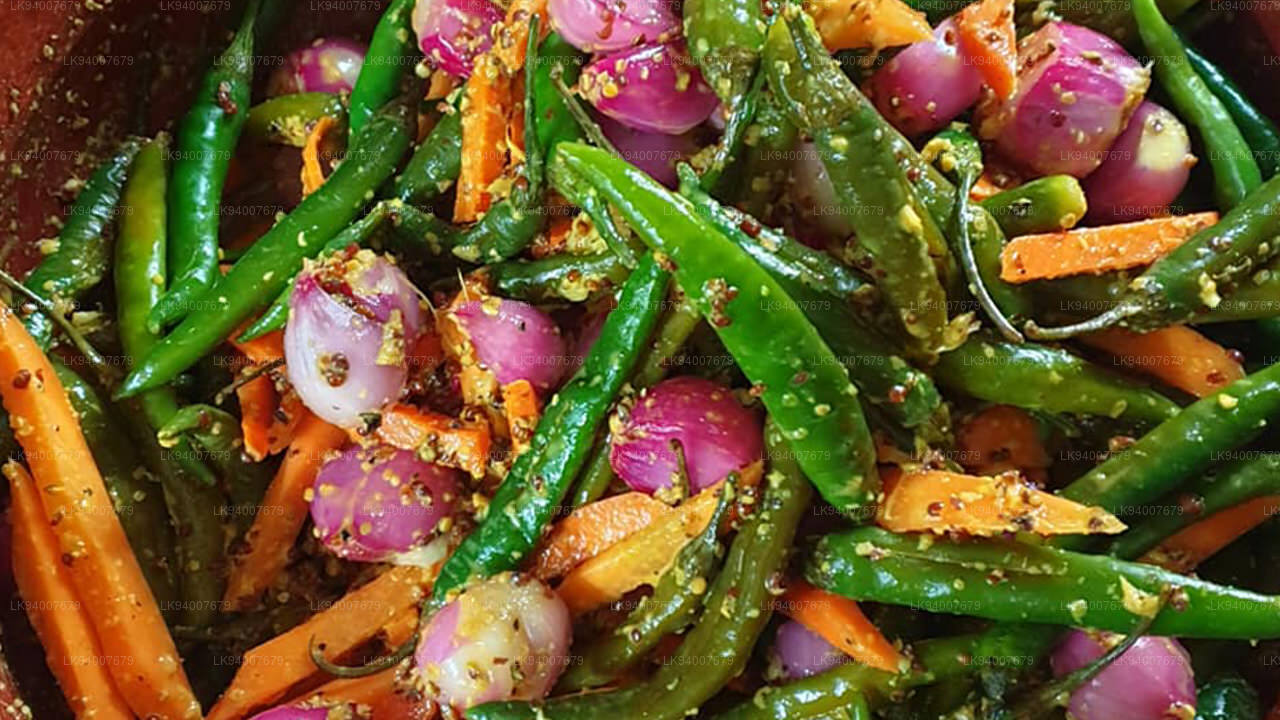
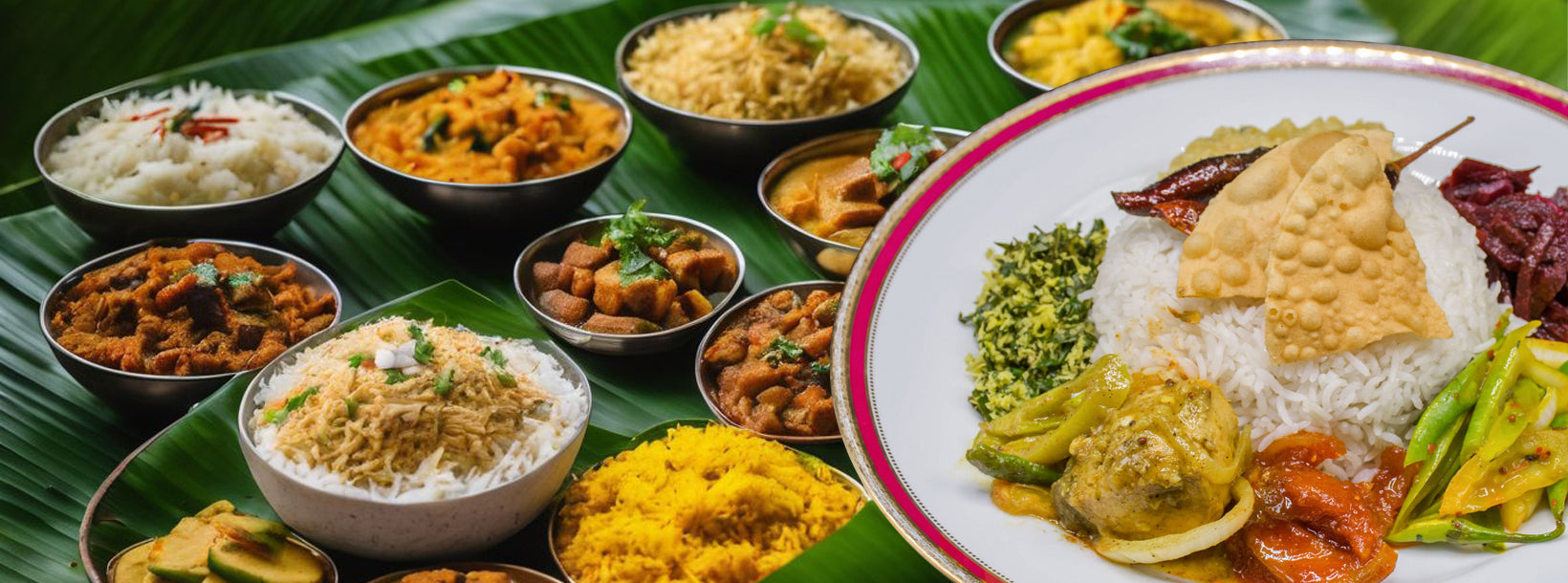
Parippu is genuinely versatile. In Sri Lanka it most often accompanies steamed white rice as part of a full rice-and-curry meal, alongside a vegetable dish, a protein, and a sambol such as lunu dehi (lime pickle). On lighter days it is paired with coconut roti or pol roti — flatbreads made from fresh coconut and wheat flour — where the thick dal acts almost like a dip.
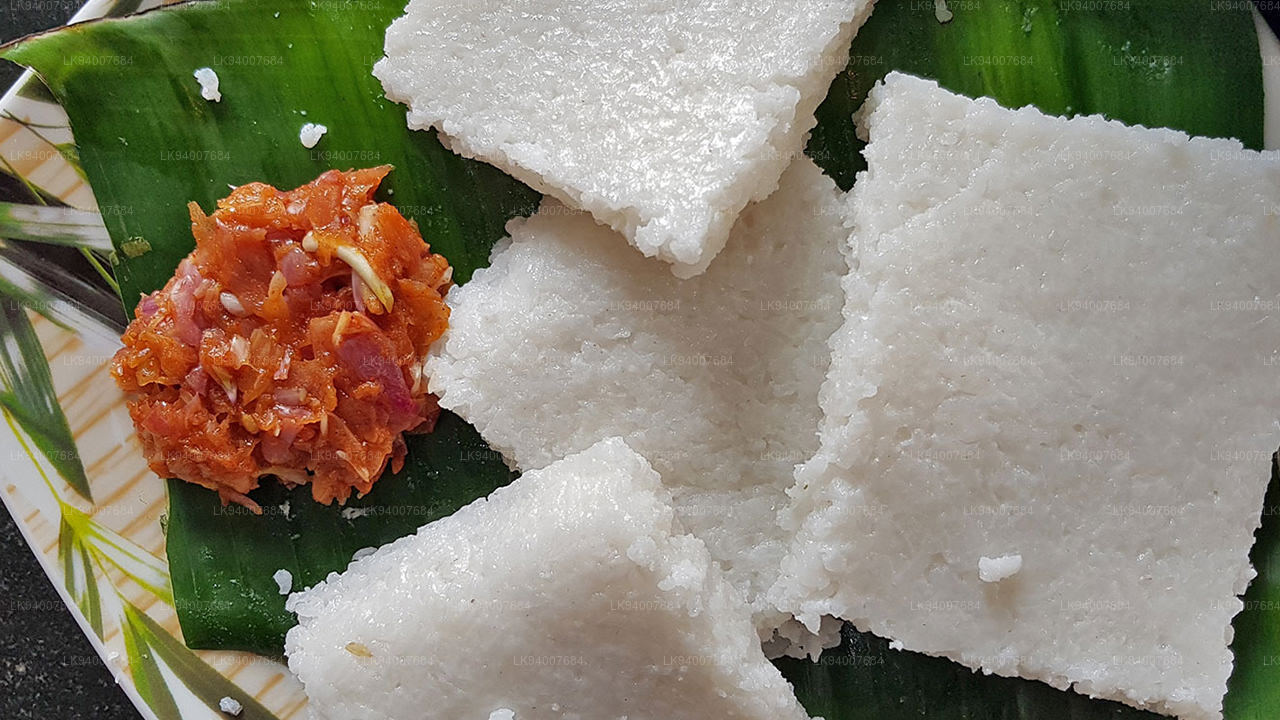
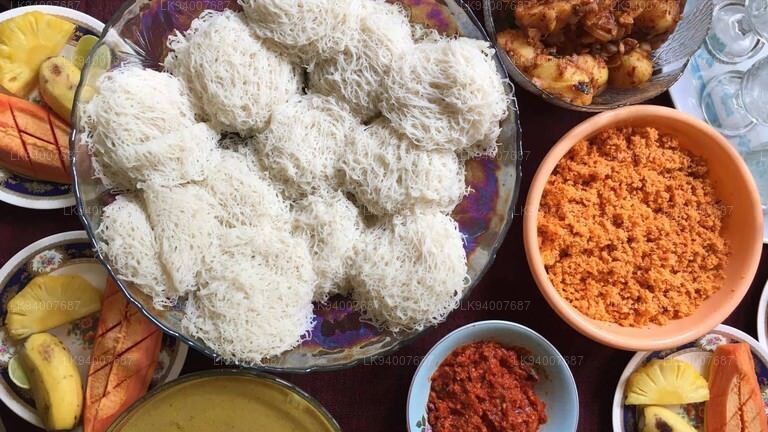
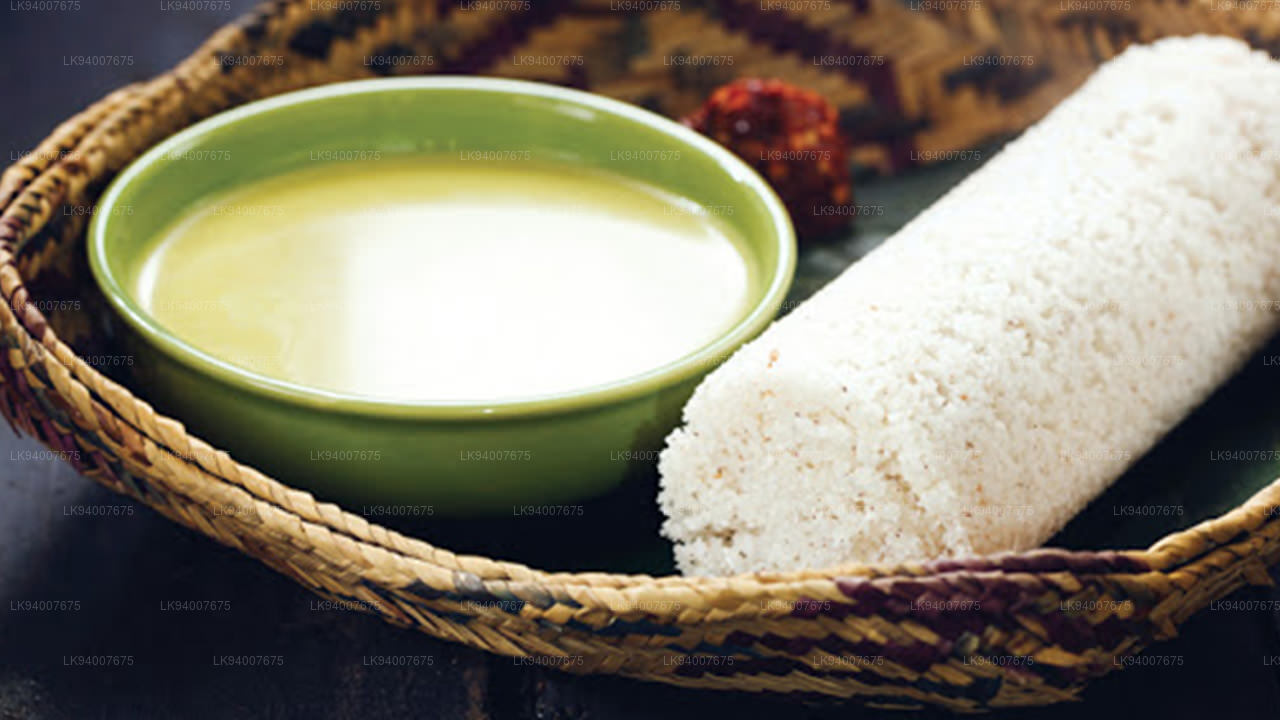
Outside traditional pairings, dhal curry works well with naan, pittu (steamed rice flour cylinders), or even plain toast. Because its flavour is built from the spices themselves rather than meat stock, it holds its own alongside almost any carbohydrate.
What are the nutritional benefits of parippu?
Red lentils are an excellent source of plant protein and dietary fibre, making parippu a filling dish even in small portions. They also provide iron, folate, and a range of B vitamins. The coconut milk contributes medium-chain fatty acids, and the spices — particularly turmeric and cumin — have well-documented anti-inflammatory properties in traditional Ayurvedic food practice. The dish is naturally free from gluten and animal products, which makes it suitable for most dietary requirements without any modification.
Tips for getting the best flavour
- Use fresh curry leaves if at all possible. Dried curry leaves lose most of their aromatic oils and produce a noticeably flatter result.
- Do not skip or rush the tempering. The oil must be genuinely hot — not just warm — before the mustard seeds go in, otherwise they will not pop and the tempering will taste raw.
- A small pinch of Ceylon black pepper added with the dry spices adds a subtle heat that is different from chilli and complements turmeric well.
- If you want a thicker dal, cook with the lid off for the last few minutes after adding the coconut milk. If you prefer it soupier, add a little more water before the coconut milk stage.
- Roasted Sri Lankan curry powder — rather than raw curry powder — brings a smokier, more complex character. Use it in modest quantities as it is stronger than unroasted blends.
- Leftovers keep well in the refrigerator for up to three days and often taste better the next day as the spices continue to develop.
Is dhal curry part of everyday Sri Lankan life?
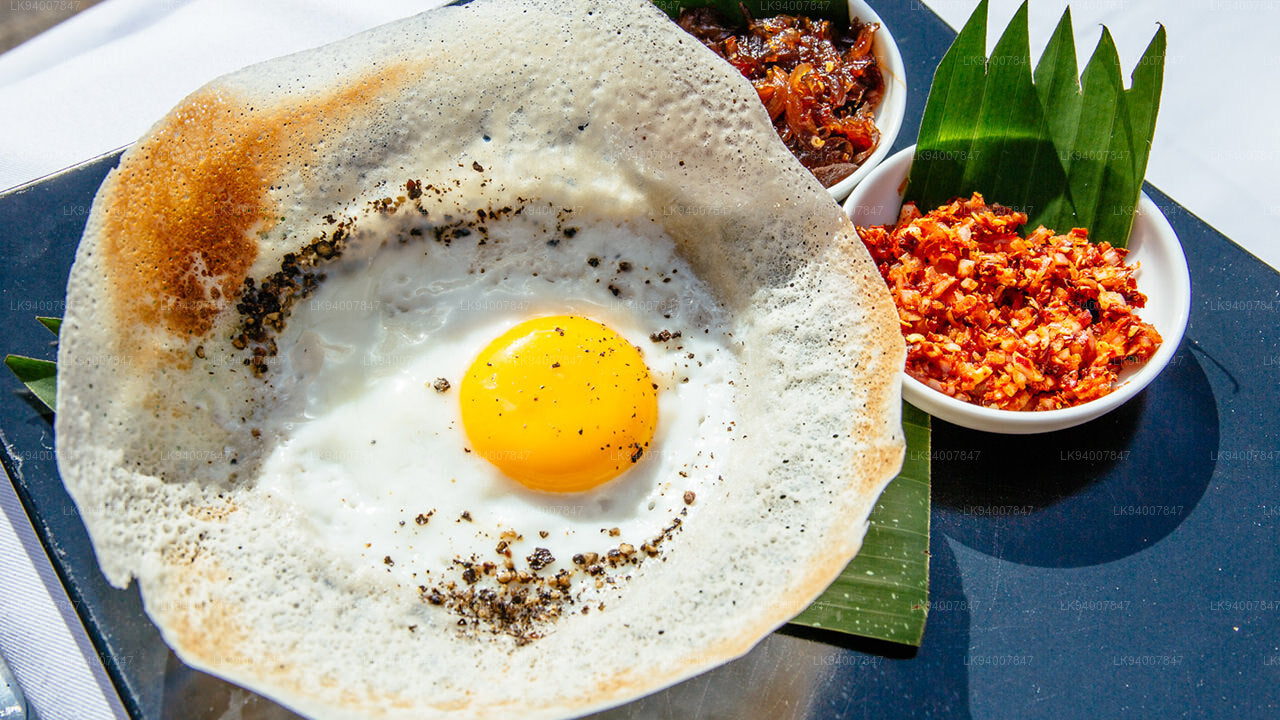
In Sri Lanka, parippu occupies the role that a good chicken stock might in French cooking — it is the backbone that holds the daily meal together. Government canteens, roadside kades (small eateries), and upscale hotel buffets all serve some version of it. Street food stalls in Colombo ladle it over hoppers early in the morning. Families in the hill country, such as those near Ella, eat it year-round regardless of season. Its ubiquity is not because it is a compromise option; it is because, made well, it is genuinely good.
Visitors who join a cooking class or a village home-stay experience in Sri Lanka almost always encounter parippu as one of the first dishes they learn. It is a window into the logic of Sri Lankan spicing — building layers through base cooking, coconut enrichment, and a final aromatic tempering — a method that applies across the wider Sri Lankan curry canon.