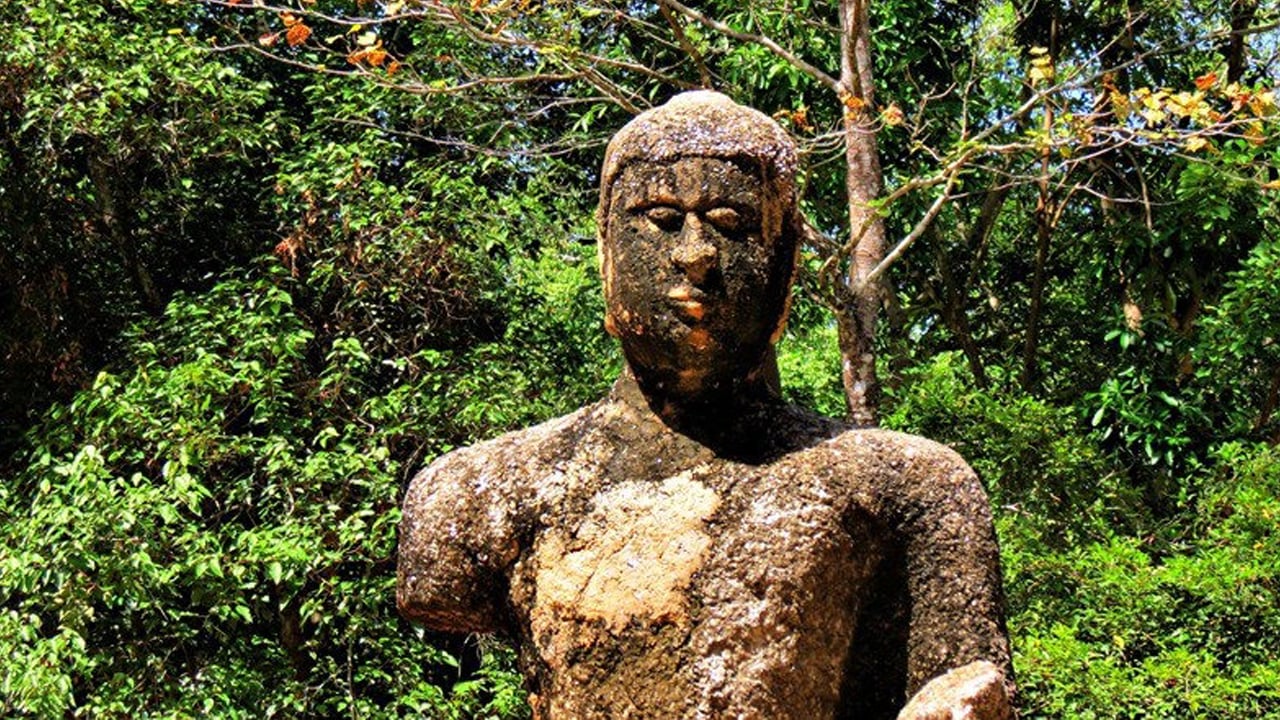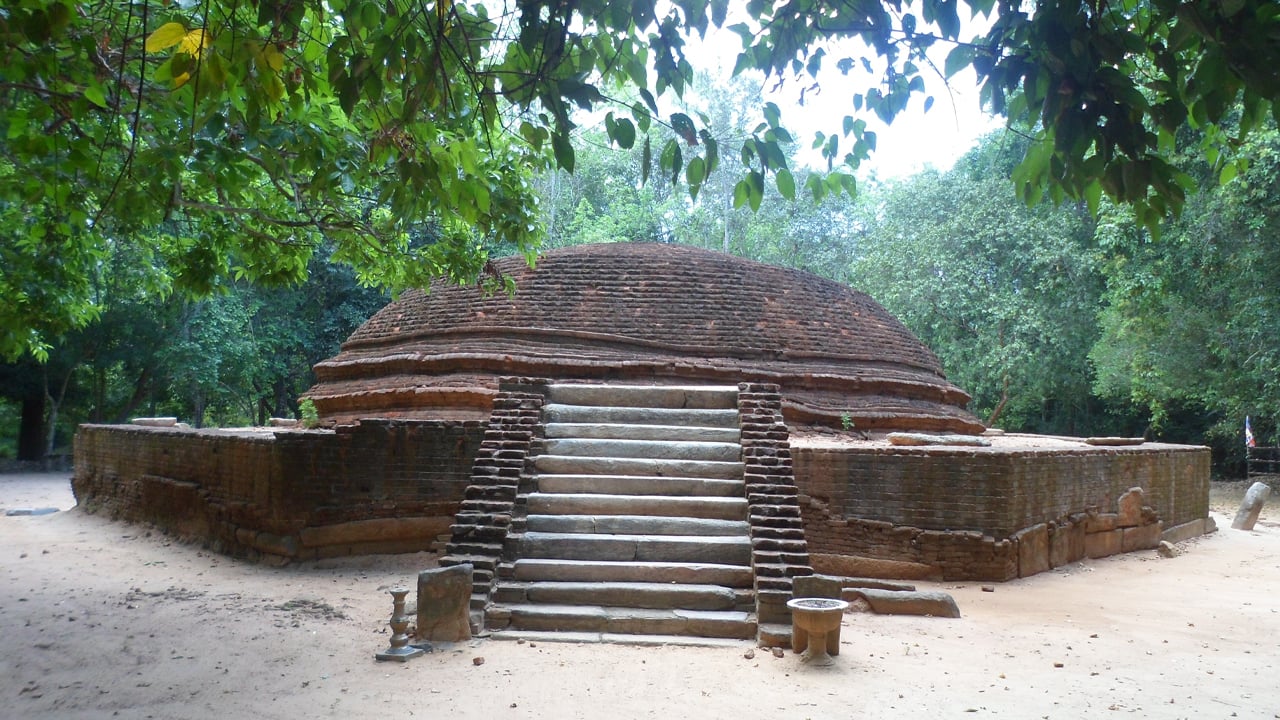
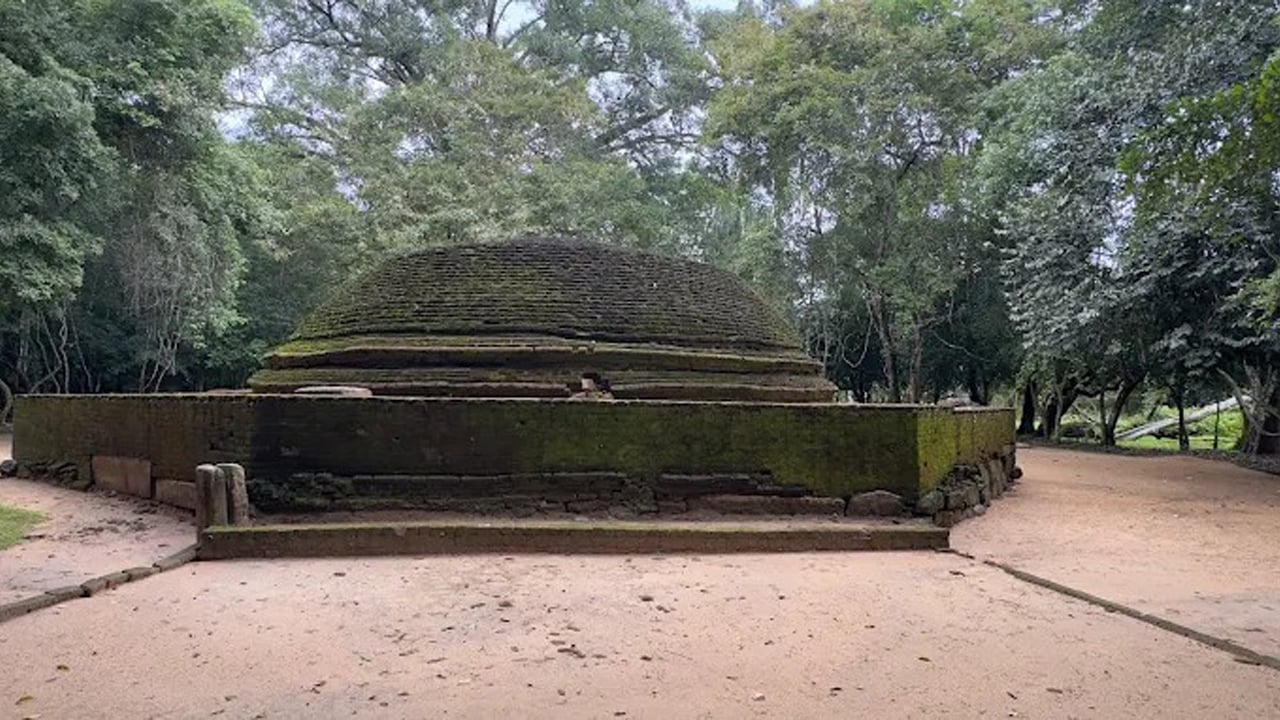
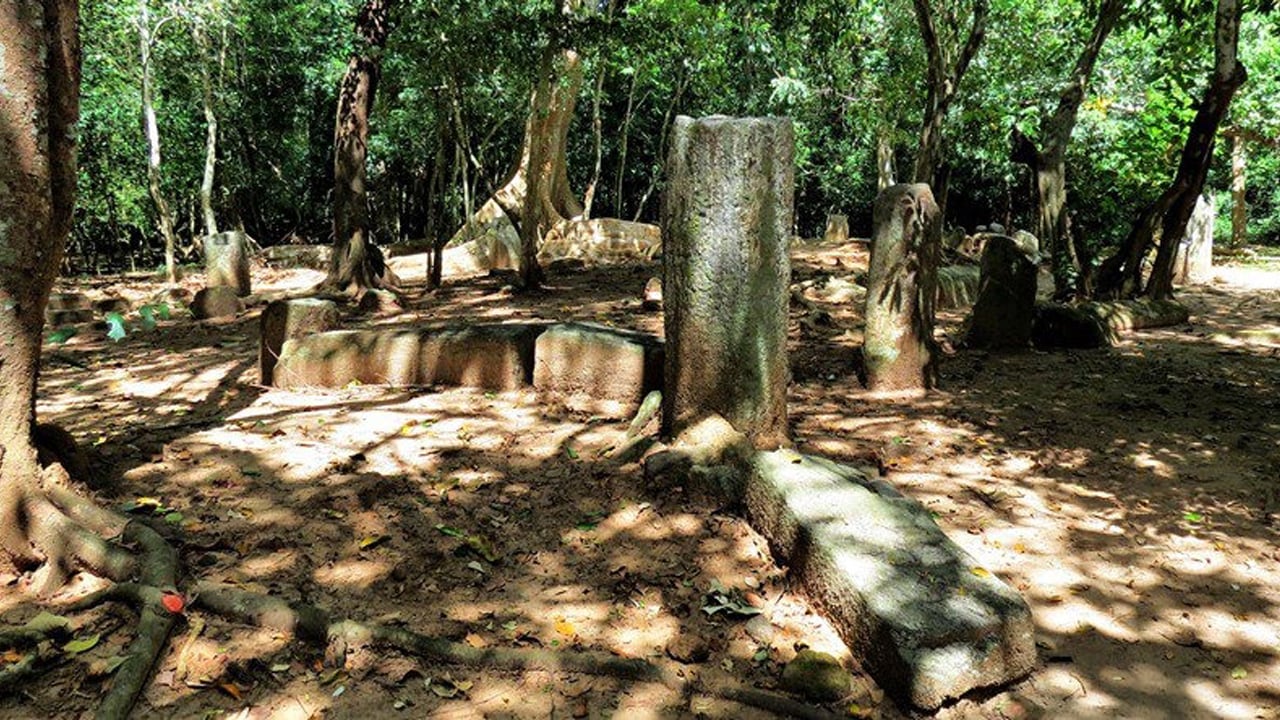
The ruins at Inginiyagala Ovagiriya, located in the Eastern Province of Sri Lanka, are an ancient and fascinating archaeological site that offers visitors a glimpse into the island's rich historical and cultural past. Situated near the town of Ampara, the ruins are part of an area that was once a thriving settlement, likely dating back to the Anuradhapura and Polonnaruwa periods. The site contains remnants of temples, monasteries, and inscriptions, providing valuable insight into Sri Lanka's early Buddhist civilization and its architectural evolution over centuries.
The archaeological remains at Inginiyagala Ovagiriya are scattered across the landscape, with structures and artifacts indicating the area was once a center of religious and cultural activity. Among the ruins, visitors can observe ancient stone carvings, pillars, and the remains of religious edifices that reflect the island's traditional architectural styles. The site also includes inscriptions, some of which offer glimpses into the religious and social life of the people who once inhabited this region. These ruins are of great interest to historians, archaeologists, and travelers seeking to understand the development of Buddhism and ancient Sri Lankan architecture.
Inginiyagala Ovagiriya is surrounded by a natural landscape that adds to the charm of the site. The nearby forests, mountains, and rivers provide a peaceful atmosphere, making it an ideal destination for those interested in nature and history. The area’s natural beauty, combined with its historical significance, makes it a hidden gem for travelers exploring Sri Lanka's cultural and archaeological heritage. Visitors can walk through the ruins, reflect on the island's ancient past, and enjoy the tranquility of the surroundings.
The best time to visit Inginiyagala Ovagiriya is during the dry season, from December to April, when the weather is ideal for outdoor exploration. The site is easily accessible from Ampara and other nearby towns, making it a great stop for those traveling in the Eastern Province. Whether you're a history enthusiast, an archaeology lover, or someone seeking a quiet and picturesque location to explore, the ruins at Inginiyagala Ovagiriya offer an enriching experience, providing a window into Sri Lanka's ancient civilizations and spiritual heritage.