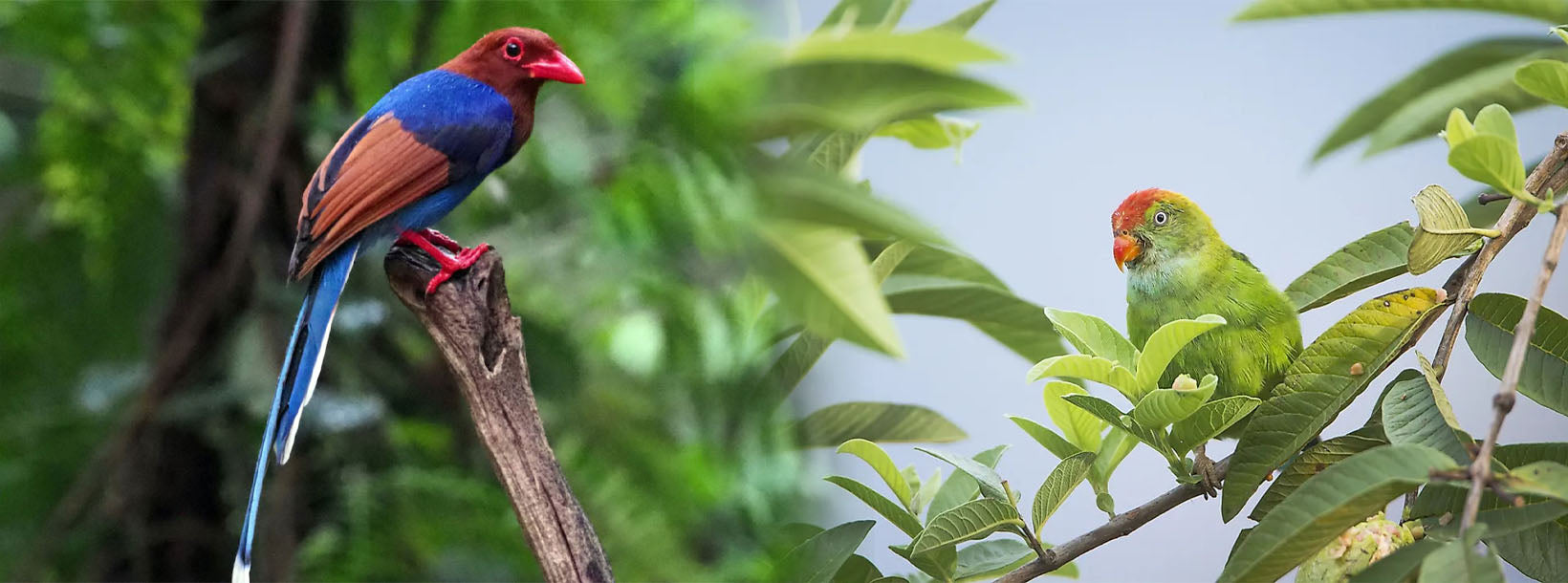
Green Billed Coucal


The Green-billed Coucal is special amongst Sri Lanka’s endemic birds. Its range today, continues to decline. The continuous destruction of lowland wet zone forest, together with the coucals’ avoidance of disturbed habitats, has brought this species close to the brink. It is now confined to a very few localities in the wet zone, below 800 meters altitude.
The Green-billed coucal could be mistaken for the (very) common coucal, but is most easily differentiated from that species by its dark, reddish-brown wings, the pale-green bill (ivory during breeding), and the purple sheen on its head and neck (the sexes are alike). Adults measure up to about 45cm in length. Fledged young have a slate grey iris.
Of all the forest birds, the green-billed is possibly the most difficult to see, invariably confining itself to the undergrowth. Like the common coucal, after heavy rain and in the morning, green-bills come out into open areas to dry out their plumage. The species is most easily identified and located from its loud, booming call, made during the mornings and evenings. The call has been described as ‘similar in character to that of the common coucal but is usually only two or three-syllabled and deeper, with a sonorous, mournful quality. Both sexes call, but the males call more often. The frequency of calls increases during the breeding seas° these birds feed on small animals such as lizards, beetles, butterflies, spiders, snails, and grasshoppers.
Sri Lanka Green-billed Coucal – Centropus chlororhynchos
Little is known of the breeding behaviors of the Green-billed coucal. The nest has been described “as being domed, made of sticks, twigs, roots, and grass, lined with green leaves and supple green twigs”. It is normally placed among the thorny canebrakes, 1.2-1.5 meters from the ground. Two or three chalky white eggs measuring about 34.7×27 mm are thought to be laid, and the breeding season is believed to last from January to July.


-
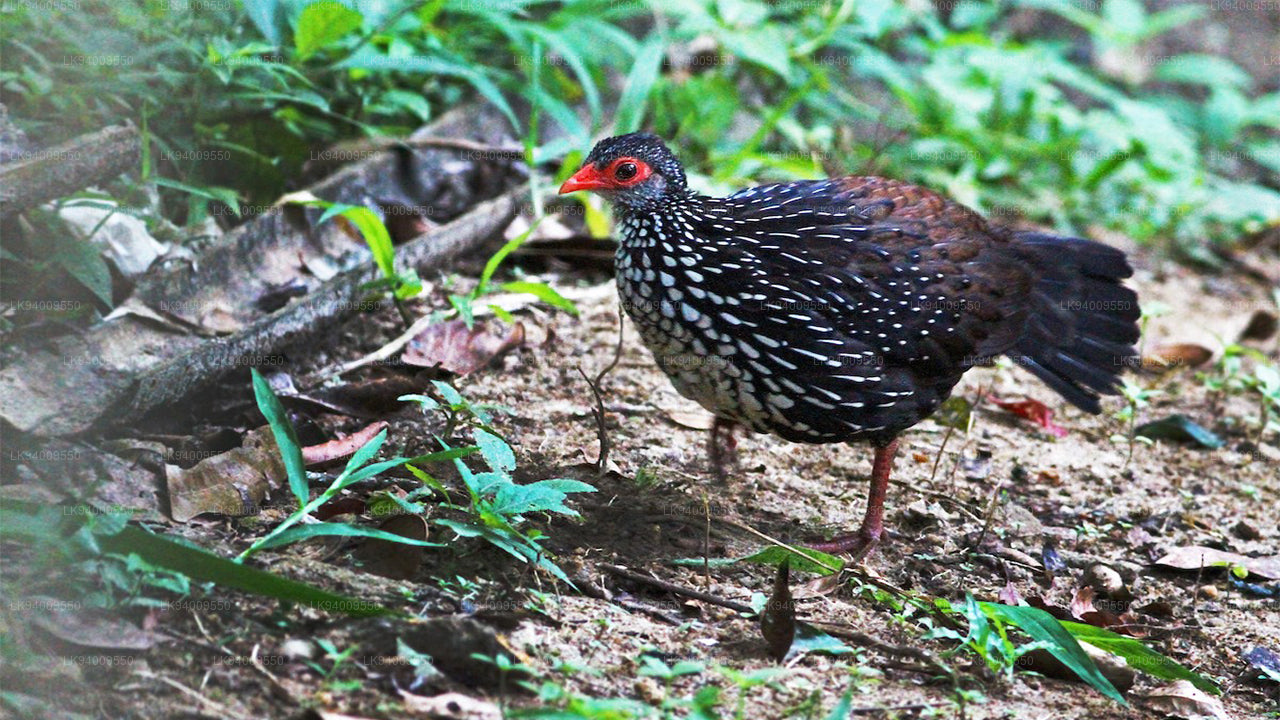 Ceylon Spurfowl
Galloperdix bicalcarata
-
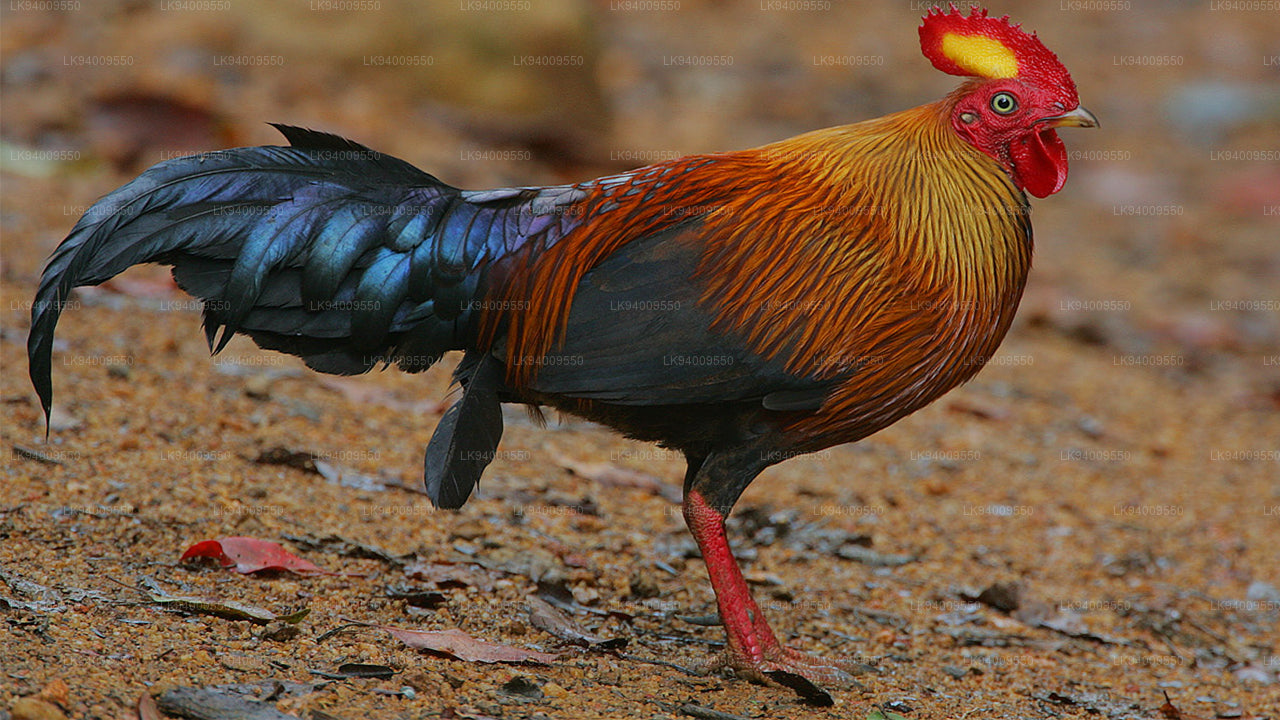 Junglefowl
Gallus lafayetii
-
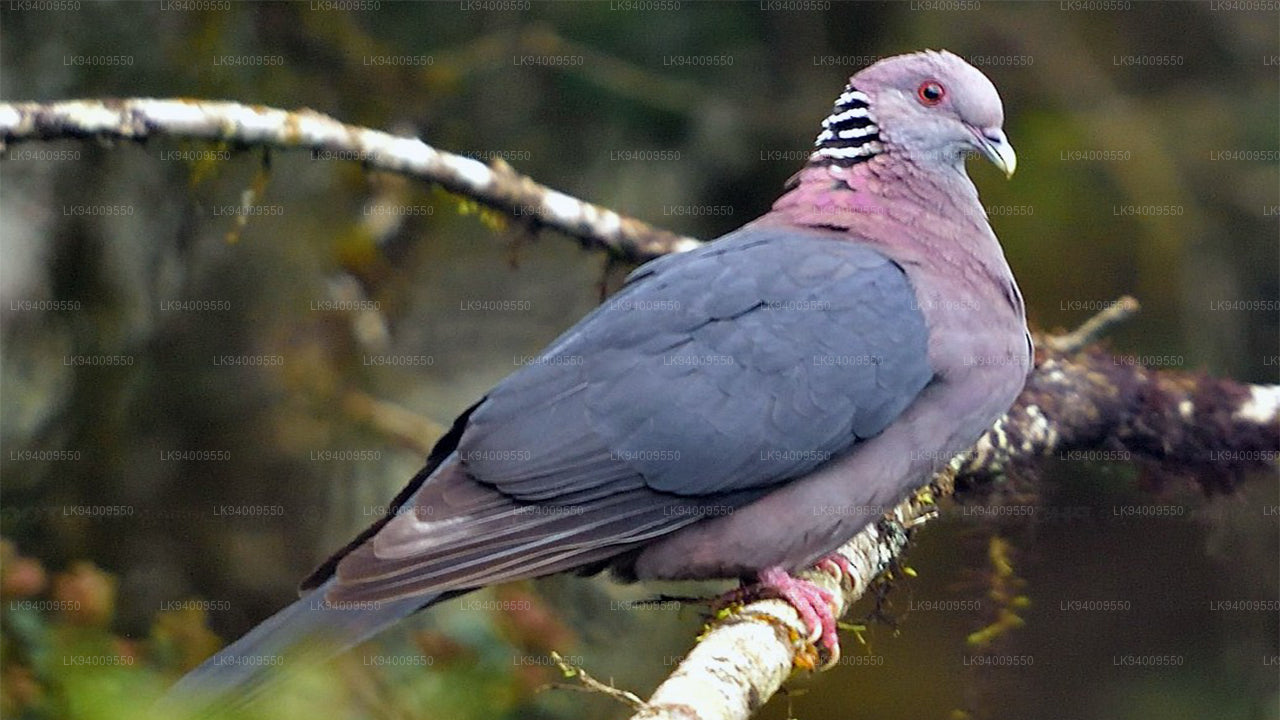 Ceylon Woodpigeon
Columba torringtoniae
-
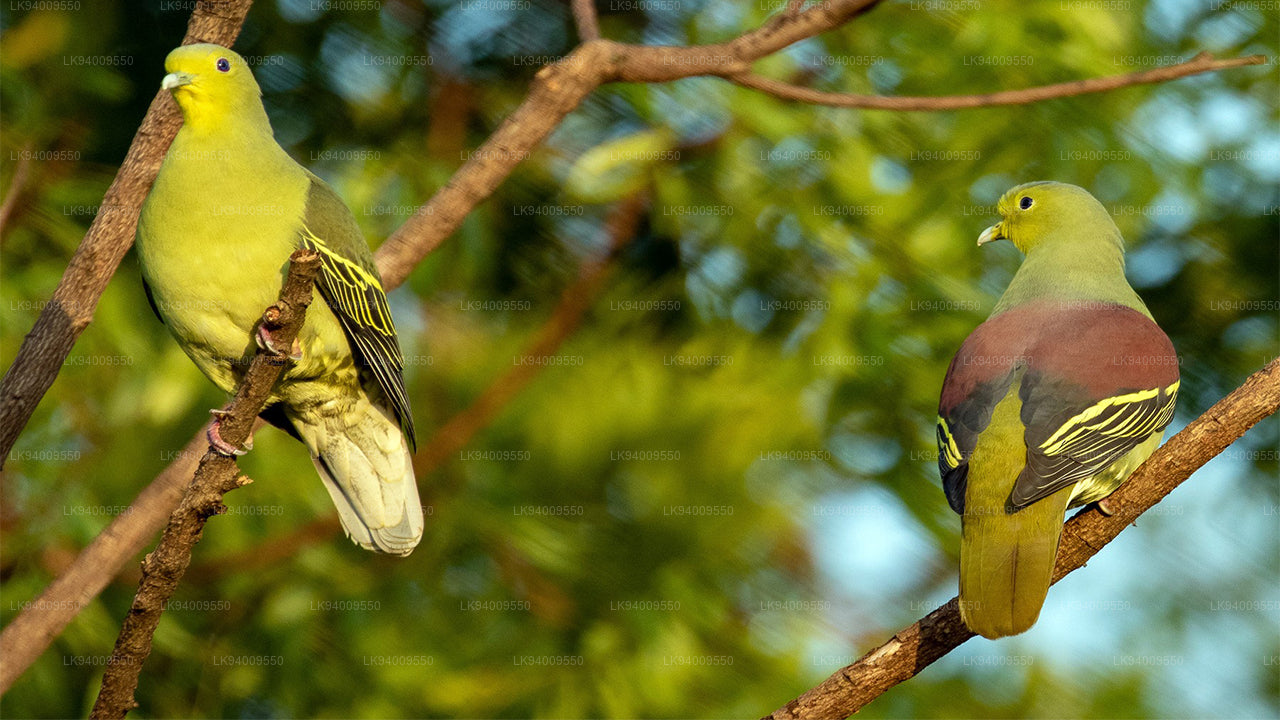 Ceylon Green Pigeon
Treron pompadora
-
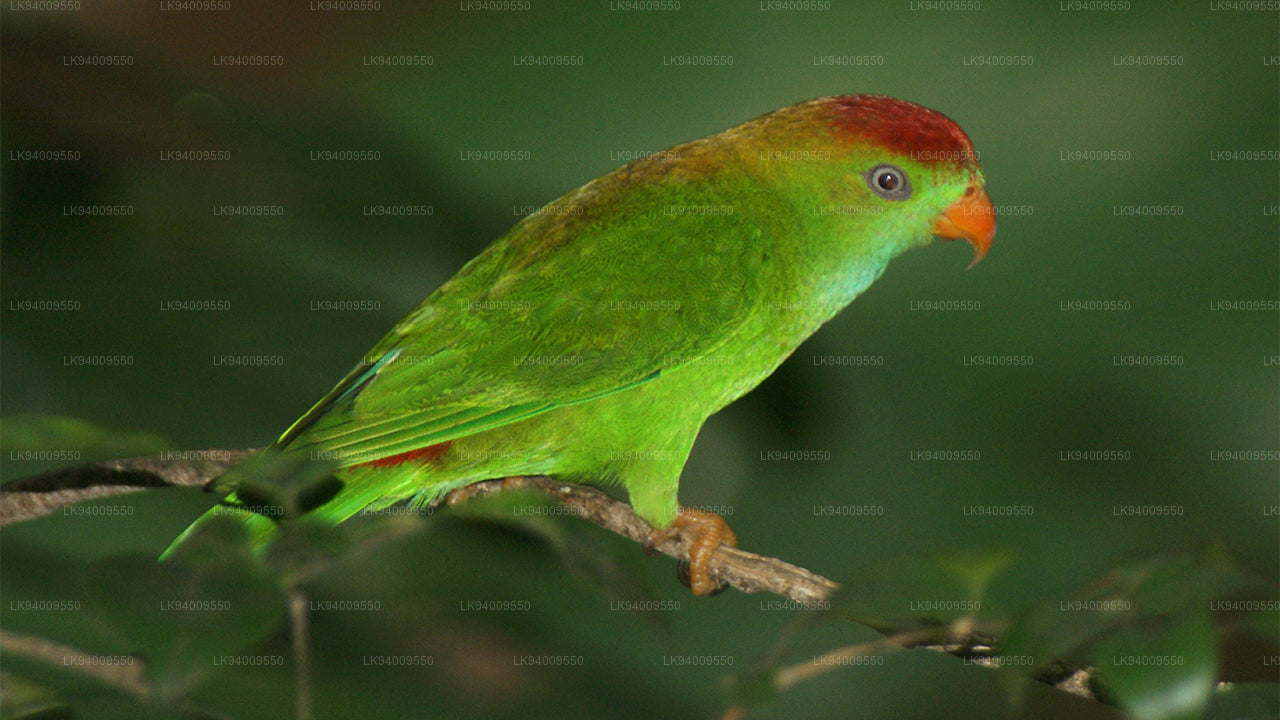 Ceylon Hanging Parrot
Loriculus beryllinus
-
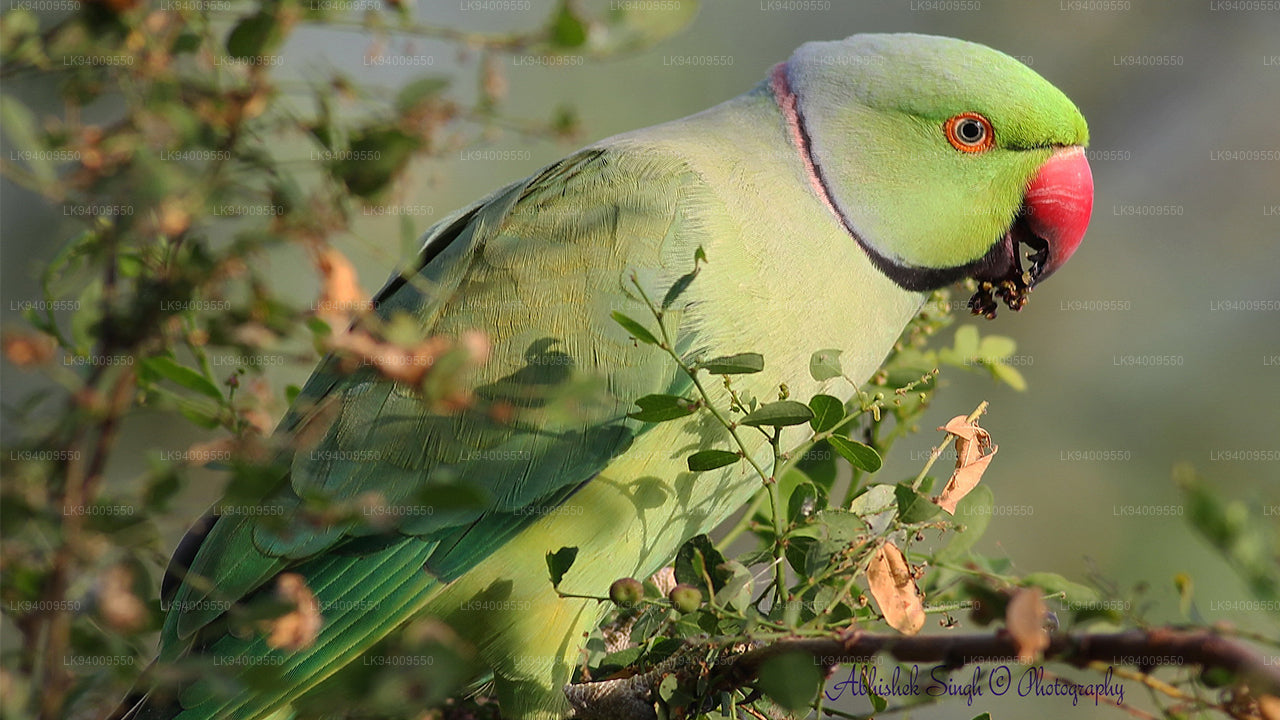 Layard’s Parakeet
Psittacula calthrapae
-
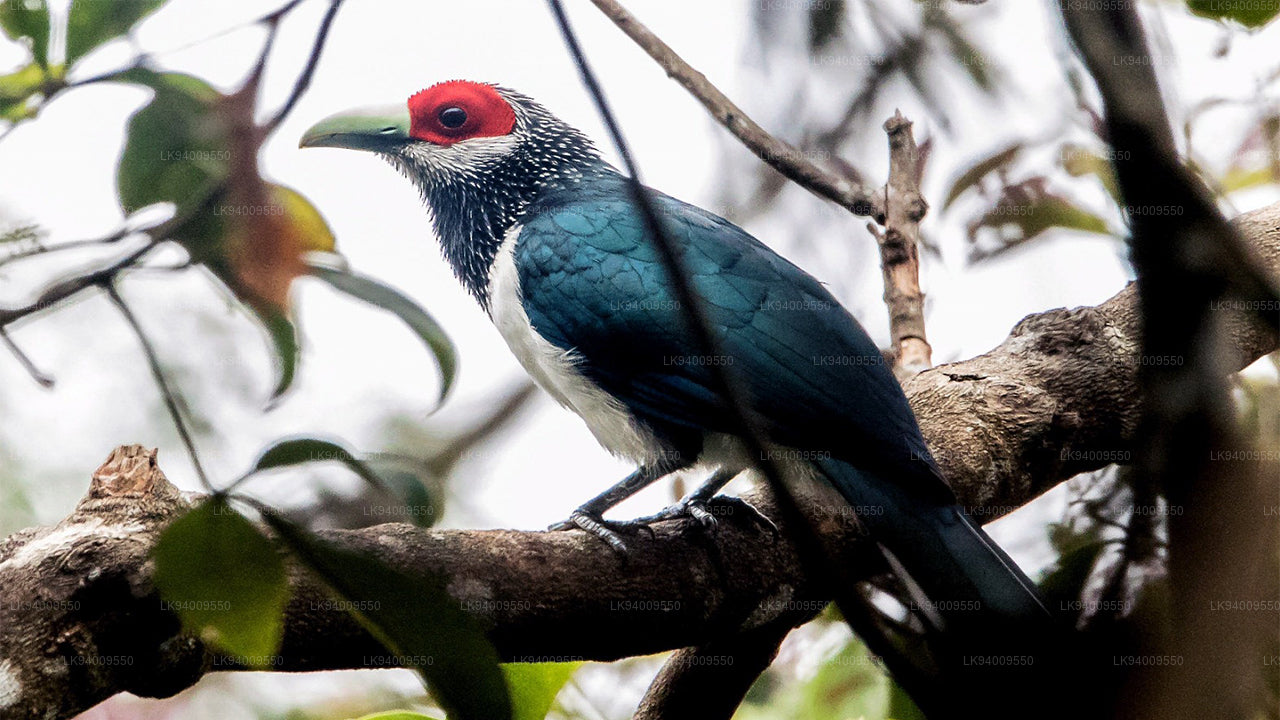 Red Faced Malkoha
Phaenicophaeus pyrrhocephalus
-
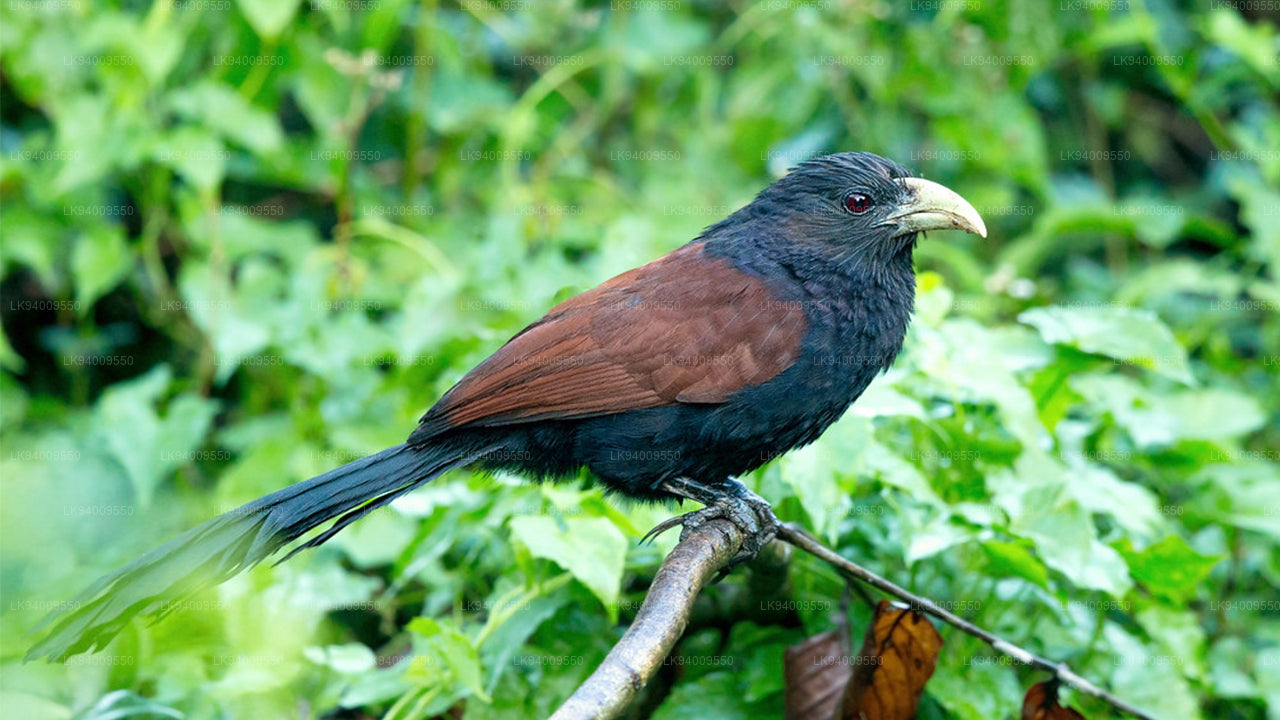 Green Billed Couca
Centropus chlororhynchos
-
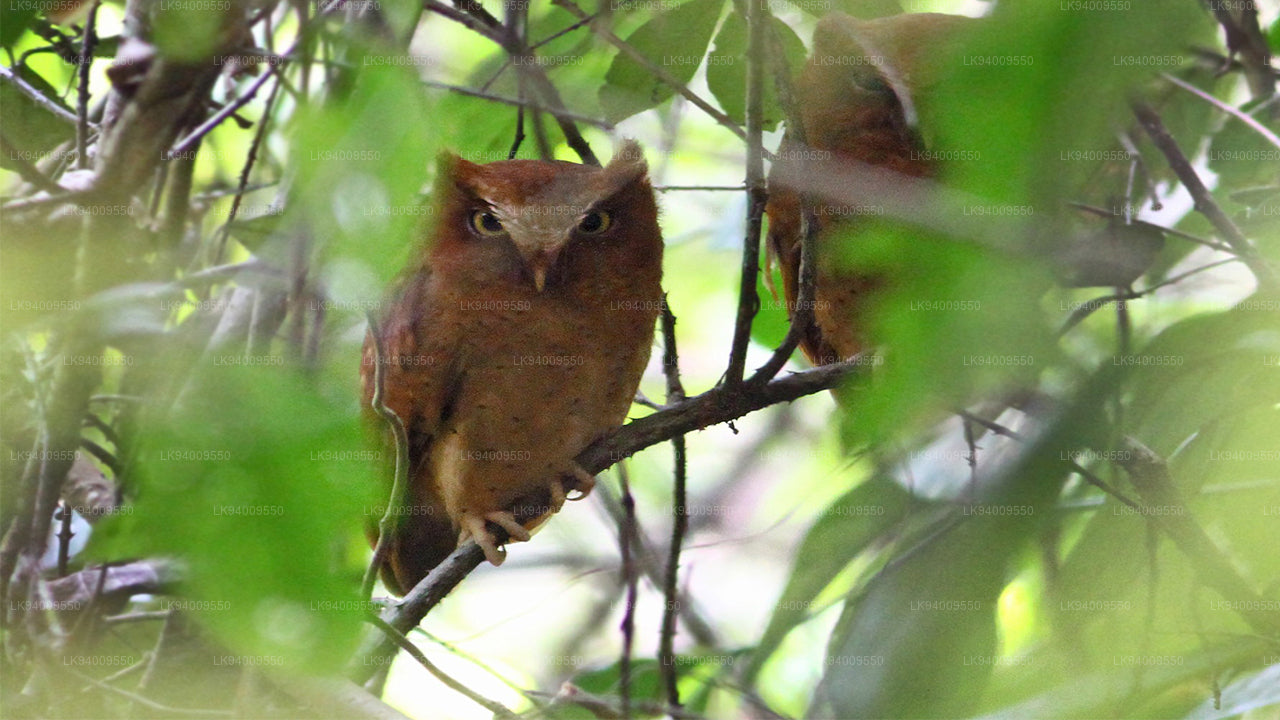 Serendib Scops Owl
Otus thilohoffmanni
-
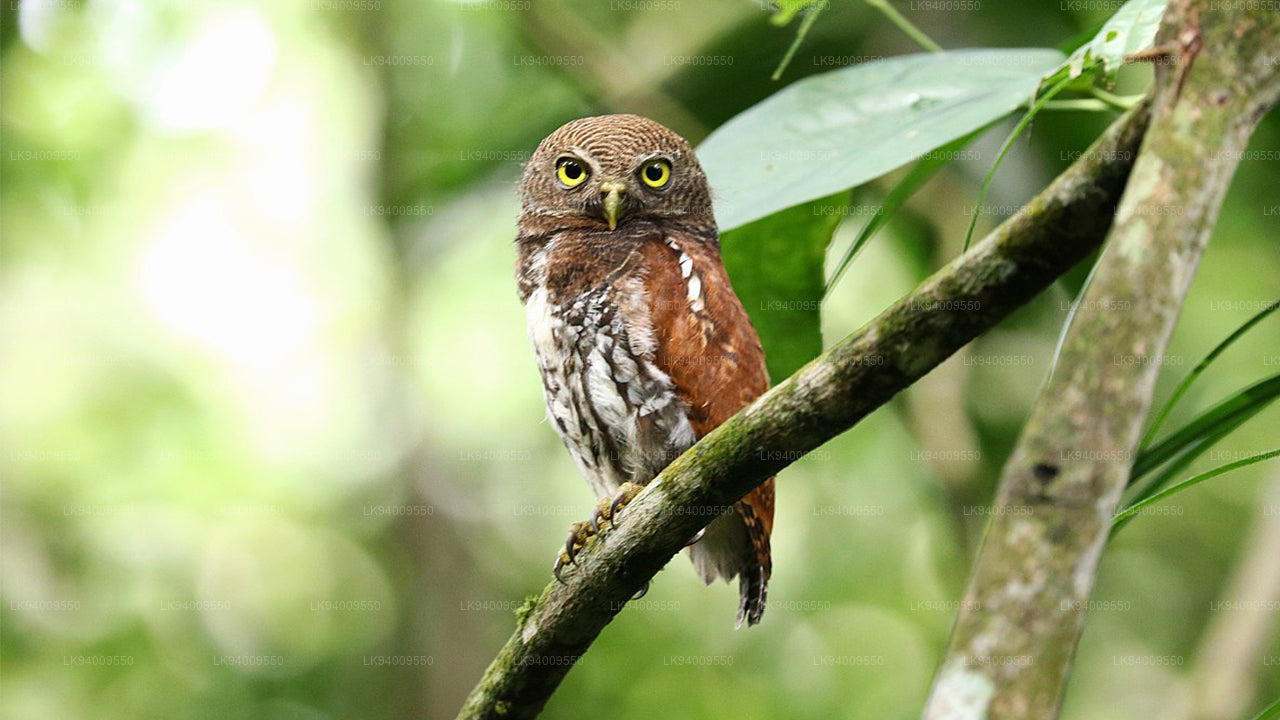 Chestnut Backed Owlet
$Glaucidium castanotum
-
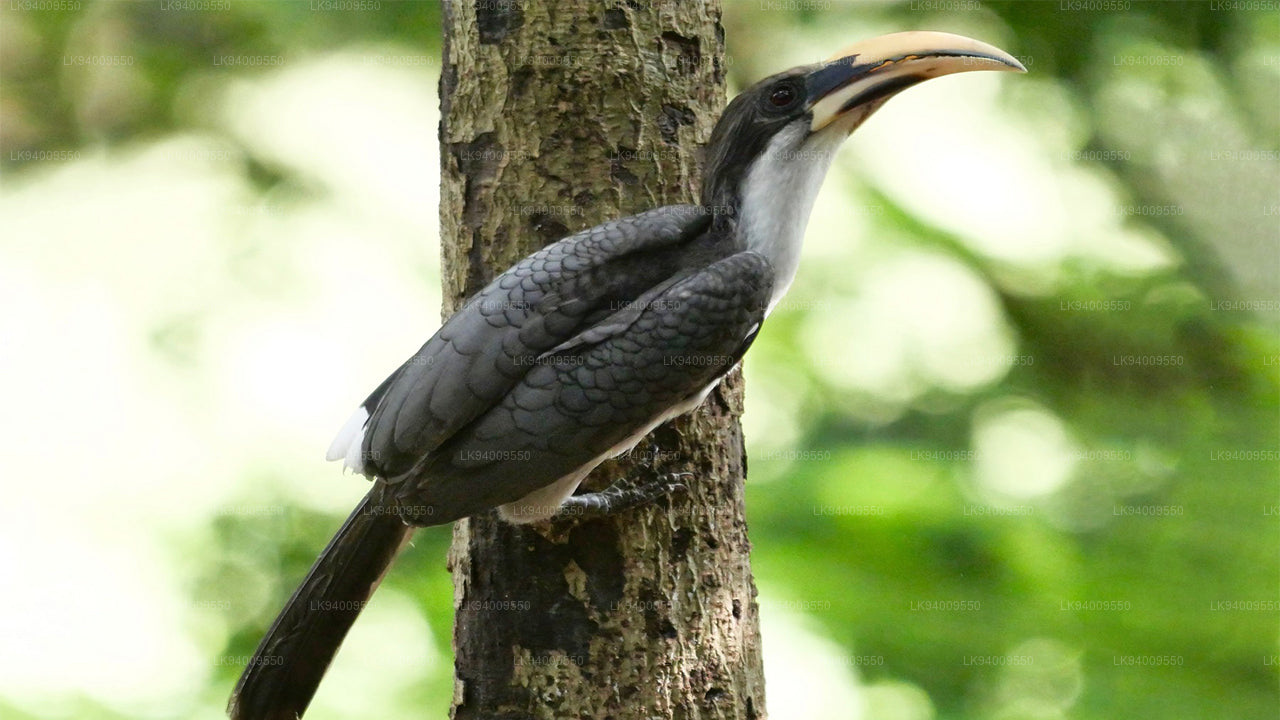 Ceylon Grey Hornbill
Ocyceros gingalensis
-
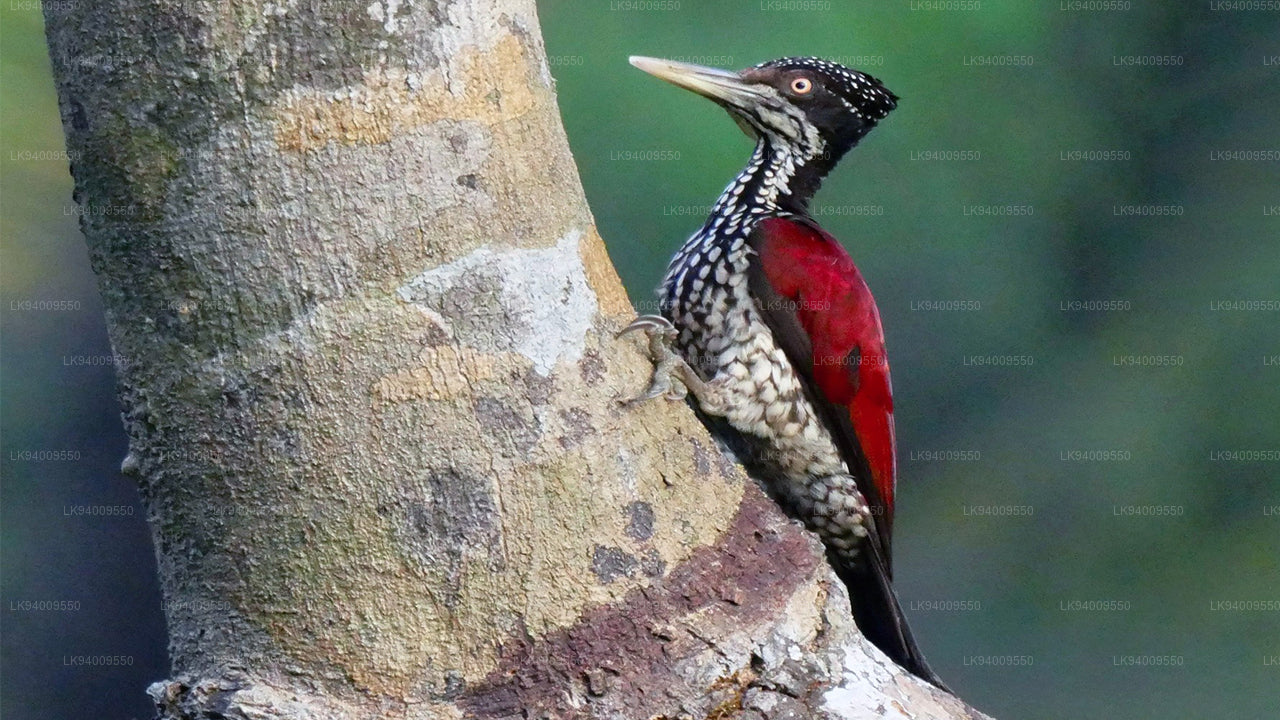 Crimson Backed Flameback
Chrysocolaptes stricklandi
-
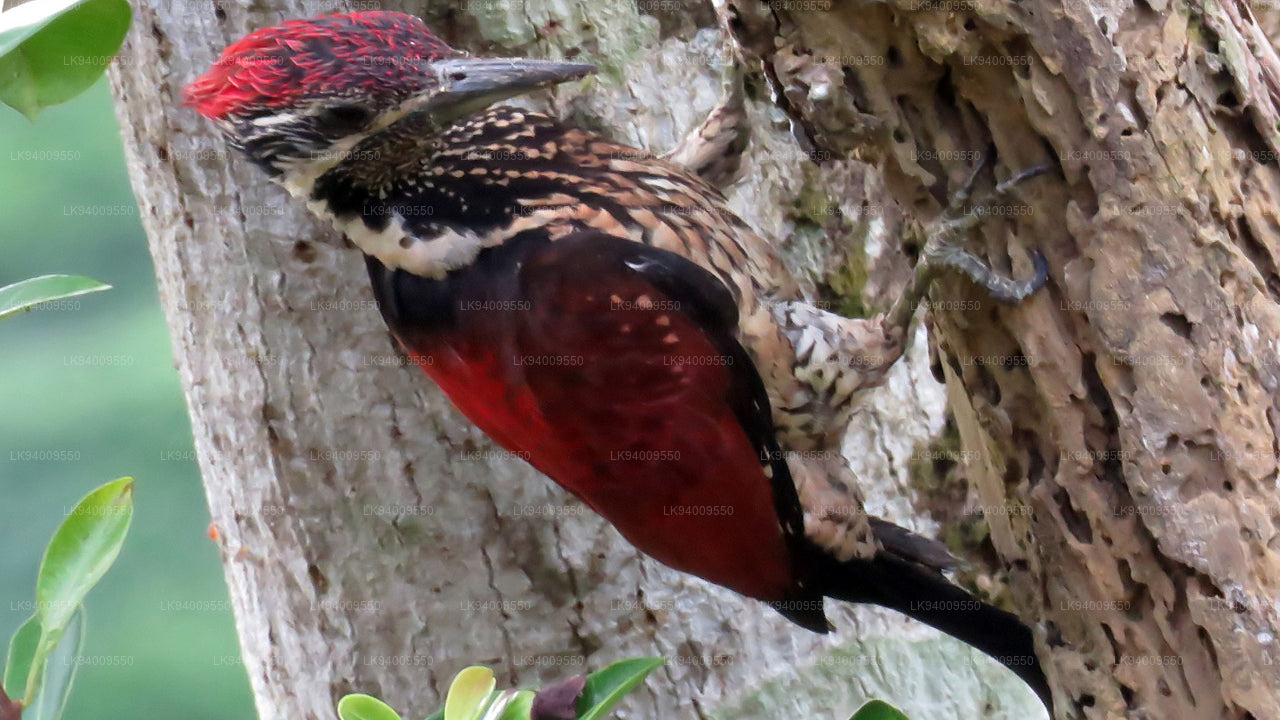 Red backed flameback
Dinopium psarodes
-
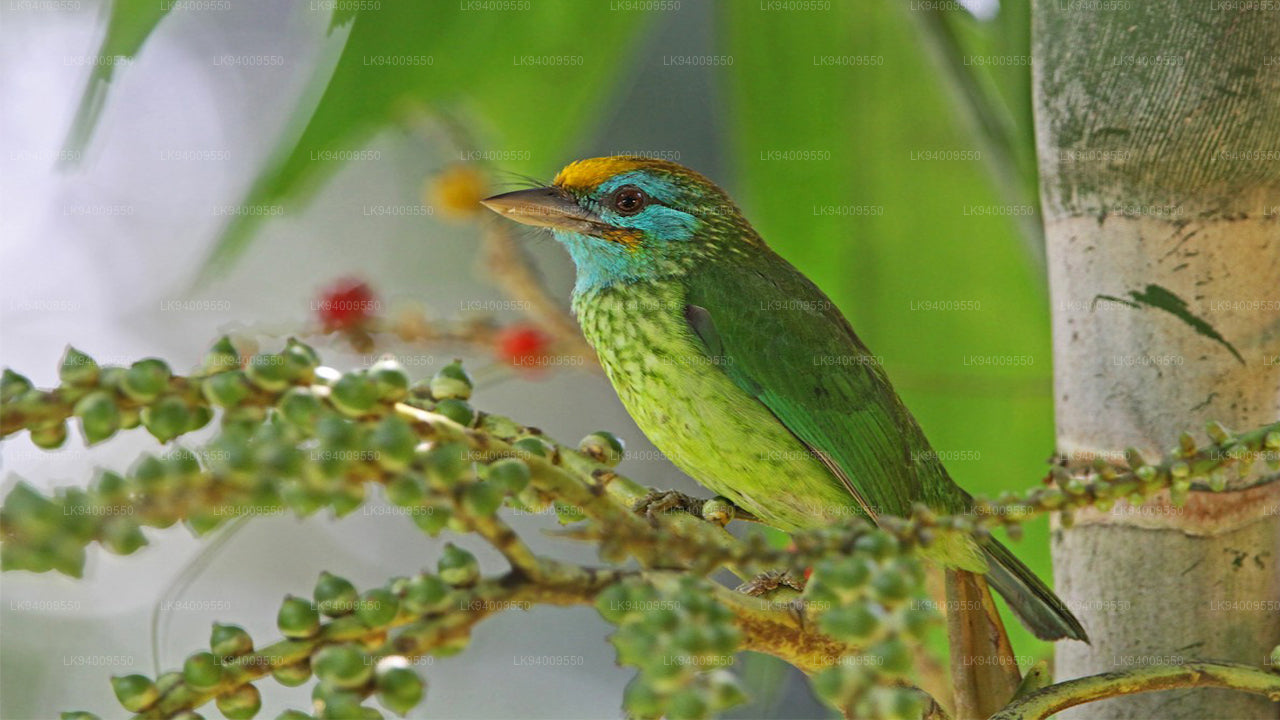 Yellow Fronted Barbet
Psilopogon flavifrons
-
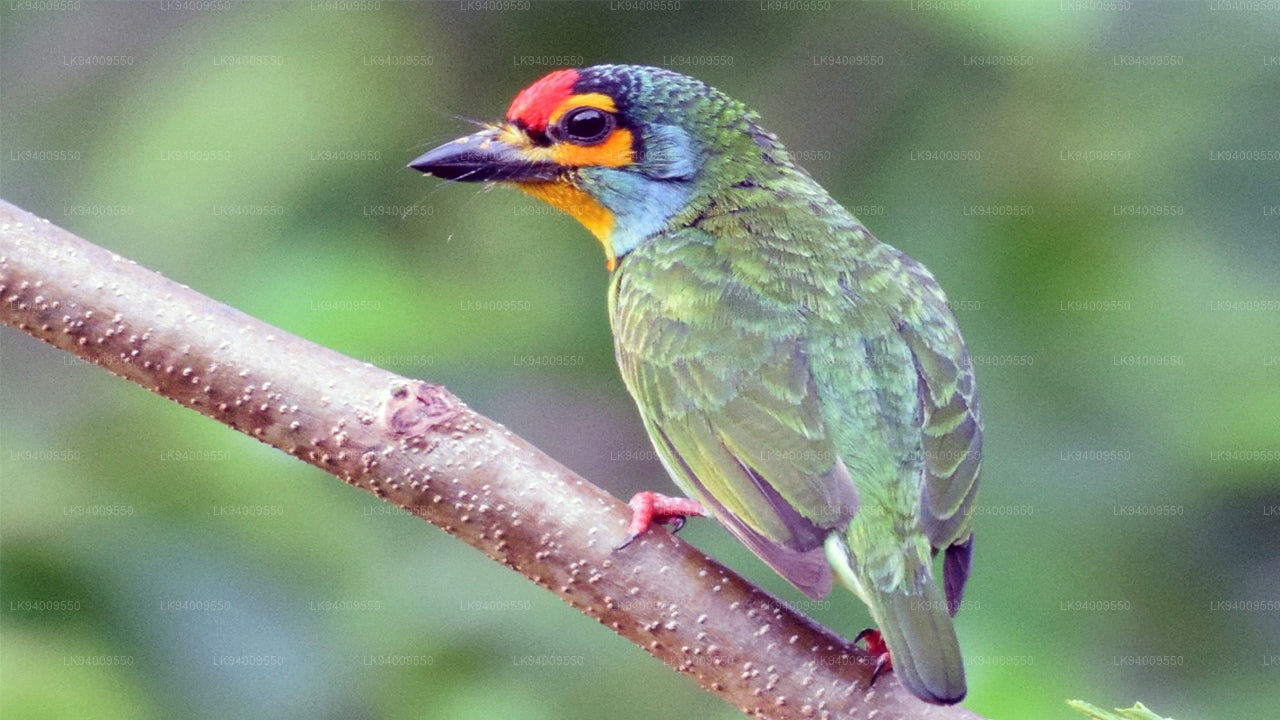 Crimson Fronted Barbet
Psilopogon rubricapillus
-
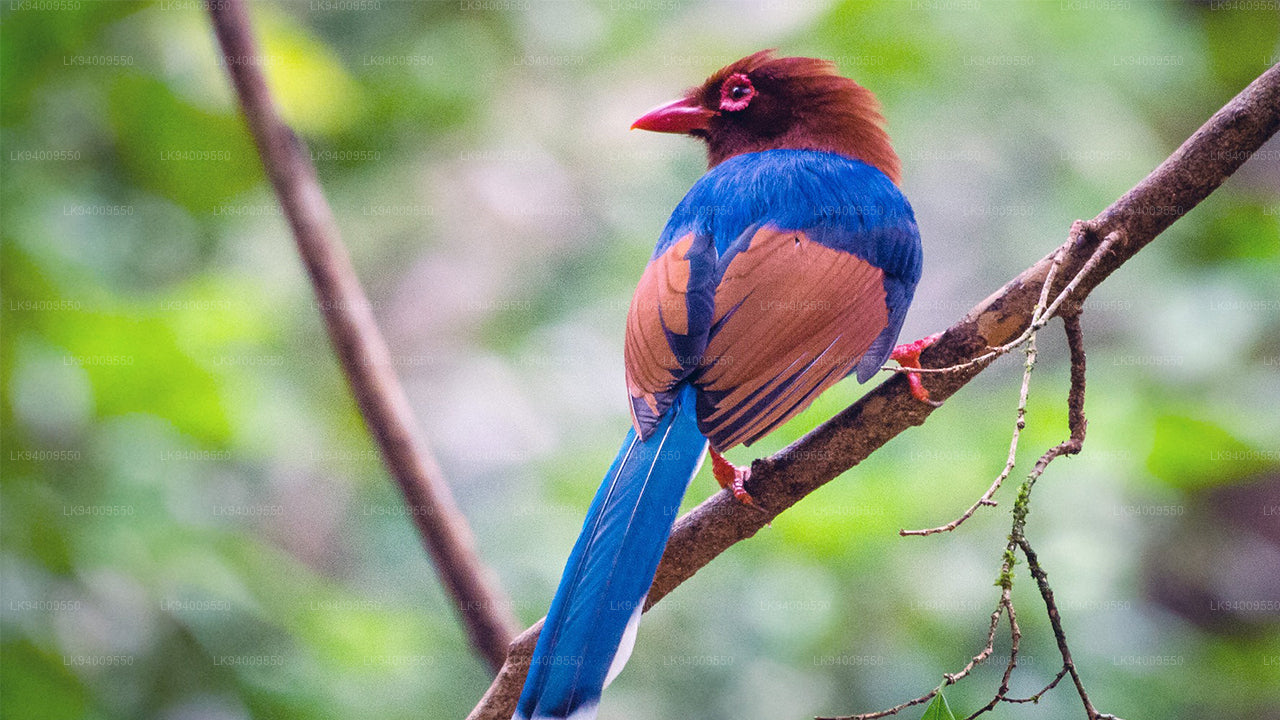 Ceylon Blue Magpie
Urocissa ornata
-
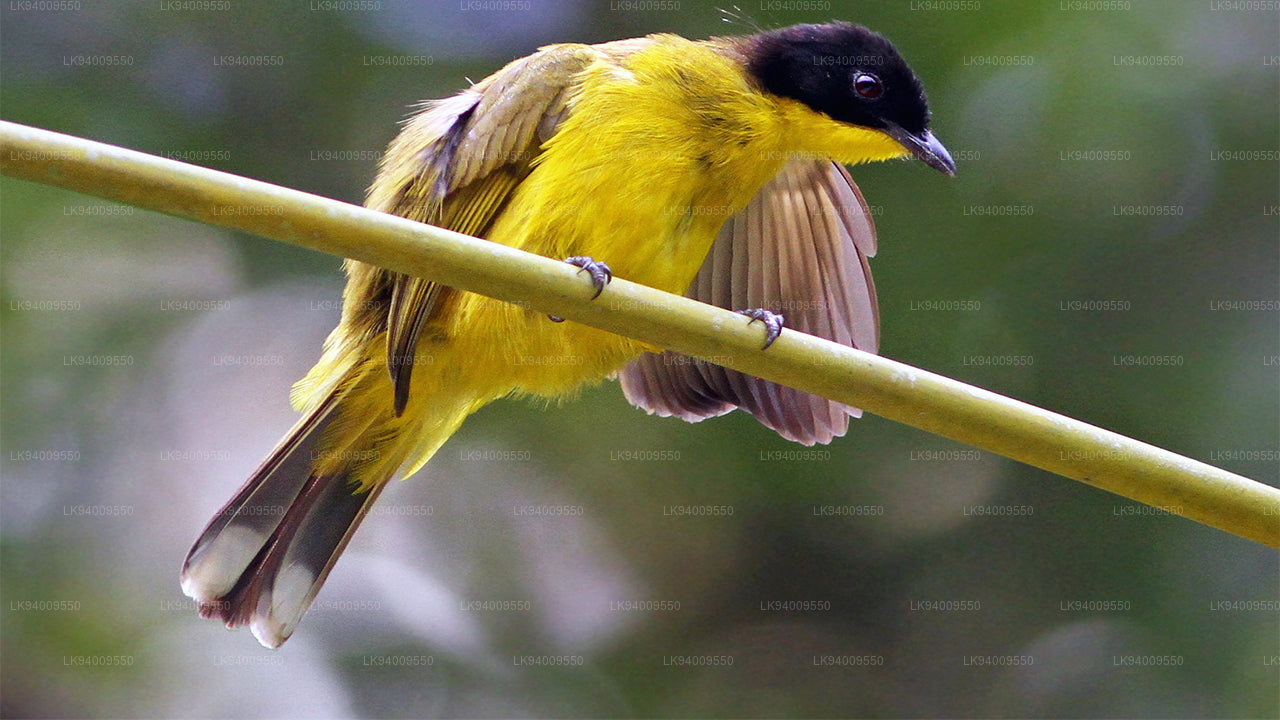 Black Capped Bulbul
Rubigula melanictera
-
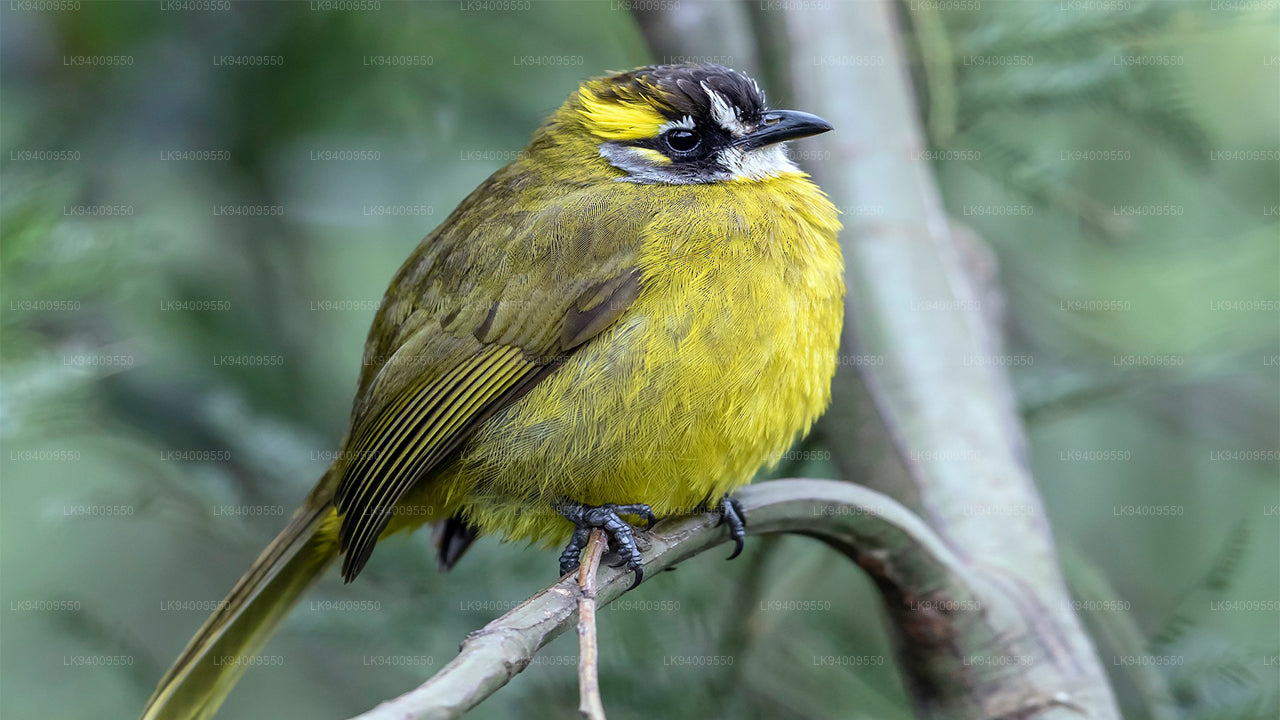 Yellow Eared Bulbul
Pycnonotus penicillatus
-
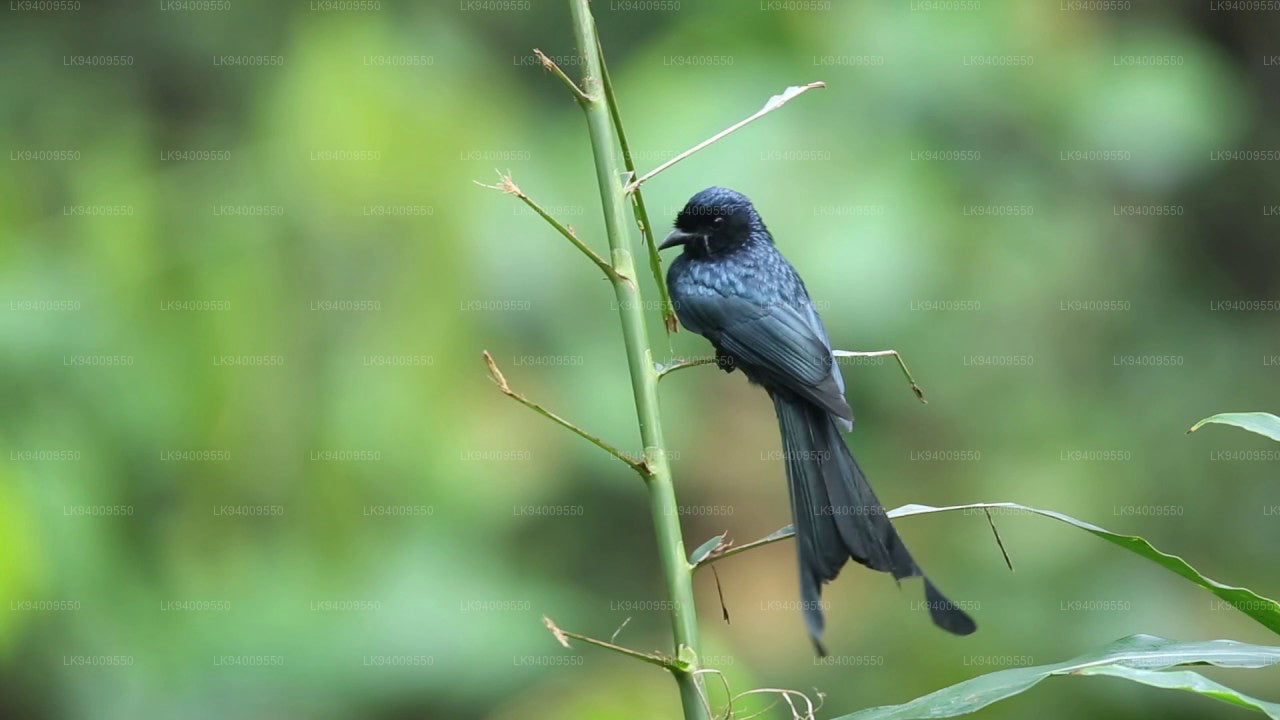 Ceylon Crested Drongo
Dicrurus lophorinus
-
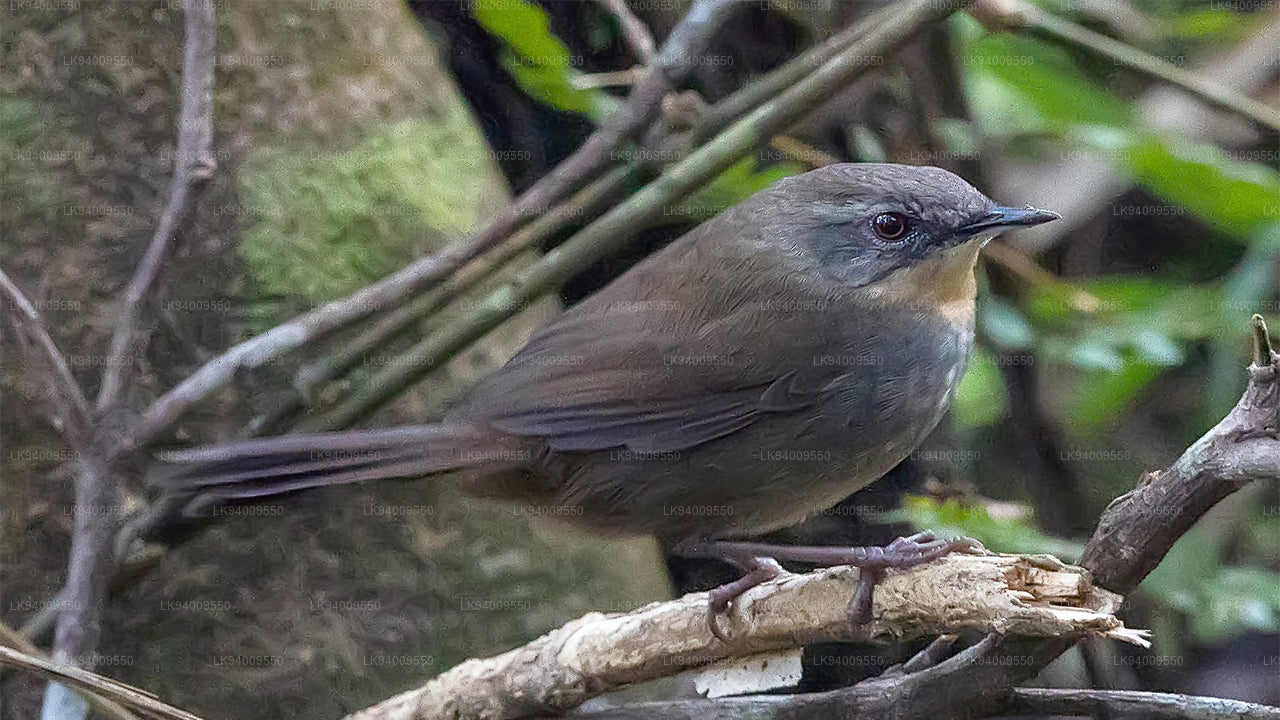 Ceylon Bush Warbler
Elaphrornis palliseri
-
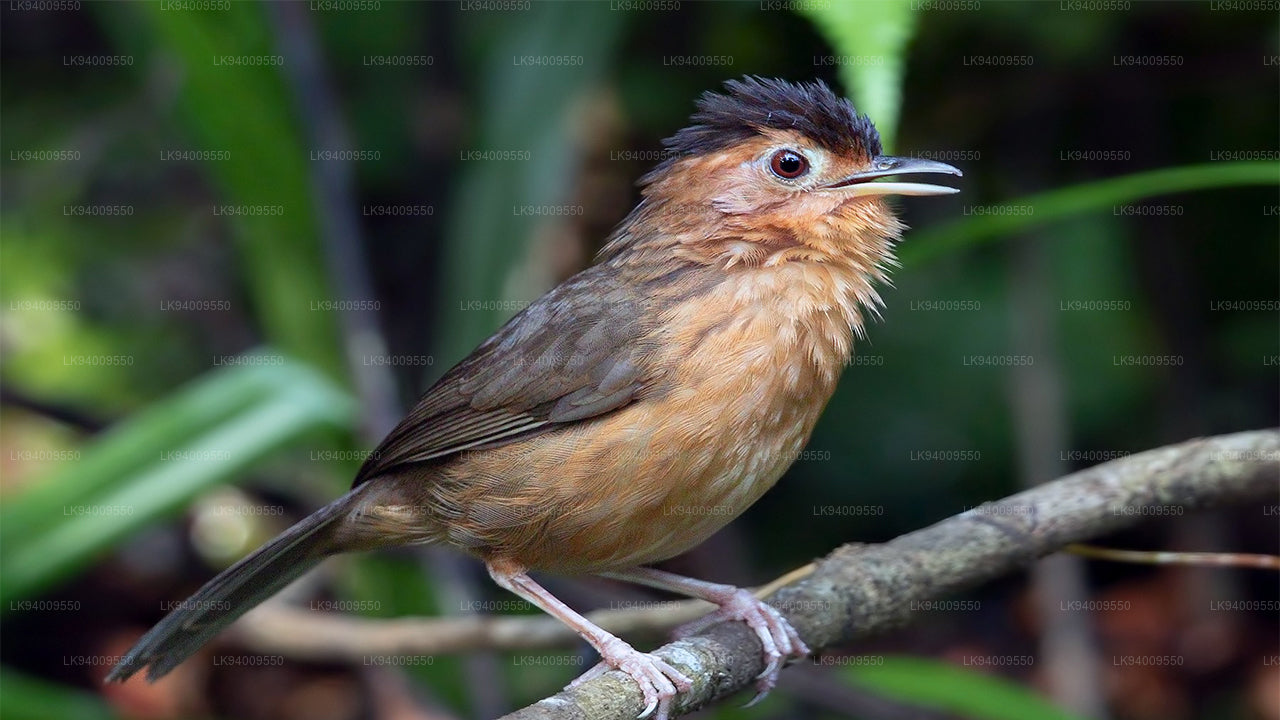 Brown Capped Babbler
Pellorneum fuscocapillus
-
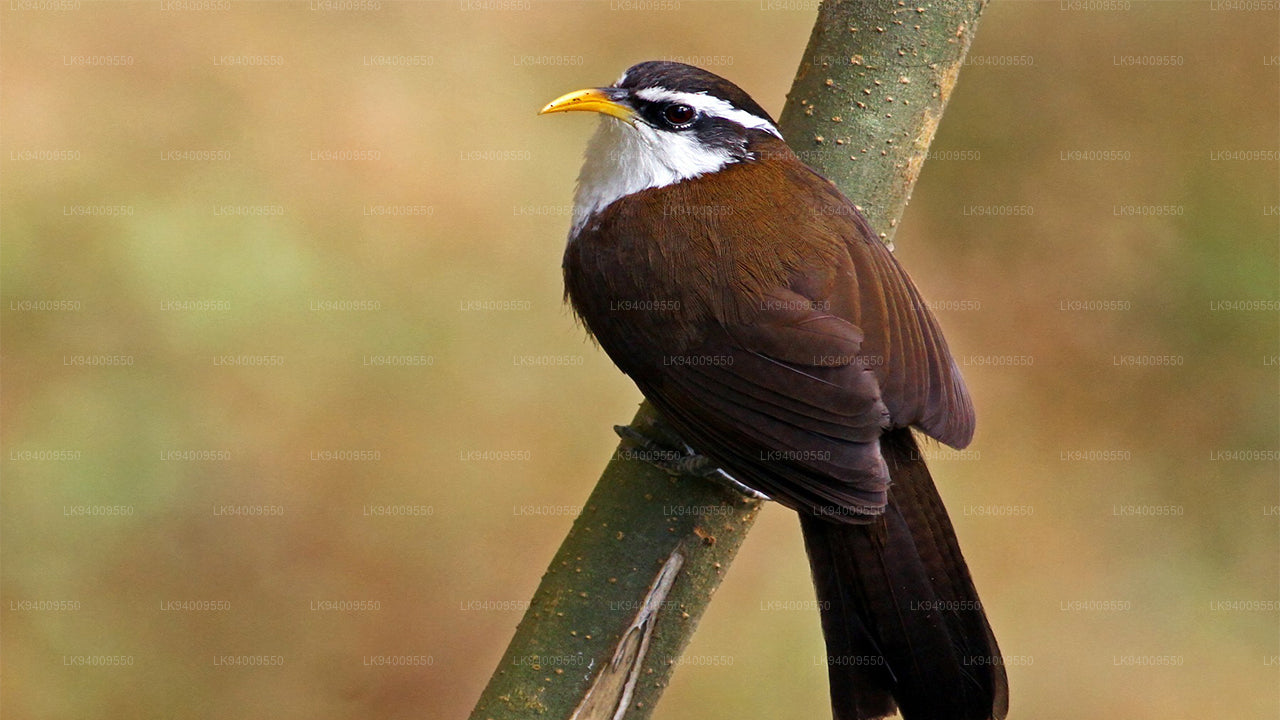 Ceylon Scimitar Babbler
Pomatorhinus melanurus
-
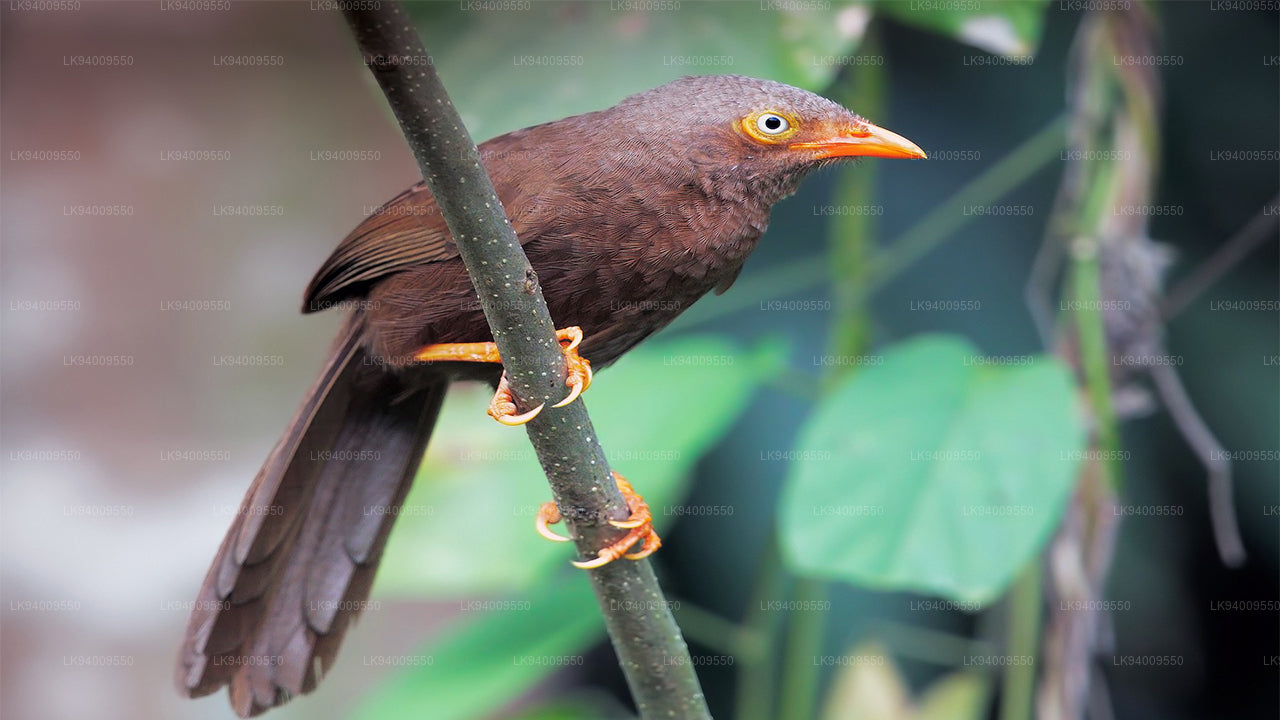 Ceylon Rufous Babbler
Argya rufescens
-
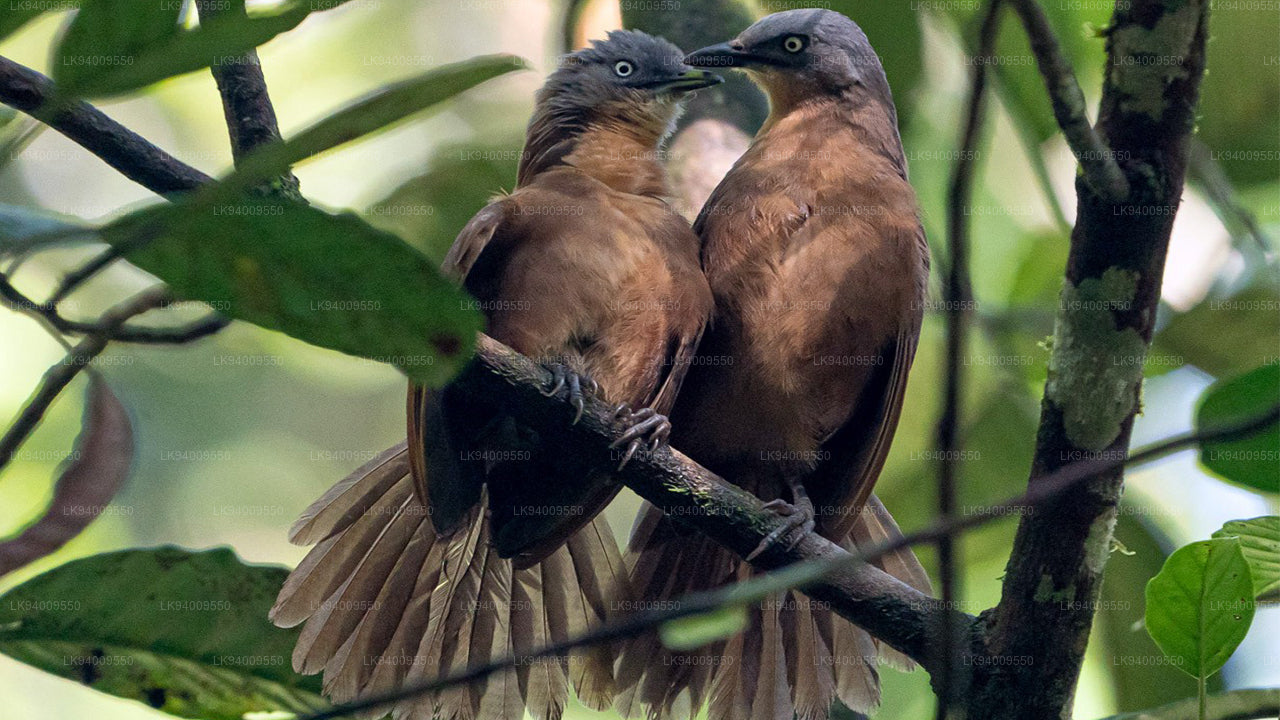 Ashy Headed Laughingthrush
Argya cinereifrons
-
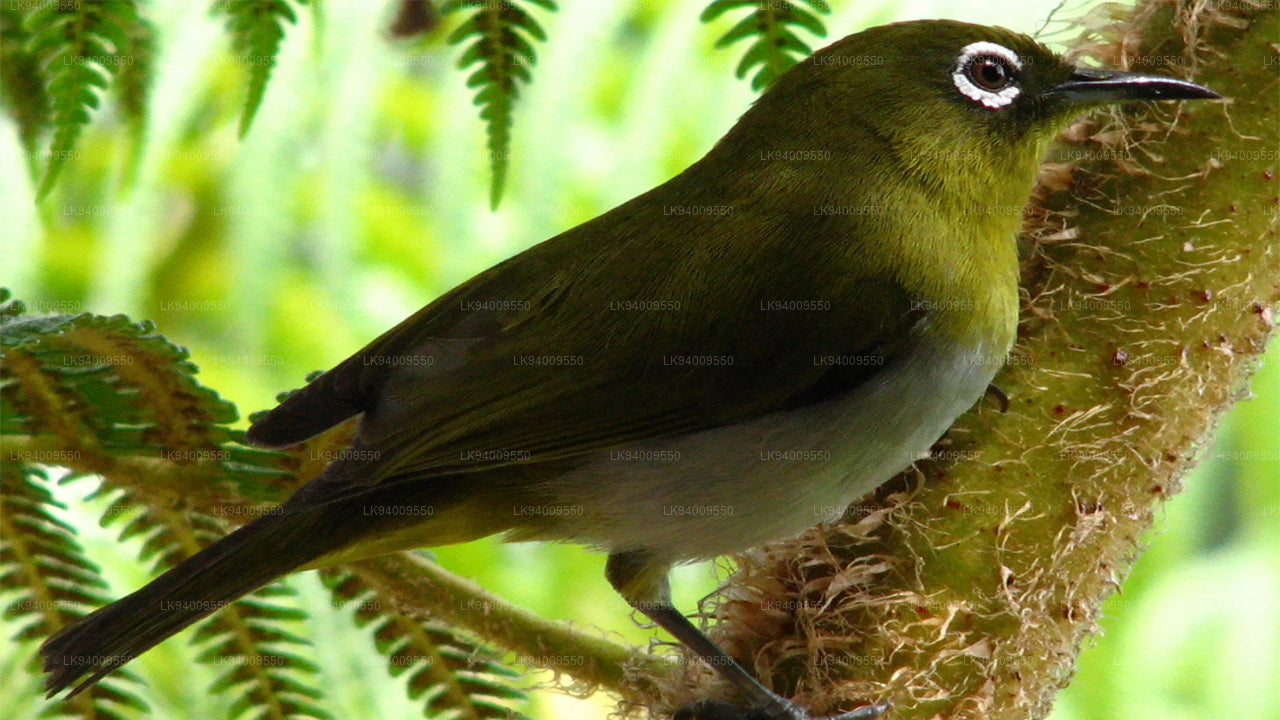 Ceylon White Eye
Zosterops ceylonensis
-
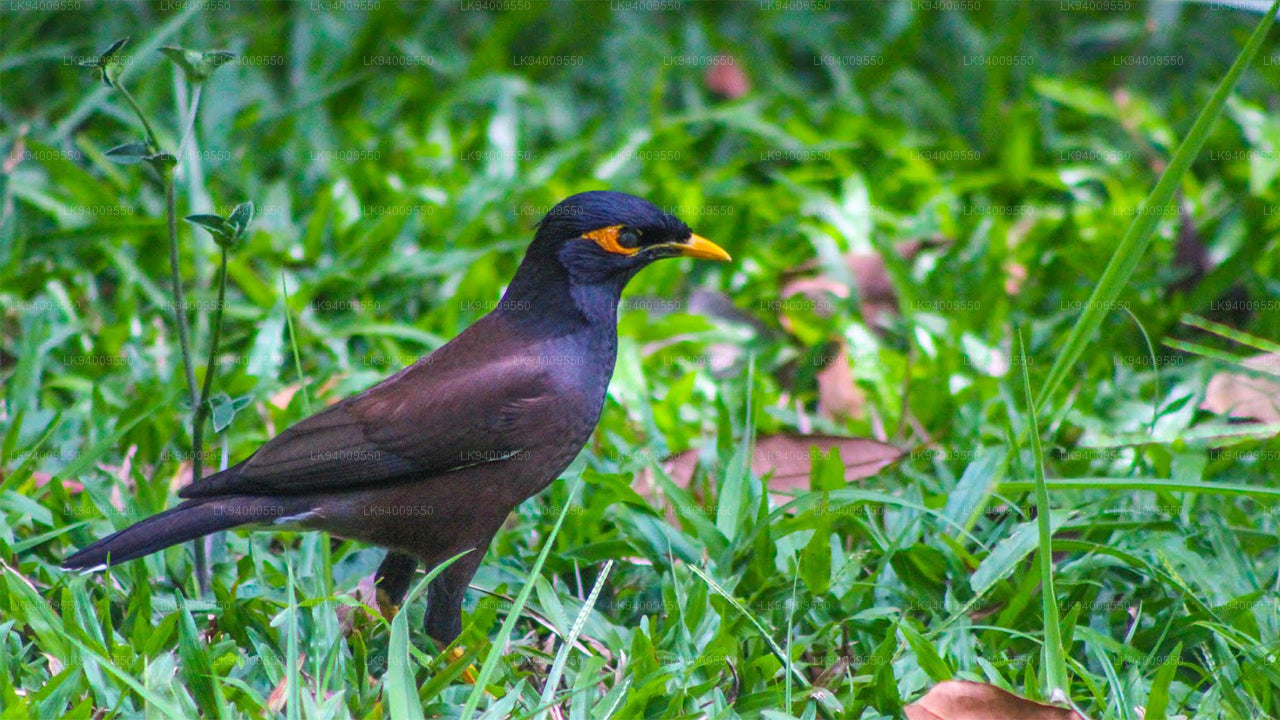 Ceylon Hill Myna
Gracula ptilogenys
-
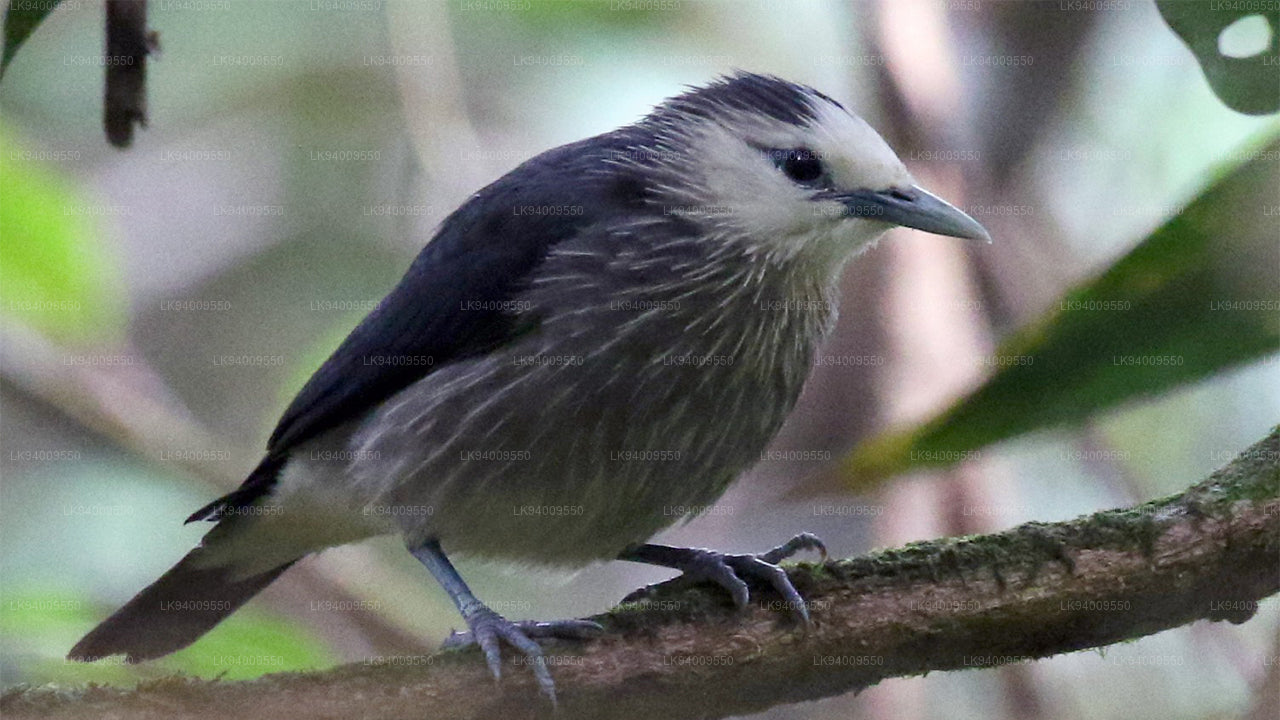 White Faced Starling
$Sturnornis albofrontatus
-
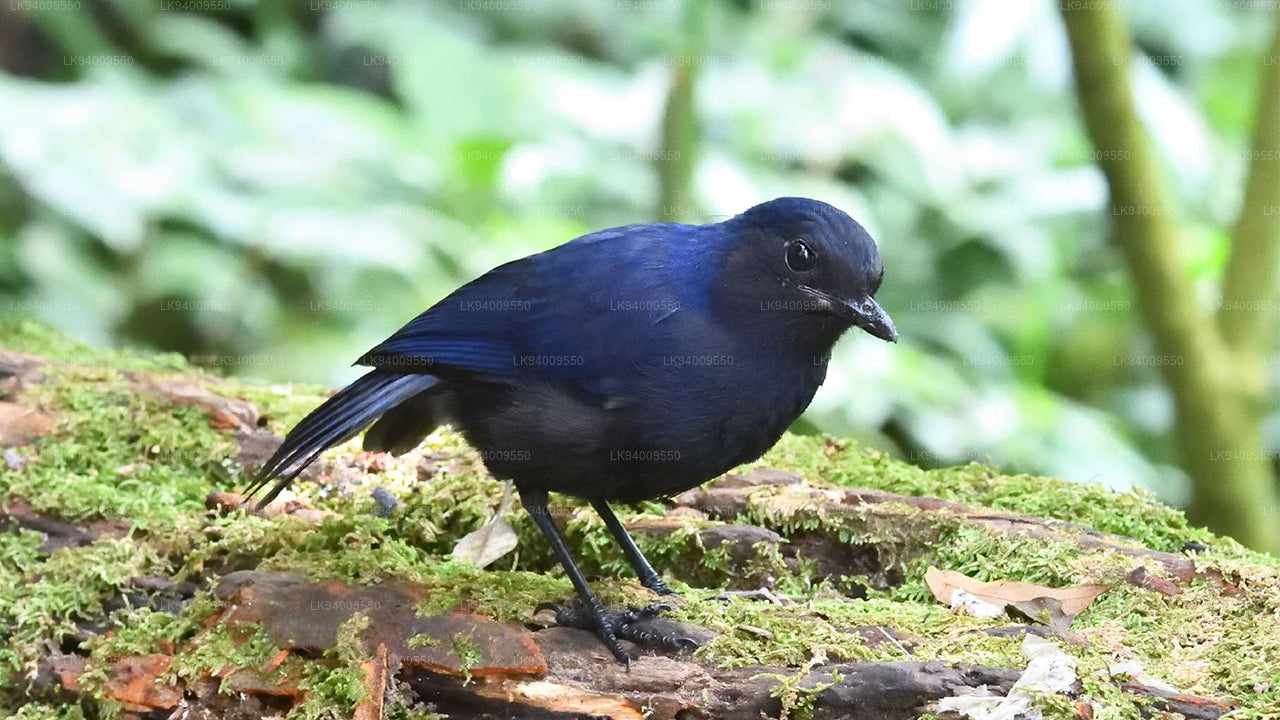 Ceylon Whistling Thrush
Myophonus blighi
-
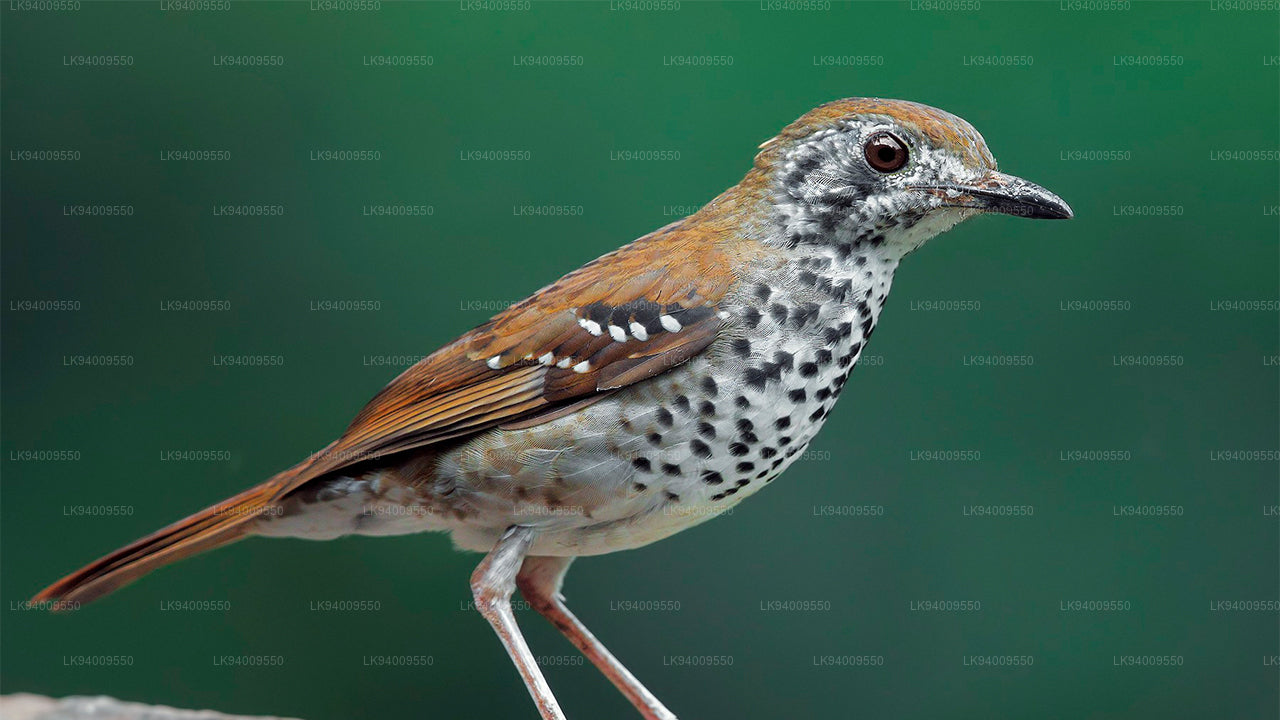 Spot Winged Ground Thrush
Geokichla spiloptera
-
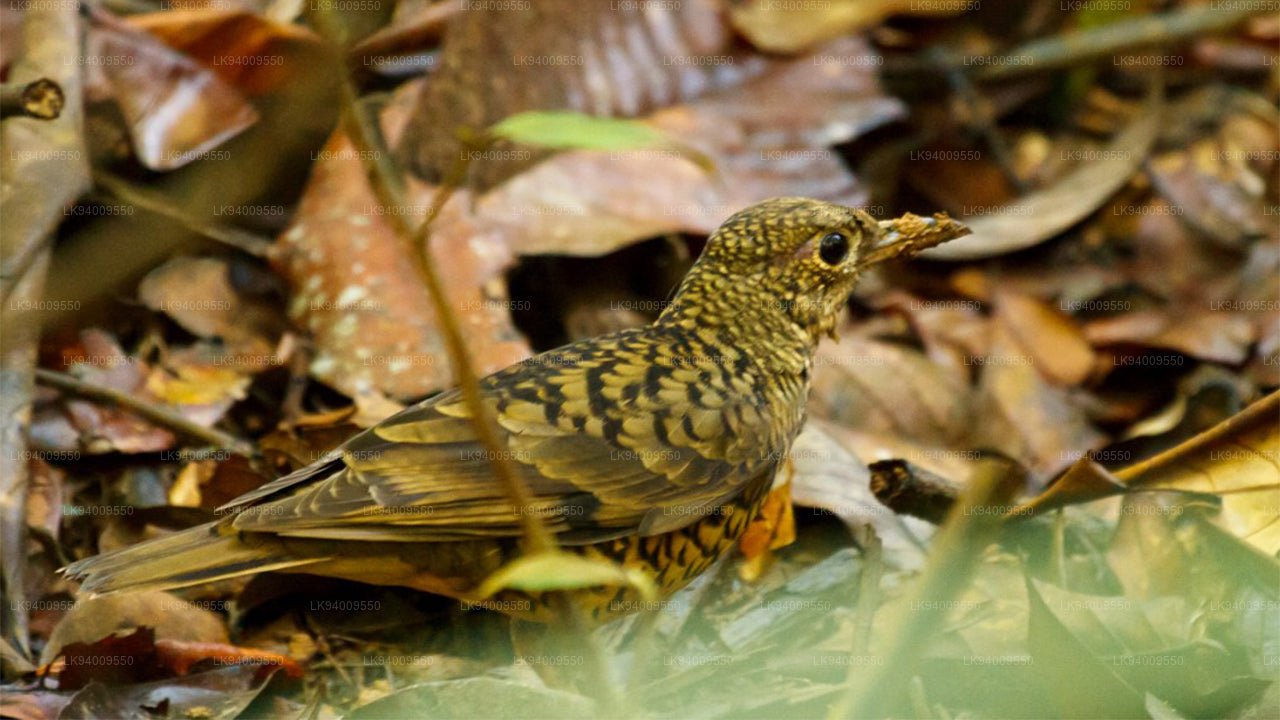 Ceylon Scaly Thrush
Zoothera imbricata
-
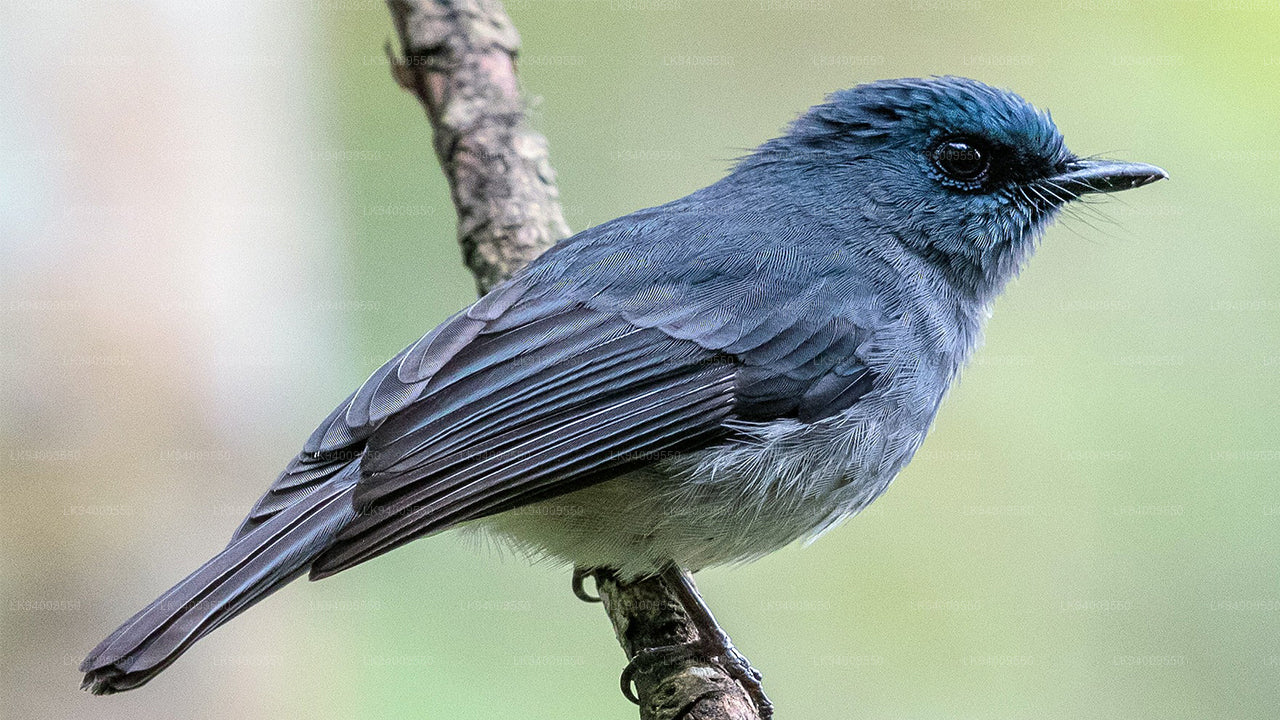 Dusky Blue Flycatcher
Eumyias sordidus
-
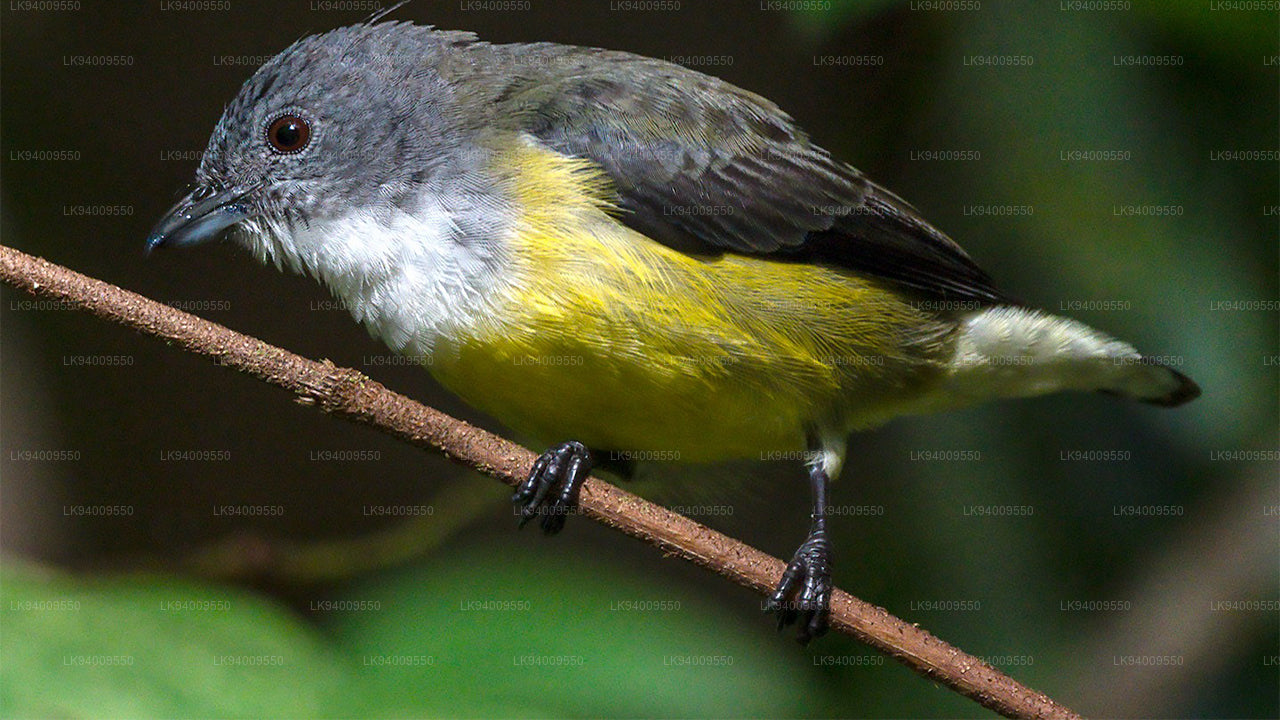 Legge's Flowerpecker
Dicaeum vincens
-
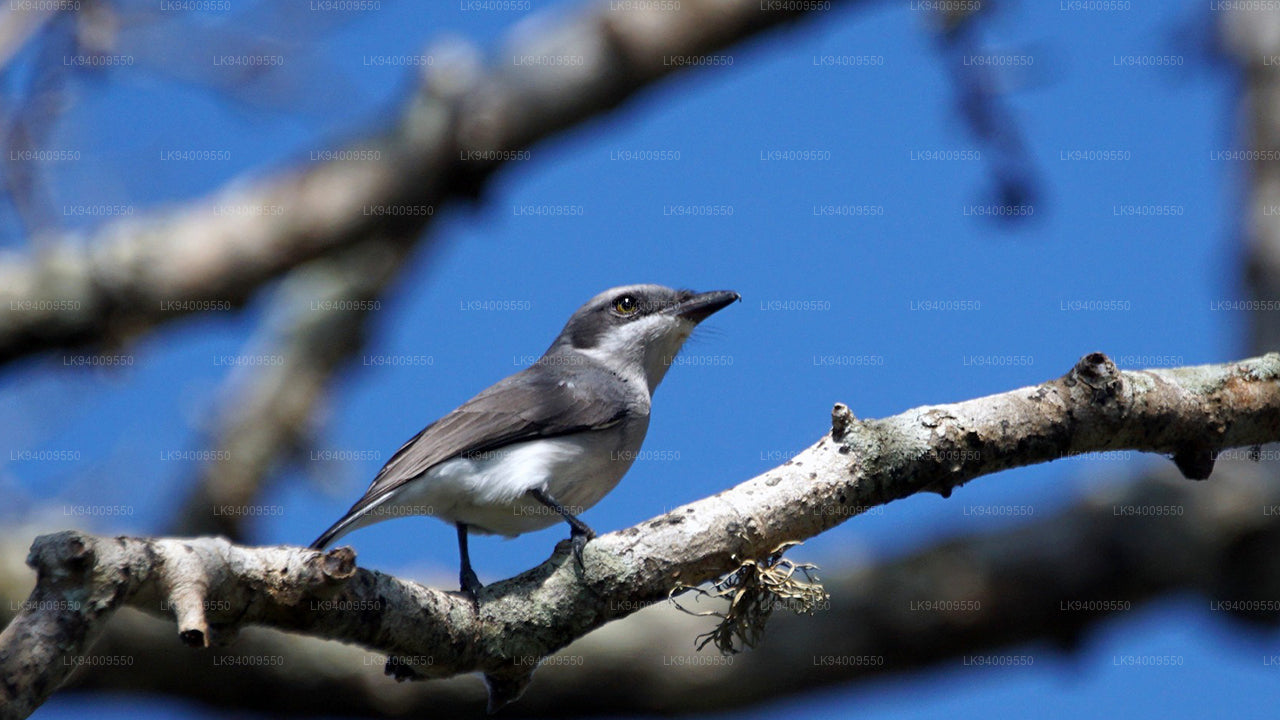 Ceylon Woodshrike
Tephrodornis affinis
-
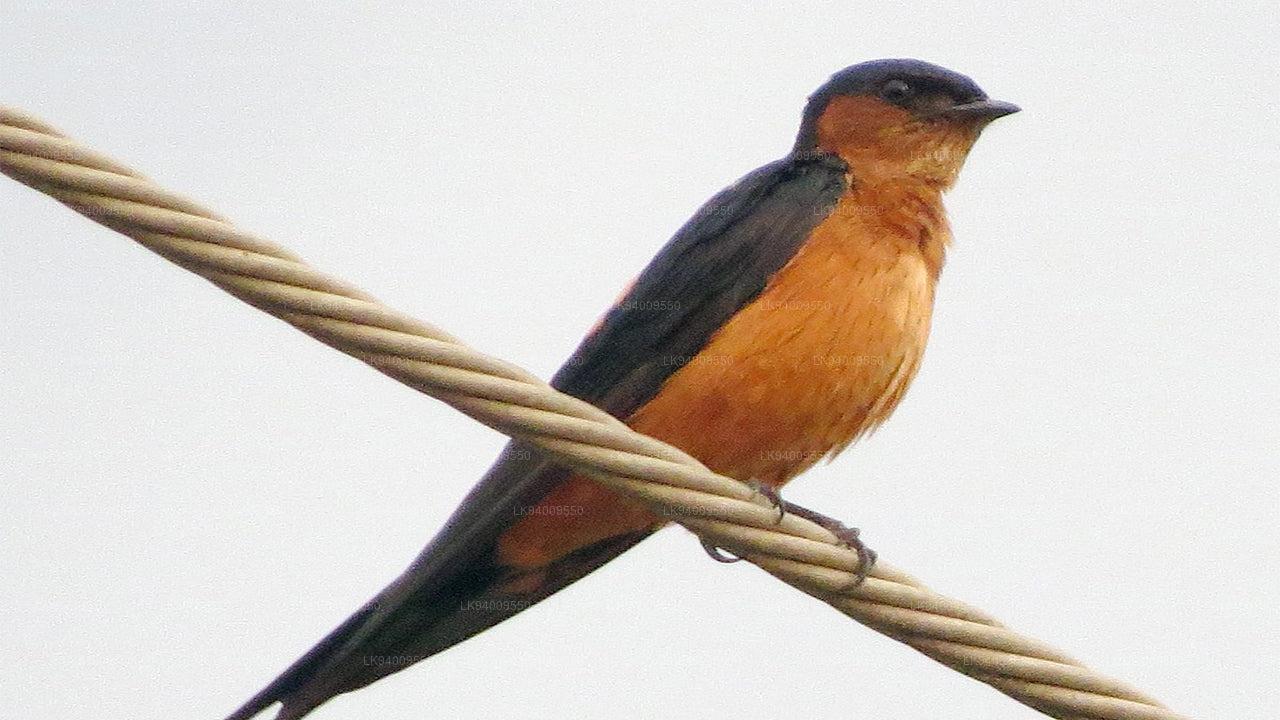 Ceylon Swallow
Cecropis hyperythra