Brown Vine Snake


Scientific Name: Ahaetulla nasuta
Family: Colubridae
Common Name(s): Brown Vine Snake, Asian Vine Snake
Overview:
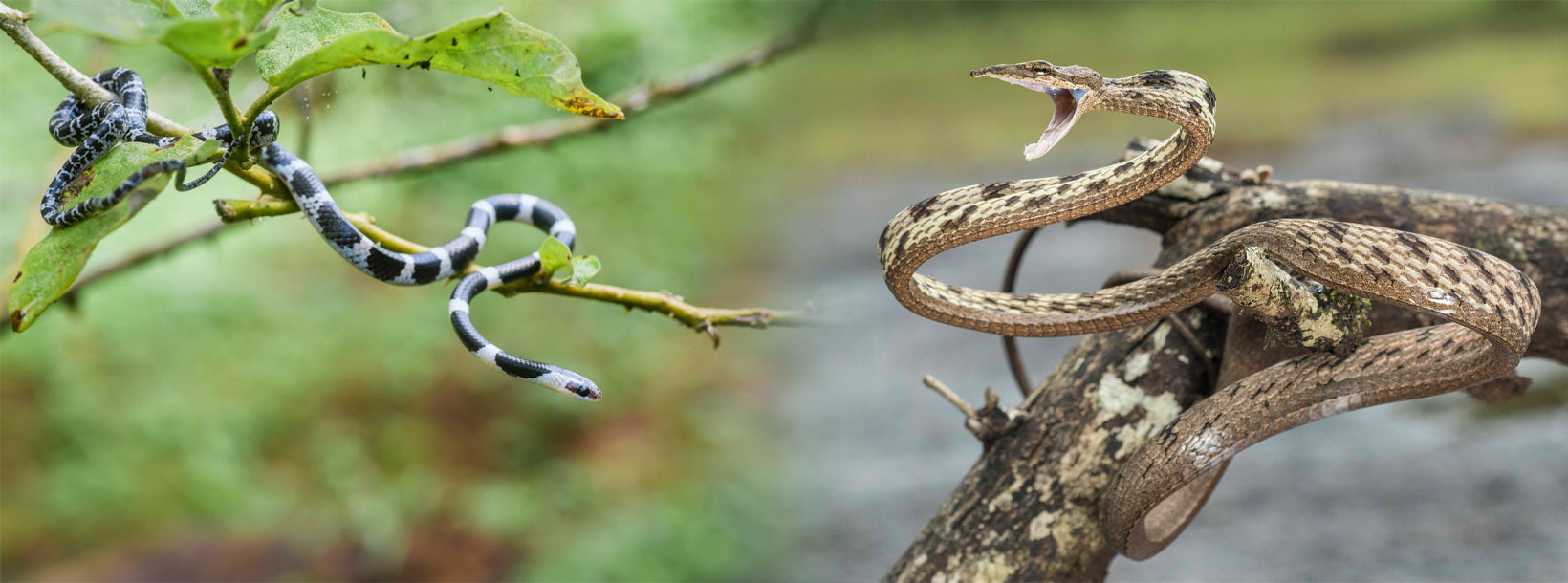
The Brown Vine Snake is a non-venomous, arboreal snake found in Southeast Asia, particularly in tropical forests and plantations. It is known for its long, slender body and vibrant green coloration, which helps it blend seamlessly into its leafy environment. The snake is highly adapted for a tree-dwelling (arboreal) lifestyle and is often found coiled among the branches of trees and vines.
Physical Description:
- Size: Brown Vine Snakes are long and slender, typically ranging from 1 meter to 1.5 meters in length, though some individuals can grow even longer.
- Coloration: They are typically bright green, with a slightly yellow or brownish underside. Their green coloration provides excellent camouflage in their natural forest habitat, helping them blend into leaves and vines.
- Head: The head is elongated and narrow, with large eyes that give the snake a distinct appearance. The snake's eyes are adapted for excellent vision, important for spotting prey in the dense foliage.
- Tail: The tail is long and prehensile, helping the snake grasp onto branches and stabilize itself while navigating trees.
Habitat and Distribution:
- Geographical Range: The Brown Vine Snake is found throughout Southeast Asia, including countries such as India, Sri Lanka, Thailand, Myanmar, and parts of Southeast Asia like Malaysia, Laos, and Vietnam.
- Preferred Habitat: It is commonly found in tropical forests, plantations, and areas with dense vegetation, especially at heights in the canopy where it can blend with vines and branches.
Behavior and Diet:
- Arboreal Lifestyle: The Brown Vine Snake spends most of its time in trees and shrubs, where it hunts and rests. It moves slowly and deliberately, relying on its camouflage to avoid detection by predators and prey.
- Diet: It is primarily carnivorous, feeding on small vertebrates, especially lizards, frogs, and birds. The snake hunts by waiting patiently in a stationary position and striking at prey with quick, precise movements.
- Hunting Technique: The snake often relies on its stillness to ambush prey, and its long, flexible body allows it to remain hidden among branches and vines.
Reproduction:
- Reproductive Mode: Brown Vine Snakes are oviparous, meaning they lay eggs. The female lays a clutch of eggs in a hidden location, where they will incubate until hatching.
- Offspring: The hatchlings are small versions of adults and are independent from birth.
Conservation Status:
- Threats: While the Brown Vine Snake is not currently endangered, habitat destruction due to deforestation and urban expansion poses a threat to its populations. Additionally, they can sometimes be affected by the pet trade.
- Conserva
-
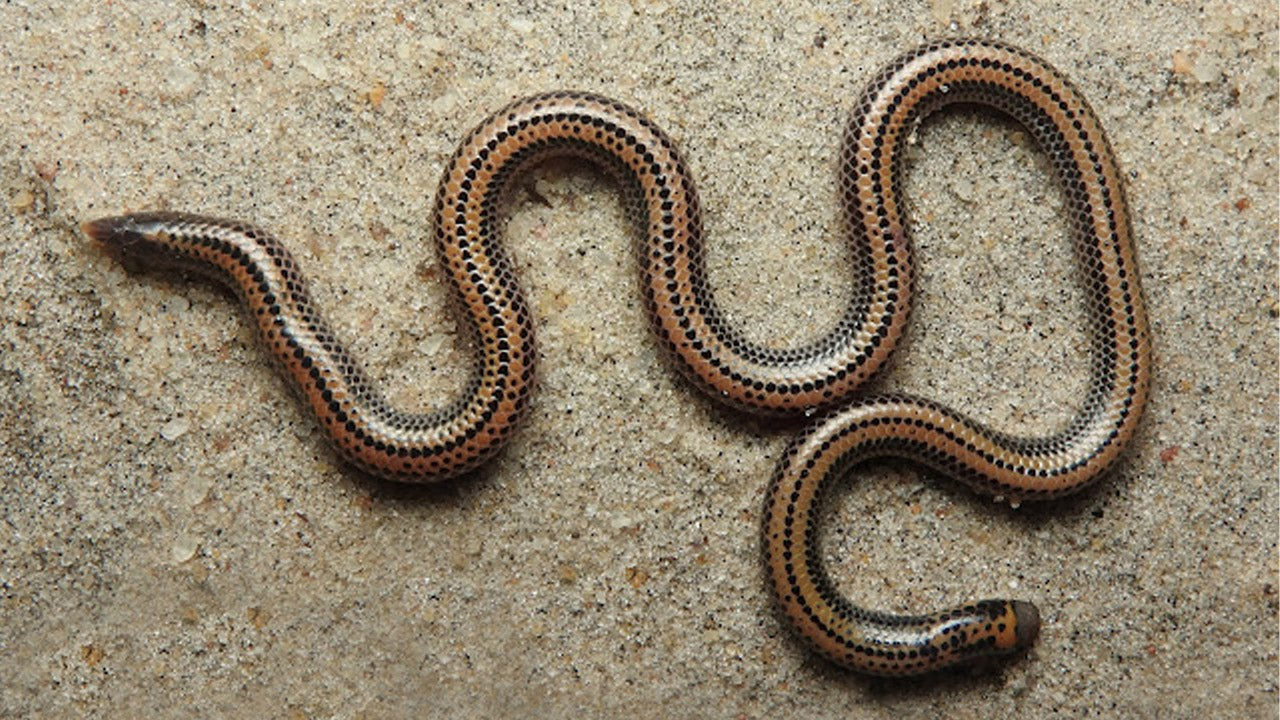 Muller's Shieldtail
Uropeltis mülleri
-
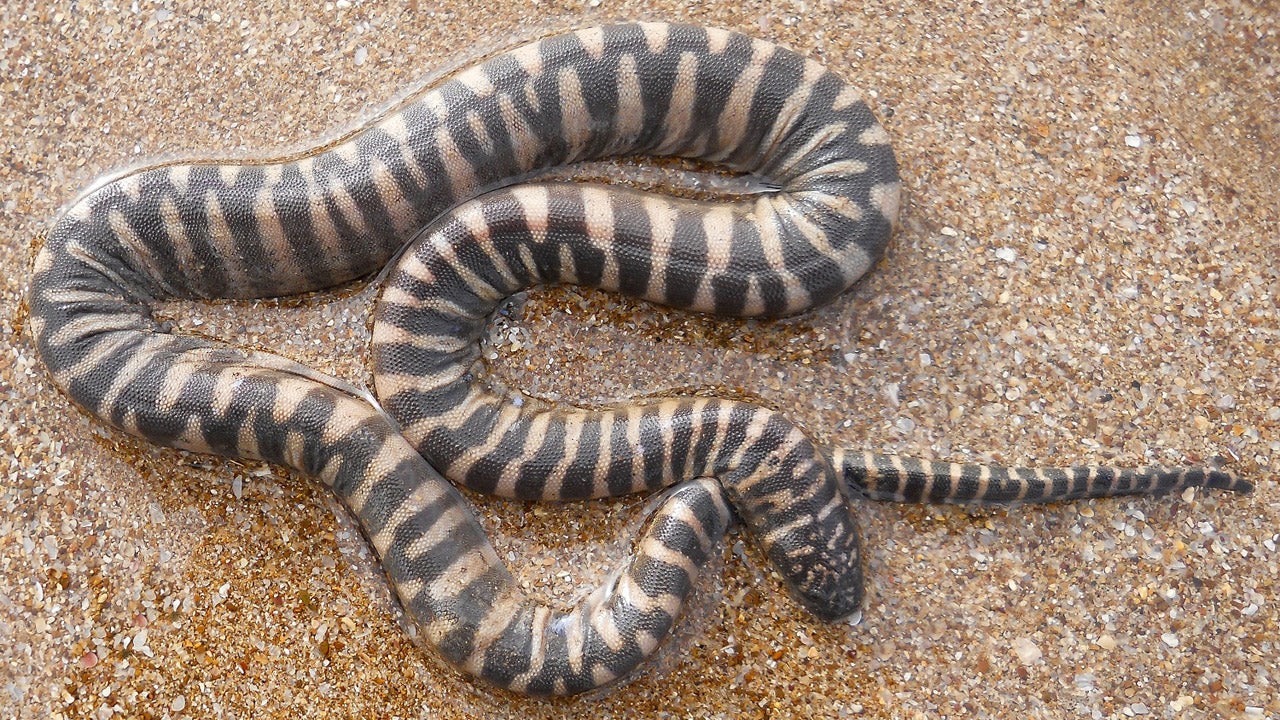 Wart Snake
Acrochordus
-
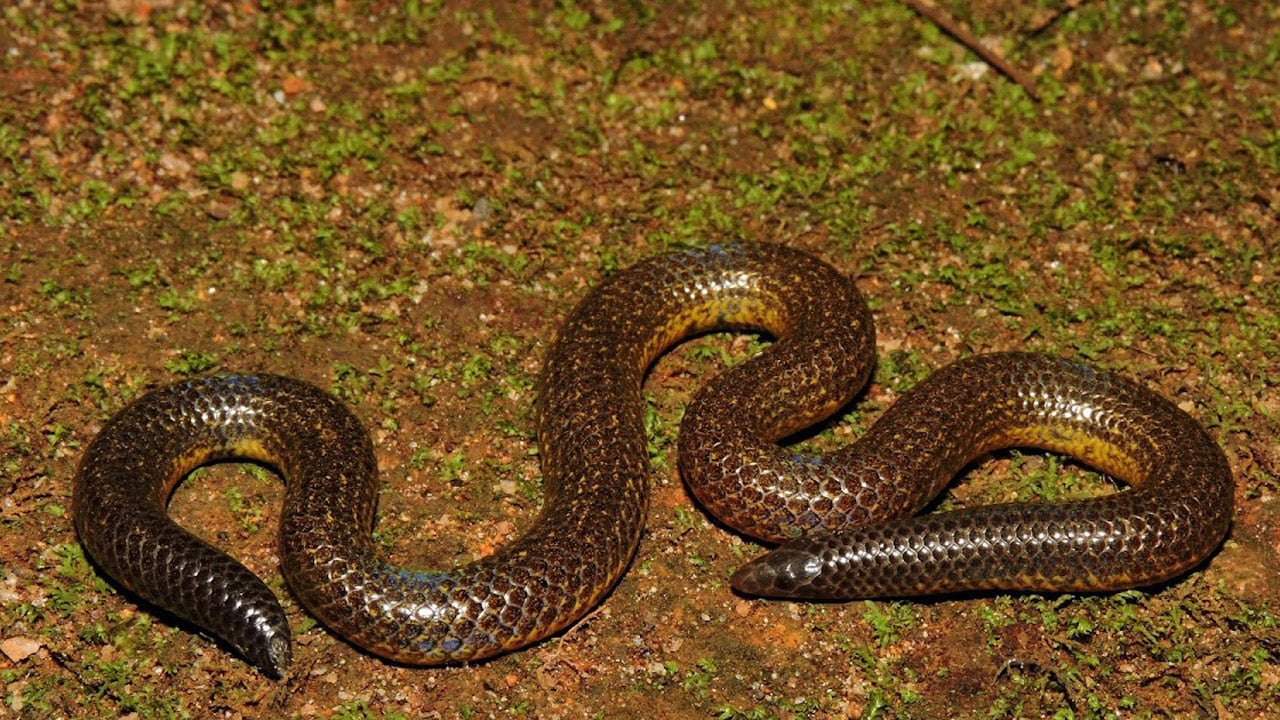 Drummond-Hay's Shieldtail
Rhinophis drummondhayi
-
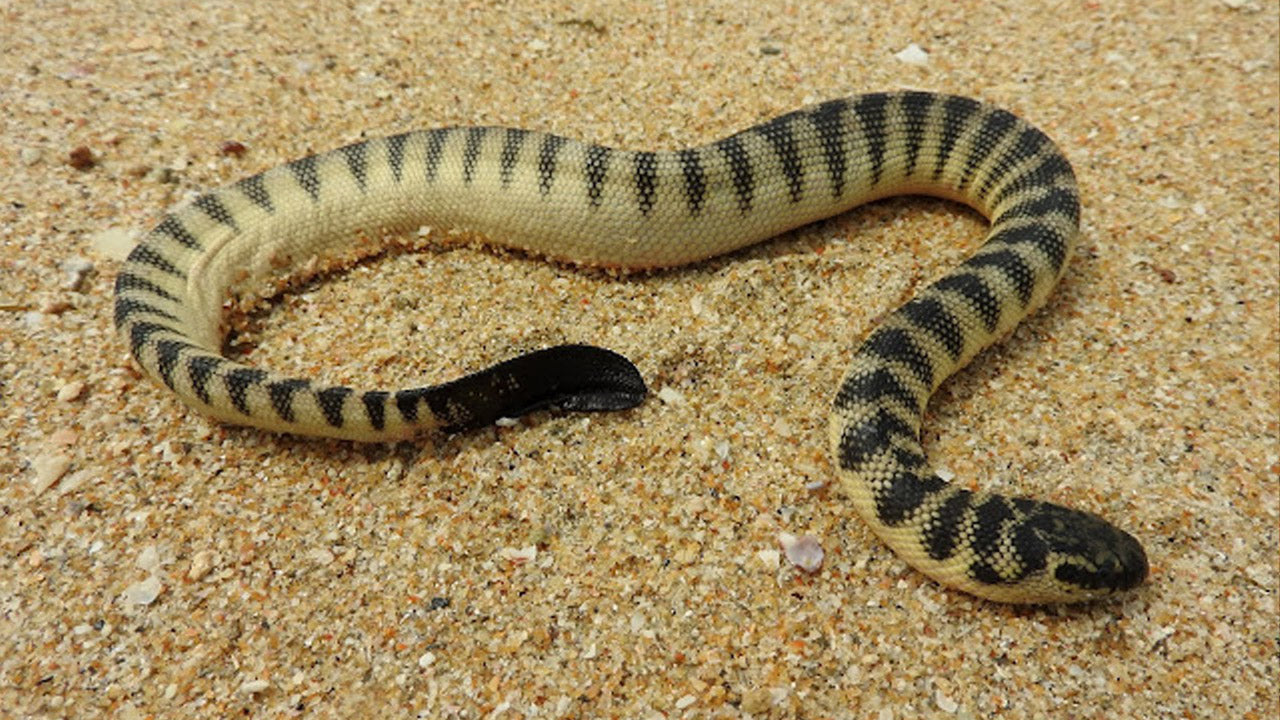 Shaw's Sea Snake
Hydrophis curtus
-
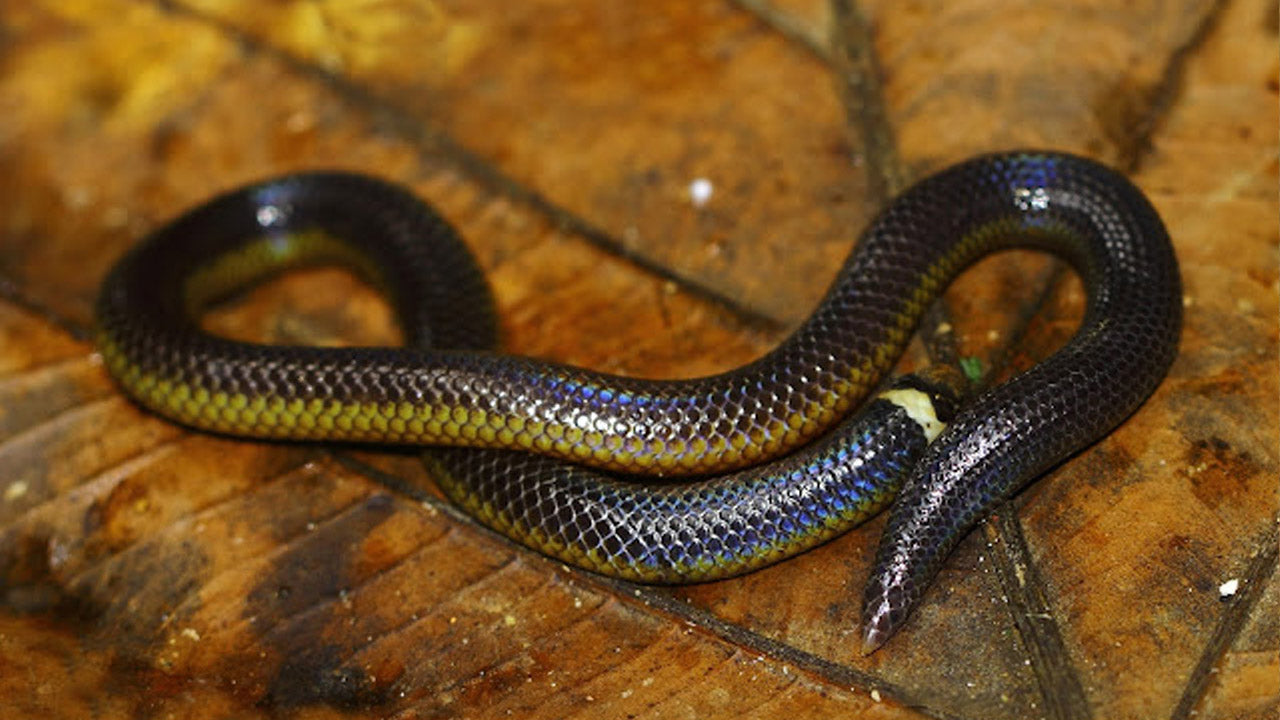 Deraniyagala's Shieldtail
Rhinophis tricoloratus
-
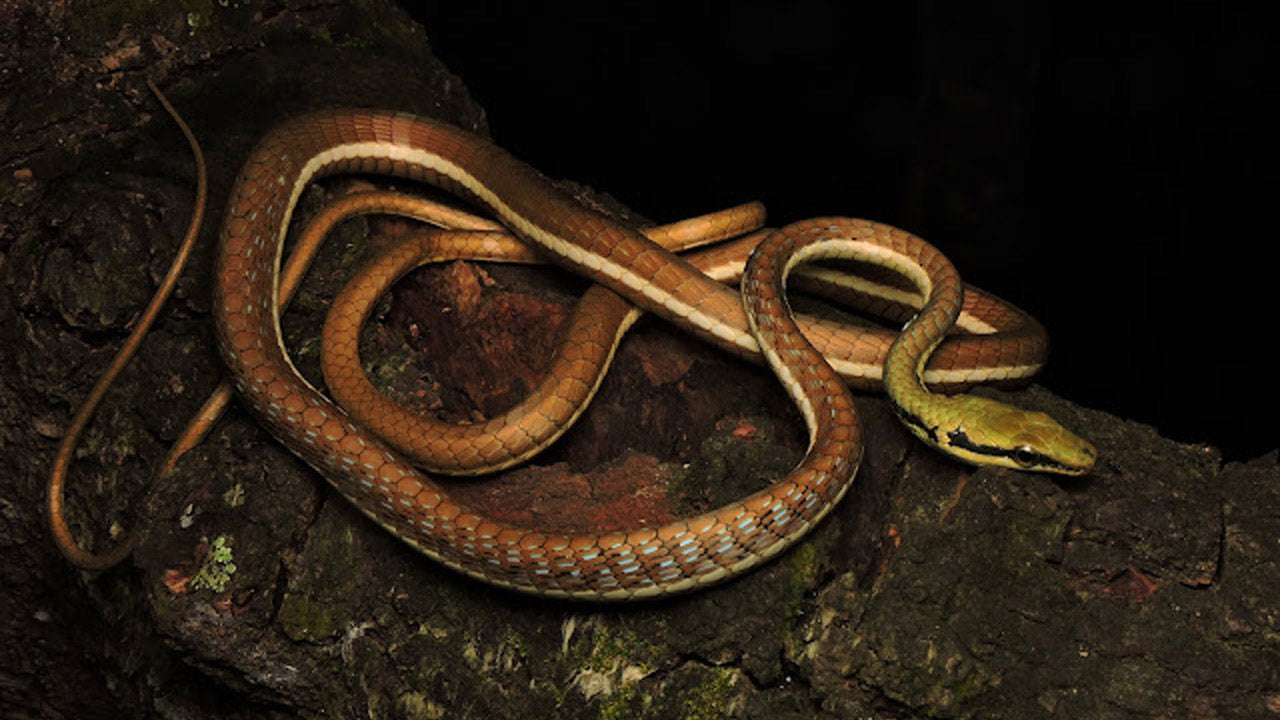 Wickramasinghe's Bronzeback
Dendrelaphis wickrorum
-
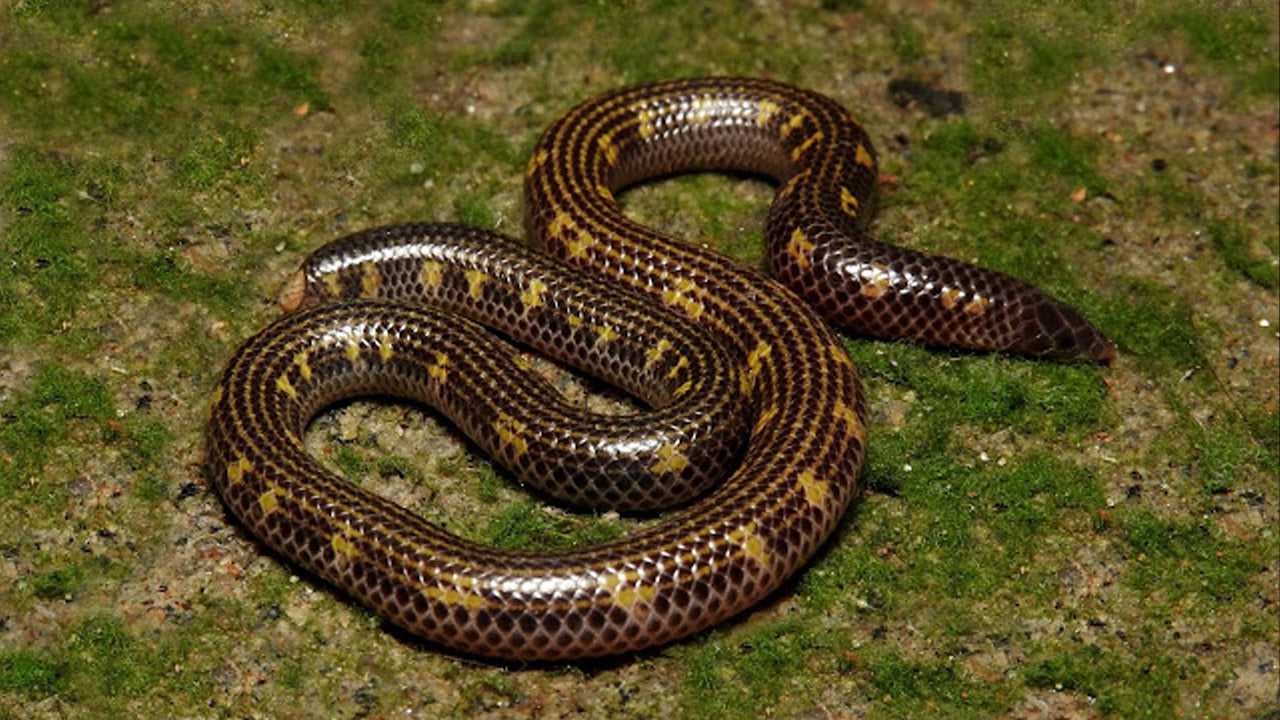 Phillip's Earth Snake
Rhinophis phillipsi
-
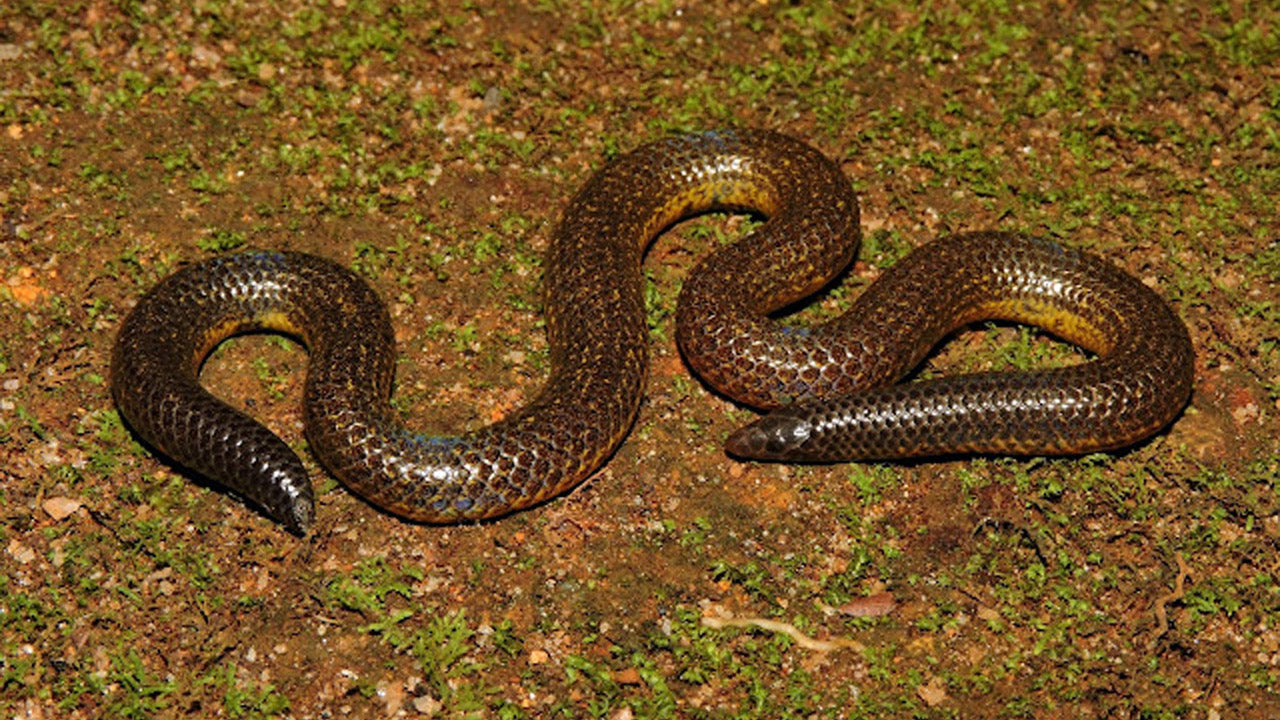 Gray's Earth Snake
Aparallactus grayi
-
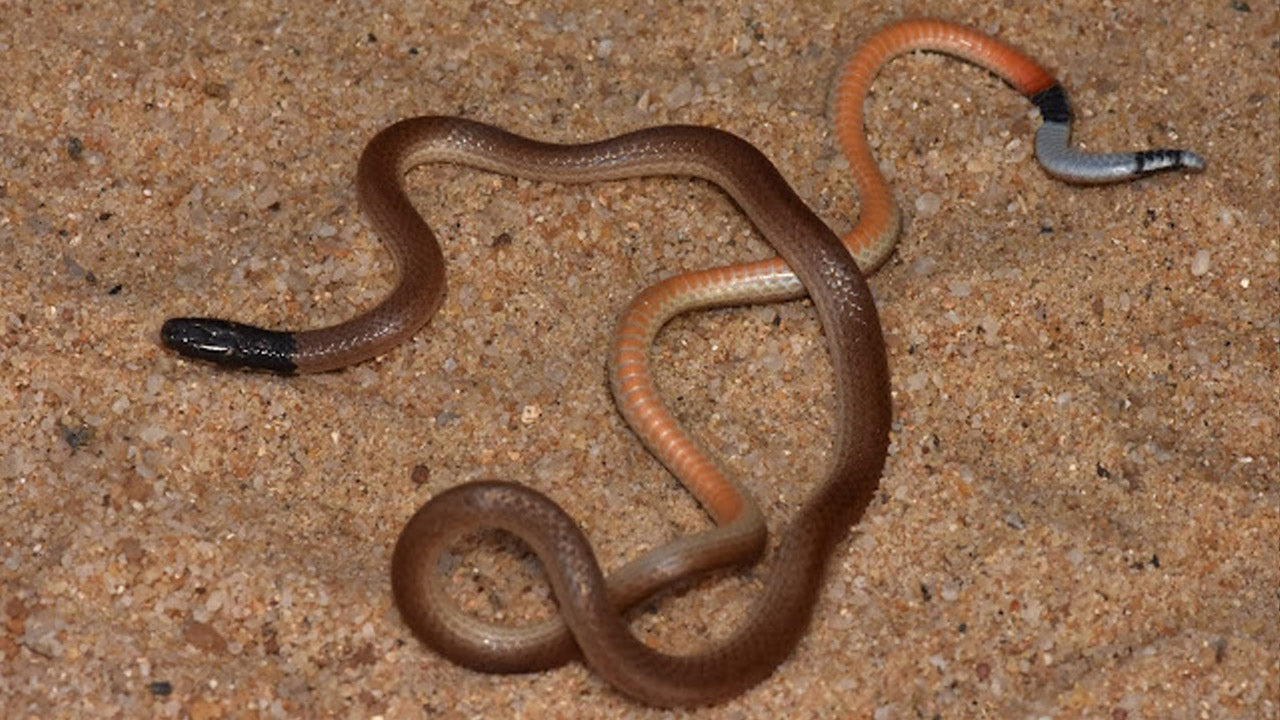 Slender Coral Snake
Calliophis Melanurus
-
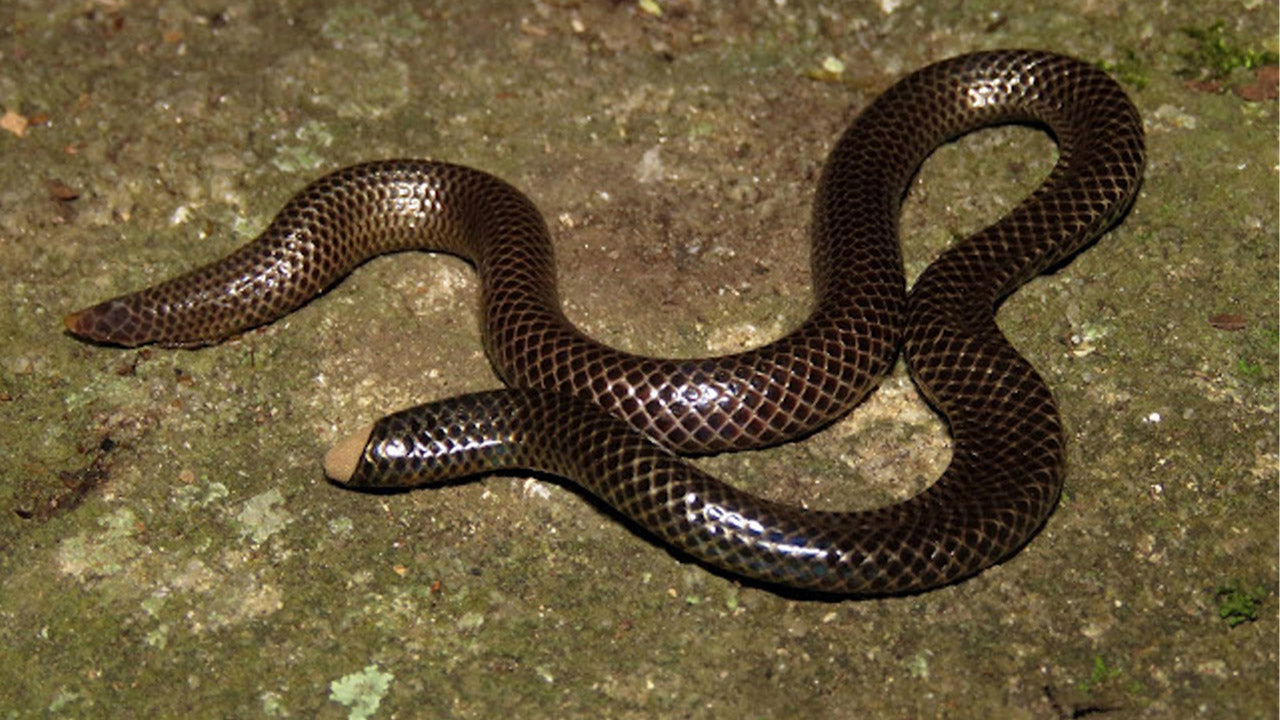 Cuvier's Shieldtail
Uropeltis ceylanica
-
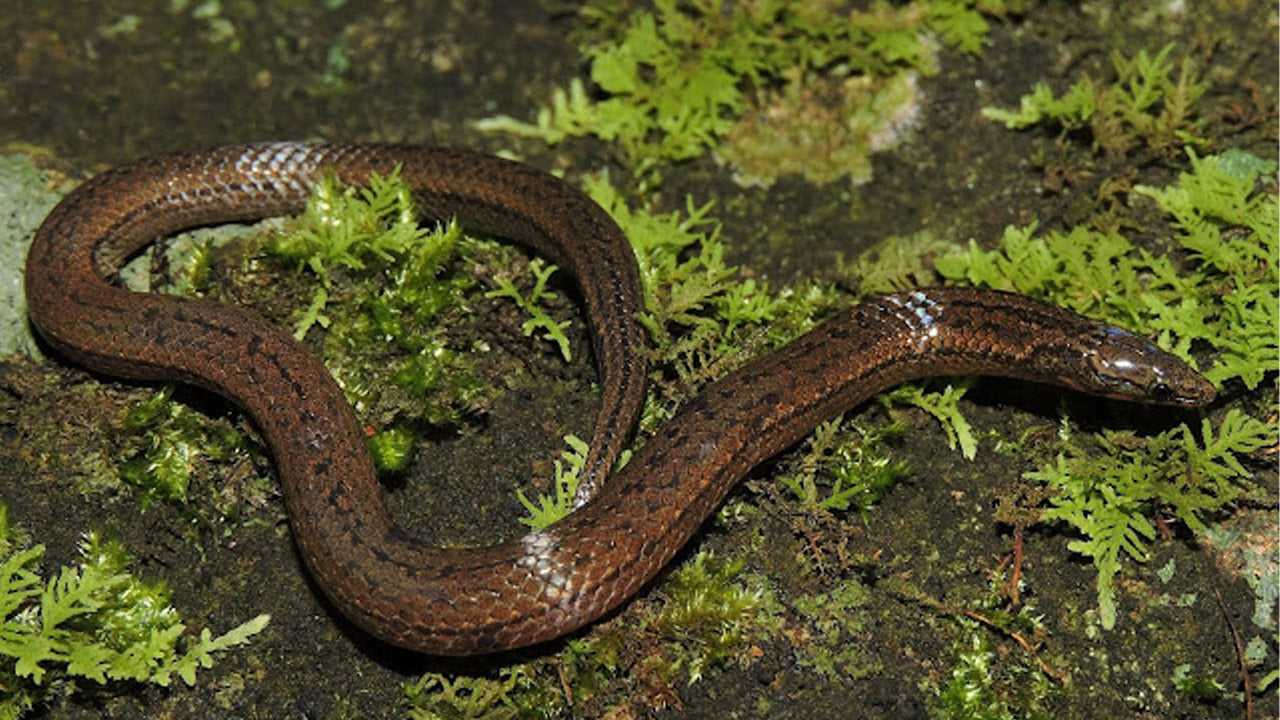 de Silva's Rough-sided Snake
Aspidura desilvai
-
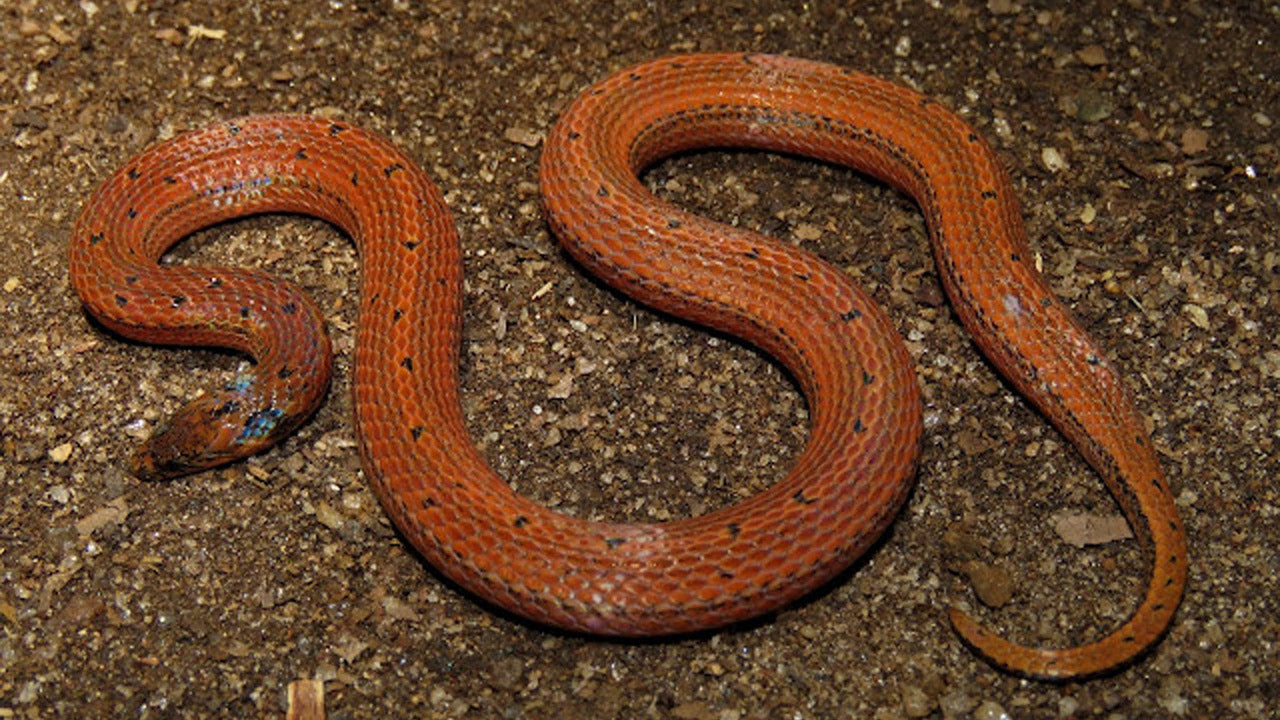 Boie's Rough-Sided Snake
Aspidura brachyorrhos
-
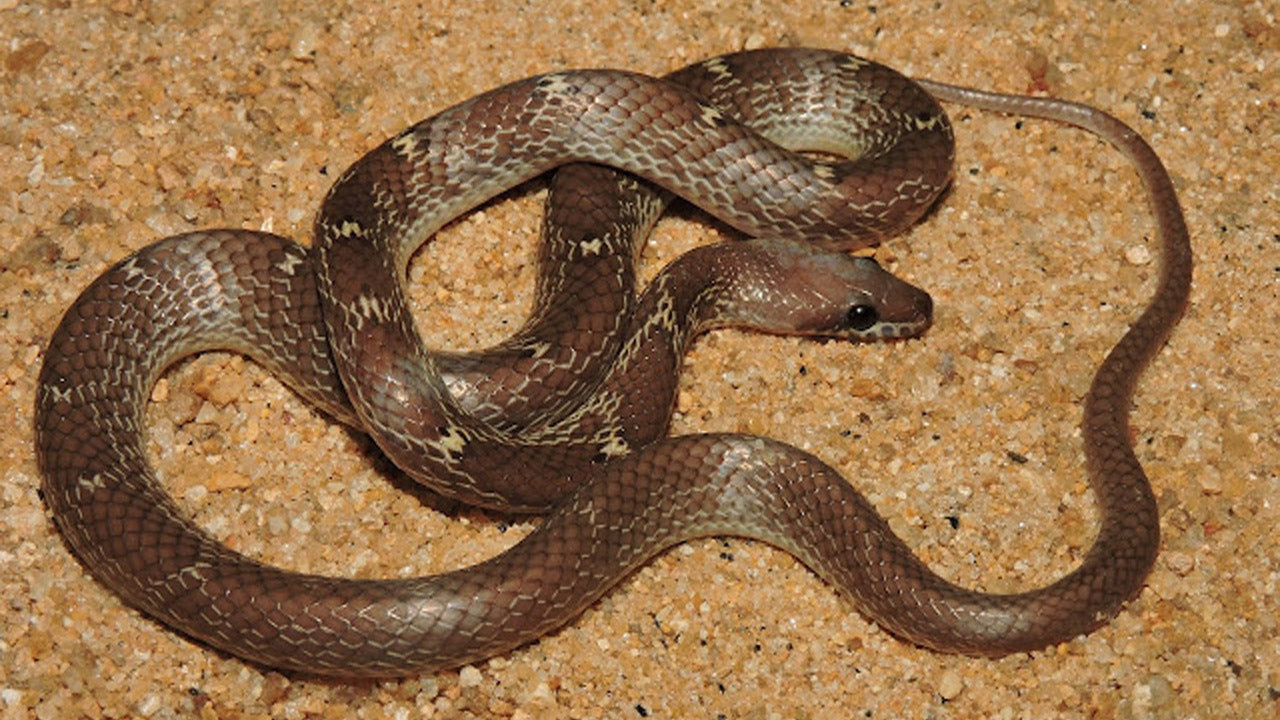 Flowery Wolf Snake
Lycodon anamallensis
-
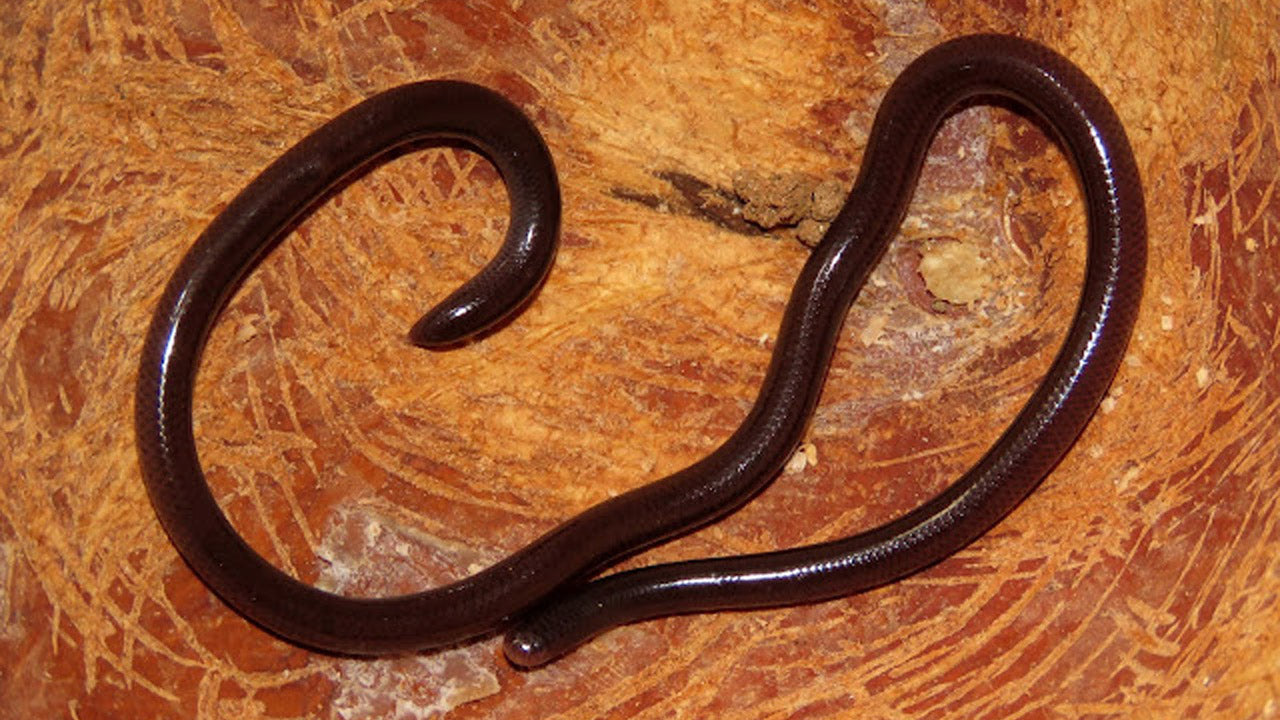 Brahminy Blind Snake
Indotyphlops braminus
-
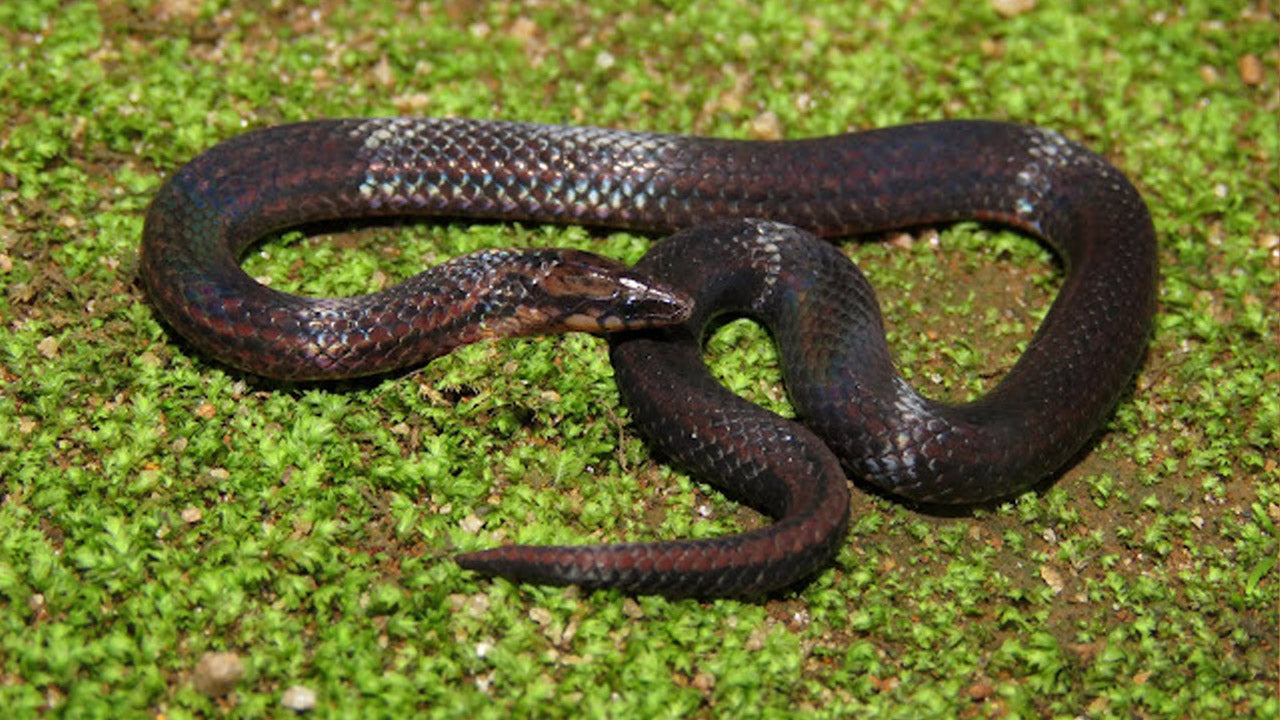 Common Rough-sided Snake
Aspidura trachyprocta
-
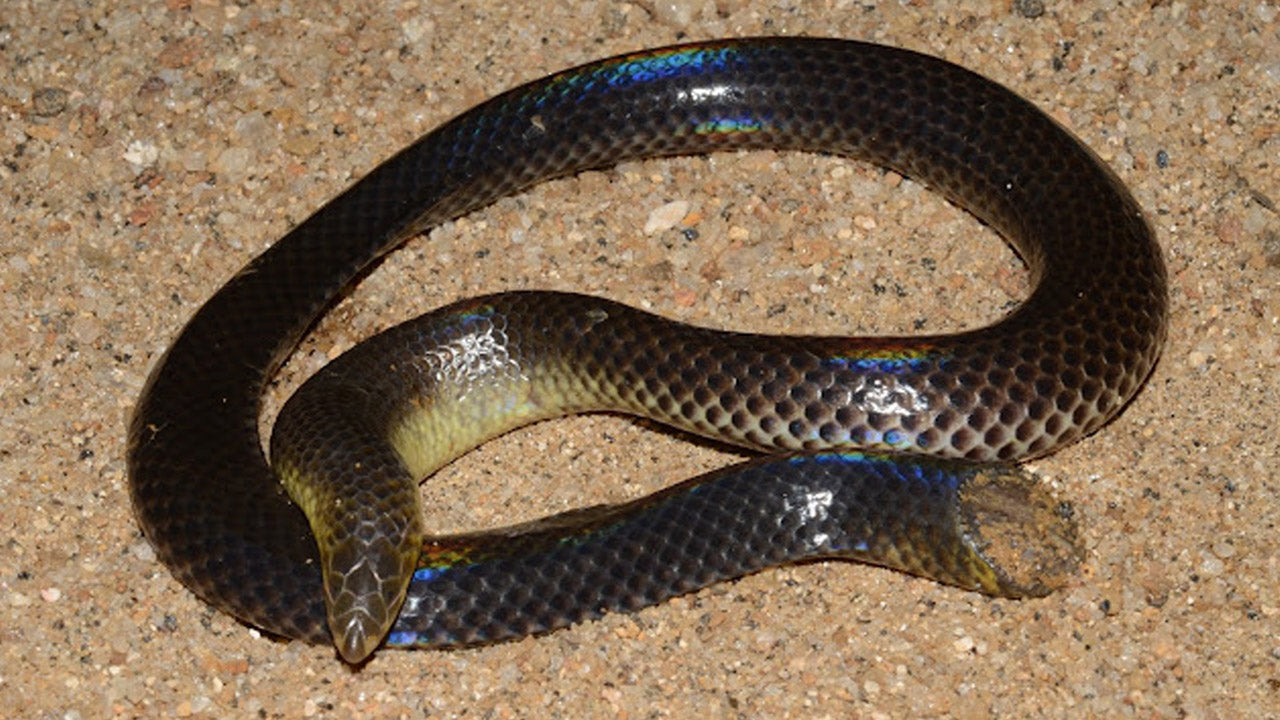 Large Shieldtail
Rhinophis saffragamus
-
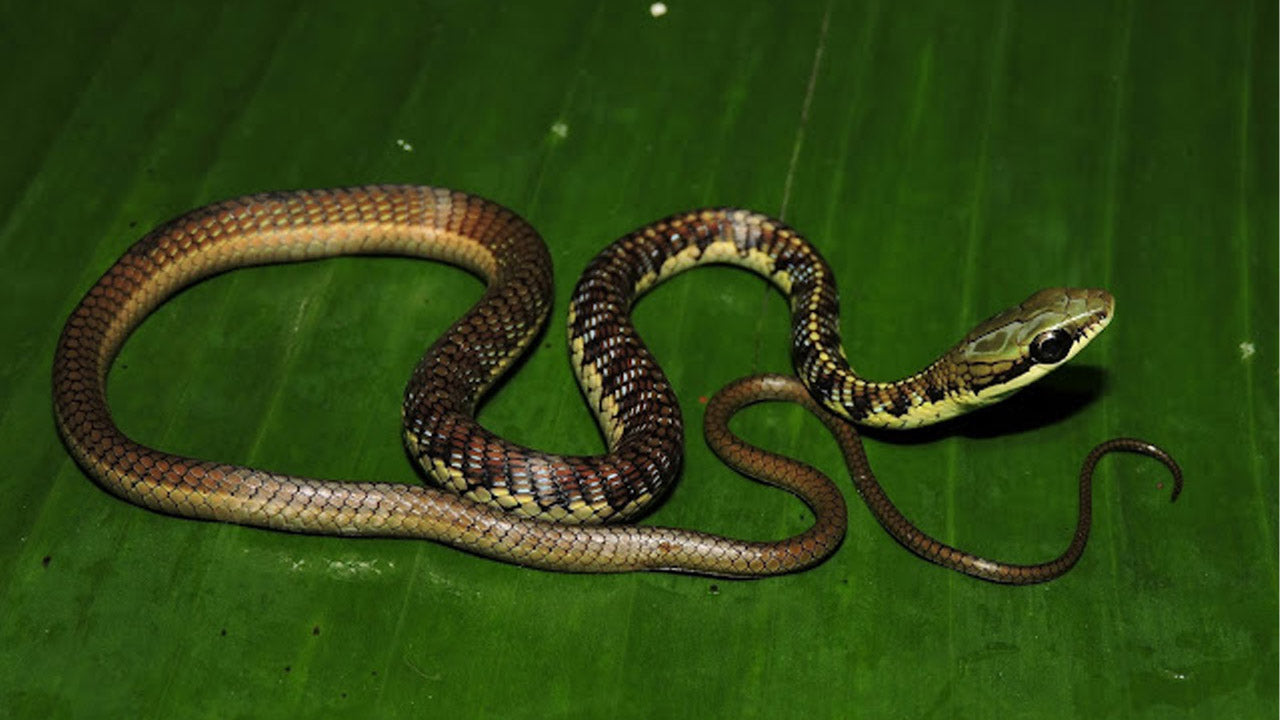 Schokar's Bronzeback
Schokar's bronzeback
-
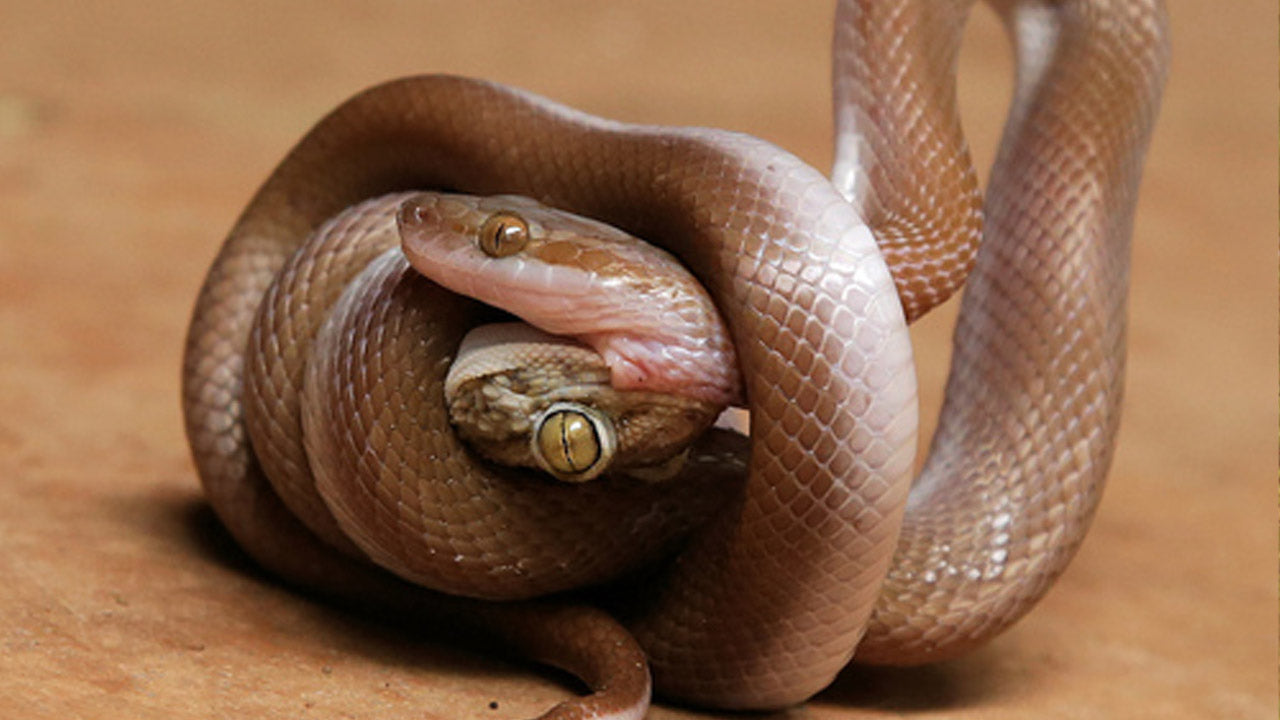 Jan's Worm Snake
Typhlops mirus
-
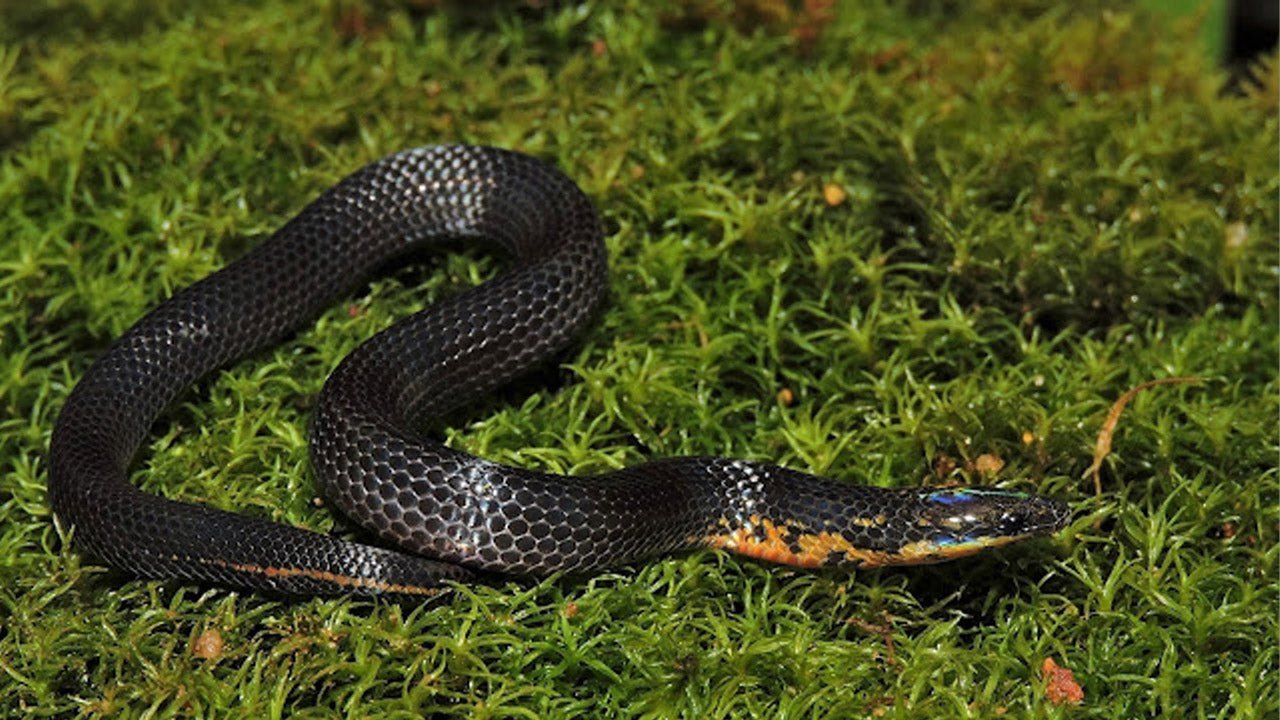 Ravana's Rough-sided Snake
Aspidura ravanai
-
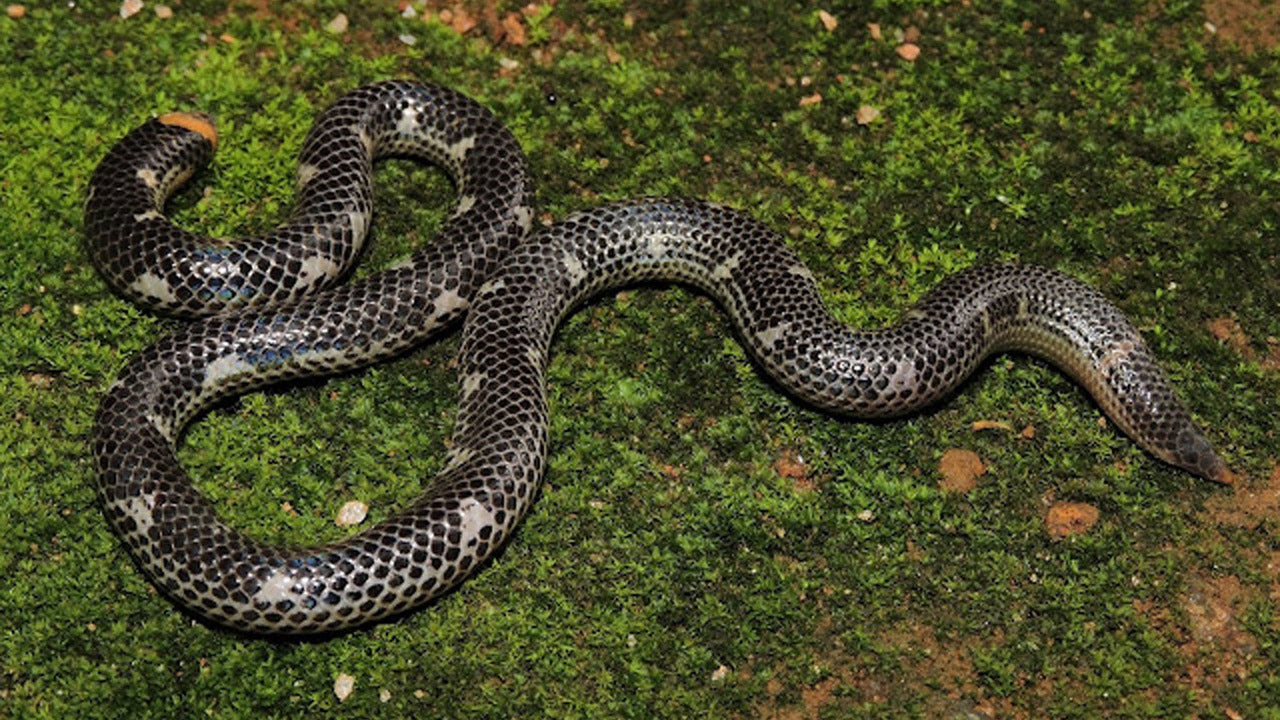 Hemprich's Shieldtail
Uropeltis hemprichii.
-
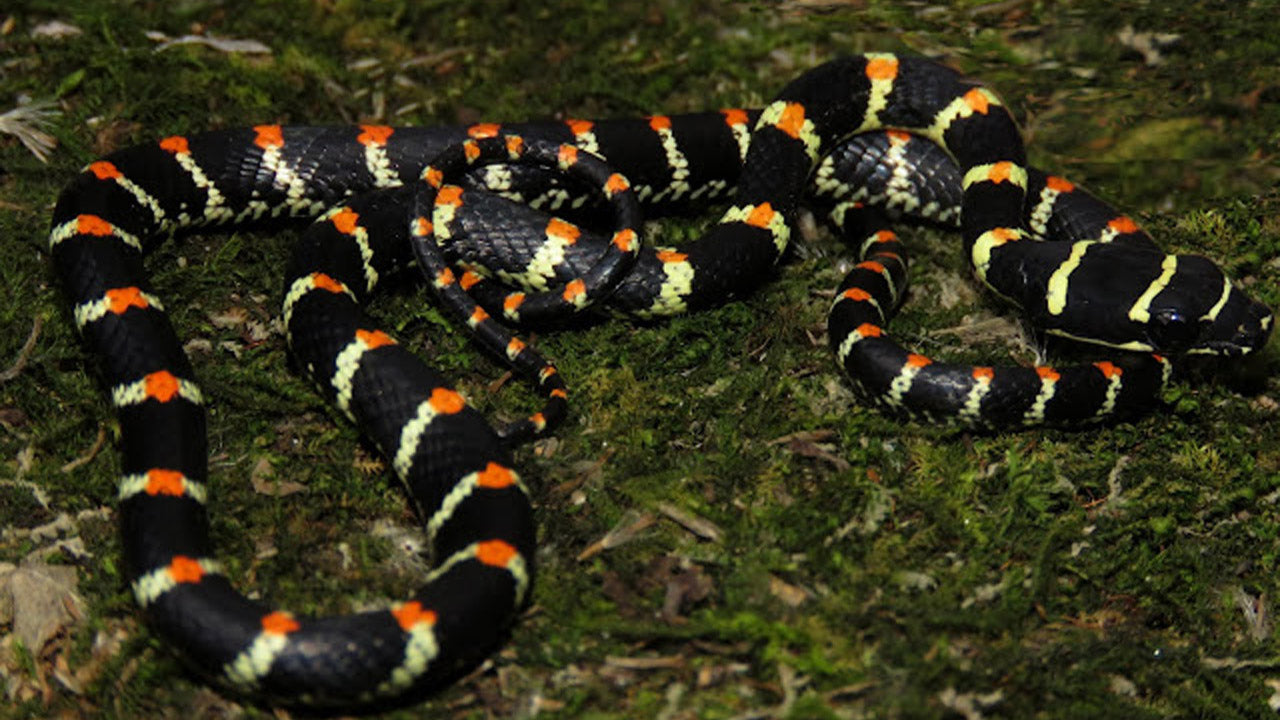 Ornate Flying Snake
Chrysopelea ornata
-
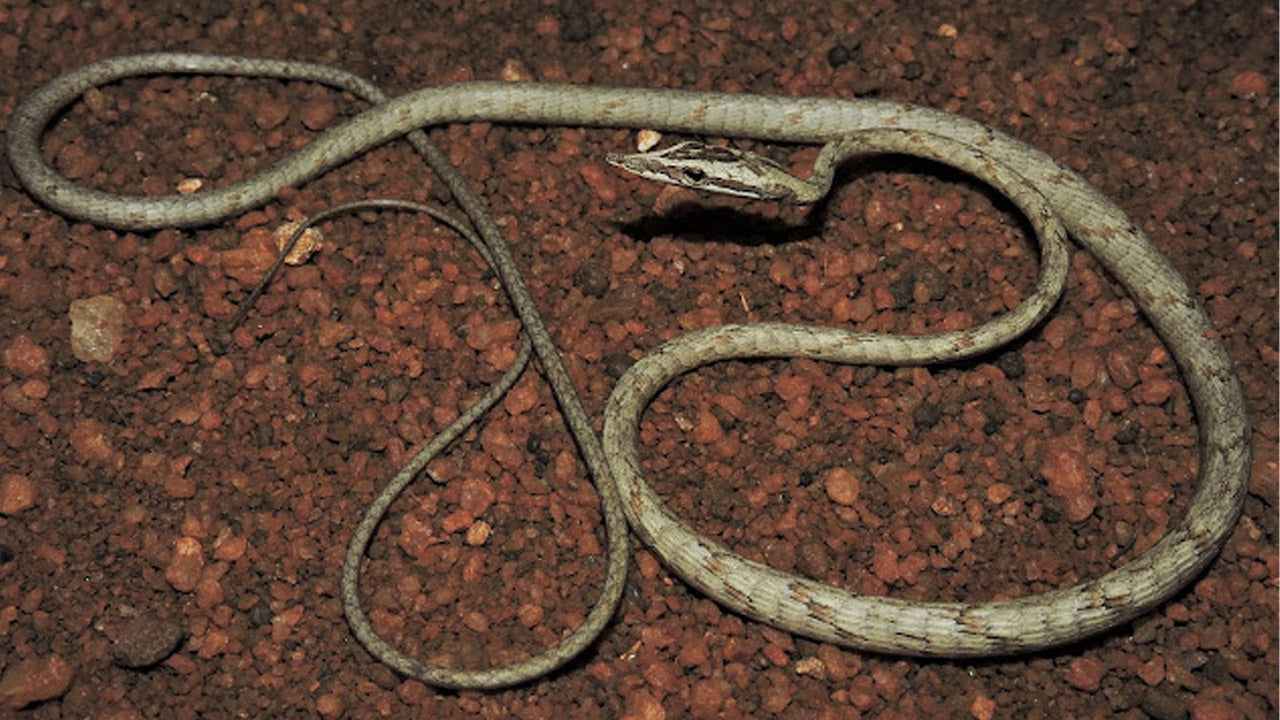 Brown Vine Snake
Ahaetulla pulverulenta
-
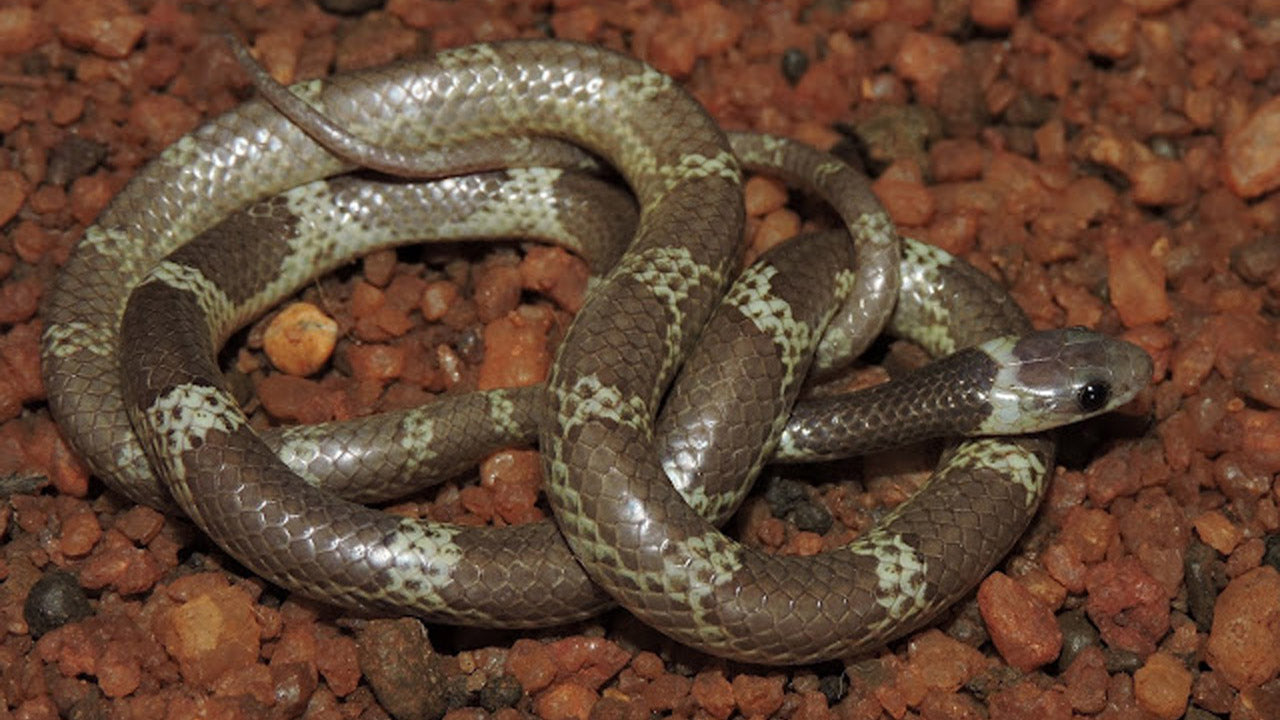 Common Bridal Snake
colubrid snake
-
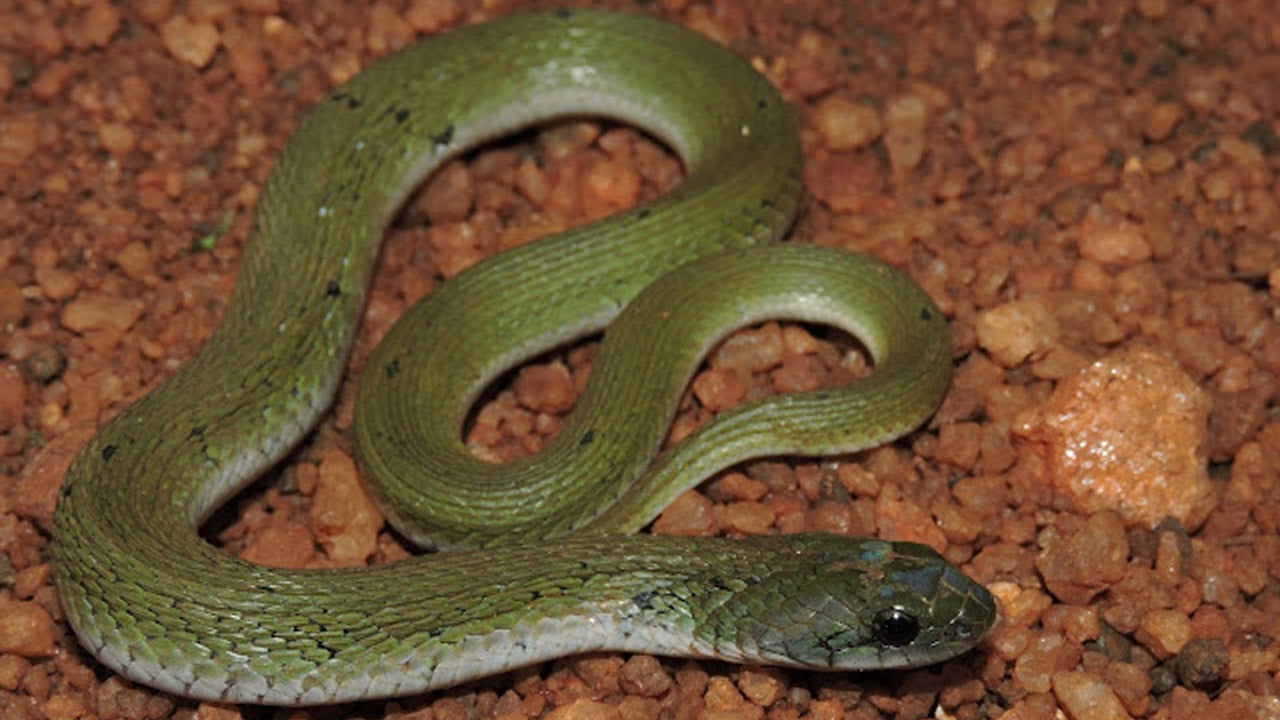 Green Keelback
Rhabdophis plumbicolor