Lakpura
Lakpura®

Water Activities

Sri Lanka's coastline stretches for over 1,500 kilometres, its interior is laced with rivers, lagoons, and reservoirs, and the Indian Ocean rolls in from both the west and the east. The result is one of Asia's most varied menus of water-based activities — equally suited to first-timers looking for gentle boat rides and experienced divers chasing reef walls. This guide covers the main options by type and region so you can match the right activity to your itinerary.
What water sports can you do on Sri Lanka's west coast?

The west coast — centred on Negombo in the north and stretching south through Bentota, Hikkaduwa, and Unawatuna — is the most accessible stretch for water sports. The sea here is calmest between November and April, making it the prime season for most activities.

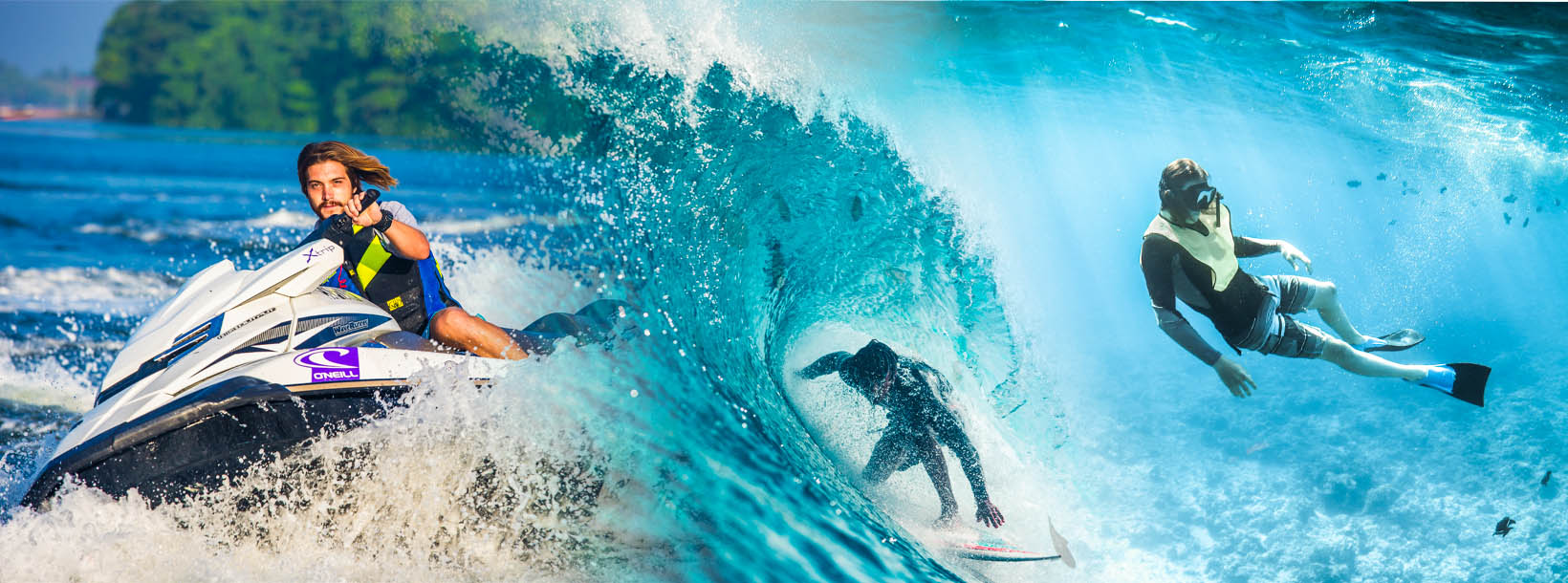
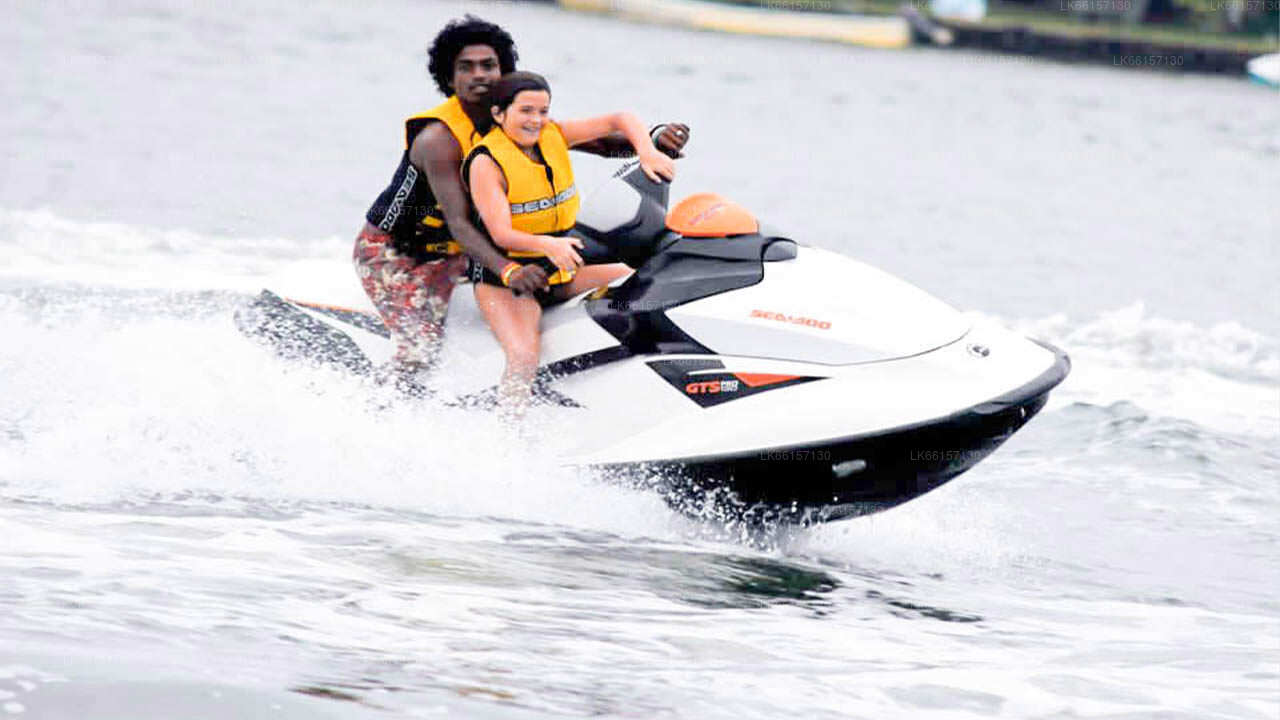
  • Jet skiing and banana boat rides — widely available at beach hotels between Negombo and Hikkaduwa; no prior experience required.
  • Wakeboarding and water-skiing — Bentota and Bolgoda Lake are the most popular spots, with calm inland water that suits beginners and intermediate riders.
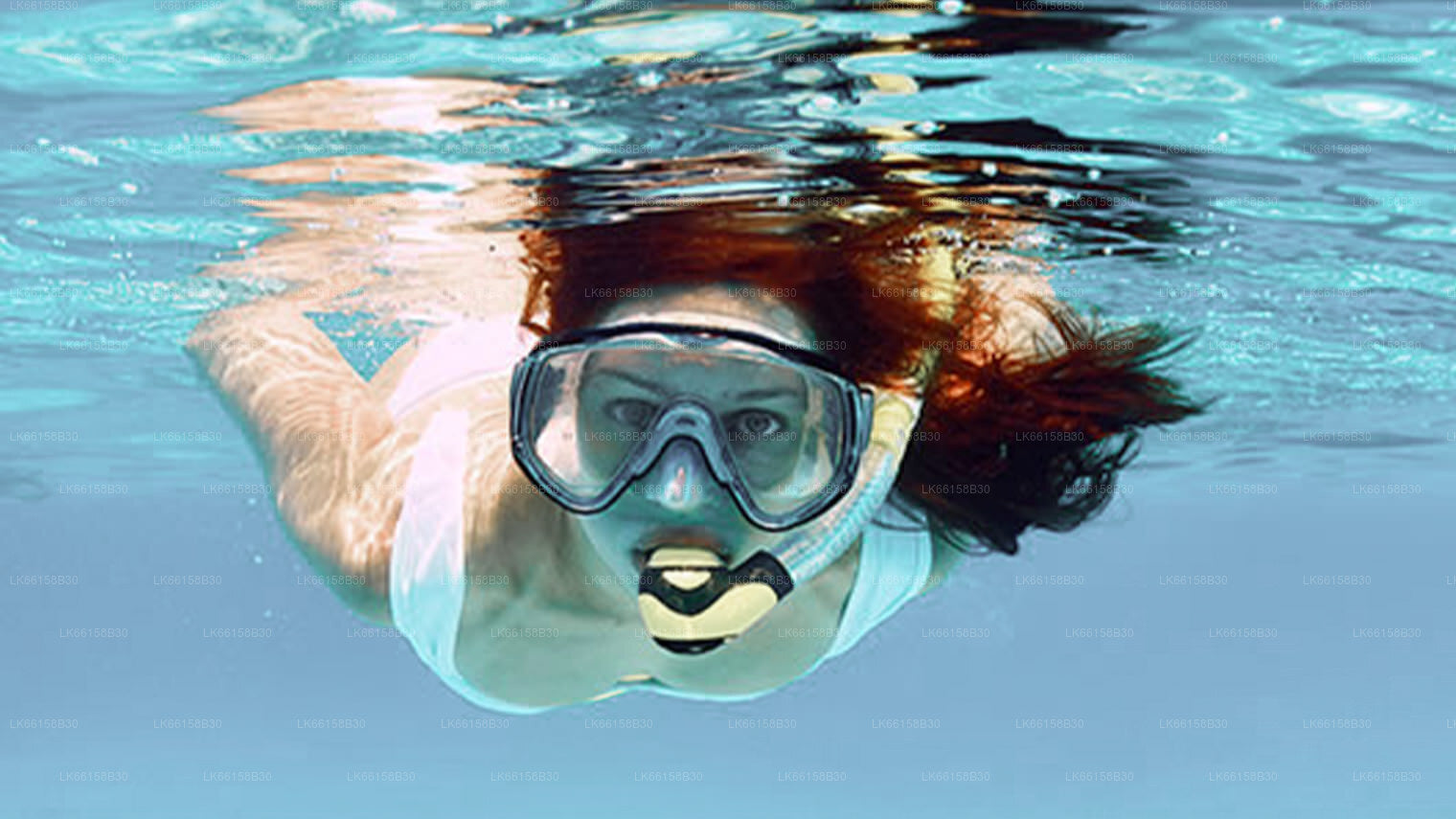
  • Snorkelling — Hikkaduwa's reef is one of the most accessible in the country, sitting just offshore in shallow water.
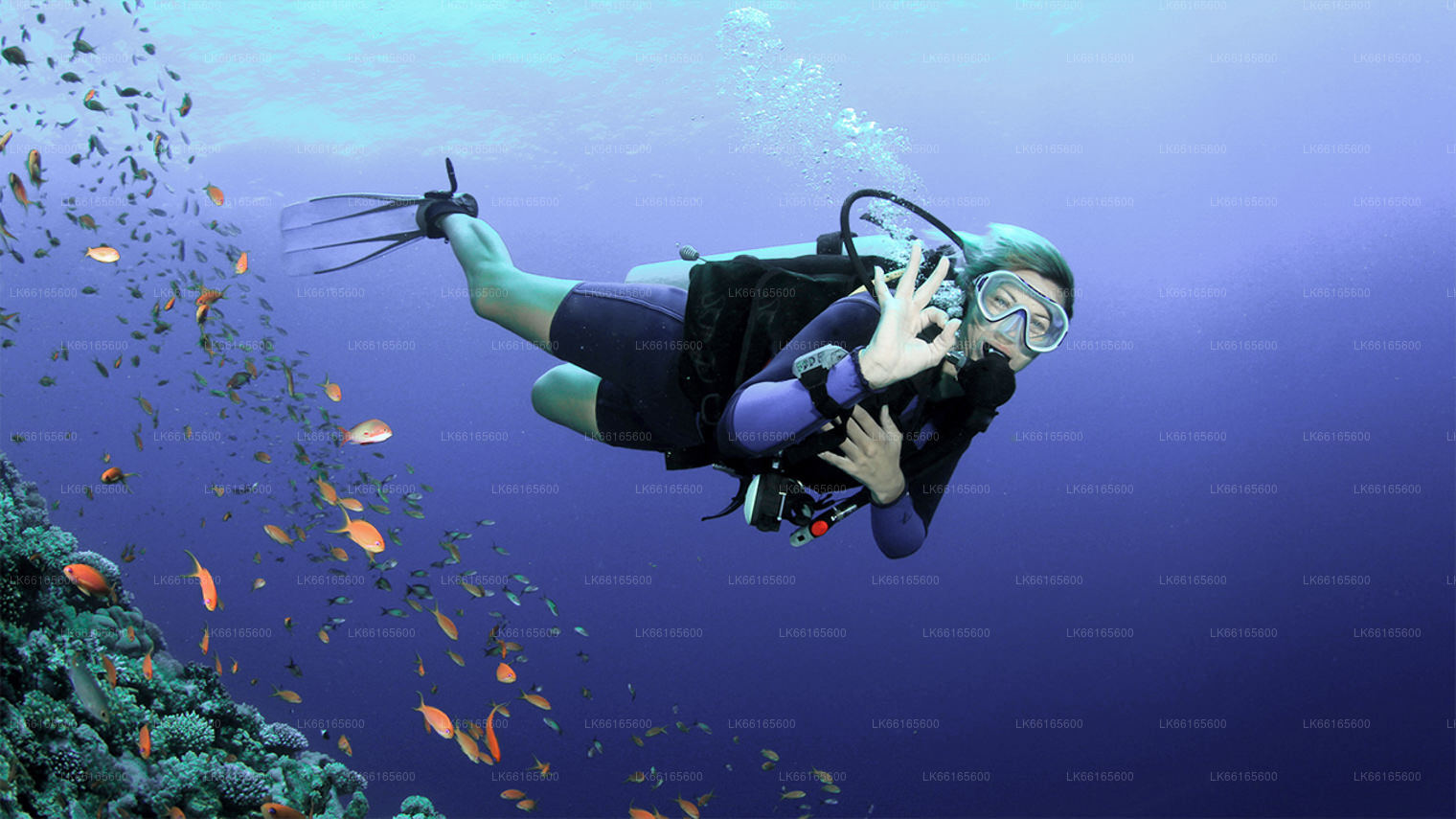
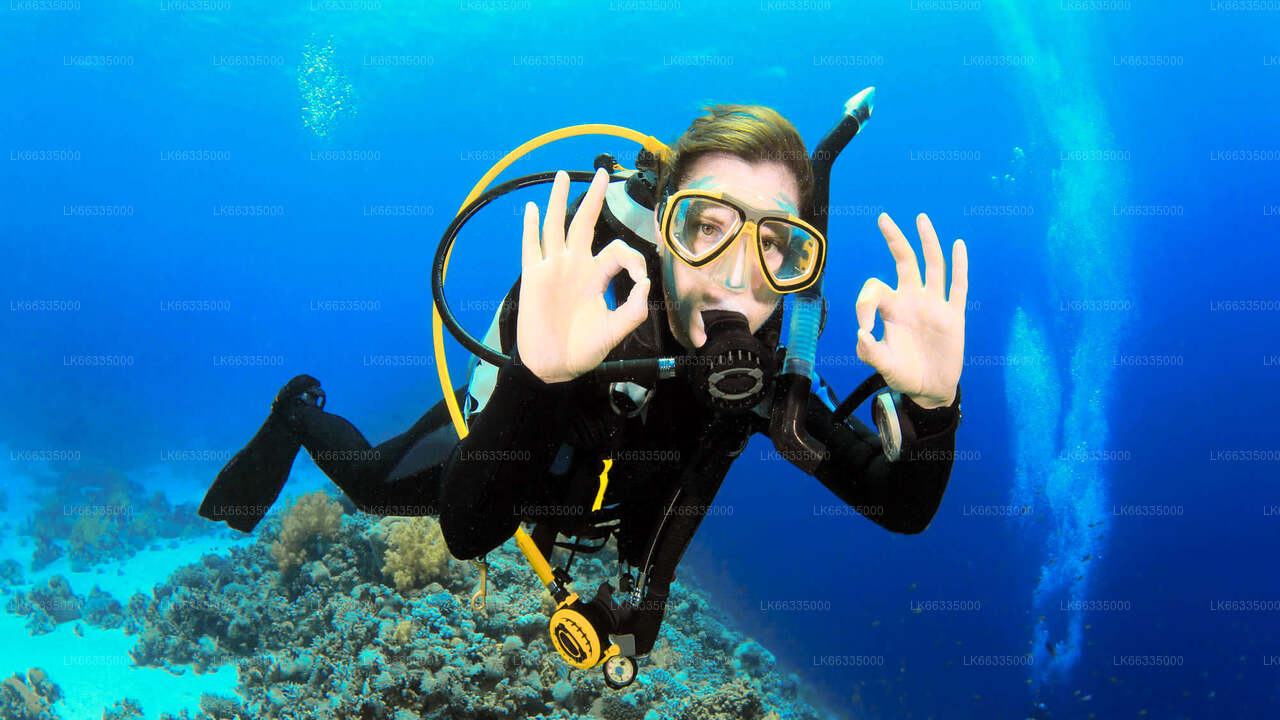
  • Scuba diving — Bentota and Hikkaduwa both have dive centres offering fun dives and certification courses. Wreck diving on colonial-era ships is an added draw around Hikkaduwa.
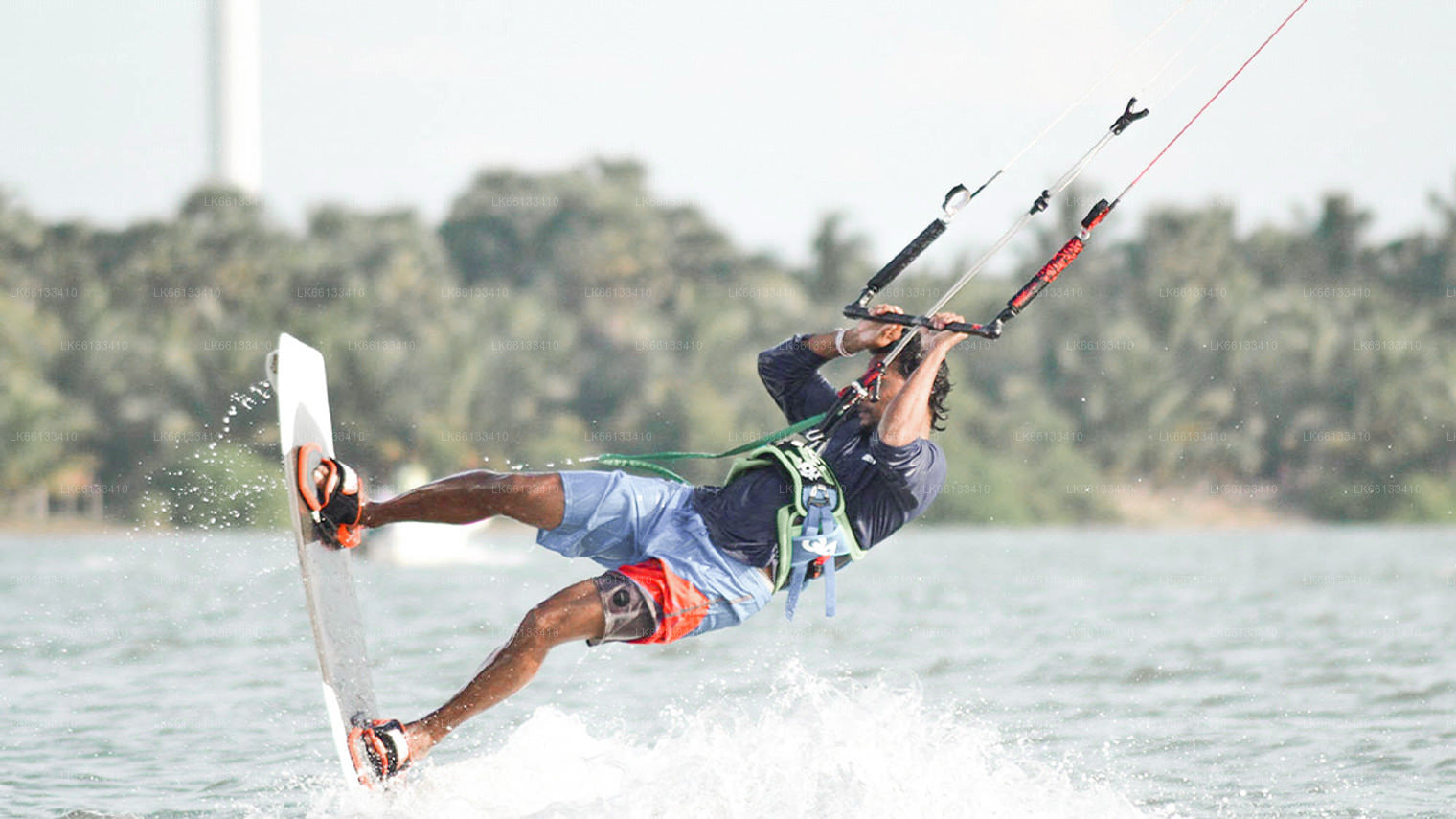
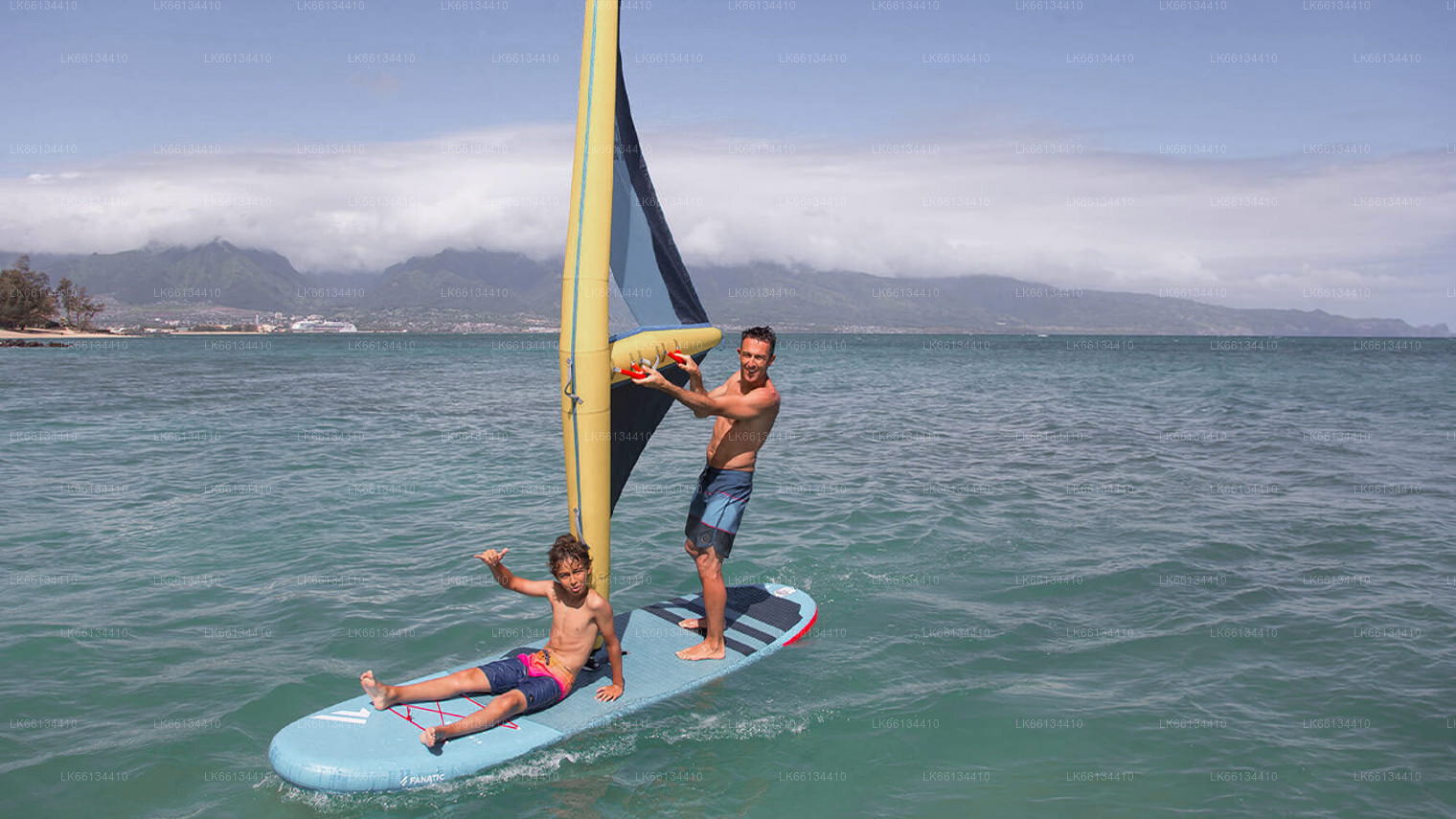
  • Windsurfing and kitesurfing — Kalpitiya, a narrow peninsula roughly three hours north of Colombo, is the island's best kitesurfing destination, particularly between May and October when the south-west monsoon produces consistent winds.

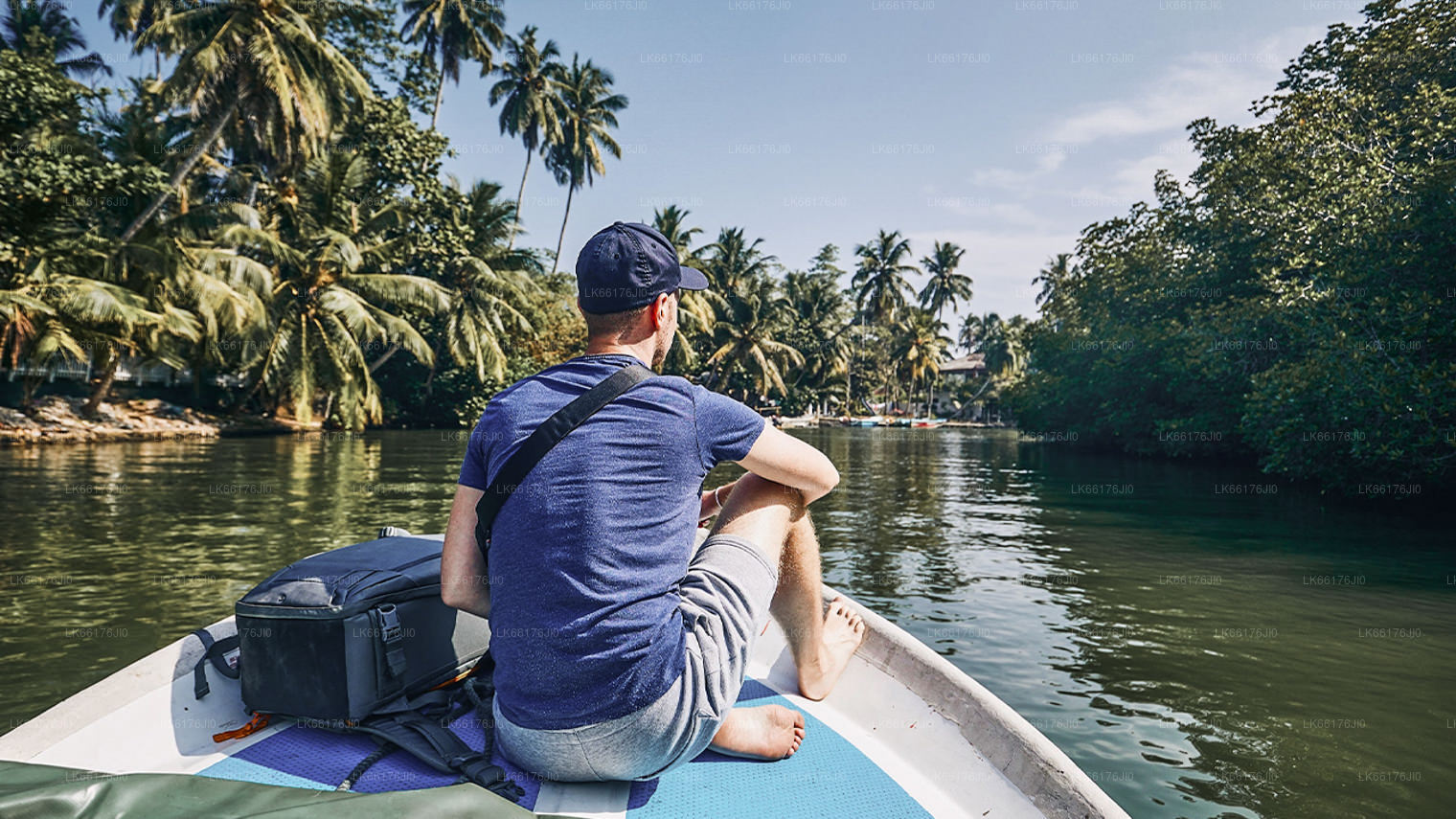
Bolgoda Lake, south of Colombo, is a sheltered freshwater option for those who prefer calmer conditions. The lake's waterways also pass mangrove fringes, making a boat excursion here genuinely scenic.

What water activities are available on the south coast?

The south coast — from Unawatuna through Mirissa and Tangalle — is best visited between November and April. Surf culture is strong here, and several spots attract intermediate to advanced surfers.

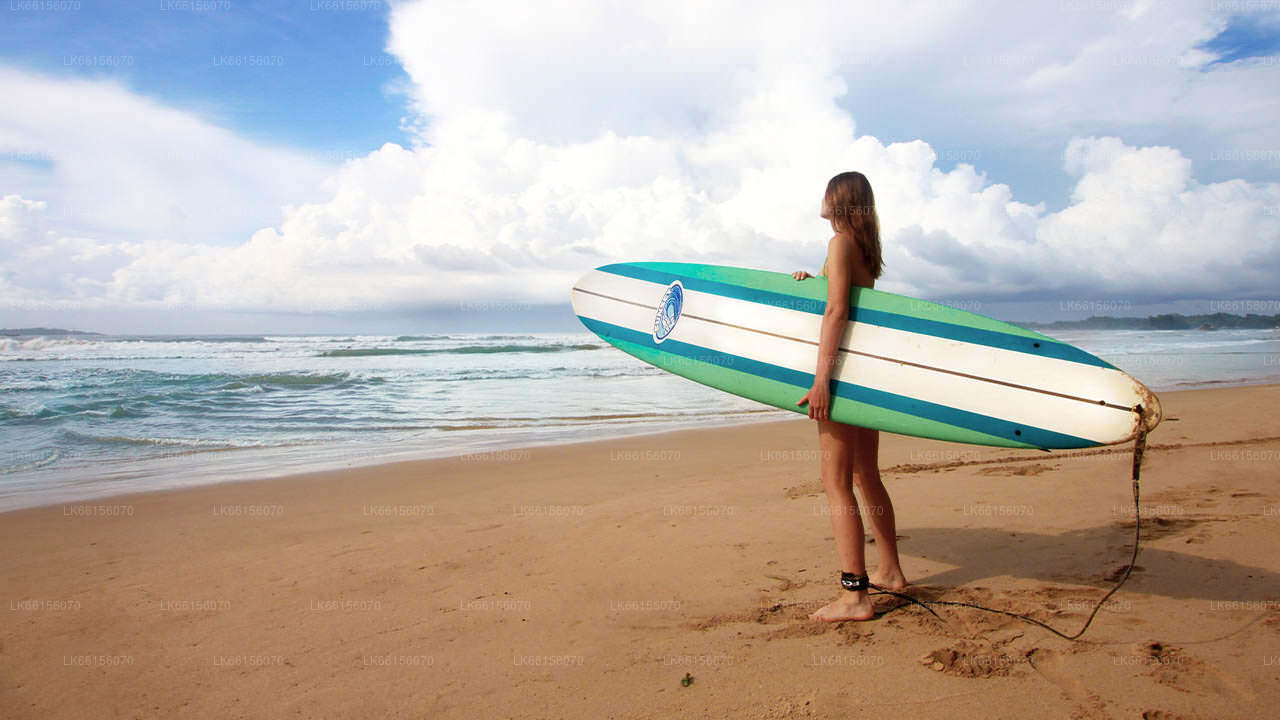
  • Surfing — Midigama, Weligama, and Ahangama are reliable breaks for beginner and intermediate surfers. Weligama in particular has a long, gentle bay that makes learning relatively forgiving.
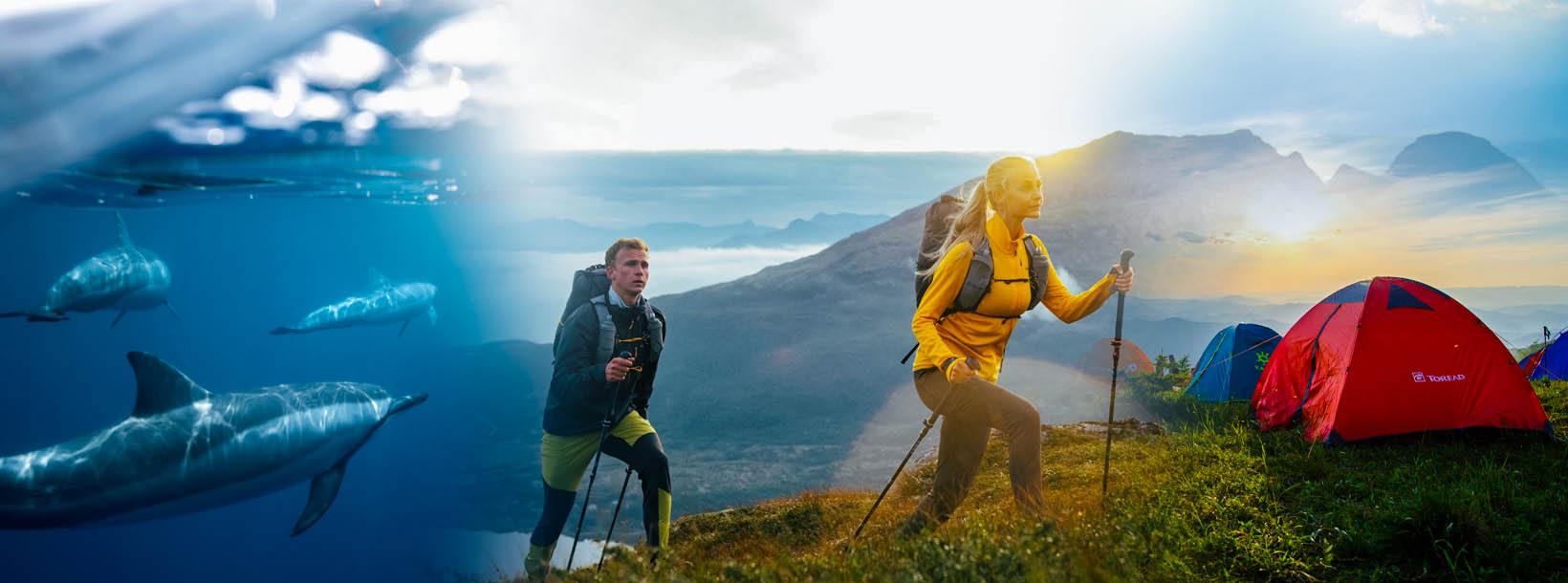
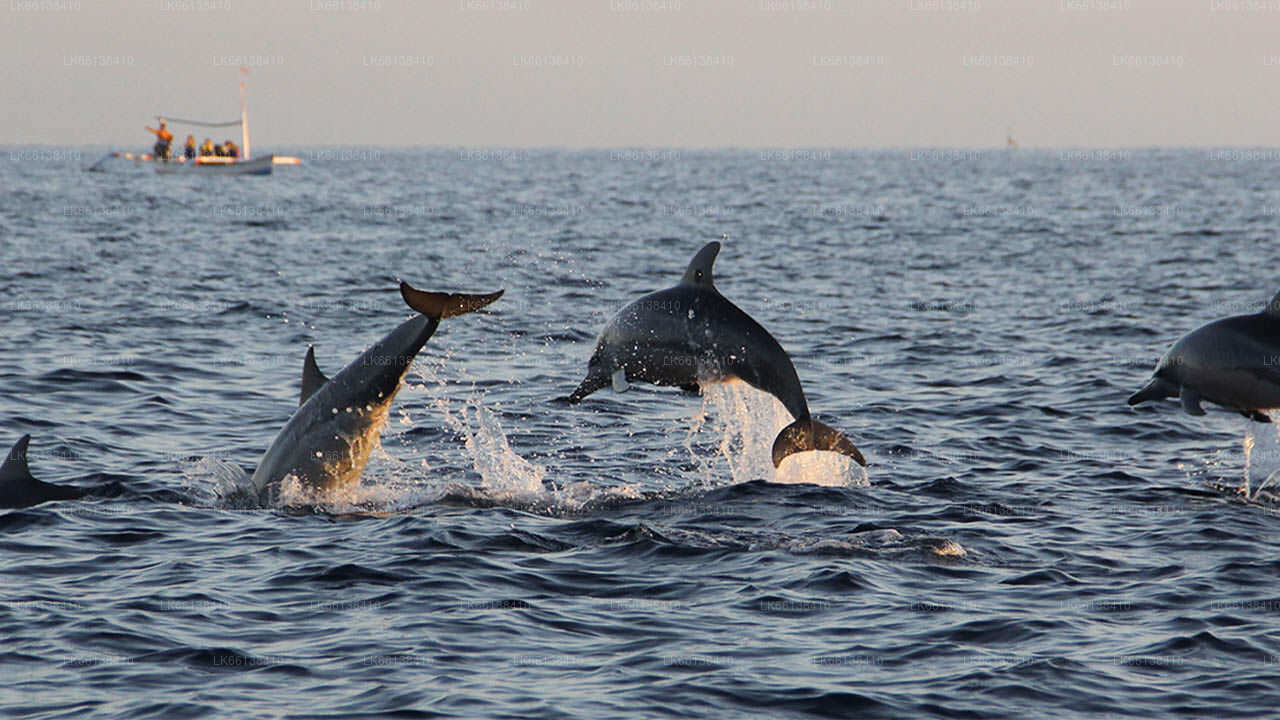
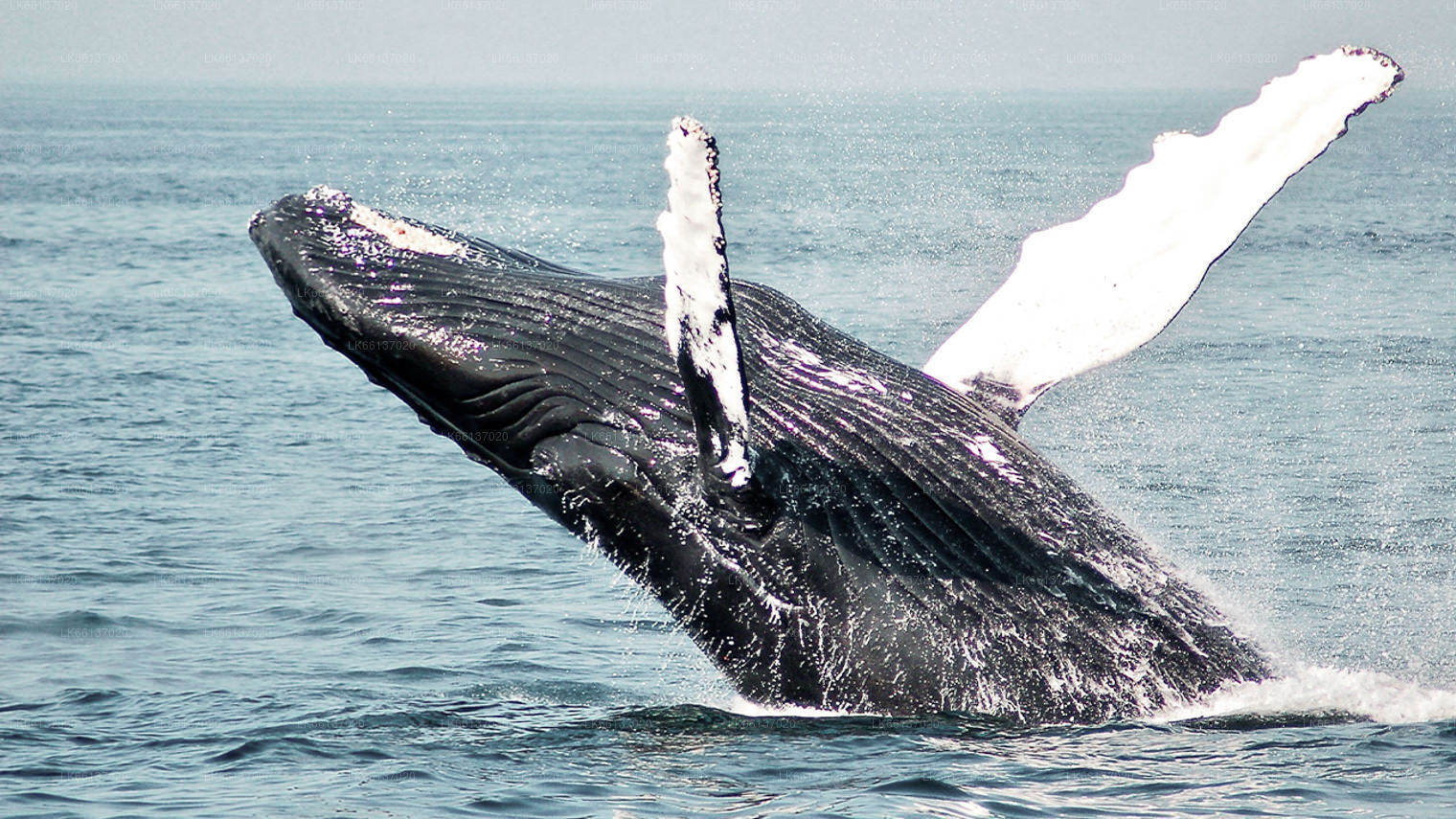
  • Whale and dolphin watching — Mirissa is one of the best places in the world to spot blue whales between December and April. Boat trips typically depart before dawn to reach the feeding grounds.
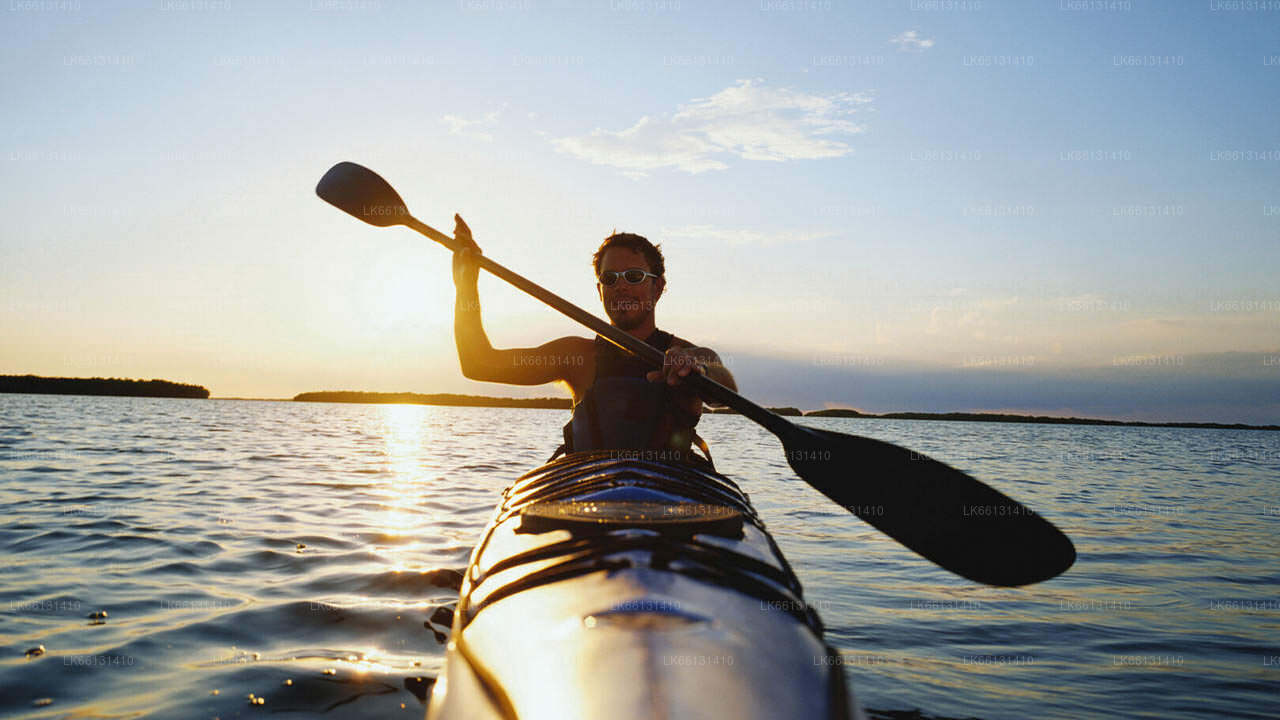
  • Water sports from Unawatuna — kayaking, glass-bottom boat tours, and snorkelling trips to Jungle Beach are popular half-day options here.
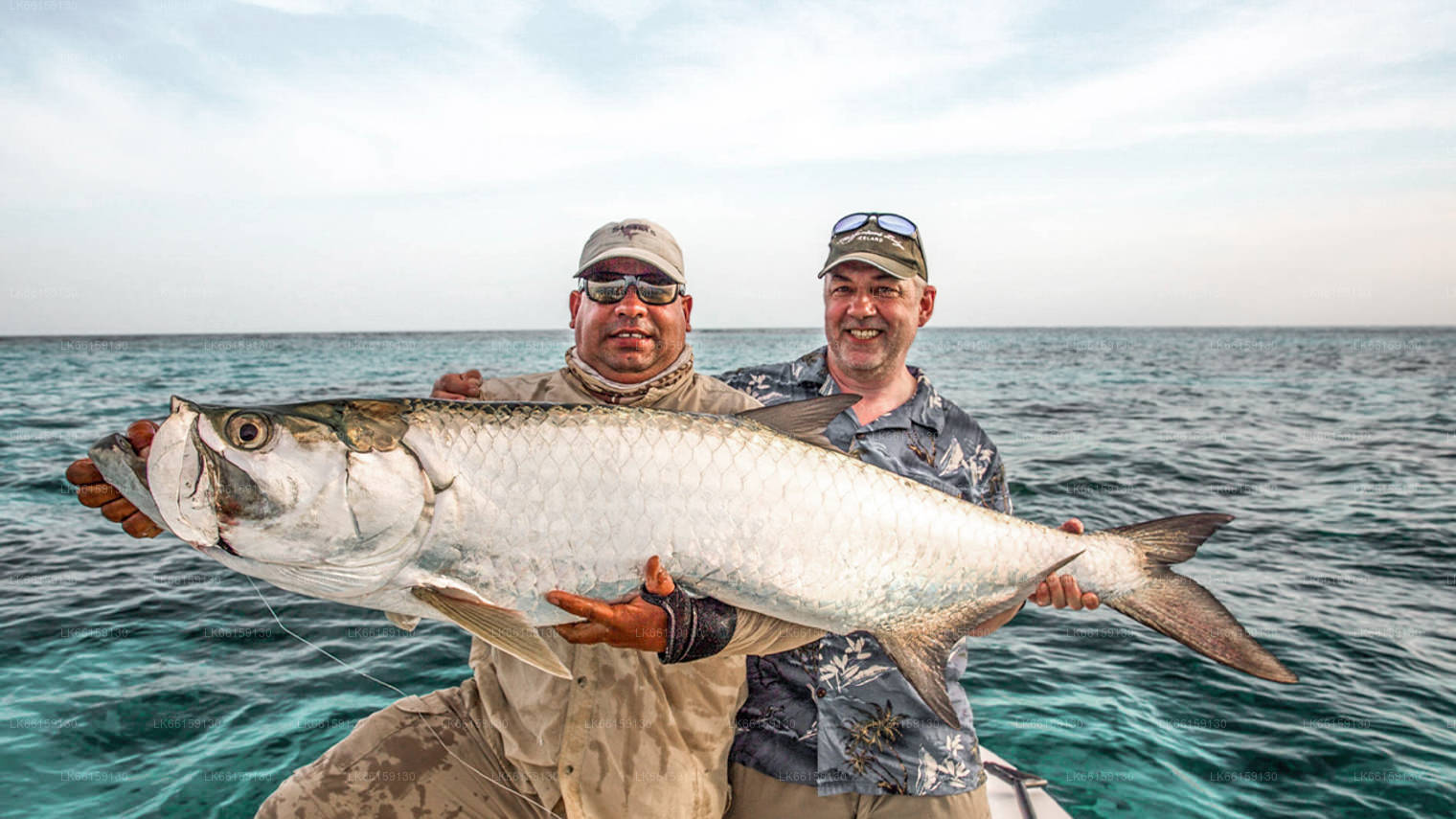
  • Deep-sea fishing — the waters off the south coast hold marlin, yellowfin tuna, and dorado. Deep-sea fishing charters operate out of Mirissa, Tangalle, and Galle Harbour; most trips run four to eight hours.

Where can you surf and dive on the east coast?

Sri Lanka's east coast faces the Bay of Bengal and follows the opposite seasonal pattern: it is calm and clear from May to October, when the west coast is under the south-west monsoon. This means Trincomalee, Arugam Bay, and Pasikudah offer excellent conditions during the northern summer months.

  • Arugam Bay — internationally recognised as one of Asia's top surf destinations, with point breaks suitable for intermediate and advanced surfers. The main point is best from June to September.
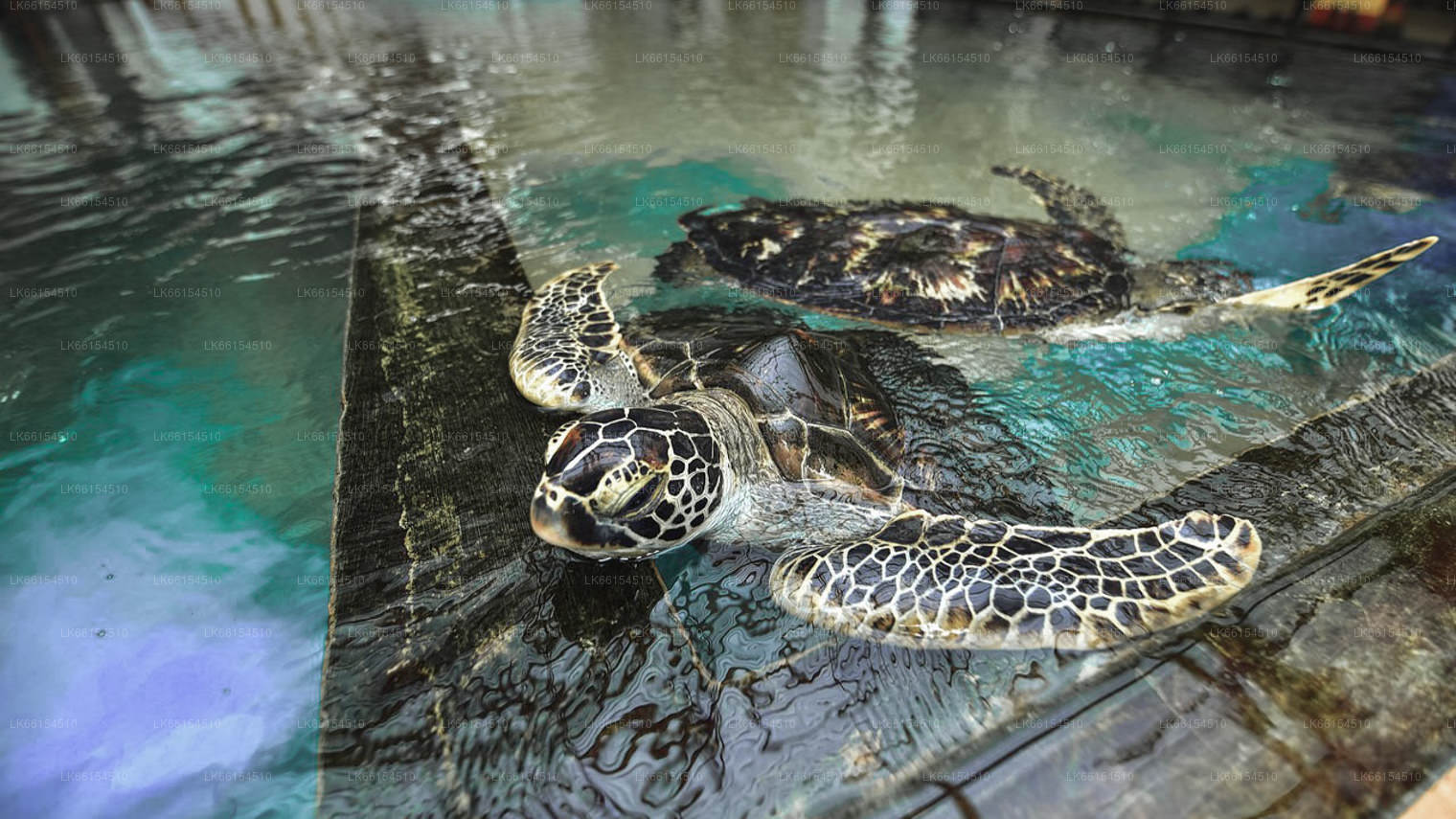
  • TrincomaleePigeon Island, a short boat ride from Nilaveli beach, has some of the clearest water in the country and healthy coral populated by blacktip reef sharks, sea turtles, and reef fish. Snorkelling here is exceptional.
  • Pasikudah — a shallow, sheltered bay with calm, turquoise water; ideal for swimming, kayaking, and stand-up paddleboarding even with children.

What river and lagoon experiences does Sri Lanka offer?

Away from the beach, Sri Lanka's rivers, lagoons, and reservoirs provide a quieter kind of water adventure — closer to nature and cultural heritage than adrenaline sport.

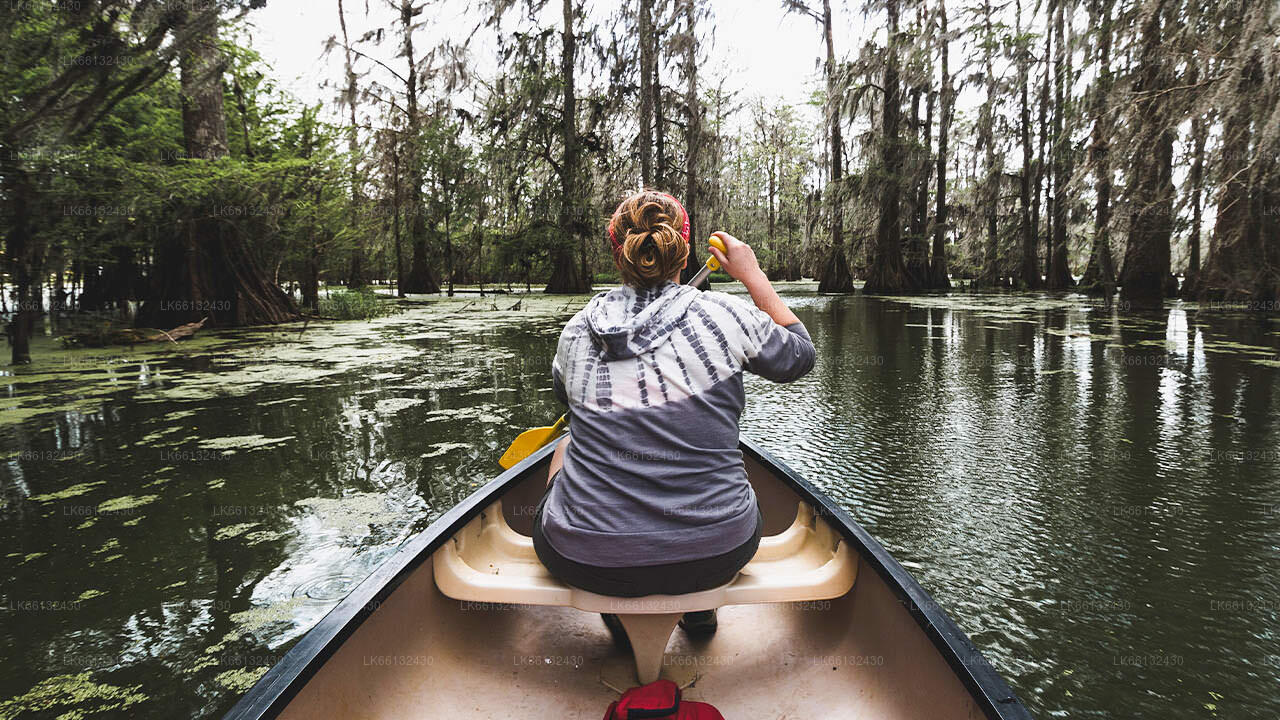
The Madu Ganga near Balapitiya is a UNESCO-listed wetland where boat rides wind through 64 islands and dense mangrove tunnels. It is one of the most rewarding half-day excursions on the west coast, particularly for birdwatchers. A Madu River Safari can be combined with a visit to a cinnamon island or a fish therapy pool.

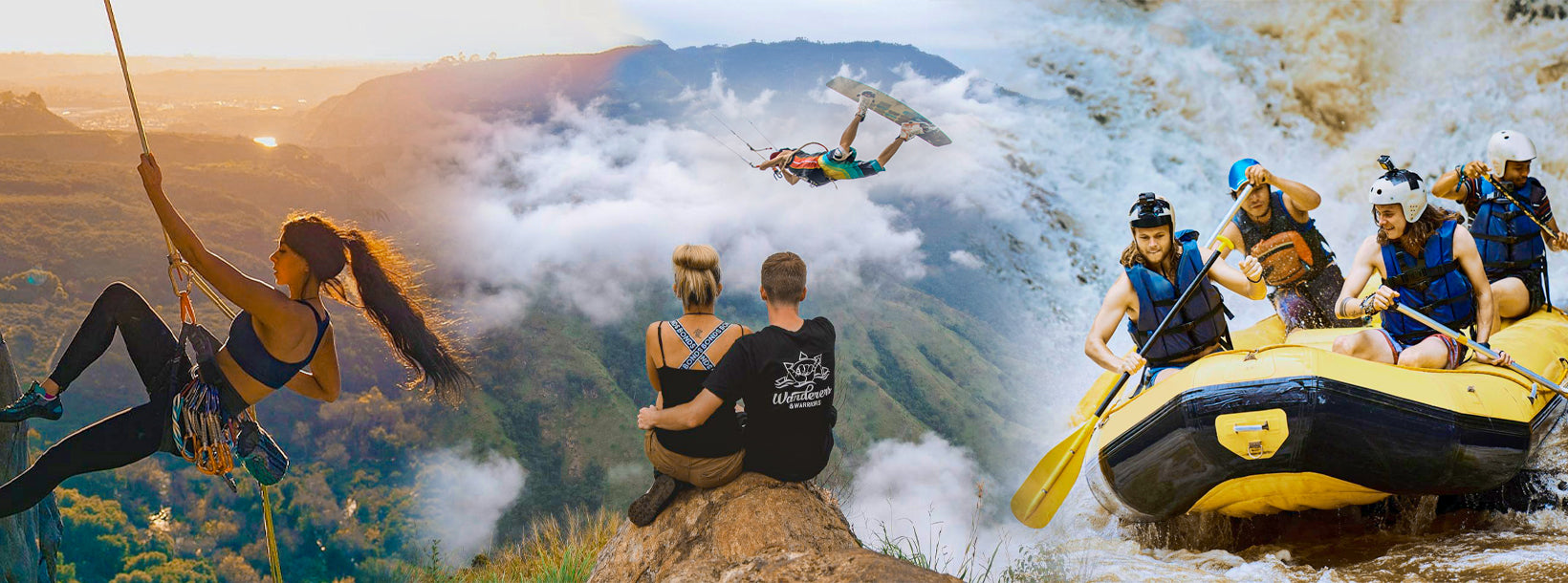
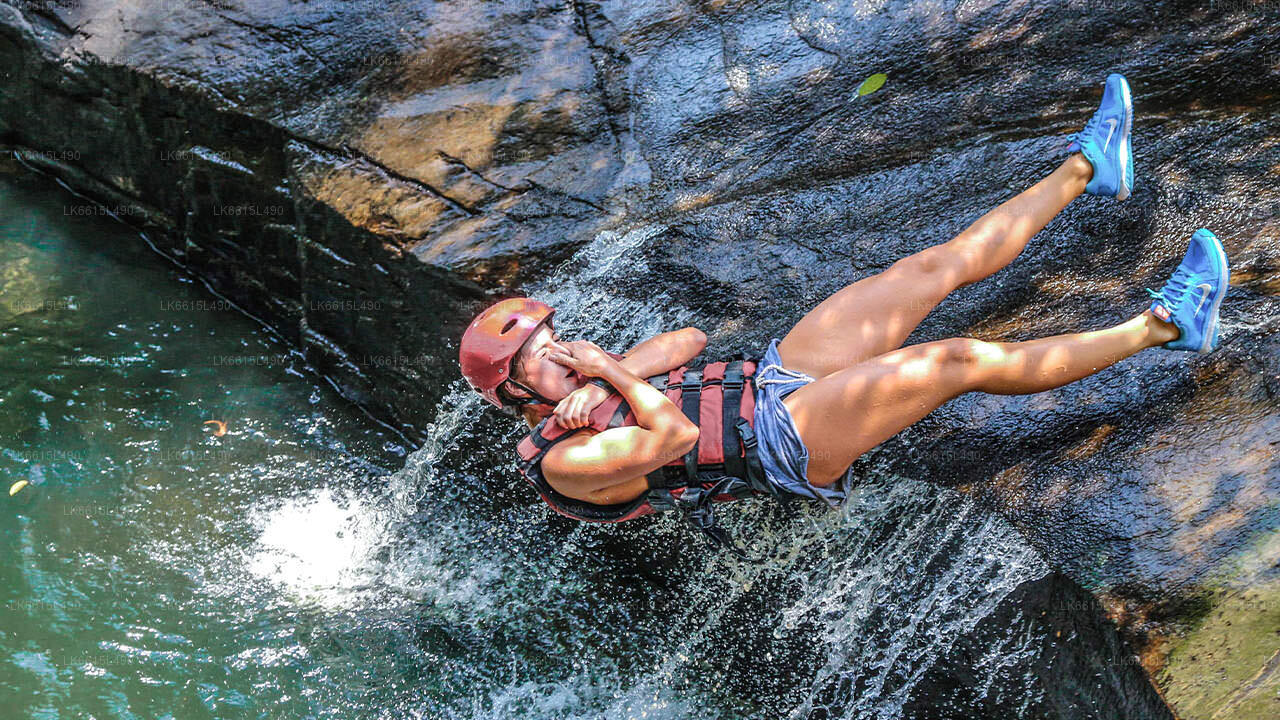
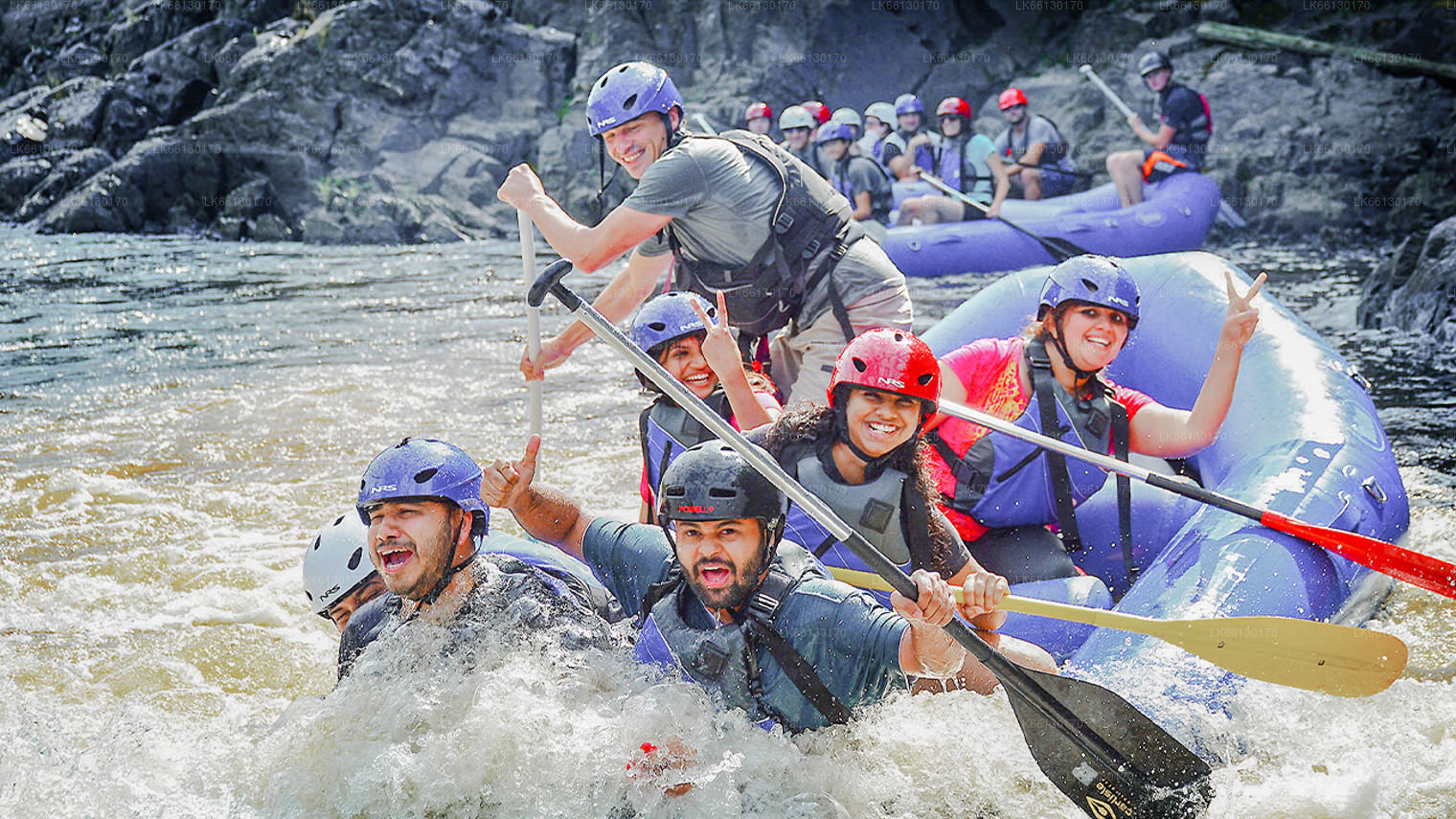
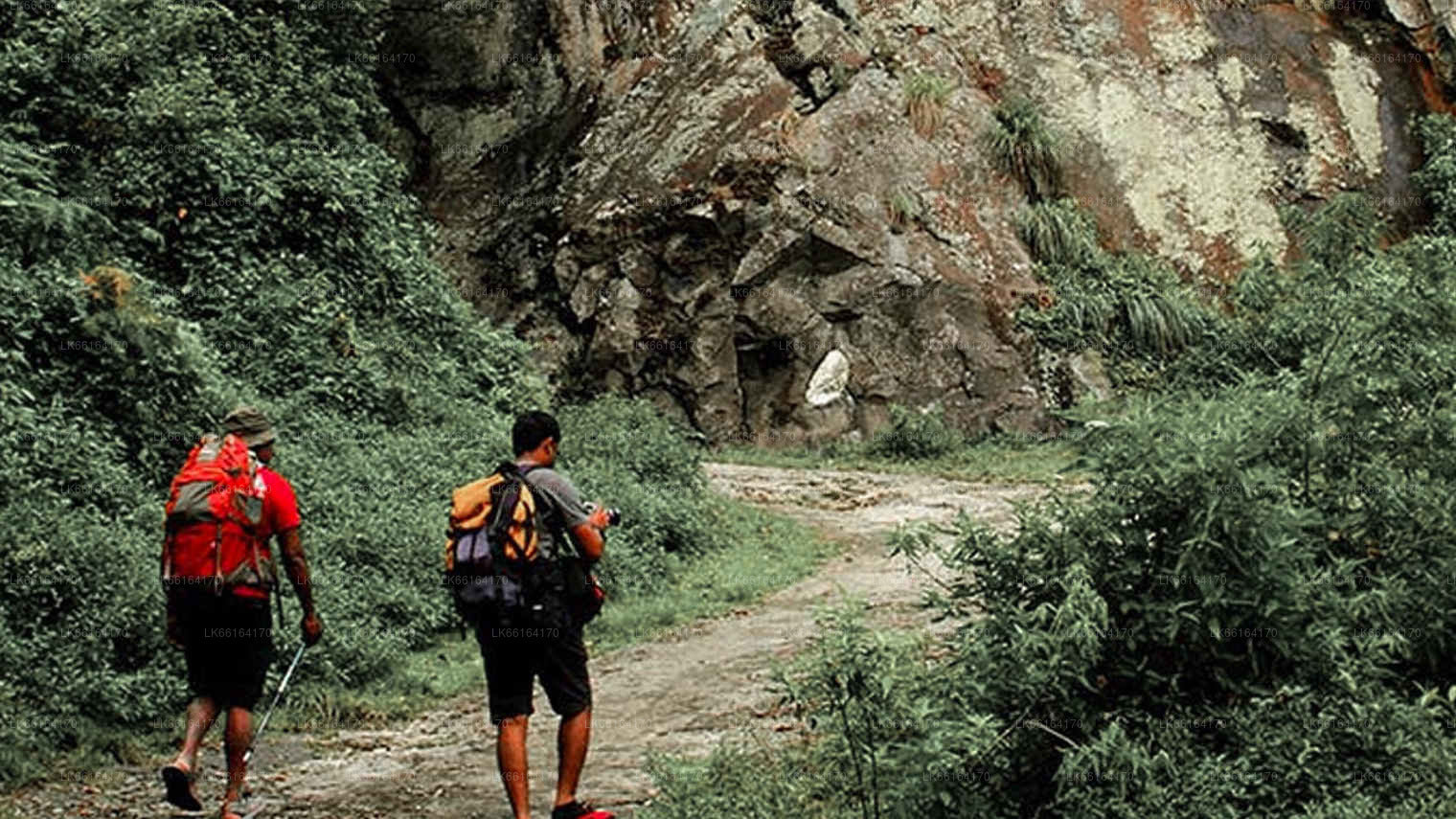
Further inland, the Mahaweli River and the reservoirs of the Cultural Triangle region offer kayaking and coracle rides. Randenigala Reservoir, east of Kandy, is popular for fishing and birdwatching from the water's edge. Kitulgala, in the Sabaragamuwa foothills, is Sri Lanka's white-water rafting hub — the Kelani River here produces rapids rated up to Grade 4, making it the most serious white-water experience available on the island.

What is the best place for white-water rafting in Sri Lanka?

Kitulgala is the undisputed centre for white-water rafting. Trips typically cover around five kilometres of the Kelani River, passing through multiple rapids. The run takes roughly two hours on the water and is suitable for those with no rafting experience, though non-swimmers should wear a life jacket (provided by operators). The surrounding rainforest — part of the Makandawa catchment — adds to the sense of remoteness. Trips can be arranged as a day excursion from Colombo or Kandy.
When is the best time for water activities in Sri Lanka?

Sri Lanka has two distinct monsoon seasons, which means at least one coast is almost always good for water activities at any time of year.
Season Period Best areas
South-west monsoon May – October East coast (Trincomalee, Arugam Bay, Pasikudah); Kalpitiya (kitesurfing)
North-east monsoon November – April West and south coasts (Bentota, Hikkaduwa, Mirissa, Unawatuna)
Inter-monsoon March – April, October Island-wide; seas may be variable but often passable

Scuba diving conditions vary by site. Trincomalee and Pigeon Island are typically clearest from May to September. Hikkaduwa and Bentota are best from December to March. Always check local visibility reports before booking a dive.

Is scuba diving in Sri Lanka suitable for beginners?

Yes. Several PADI-certified dive centres operate along the west and south coasts, offering introductory dives (no certification required) as well as full Open Water certification courses typically completed over three to four days. Bentota is one of the most popular locations for learning, thanks to its calm, clear conditions during the high season. Dive sites range from shallow reefs at around eight metres to deeper walls and wrecks beyond thirty metres, catering to all experience levels.

How do I plan water activities as part of a Sri Lanka tour?

Most beach-based activities — jet skis, banana boats, snorkelling — can be arranged on the day at any major resort beach. For specialist activities such as scuba certification, white-water rafting, or whale watching, it is worth booking in advance, particularly between December and March when operators are at full capacity. Kitulgala rafting and Kalpitiya kitesurfing typically require a half-day or full-day commitment and are best built into your itinerary rather than treated as an afterthought.

For crocodile watching on the river systems near the coast, guided boat trips are the standard and safest format — operators know which channels crocodiles frequent and what distance to maintain.

Book this experience with Lakpura

Curated by our local team. Direct booking, instant confirmation.

Ask Lakpura® Agent