Wickramasinghe's Bronzeback


Scientific Name: Dendrelaphis wickramasinghei
Family: Colubridae
Common Name(s): Wickramasinghe's Bronzeback
Overview:
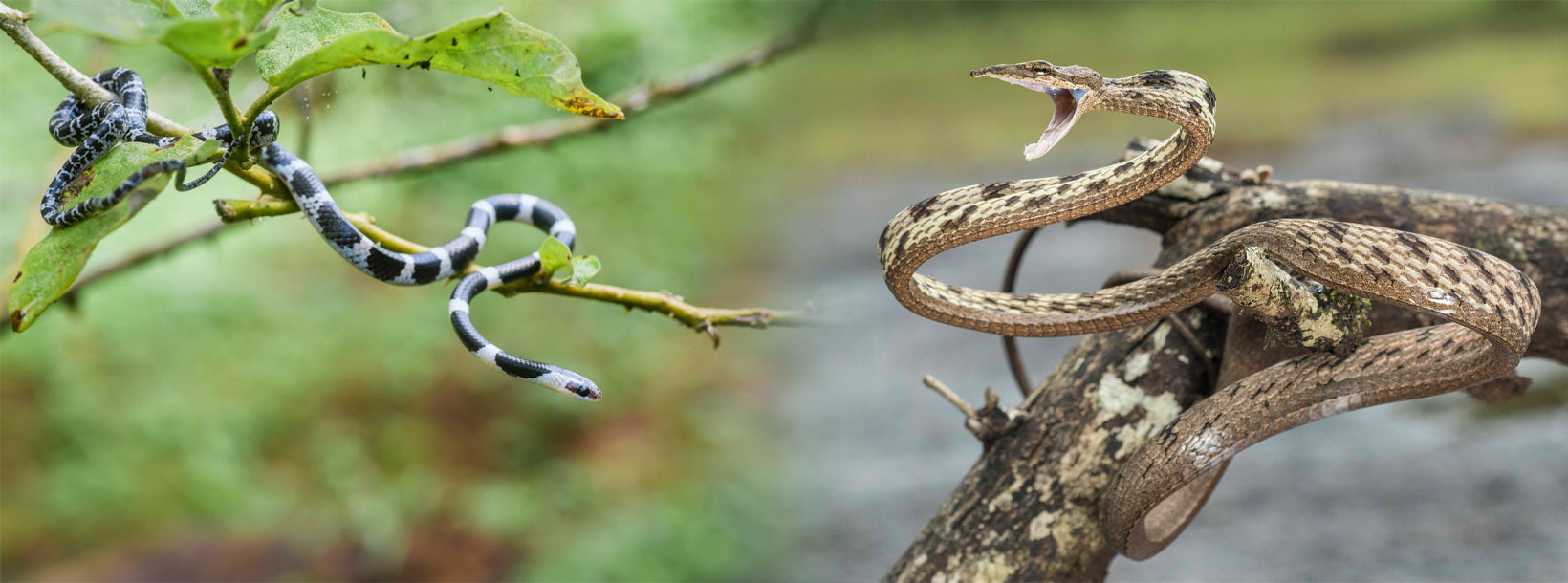
Wickramasinghe's Bronzeback (Dendrelaphis wickramasinghei) is a species of non-venomous, arboreal (tree-dwelling) snake endemic to Sri Lanka. Named after Dr. A. Wickramasinghe, the Sri Lankan herpetologist who discovered it, this species is part of the Dendrelaphis genus, known for its slender, agile bodies and distinctive green or brown coloration. Like other species in its genus, Wickramasinghe's Bronzeback is a tree-dweller, preferring forested habitats where it can easily navigate the branches in search of prey. This snake is relatively rare and is typically found in the island's wet-zone forests.
Physical Description:
- Size: Wickramasinghe's Bronzeback is a medium-sized snake, typically measuring around 1 meter (3.3 feet) in length, although some individuals may grow longer.
- Coloration: The snake's coloration is a distinctive bronze or olive-green on the dorsal (upper) side, which gives it its common name. The underside is typically lighter, often pale yellow or white, providing a contrast to the darker upper body. The body’s coloration and sleek form make it well camouflaged against the tree branches and leaves.
- Body: This snake is characterized by its slender, elongated body, which is typical of many arboreal species. It has smooth scales and a streamlined shape that makes it an efficient climber.
- Head: The head is slightly flattened and narrow, distinct from the body, and its eyes are large, which enhances its vision in the forest canopy.
Habitat and Distribution:
- Geographical Range: Wickramasinghe's Bronzeback is found exclusively in Sri Lanka, particularly in the central and southern parts of the island. Its distribution is confined to the wet-zone forests, including areas like Sinharaja Forest Reserve and the surrounding rainforests.
- Habitat: The species thrives in tropical rainforests and other lush, tree-dense environments where it can easily climb and move through the branches. It is typically found in areas with high humidity, such as forests near streams, waterfalls, and moist ravines. Wickramasinghe's Bronzeback is arboreal but can also be found on the forest floor when hunting or searching for mates.
Behavior and Diet:
- Arboreal Lifestyle: As an arboreal species, Wickramasinghe's Bronzeback is primarily tree-dwelling, spending most of its life among the branches. Its slender body and excellent climbing abilities allow it to move swiftly through trees and shrubs. This behavior also helps the snake avoid many of its natural predators, as it is well-adapted to life in the canopy.
- Diet: Wickramasinghe's Bronzeback is carnivorous and primarily feeds on small vertebrates such as lizards, frogs, and other small amphibians. It has also been known to prey on birds and other small mammals. Th
-
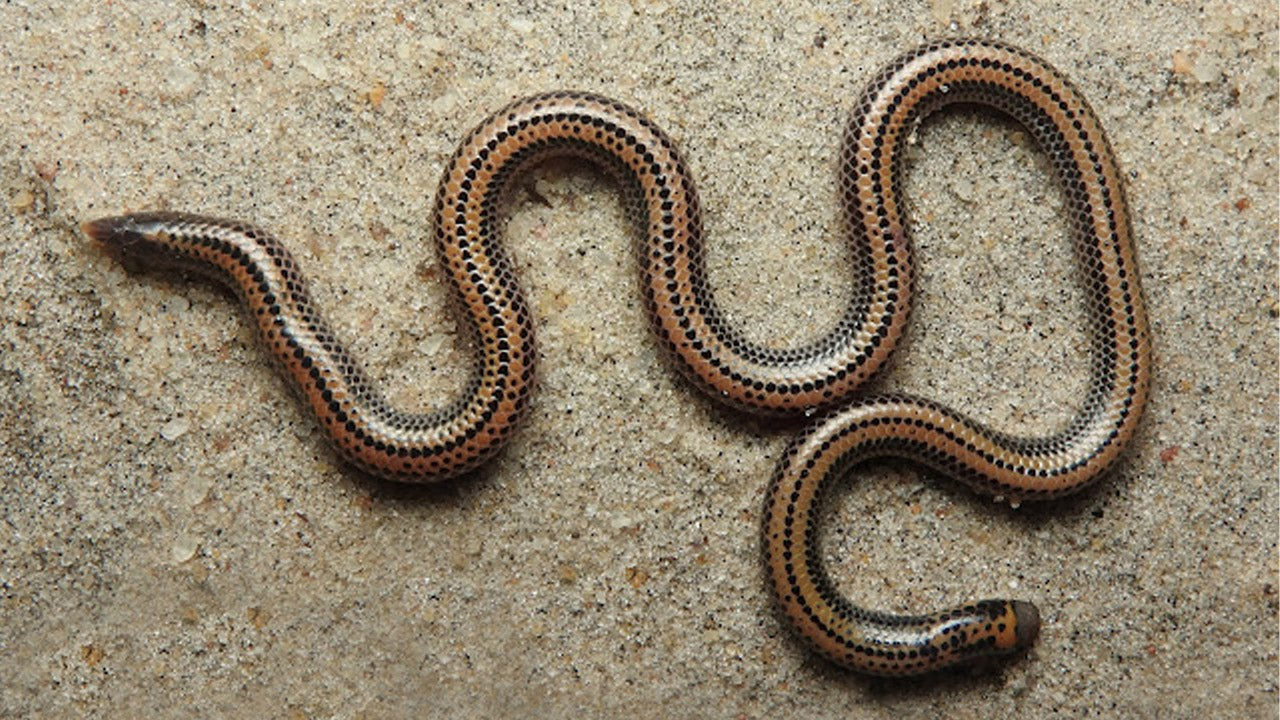 Muller's Shieldtail
Uropeltis mülleri
-
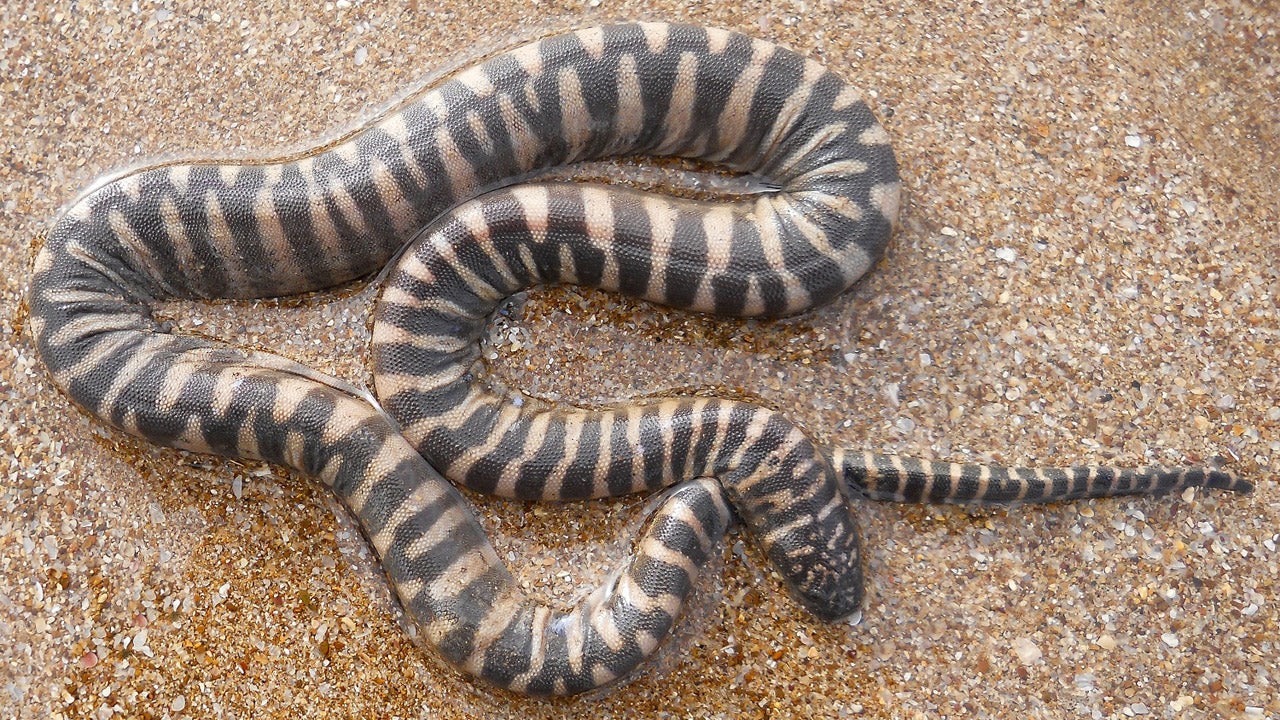 Wart Snake
Acrochordus
-
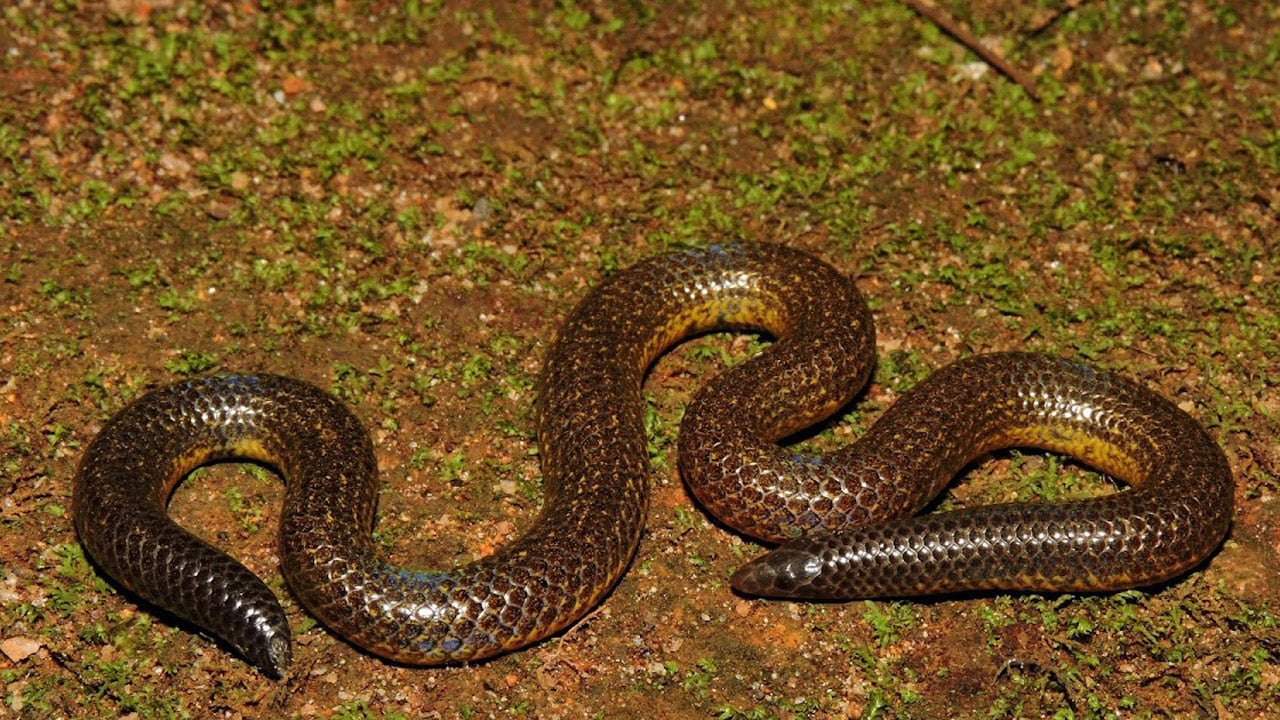 Drummond-Hay's Shieldtail
Rhinophis drummondhayi
-
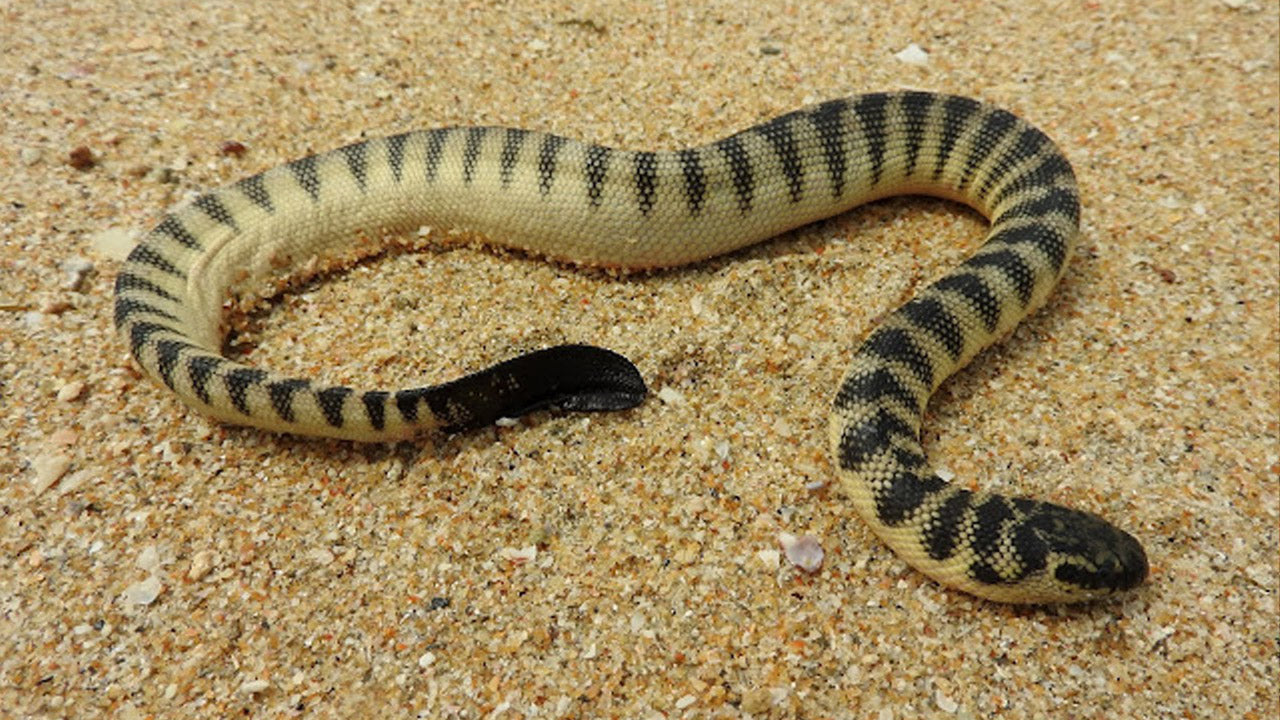 Shaw's Sea Snake
Hydrophis curtus
-
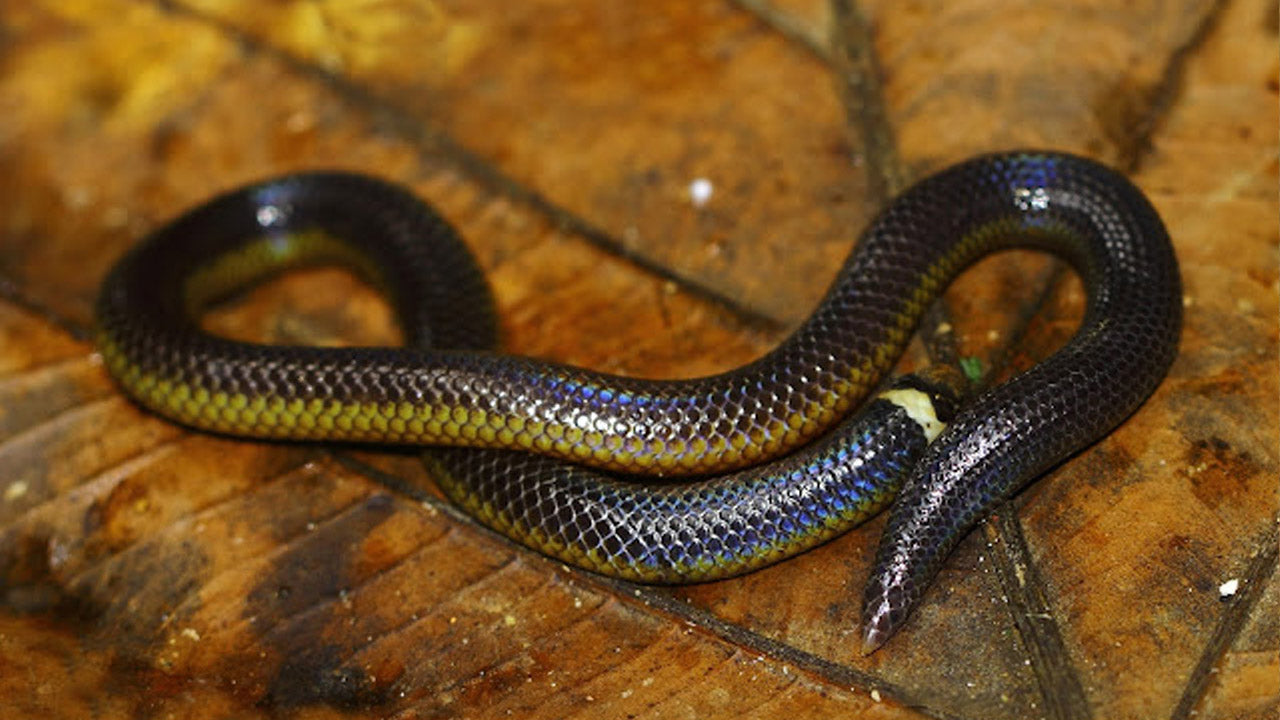 Deraniyagala's Shieldtail
Rhinophis tricoloratus
-
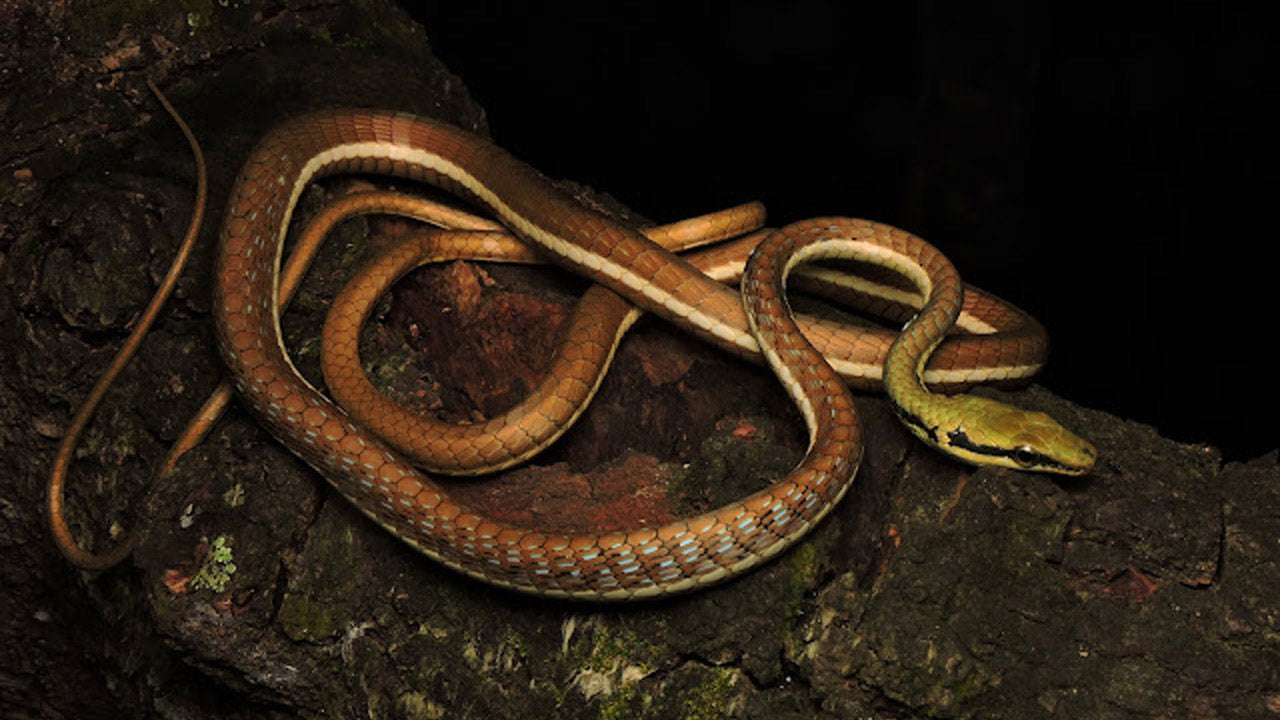 Wickramasinghe's Bronzeback
Dendrelaphis wickrorum
-
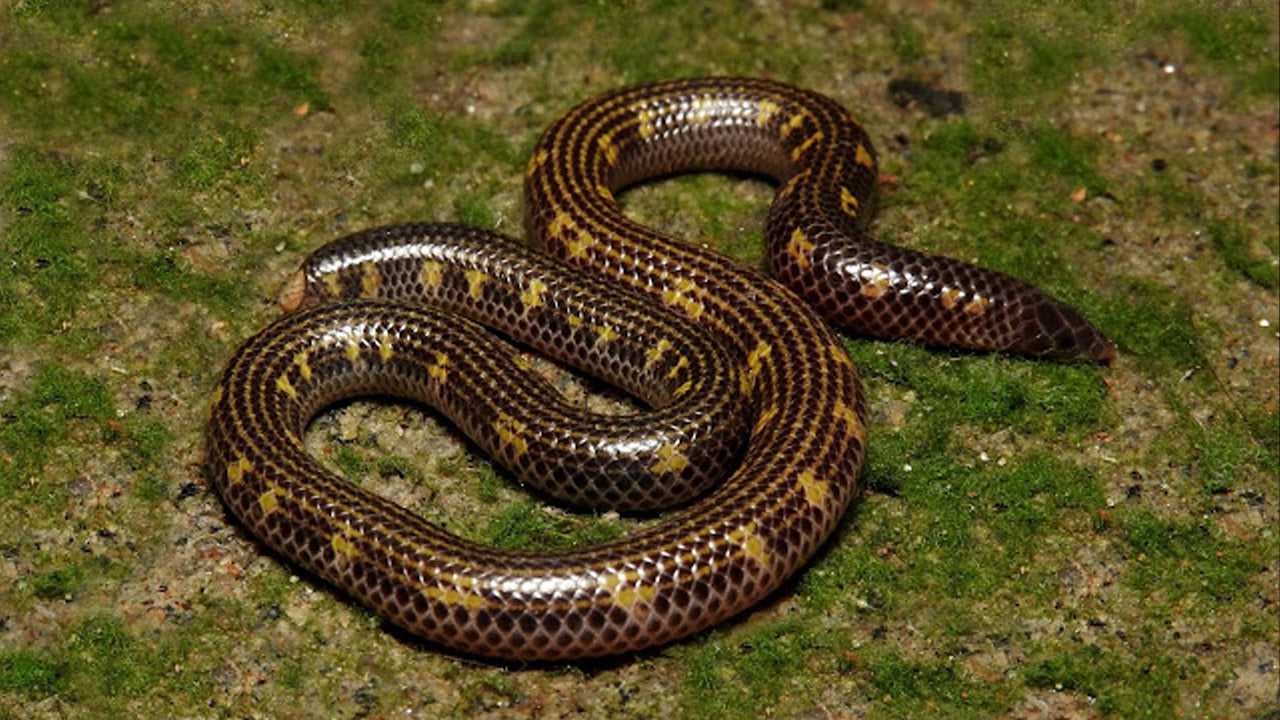 Phillip's Earth Snake
Rhinophis phillipsi
-
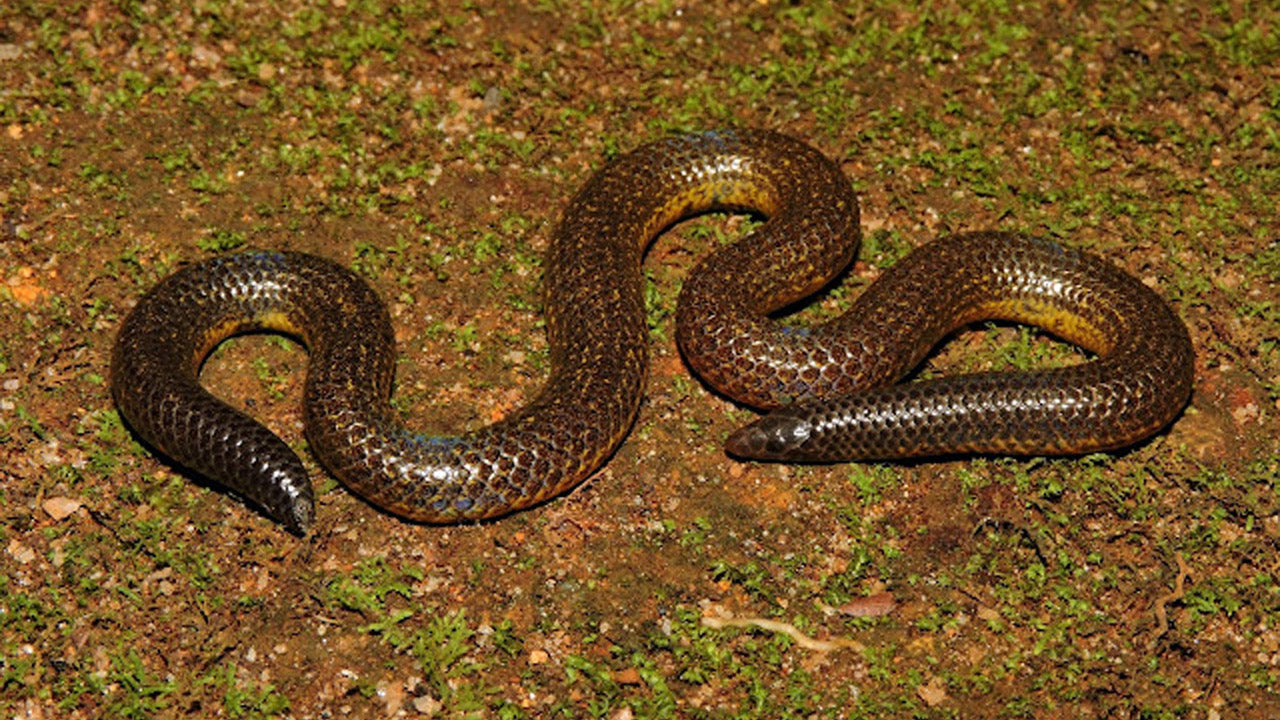 Gray's Earth Snake
Aparallactus grayi
-
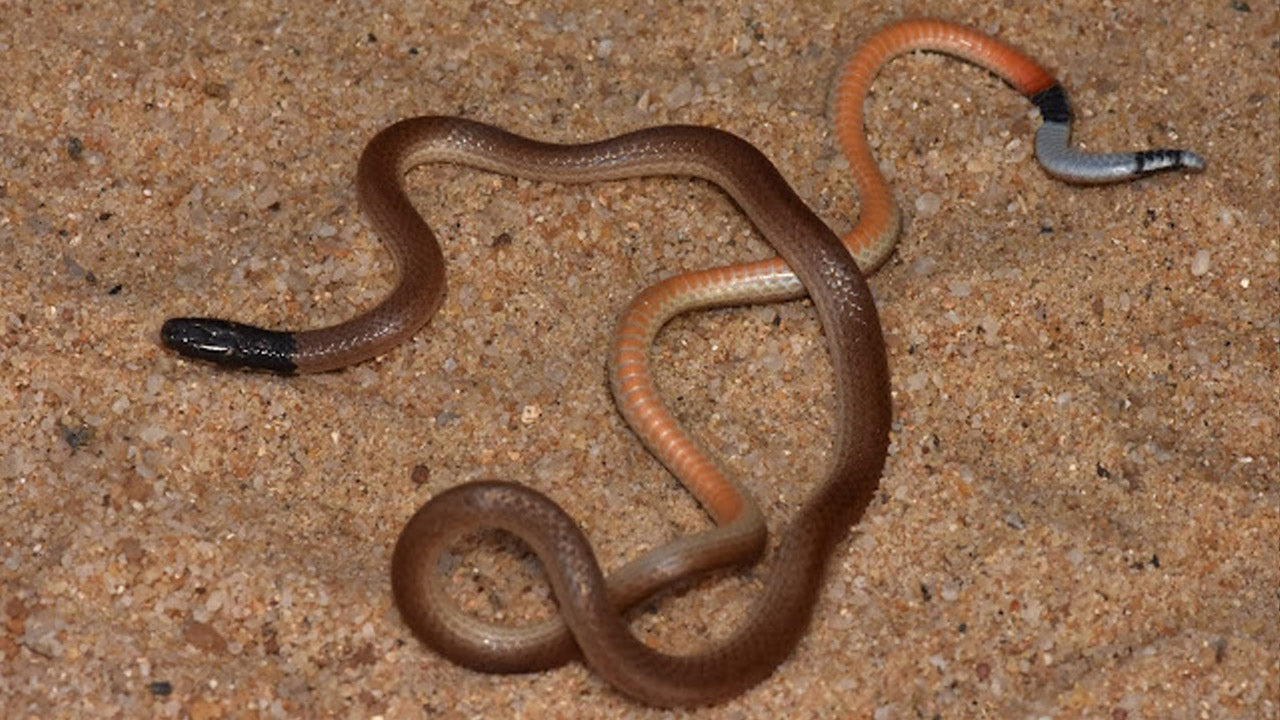 Slender Coral Snake
Calliophis Melanurus
-
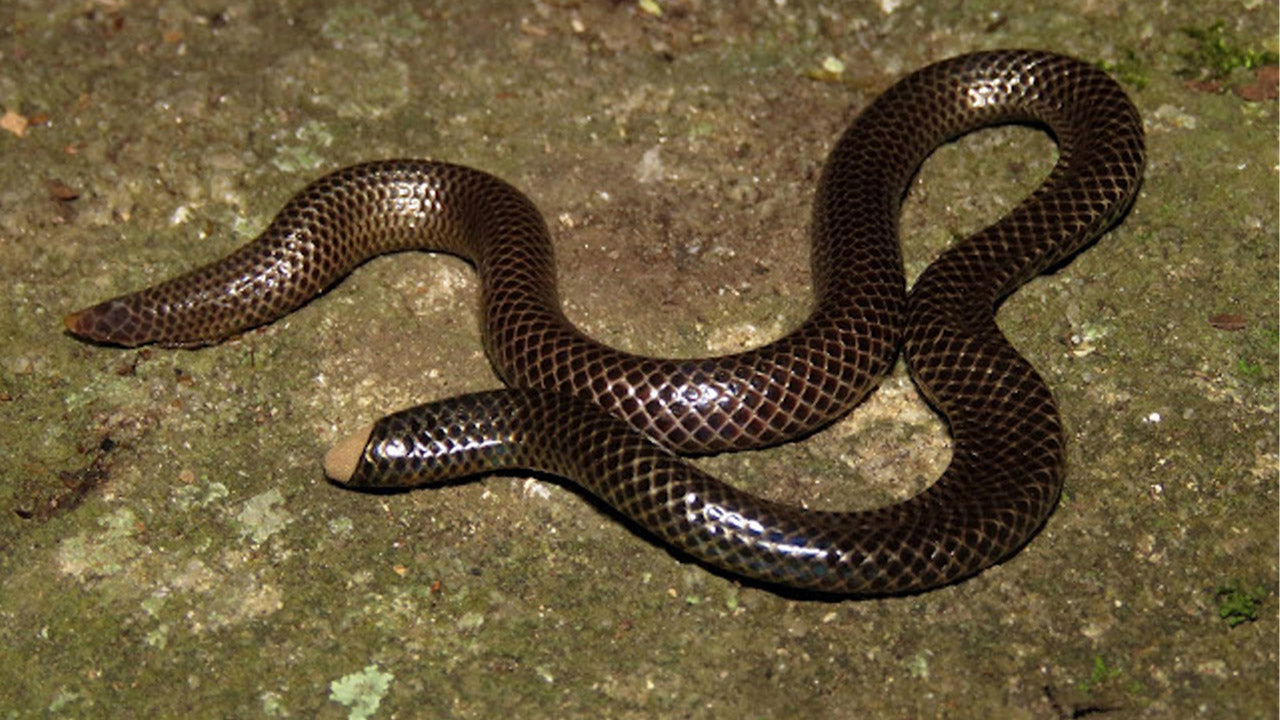 Cuvier's Shieldtail
Uropeltis ceylanica
-
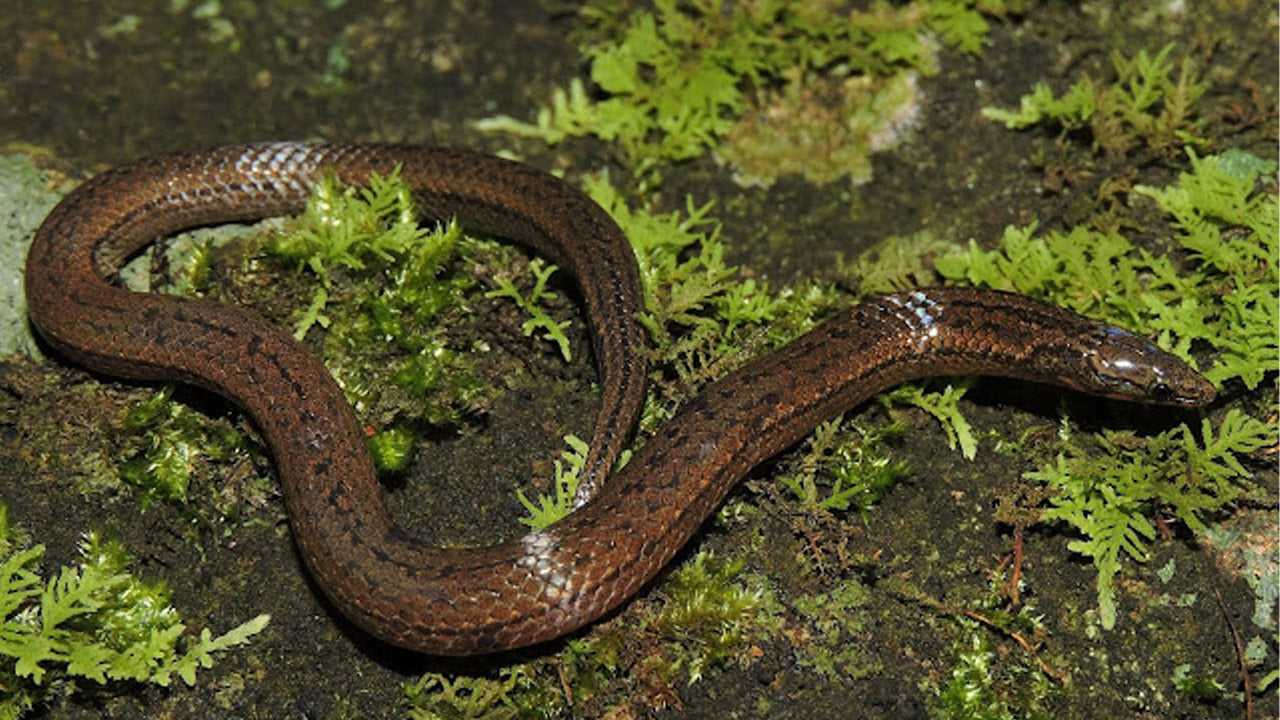 de Silva's Rough-sided Snake
Aspidura desilvai
-
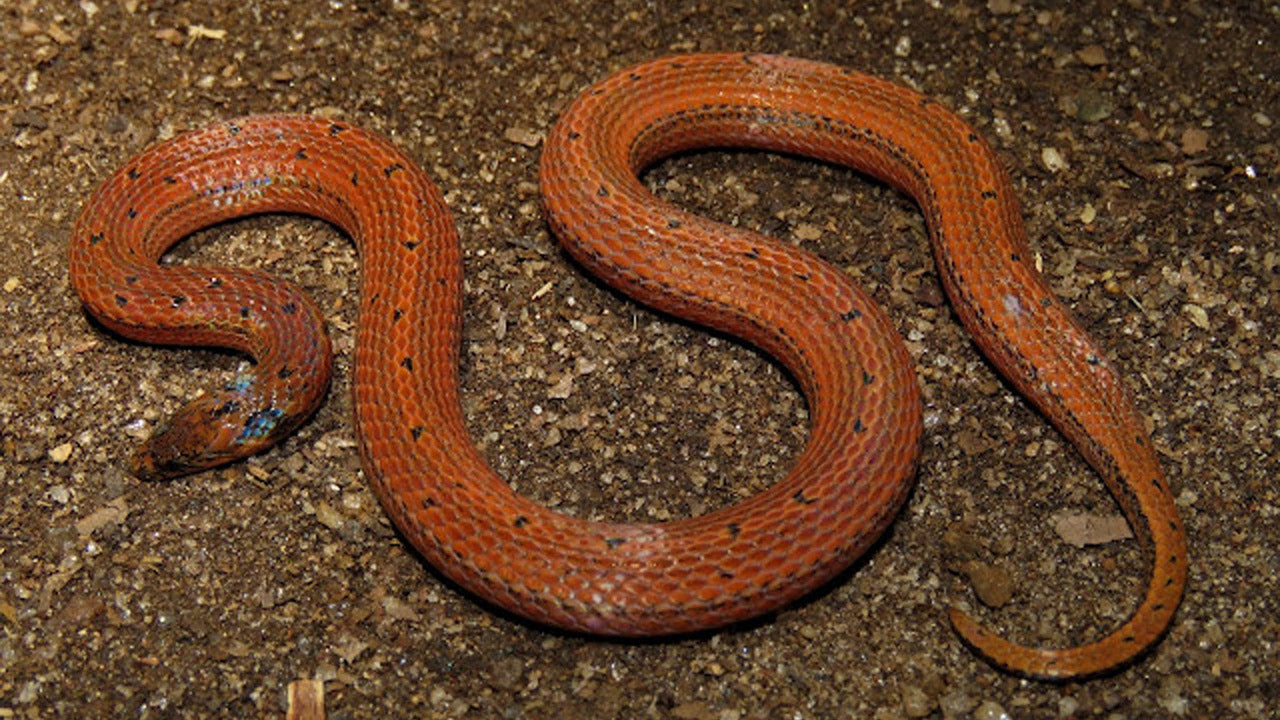 Boie's Rough-Sided Snake
Aspidura brachyorrhos
-
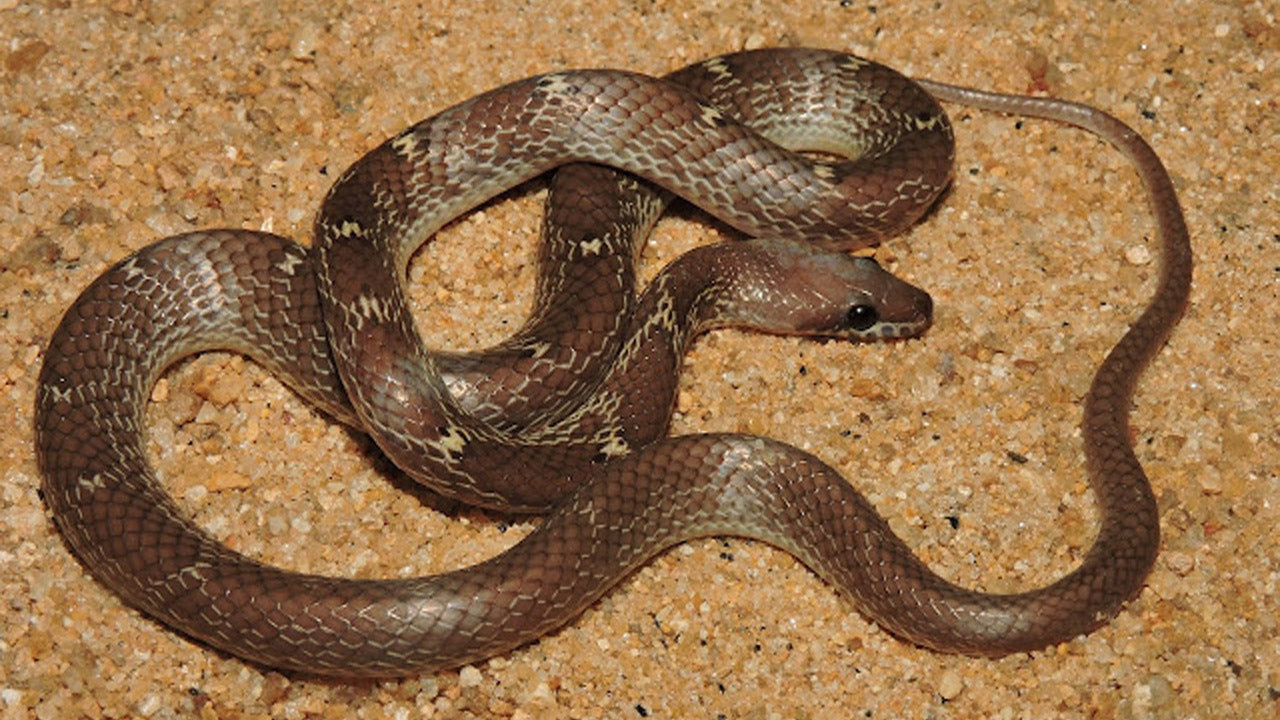 Flowery Wolf Snake
Lycodon anamallensis
-
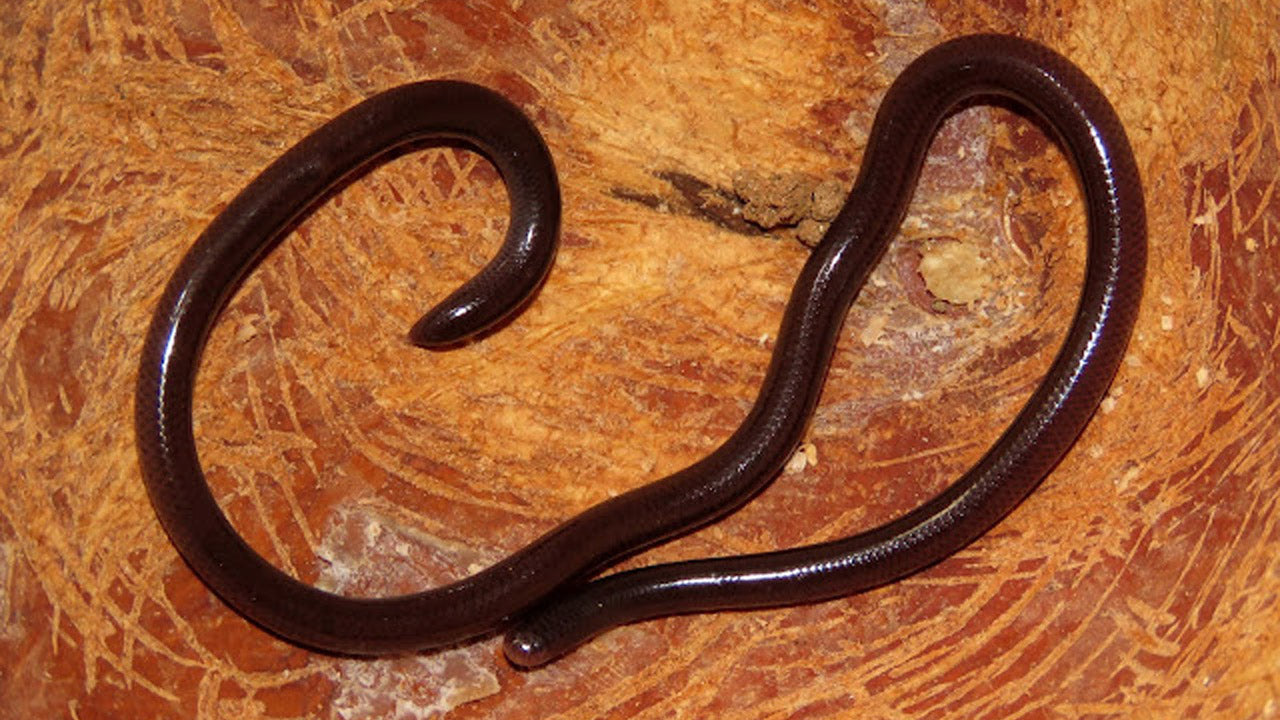 Brahminy Blind Snake
Indotyphlops braminus
-
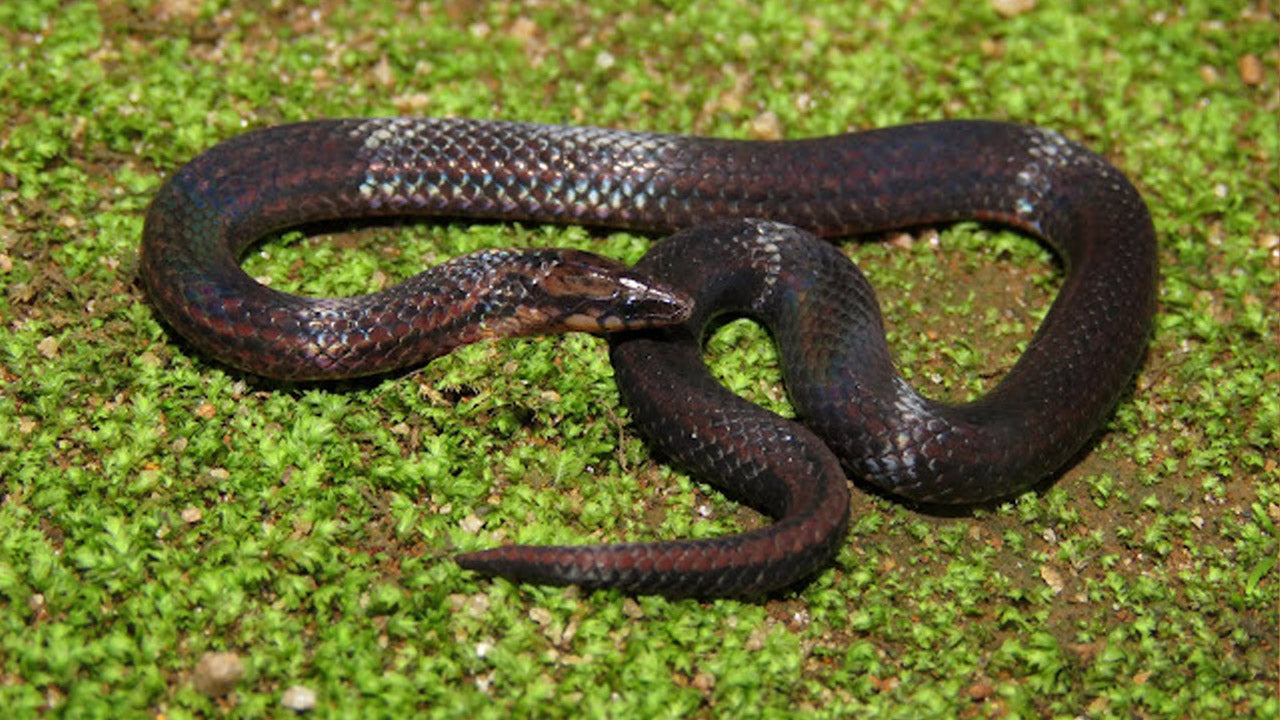 Common Rough-sided Snake
Aspidura trachyprocta
-
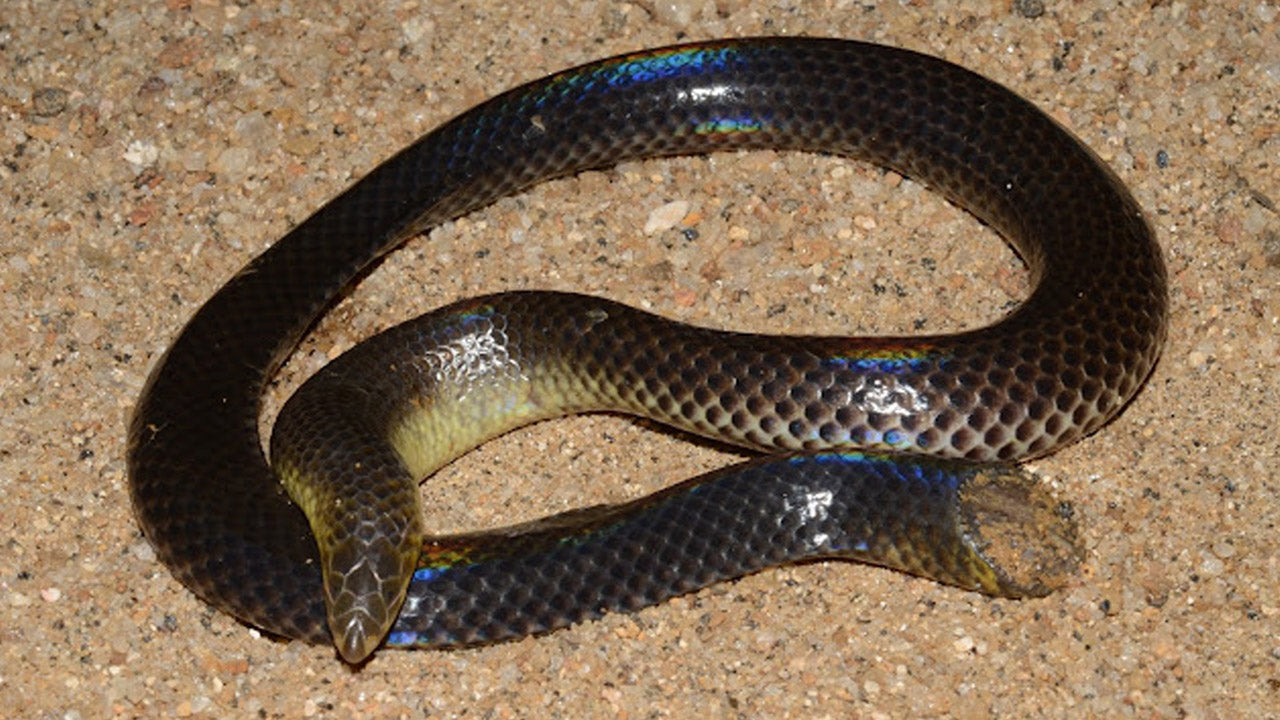 Large Shieldtail
Rhinophis saffragamus
-
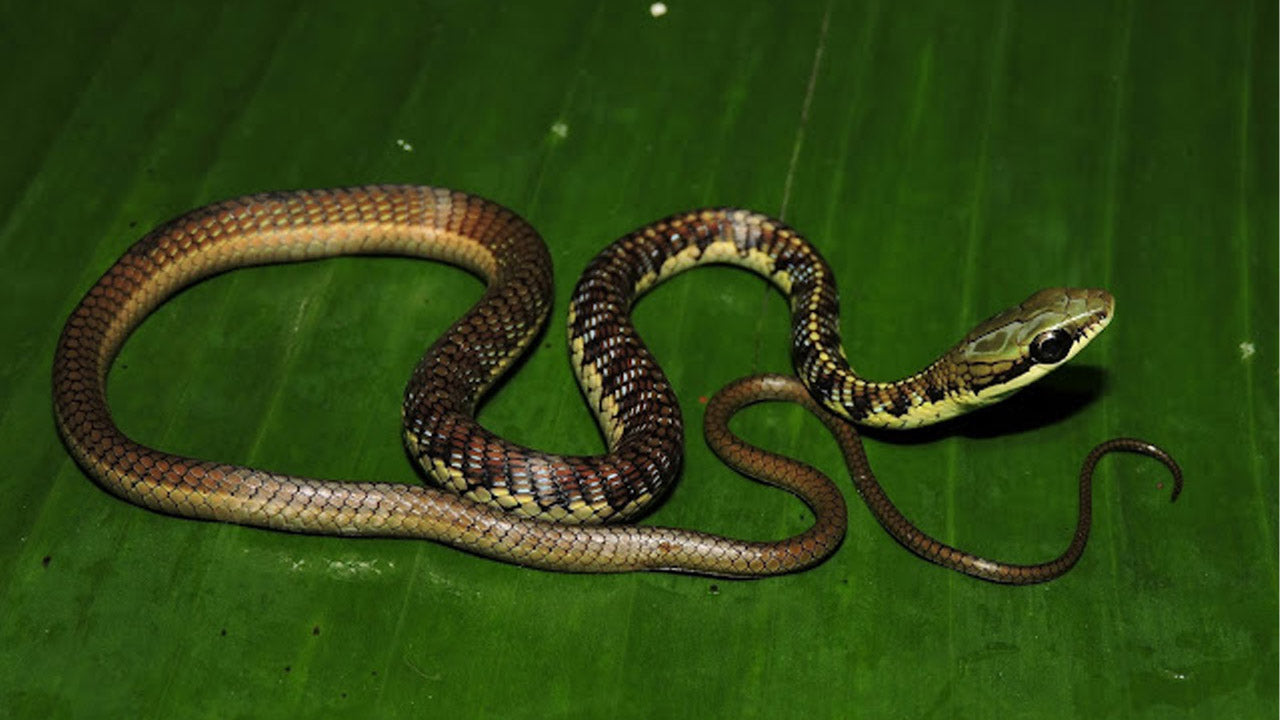 Schokar's Bronzeback
Schokar's bronzeback
-
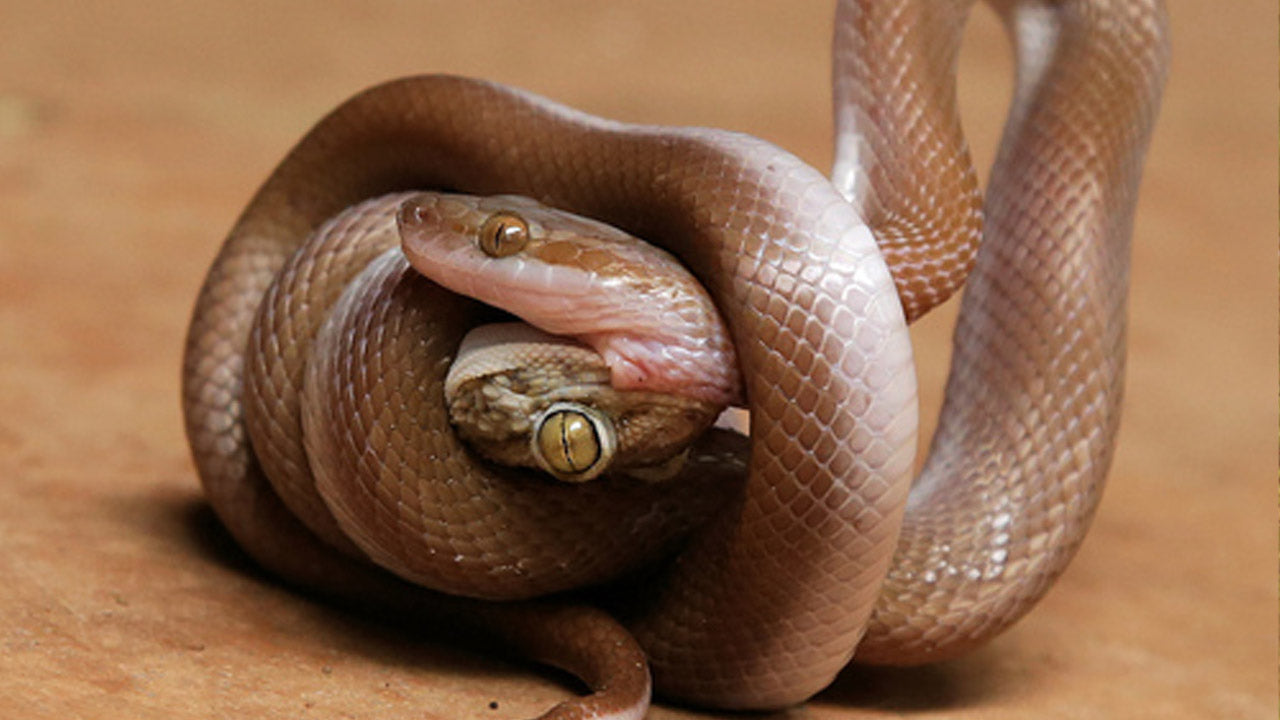 Jan's Worm Snake
Typhlops mirus
-
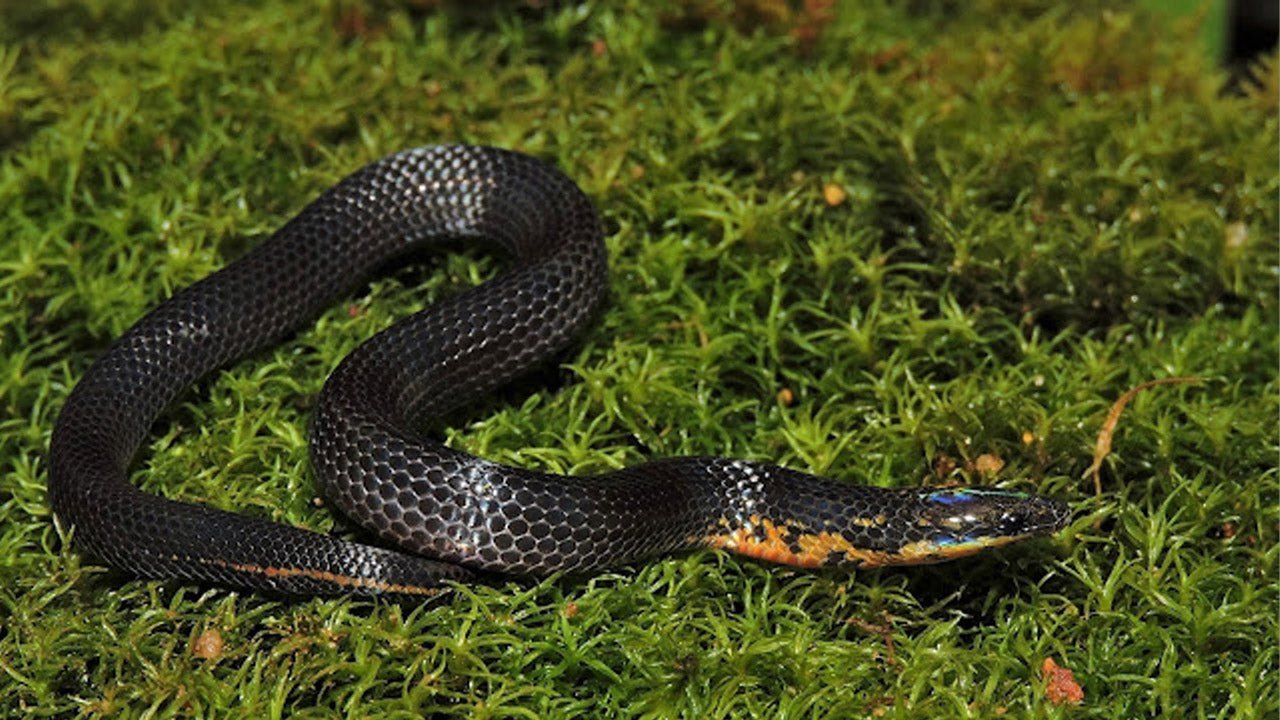 Ravana's Rough-sided Snake
Aspidura ravanai
-
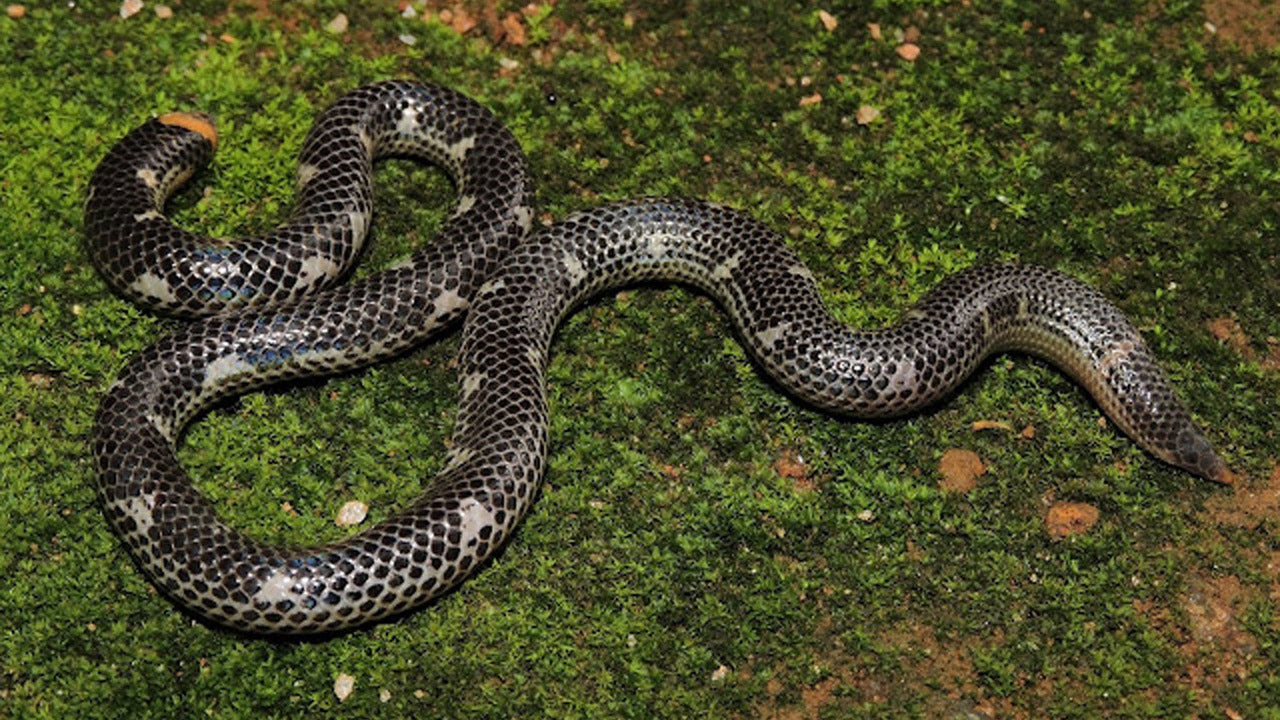 Hemprich's Shieldtail
Uropeltis hemprichii.
-
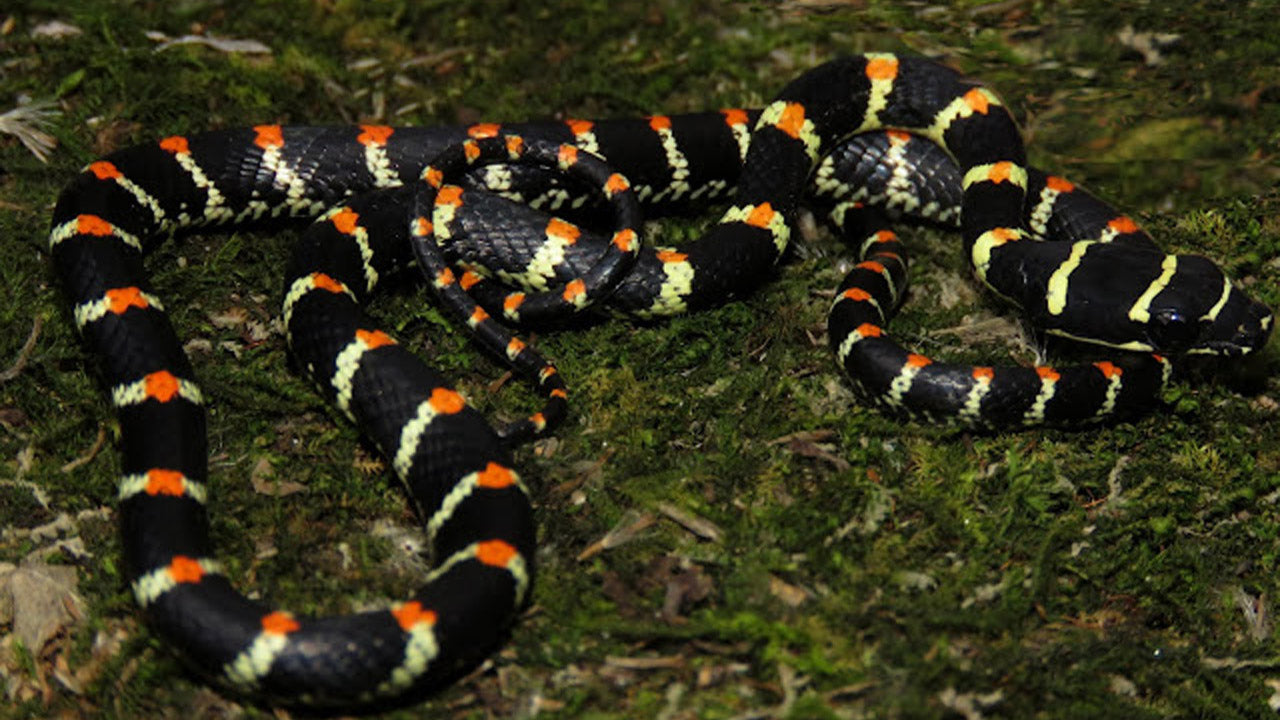 Ornate Flying Snake
Chrysopelea ornata
-
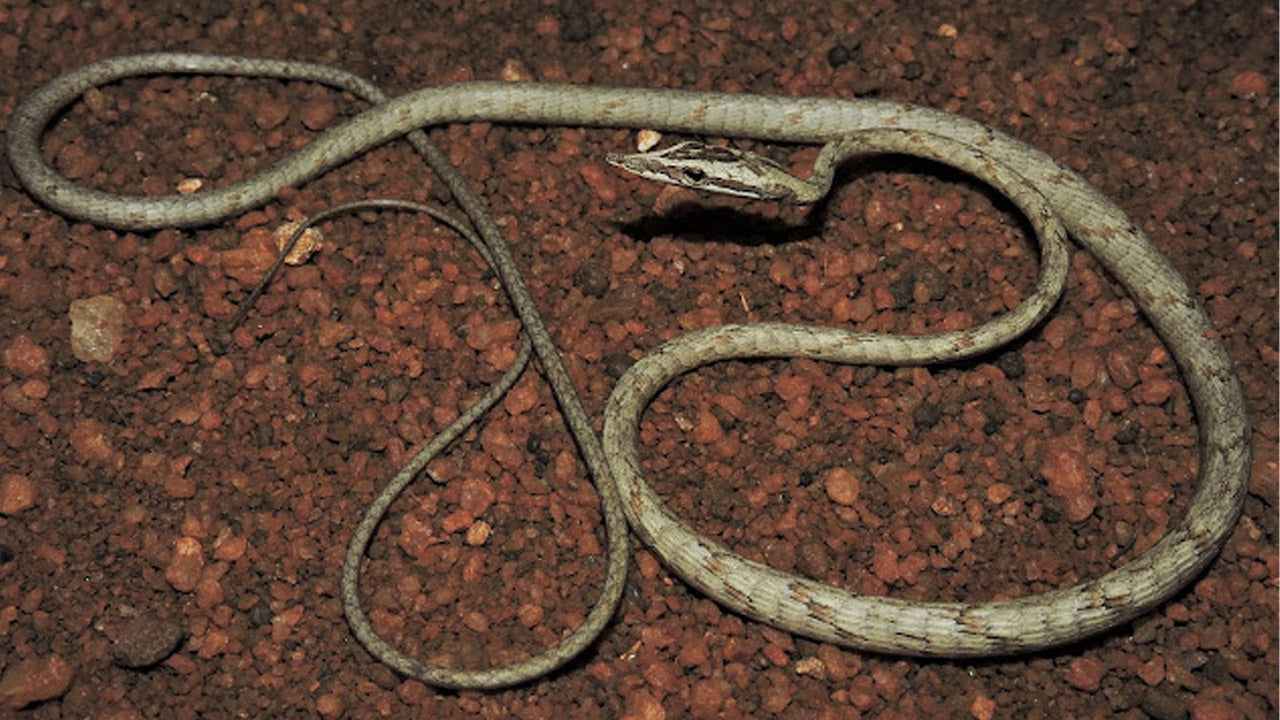 Brown Vine Snake
Ahaetulla pulverulenta
-
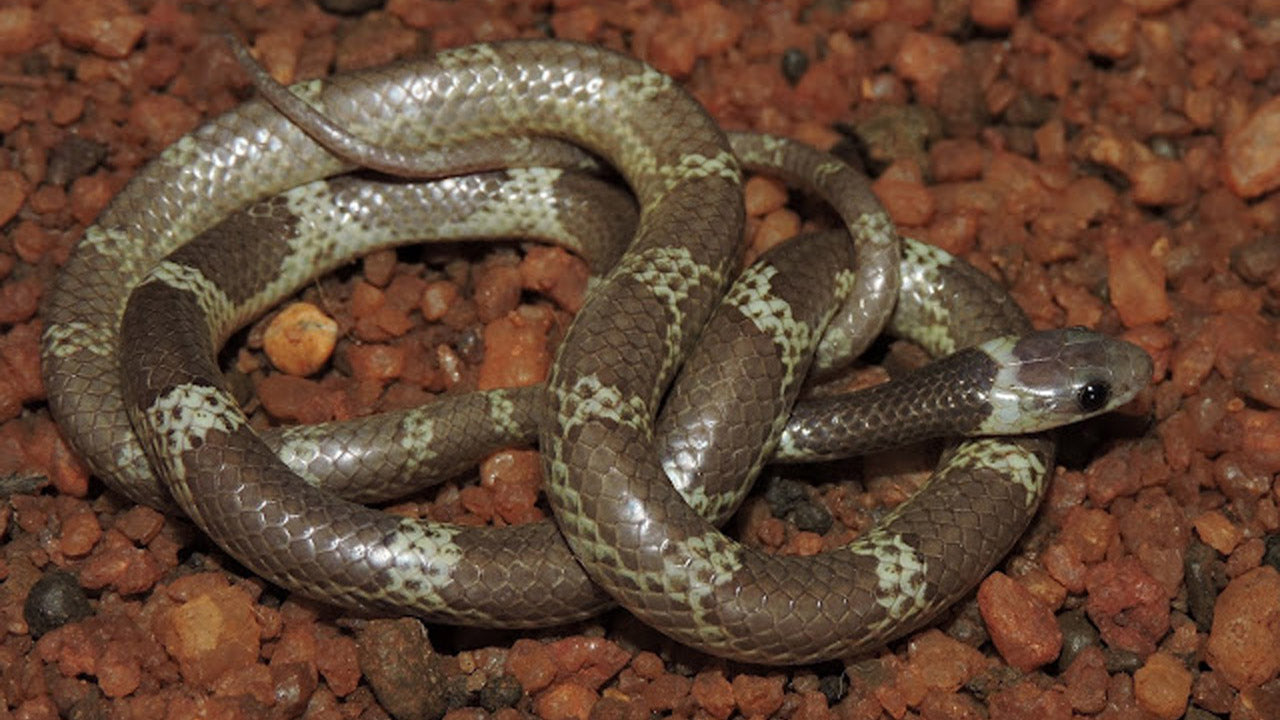 Common Bridal Snake
colubrid snake
-
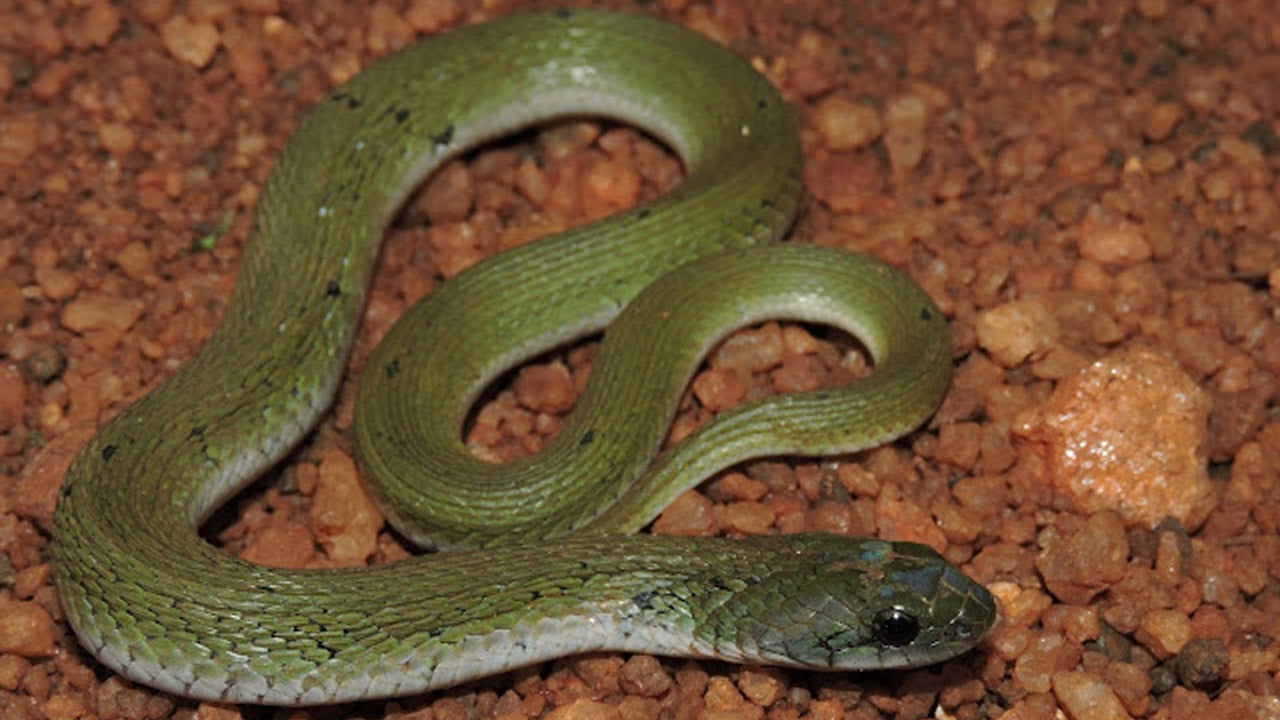 Green Keelback
Rhabdophis plumbicolor