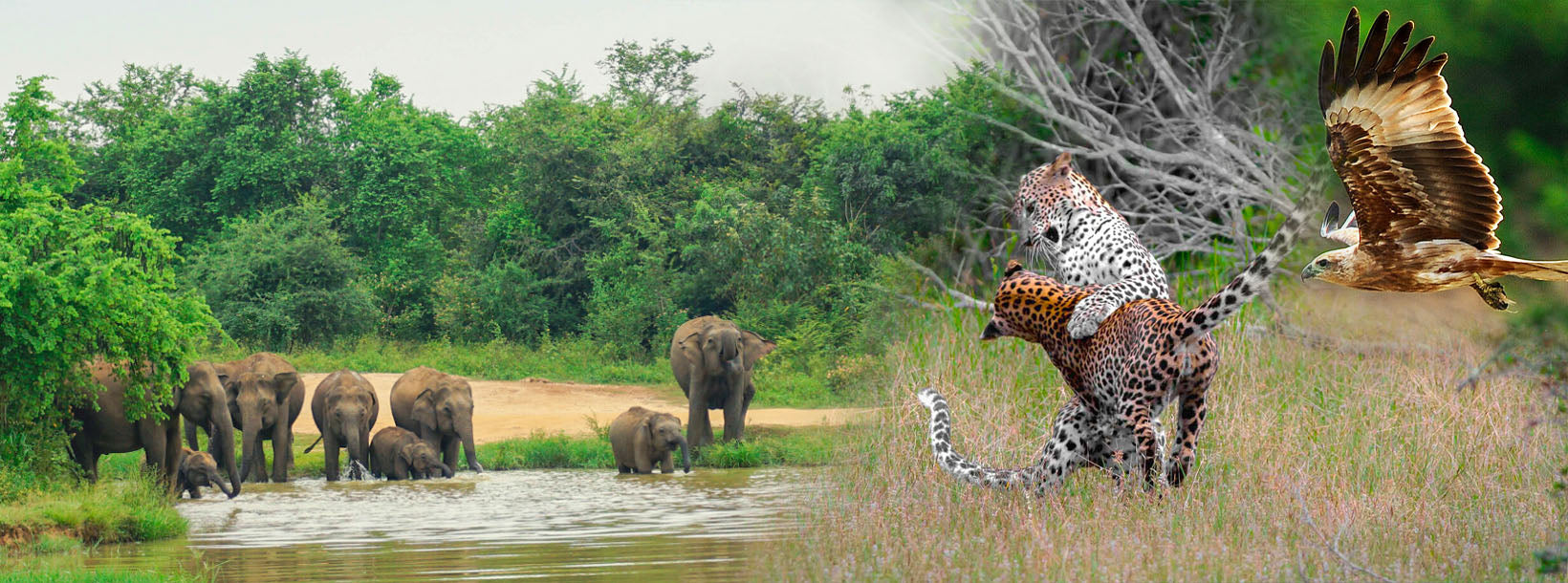
Sri Lanka packs an extraordinary range of wildlife into a relatively small island. Its national parks protect dense dry-zone forests, ancient tank ecosystems, and coastal lagoons — each harbouring species that are difficult to encounter almost anywhere else in Asia. Whether you are tracking leopards through the scrub at Yala, watching hundreds of elephants converge on a reservoir at Minneriya, or searching for sloth bears at Wilpattu National Park, a Sri Lankan safari delivers the kind of encounter that stays with you long after the journey home.
What wildlife can I see on a Sri Lanka safari?
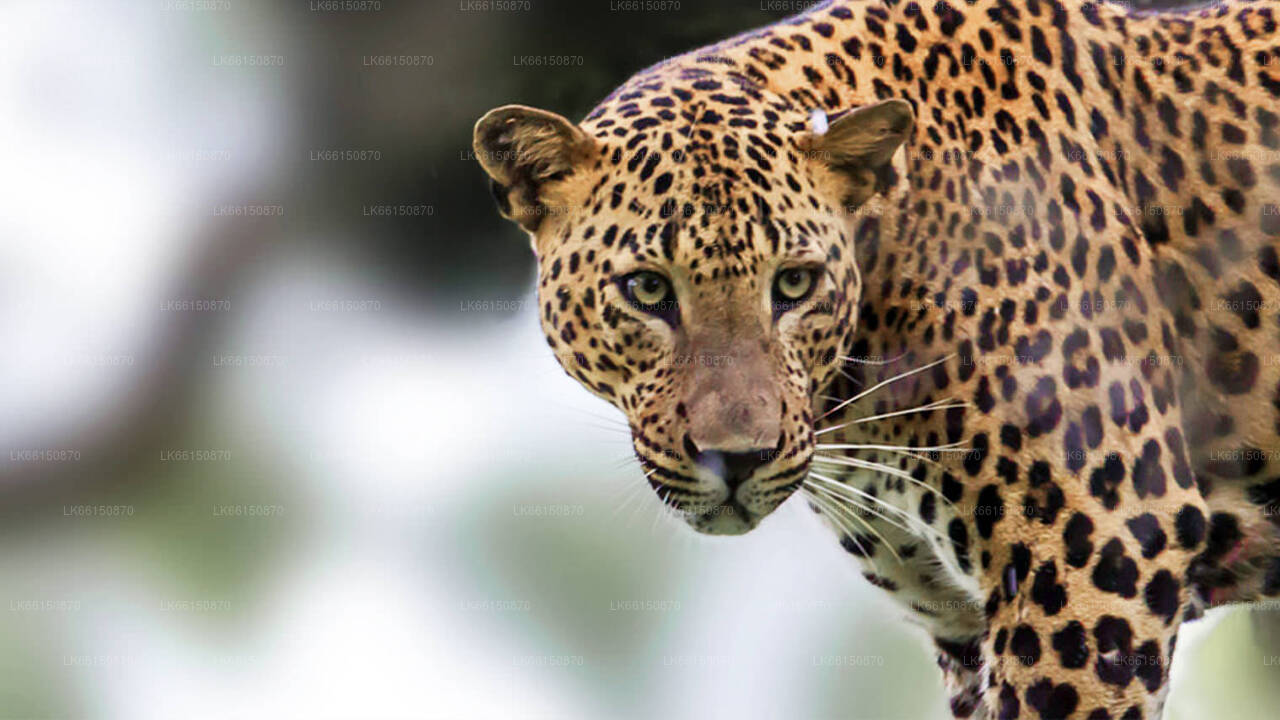
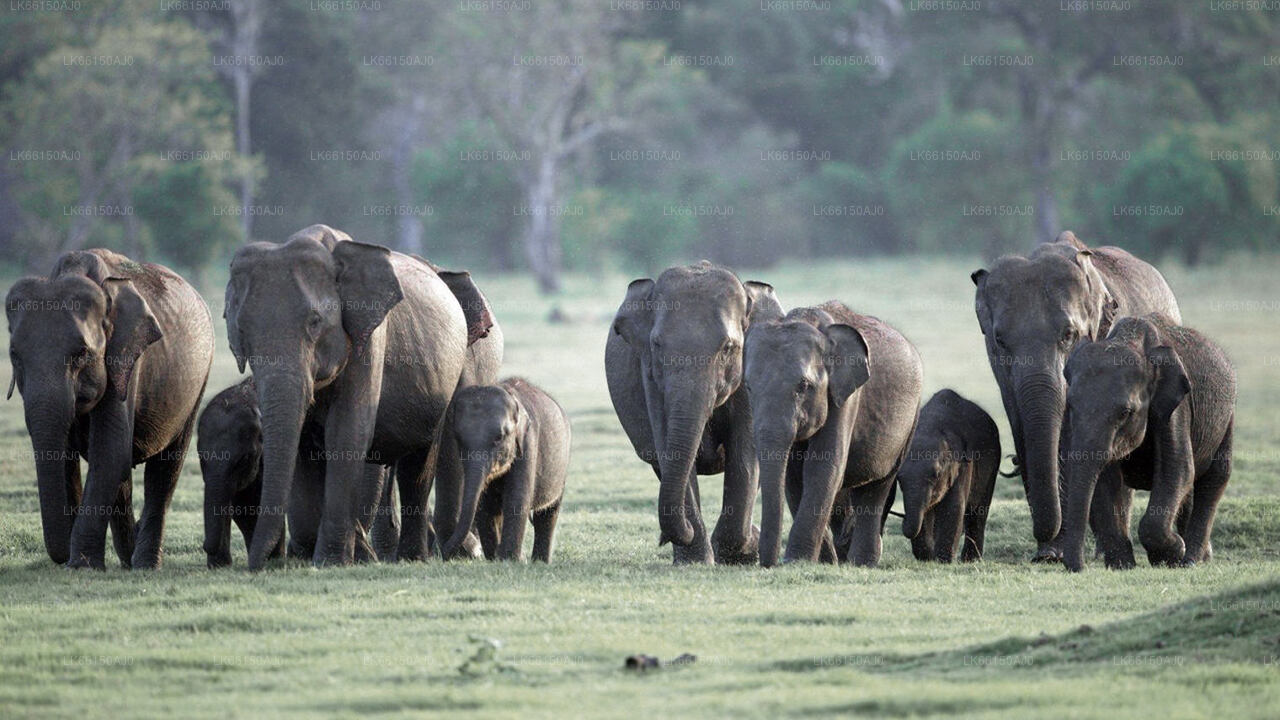
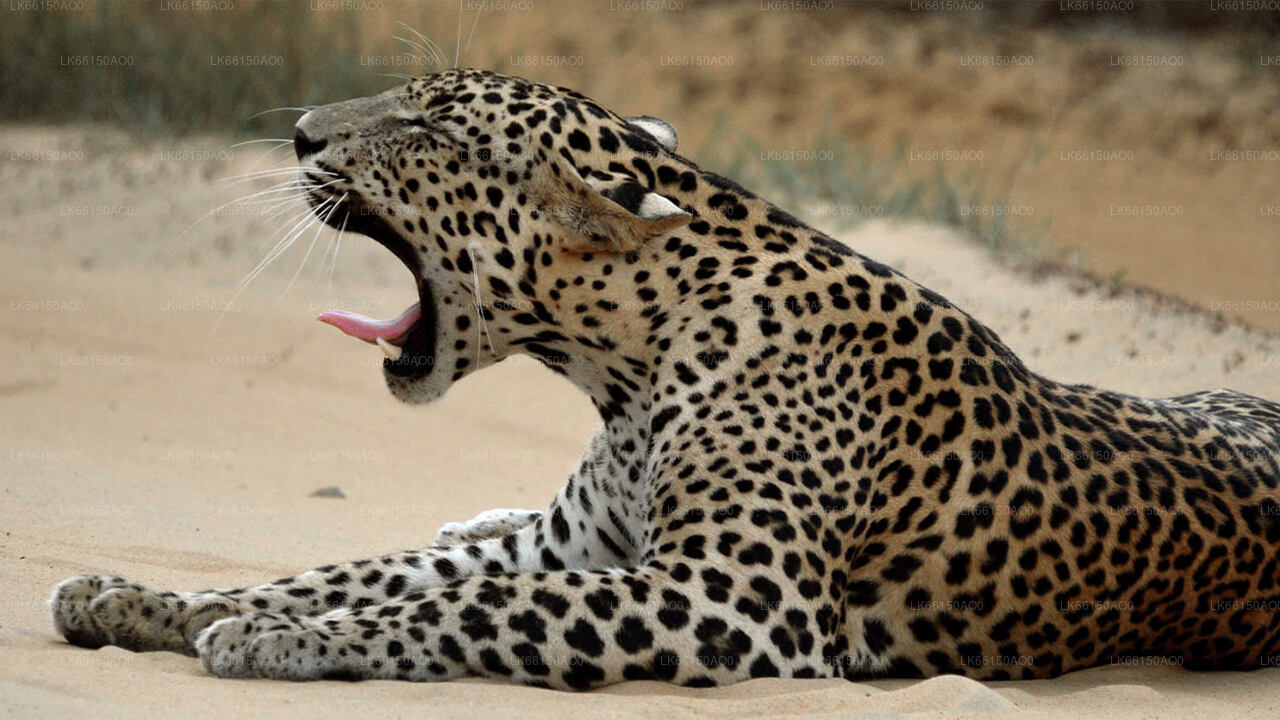
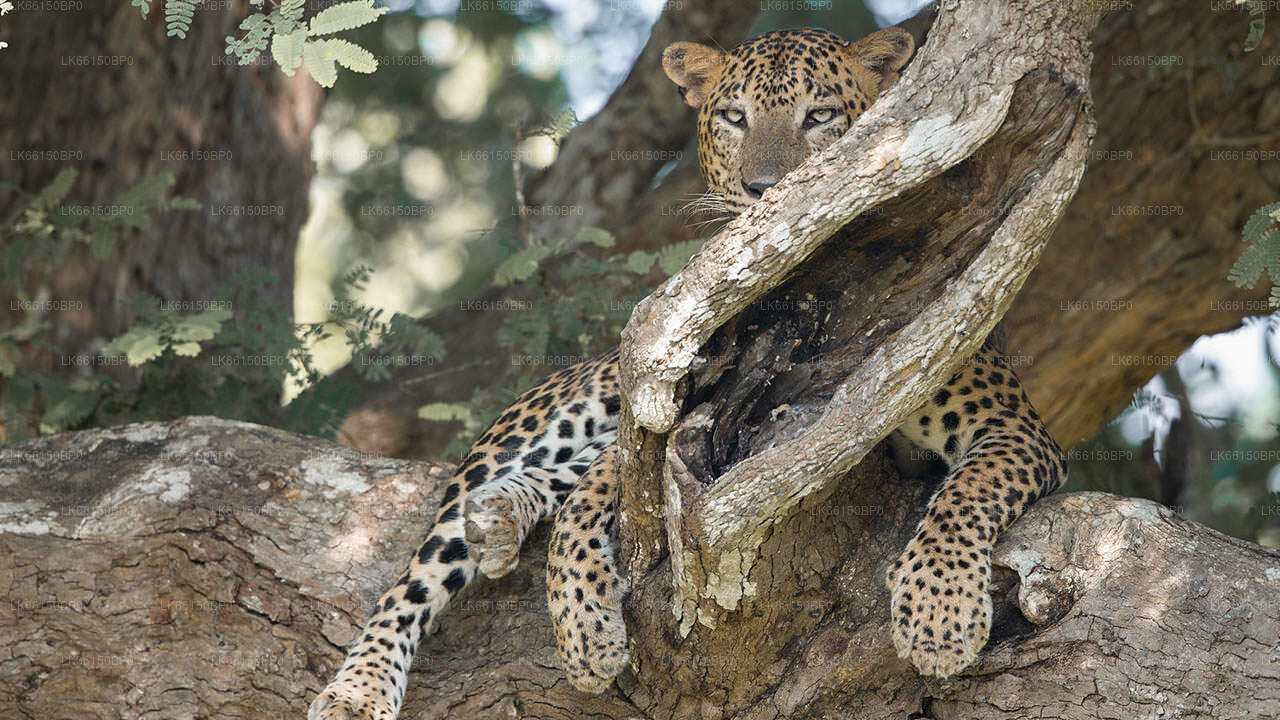
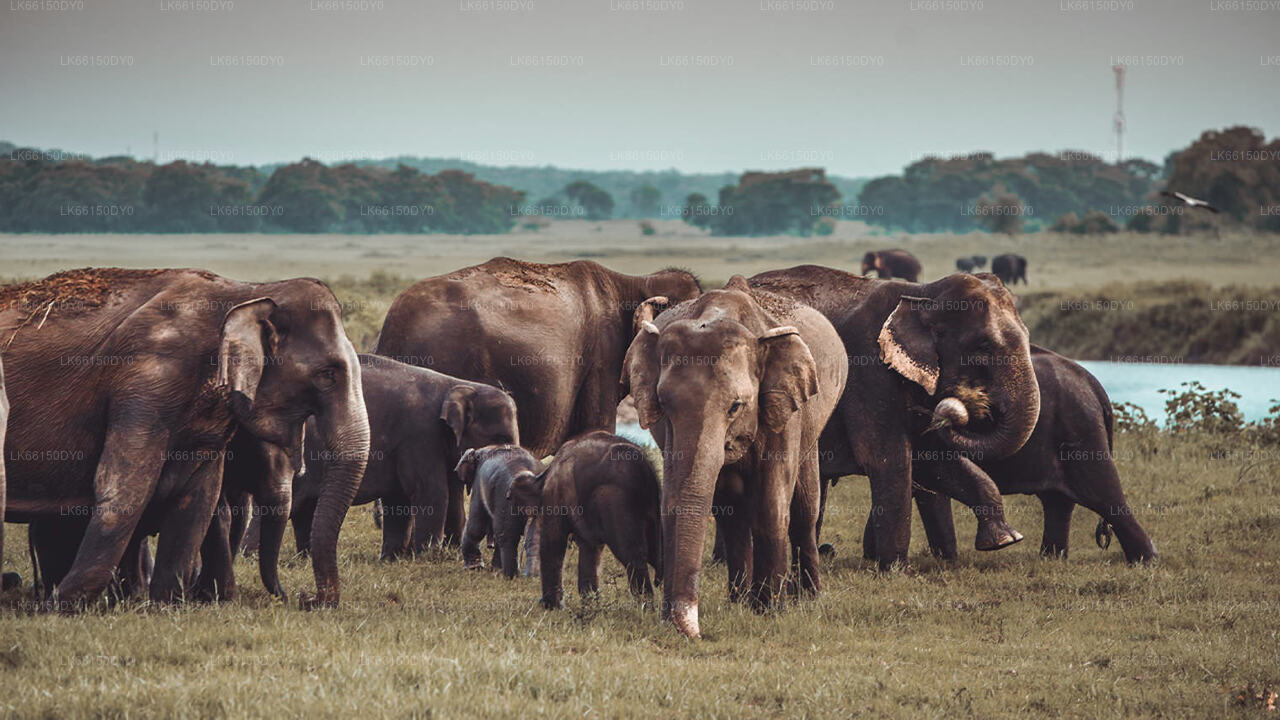
Sri Lanka's protected areas shelter 86 recorded mammal species alongside a remarkable diversity of birds and reptiles. The headline draws are well deserved: the island holds one of the highest densities of wild leopards in the world, concentrated largely in Yala National Park's Block I. Elephants roam across many parks in herds that can number in the hundreds during seasonal gatherings.
- Leopard — Yala Block I and Wilpattu offer the best sightings; early morning drives improve your odds considerably.
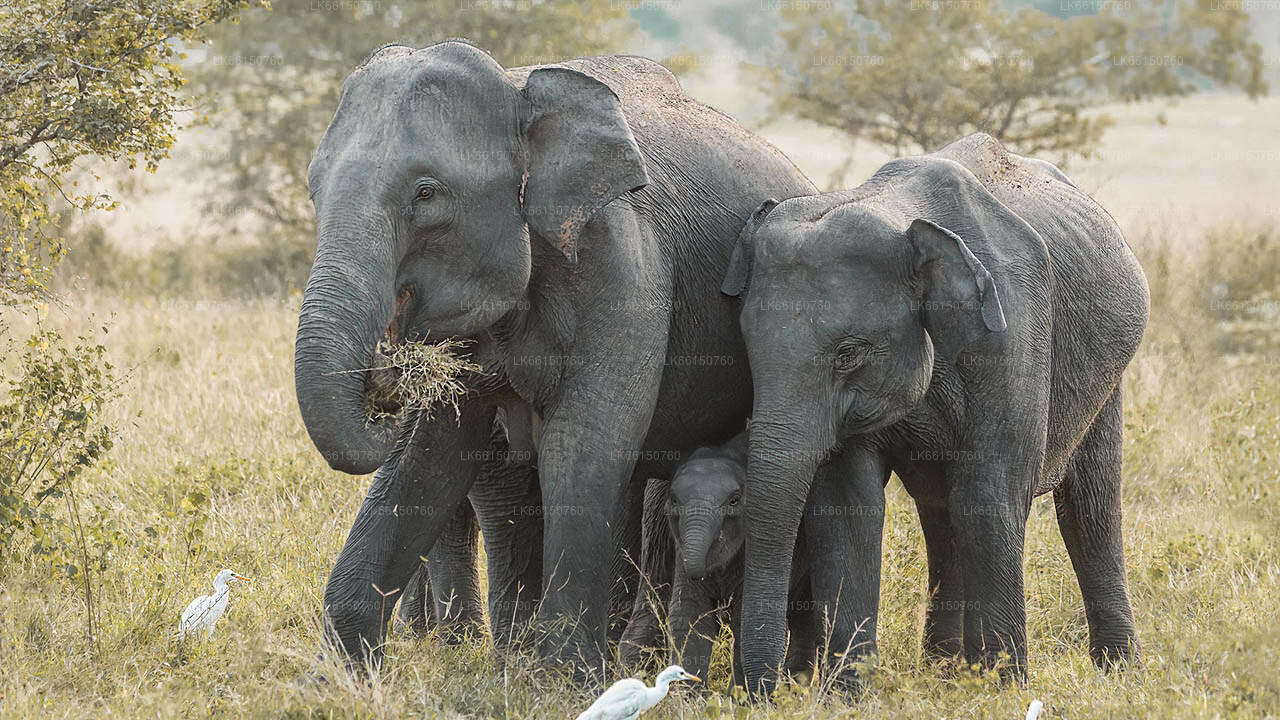
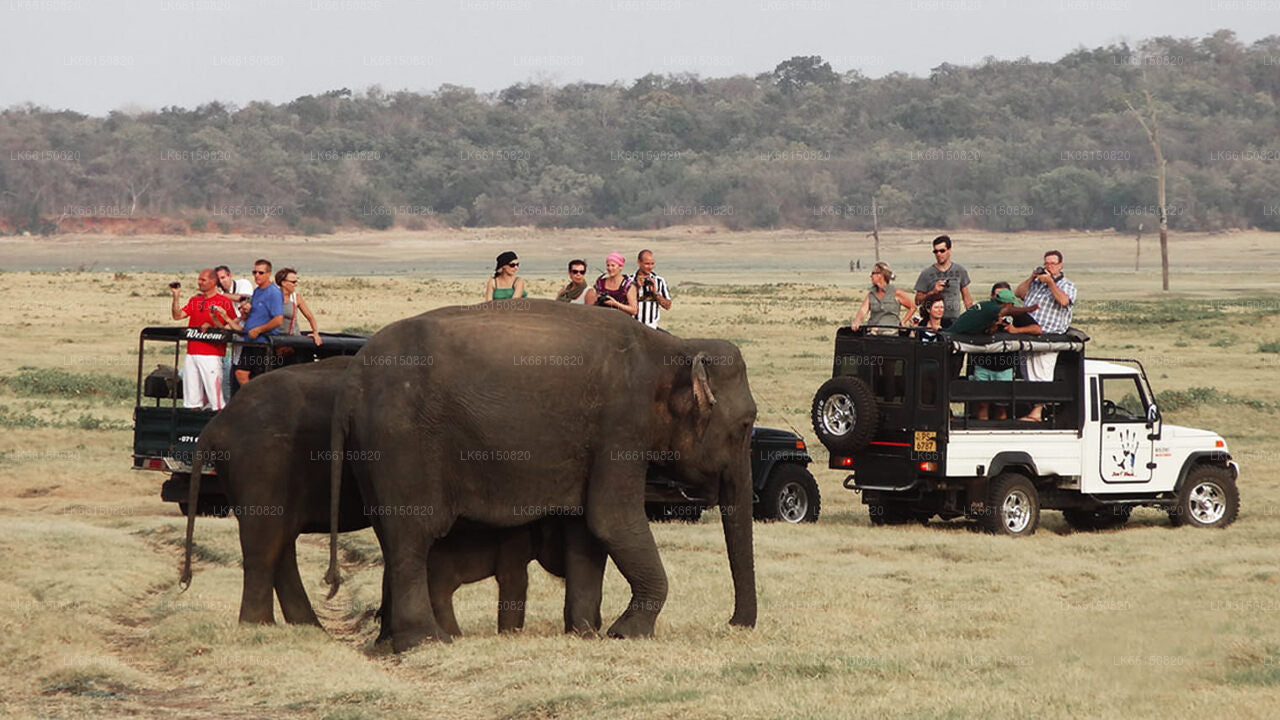
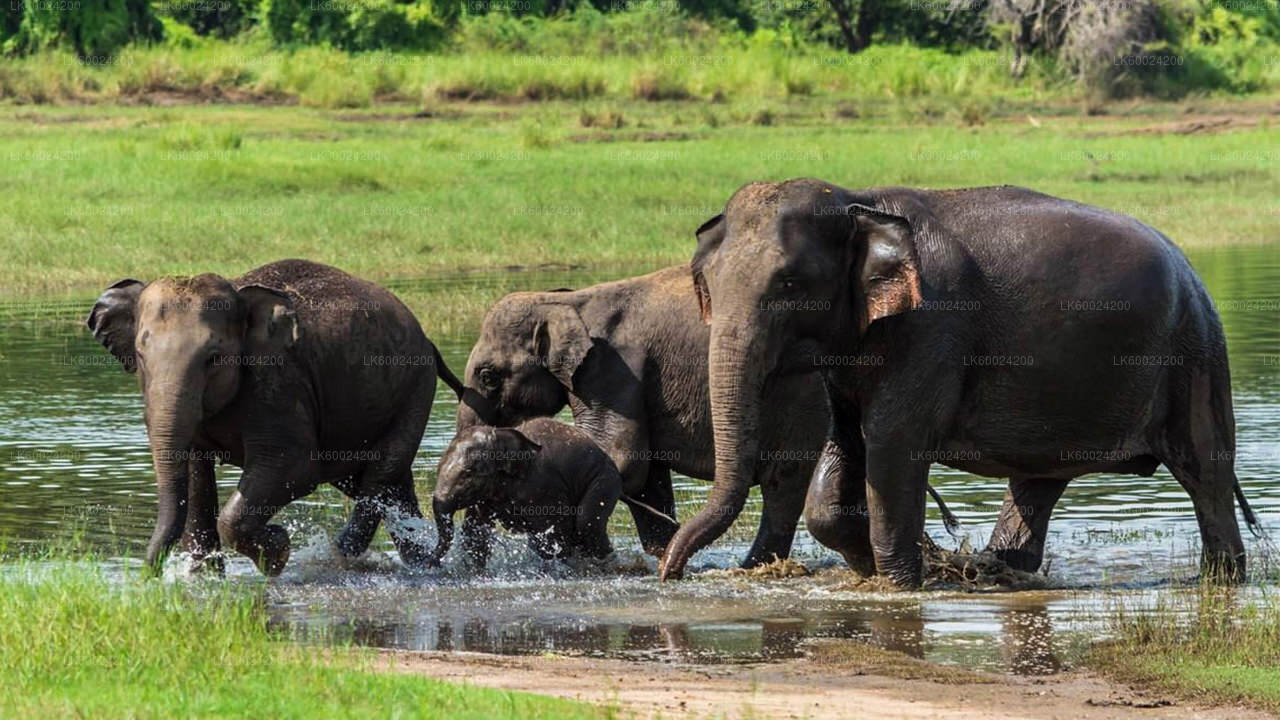
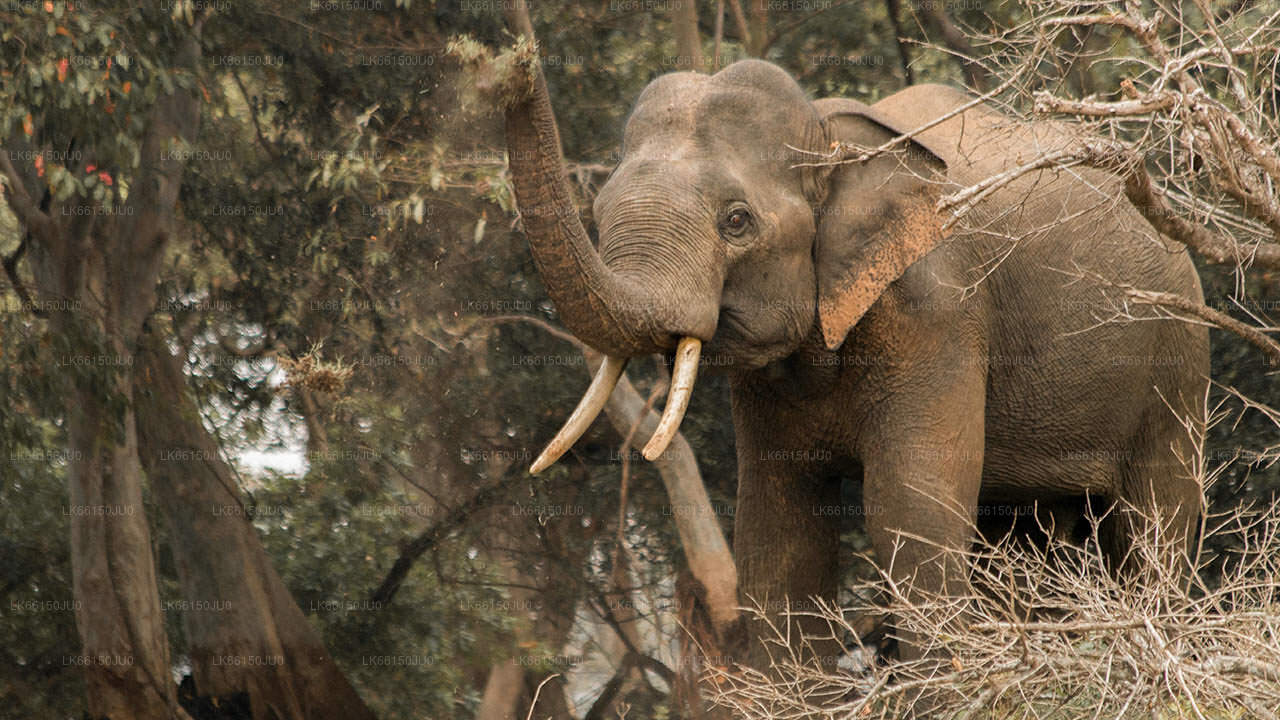
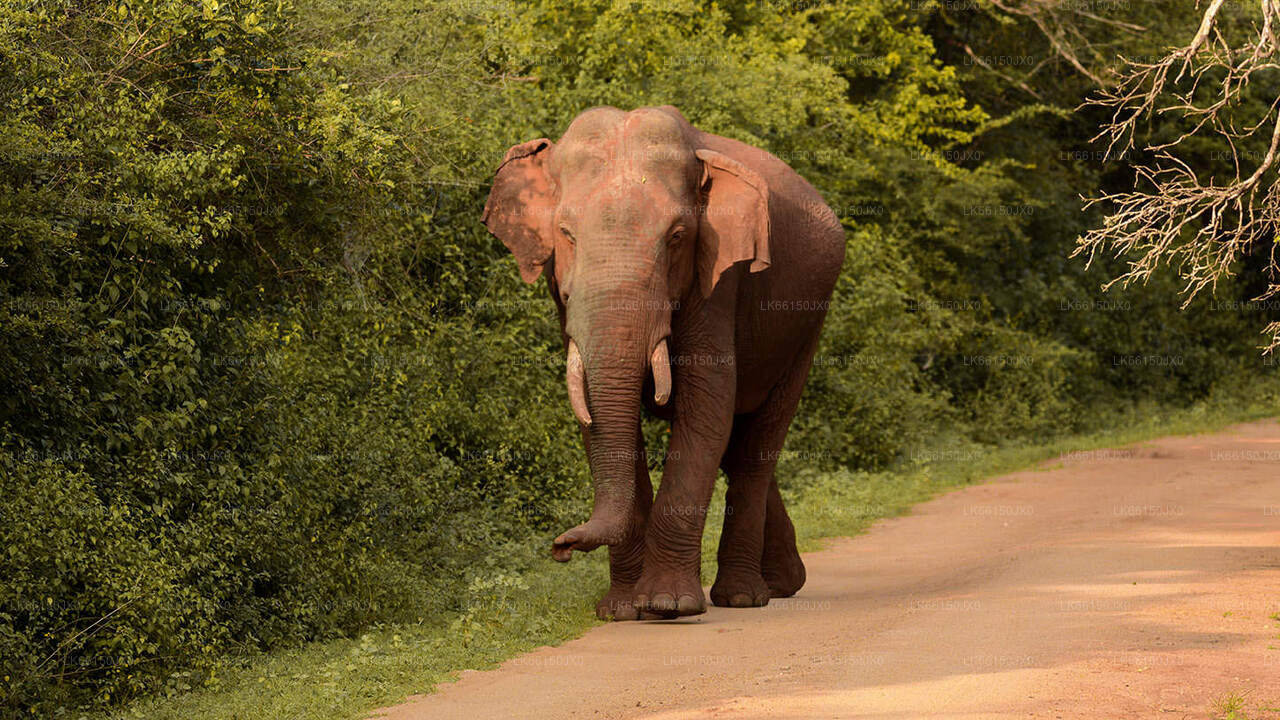
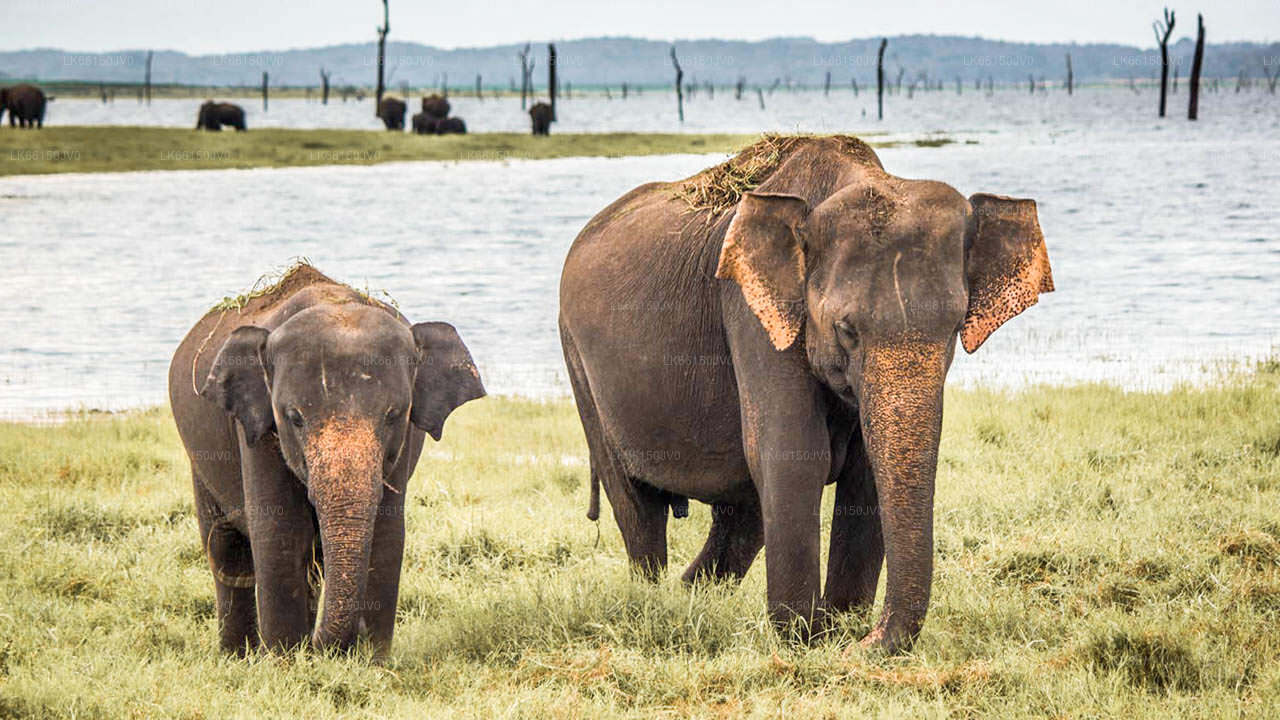
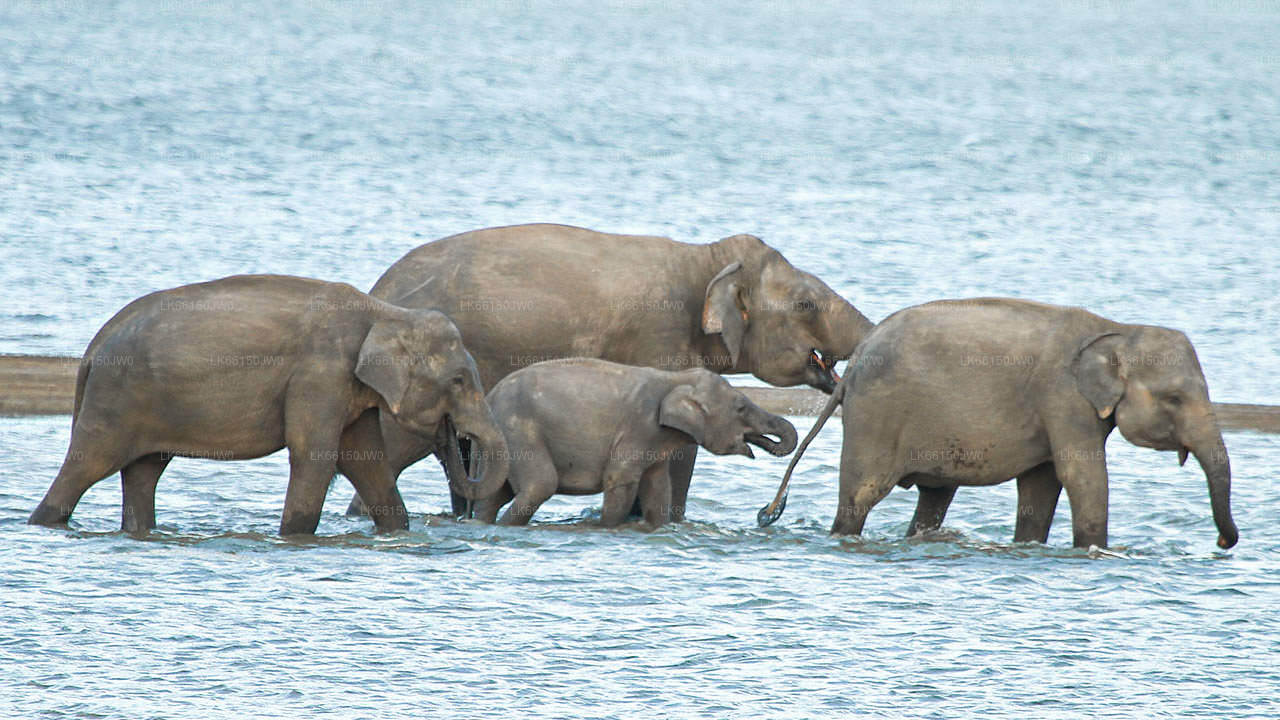
- Asian Elephant — present in Minneriya, Kaudulla, Udawalawe National Park, Yala, and Hurulu Eco Park, among others.
- Sloth Bear — Wilpattu is a reliable location; sightings are less predictable than leopard but deeply rewarding.
- Primates — Grey langurs, toque macaques (endemic), and purple-faced leaf monkeys are common across most parks.
- Crocodile — Mugger and estuarine crocodiles are regularly spotted near water bodies throughout the dry zone.
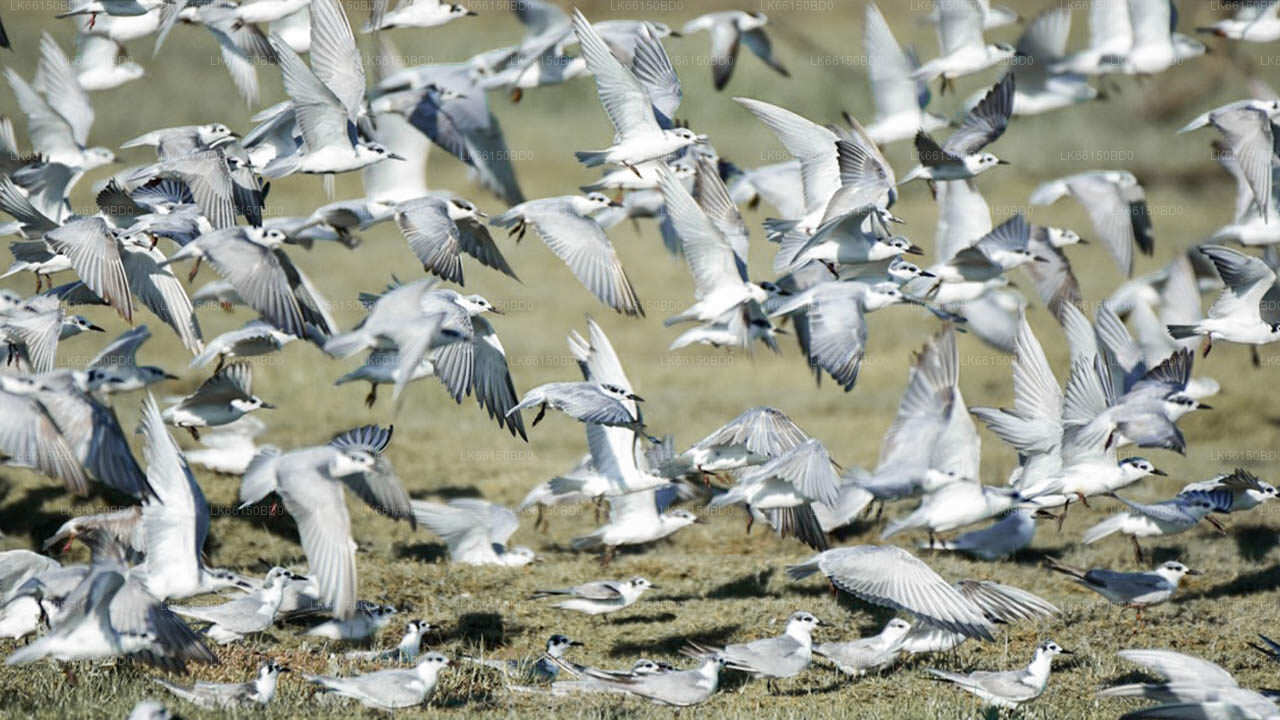
- Birds — Sri Lanka has over 230 endemic and resident species. Yala, Bundala (a Ramsar wetland), and Kumana are outstanding birding sites.
- Reptiles — Monitor lizards, land monitors, and multiple species of snake are commonly encountered.
Which national parks should I visit in Sri Lanka?
Sri Lanka has more than a dozen designated national parks covering roughly 8% of the island's total land area. They range from the coastal scrub of the deep south to the montane grasslands of the central highlands. Below is a comparison of the parks most commonly included in visitor itineraries.
| Park | Best Known For | Province | Peak Season |
|---|---|---|---|
| Yala (Block I) | Leopard density, elephants, crocodiles | Southern / Uva | Feb – Jul |
| Minneriya | "The Gathering" of elephants | North Central | Jul – Oct |
| Udawalawe | Reliable elephant herds, year-round | Sabaragamuwa / Uva | Year-round |
| Wilpattu | Sloth bear, leopard, undisturbed habitat | North Western | Feb – Oct |
| Kaudulla | Elephant herds near ancient reservoir | North Central | Aug – Dec |
| Kumana | Waterbirds, flamingos, leopard | Eastern | Apr – Jul |
| Horton Plains | Montane wildlife, sambar deer, World's End | Central | Jan – Apr |
| Lahugala Kitulana | Compact park, elephants, grassland habitat | Eastern | May – Sep |
When is the best time for a safari in Sri Lanka?
Sri Lanka's parks do not all share the same season. The island's monsoon patterns create alternating dry and wet periods in different regions, so a well-planned itinerary can include a safari at almost any time of year.
For Yala, the dry season between February and July draws wildlife toward shrinking water holes, making sightings more predictable. The park typically closes for a short annual period in September. For Minneriya and Kaudulla, the north-east dry season (roughly July to October) coincides with "The Gathering" — one of Asia's largest elephant congregations, when herds assemble around the ancient reservoir to graze on its receding banks. Udawalawe is notably consistent throughout the year because the Udawalawe Reservoir provides a reliable water source regardless of rainfall.
If your travel dates are fixed, cross-referencing the regional rainfall calendar with your chosen parks is the most reliable approach. Lakpura's team can advise on current conditions before you travel.
What types of safari experience are available?
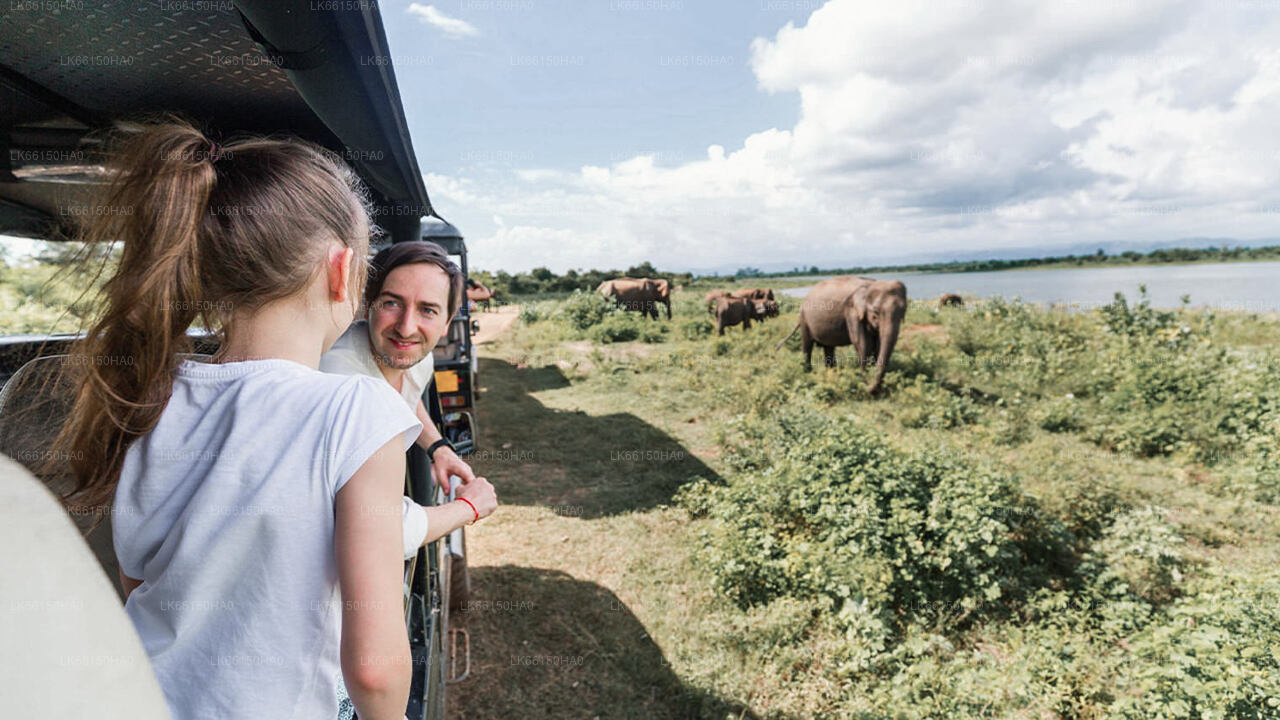
The classic format is a shared or private jeep safari — a 4WD open-sided vehicle guided by a tracker who knows the park's terrain and animal movement patterns. Private jeeps allow you to set your own pace and stay longer at productive sightings. Half-day drives (typically at dawn or late afternoon) and full-day drives are both widely available.
- Private jeep safari — the most flexible option; you choose departure time, duration, and areas to cover.
- Naturalist-guided safari — a qualified naturalist accompanies the drive and provides species identification, behavioural context, and ecological background.
- Safari lodge stay — camping or glamping inside or adjacent to a park boundary, allowing pre-dawn departures and multiple drives over several days.
- Tuk-tuk safari — available in select areas such as rural villages near park boundaries; more about community immersion than big-game spotting.
- Boat safari — useful for waterbird and crocodile watching along rivers and lagoons; the Madu River Safari is one of the most popular examples in the south-west.
For those interested in elephants outside a national park context, the Elephant Transit Home near Udawalawe provides a welfare-focused alternative where orphaned calves are rehabilitated for release.
How do I get to the main safari parks from Colombo?
Distances are approximate by road and will vary depending on your precise starting point and the route taken.
- Yala — around 280–300 km from Colombo; typically a four- to five-hour drive via the Southern Expressway.
- Udawalawe — around 165 km; approximately three hours via the Southern Expressway and A18.
- Minneriya / Kaudulla — around 180–200 km north of Colombo; roughly three to four hours via the A6 or A9.
- Wilpattu — around 175 km north of Colombo; approximately three hours via the A3.
- Kumana — around 390 km; often combined with an east-coast itinerary based in Arugam Bay.
A private transfer is generally the most practical way to reach the parks, as public transport options near most park entrances are limited and schedules rarely align with early-morning safari departures.
What should I bring on a safari in Sri Lanka?
- Lightweight, neutral-coloured clothing — avoid bright colours that can unsettle animals.
- A wide-brimmed hat and high-SPF sunscreen — open jeeps offer no shade.
- Binoculars — essential for birdwatching and spotting wildlife at distance.
- A camera with a reasonably long zoom lens; most wildlife will be 30–100 metres away.
- Insect repellent, particularly for dawn and dusk drives near water.
- A light layer for early-morning starts in the dry zone, where temperatures can be surprisingly cool before sunrise.
- Water and snacks for full-day drives — facilities inside most parks are minimal.
Are Sri Lanka safaris suitable for children?
Most safari jeeps accommodate families comfortably, and wildlife encounters can be genuinely formative experiences for children. That said, very young children may find the long, sometimes bumpy drives challenging — full-day drives in parks like Yala cover considerable ground on rough tracks. Half-day drives are generally a better starting point for families with children under eight. Parks do not impose minimum age restrictions, though individual operators may have their own guidelines.