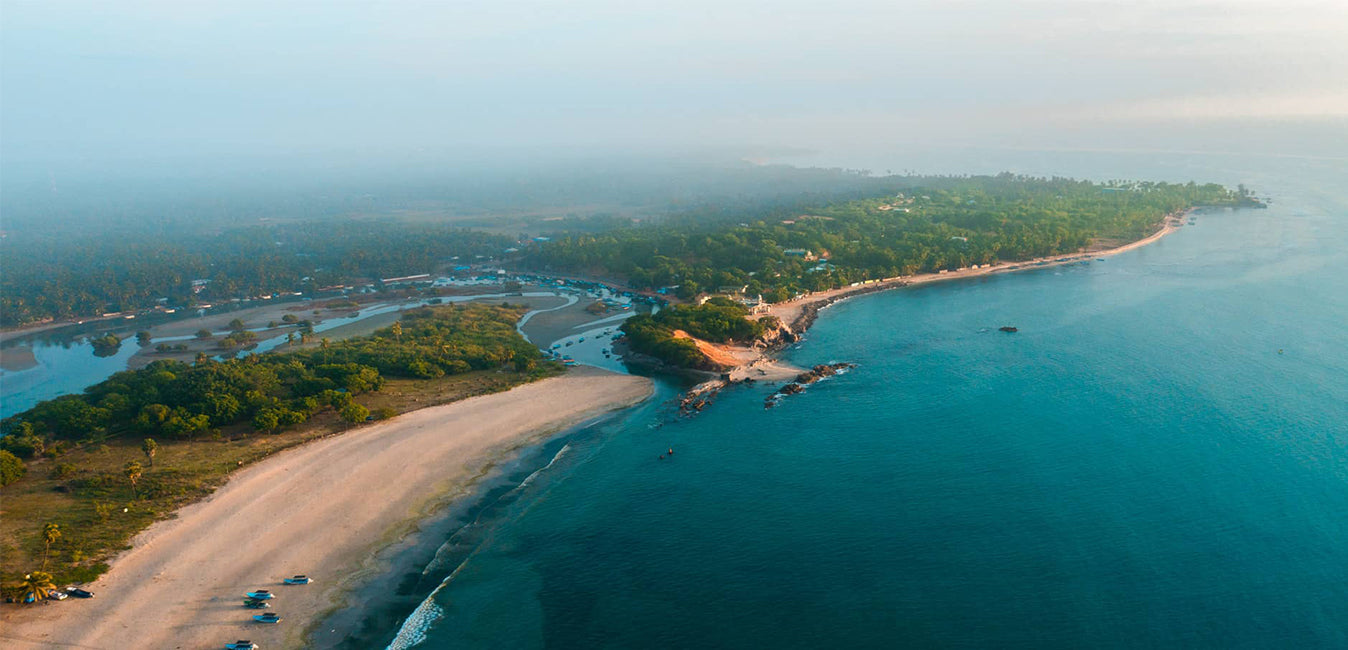
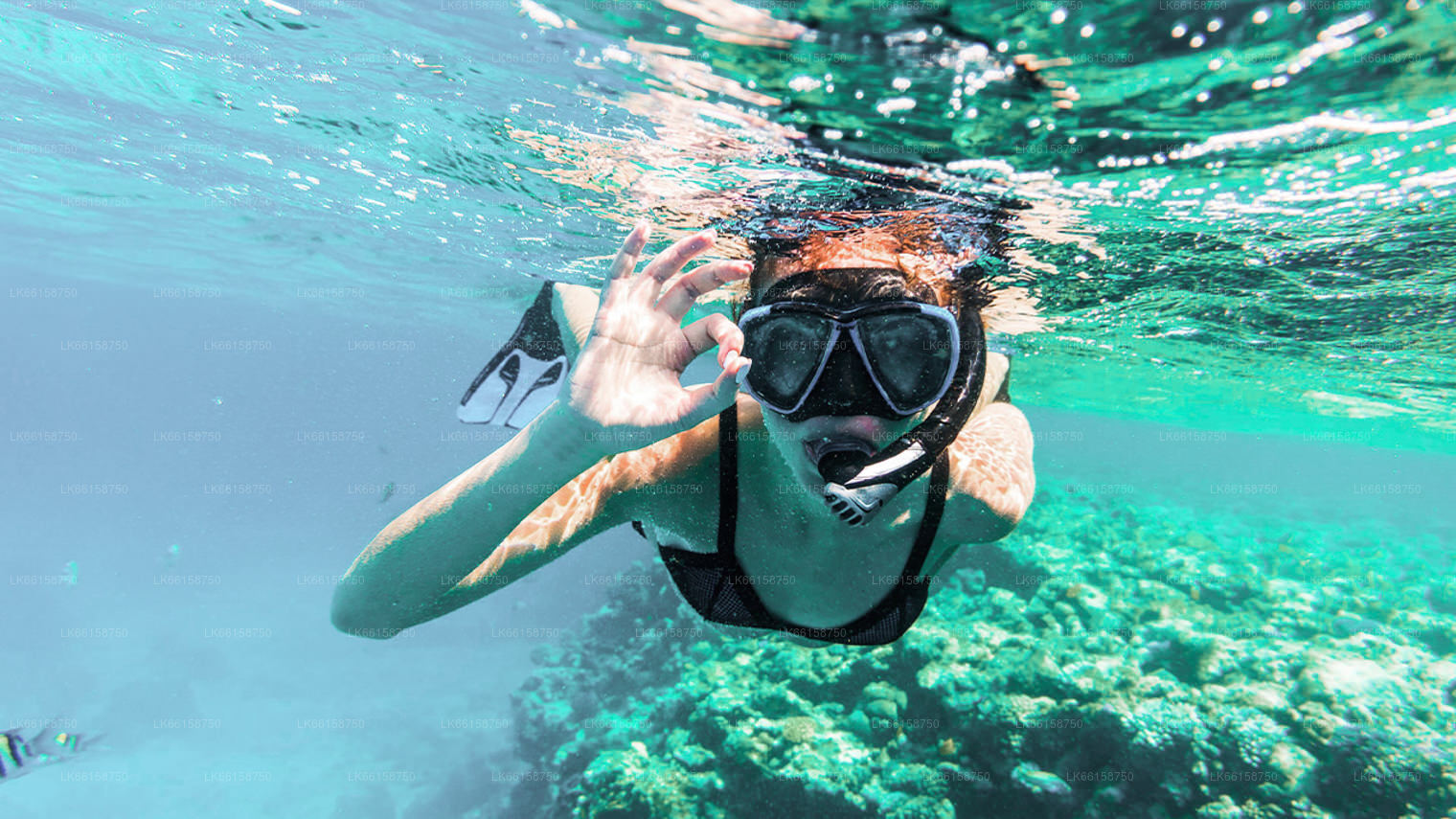
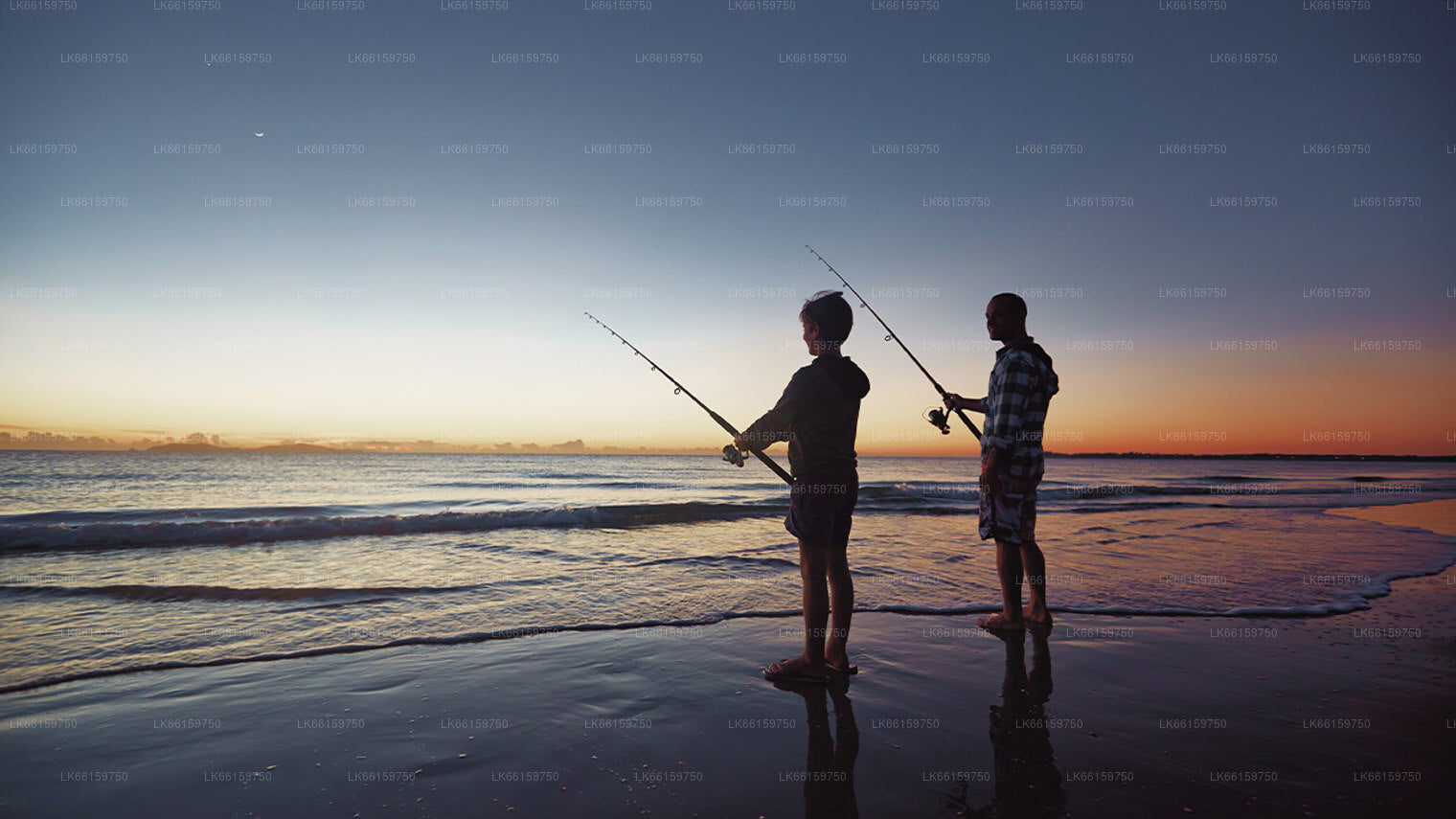
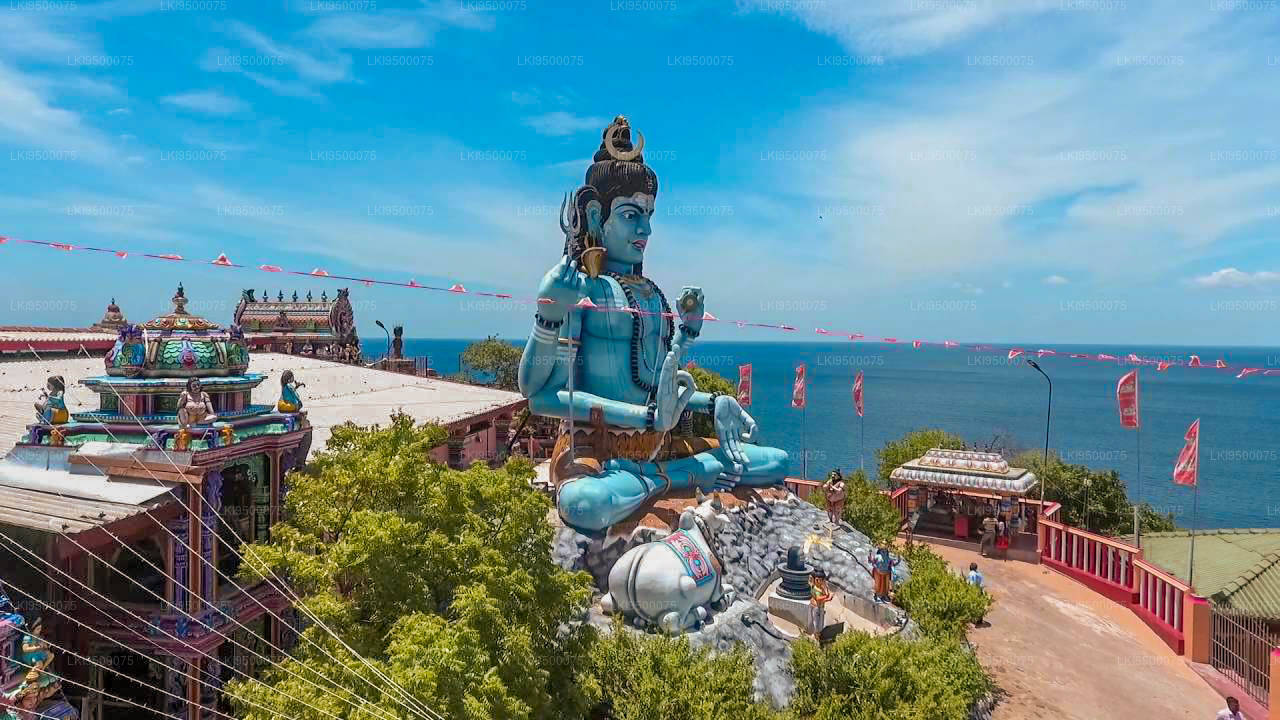
Trincomalee, located on the northeast coast of Sri Lanka, boasts a natural deep-water harbor and pristine beaches. Rich in history, it features landmarks like the ancient Koneswaram Temple. The city's diverse marine life and vibrant culture make it a captivating destination for tourists and historians alike.
Trincomalee, iidne Gokanna, linn ja sadam, Sri Lanka, saare kirdesaar. See asub poolsaarel Trincomalee lahes—varem tuntud kui Koddiyar (mille tähendus on "Kindlus jõe ääres") laht—üks maailma parimaid looduslikke sadamaid.
Trincomalee oli varasematel aegadel suureks Indo-Aaria rändurite asunduseks. Tuhande samba tempel (tuntud ka kui Koneswarami tempel), mis asub poolsaare lõpus, hakati hindu templina kasutama 7. sajandil või varem. Esimesed eurooplased, kes linna asustasid, olid portugallased 17. sajandil; nad hävitasid templi ja kasutasid selle kive kindluse ehitamiseks. Sadama juhtimine vaheldus korduvalt hollandlaste, prantslaste ja britidega, kuni britid said selle püsivalt oma valdusse 1795. Trincomalee tähtsus kui suur briti baas kasvas pärast seda, kui jaapanlased tõrjusid britid Singapurist Teise maailmasõja ajal; jaapanlased pommitasid linna 1942. aastal. Britid hoidsid sadamat pärast Sri Lanka iseseisvumist, kuid loobusid sellest 1957. aastal.
Trincomalee sadam ei ole enam kaubanduslikult oluline, kuigi 1960. aastatel põhjustasid KOL
Most of the Tamils and Sinhalese believe that this place is sacred to them and they are the indigenous people of the area. Trincomalee and its environs have both Hindu and Buddhist sites of historical importance. These sites are sacred to the Hindus and Buddhists.
Eastern Province
The Eastern Province is one of the 9 provinces of Sri Lanka. The provinces have existed since the 19th century but they didn't have any legal status until 1987 when the 13th Amendment to the 1978 Constitution of Sri Lanka established provincial councils. Between 1988 and 2006 the province was temporarily merged with the Northern Province to form the North-East Province. The capital of the province is Trincomalee. The Eastern province's population was 1,460,939 in 2007. The province is the most diverse in Sri Lanka, both ethnically and religiously.
Eastern province has an area of 9,996 square kilometers (3,859.5 sq mi).The province is surrounded by the Northern Province to the north, the Bay of Bengal to the east, the Southern Province to the south, and the Uva, Central and North Central provinces to the west. The province's coast is dominated by lagoons, the largest being Batticaloa lagoon, Kokkilai lagoon, Upaar Lagoon and Ullackalie Lagoon.