Somawathiya Stupa

Somawathiya Stupa Somawathiya Stupa Somawathiya Stupa

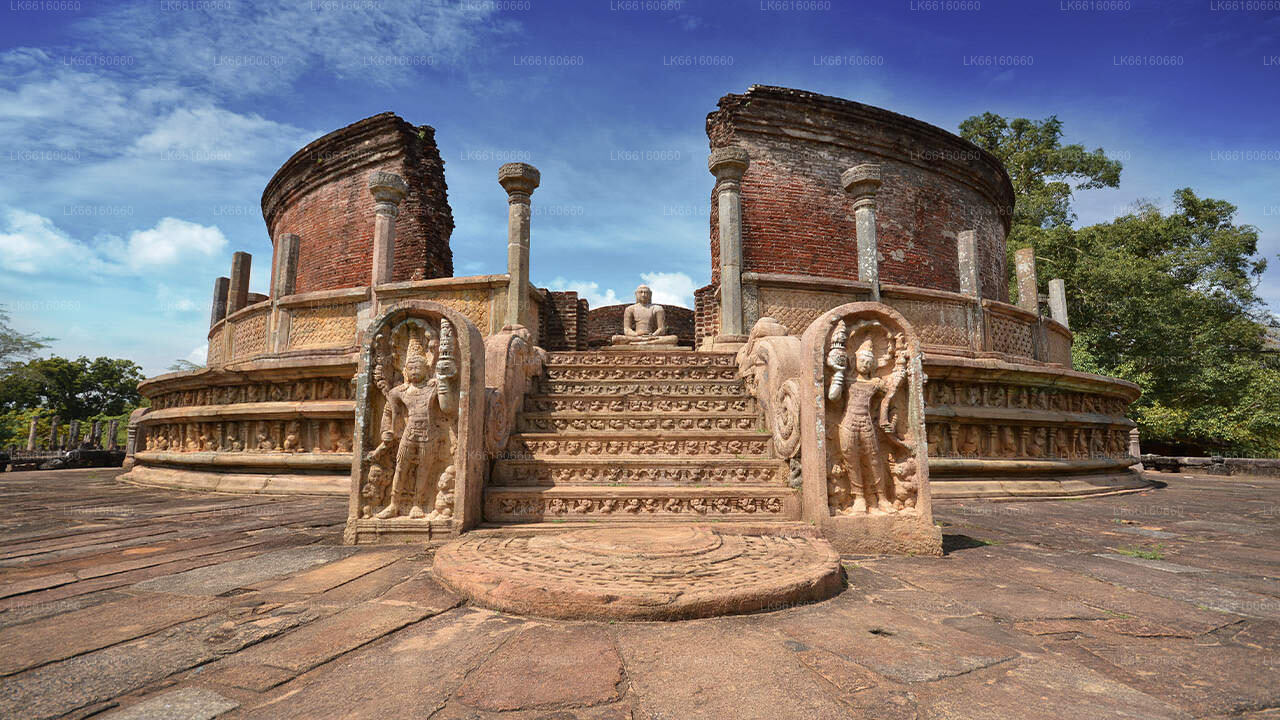
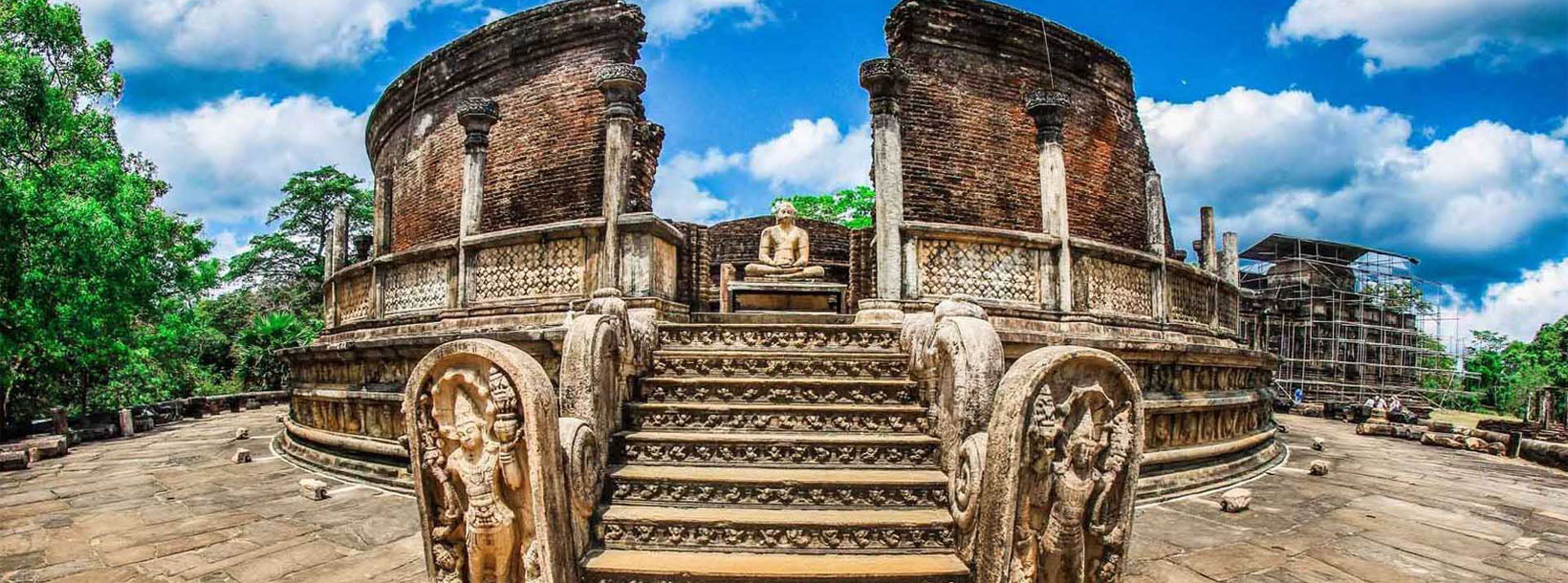
Somawathiya Stupa is an important Buddhist stupa located in the Eastern Province of Sri Lanka, near the town of Polonnaruwa. It is one of the island's most revered sacred sites, believed to house a relic of the Buddha, specifically his right tooth. The stupa is an iconic symbol of Sri Lanka's Buddhist heritage and a focal point for pilgrimage and worship.

Constructed during the reign of King Mahasena in the 3rd century BCE, Somawathiya Stupa is designed in the traditional dome shape, with a central relic chamber and surrounding stone pathways. The stupa's name, "Somawathiya," is derived from the moon, as it is associated with the lunar cycle and has been historically linked to the full moon day of the month. Its peaceful setting amidst lush greenery adds to its spiritual significance.

Visitors to Somawathiya Stupa can explore the serene surroundings, including ancient stone carvings, inscriptions, and remnants of Buddhist monastic complexes. It serves as a key site for those seeking to connect with Sri Lanka's Buddhist history and spirituality. The stupa is also a place of cultural importance, with regular religious ceremonies and rituals taking place throughout the year.

The best time to visit Somawathiya Stupa is during the dry season, from December to April, when the weather conditions are most favorable for outdoor exploration. The stupa is easily accessible and offers a meaningful journey into Sri Lanka's rich Buddhist traditions and archaeological heritage.

Somawathiya Stupa Somawathiya Stupa Somawathiya Stupa

Acerca del distrito de Polonnaruwa

Polonnaruwa es la segunda ciudad más grande de la provincia centro-norte de Sri Lanka. La antigua ciudad de Polonnaruwa ha sido declarada Patrimonio de la Humanidad por la UNESCO. Polonnaruwa cuenta con una larga historia de conquista y lucha, y con razón constituye el tercer elemento del Triángulo Cultural. Ubicada a unos 140 km al noreste de Kandy, Polonnaruwa ofrece horas de inagotable placer para los amantes de la historia y la cultura, gracias a sus numerosos lugares de interés.

Gran parte de las ruinas que aún se conservan se atribuyen al rey Parakrama Bahu I, quien invirtió importantes recursos reales en la planificación urbana, incluyendo parques, edificios, sistemas de riego, etc. Su reinado se considera una época dorada, donde el reino prosperó bajo un gobernante visionario. El Parakrama Samudra es un tanque gigantesco que lleva el nombre de su patrón. El popular Palacio Real del rey, la Sala de Audiencias, rodeada de elefantes de piedra bellamente tallados, y la Piscina de Baño reflejan la superior capacidad de ingeniería de la época.

Acerca de la Provincia Central del Norte

La Provincia Central del Norte, la más grande del país, abarca el 16% de la superficie total del país. Está compuesta por dos distritos: Polonnaruwa y Anuradhapure. Anuradhapura es el distrito más grande de Sri Lanka, con una superficie de 7128 km².

North Central Province has numerous potentials for Investors to start their Businesses, especially Agriculture, agro based industries and Livestock sectors. More than 65% of North Central Province's people depend on basic Agriculture and agro base industries. NCP also called "Wew Bendi Rajje" because there are more than 3,000 medium and large scale tanks situated in the province. Sri maha bodiya, Ruwanweli seya, Thuparama dageba, Abayagiri Monastry, Polonnaruwa Rankot wehera, Lankathilake are scared