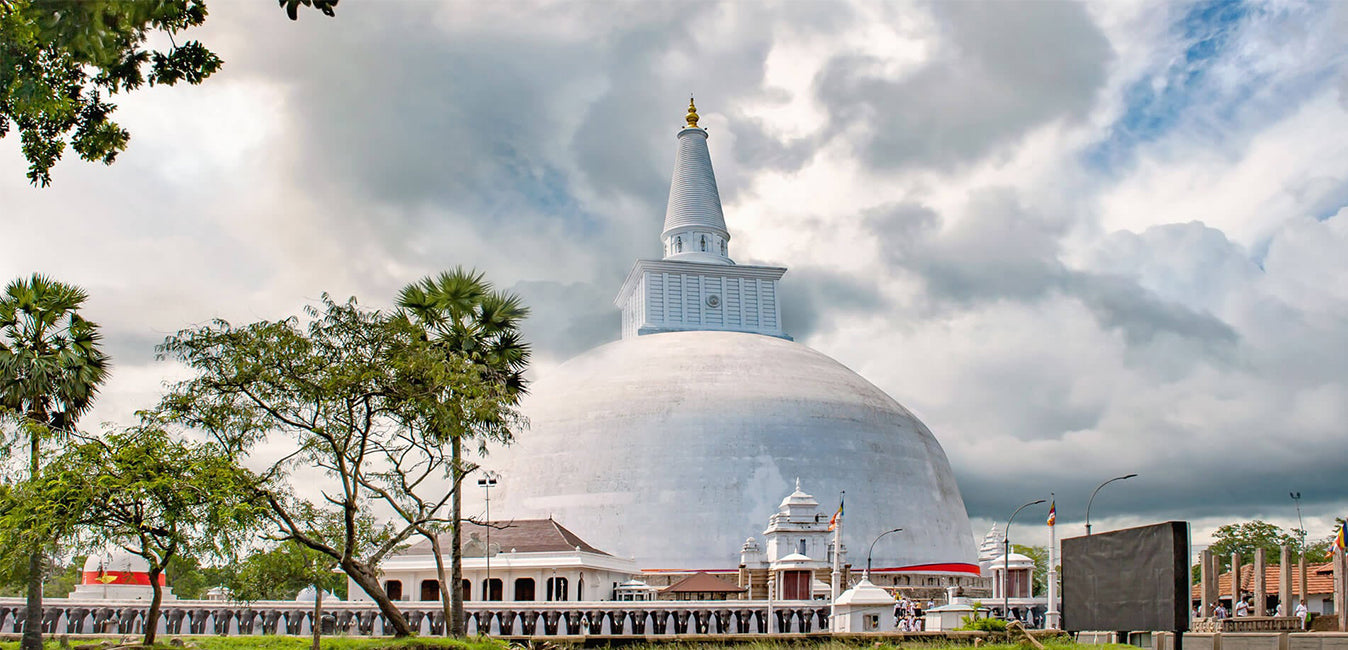
Ruwanweliseya
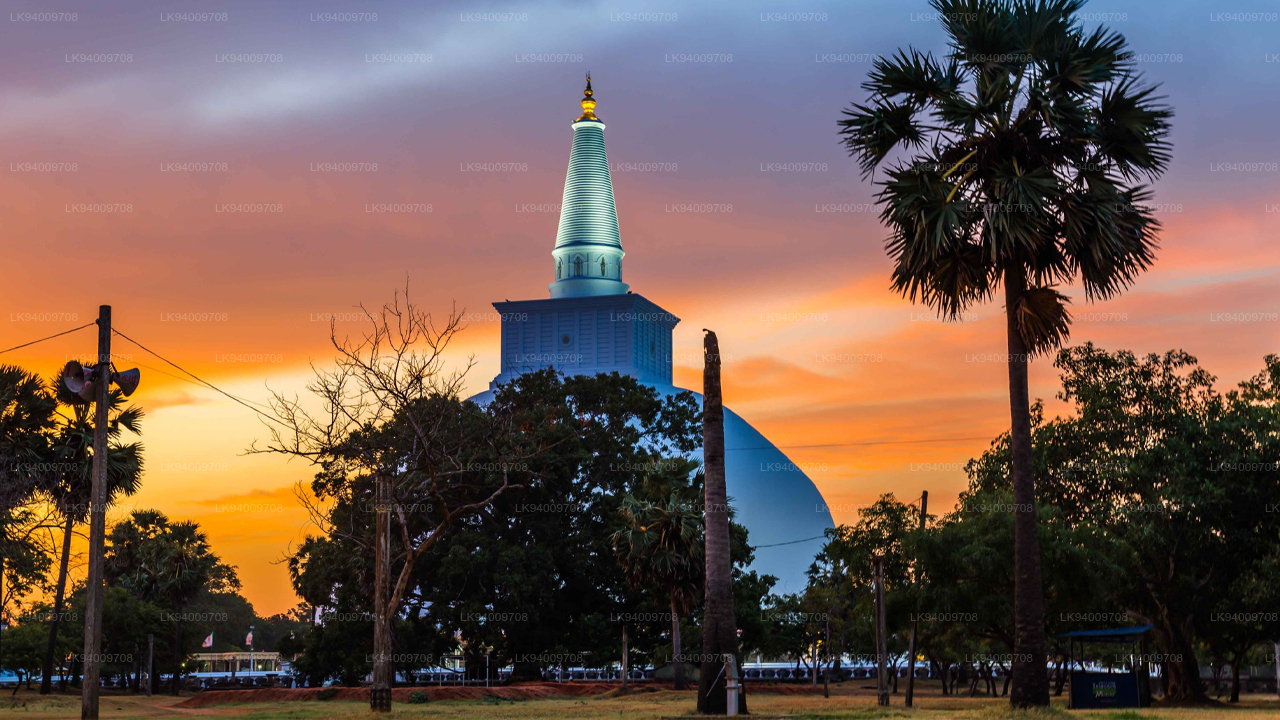
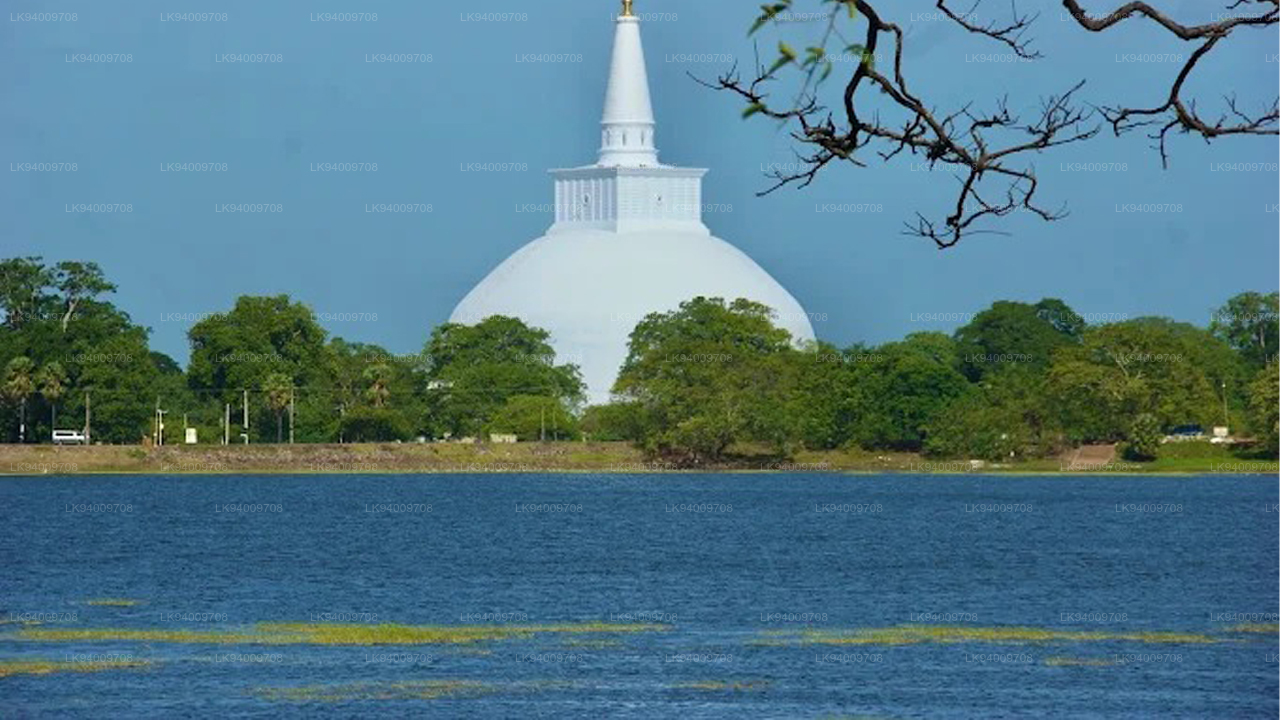

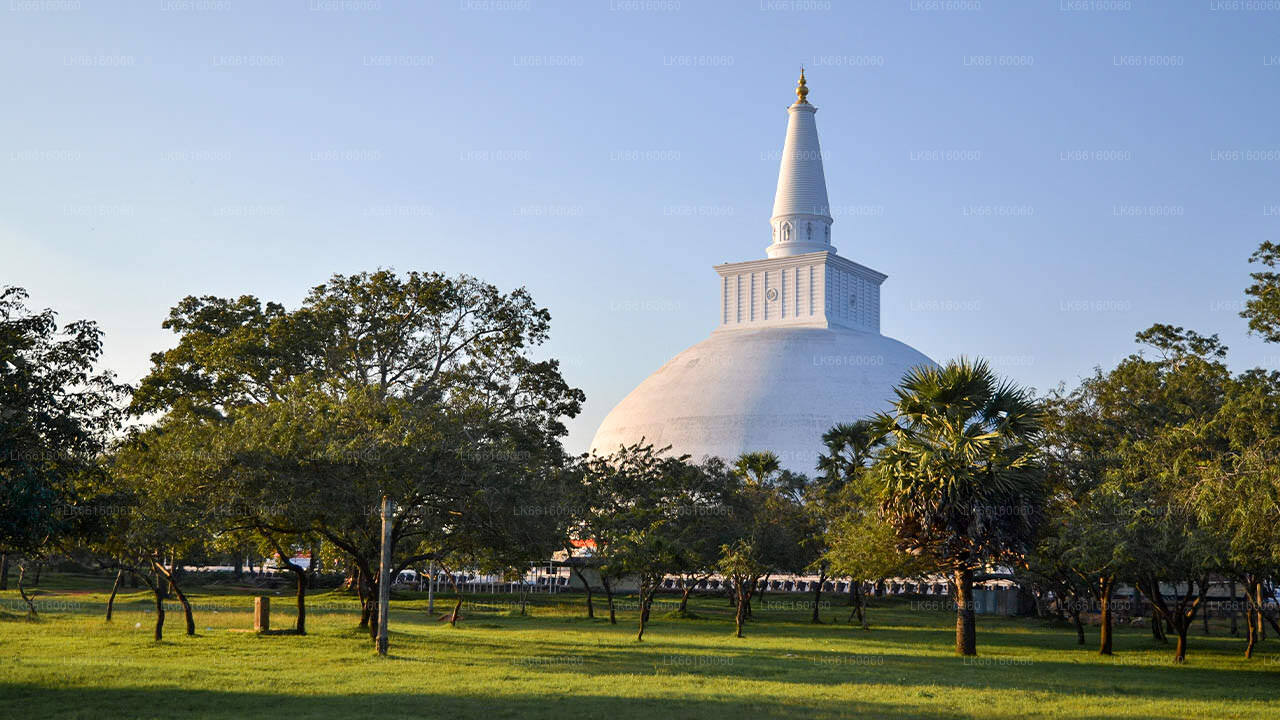
Ruwanweliseya Stupa (Ruwanveli Seya Stupa), el más destacado de los magníficos monumentos antiguos vivos del patrimonio cingalés budista en la ciudad de Anuradhapura (un Sitio del Patrimonio Mundial de la UNESCO – Cultura), fue construido por el Rey Dutugamunu (161–137 a. C.), el héroe de la nación, originario de Ruhuna, una región que ha dado nacimiento a muchos de los grandes héroes de la isla desde la antigüedad hasta la actualidad. La Ruwanweliseya Stupa (Ruwanveli Seya Stupa), también llamada Maha Stupa (cingalés: la gran dagoba) o Ratnapali Stupa o Swarnamali Stupa, es la más venerada y respetada entre las grandes dagobas antiguas de Sri Lanka. Anuradhapura está llena de monumentos culturales antiguos ubicados entre el río Malwatu Oya y dos grandes reservorios de riego artificiales llamados Tissa Wewa y Abhaya Wewa (Basawakkulama Wewa). Estos dos antiguos reservorios, junto con el antiguo reservorio Nuwara Wewa en el lado oriental del río Malwatu Oya, sostienen la vida agrícola del distrito de Anuradhapura.
Las tres principales estupas antiguas situadas al sur del muro sur en ruinas de Anuradhapura — Ruwanweliseya Stupa, Mirisavatiya Dagoba y Jetavanaramaya Stupa — se alinean perfectamente con la disposición celestial de las estrellas Rigel, Mintaka y Bellatrix, tres de las siete estrellas de la constelación de Orión, que los antiguos egipcios (3150 a. C. – cronología egipcia tradicional) asociaban con Osiris, el dios del sol, el renacimiento y la vida después de la muerte.
Y Anuradhapura en Sri Lanka (anomalía gravitatoria baja: –104 m geoidal), aunque muy al sur de Bodh Gaya en el norte de India, está solo tres grados y medio al oeste de ella. Bodh Gaya, el lugar donde Gautama Buda alcanzó la iluminación suprema, se considera Patavi Nahbi (sánscrito: ombligo de la Tierra) según la cosmología budista. El antípoda de Bodh Gaya — en el lado opuesto del mundo, conectado por un eje que atraviesa el centro mismo de la Tierra — es el Templo del Sol (conocido como el ombligo del universo) de la civilización maya (3114 a. C. – calendario de la Cuenta Larga) en un Sitio del Patrimonio Mundial de la UNESCO en Cuzco (quechua: ombligo del universo), cerca de Machu Picchu, la ciudad perdida de los mayas.
A los misterios cosmológicos y geográficos inexplicables asociados con la Ruwanweliseya Stupa (Ruwanveli Seya Stupa), se suma el hecho de que las ubicaciones para la construcción de Ruwanweliseya y Mirisavatiya fueron determinadas por circunstancias extraordinarias. Y existen detalles aún más asombrosos…
-
 Sri Maha Bodhiya
Jaya Sri Maha Bodhi is a sacred bo tree in the Mahamewna Gardens, Anuradhapura, Sri Lanka. It is the southern branch from the historical Sri Maha Bodhi at Buddha Gaya in India under which Buddha attained Enlightenment. It was planted in 288 BC, and is the oldest living human-planted tree in the world with a known planting date.
-
 Ruwanweliseya
The Ruwanweli Maha Seya, also known as the Mahathupa (the Great Thupa) is a stupa (a hemispherical structure containing relics) in Anuradhapura, Sri Lanka. Two quarts or one Dona of the Buddha's relics are enshrined in the stupa, making it the largest collection of his relics anywhere. It was built by Sinhalese King Dutugemunu in c. 140 B.C., who became king of Sri Lanka after a war in which the Chola King Elāra (Ellalan) was defeated.
-
 Thuparamaya
Thuparamaya is the first Buddhist temple that was constructed, after the arrival of mahinda thero(mahindagamanaya) in Sri Lanka. Located in the sacred area of Mahamewna park, the Thuparamaya Stupa is the earliest Dagoba to be constructed in the island, dating back to the reign of King Devanampiya Tissa (247-207 BC). The temple has been formally recognised by the Government as an archaeological site in Sri Lanka.
-
 Lovamahapaya
Lovamahapaya is a building situated between Ruwanweliseya and Sri Mahabodiya in the ancient city of Anuradhapura, Sri Lanka. It is also known as the Brazen Palace or Lohaprasadaya because the roof was covered with bronze tiles. In ancient times, the building included the refectory and the uposathagara (Uposatha house).
-
 Abhayagiri Stupa
Abhayagiri Vihāra was a major monastery site of Mahayana, Theravada and Vajrayana Buddhism that was situated in Anuradhapura, Sri Lanka. It is one of the most extensive ruins in the world and one of the most sacred Buddhist pilgrimage cities in the nation.
-
 Jetavanaramaya
The Jetavanarama stupa or Jetavanaramaya is a stupa, or Buddhist reliquary monument, located in the ruins of Jetavana monastery in the UNESCO world heritage city of Anuradhapura, Sri Lanka. At 122 metres (400 ft), it was the world's tallest stupa, and the third tallest structure in the world when it was built by King Mahasena of Anuradhapura (273–301).
-
 Mirisawetiya Stupa
The Mirisaweti Stupa is a memorial building, a stupa, situated in the ancient city of Anuradhapura, Sri Lanka. King Dutugamunu (161 BC to 137 BC) built the Mirisaveti Stupa after defeating King Elara. After placing the Buddha relics in the sceptre, he had gone to Tissa Wewa for a bath leaving the sceptre.
-
 Lankarama
Lankarama is a stupa built by King Valagamba, in an ancient place at Galhebakada in the ancient kingdom of Anuradhapura, Sri Lanka. Nothing is known about the ancient form of the stupa, and later this was renovated. The ruins show that there are rows of stone pillars and it is no doubt that there has been a house built encircling the stupa (vatadage) to cover it.
-
 Isurumuniya
Isurumuniya is a Buddhist temple situated near to the Tissa Wewa (Tisa tank) in Anuradhapura, Sri Lanka. There are four carvings of special interest in this Vihara. They are the Isurumuniya Lovers, Elephant Pond and The Royal Family. The ancient Meghagiri Vihara or Meygiri Vihara is presently identified as the Isurumuni Vihara.