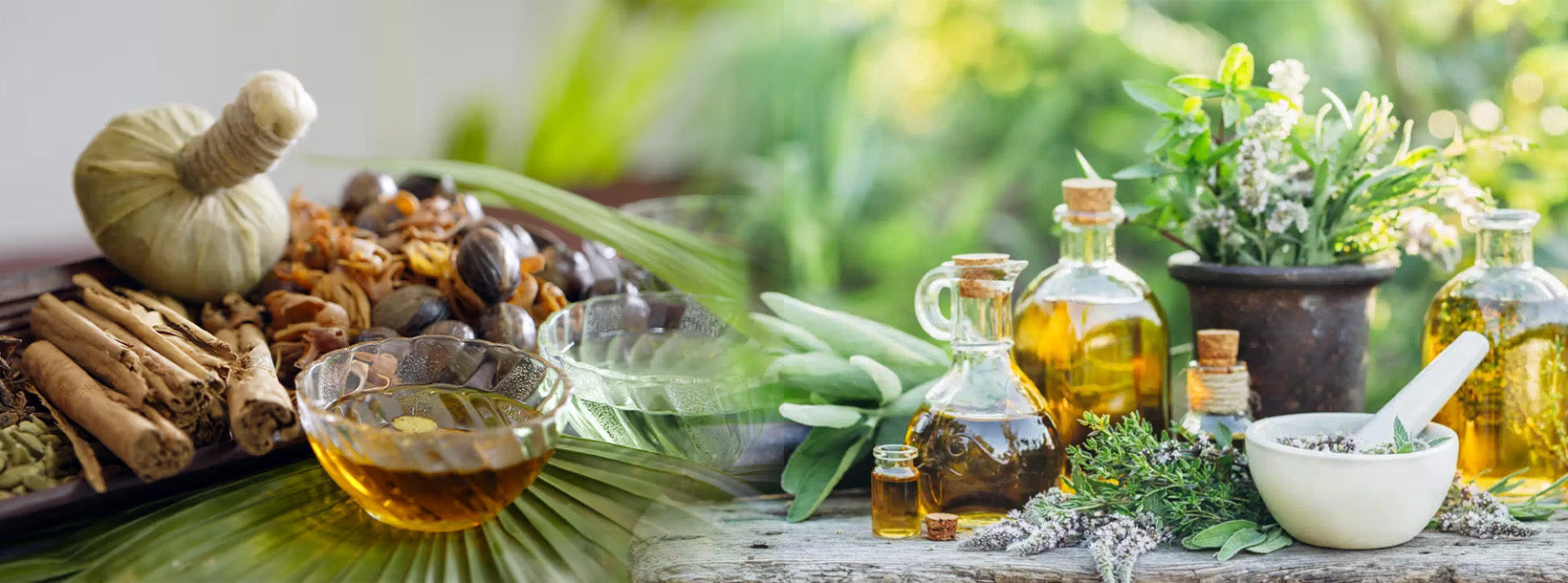
Kola Kenda


This is part of our series on using Sri Lanka’s herbs for everyday use for better health, especially the boosting of immunity. We will be using diverse books and advice from indigenous doctors for this series. For the first weeks, until we complete much of the book, we will focus on the publication ‘Hela Weda Athpotha’ authored by Ayurveda Shasthri, Ayurveda Doctor Palitha Shri Gagana Arachchige and published by Dilmah Conservation. We are continuing from last week focusing on Kenda varieties and its uses while also featuring the Ath Beheth Mangusawa segment of the book that focuses on minor ailments that could be treated at home with generally found herbs prior to seeking medical advice. Below is the continuing series on kenda which we end this week and begin the Ath Beheth series of the book ‘Hela Weda Athpotha’
Kenda (traditional Sri Lankan broth) is synonymous with the traditional diet of Sri Lanka and there are Kenda types that vary from those using our herbal leaves that are known as kola kenda and those using garlic or only rice (roasted kekulu haal) and referred to as ‘dry kenda’ (viyali kenda).
The rice that is advised in the book to be used is red nivudu variety which has to be kept soaked for a while and then pounded in a wangediya. Separately small red onions, garlic, ginger (amu inguru) should be finely chopped and boiled with the rice. This should be boiled very well.
The leaves need to be well washed and cleaned and pounded well for the juice to be separated. Once again the leaf extracts should be pounded along with the scraped coconut and the juice of this too added to the juice already extracted. This, along with the coconut milk should be added to the rice after it is well boiled.
It is best to switch off the cooker soon after adding the leaf extract so as to retain its nutrition. Why coconut is used in the broth is to ensure that the carotene levels of the leaves are not evaporated. The coconut absorbs and help retain this vital nutrition within the liquid. Diya lunu (salt) should be added to the kenda.
Kola kanda (also known as Kola kandha or Kola kenda) (Sinhala: ??? ???) is a traditional herbal congee or gruel made from raw rice, coconut milk and the fresh juice of medicinally valued leafy greens. The leaves may include gotukola, karapincha, welpenela, iramusu, hatawariya, polpala, karapincha or ranawara, depending upon the type of ailment that is being sought to prevent or cure. It is usually served at breakfast, steaming hot, with a piece of jaggery (palm sugar) to counter the bitterness of the herbal leaves.
According to ancient texts, including the Dipava?sa and Mahava?sa, the habit of consuming Kola kanda originated with the Buddhist culture. It is eaten by Buddhist monks in the morning, as a means of sustenance. As part of the Buddhist monastic code, monks are only permitted two meals a day (breakfast and lunch) an
-
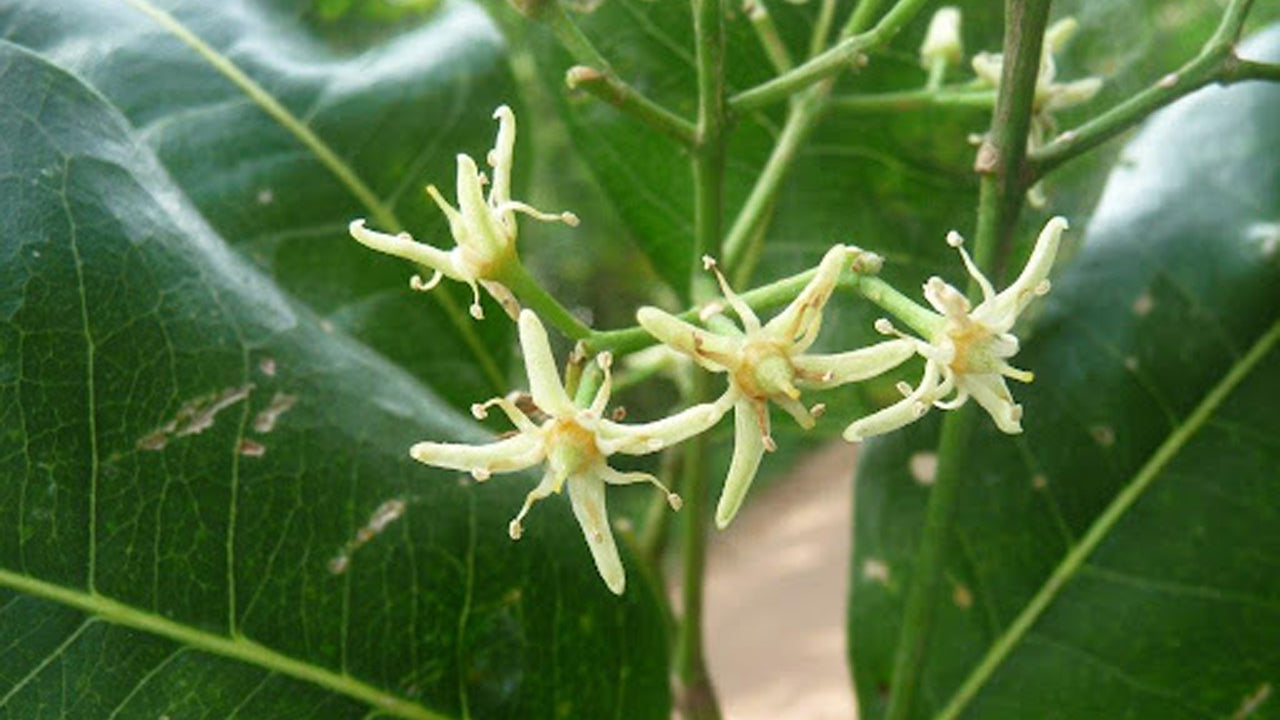
Claw-flowered laurel
Acronychia pedunculata -
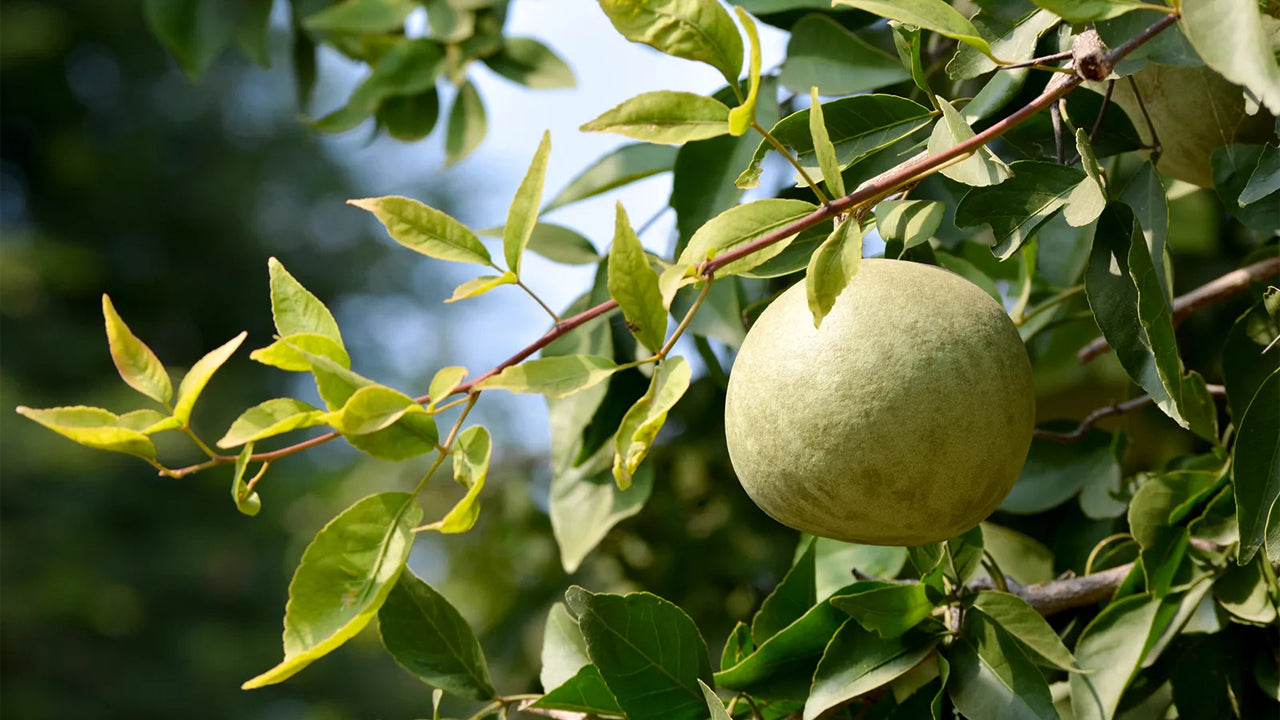
Bael
Aegle marmelos -
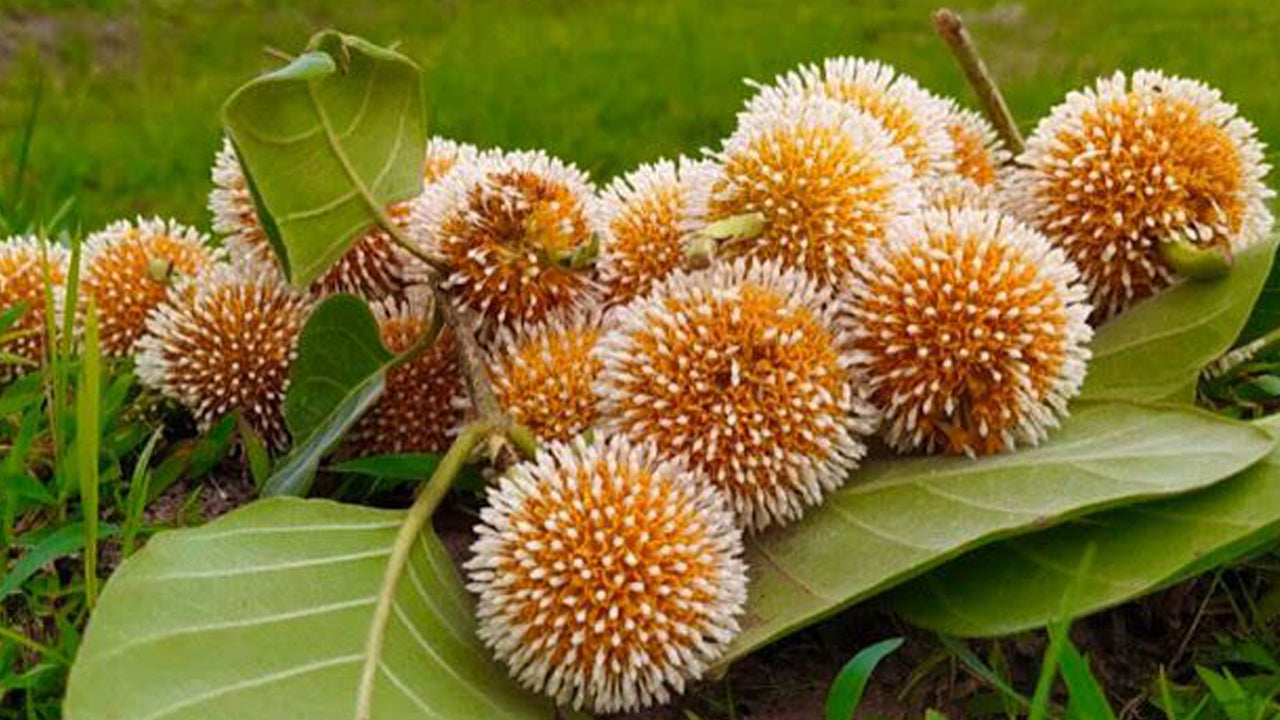
Leichhardt tree
Nauclea orientalis -
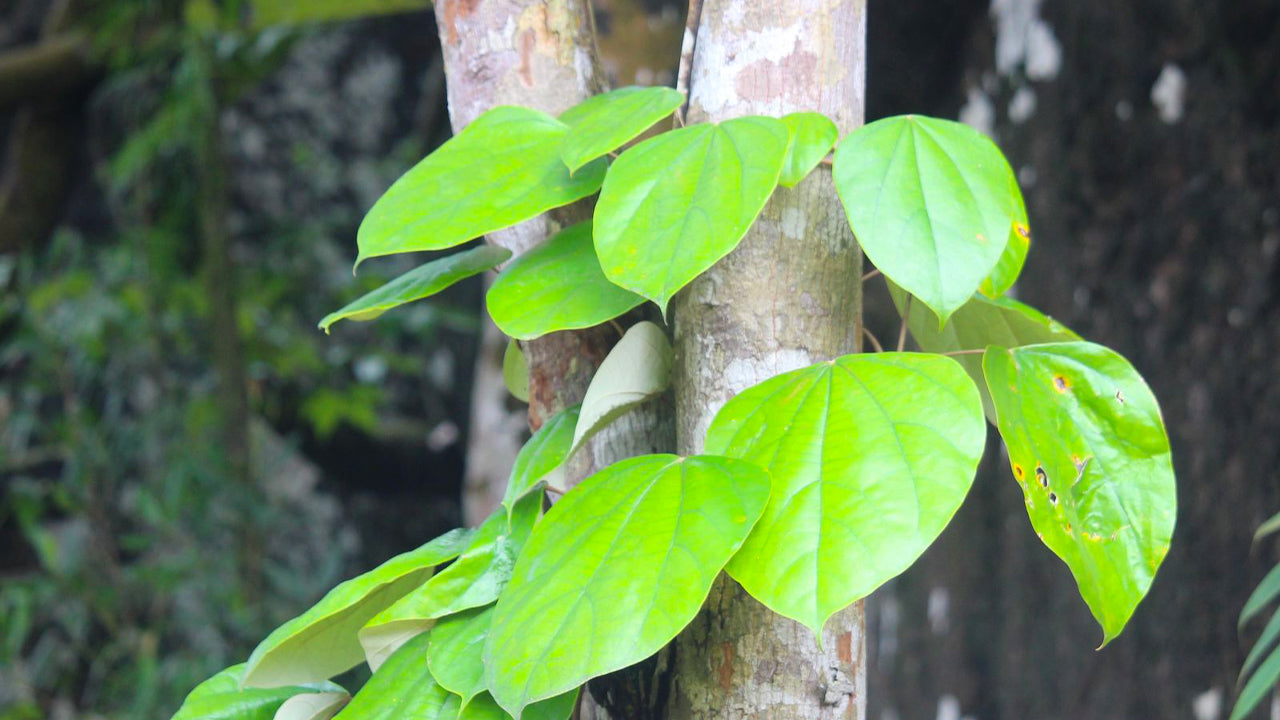
False Calumba
Coscinium fenestratum -

Malabar Gulbel
Tinospora malabarica -
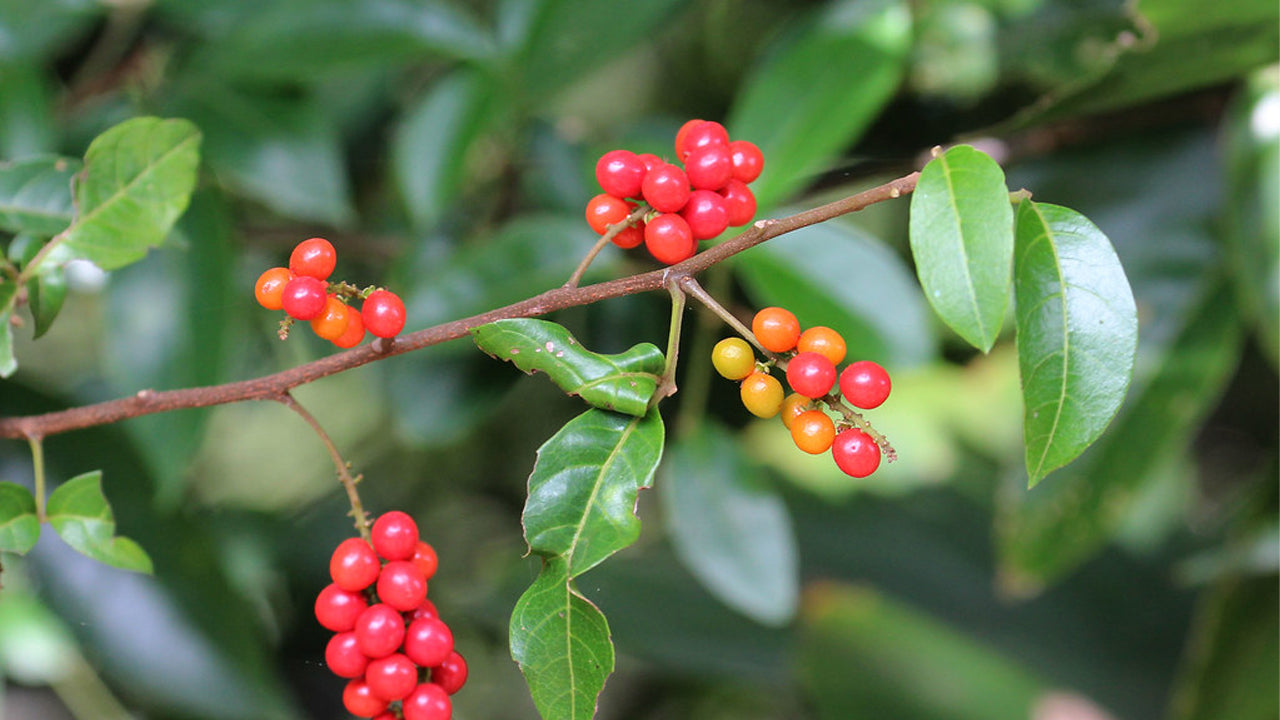
Titberry
Allophylus cobbe -
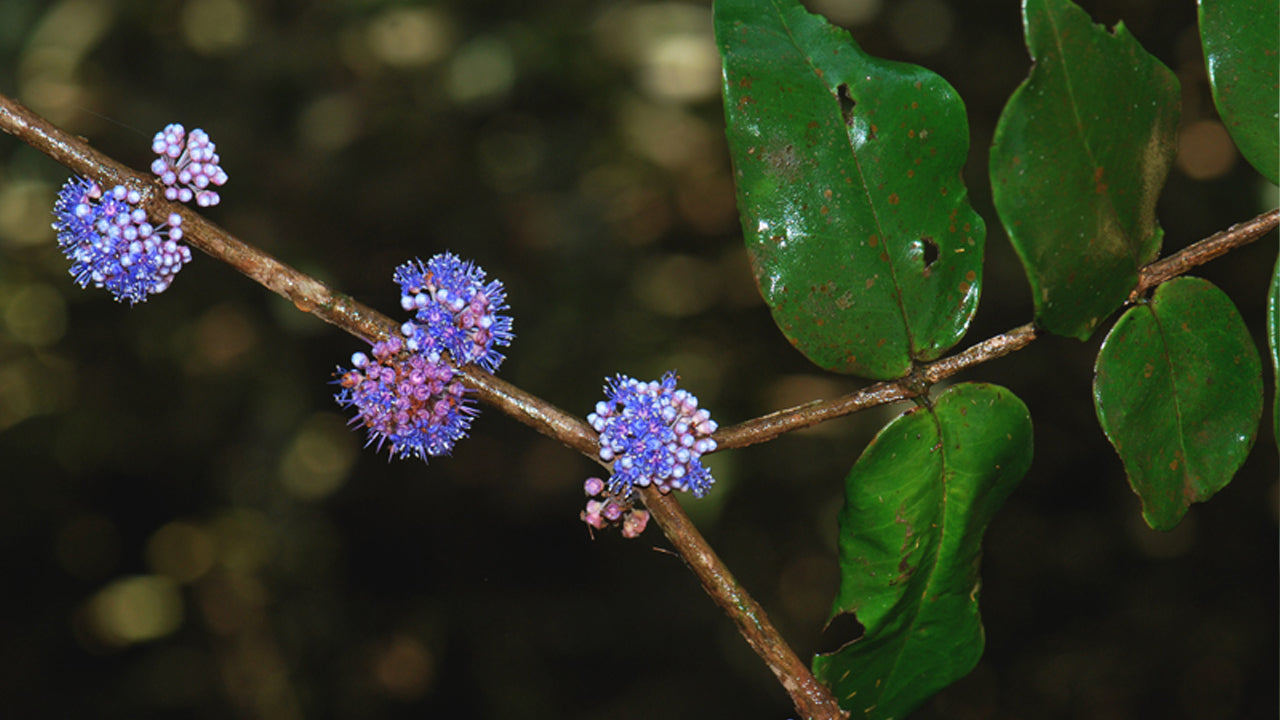
Ironwood Tree
Memecylon capitellatum -
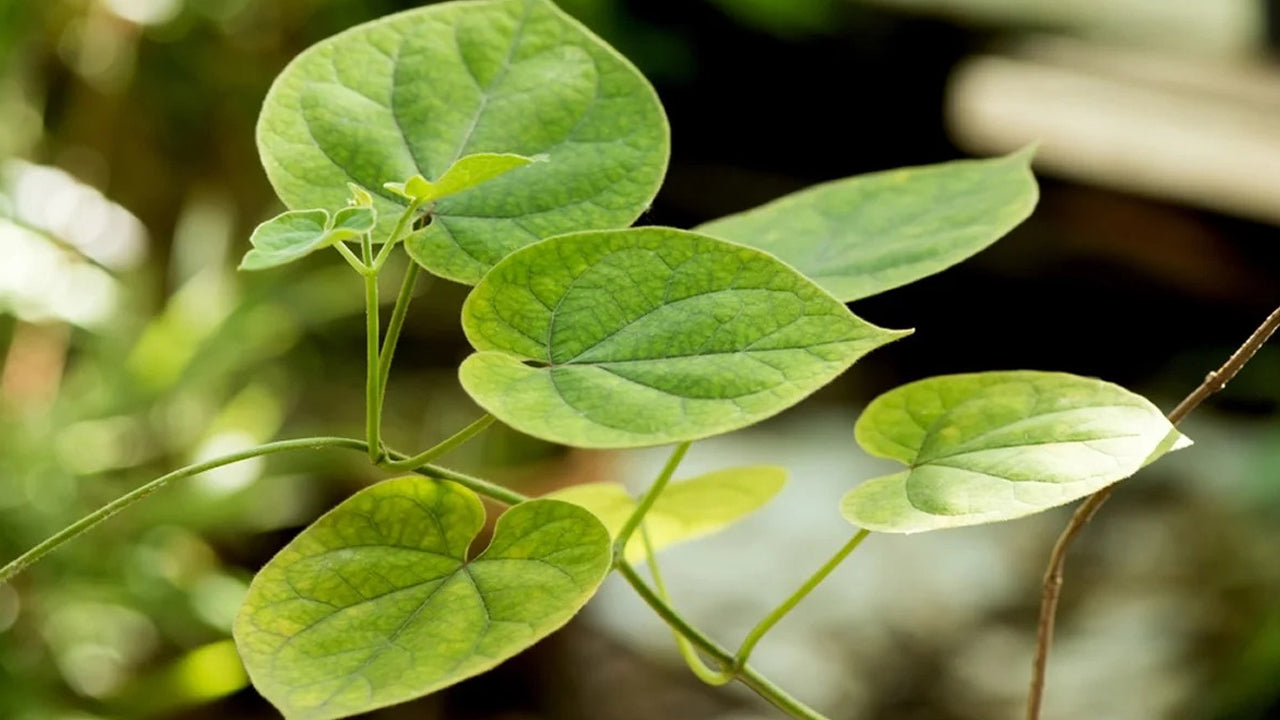
Velvet Leaf
Cissampelos pareira -
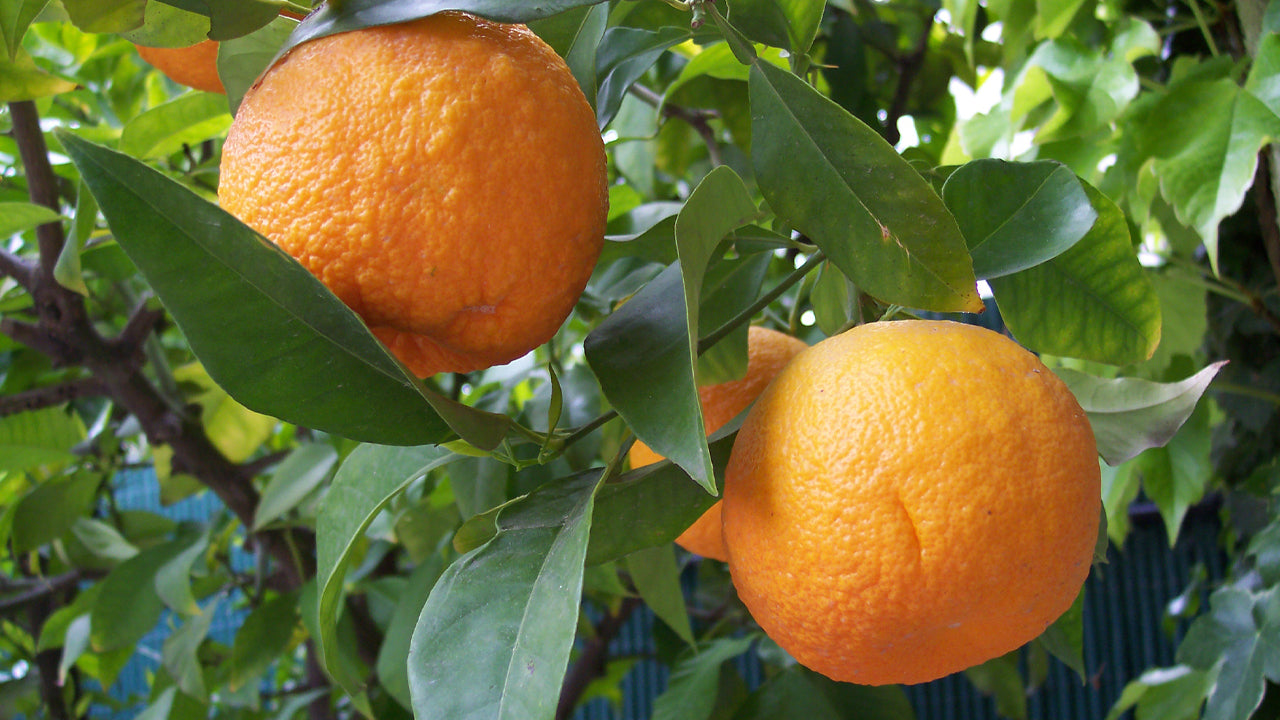
Bitter orange
Citrus aurantium -

Reinwardt's Tree Plant
Biophytun reinward -
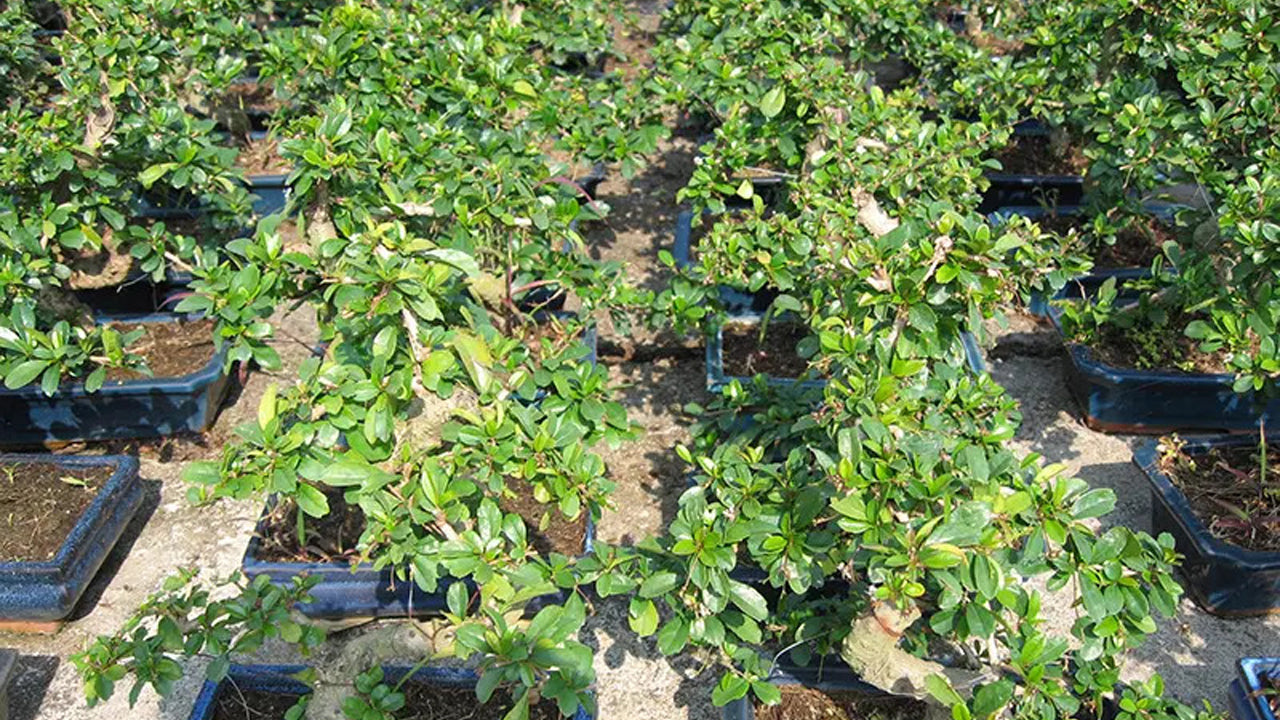
Fukien tea
Carmona microphylla -
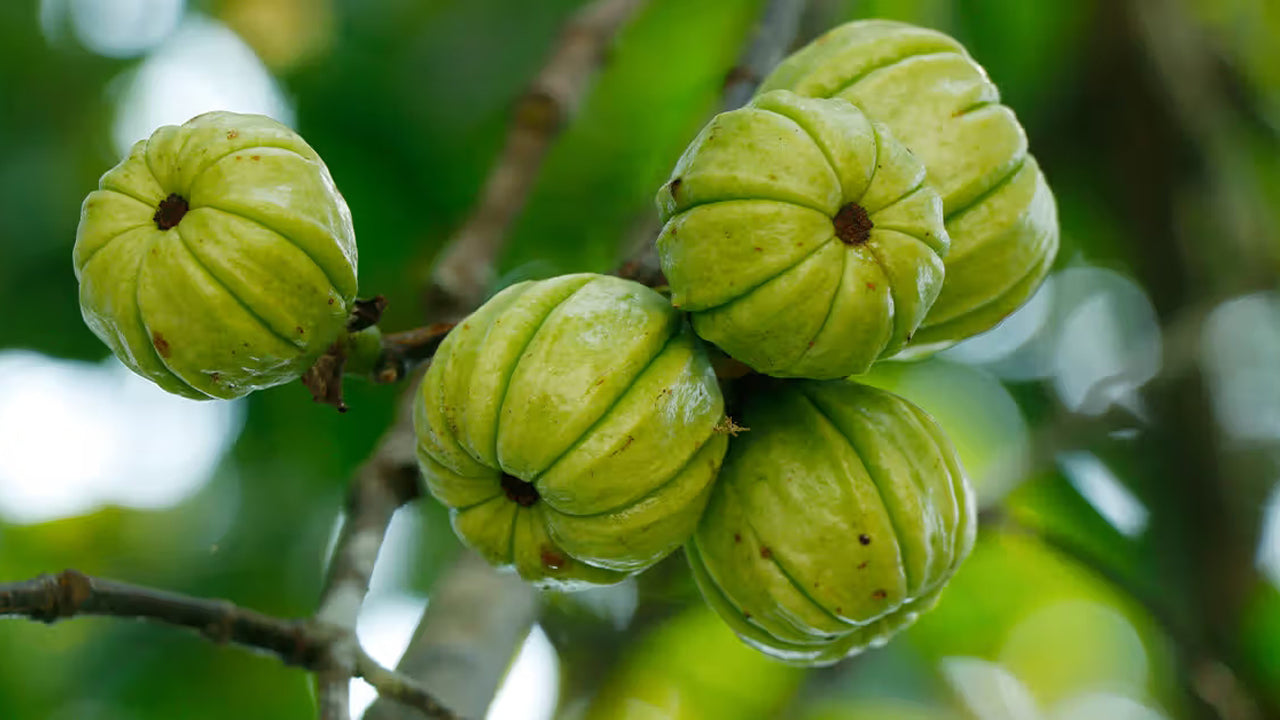
Malabar tamarind
Garcinia cambogia -
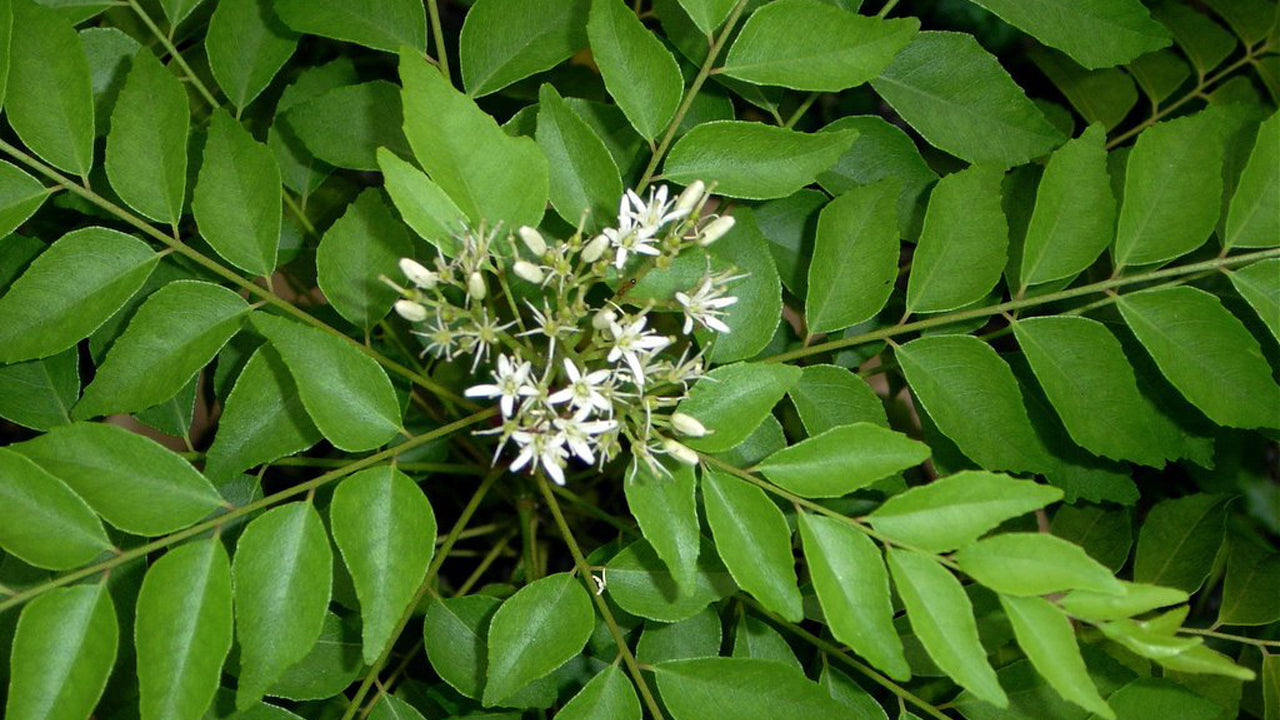
Curry leaf tree
Murraya koenigii -
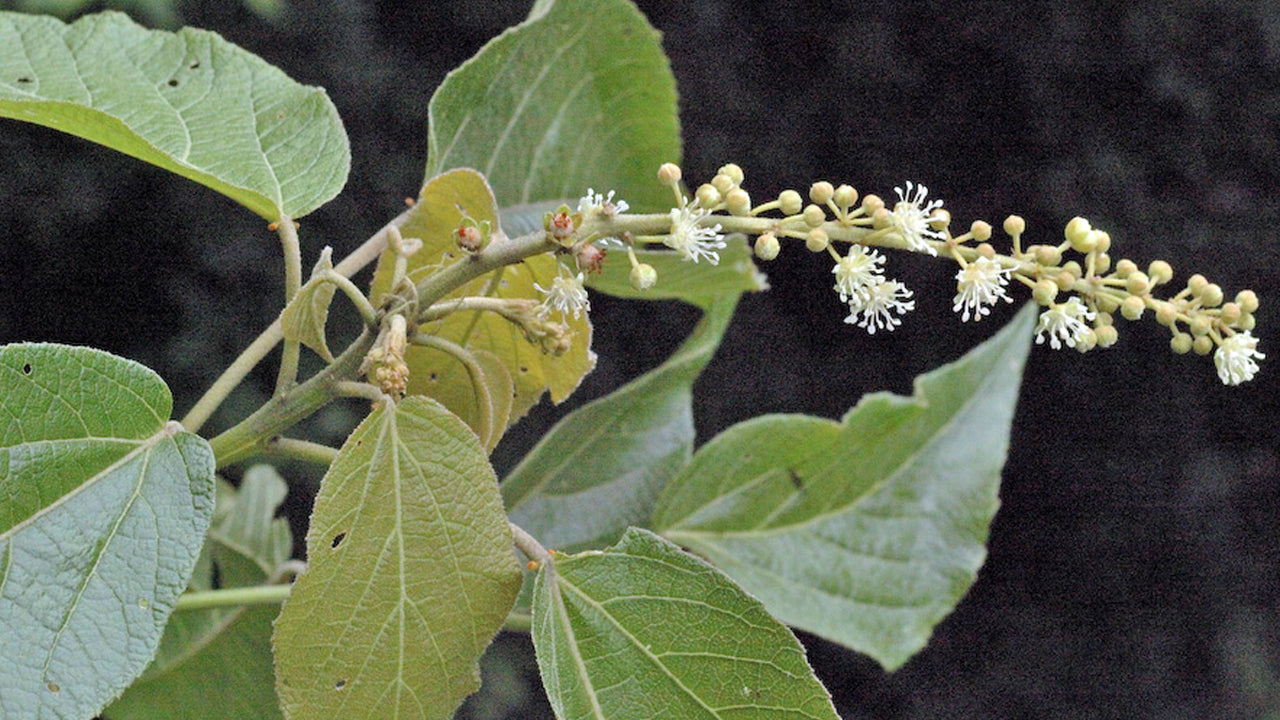
Kappetiya
Croton laccifer -
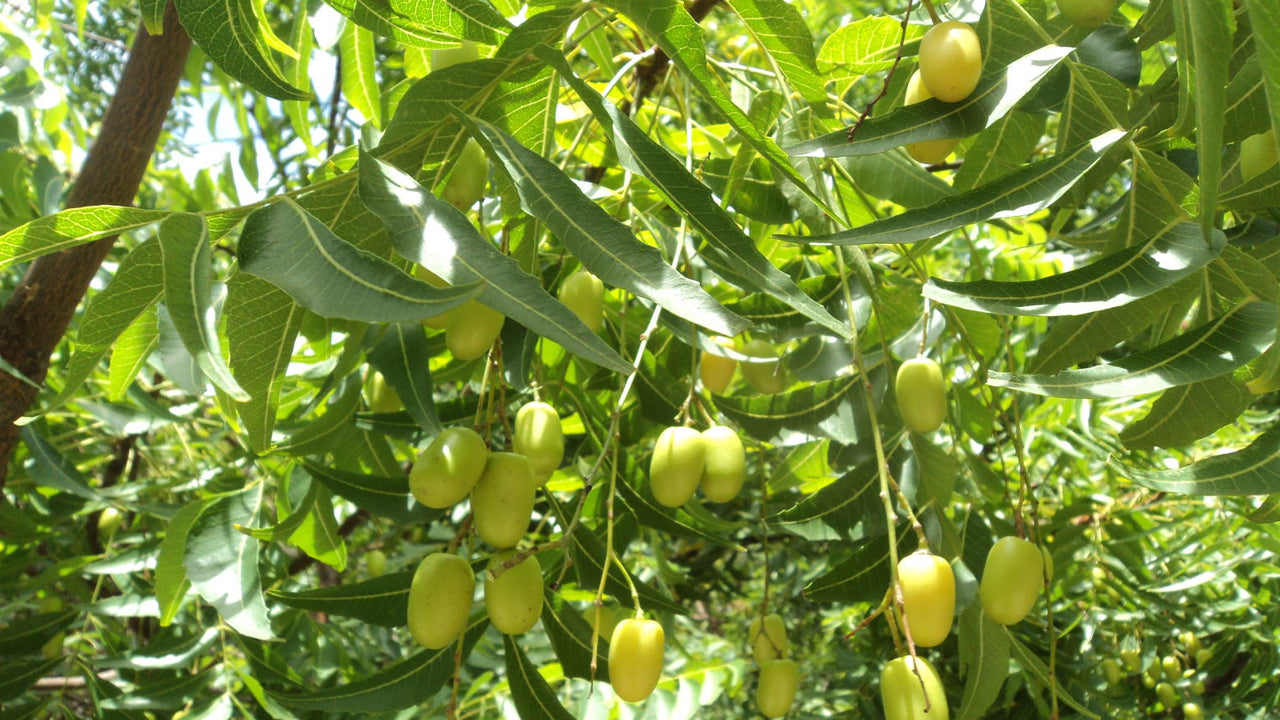
Indian lilac
Azadirachta indica -
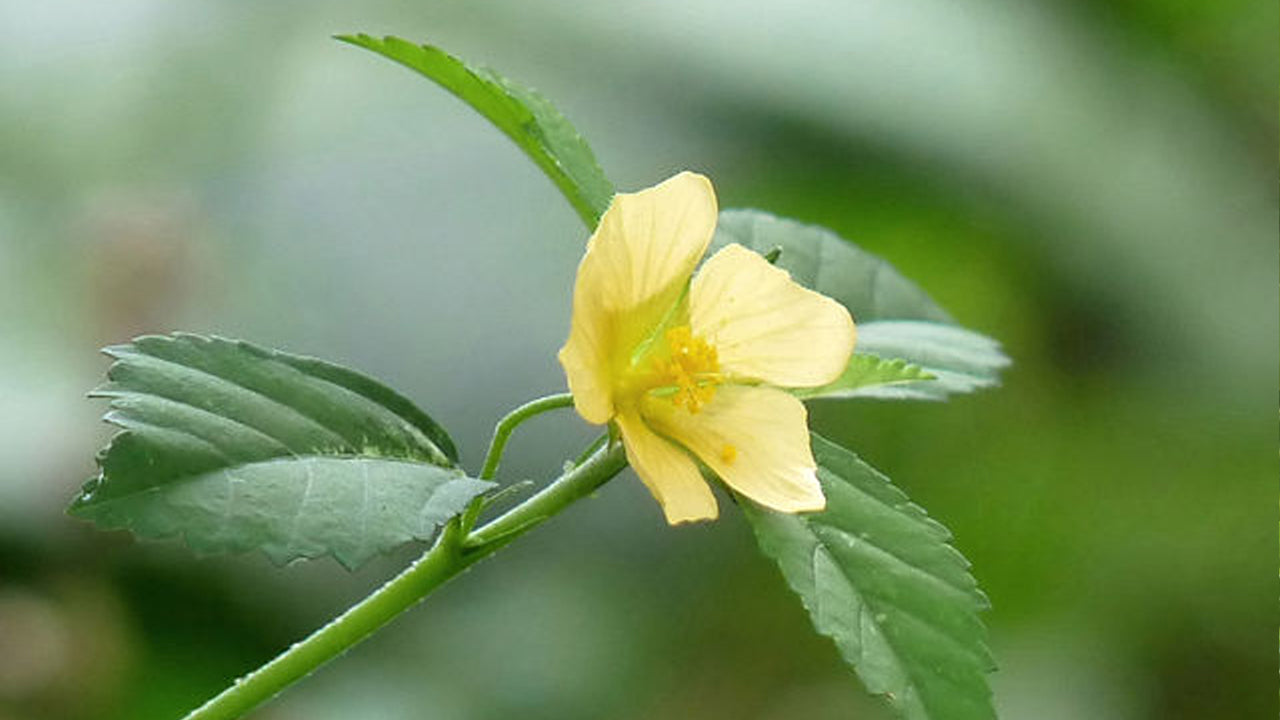
Spiny sida
Sida alba -
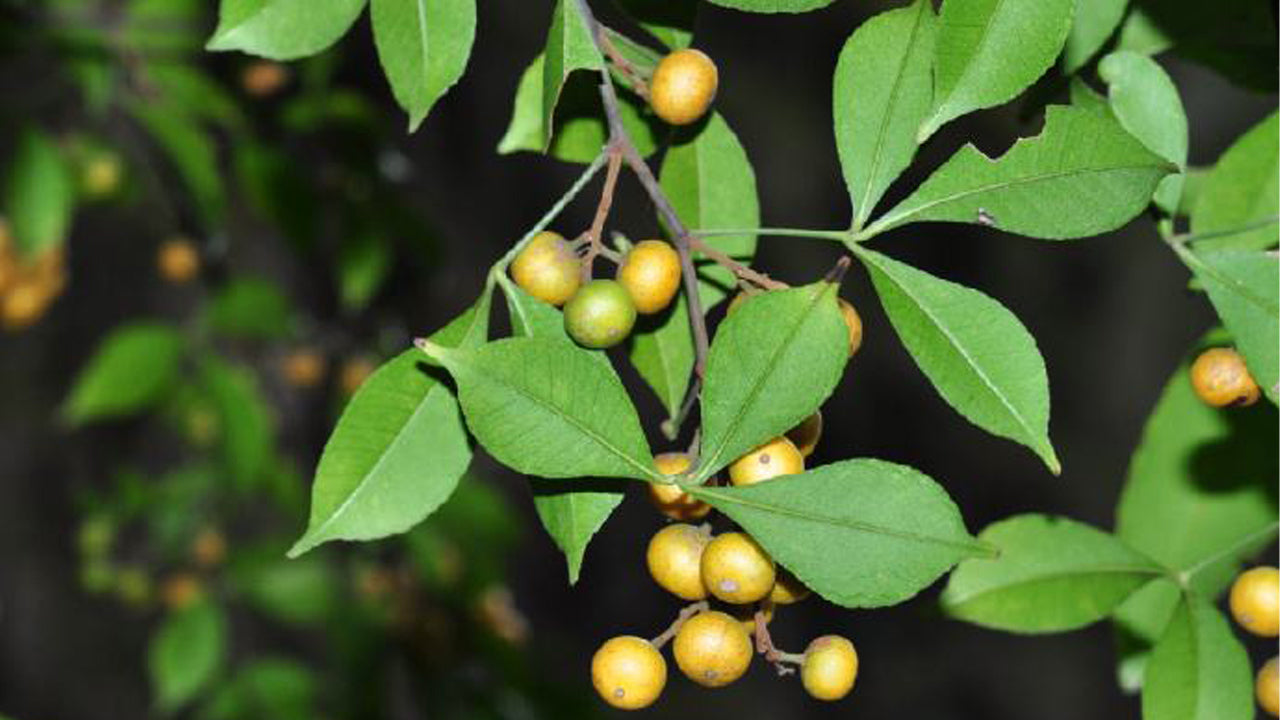
Orange climber
Toddlia asiatica -
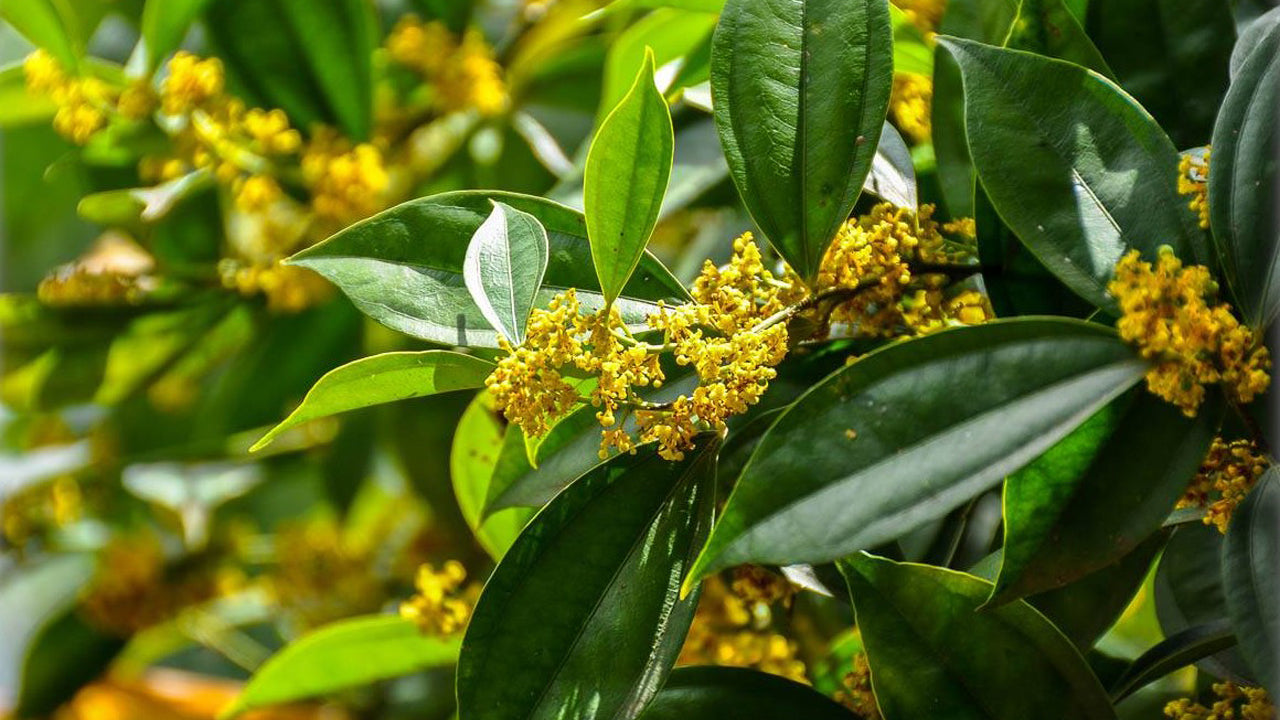
Ceylon cinnamon
Cinnamomum zeylanicum -
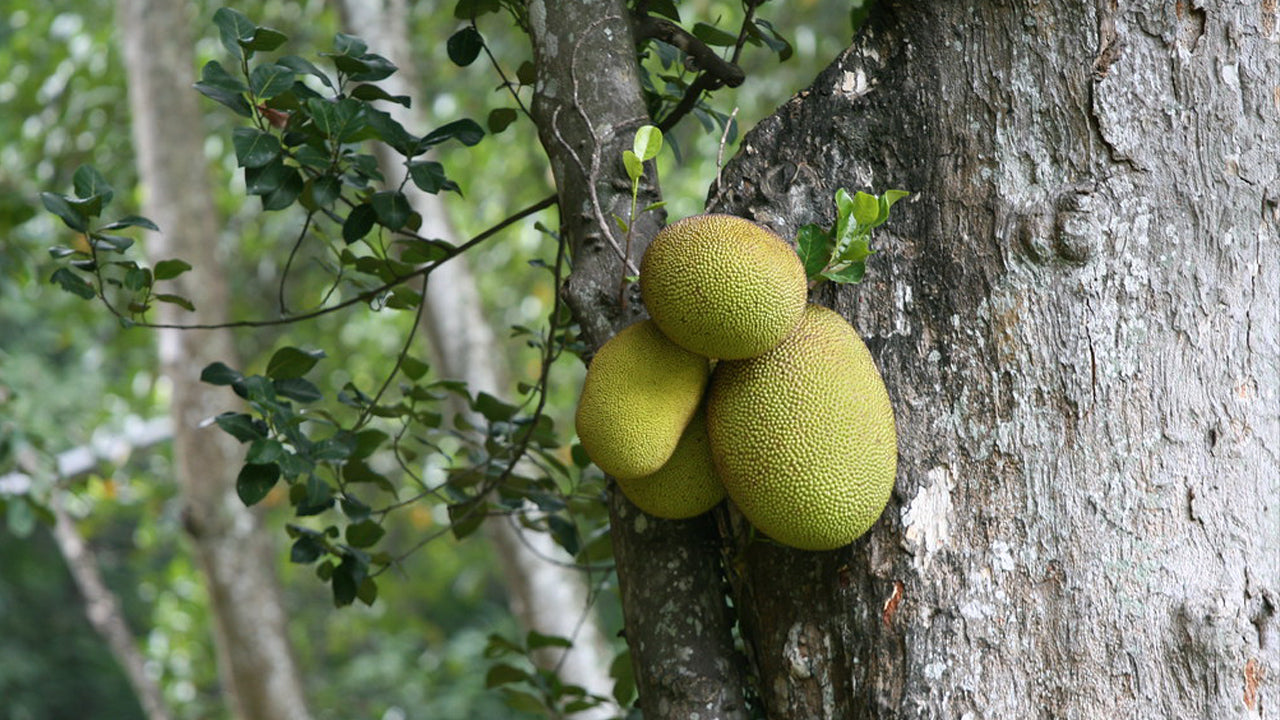
Jackfruit
Artocarpus heterophyllus -
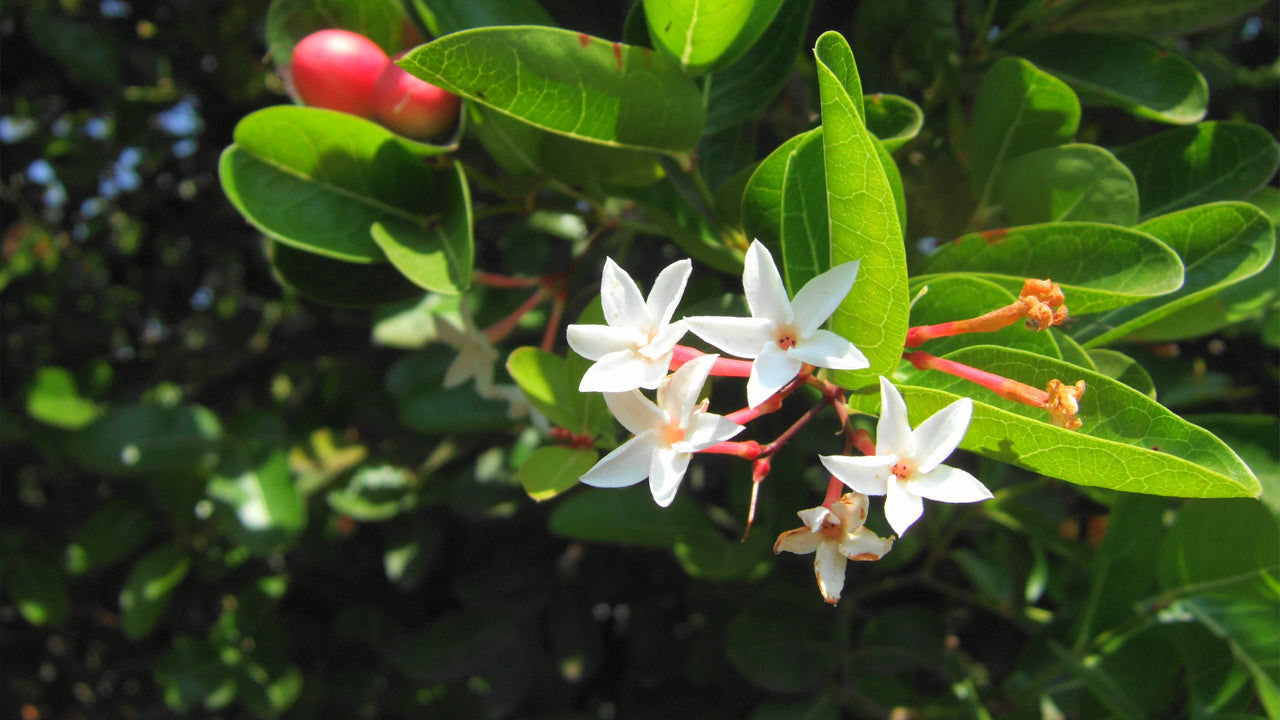
Karonda
Carissa carandas -
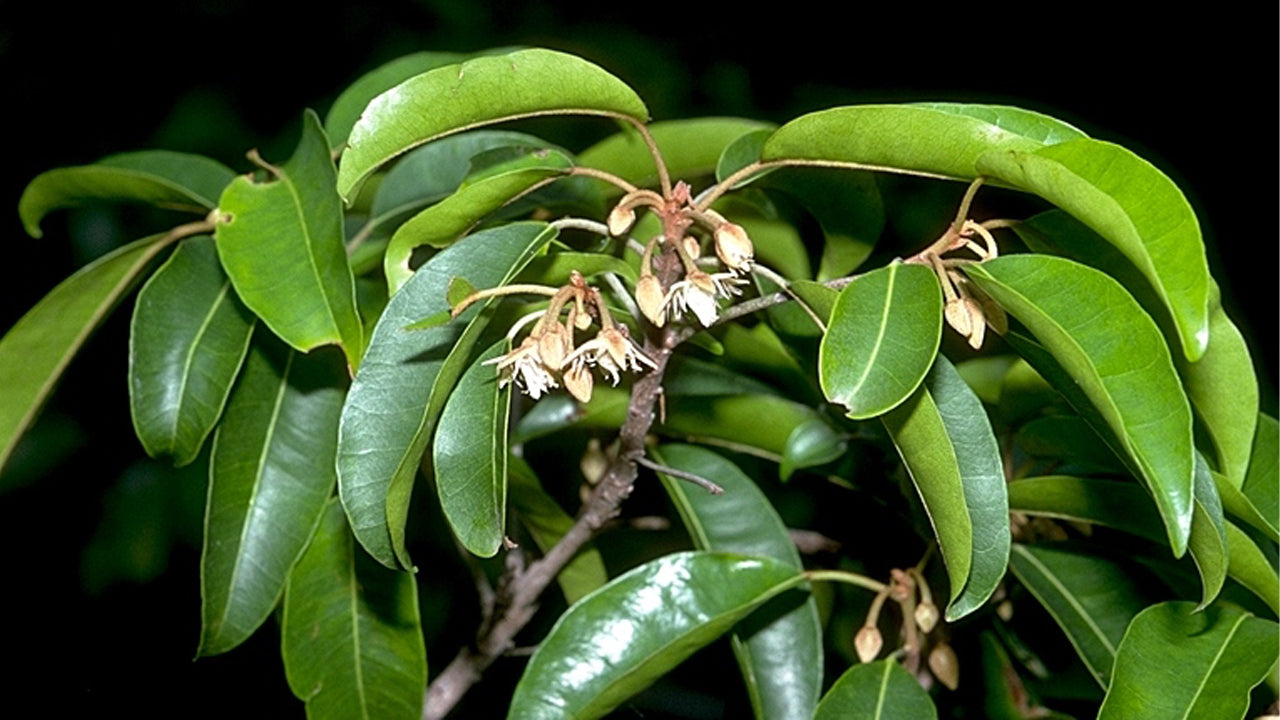
Spanish cherry
Mimusops elengi -
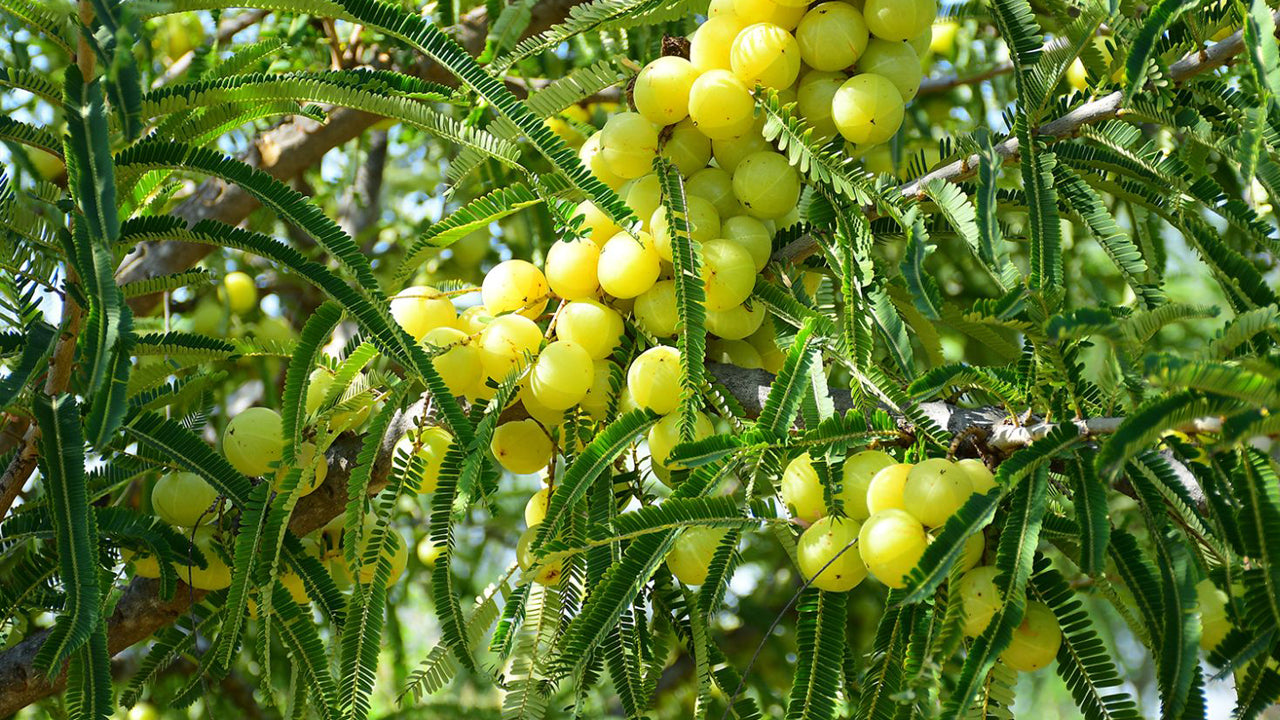
Indian gooseberry
Phyltanthus emblica -
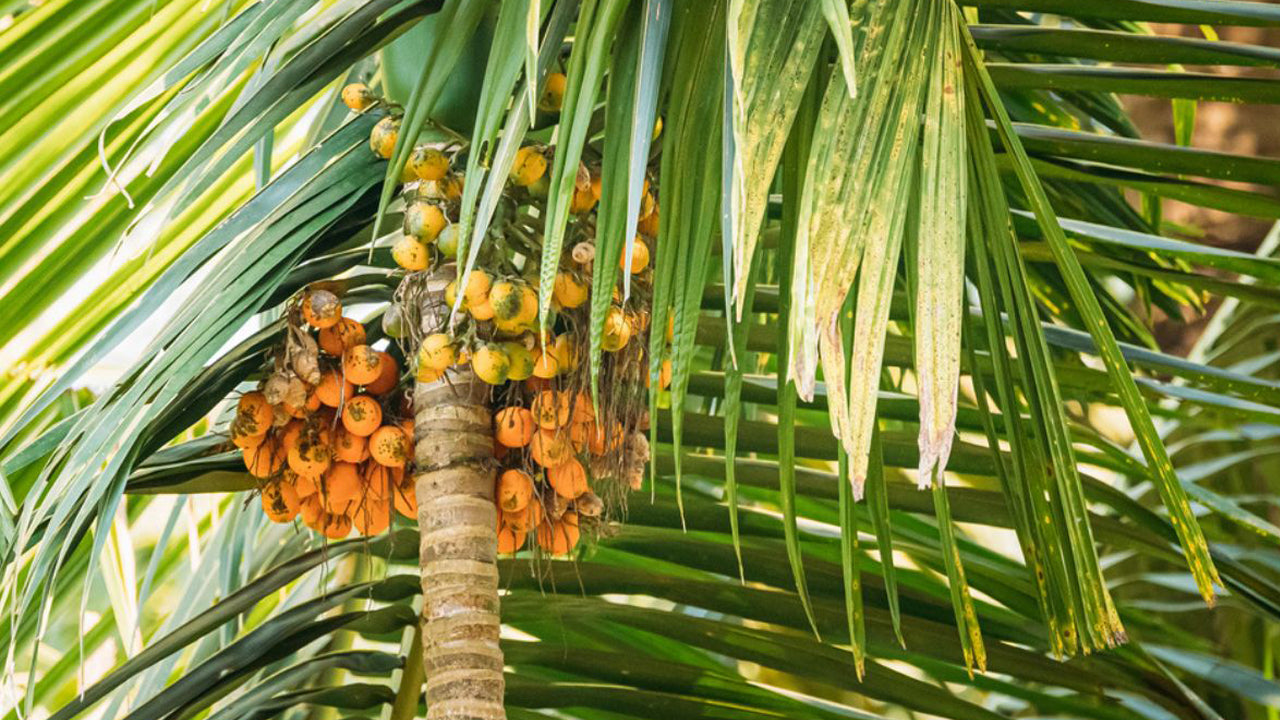
Betel palm
Areca catechu -
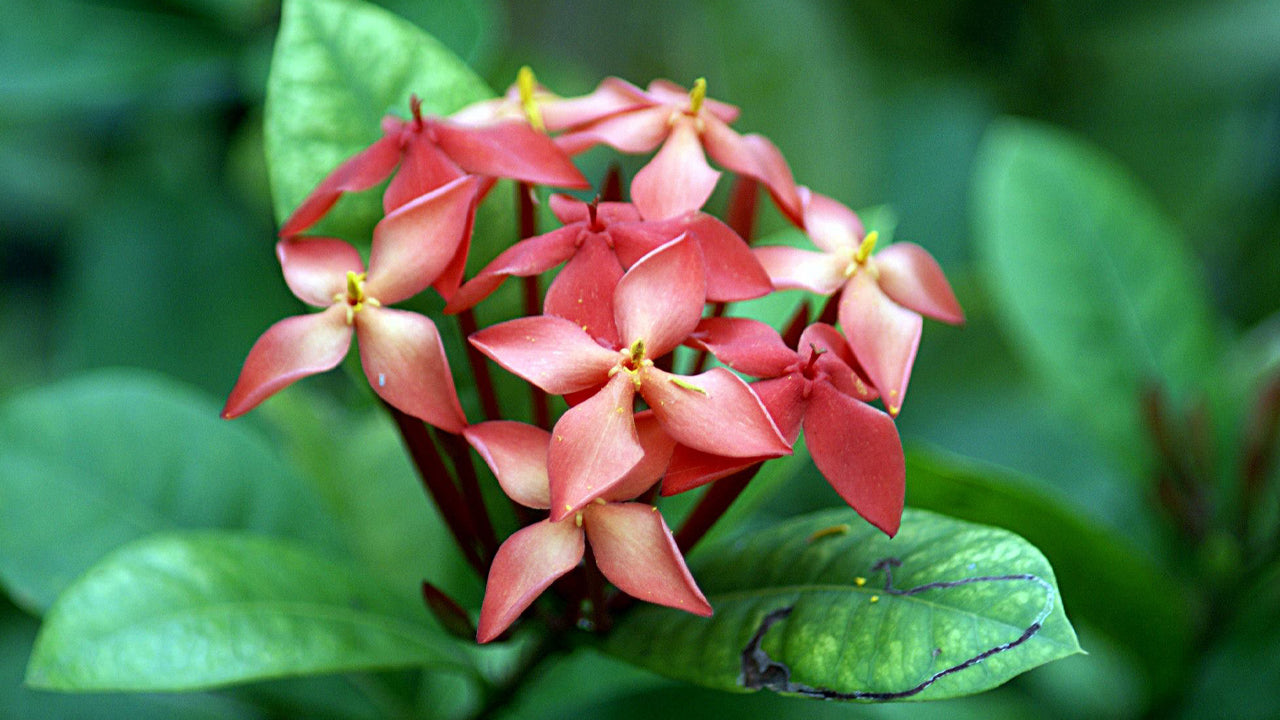
Jungle geranium
Ixora coccinea -
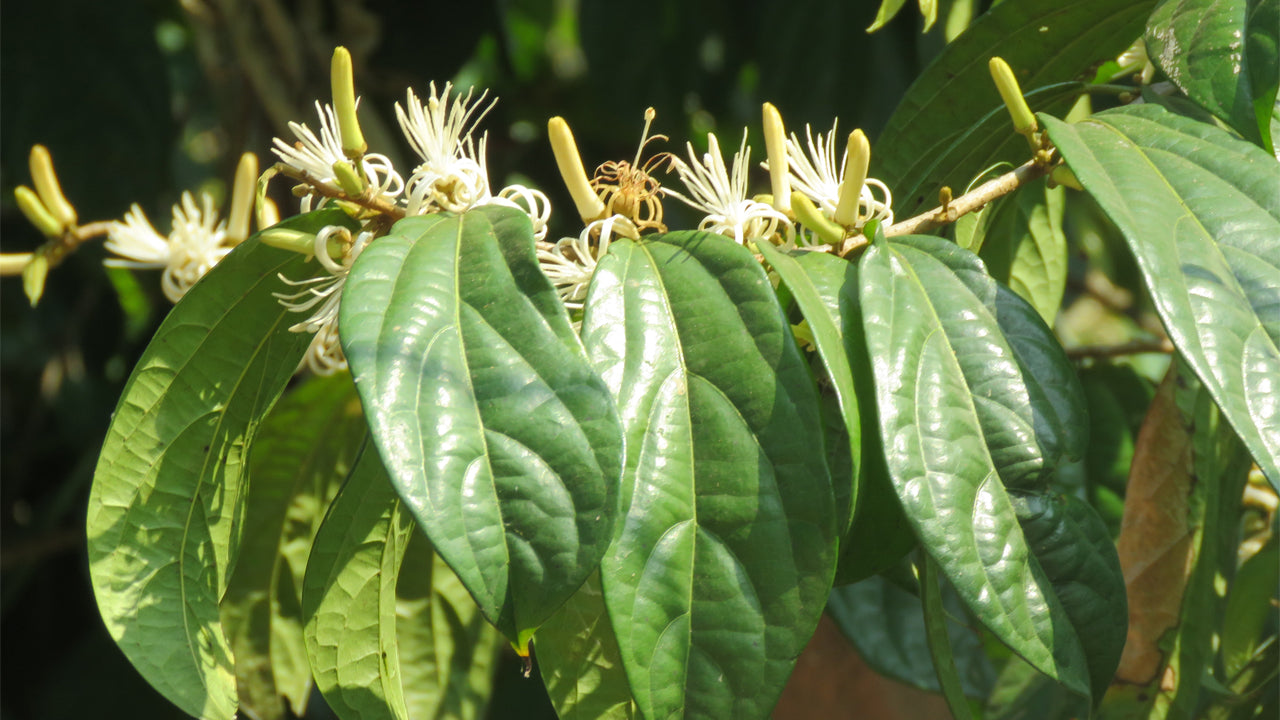
Sage-leaved alangium
Alangium salviifolium -
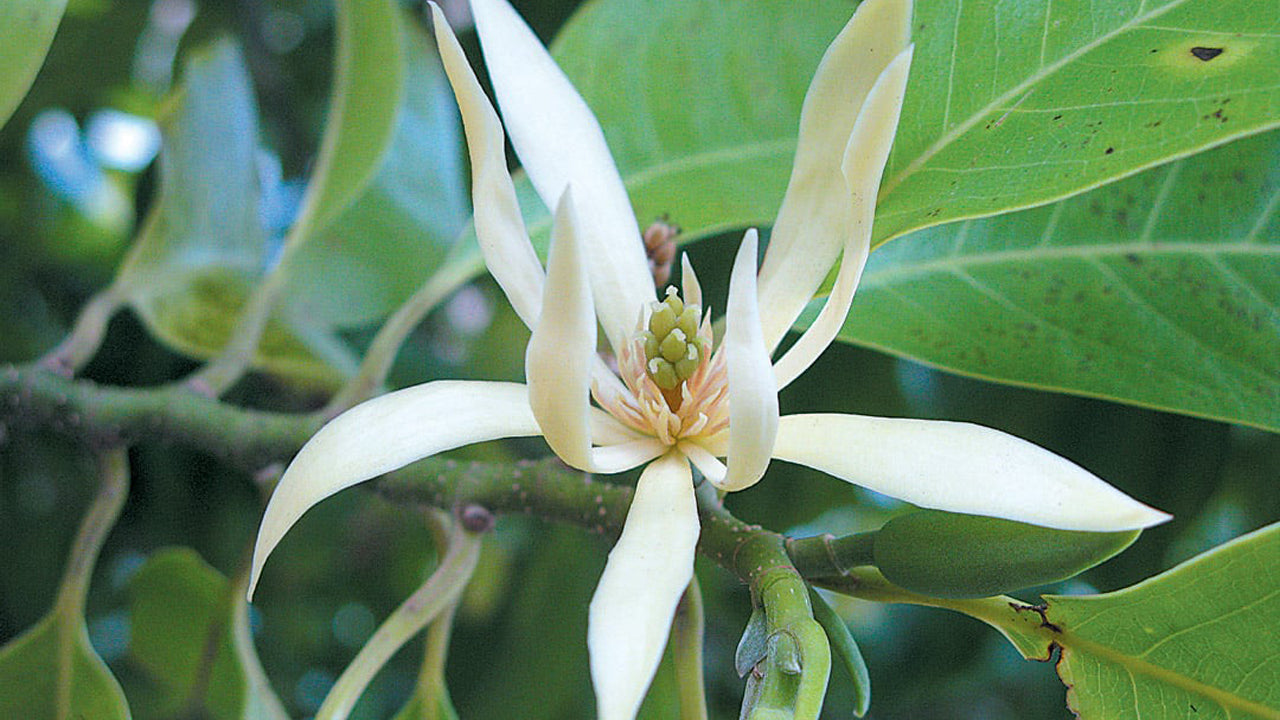
Champak
Michelia champaca -
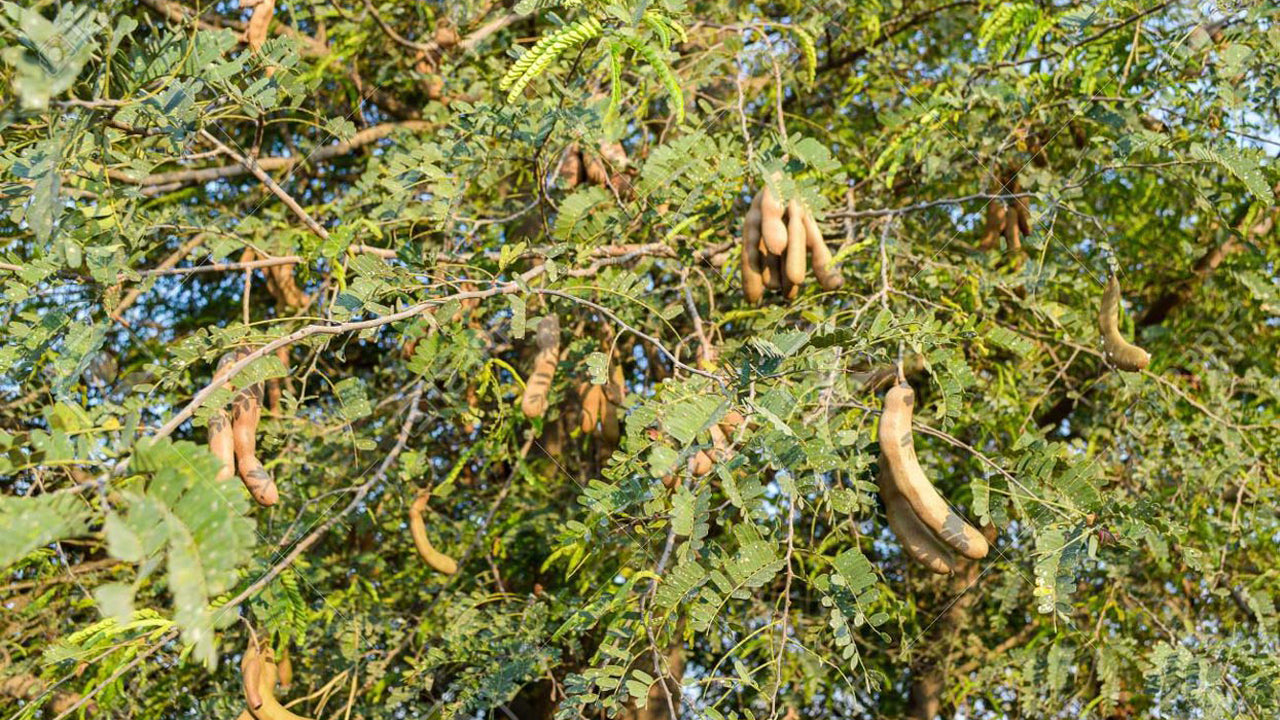
Tamarind
Tamarindus indica -
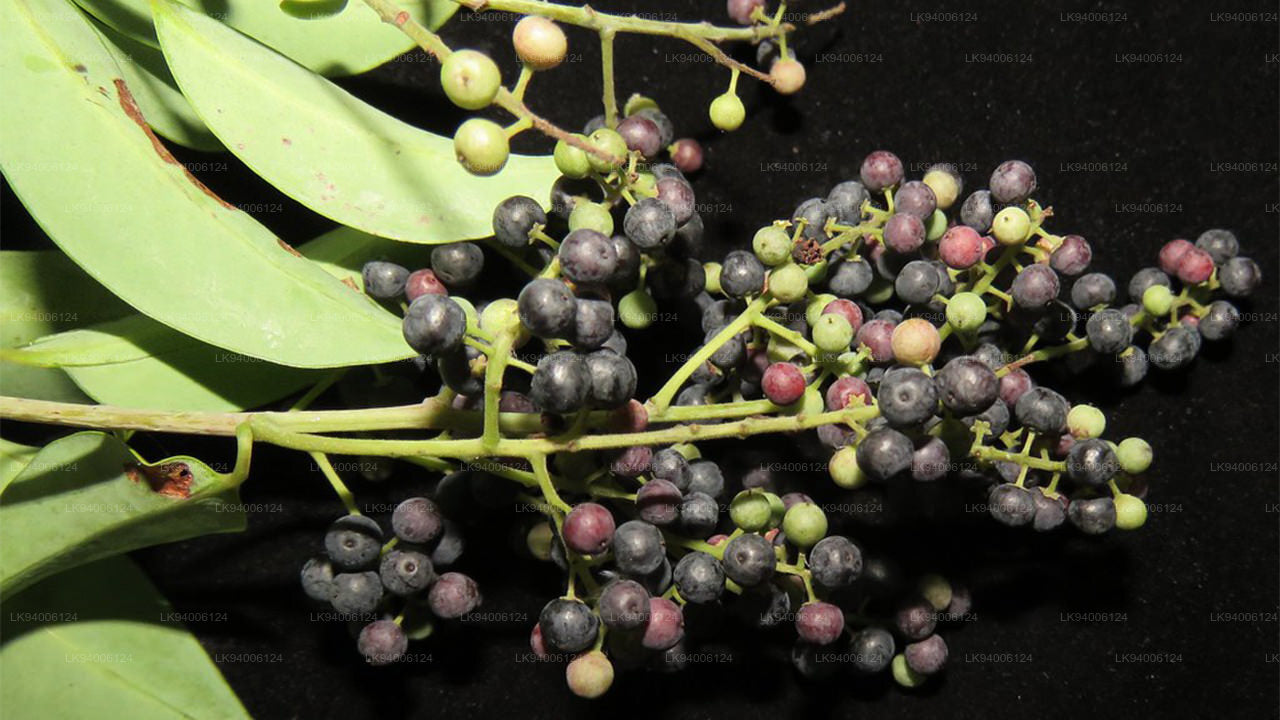
False Black Pepper
Embelia ribes -
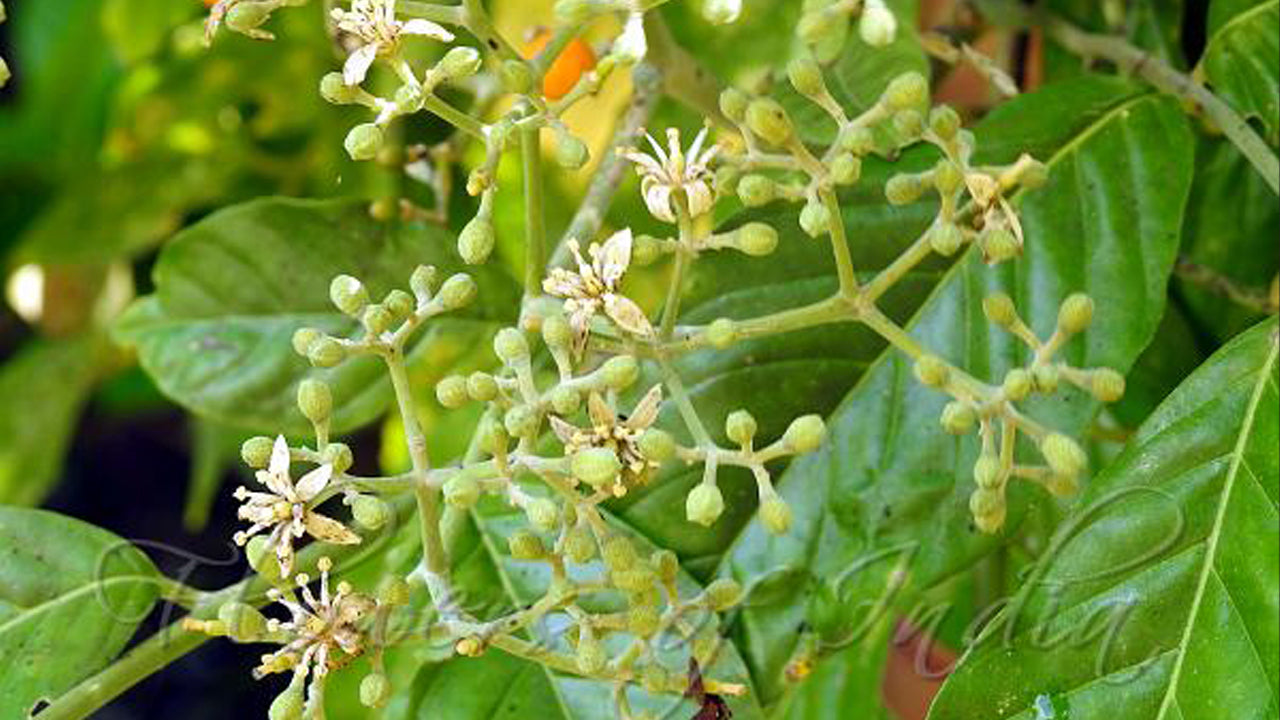
Limeberry
Micromelum ceylanicum -
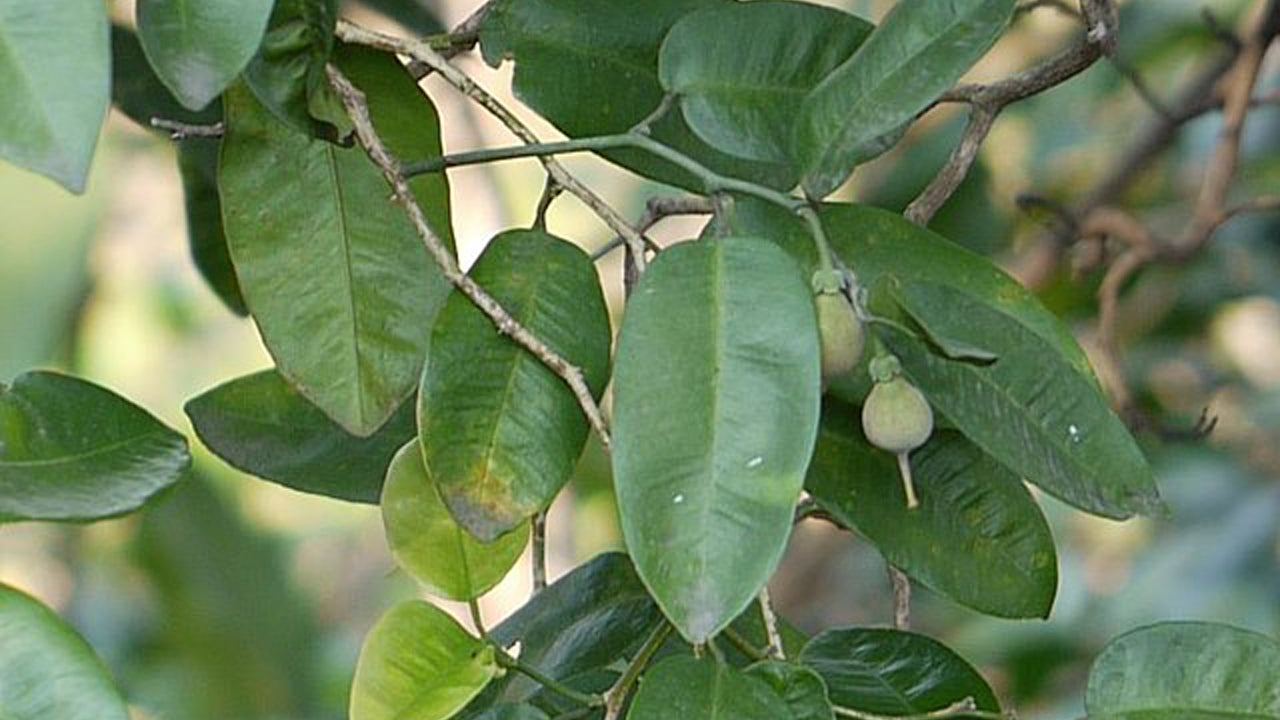
Climbing Atalantia
Paramignya monophylla