Okanda Town
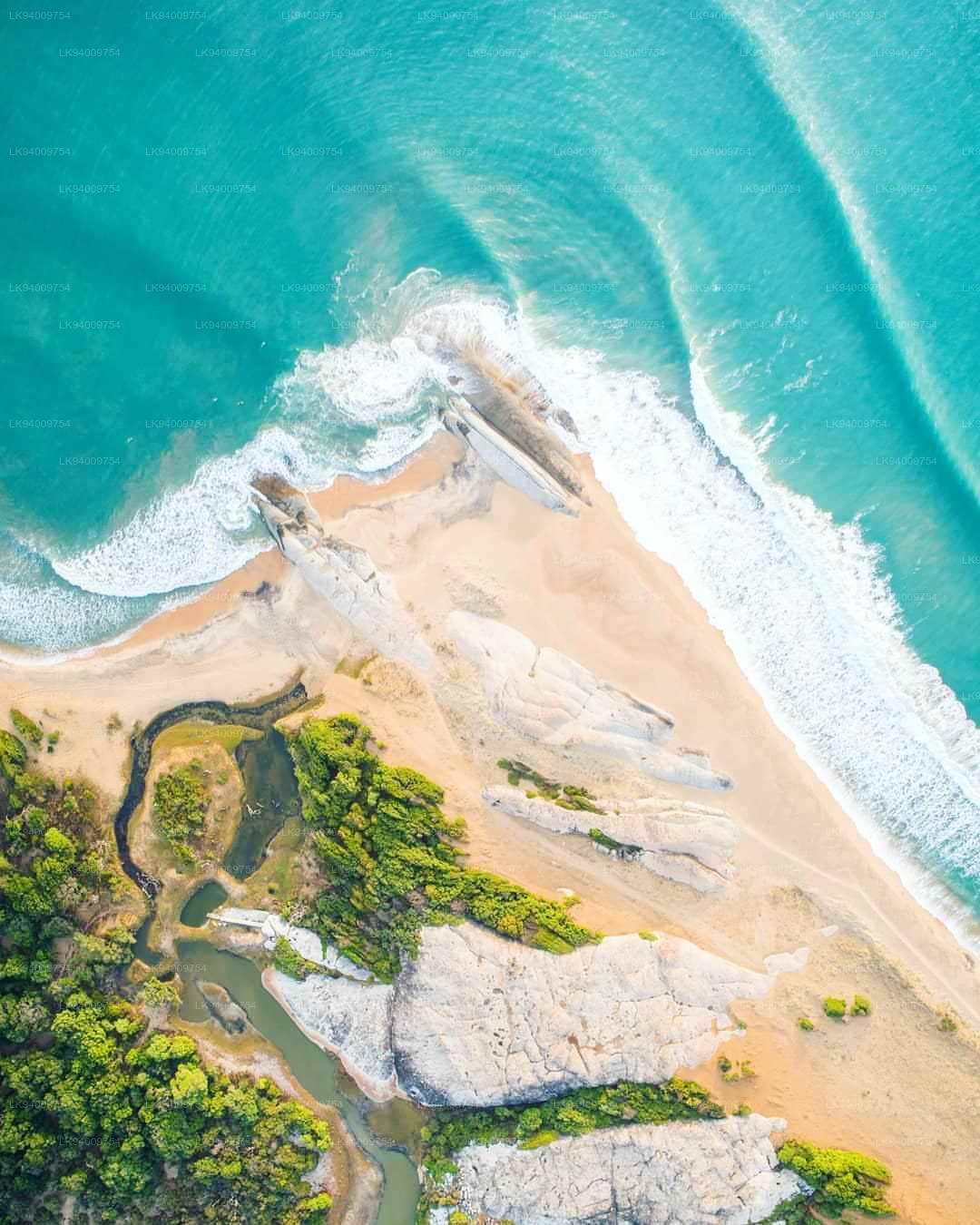


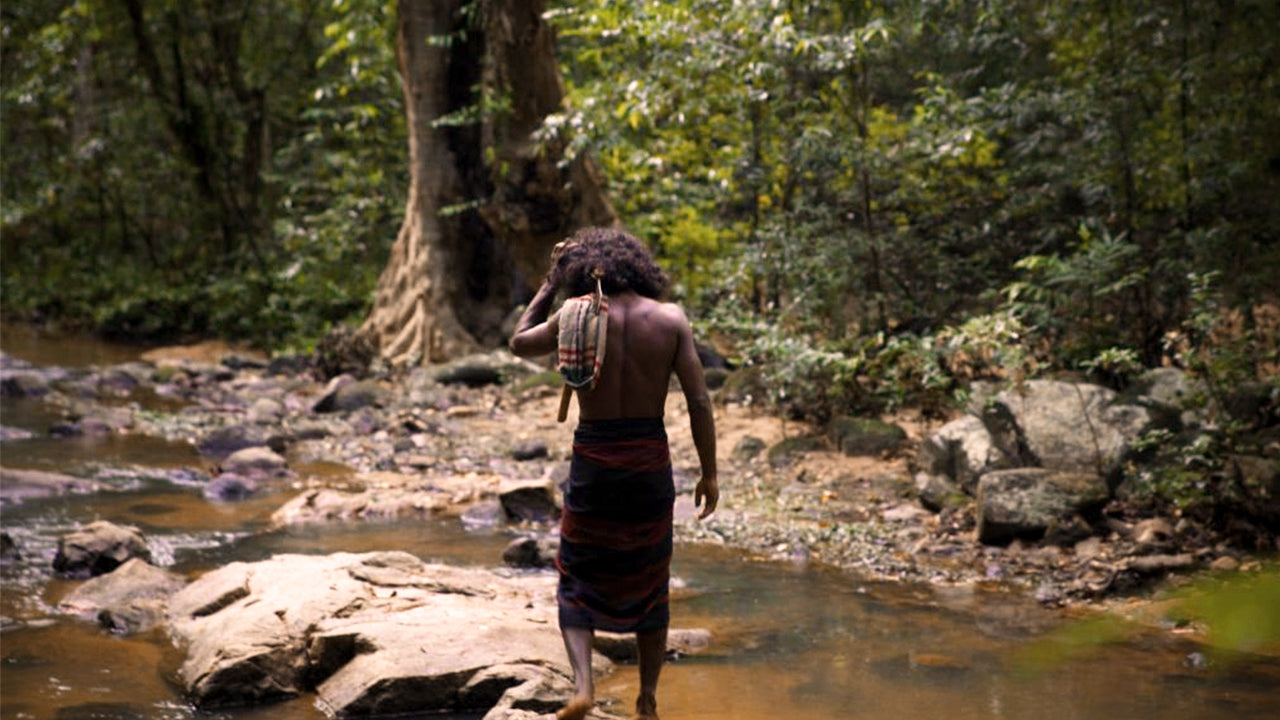
Okanda im Südosten Sri Lankas ist ein kleines Dorf, das für seine spirituelle Bedeutung, die malerische Küstenlandschaft und die Nähe zum Kumana-Nationalpark bekannt ist. Okanda wird oft von Pilgern auf dem Weg zum heiligen Kataragama-Schrein besucht, da es ein wichtiger Zwischenstopp während der jährlichen Pilgerfahrt Pada Yatra ist. Diese jahrhundertealte Pilgerfahrt ist tief in hinduistischen und buddhistischen Traditionen verwurzelt und zieht Gläubige an, die kilometerweit laufen, um dem Gott Kataragama zu huldigen.
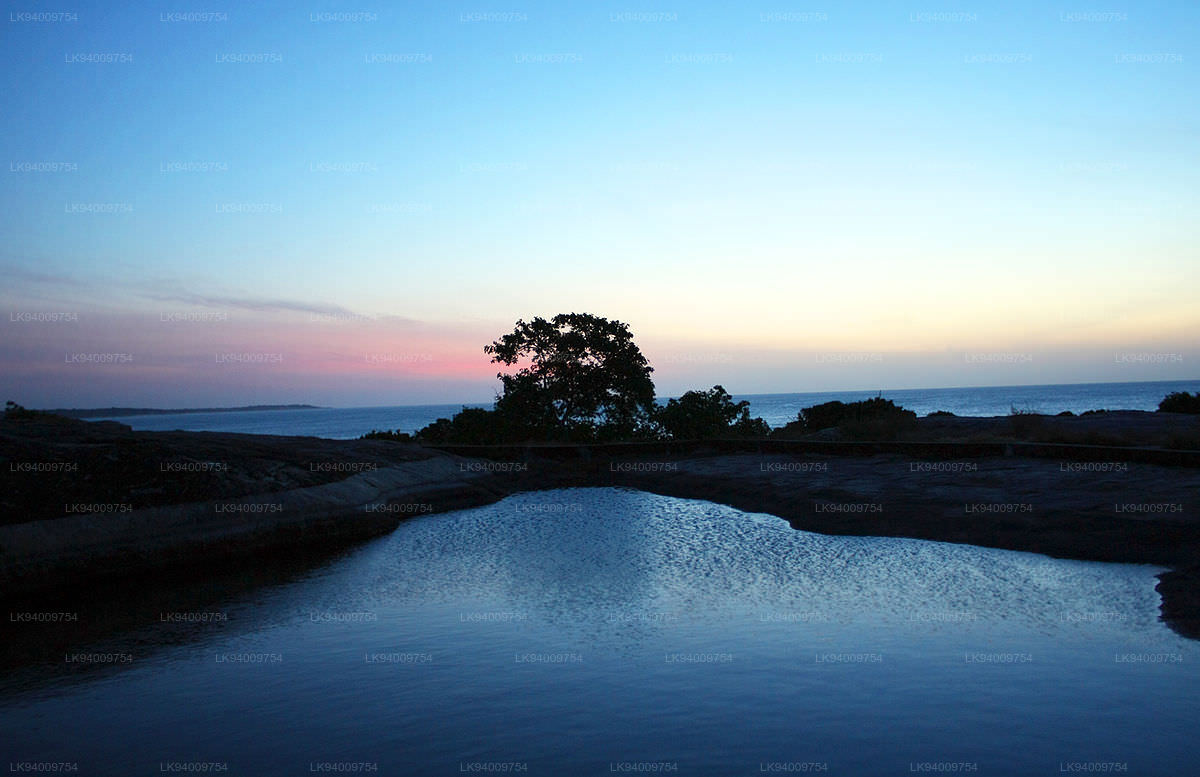
Der Okanda Murugan Tempel ist die wichtigste spirituelle Sehenswürdigkeit des Dorfes und dem Gott Murugan (auch bekannt als Skanda oder Kataragama Deviyo) gewidmet. Er ist ein Ort der Anbetung für Hindus und Buddhisten und macht Okanda zu einem Symbol religiöser Harmonie in Sri Lanka. Der Tempel liegt inmitten der atemberaubenden Natur der Küstenwildnis und schafft eine ruhige Atmosphäre für Gebet und Meditation.
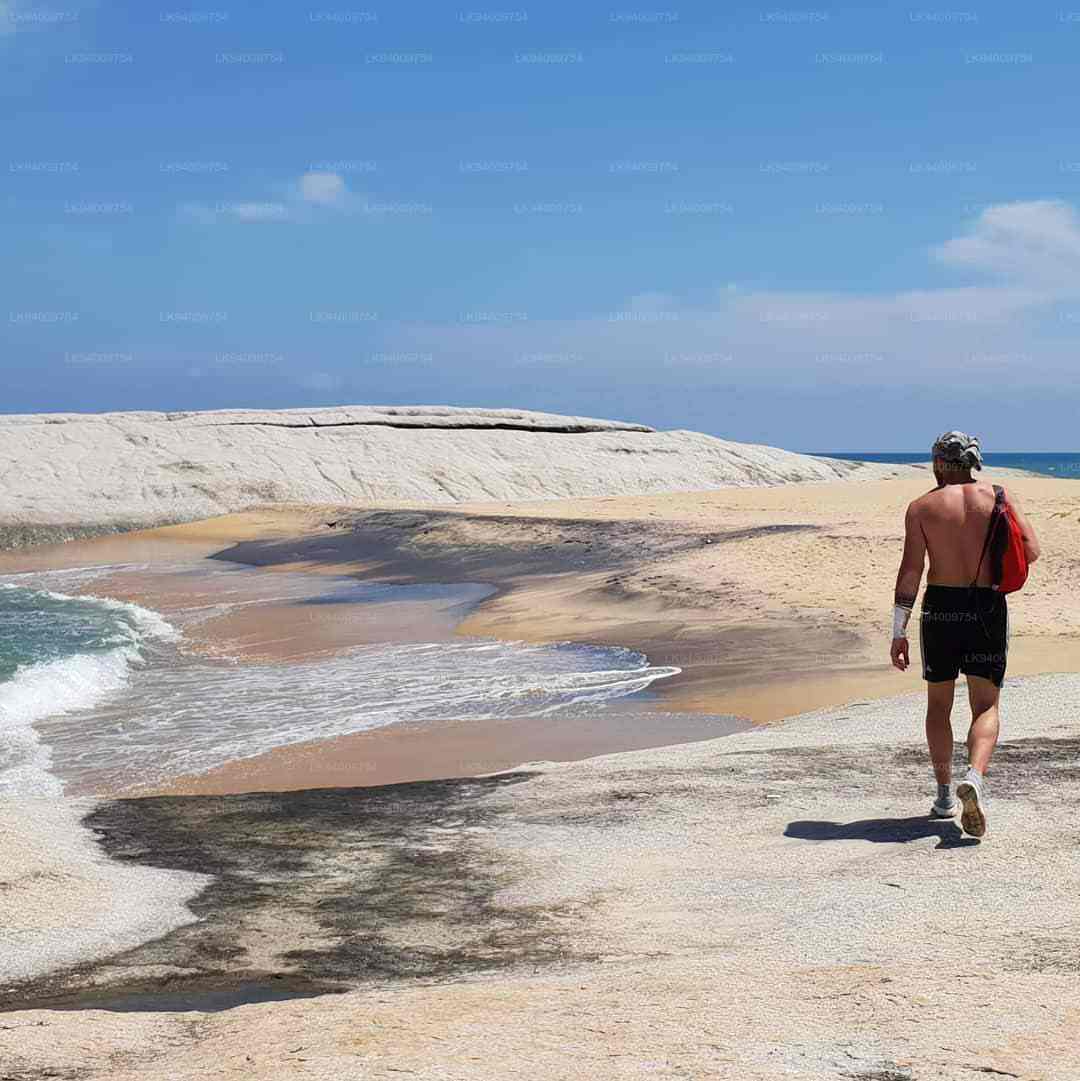
Okanda ist auch für seine unberührten Strände bekannt, die sich entlang der Südostküste erstrecken und atemberaubende Ausblicke auf den Indischen Ozean bieten. Diese Strände sind vom Tourismus relativ unberührt und bieten einen ruhigen Rückzugsort für alle, die Einsamkeit in der Natur suchen. Die Felsvorsprünge und das kristallklare Wasser machen sie zu einem idealen Ort für Strandliebhaber und Fotografen.
Naturliebhaber können in Okanda den nahegelegenen Kumana-Nationalpark erkunden, eines der bedeutendsten Naturschutzgebiete Sri Lankas. Der Park ist berühmt für seine reiche Vogelwelt, insbesondere während der Zugzeit, und beherbergt eine Vielzahl von Wildtieren, darunter Elefanten, Leoparden und Krokodile.
Zusammenfassend lässt sich sagen, dass Okanda eine einzigartige Mischung aus spiritueller Bedeutung, natürlicher Schönheit und Tierwelt ist. Es ist ein Reiseziel, an dem Pilger, Naturliebhaber und Abenteurer den tiefen kulturellen und ökologischen Reichtum Sri Lankas erleben können.