Müller's Shieldtail


Scientific Name: Uropeltis mülleri
Family: Uropeltidae
Common Name(s): Müller’s Shieldtail, Müller’s Earth Snake
Overview:
Müller's Shieldtail is a species of non-venomous, burrowing snake found exclusively in Sri Lanka. It belongs to the Uropeltidae family, a group of snakes that are primarily fossorial (adapted to digging and living underground). This species is endemic to Sri Lanka, meaning it is not found anywhere else in the world. These snakes are named for their unique shield-like structure at the tip of their tail, which they use for protection while burrowing through soil and debris.
Physical Description:
- Size: Müller’s Shieldtail is a relatively small snake, typically ranging from 30 cm to 50 cm in length.
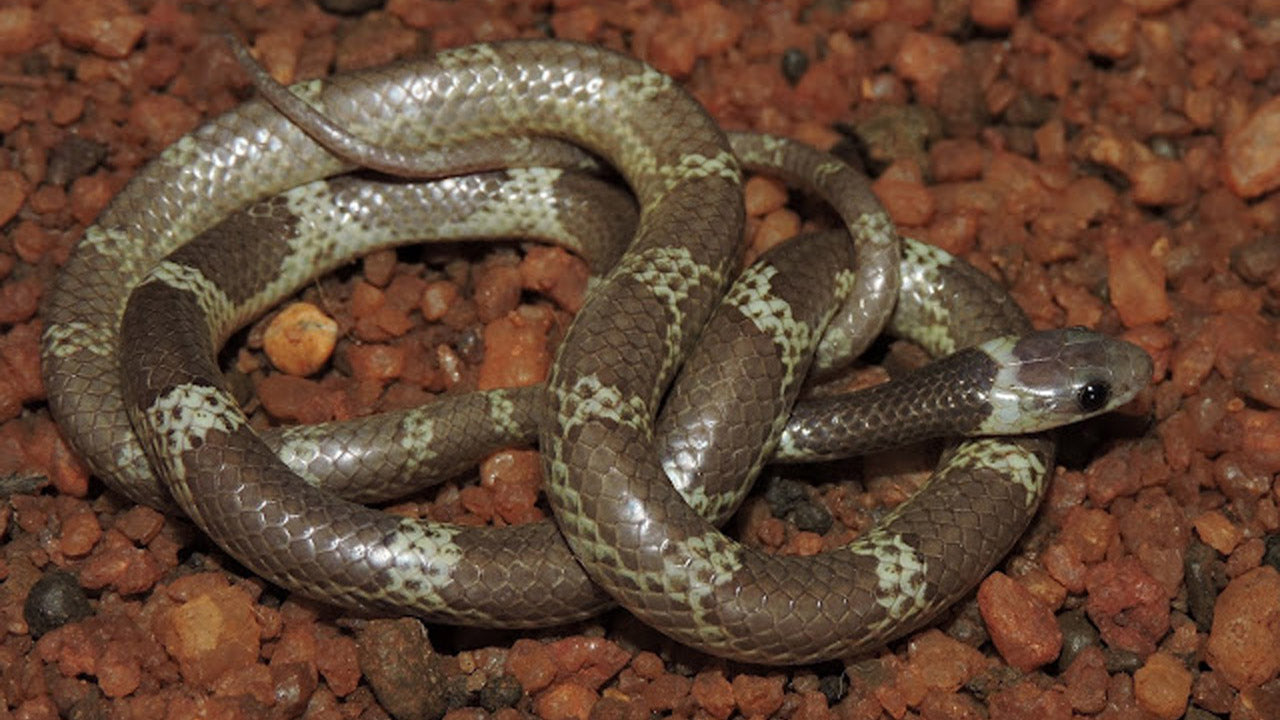
- Coloration: The body is usually brown or reddish-brown with subtle darker markings along the length of the body. The belly is lighter, often pale yellow or cream-colored.
- Tail: The most distinctive feature of this snake is the tail, which ends in a flattened, shield-like structure. This feature helps the snake in burrowing and offers protection from predators.
- Head: The head is small and slightly flattened, often difficult to distinguish from the body due to the snake’s overall appearance.
Habitat and Distribution:
- Geographical Range: Müller’s Shieldtail is found only in Sri Lanka, specifically in the moist, tropical regions of the island. It has been recorded in central and southern Sri Lanka, including areas such as the wet zone rainforests.
- Habitat: These snakes are typically found in leaf litter, under rocks, or in loose soil. Their burrowing behavior is key to their survival, and they prefer areas with high humidity, such as forests and plantations.
Behavior and Diet:
- Burrowing Lifestyle: Müller’s Shieldtail is a secretive and fossorial species. It spends most of its life underground, where it forages for prey and remains safe from predators.
- Diet: These snakes primarily feed on invertebrates such as earthworms and small insects, which they hunt while burrowing. Their diet reflects their specialized underground lifestyle.
Reproduction:
- Reproductive Mode: Like other members of the Uropeltidae family, Müller’s Shieldtail is ovoviviparous, meaning the female gives birth to live young rather than laying eggs. The offspring are born fully developed and are capable of independent survival soon after birth.
Conservation Status:
- Threats: While the species is not currently listed as endangered, habitat loss due to deforestation and human encroachment poses a potential threat to its population. As a burrowing species, Müller’s Shieldtail is particularly vulnerable to disturbances in its natural habitat.
- Conservation Efforts: Efforts to conserve Sri Lanka's forests and ecosystems play a critical role in the protection of species like Mül
-
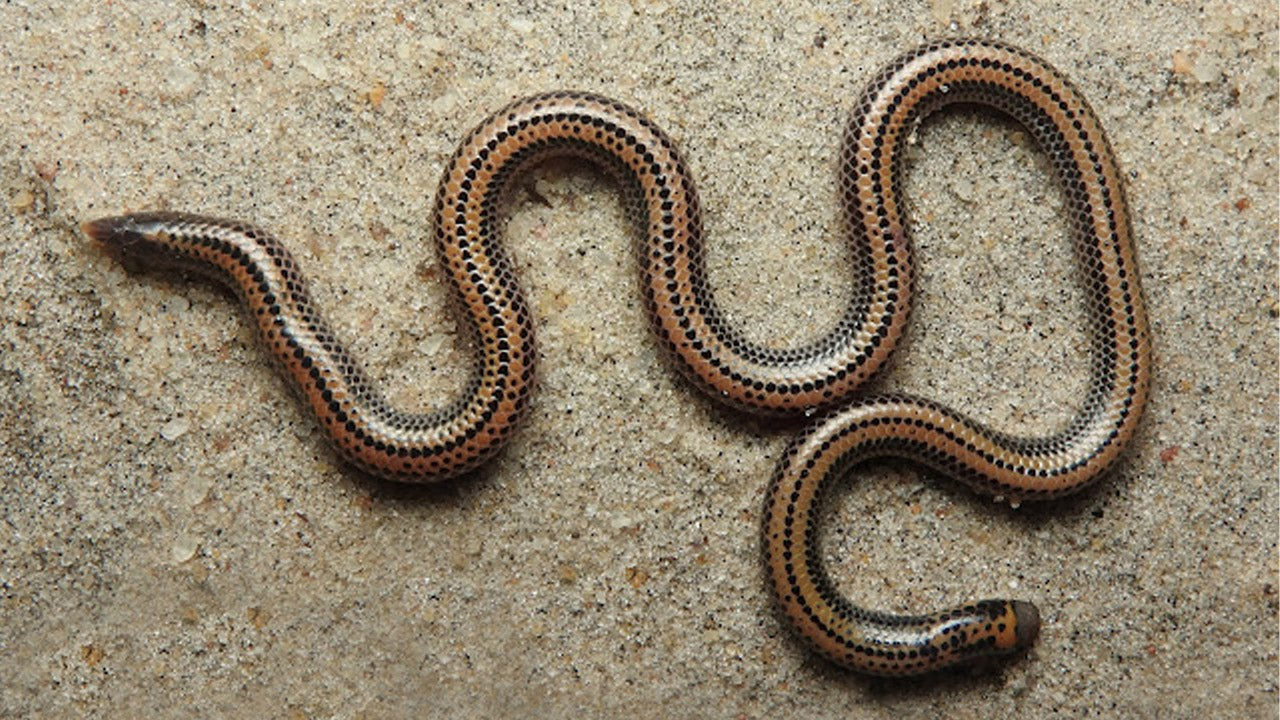 Muller's Shieldtail
Uropeltis mülleri
-
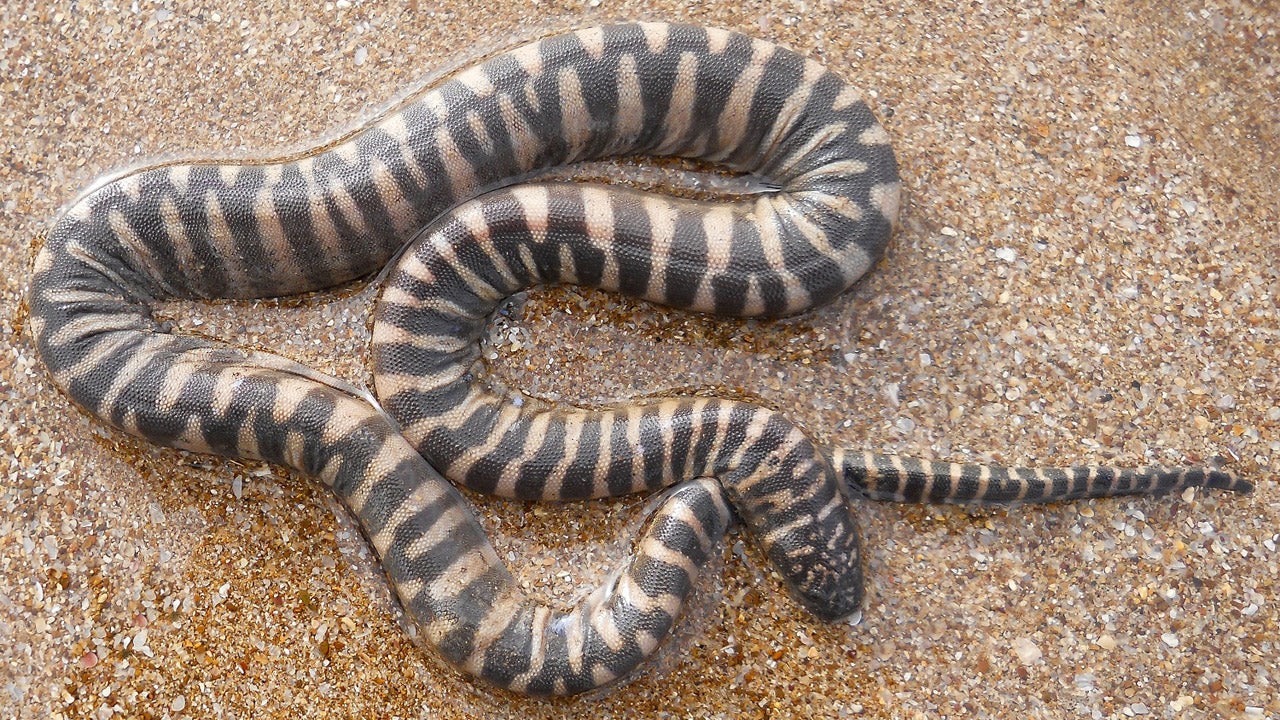 Wart Snake
Acrochordus
-
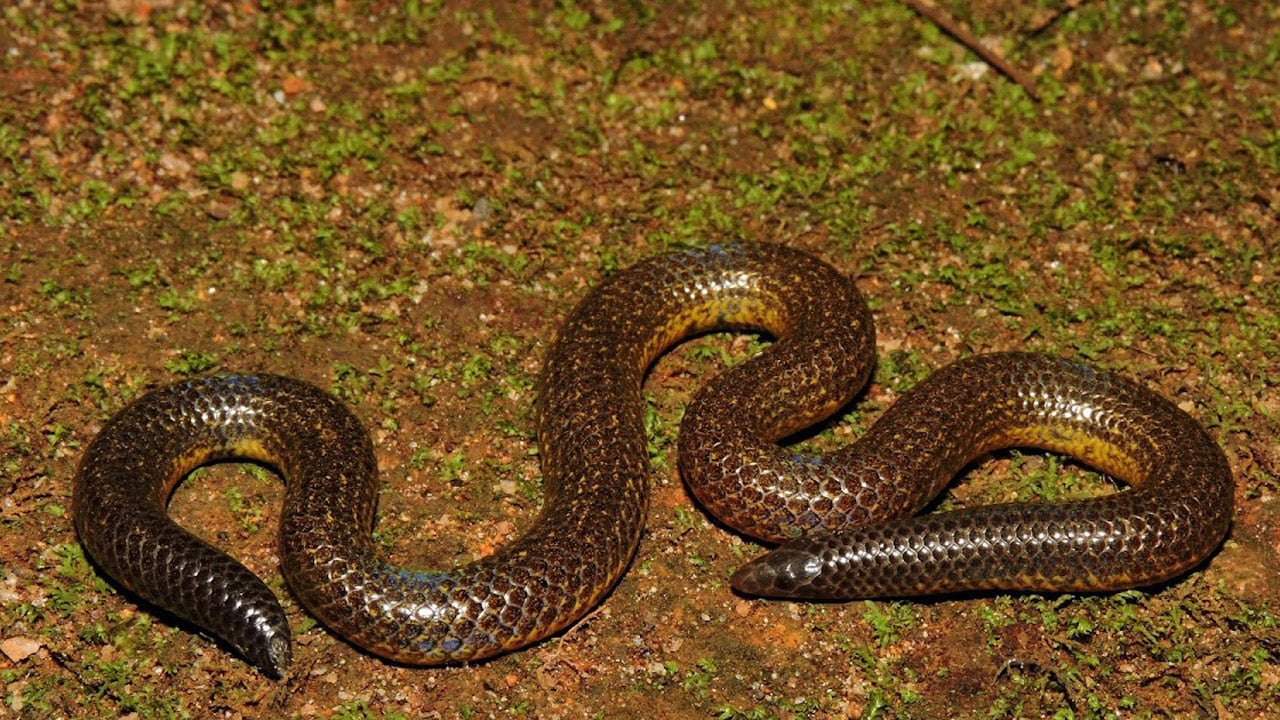 Drummond-Hay's Shieldtail
Rhinophis drummondhayi
-
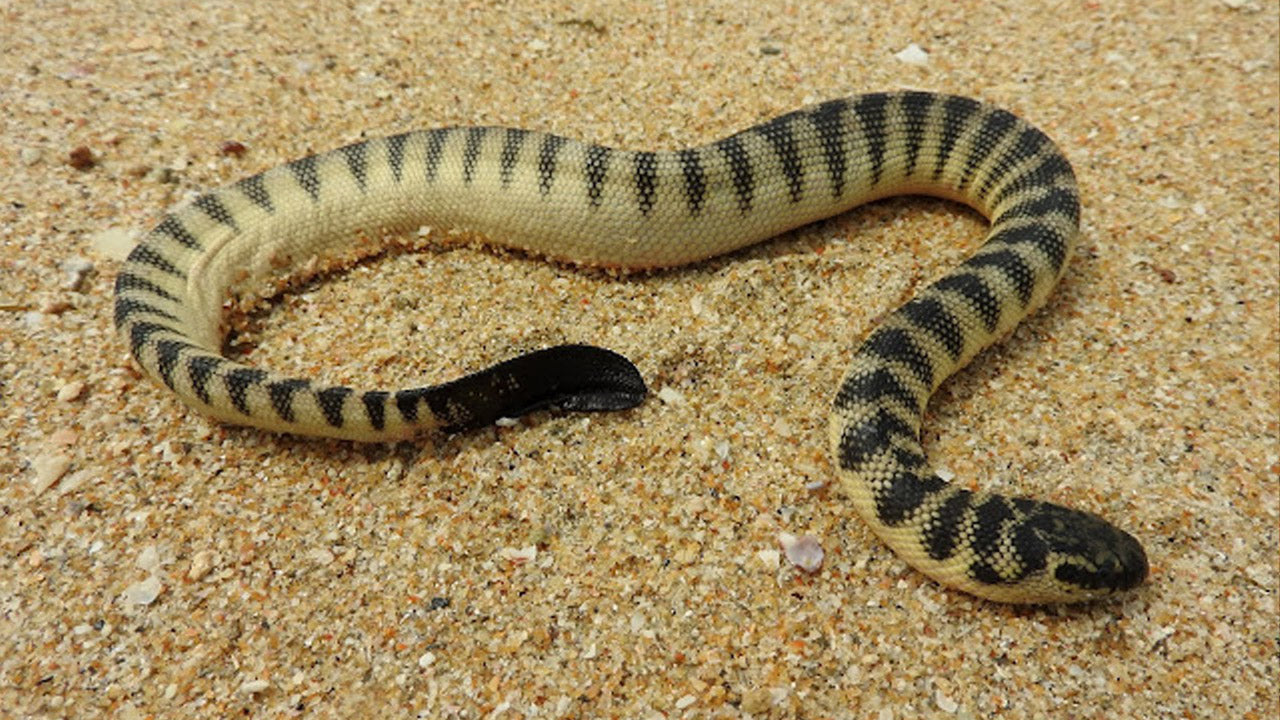 Shaw's Sea Snake
Hydrophis curtus
-
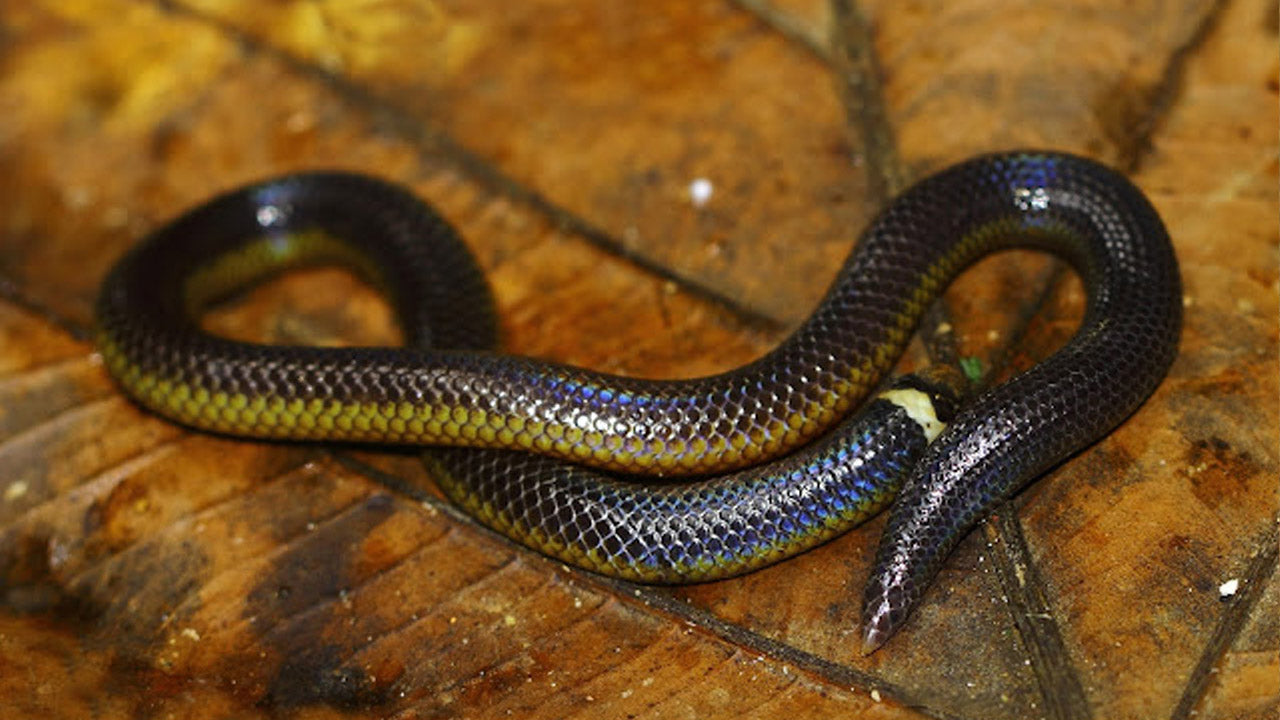 Deraniyagala's Shieldtail
Rhinophis tricoloratus
-
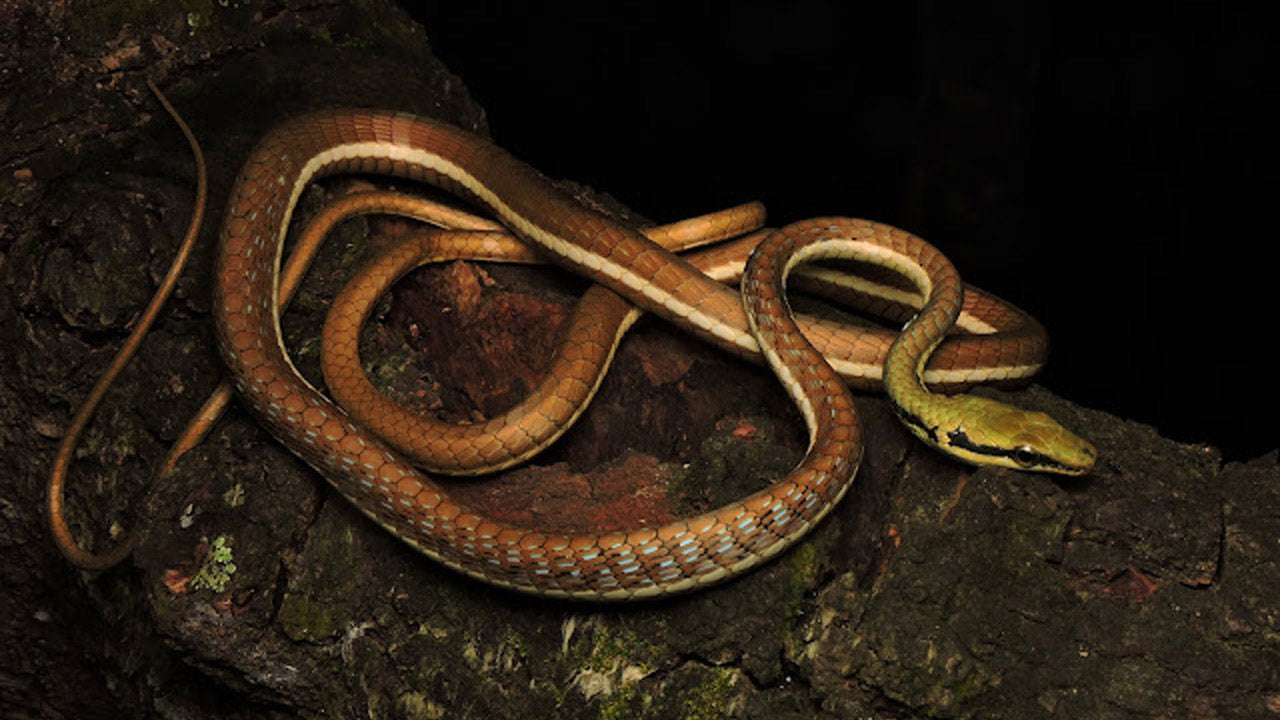 Wickramasinghe's Bronzeback
Dendrelaphis wickrorum
-
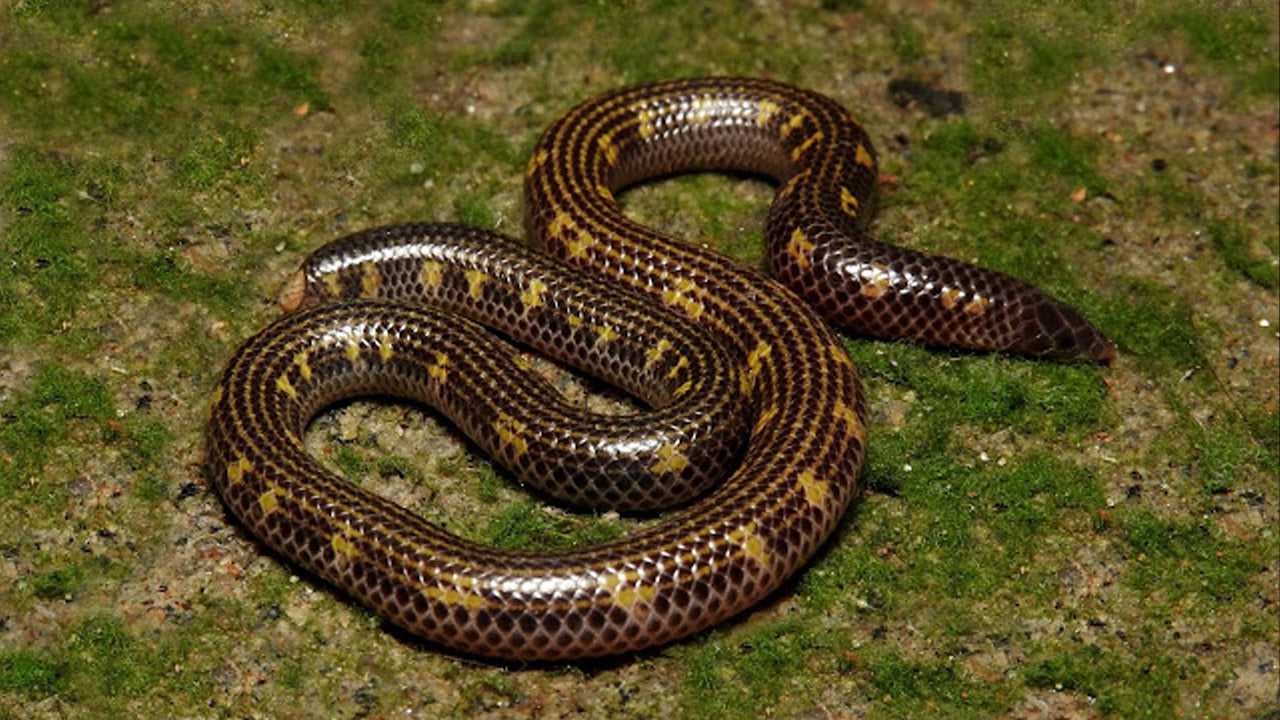 Phillip's Earth Snake
Rhinophis phillipsi
-
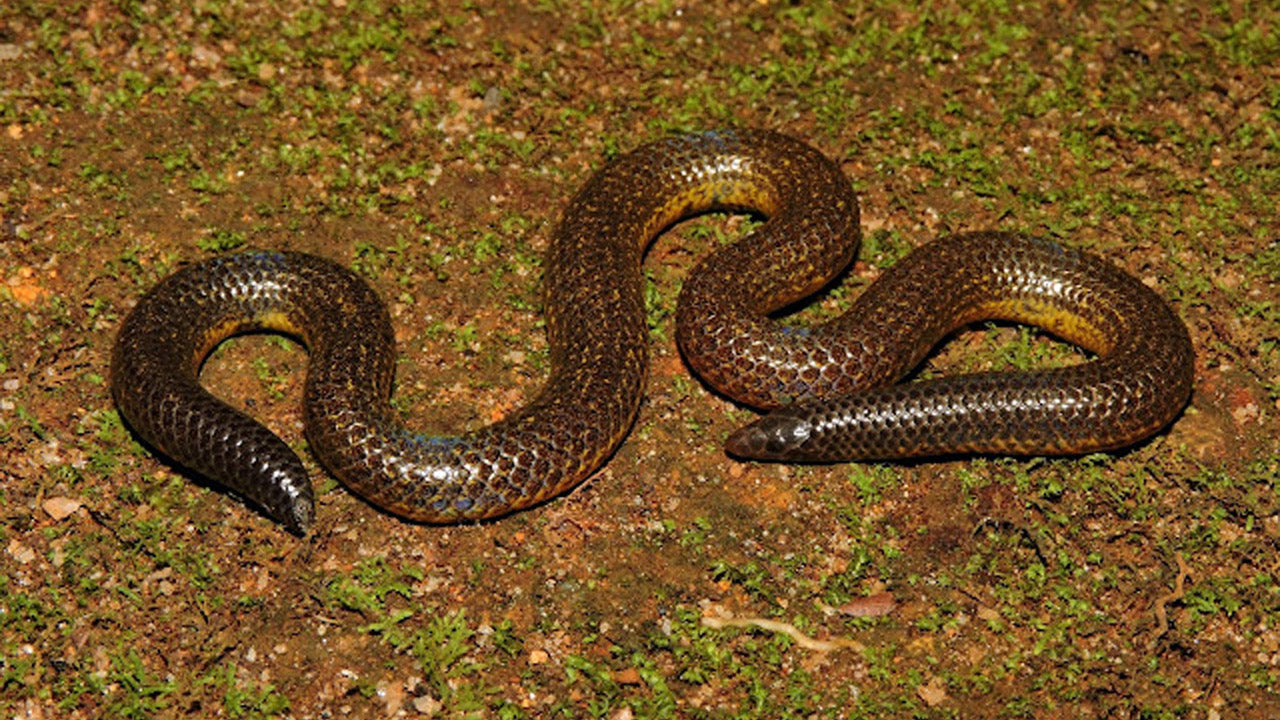 Gray's Earth Snake
Aparallactus grayi
-
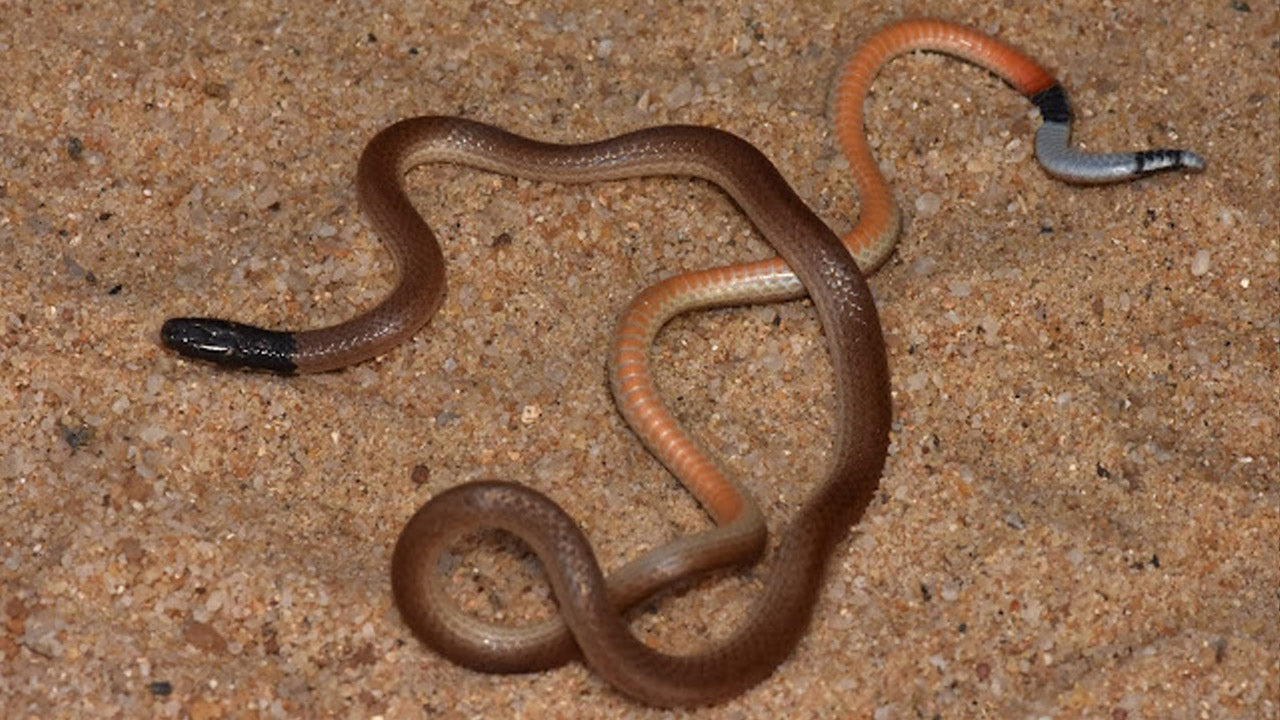 Slender Coral Snake
Calliophis Melanurus
-
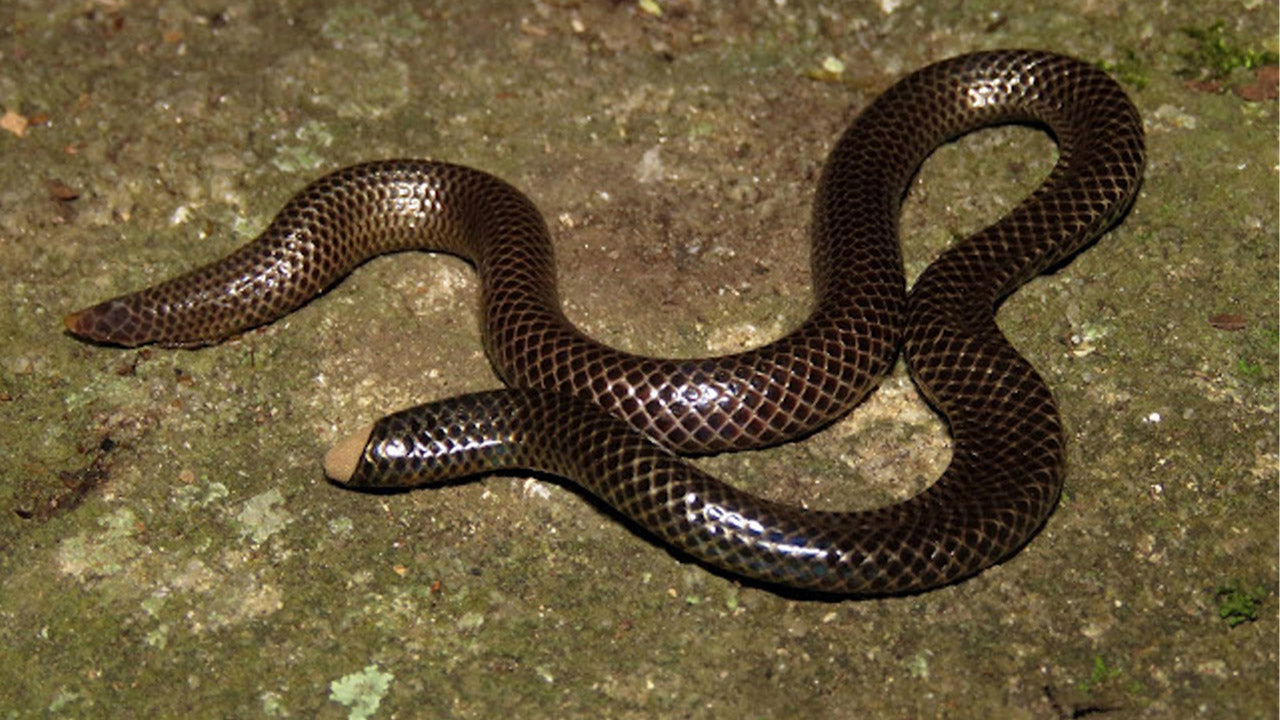 Cuvier's Shieldtail
Uropeltis ceylanica
-
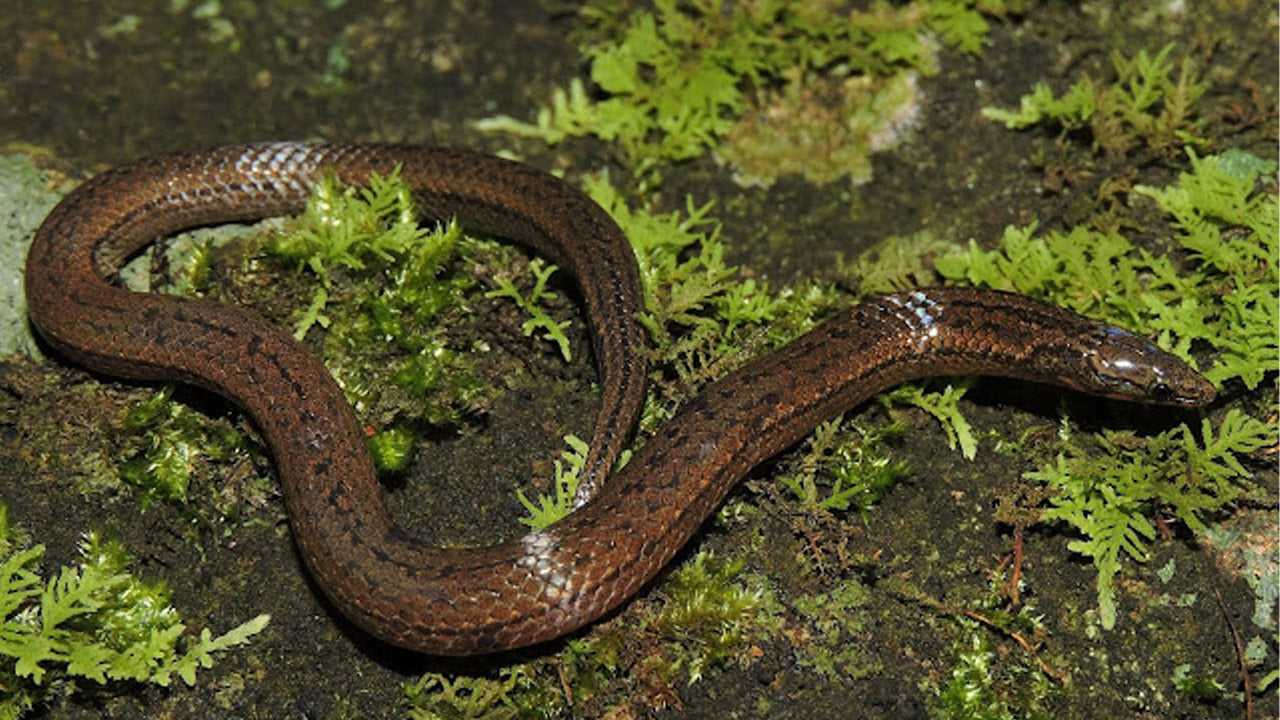 de Silva's Rough-sided Snake
Aspidura desilvai
-
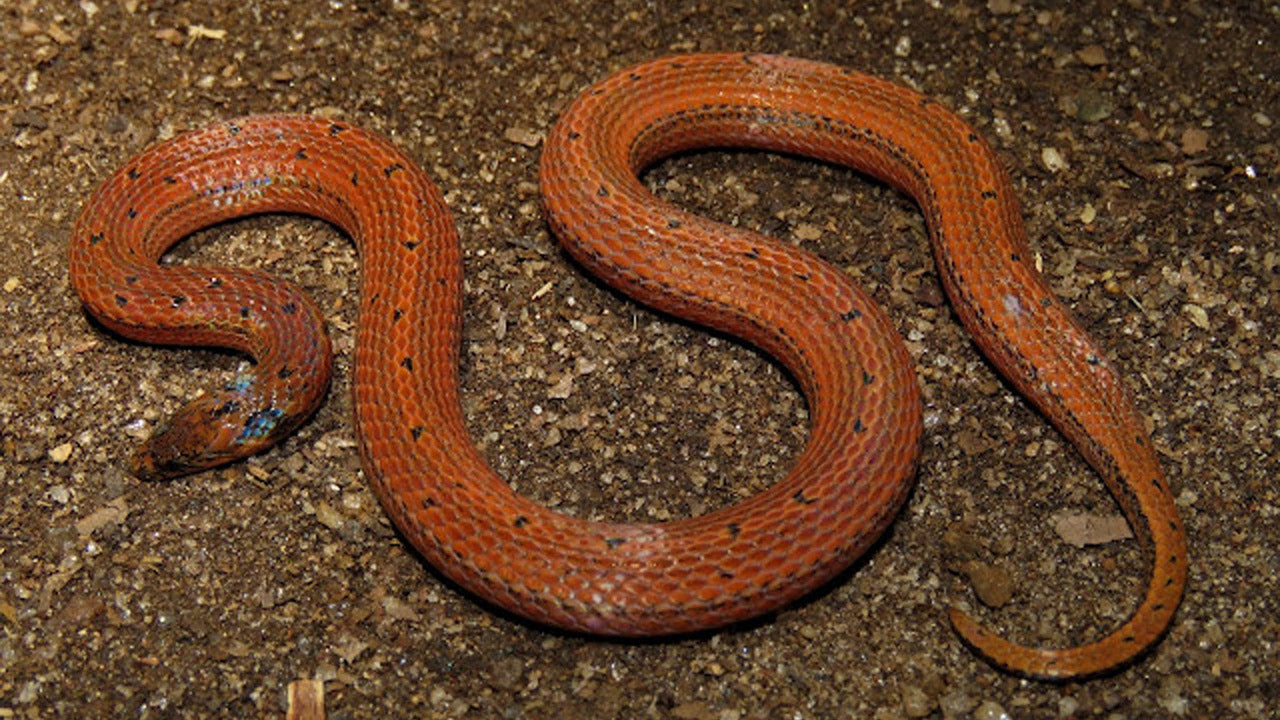 Boie's Rough-Sided Snake
Aspidura brachyorrhos
-
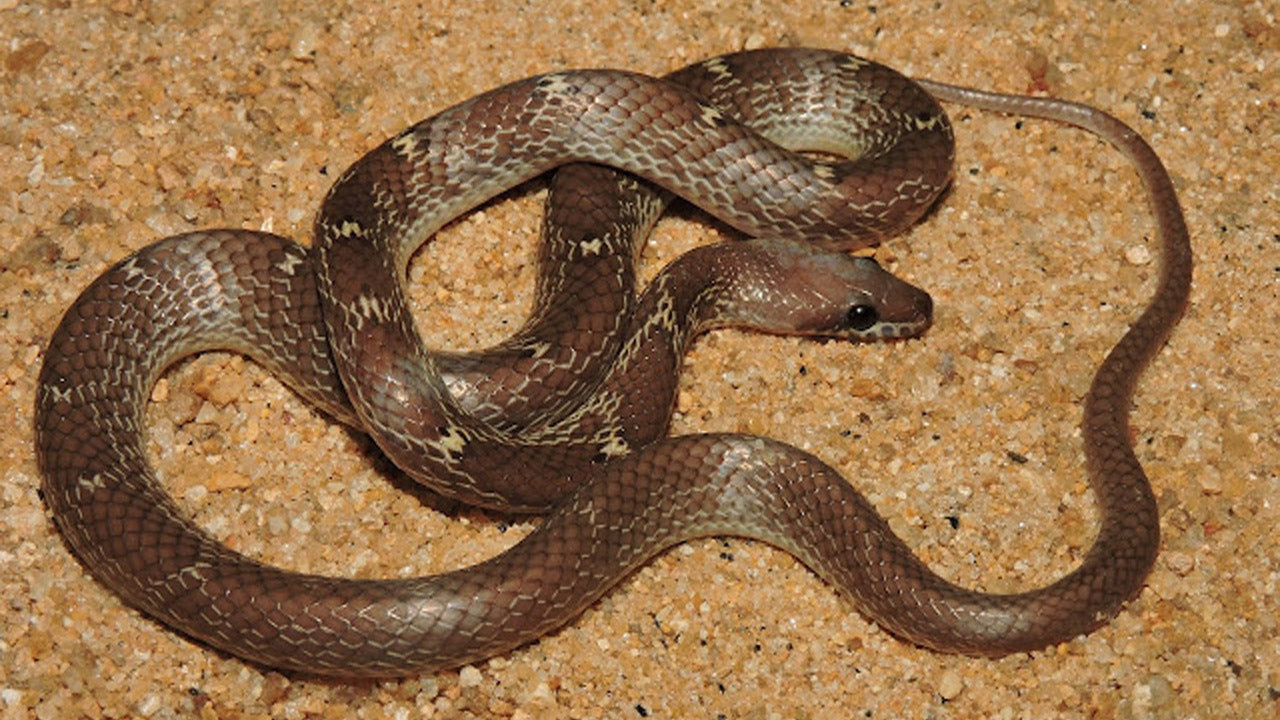 Flowery Wolf Snake
Lycodon anamallensis
-
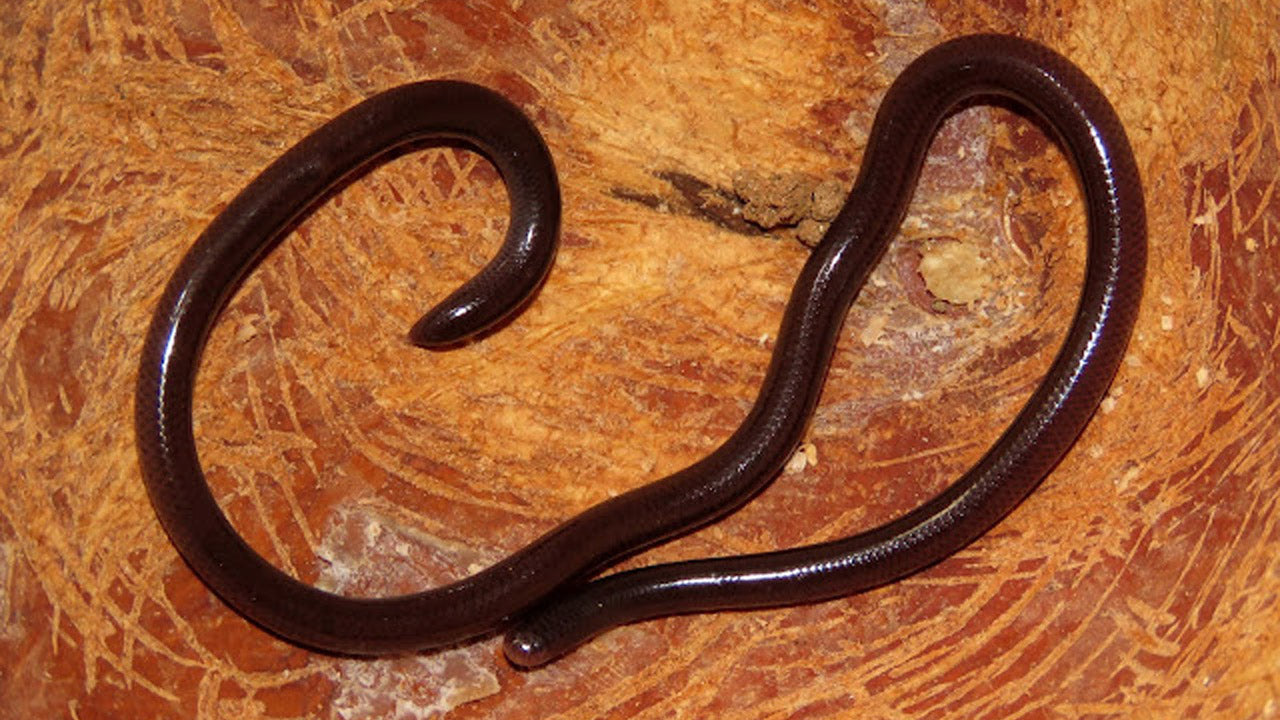 Brahminy Blind Snake
Indotyphlops braminus
-
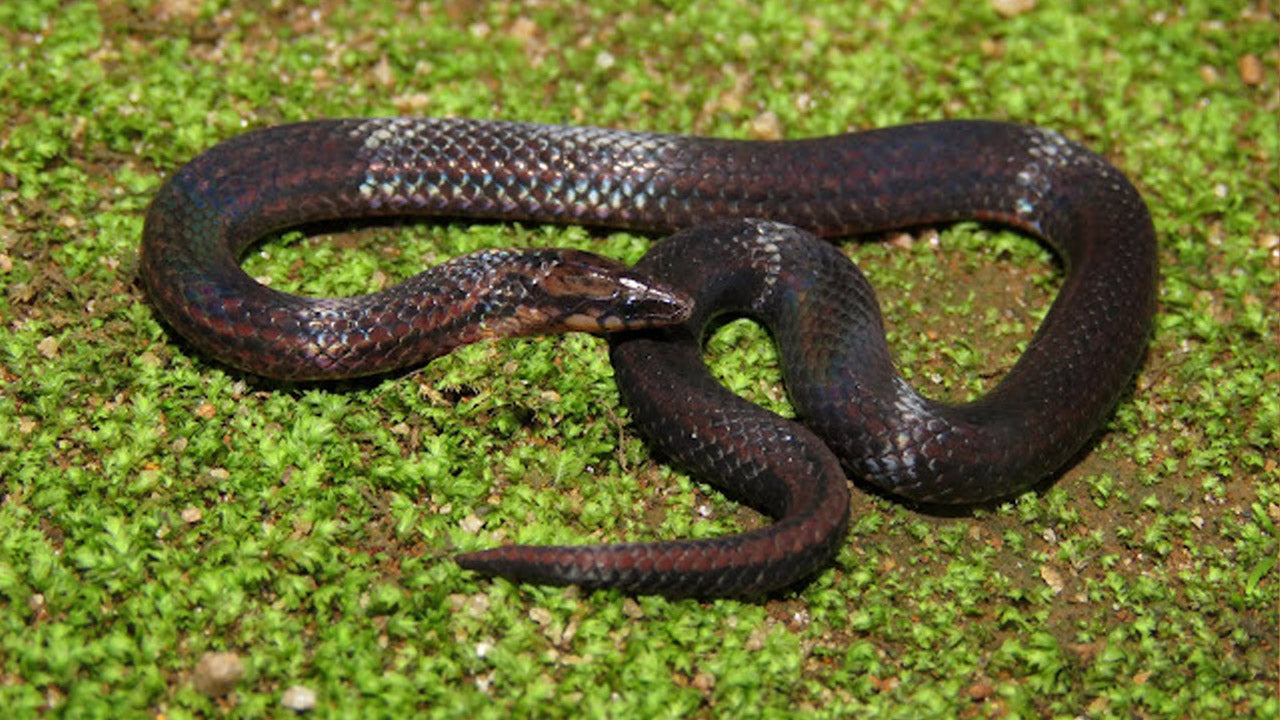 Common Rough-sided Snake
Aspidura trachyprocta
-
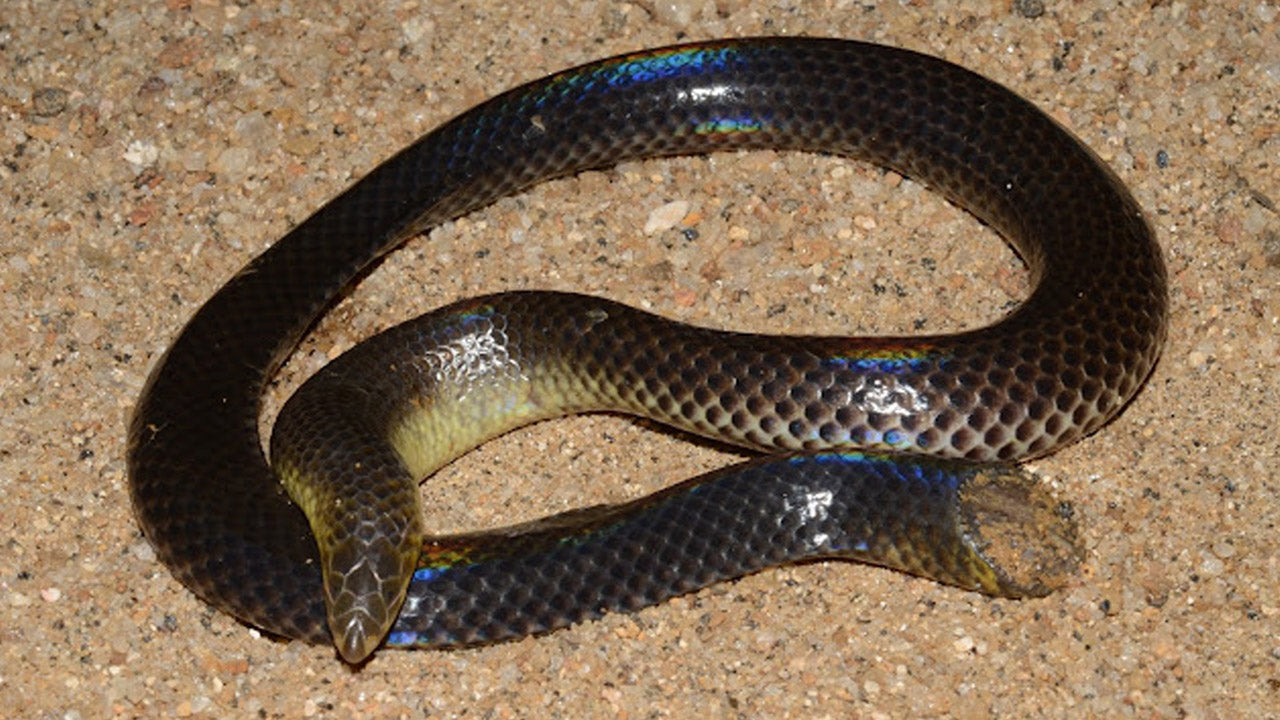 Large Shieldtail
Rhinophis saffragamus
-
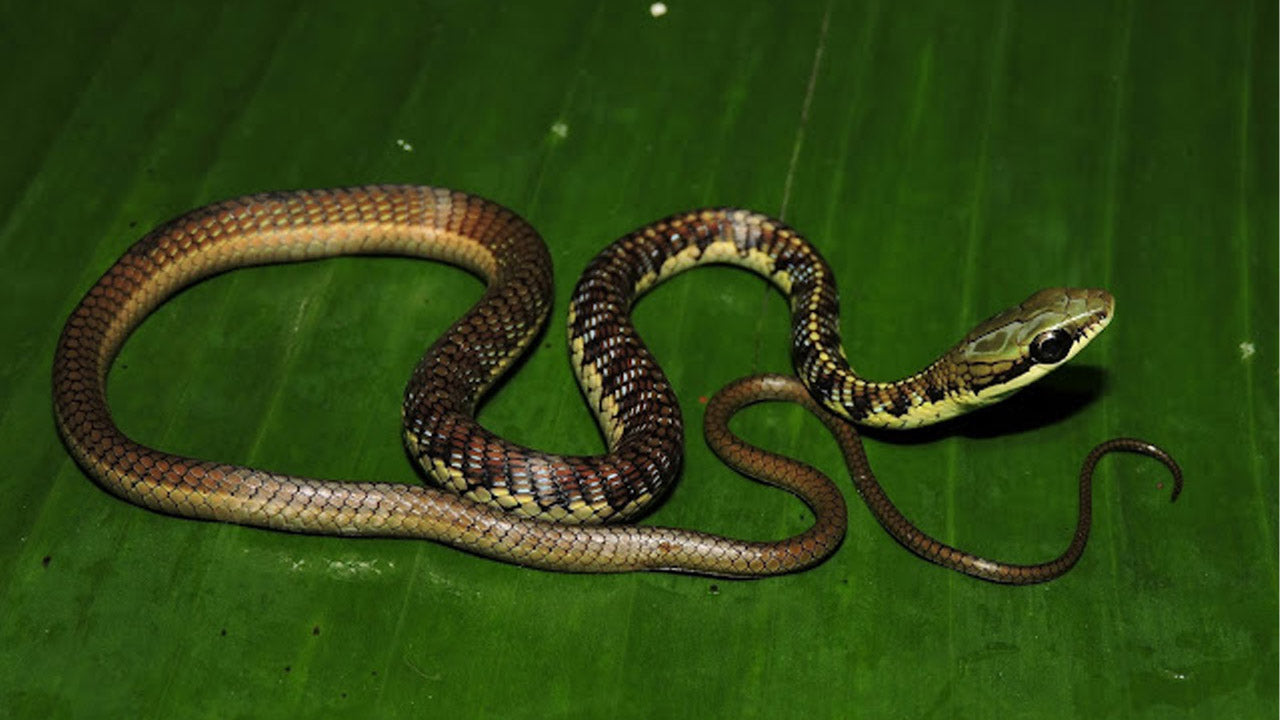 Schokar's Bronzeback
Schokar's bronzeback
-
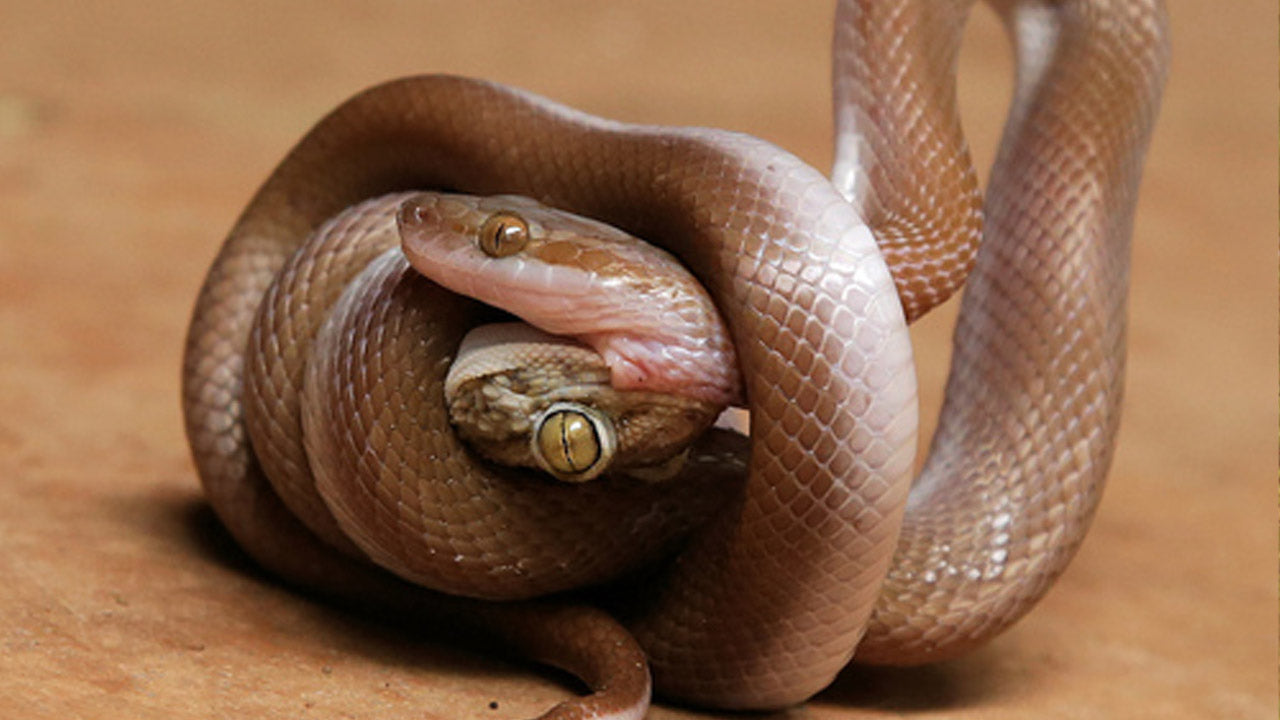 Jan's Worm Snake
Typhlops mirus
-
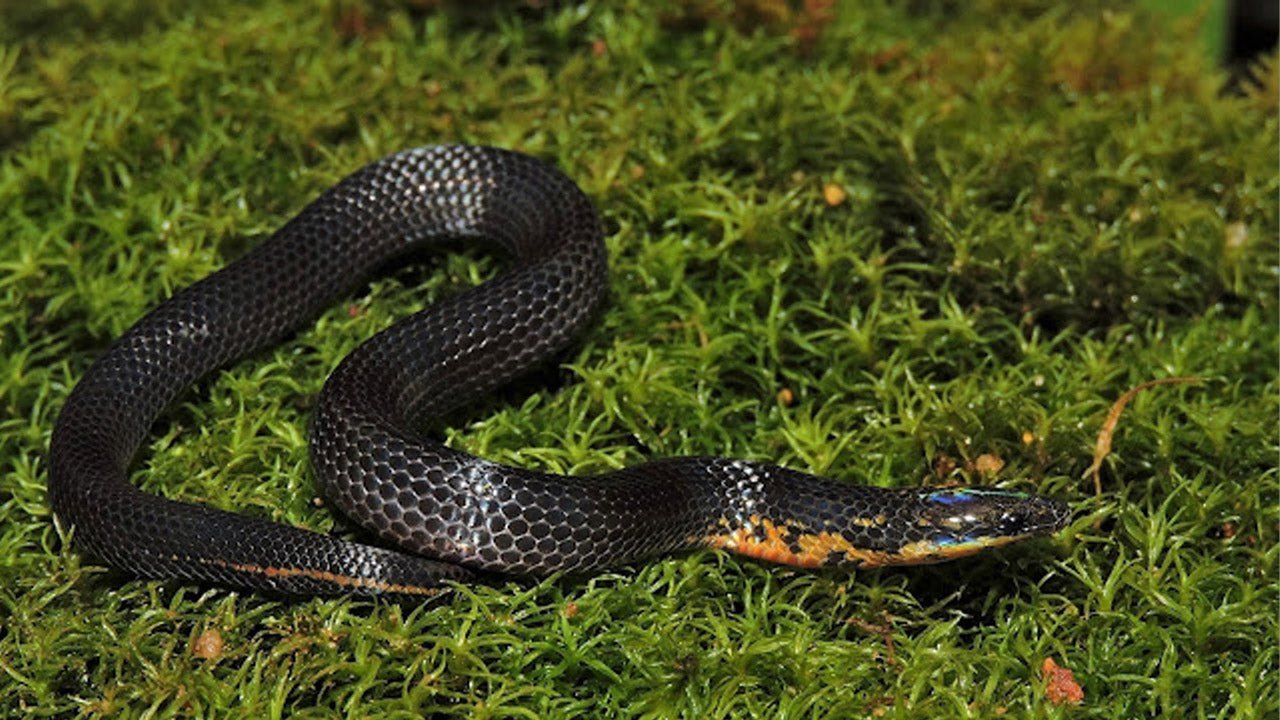 Ravana's Rough-sided Snake
Aspidura ravanai
-
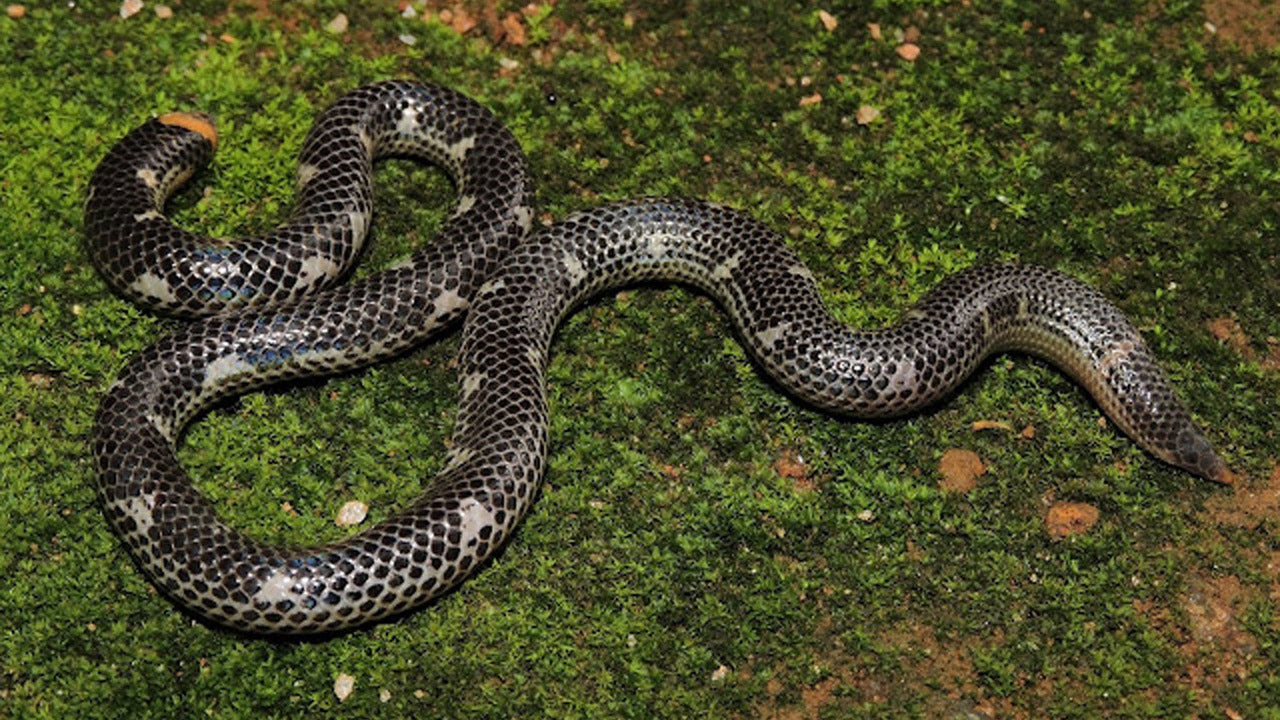 Hemprich's Shieldtail
Uropeltis hemprichii.
-
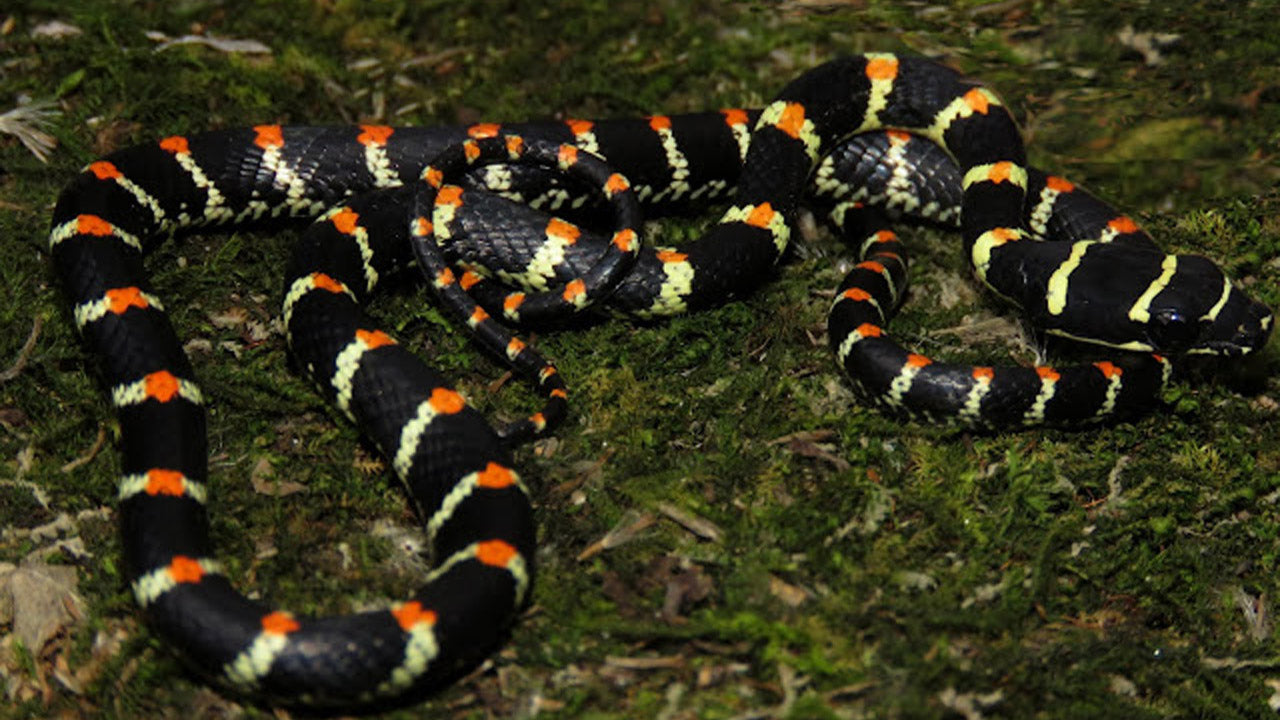 Ornate Flying Snake
Chrysopelea ornata
-
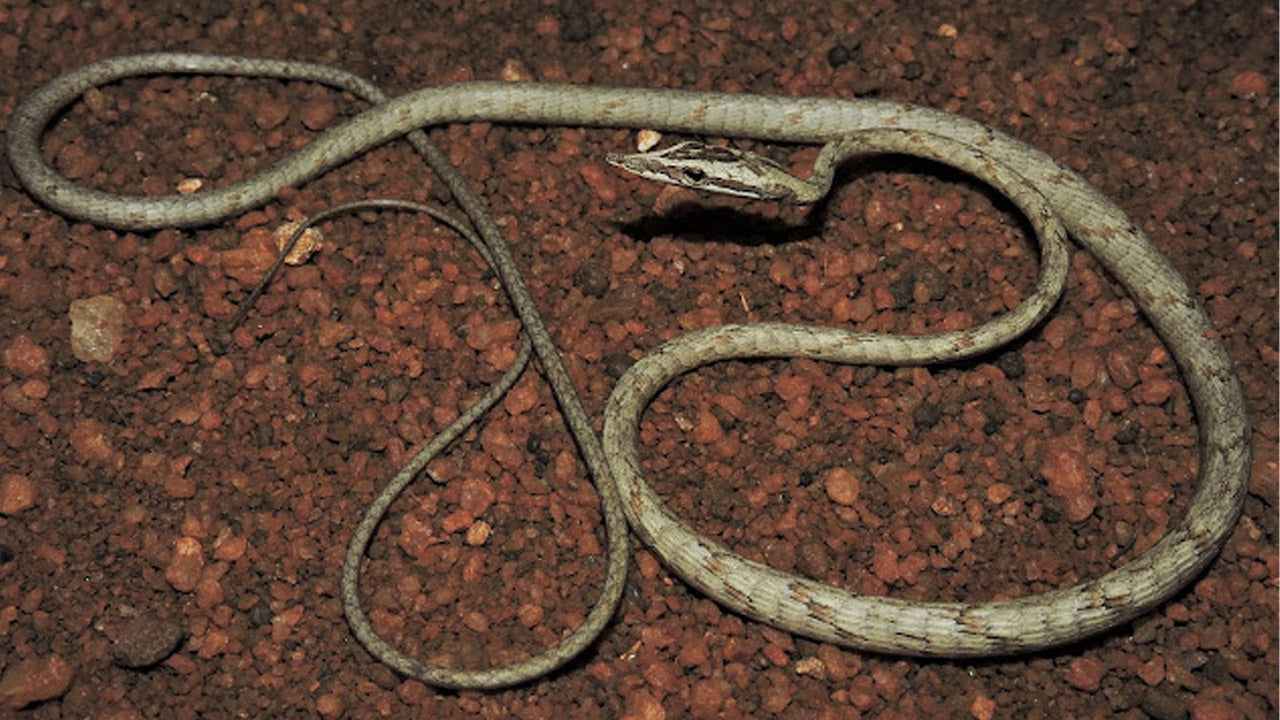 Brown Vine Snake
Ahaetulla pulverulenta
-
 Common Bridal Snake
colubrid snake
-
 Green Keelback
Rhabdophis plumbicolor