Deraniyagala's Shieldtail


Scientific Name: Uropeltis deraniyagalae
Family: Uropeltidae
Common Name(s): Deraniyagala's Shieldtail
Overview:
Deraniyagala's Shieldtail (Uropeltis deraniyagalae) is a species of burrowing snake endemic to Sri Lanka. As part of the Uropeltidae family, it shares the characteristic shield-like tail, which is a common feature among shieldtail snakes. These snakes are adapted for a fossorial (burrowing) lifestyle, spending most of their time underground in Sri Lanka’s rich forests and tropical ecosystems. Named after the famous Sri Lankan herpetologist, P.E.P. Deraniyagala, this species remains relatively obscure and is not commonly encountered due to its secretive, burrowing habits.
Physical Description:
- Size: Deraniyagala's Shieldtail is a relatively small snake, typically measuring around 40 cm to 60 cm (16 to 24 inches) in length, though some individuals may be slightly larger.
- Coloration: The body color is generally dark, ranging from deep brown to reddish-brown or purple. The belly is typically a lighter shade, and the overall coloration helps it blend into the forest floor where it spends most of its time. The tail is dark and broad, tapering to a shield-like shape at the end.
- Tail: The most distinctive feature of the Deraniyagala's Shieldtail is its broad, shield-like tail, which it uses for digging and burrowing. The tail also serves as a defense mechanism, allowing the snake to wedge itself into narrow burrows or crevices to avoid predators.
- Head: The head of Deraniyagala's Shieldtail is small and indistinct from the body. Its flat, slightly rounded head helps it move easily through soil and under leaf litter.
Habitat and Distribution:
- Geographical Range: Deraniyagala's Shieldtail is found exclusively in Sri Lanka, primarily in the island's wet-zone rainforests. Its distribution is mostly limited to the central and southern parts of the island, where it thrives in the humid, forested ecosystems.
- Habitat: This species prefers dense tropical forests with rich, loamy soil. It is most commonly found in areas with abundant leaf litter, rotting wood, or loose soil where it can easily burrow and find shelter. Due to its secretive nature and fossorial habits, it is seldom seen and is not commonly encountered by humans.
Behavior and Diet:
- Fossorial Lifestyle: Deraniyagala's Shieldtail is primarily a burrowing snake. It spends most of its time underground, using its specialized, shield-shaped tail to dig through soil or leaf litter. It creates burrows or hides beneath rotting vegetation or other debris, where it remains protected from predators.
- Diet: This snake is carnivorous and feeds mainly on invertebrates such as earthworms, insects, and other small arthropods. As a burrowing species, it is well-adapted to hunting in the soil, where it can use its acute sense of smell to locate prey.
Reproduction:
- <
-
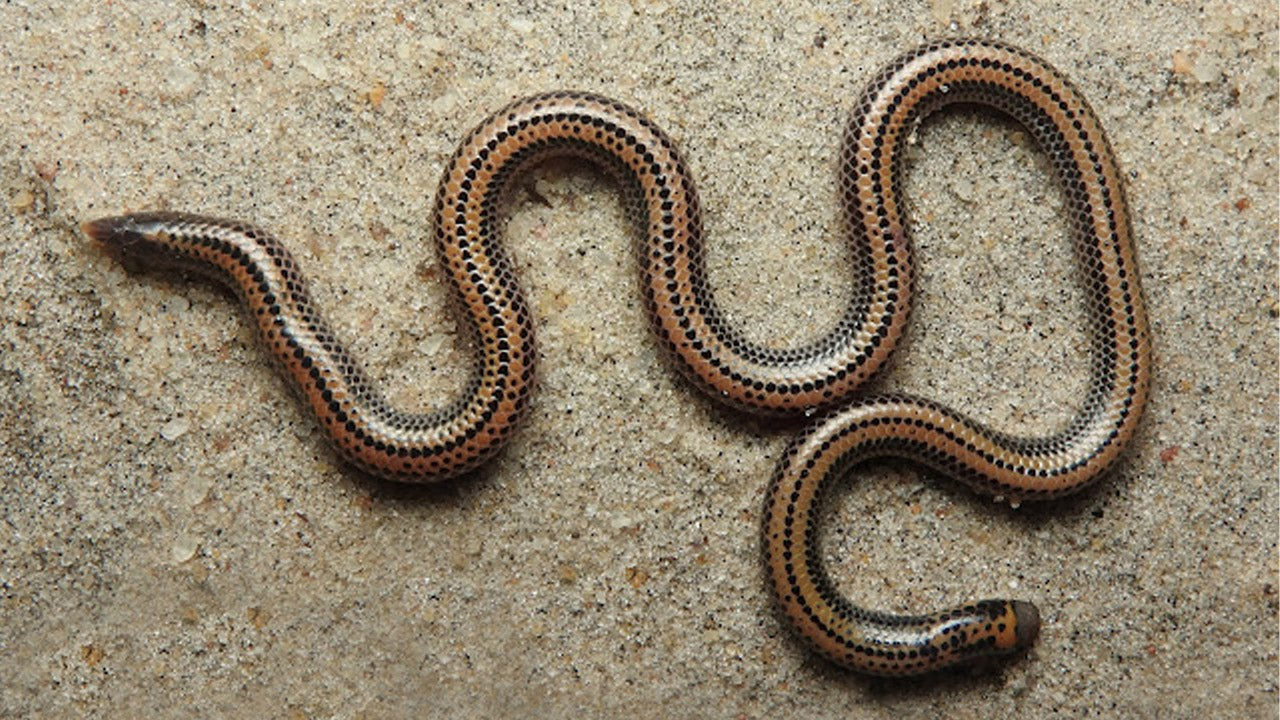 Muller's Shieldtail
Uropeltis mülleri
-
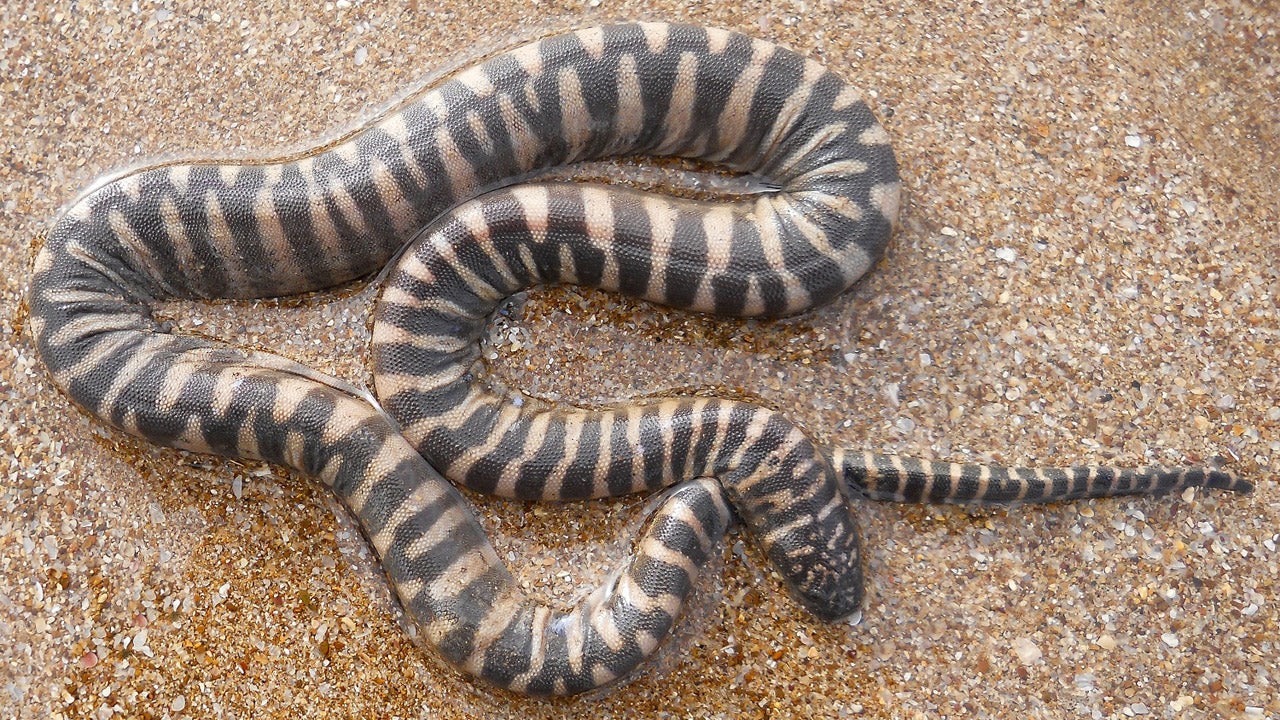 Wart Snake
Acrochordus
-
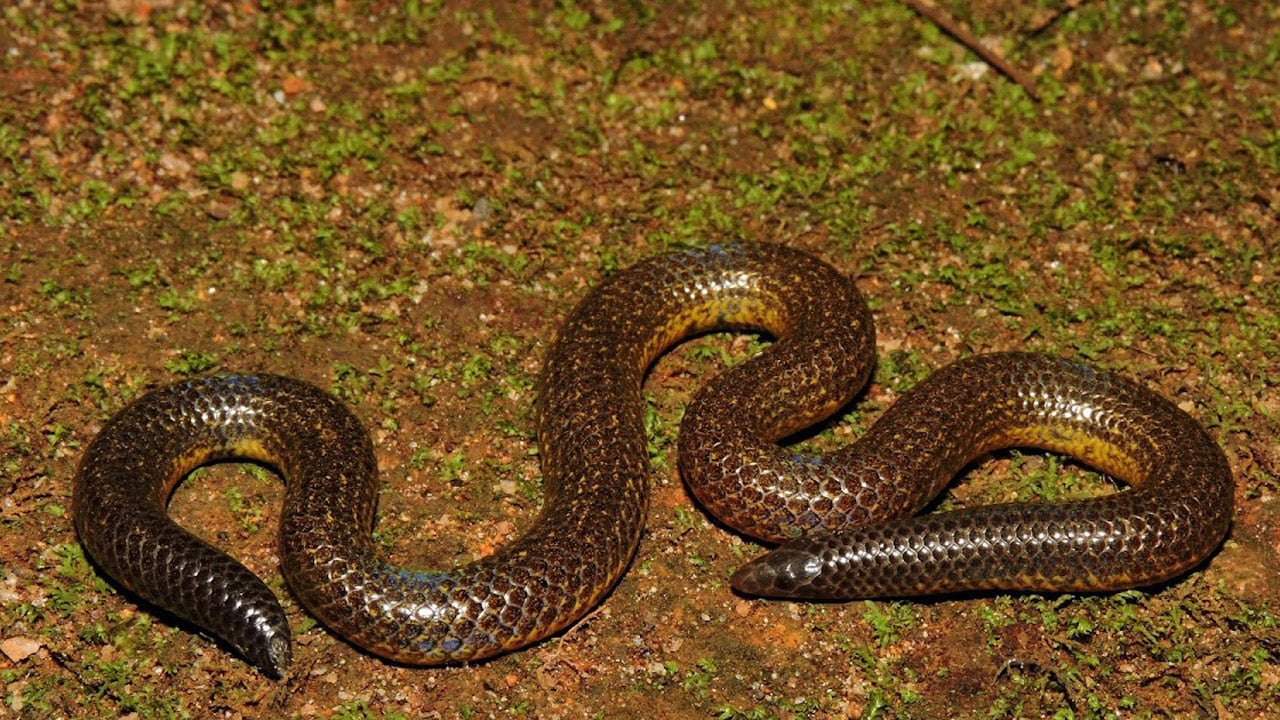 Drummond-Hay's Shieldtail
Rhinophis drummondhayi
-
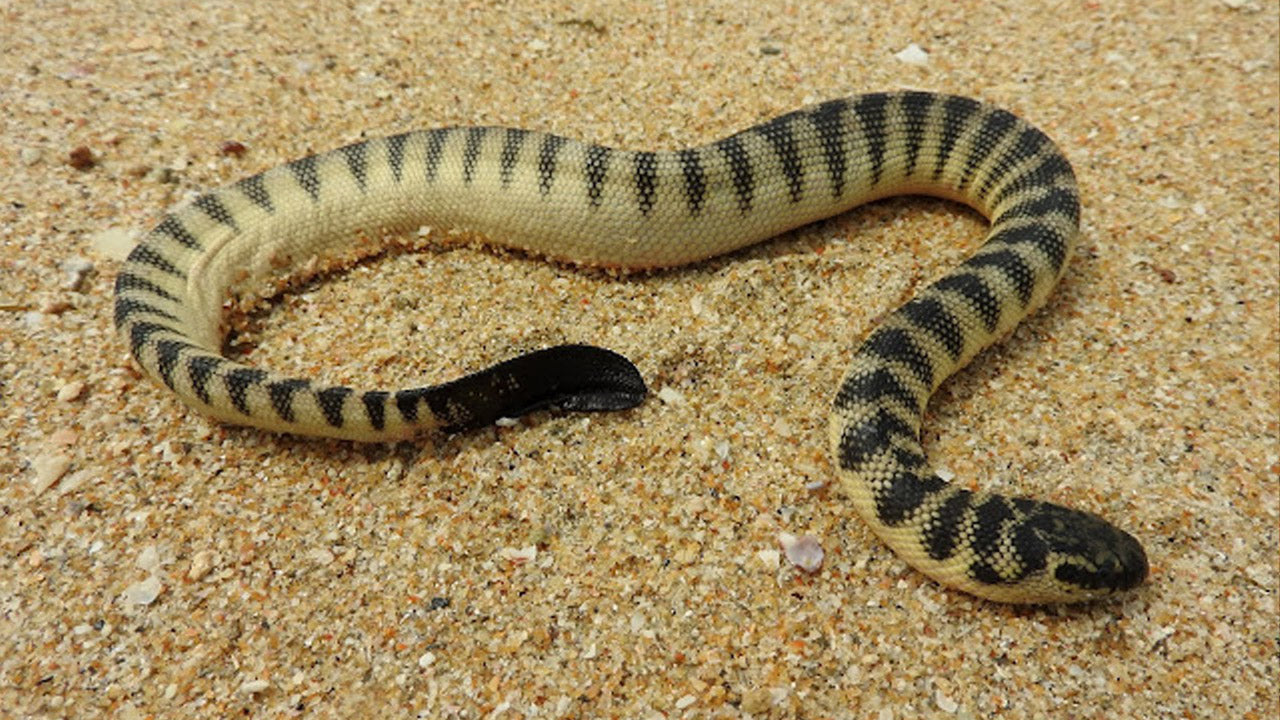 Shaw's Sea Snake
Hydrophis curtus
-
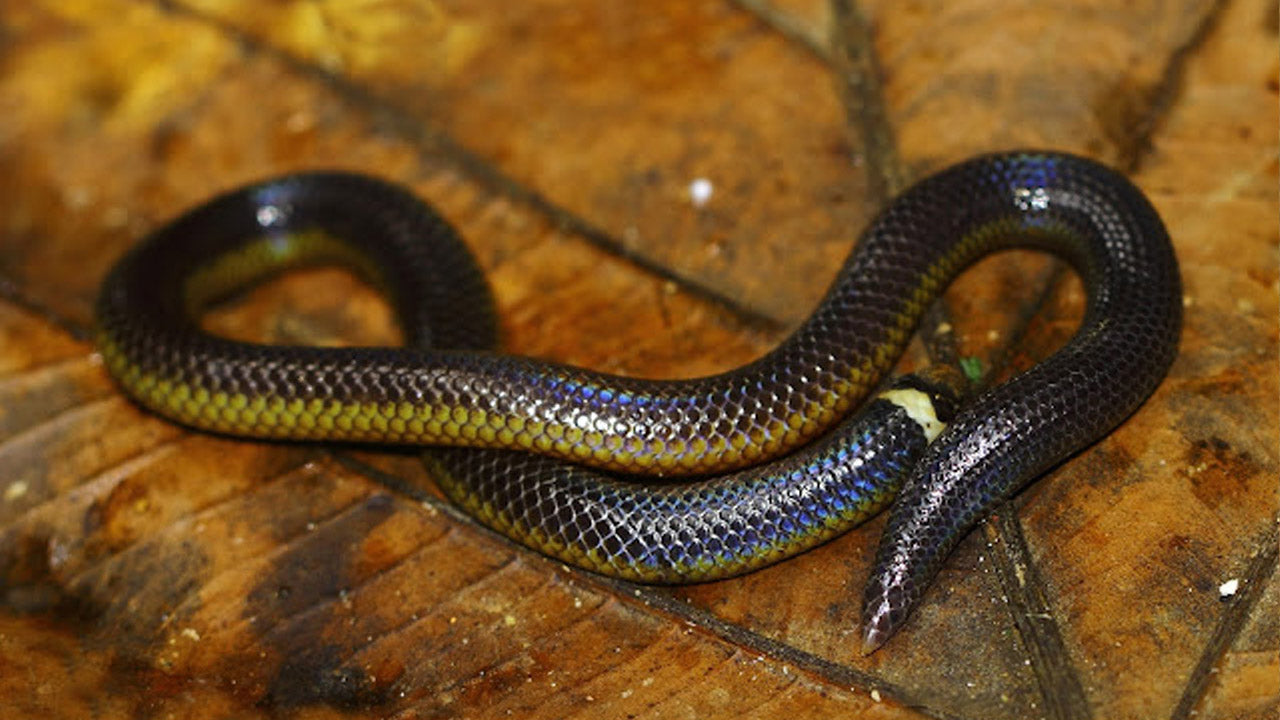 Deraniyagala's Shieldtail
Rhinophis tricoloratus
-
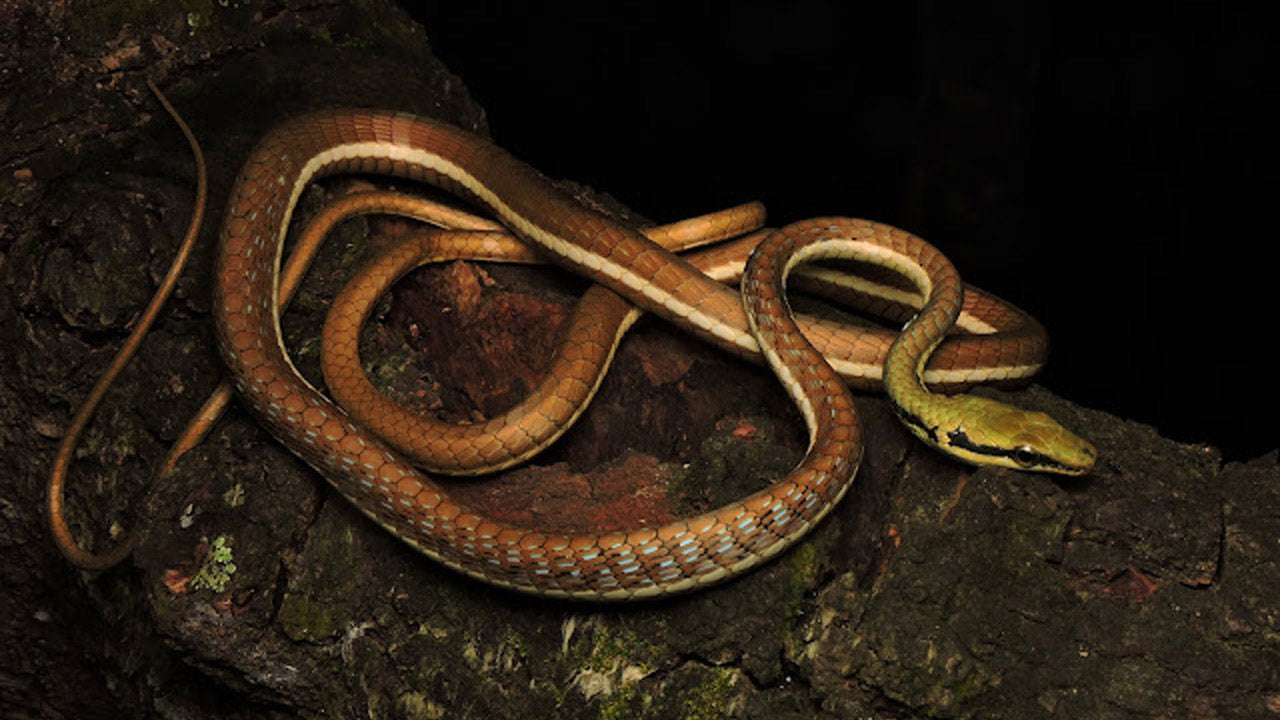 Wickramasinghe's Bronzeback
Dendrelaphis wickrorum
-
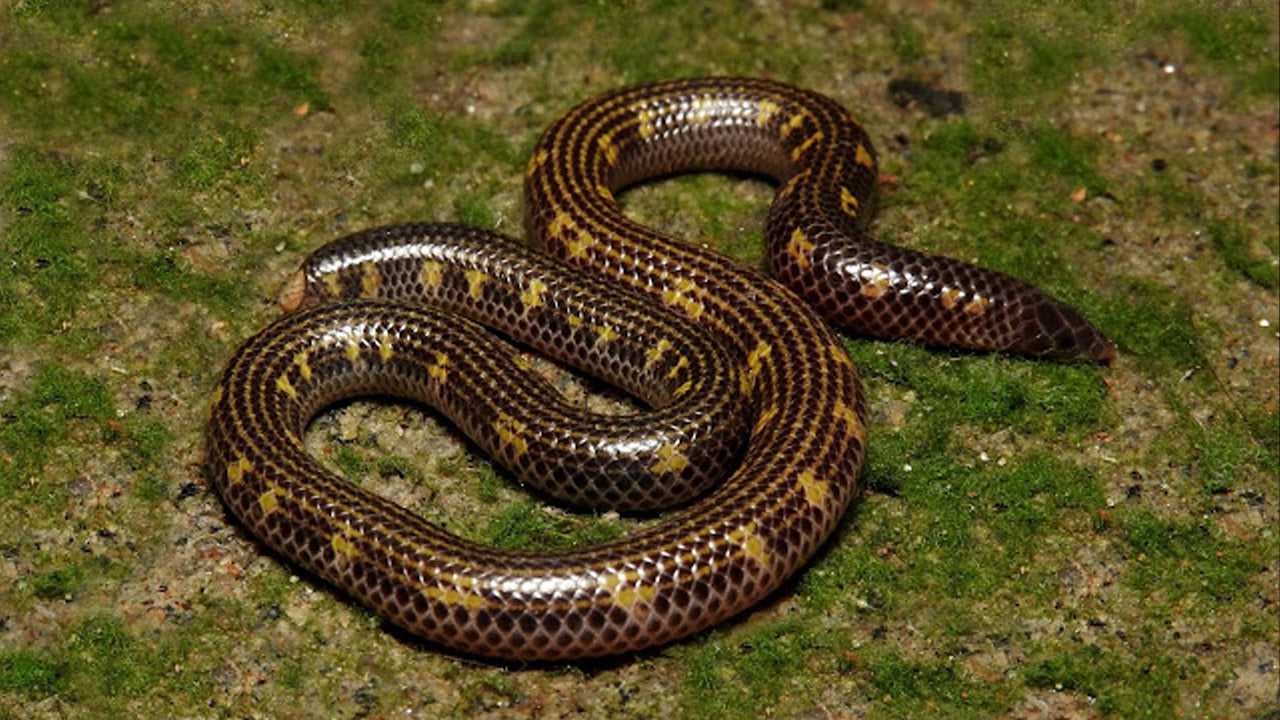 Phillip's Earth Snake
Rhinophis phillipsi
-
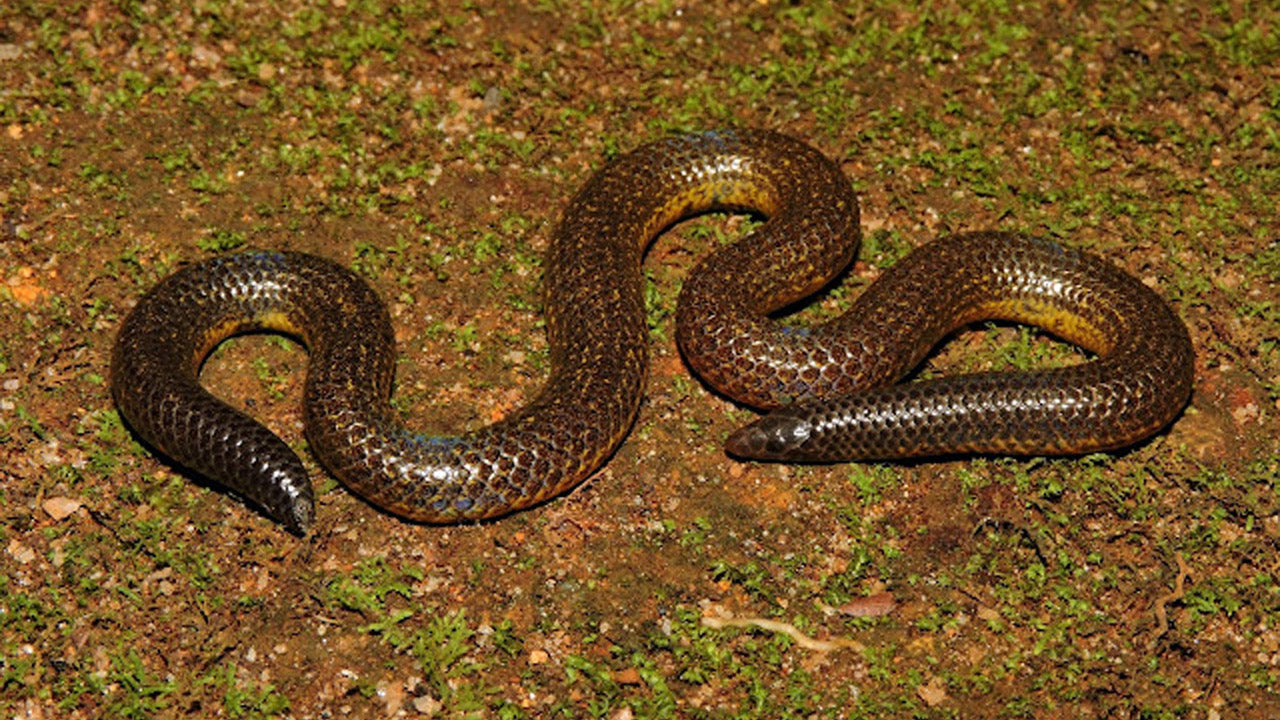 Gray's Earth Snake
Aparallactus grayi
-
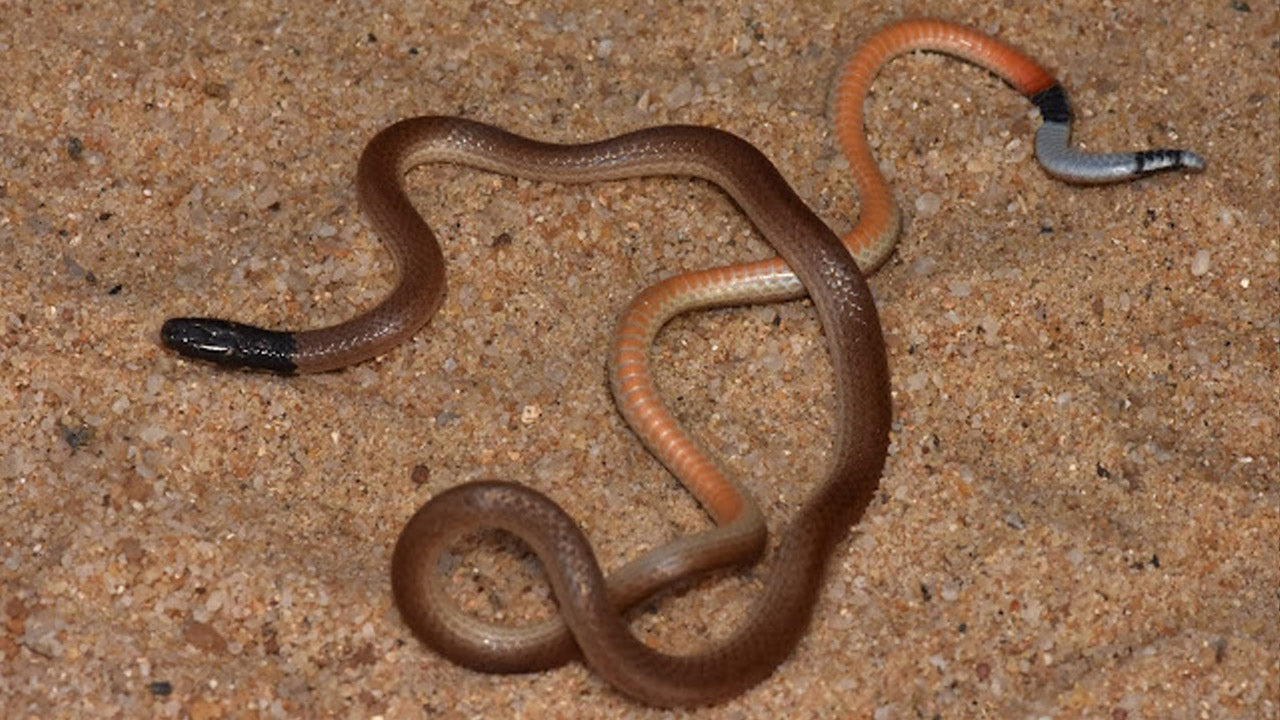 Slender Coral Snake
Calliophis Melanurus
-
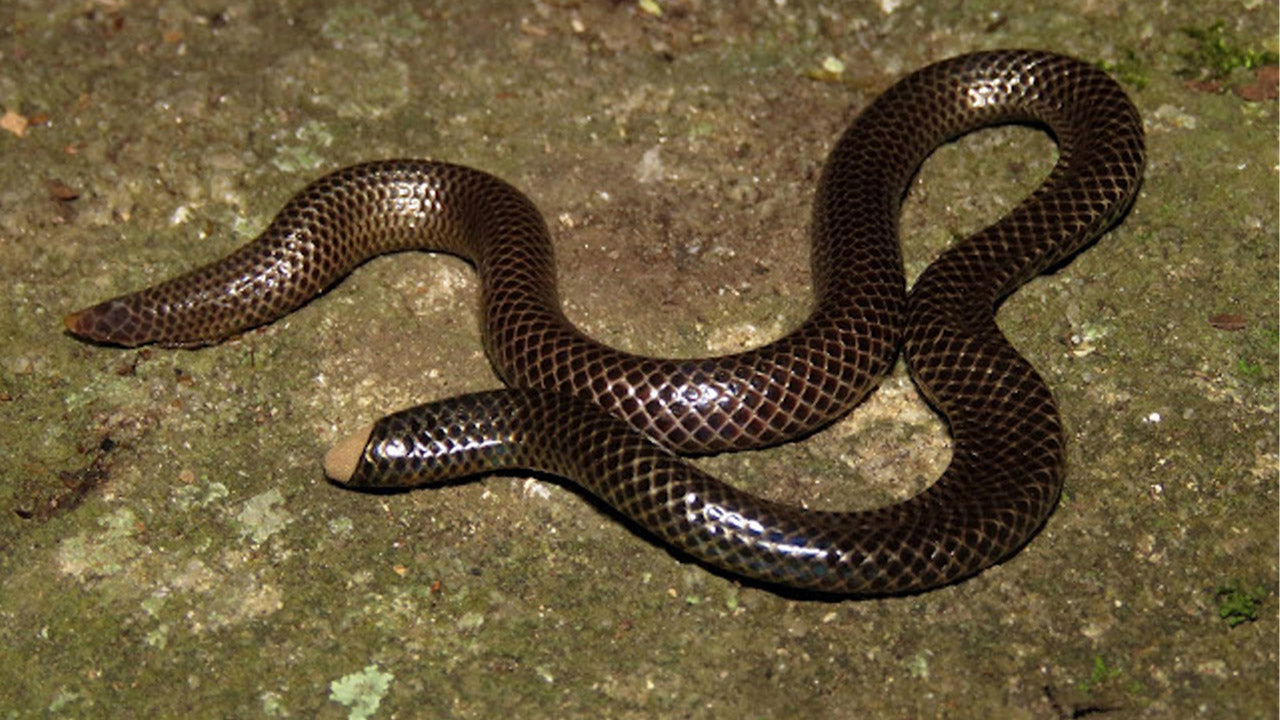 Cuvier's Shieldtail
Uropeltis ceylanica
-
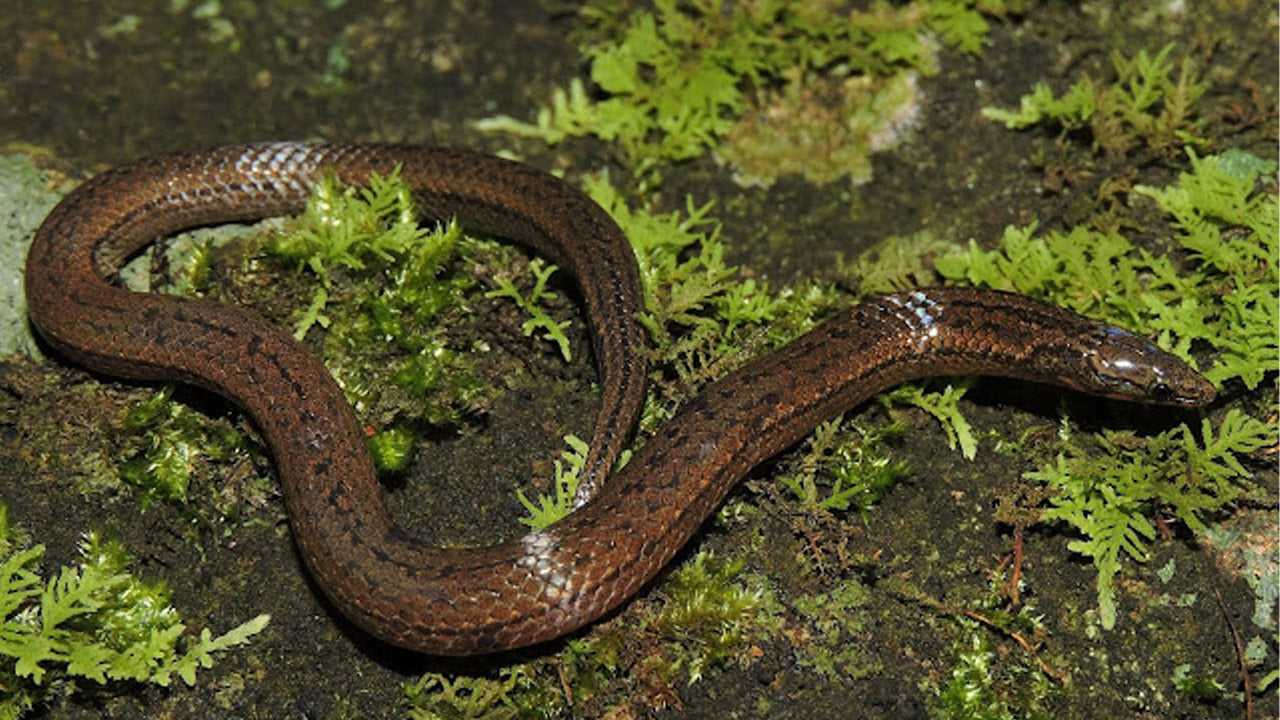 de Silva's Rough-sided Snake
Aspidura desilvai
-
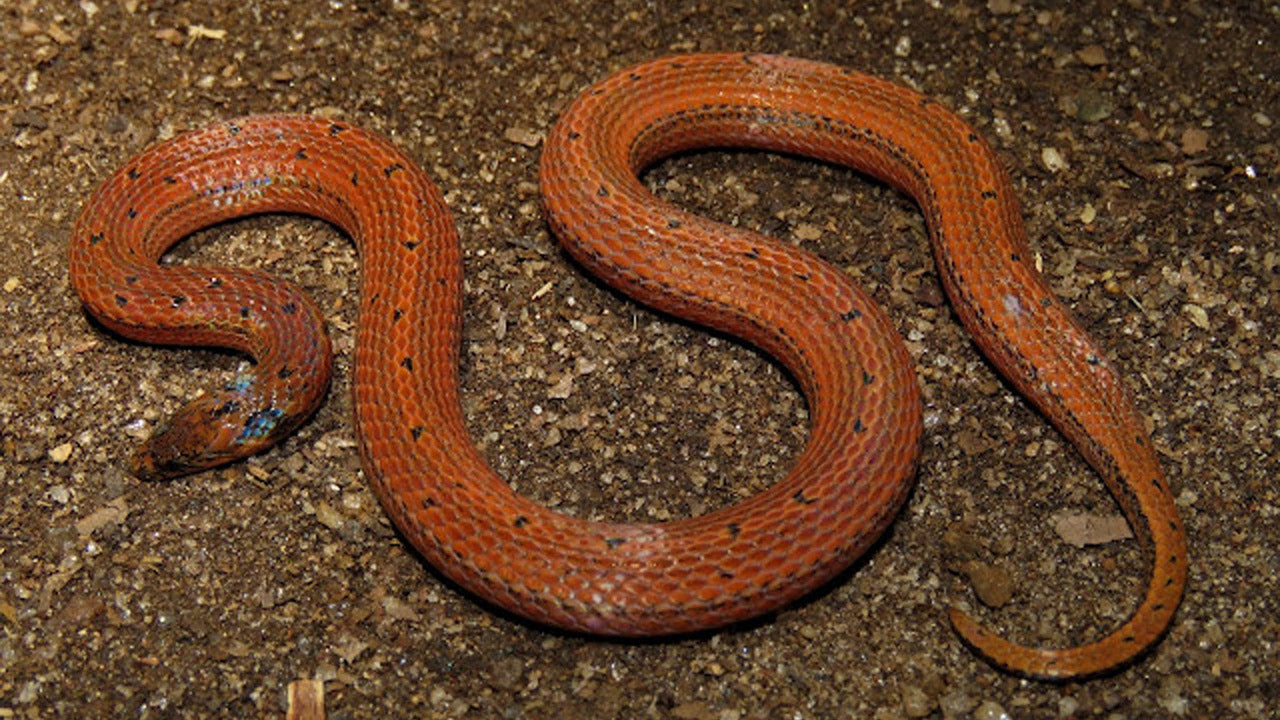 Boie's Rough-Sided Snake
Aspidura brachyorrhos
-
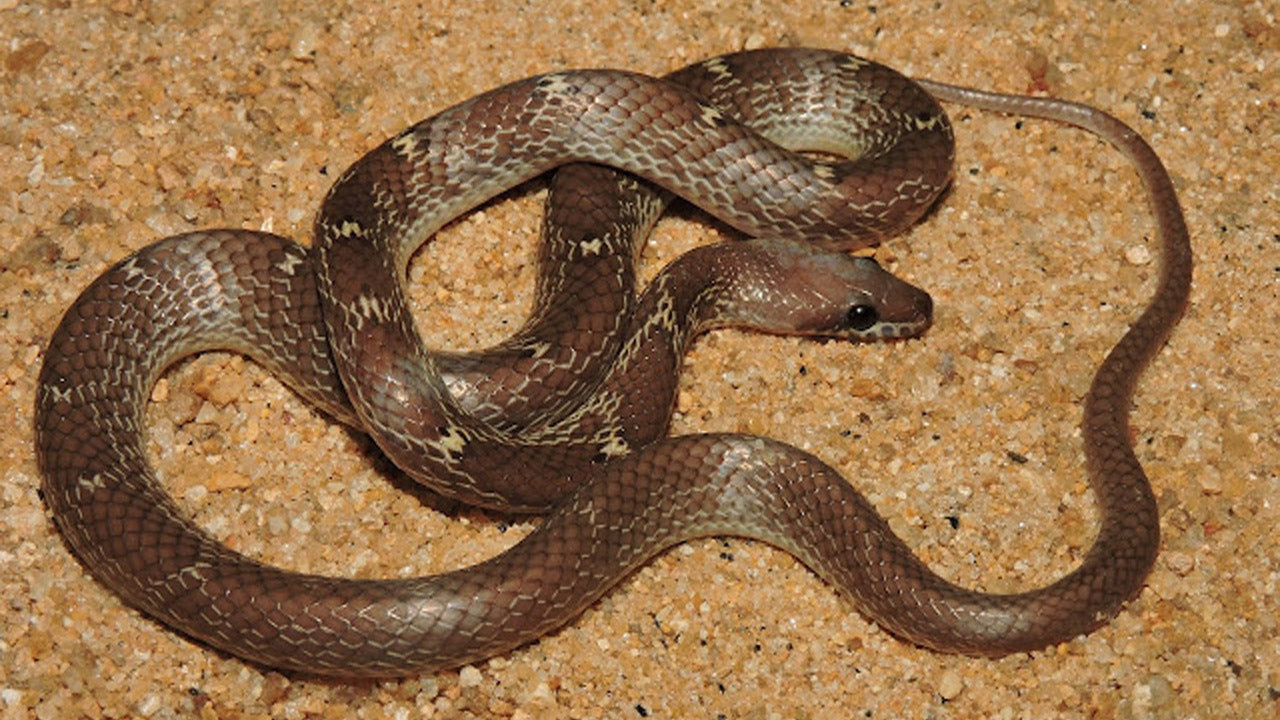 Flowery Wolf Snake
Lycodon anamallensis
-
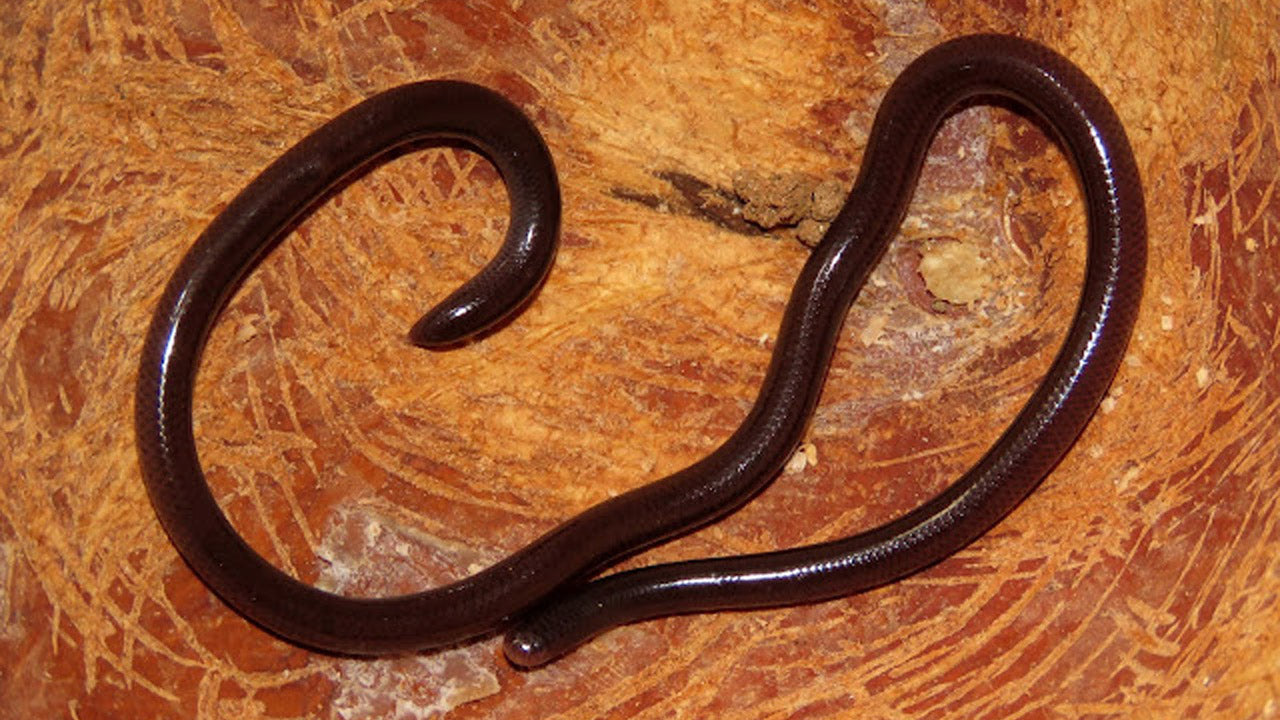 Brahminy Blind Snake
Indotyphlops braminus
-
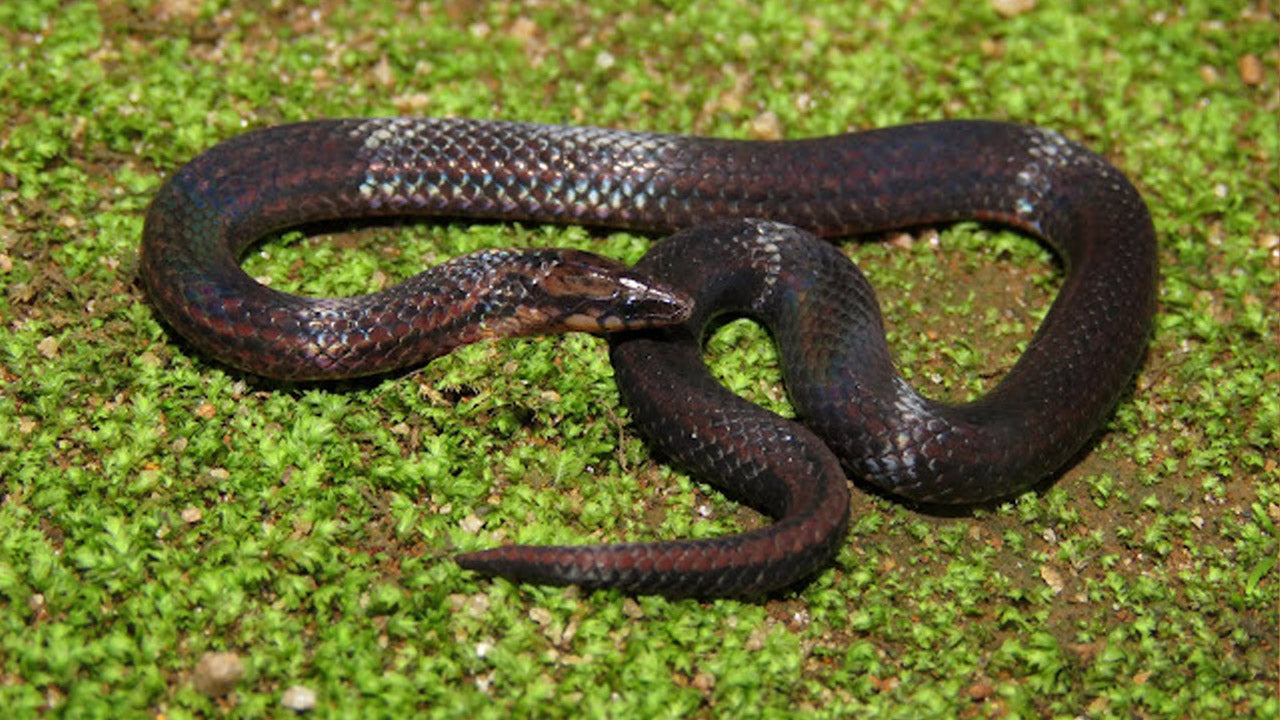 Common Rough-sided Snake
Aspidura trachyprocta
-
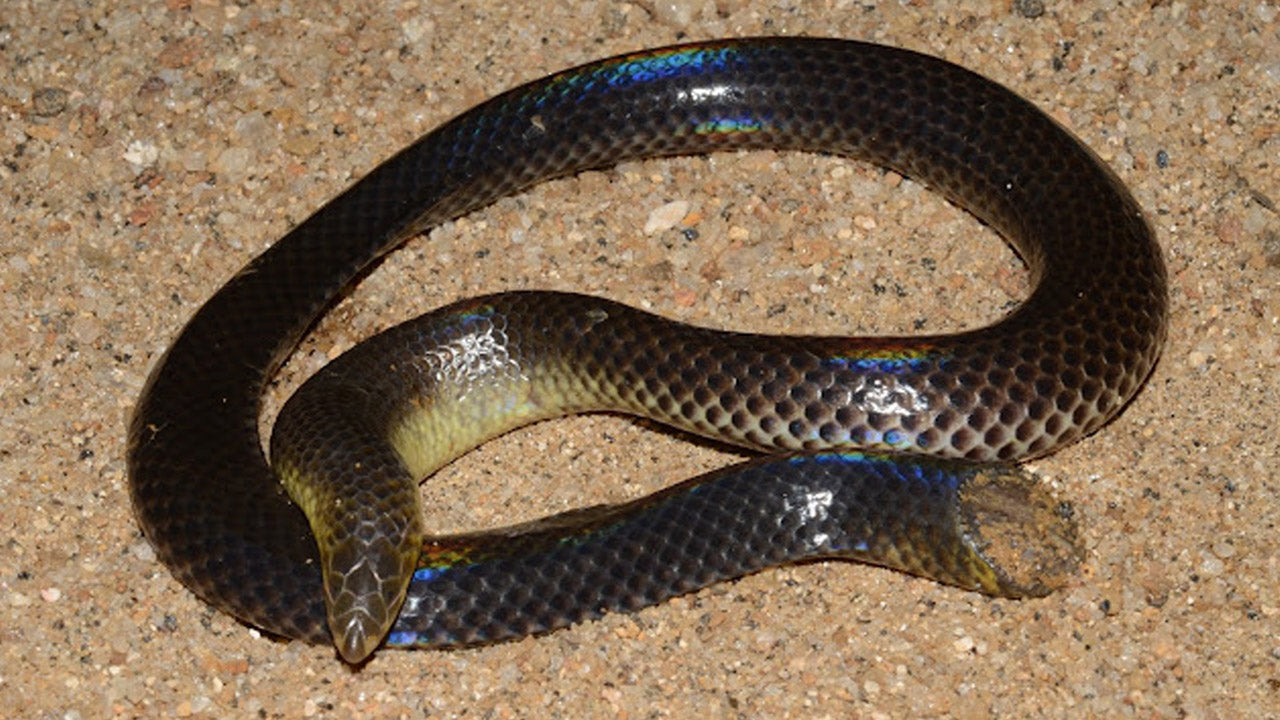 Large Shieldtail
Rhinophis saffragamus
-
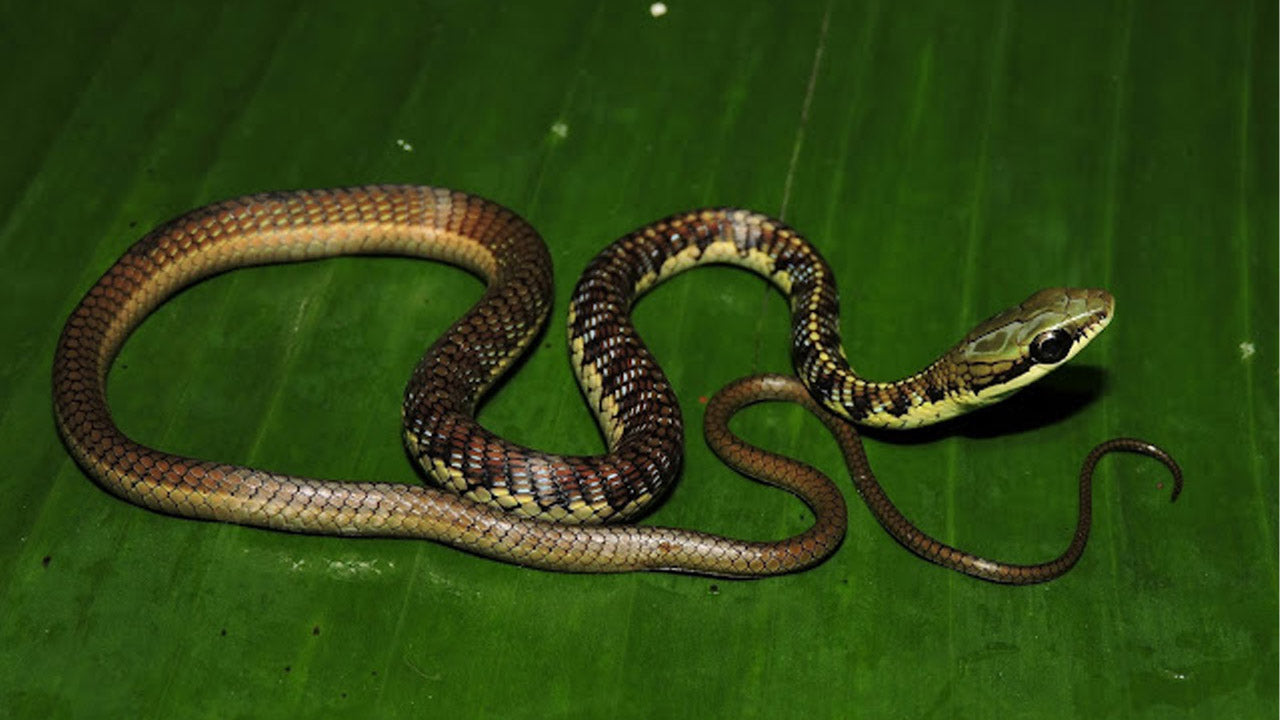 Schokar's Bronzeback
Schokar's bronzeback
-
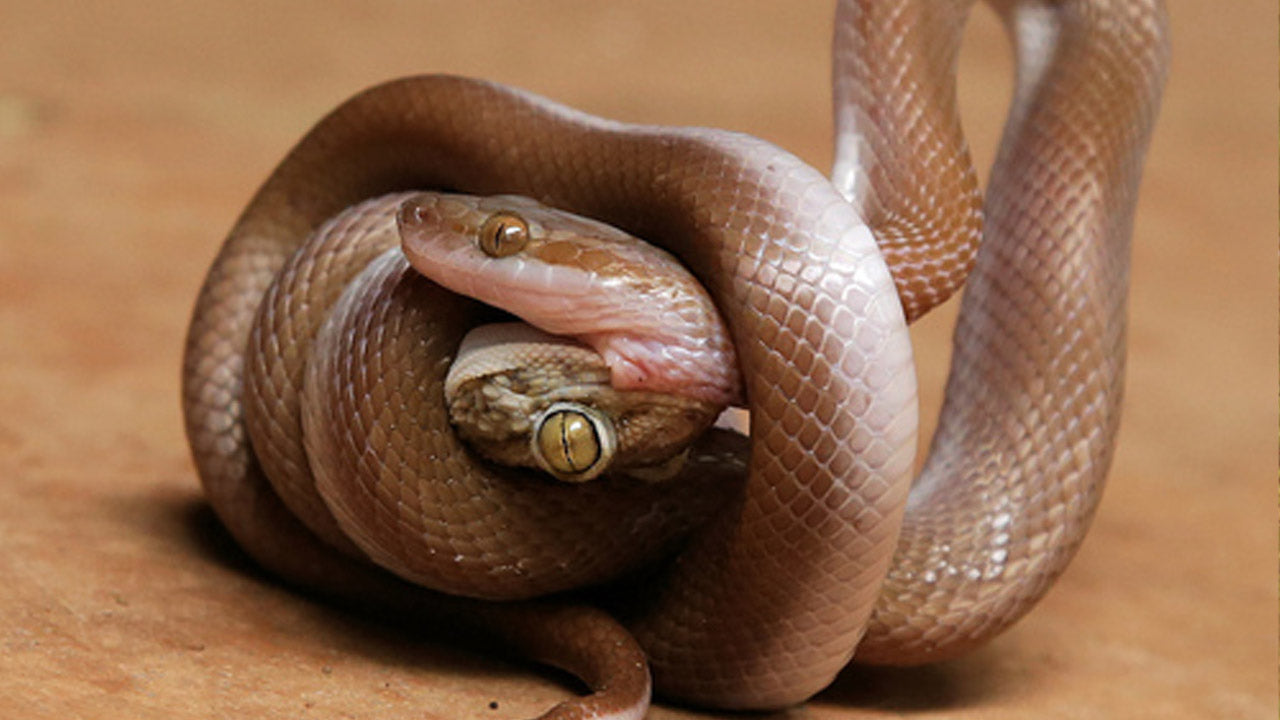 Jan's Worm Snake
Typhlops mirus
-
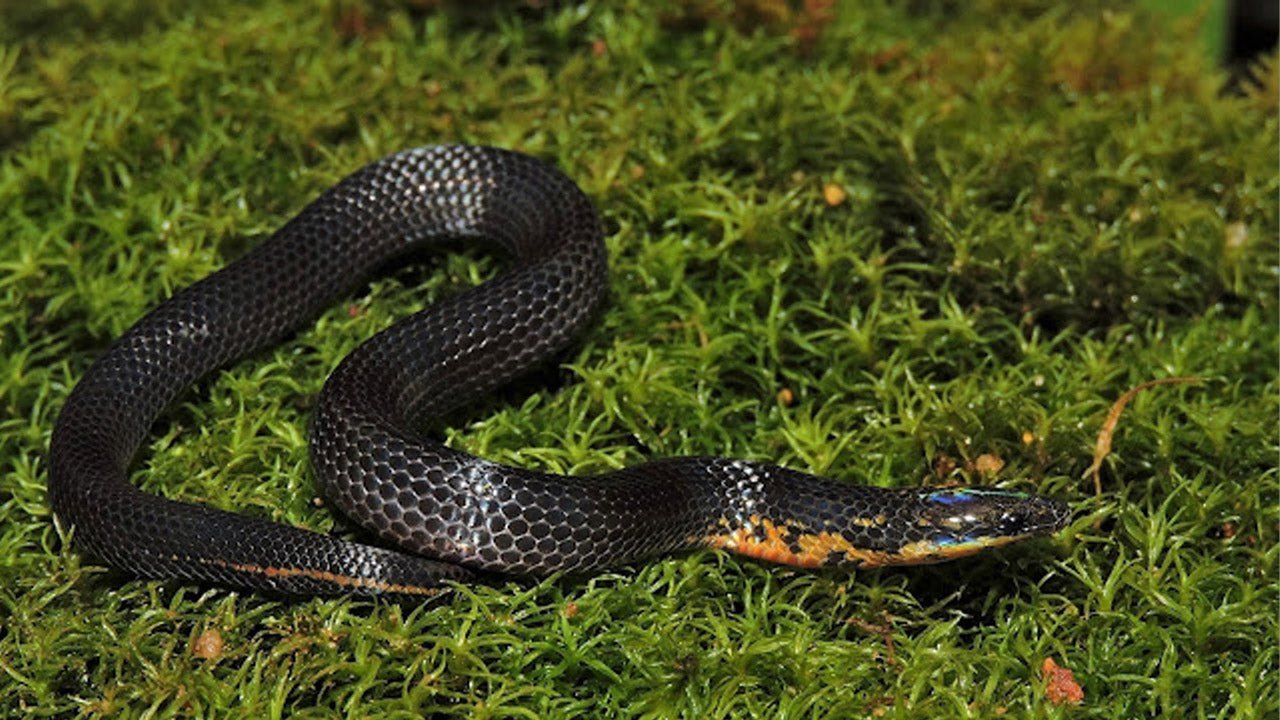 Ravana's Rough-sided Snake
Aspidura ravanai
-
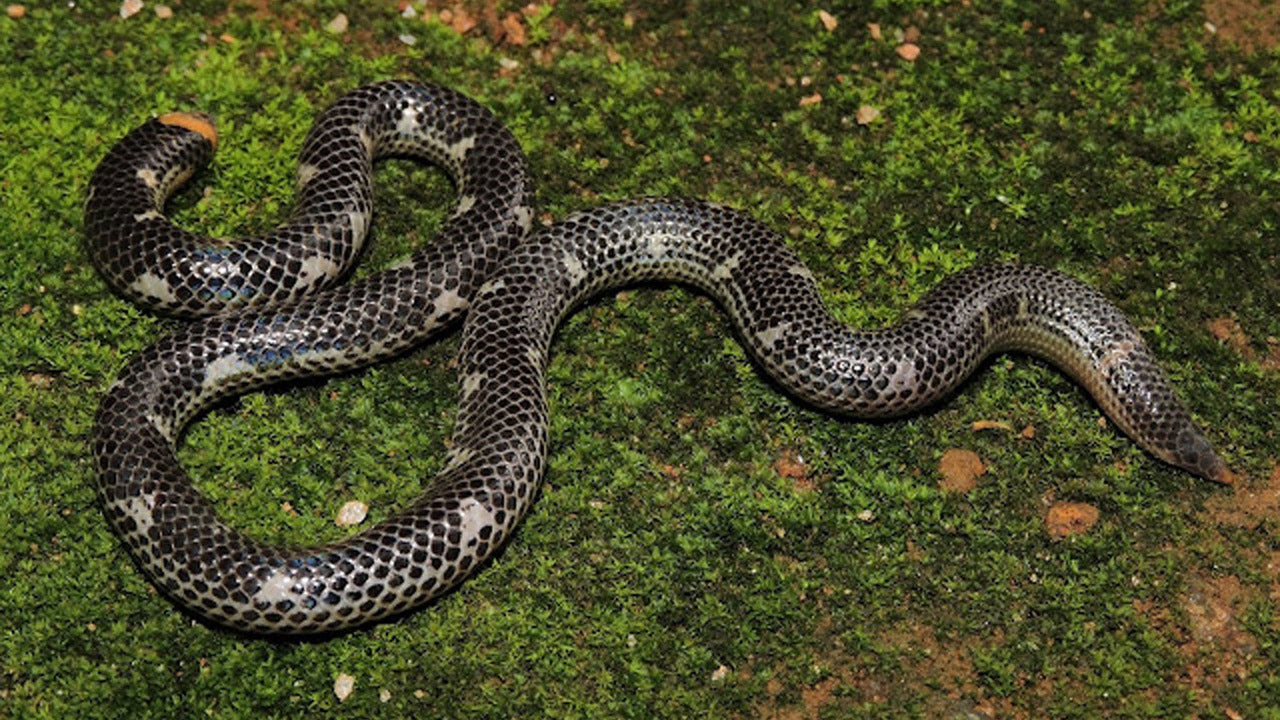 Hemprich's Shieldtail
Uropeltis hemprichii.
-
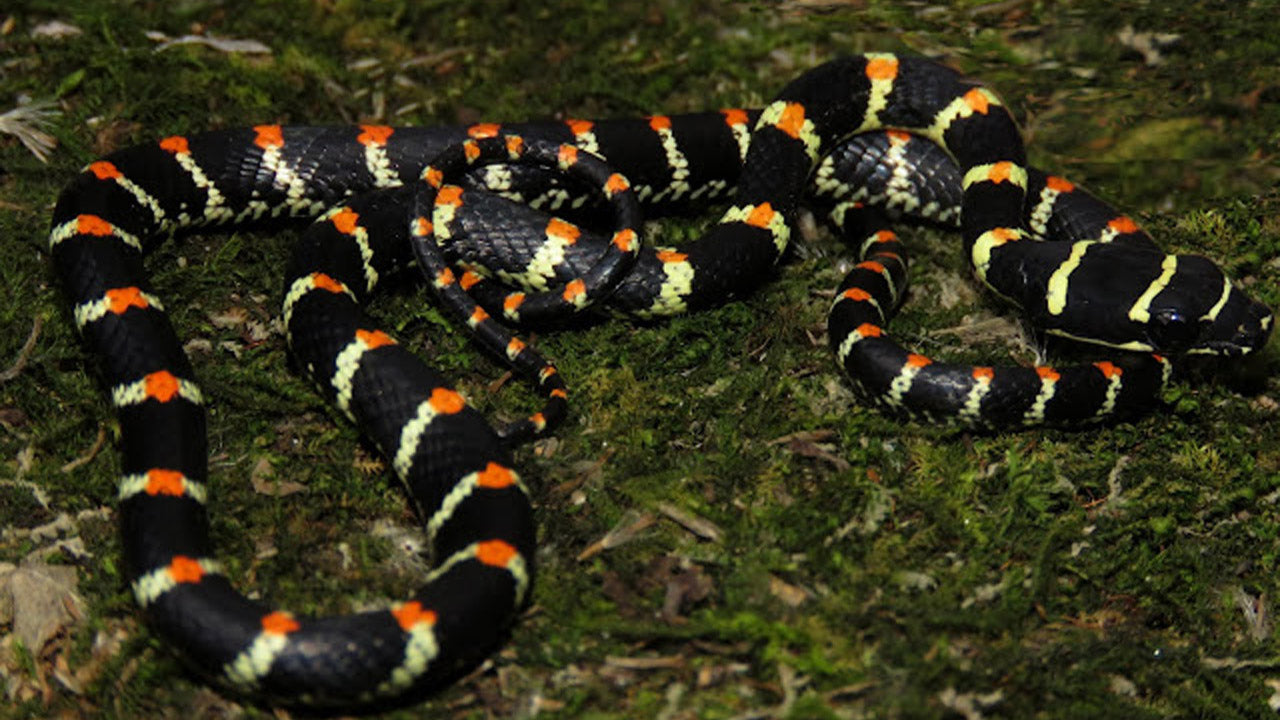 Ornate Flying Snake
Chrysopelea ornata
-
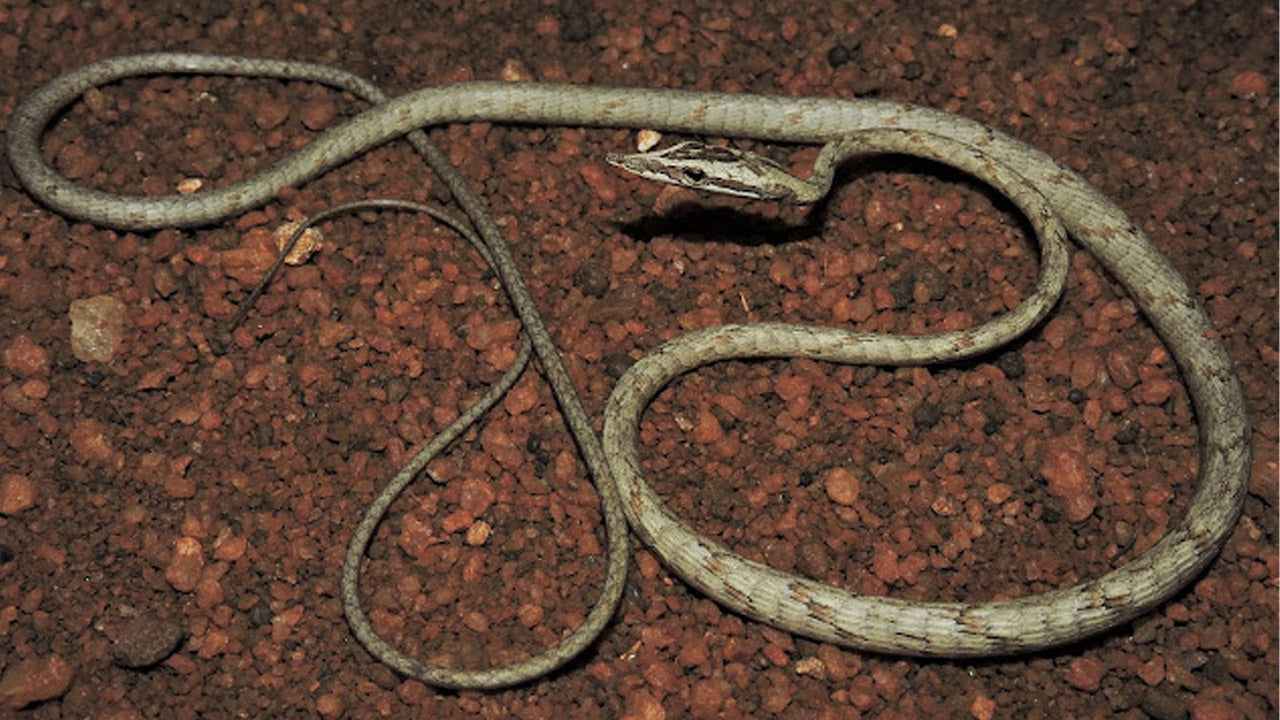 Brown Vine Snake
Ahaetulla pulverulenta
-
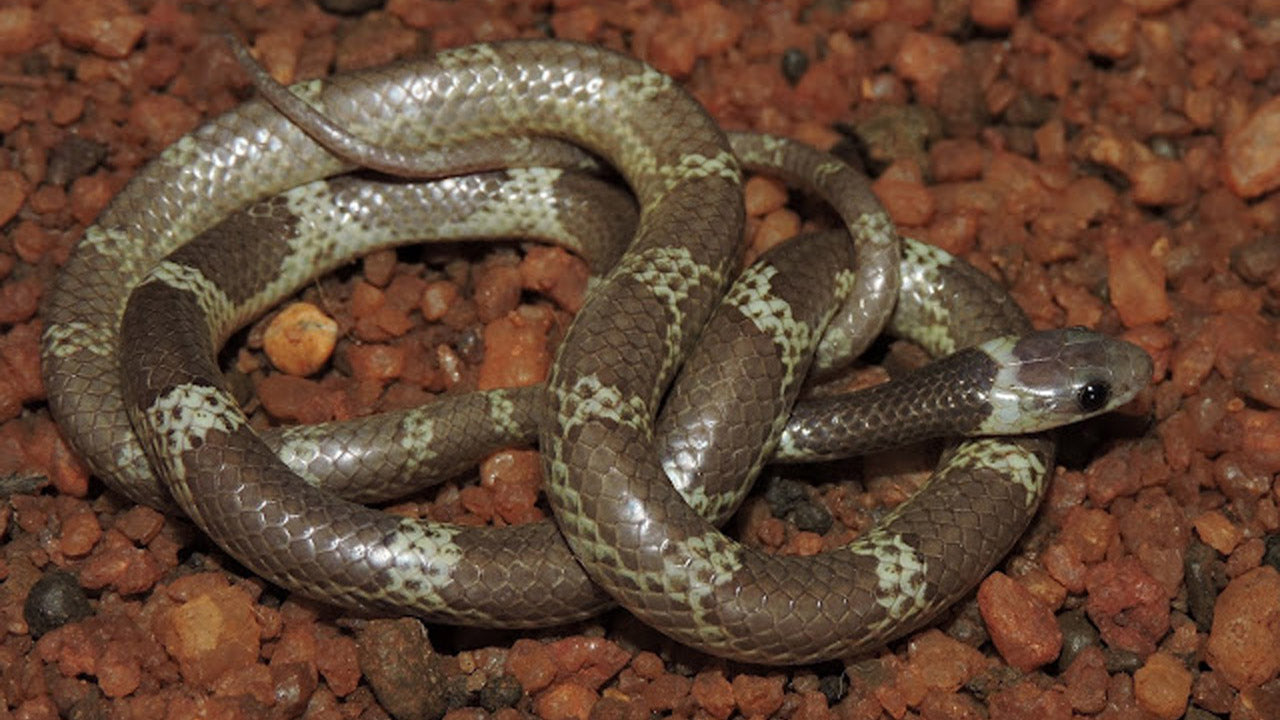 Common Bridal Snake
colubrid snake
-
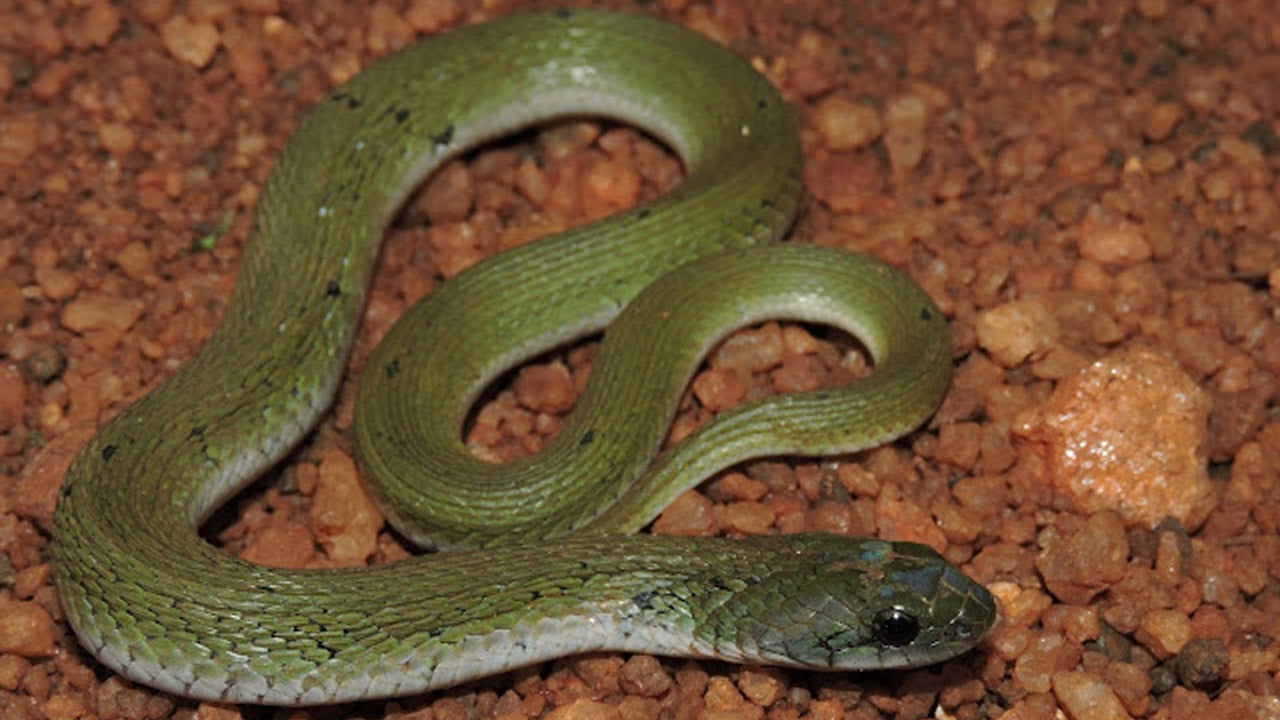 Green Keelback
Rhabdophis plumbicolor