Cuvier's Shieldtail


Scientific Name: Kukriella cuvieri
Family: Uropeltidae
Common Name(s): Cuvier's Shieldtail
Overview:
Cuvier's Shieldtail (Kukriella cuvieri) is a species of non-venomous, burrowing snake endemic to Sri Lanka. It is a member of the Uropeltidae family, also known as shieldtails, which are named after the distinctive, shield-like structure at the end of their tail. Cuvier's Shieldtail is a fossorial (burrowing) species that inhabits the island's moist, tropical forest floors. It is often found in the undergrowth of Sri Lanka's wet-zone forests, where it spends most of its time hidden beneath leaf litter and in the soil. The snake is named after the French naturalist Georges Cuvier, who contributed significantly to the study of reptiles and other animals.
Physical Description:
- Size: Cuvier's Shieldtail is a relatively small snake, typically measuring around 30 cm to 50 cm (12 to 20 inches) in length. Like many species in the Uropeltidae family, it has a robust body that is adapted for a burrowing lifestyle.
- Coloration: The snake has a dark, reddish-brown or purplish-brown coloration on its dorsal (upper) side, which helps it blend into the forest floor and the leaf litter. Its underside is usually a lighter shade, typically yellowish or pale brown. The coloration provides excellent camouflage, helping the snake avoid detection by predators.
- Body: The body of Cuvier's Shieldtail is cylindrical and relatively thick, which is typical for burrowing snakes. It has smooth, glossy scales that aid in moving through soil and debris with minimal resistance.
- Tail: The most distinctive feature of Cuvier's Shieldtail is its tail, which is flattened and shield-like in appearance. This tail structure is used for burrowing and is effective in helping the snake maneuver underground. The tail also provides the snake with balance as it navigates through tight spaces.
Habitat and Distribution:
- Geographical Range: Cuvier's Shieldtail is found exclusively in Sri Lanka, specifically in the island’s wet-zone rainforests and the moist forests of the central and southern parts of the island. It prefers lowland and foothill habitats, typically ranging between 100 meters and 1,000 meters in elevation.
- Habitat: This species thrives in moist, humid environments such as tropical rainforests, where the soil is rich and loose enough for burrowing. Cuvier's Shieldtail is commonly found under leaf litter, rotting logs, or within the soil itself, where it spends most of its time hidden from view. The species is adapted to living in environments with high humidity and is rarely seen on the surface, as it stays mostly underground.
Behavior and Diet:
- Fossorial Lifestyle: Like most members of the Uropeltidae family, Cuvier's Shieldtail is fossorial, meaning it spends the majority of its life underground. It uses its strong, shield-like tail to burrow through the soil, searching for prey and shelter. Its secretive nature and subterr
-
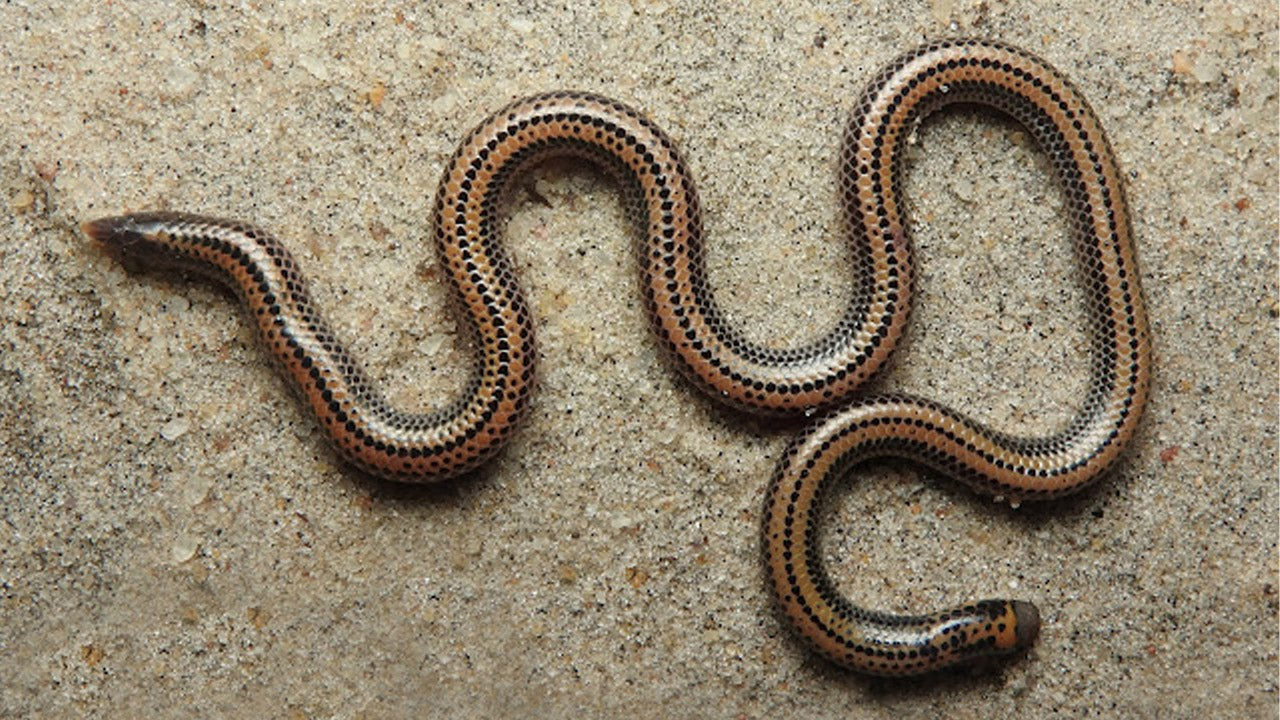 Muller's Shieldtail
Uropeltis mülleri
-
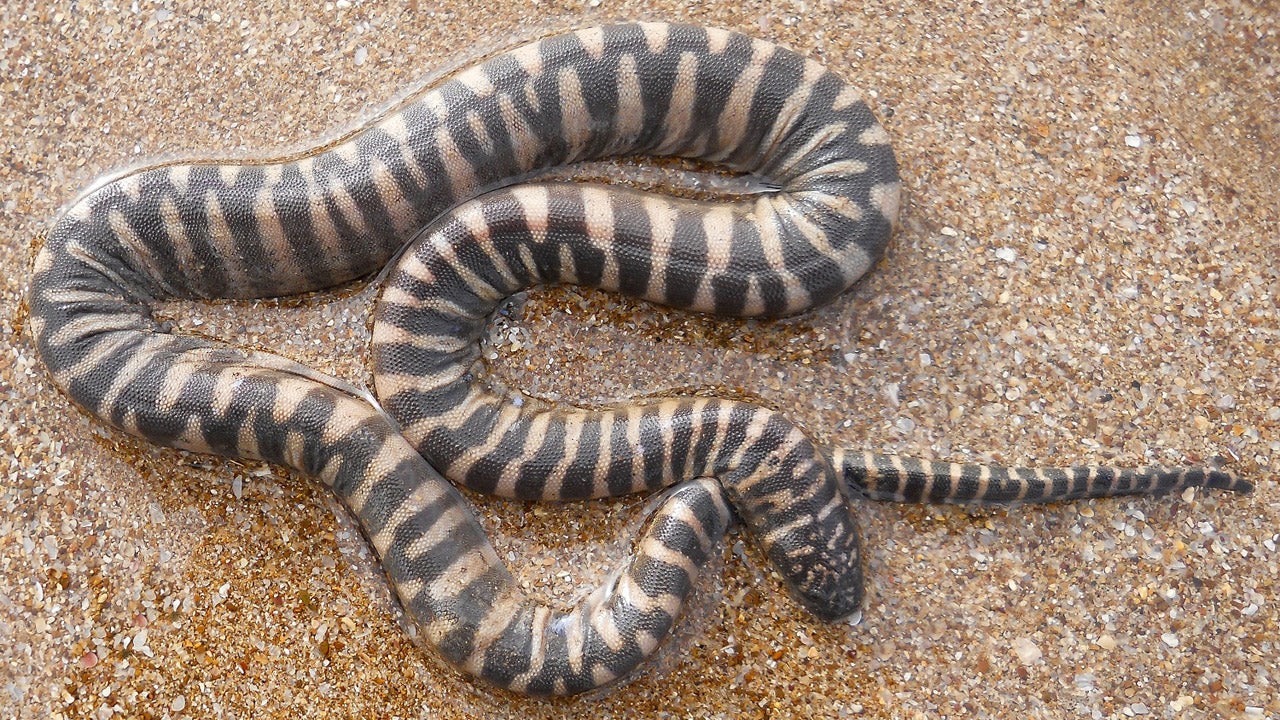 Wart Snake
Acrochordus
-
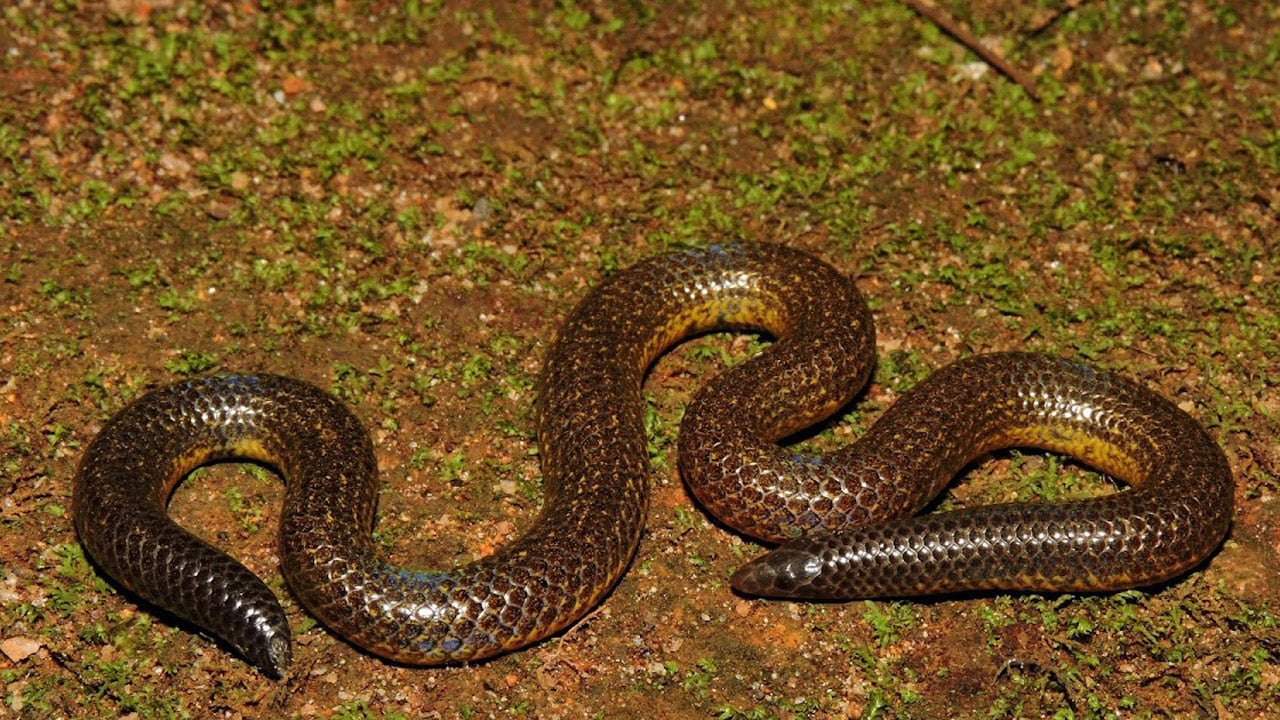 Drummond-Hay's Shieldtail
Rhinophis drummondhayi
-
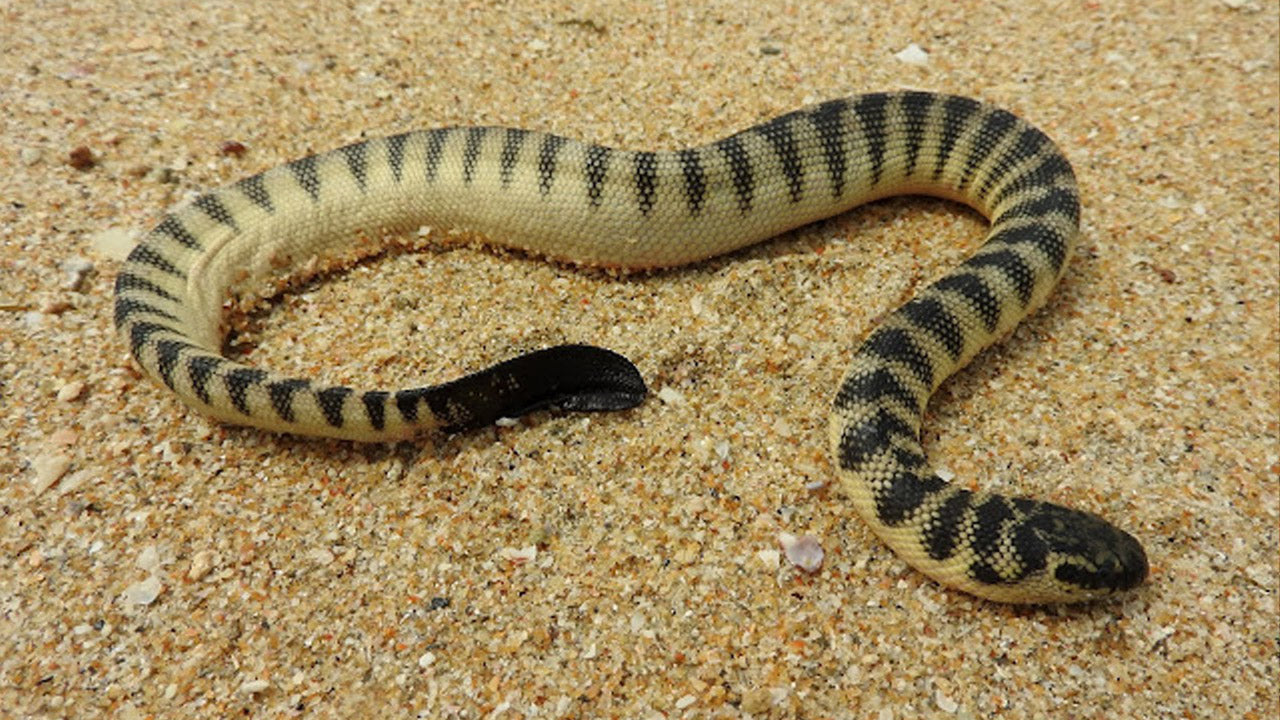 Shaw's Sea Snake
Hydrophis curtus
-
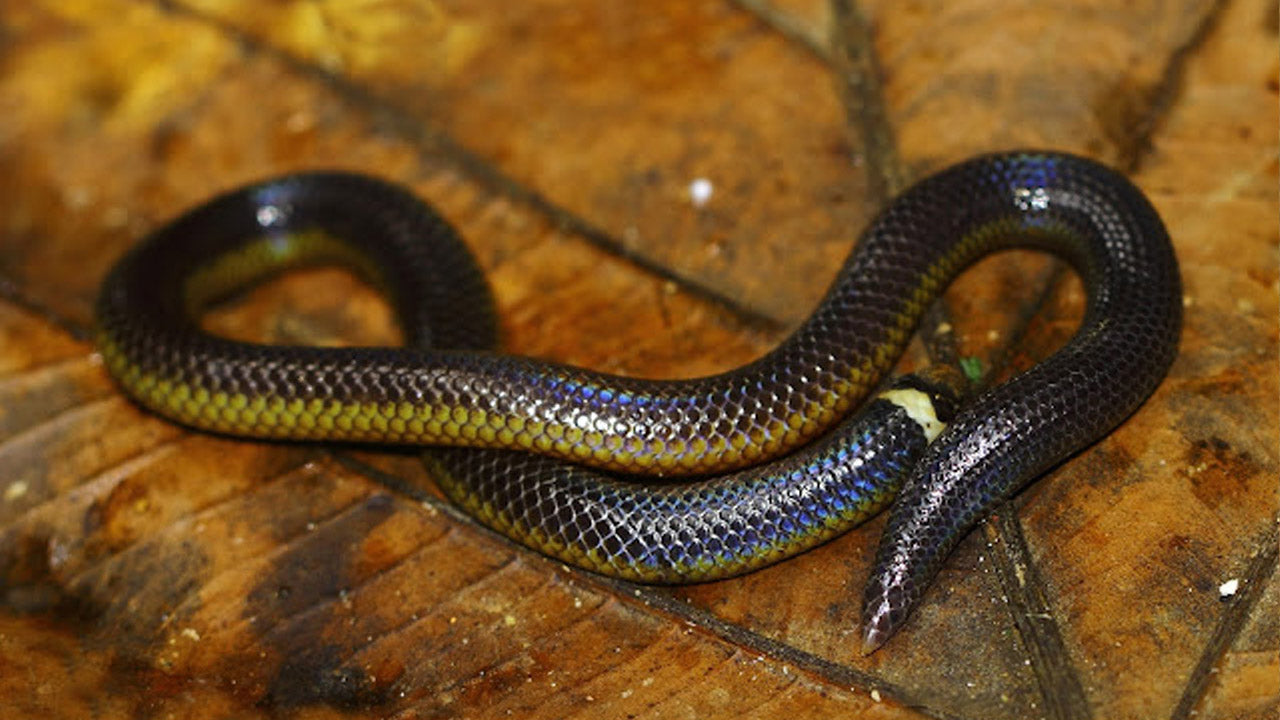 Deraniyagala's Shieldtail
Rhinophis tricoloratus
-
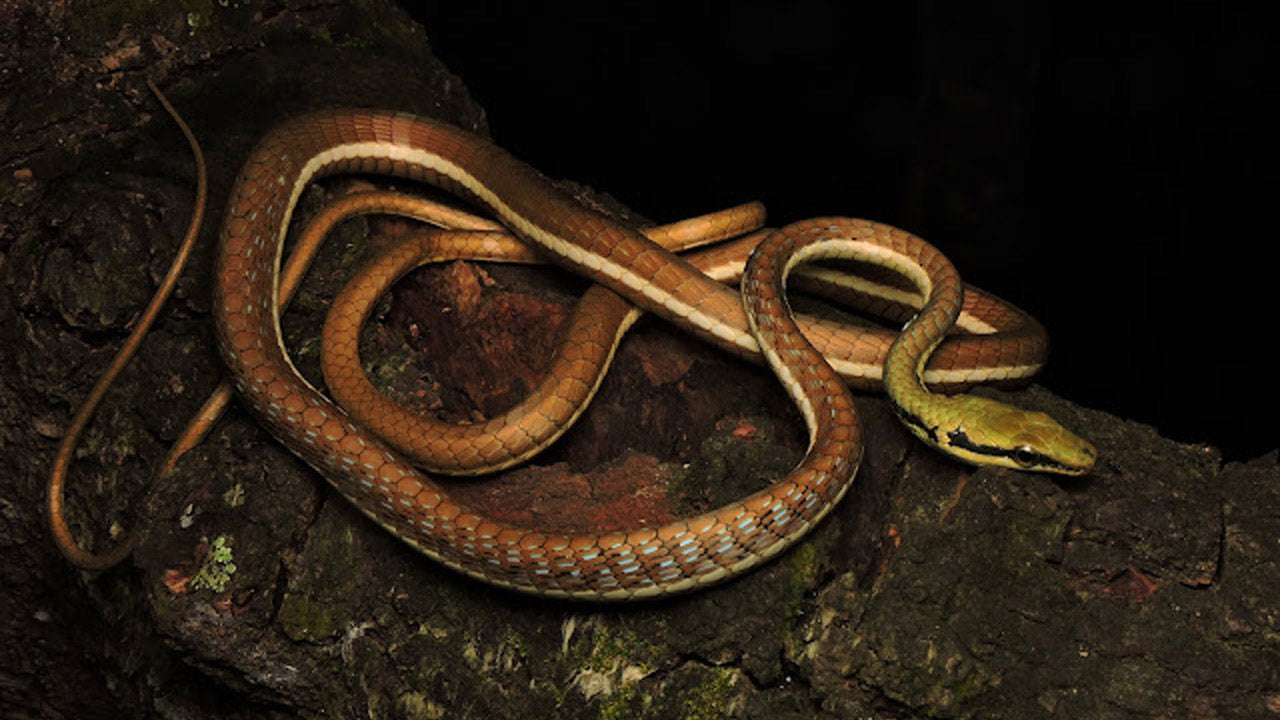 Wickramasinghe's Bronzeback
Dendrelaphis wickrorum
-
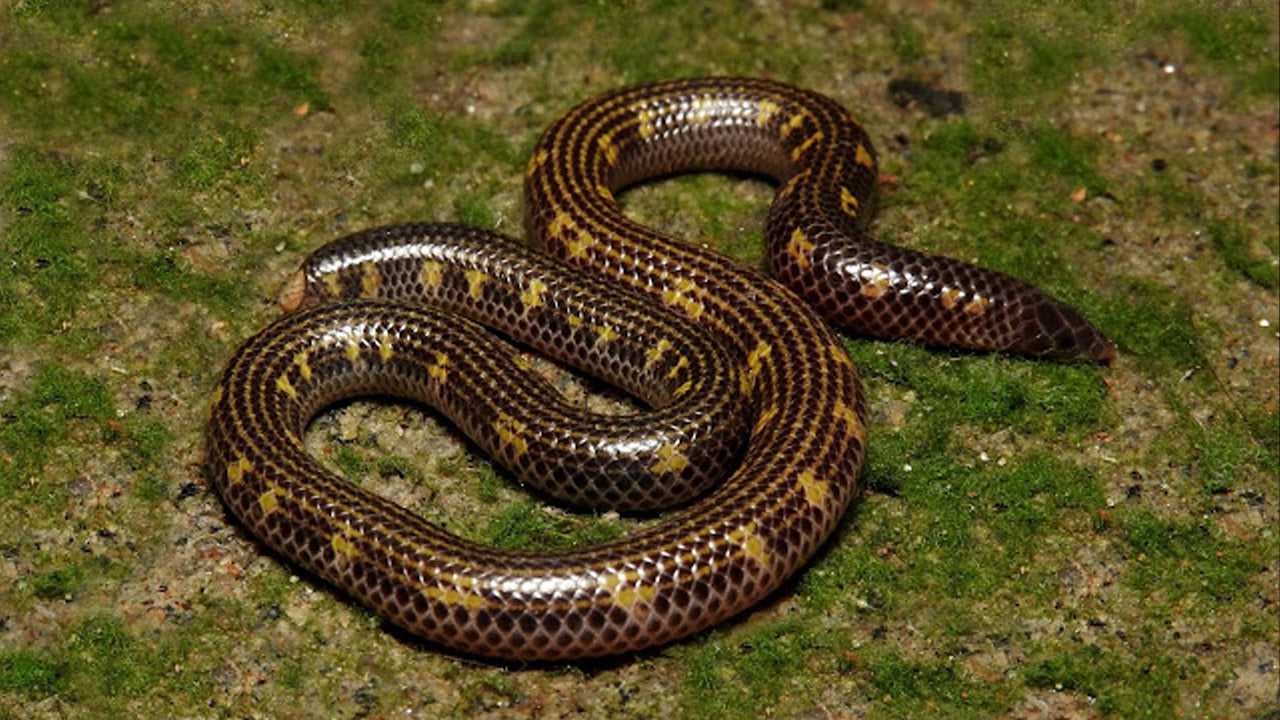 Phillip's Earth Snake
Rhinophis phillipsi
-
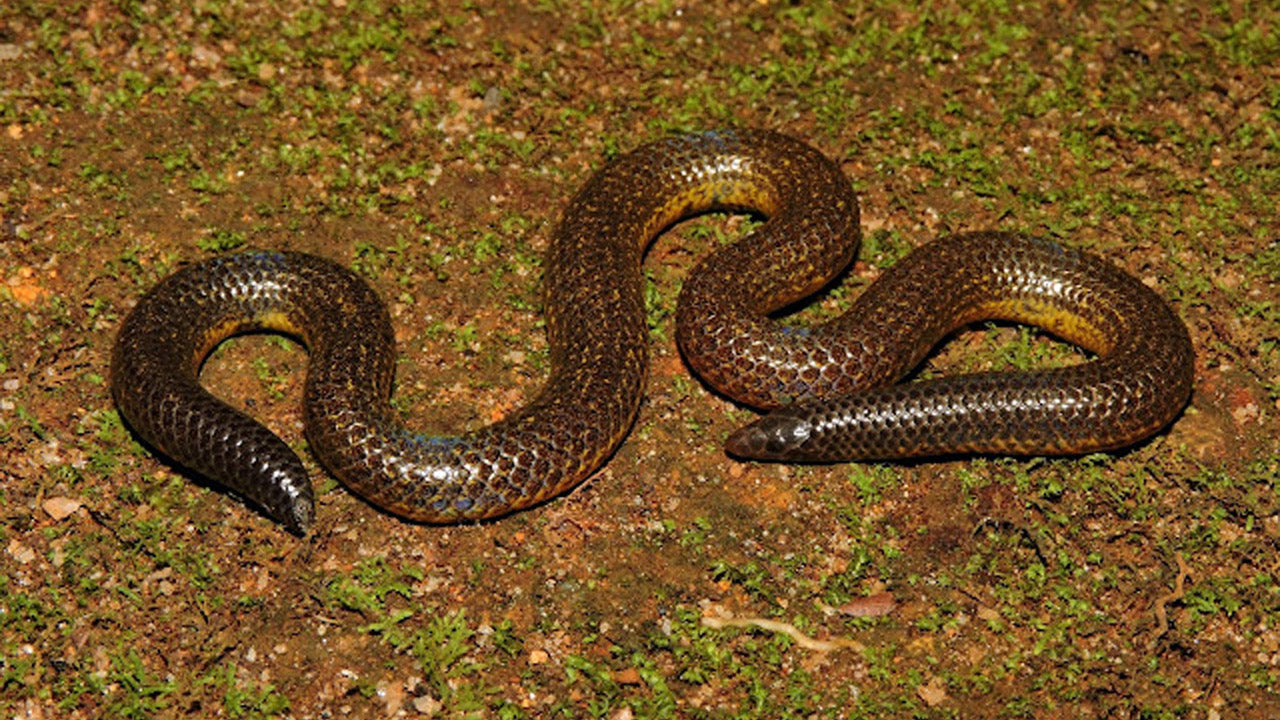 Gray's Earth Snake
Aparallactus grayi
-
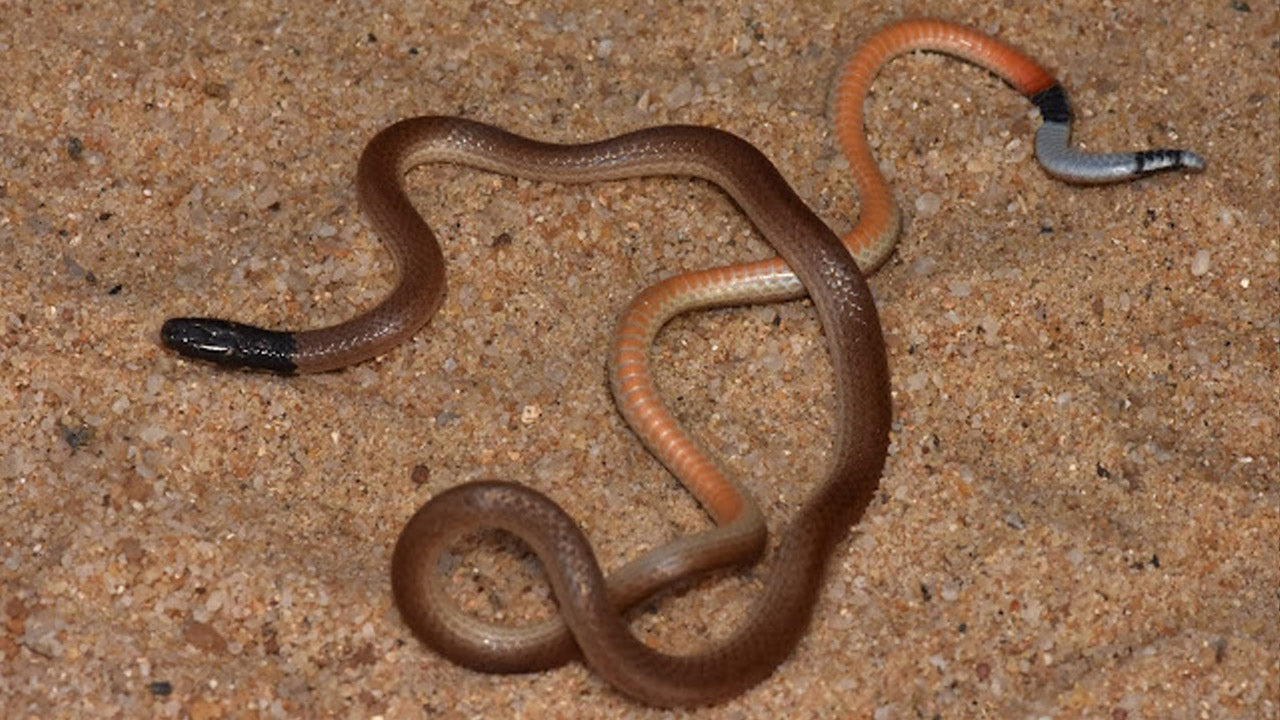 Slender Coral Snake
Calliophis Melanurus
-
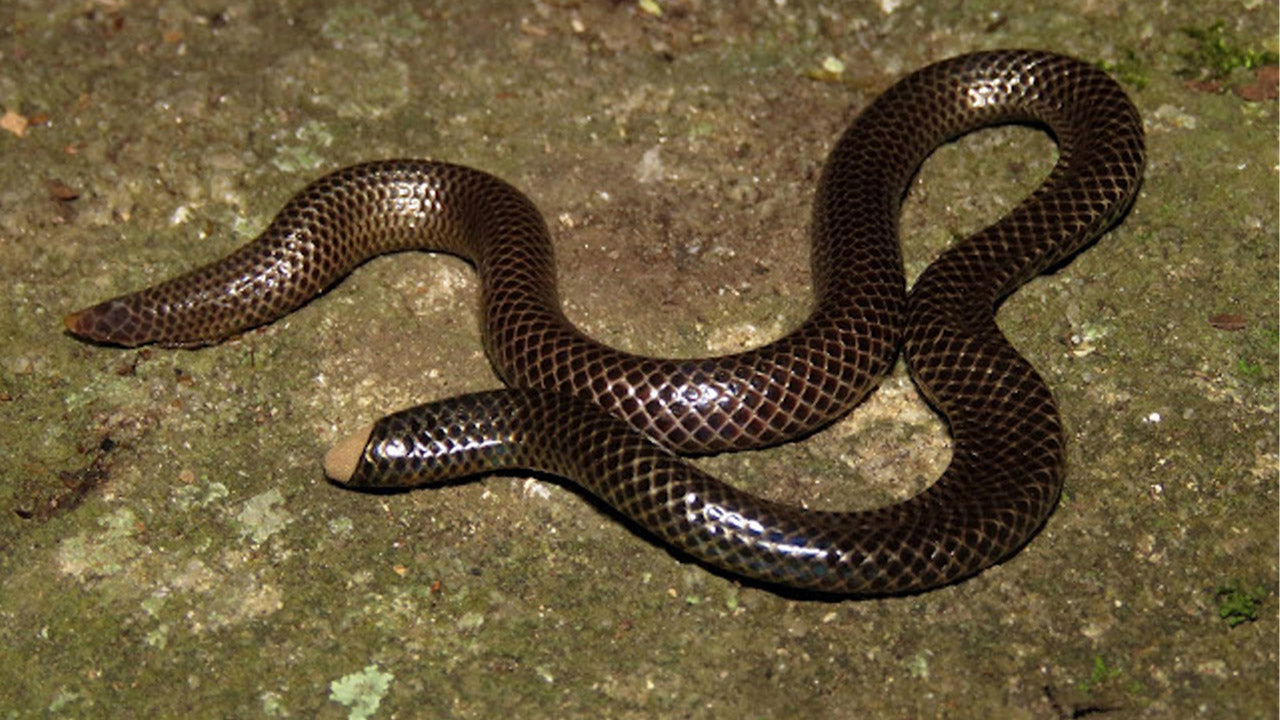 Cuvier's Shieldtail
Uropeltis ceylanica
-
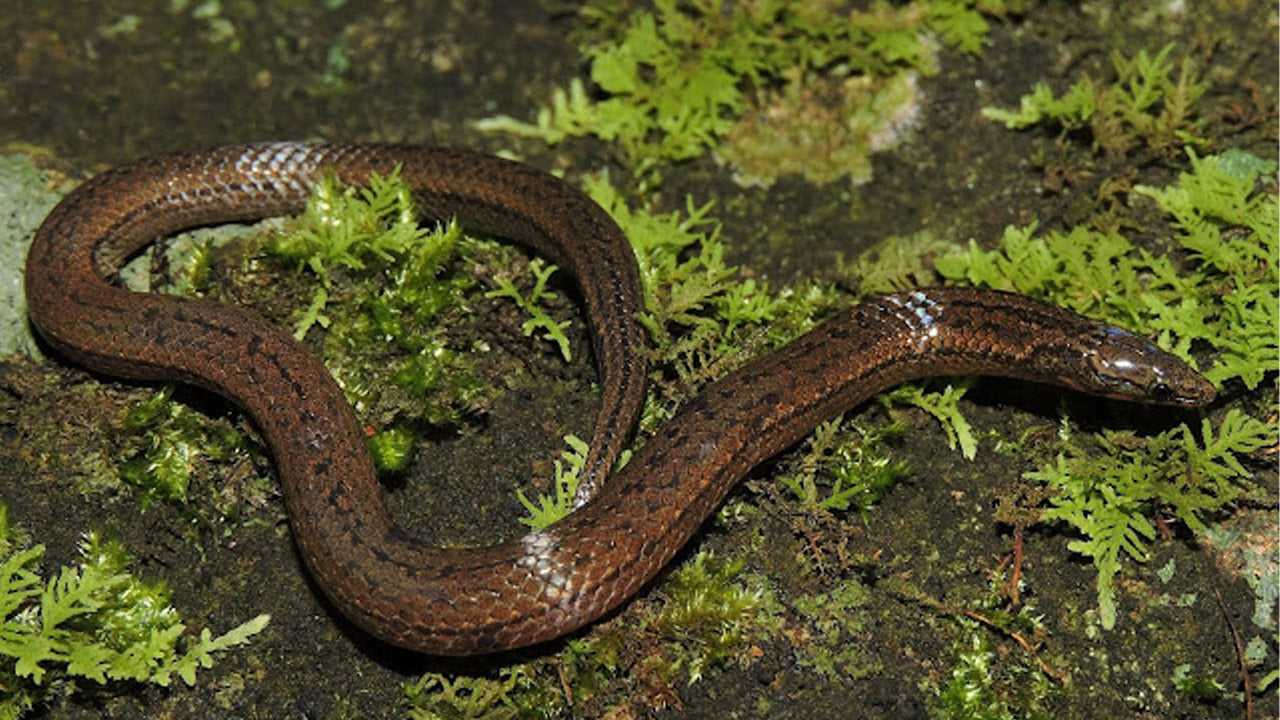 de Silva's Rough-sided Snake
Aspidura desilvai
-
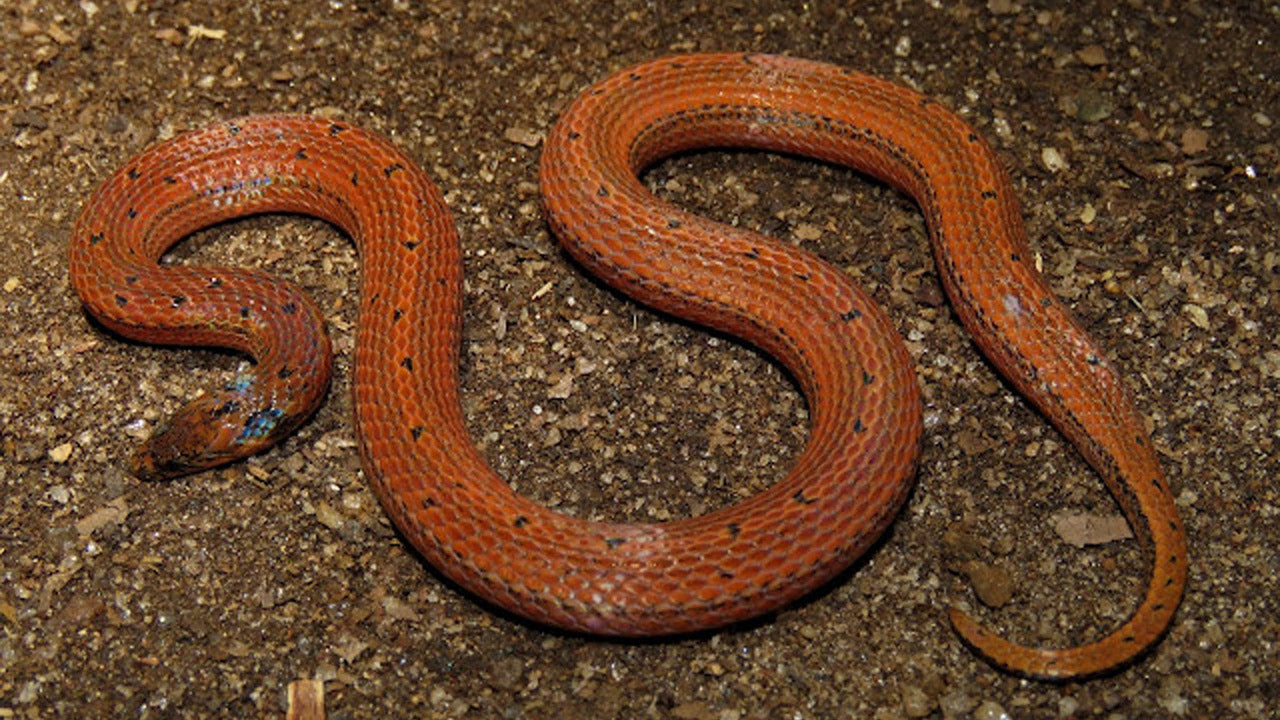 Boie's Rough-Sided Snake
Aspidura brachyorrhos
-
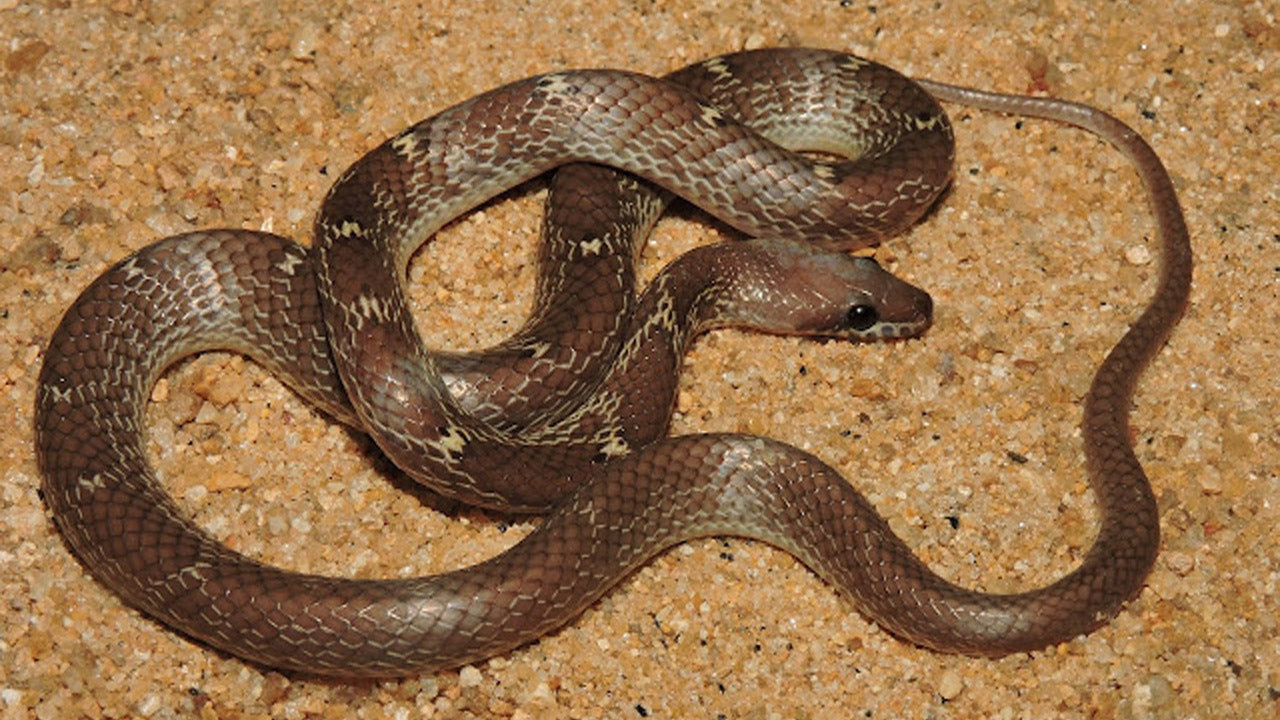 Flowery Wolf Snake
Lycodon anamallensis
-
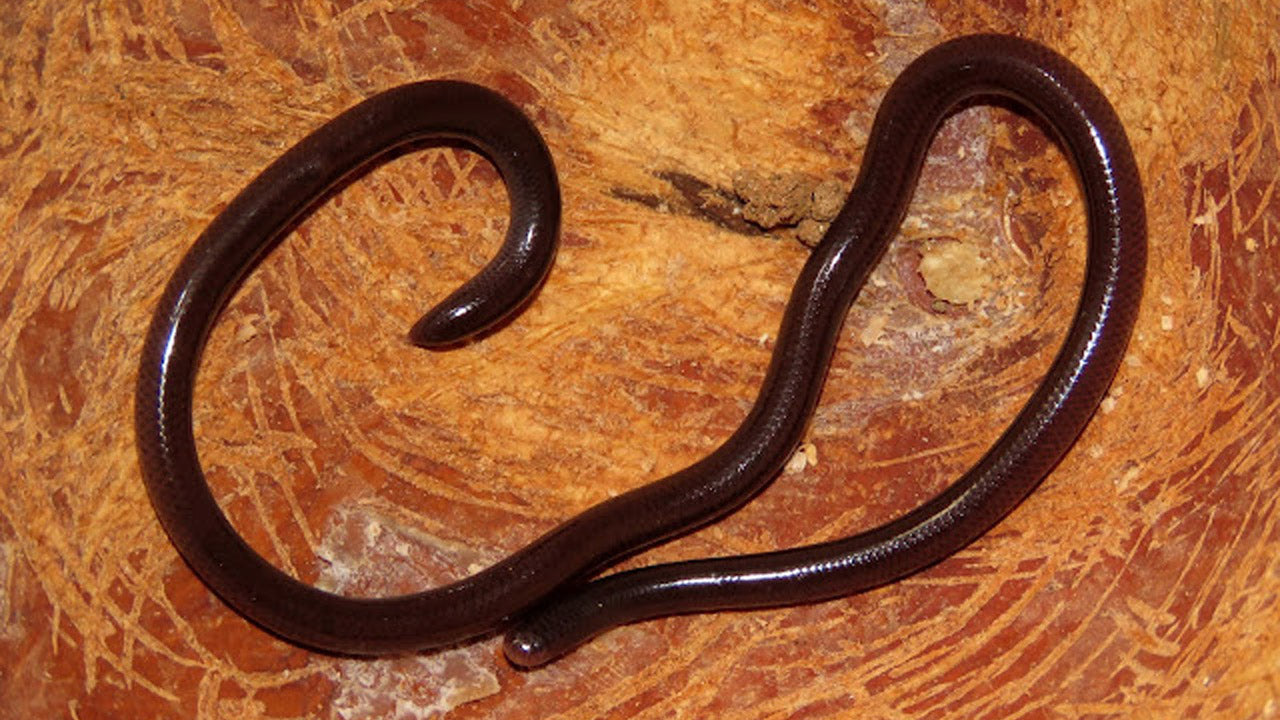 Brahminy Blind Snake
Indotyphlops braminus
-
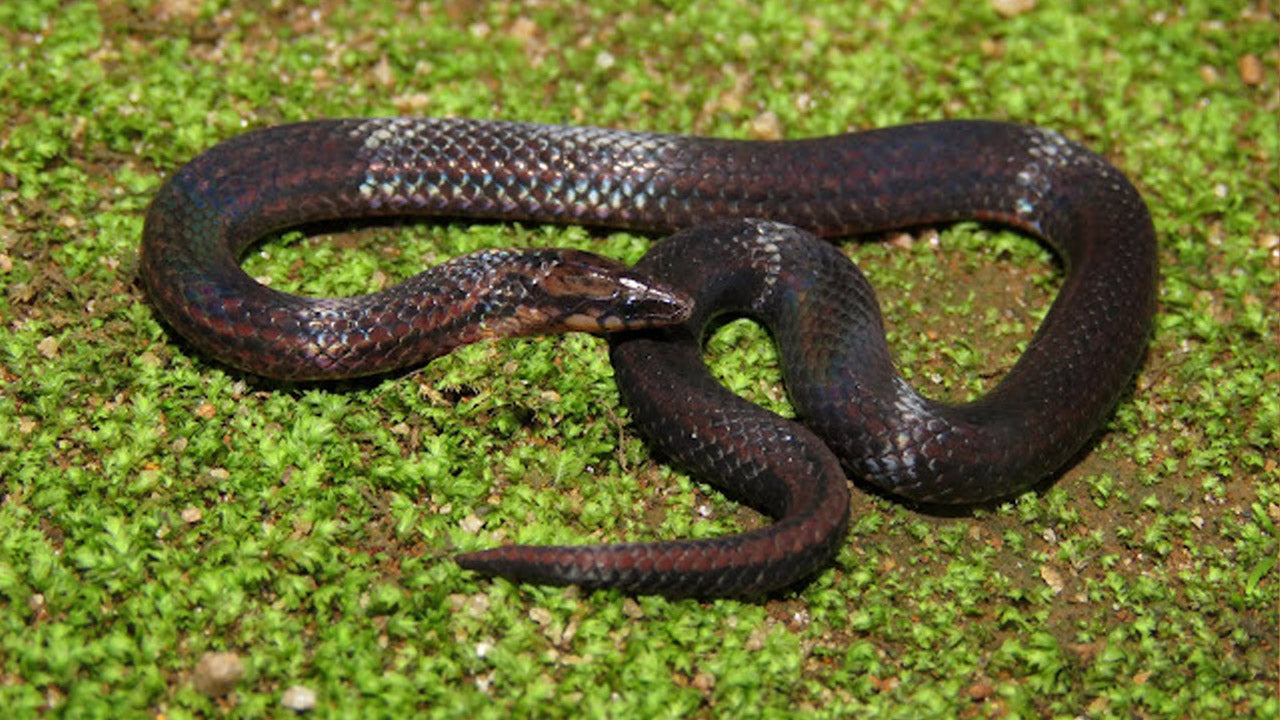 Common Rough-sided Snake
Aspidura trachyprocta
-
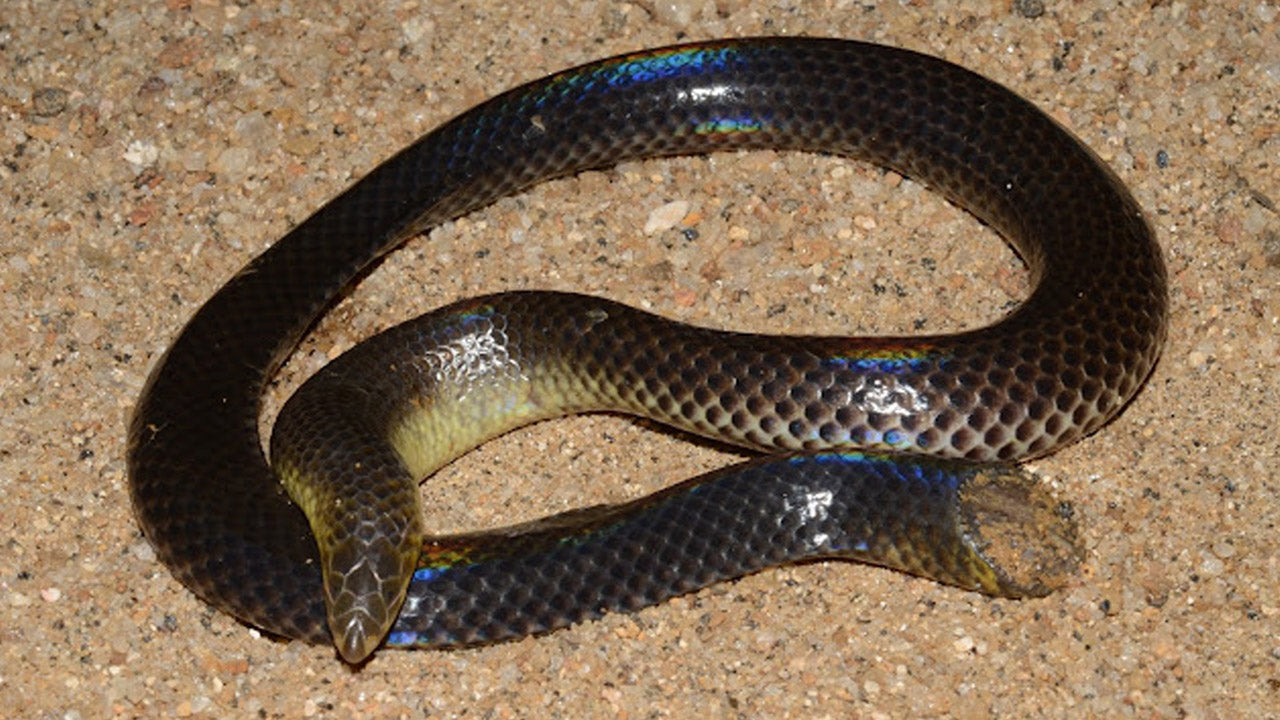 Large Shieldtail
Rhinophis saffragamus
-
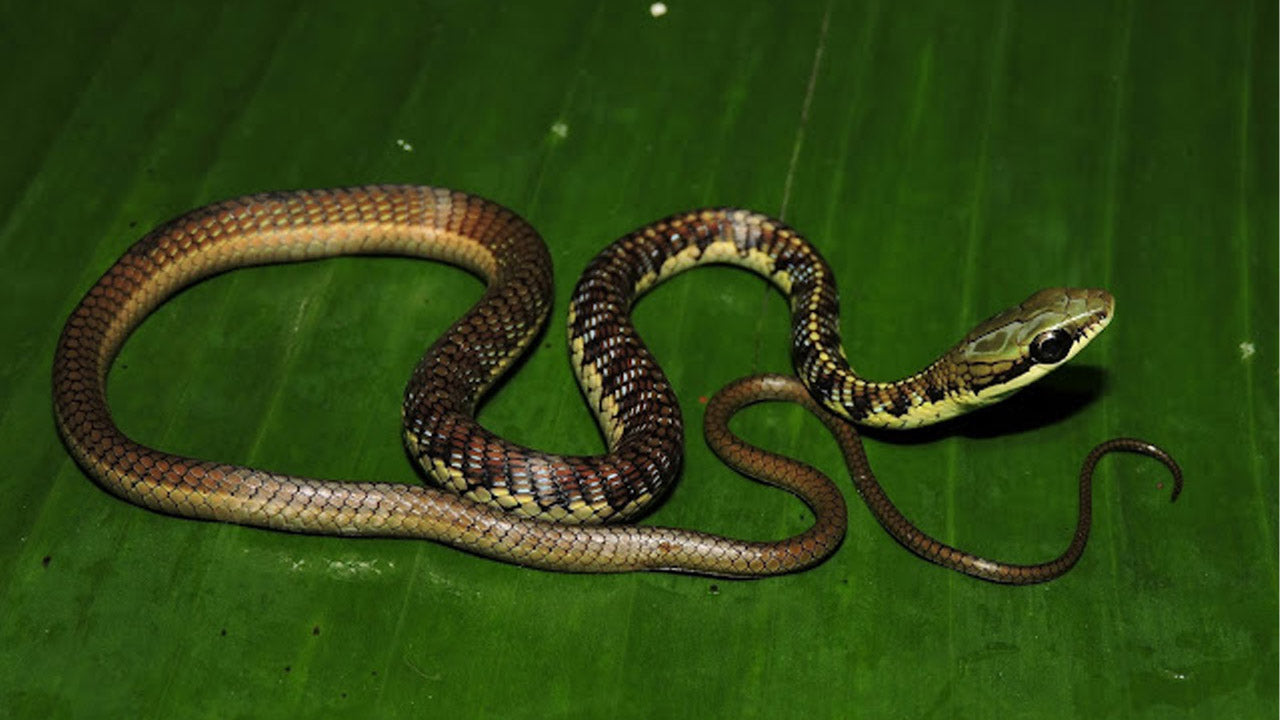 Schokar's Bronzeback
Schokar's bronzeback
-
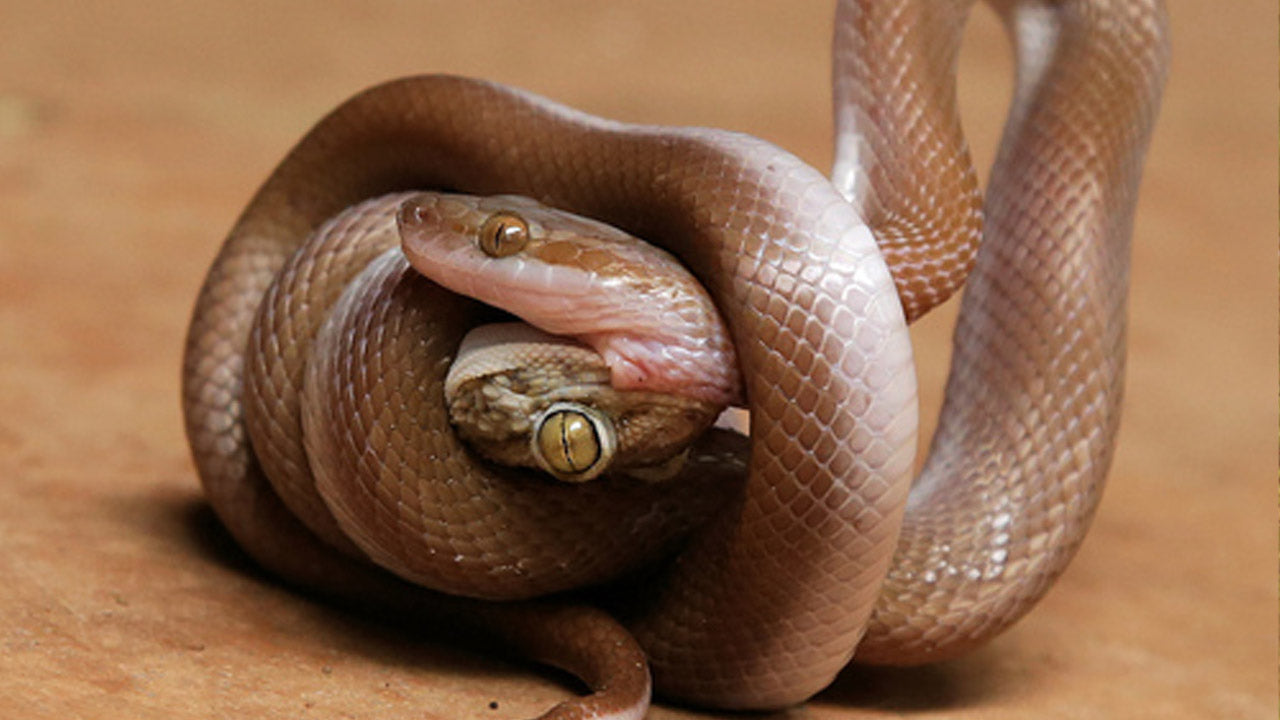 Jan's Worm Snake
Typhlops mirus
-
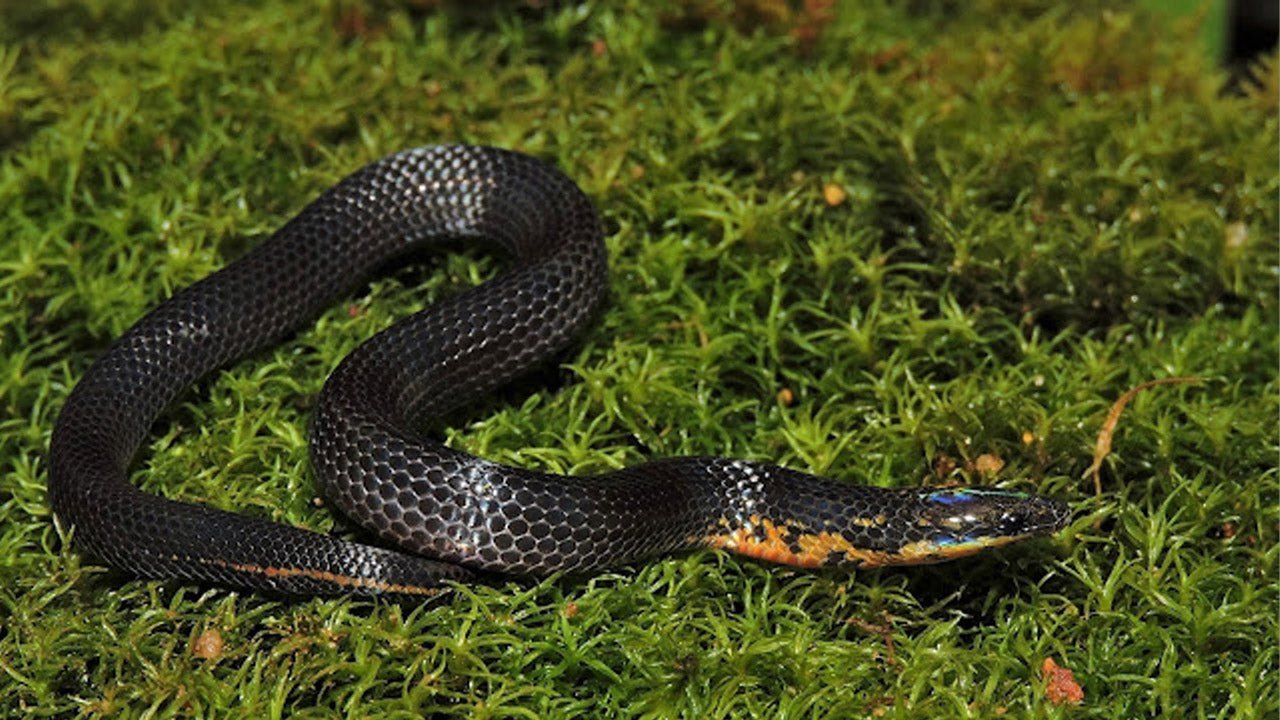 Ravana's Rough-sided Snake
Aspidura ravanai
-
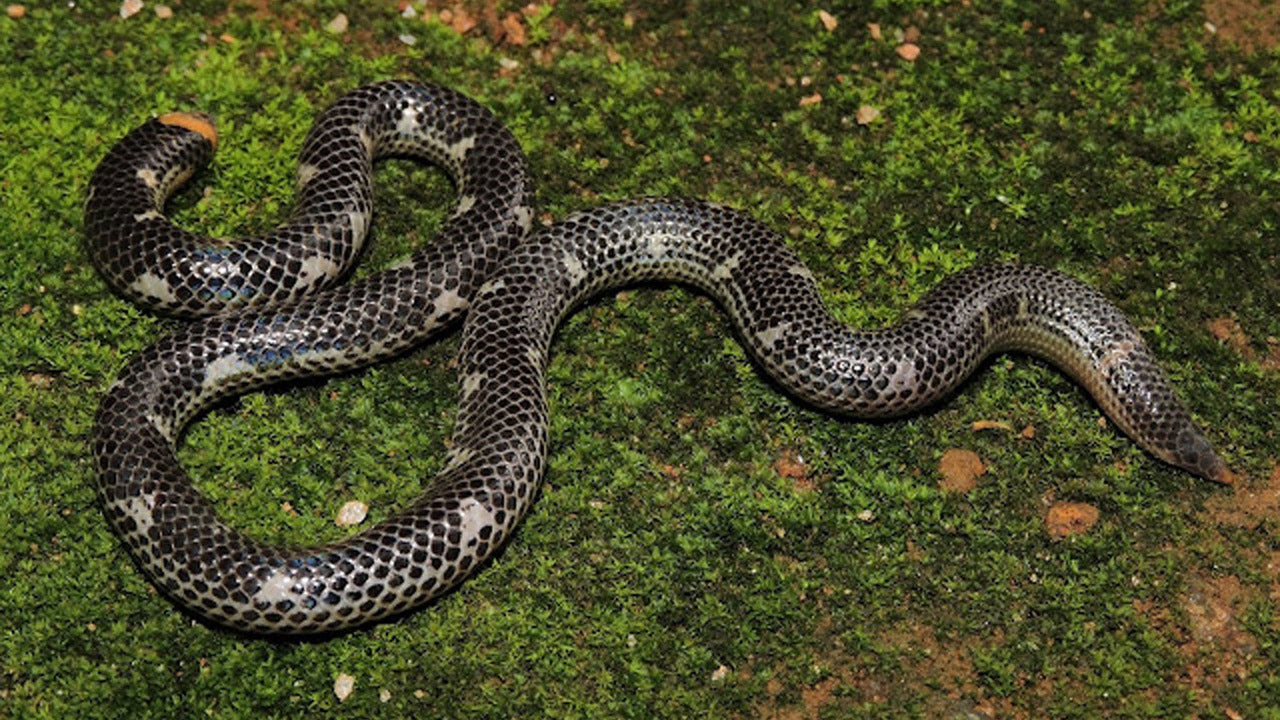 Hemprich's Shieldtail
Uropeltis hemprichii.
-
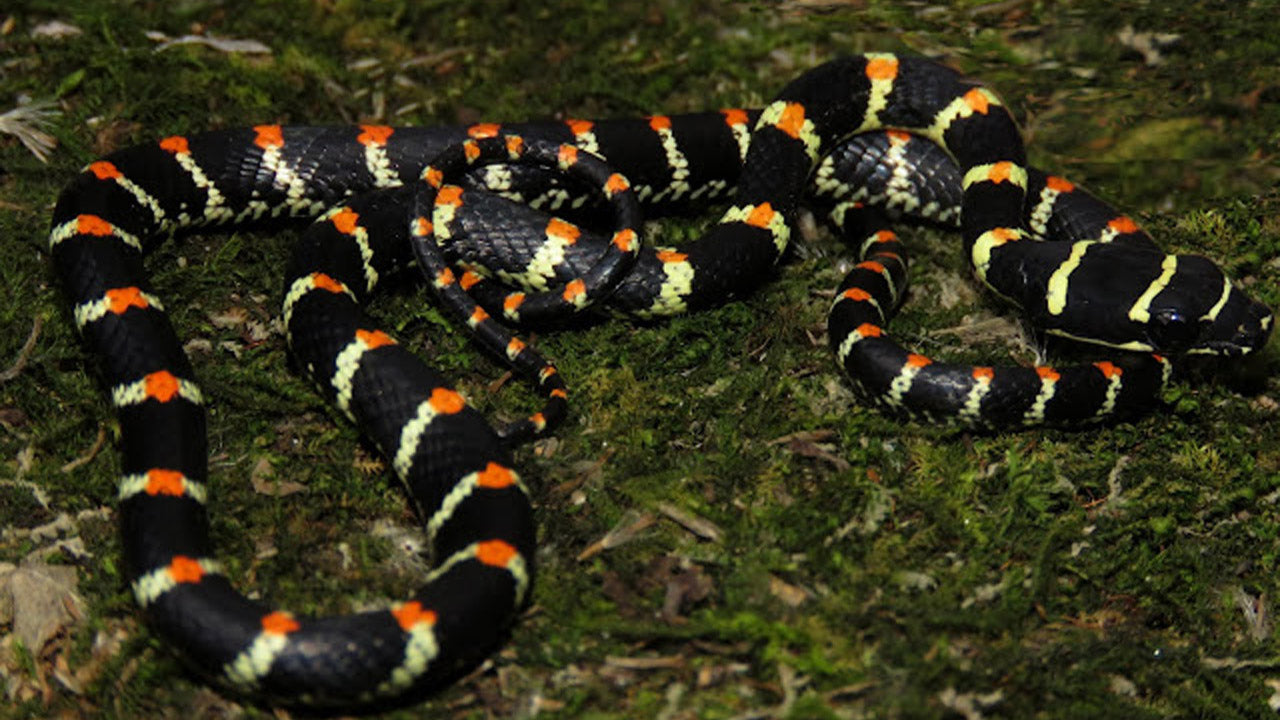 Ornate Flying Snake
Chrysopelea ornata
-
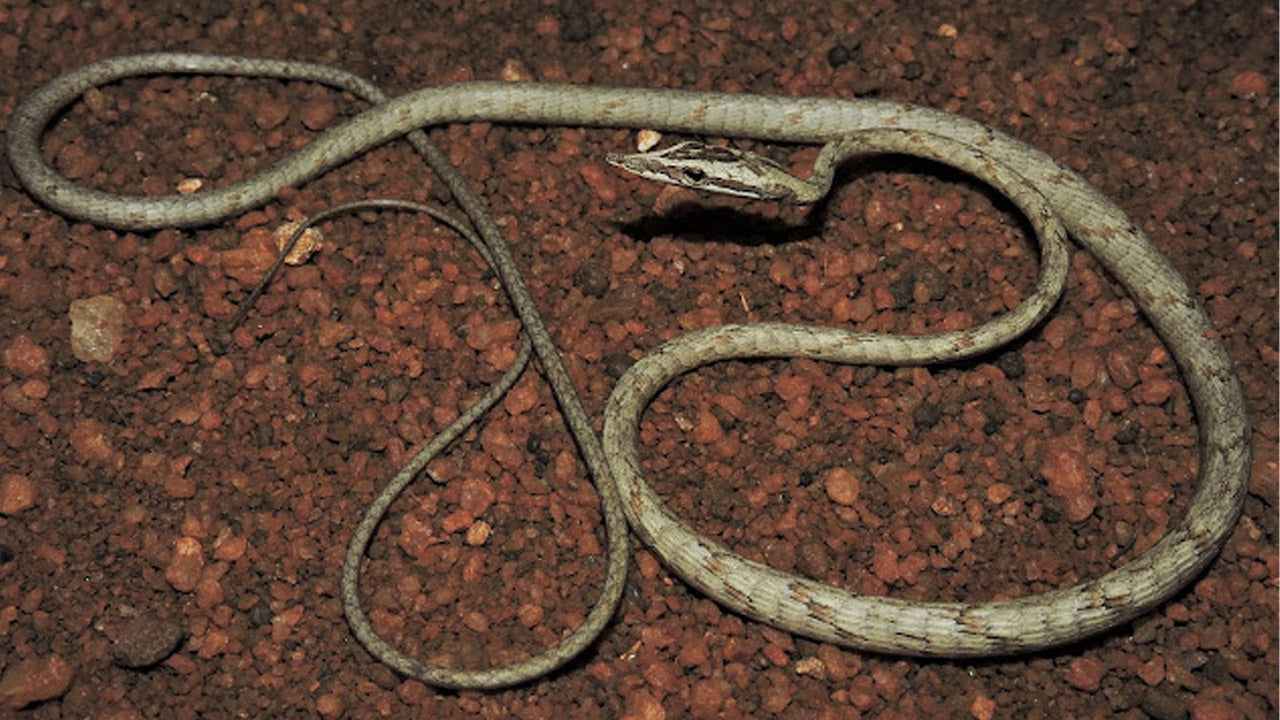 Brown Vine Snake
Ahaetulla pulverulenta
-
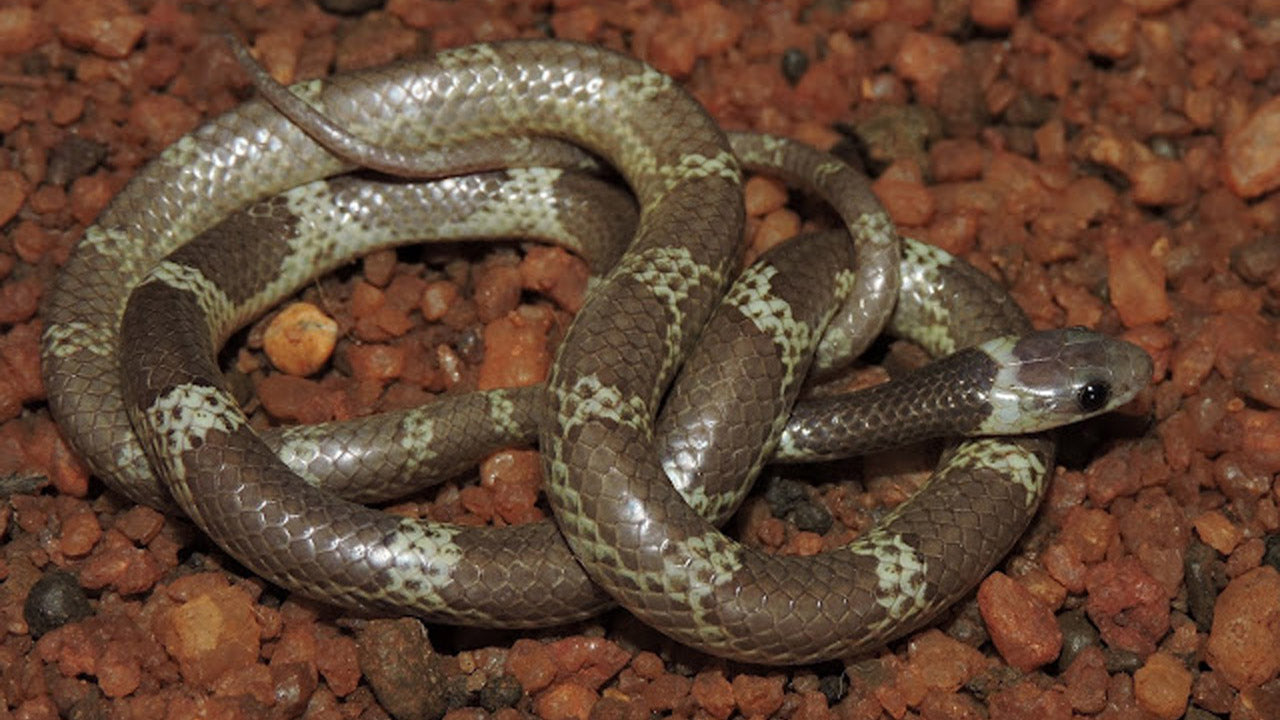 Common Bridal Snake
colubrid snake
-
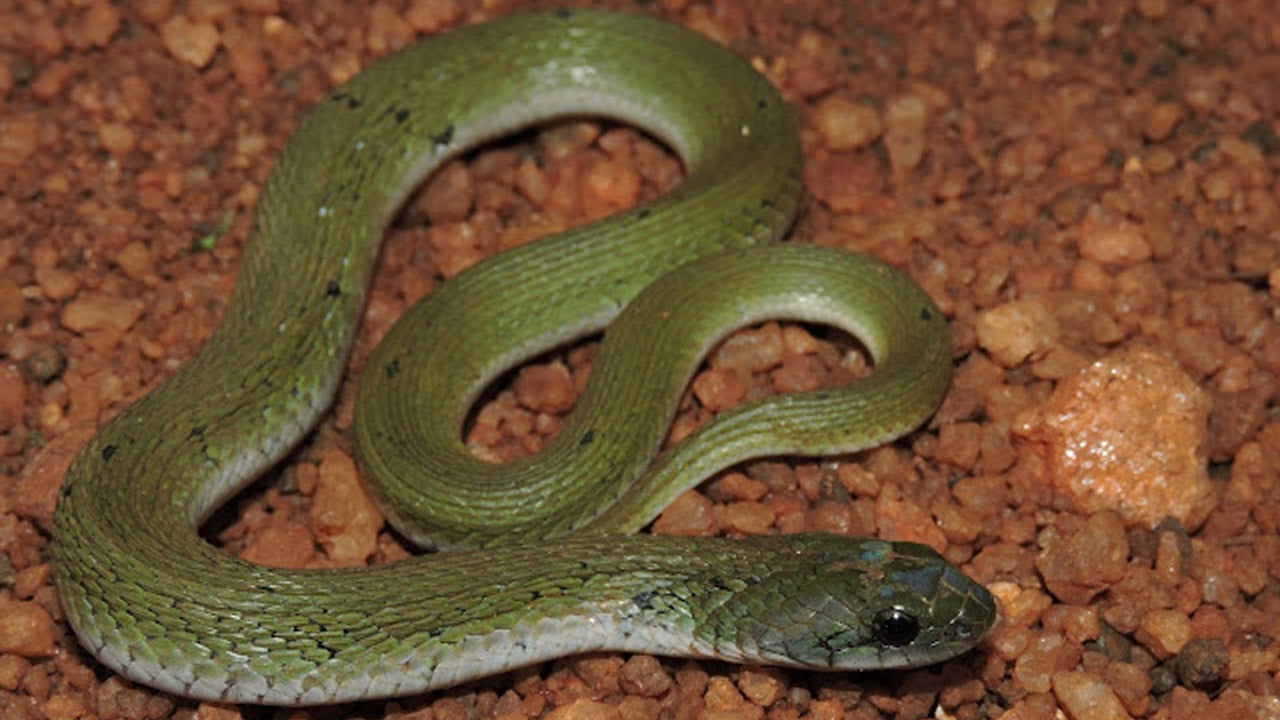 Green Keelback
Rhabdophis plumbicolor