Schokar's Bronzeback


Scientific Name: Dendrelaphis schokari
Family: Colubridae
Common Name(s): Schokar's Bronzeback, Schokar's Tree Snake
Overview:
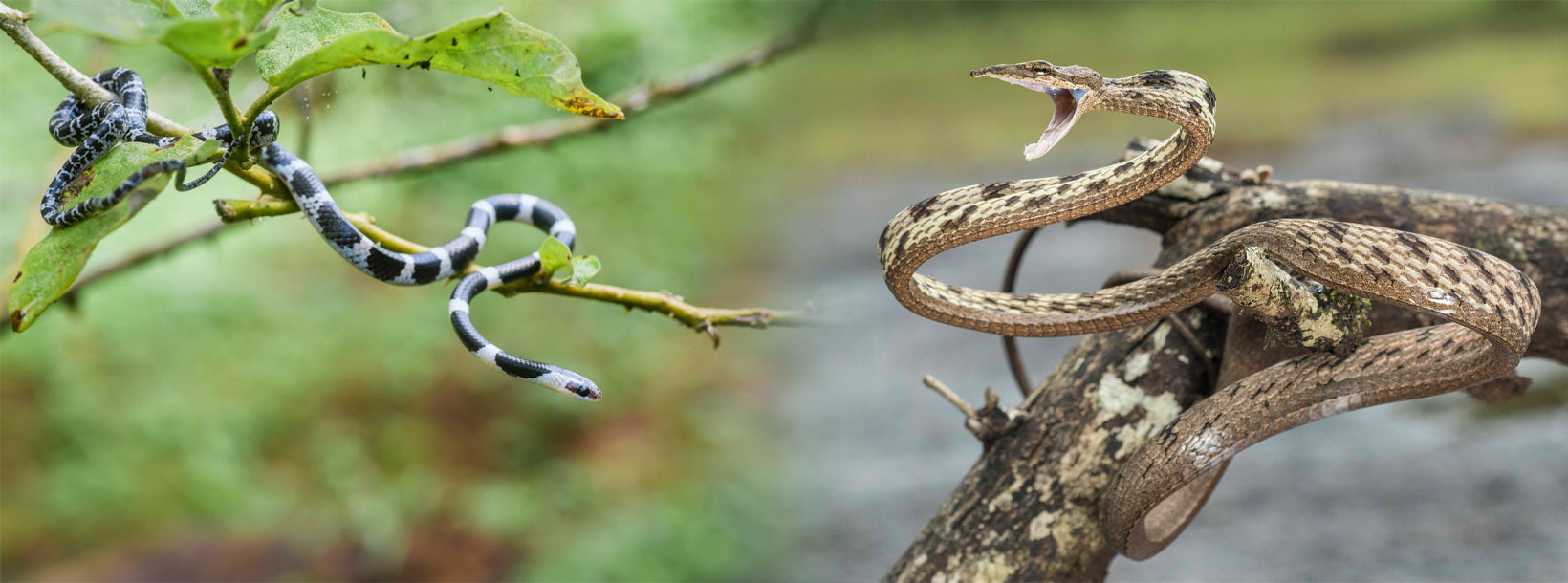
Schokar's Bronzeback (Dendrelaphis schokari) is an elegant, non-venomous tree snake that is found primarily in the tropical forests of South Asia. Named after its striking bronzed coloration, this species is a slender, agile snake known for its arboreal (tree-dwelling) habits. It is often seen gliding through the foliage in search of prey, where its camouflage allows it to remain hidden from predators and potential prey alike. Schokar's Bronzeback is a relatively rare species, making it a fascinating find for snake enthusiasts and researchers.
Physical Description:
- Size: Schokar's Bronzeback is a medium-sized snake, typically measuring between 1.2 to 1.5 meters (4 to 5 feet) in length.
- Coloration: This species is renowned for its distinctive coloration. Its body is typically olive-green or brown, with a subtle bronze or copper sheen on the back, which gives it its common name. The sides of the snake often have lighter, yellowish or cream-colored markings, and its belly is pale or white.
- Head: The head is slightly flattened, with large, round eyes that are well adapted for an arboreal lifestyle. Its snout is pointed, allowing it to move easily through tree branches and undergrowth.
- Tail: The tail is long and slender, aiding in balance and climbing, a key feature for a species that spends much of its time in the trees.
Habitat and Distribution:
- Geographical Range: Schokar's Bronzeback is found in various parts of South Asia, including India, Sri Lanka, Bangladesh, and parts of Myanmar. It thrives in tropical and subtropical forests.
- Habitat: As an arboreal species, Schokar's Bronzeback prefers dense, forested environments where it can find plenty of trees to climb and foliage to hide in. It is commonly found in rainforests and woodlands, where its camouflage helps it blend into its surroundings.
Behavior and Diet:
- Arboreal Lifestyle: Schokar's Bronzeback is a primarily tree-dwelling (arboreal) snake, spending much of its life in the upper canopy of forests. It is an agile climber and can move swiftly through trees, using its tail for balance and support.
- Diet: This species is carnivorous and primarily feeds on small vertebrates, including lizards, birds, and frogs. Schokar's Bronzeback is known for its ability to hunt while hanging from branches, using its quick strikes to capture prey. It may also consume smaller snakes, making it an opportunistic predator.
Reproduction:
- Reproductive Mode: Schokar's Bronzeback is oviparous, meaning it lays eggs rather than giving birth to live young. Females lay clutches of eggs in hidden locations, often in tree hollows or under leaf litter. The eggs incubate for several weeks before hatching into small, fully formed juveniles that are capable of climb
-
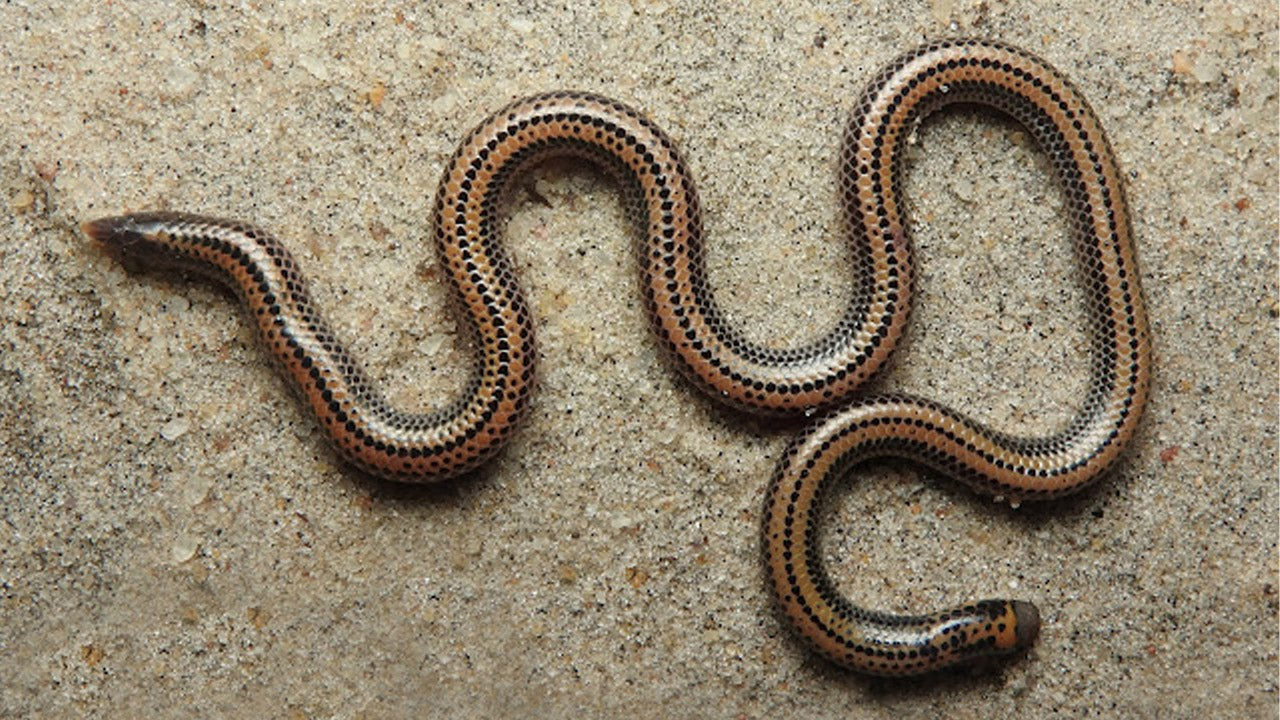 Muller's Shieldtail
Uropeltis mülleri
-
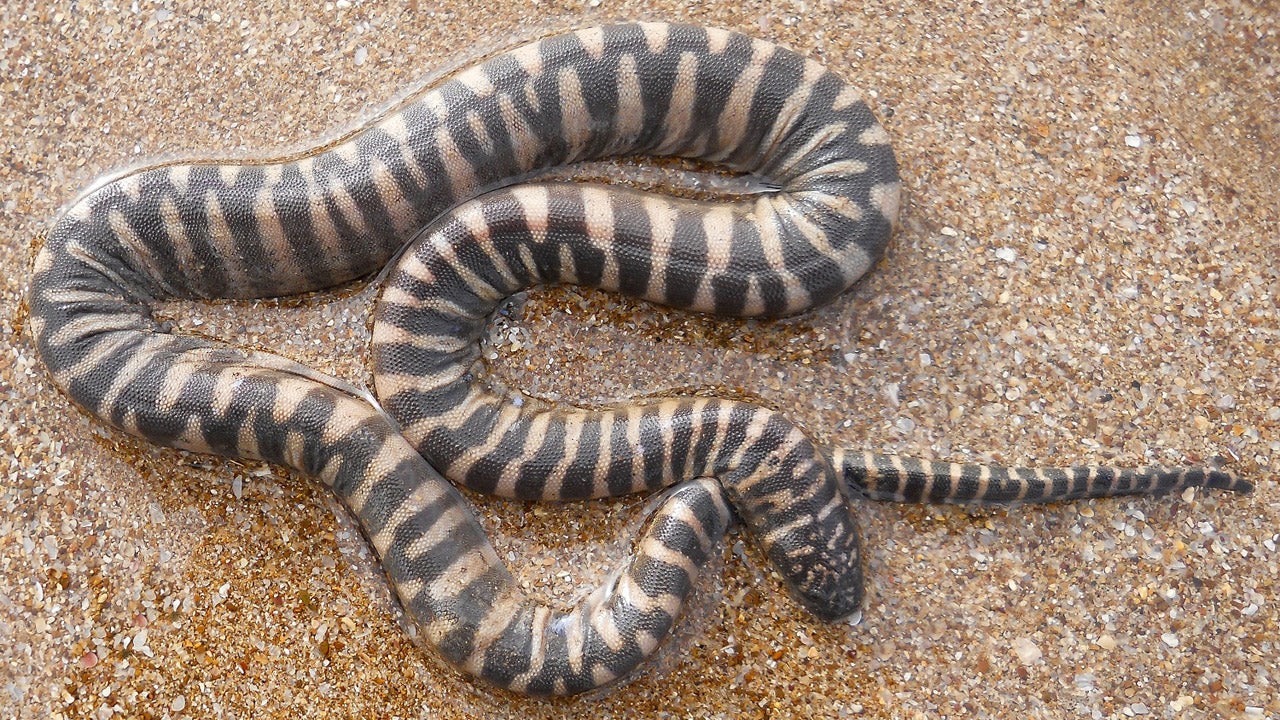 Wart Snake
Acrochordus
-
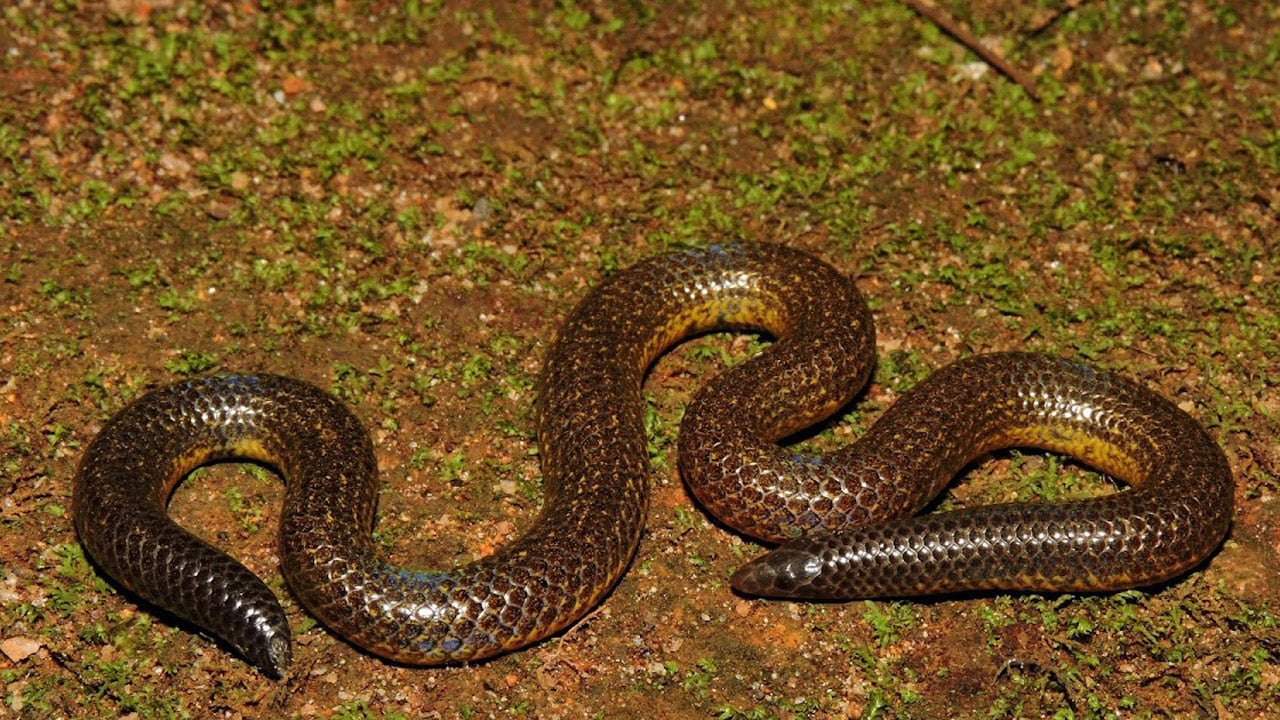 Drummond-Hay's Shieldtail
Rhinophis drummondhayi
-
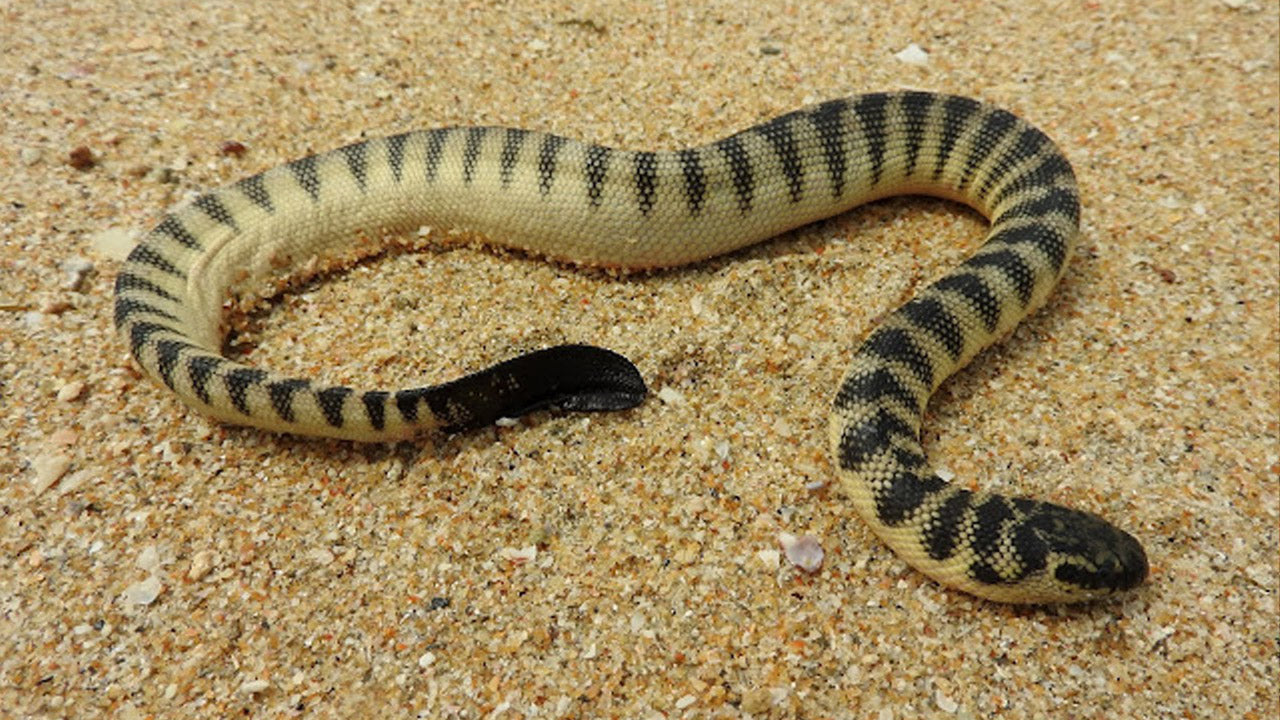 Shaw's Sea Snake
Hydrophis curtus
-
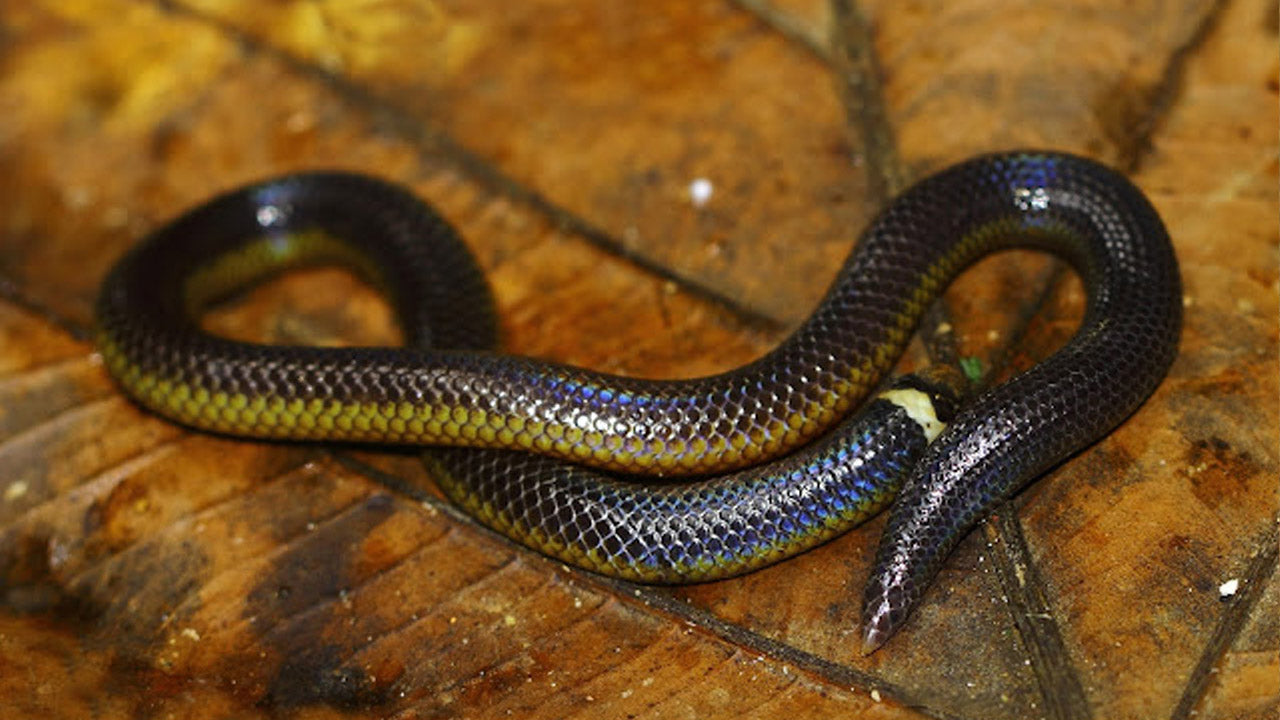 Deraniyagala's Shieldtail
Rhinophis tricoloratus
-
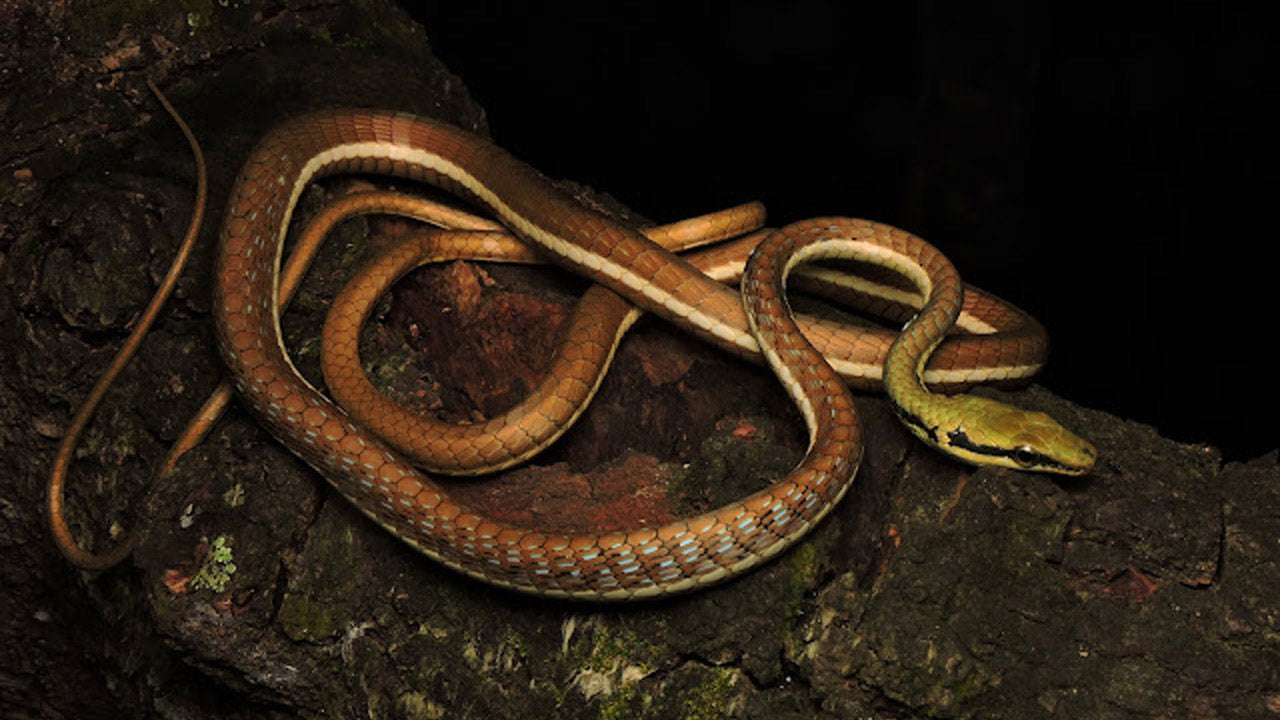 Wickramasinghe's Bronzeback
Dendrelaphis wickrorum
-
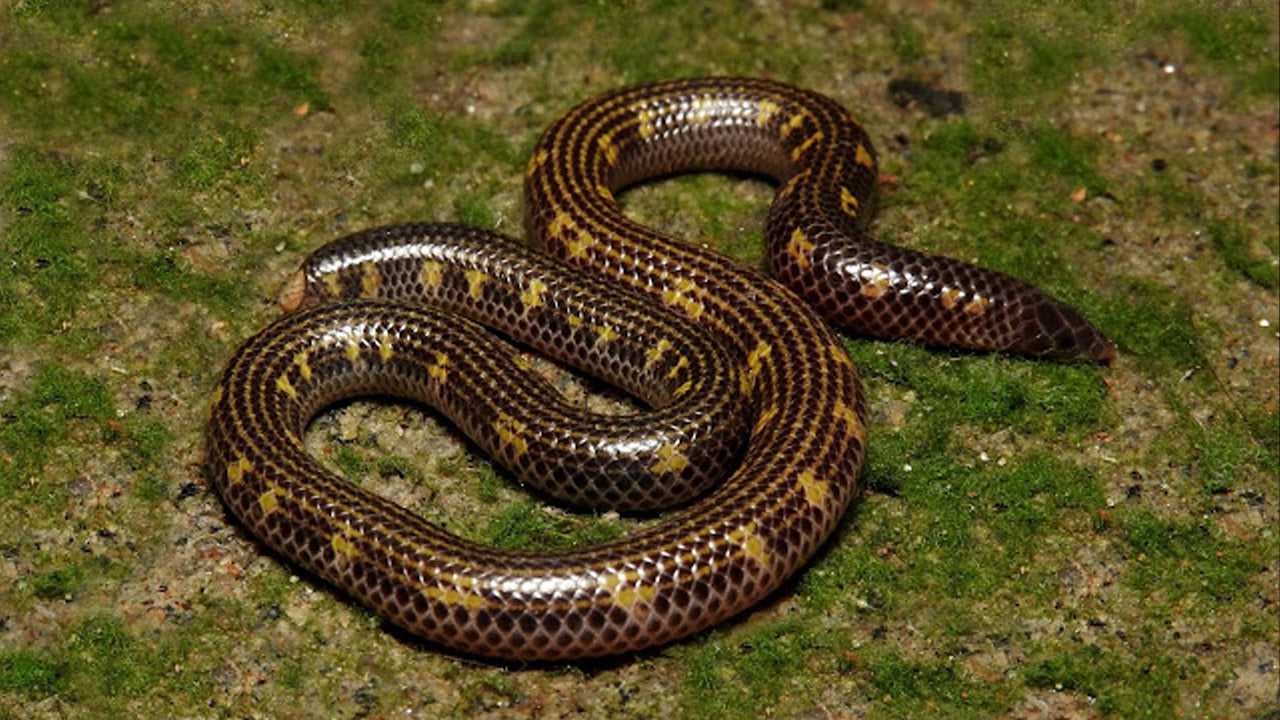 Phillip's Earth Snake
Rhinophis phillipsi
-
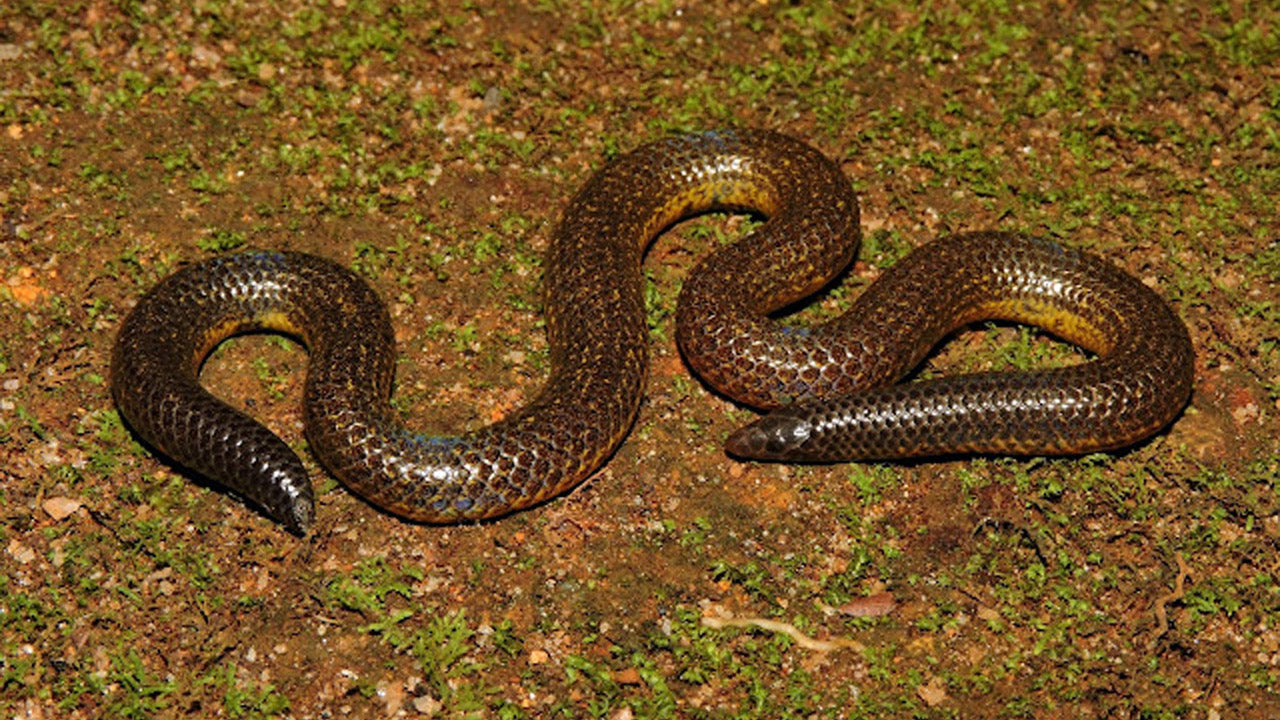 Gray's Earth Snake
Aparallactus grayi
-
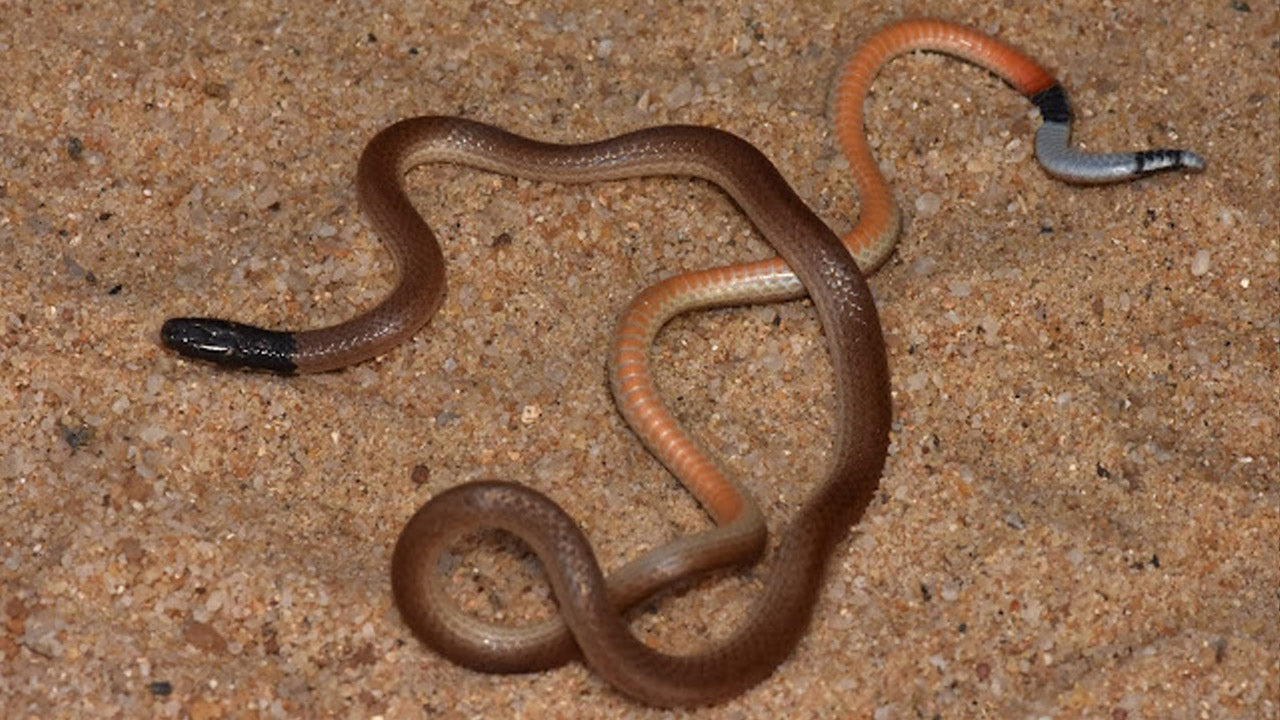 Slender Coral Snake
Calliophis Melanurus
-
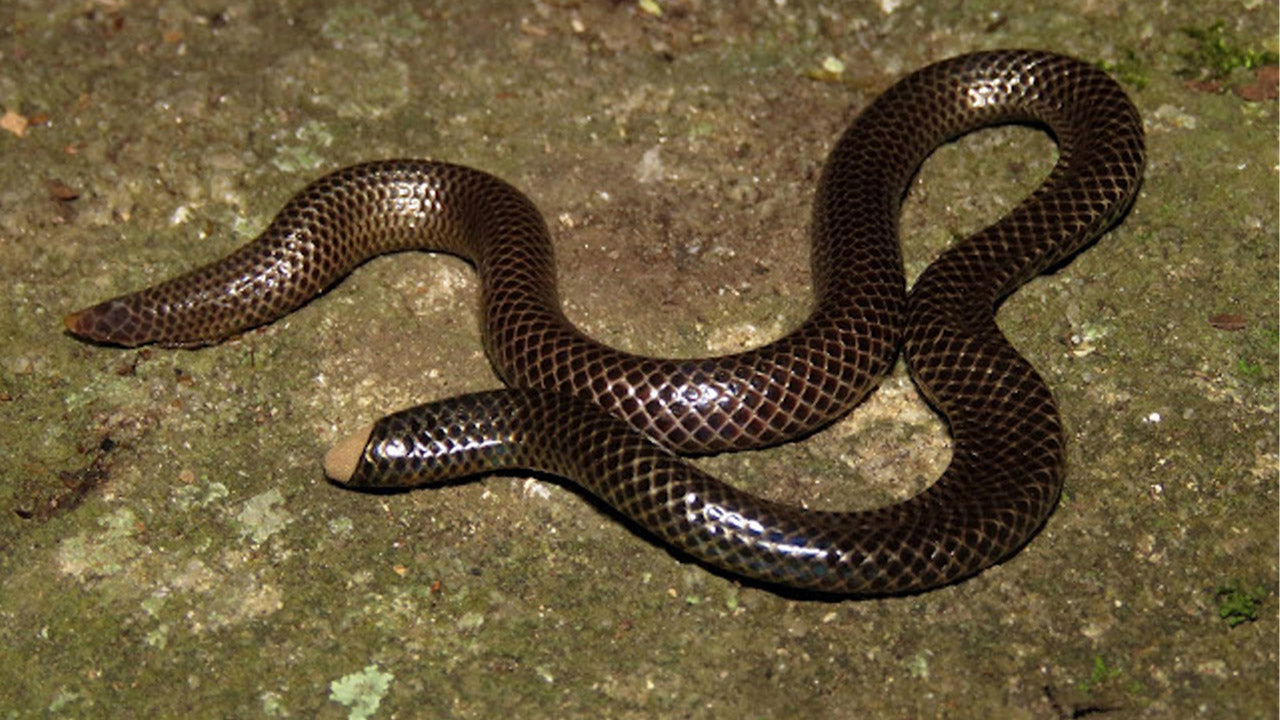 Cuvier's Shieldtail
Uropeltis ceylanica
-
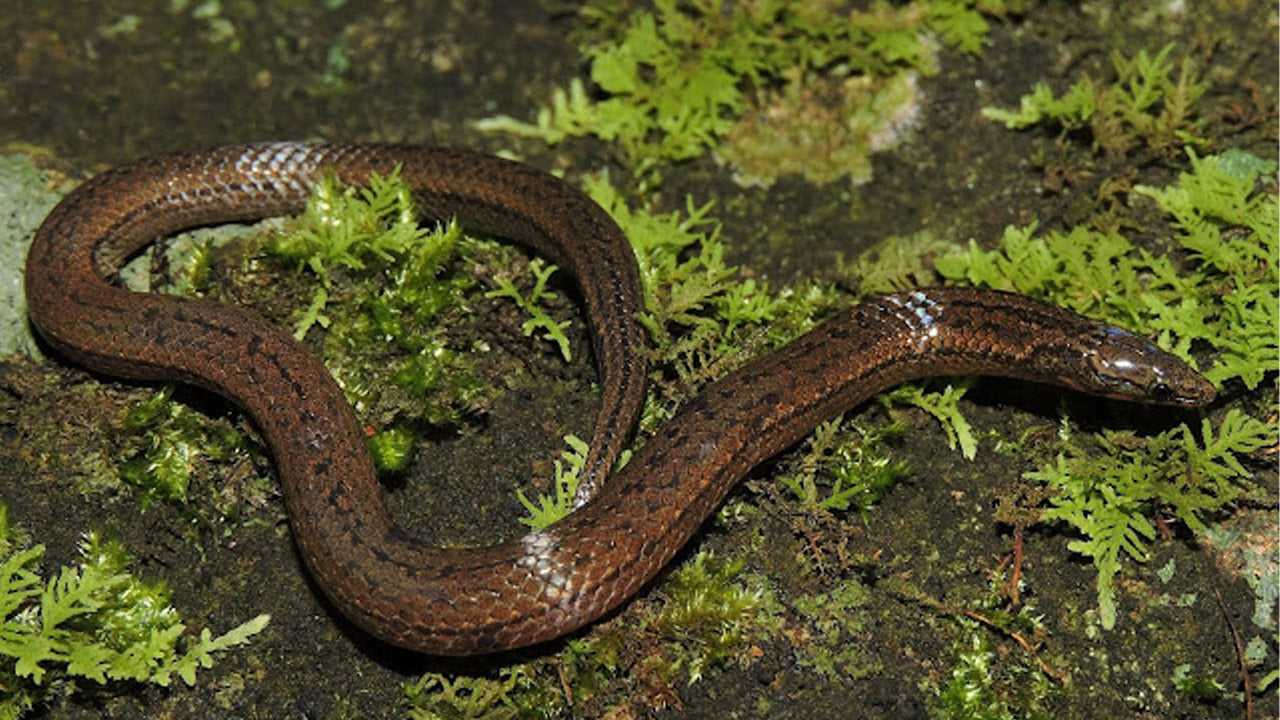 de Silva's Rough-sided Snake
Aspidura desilvai
-
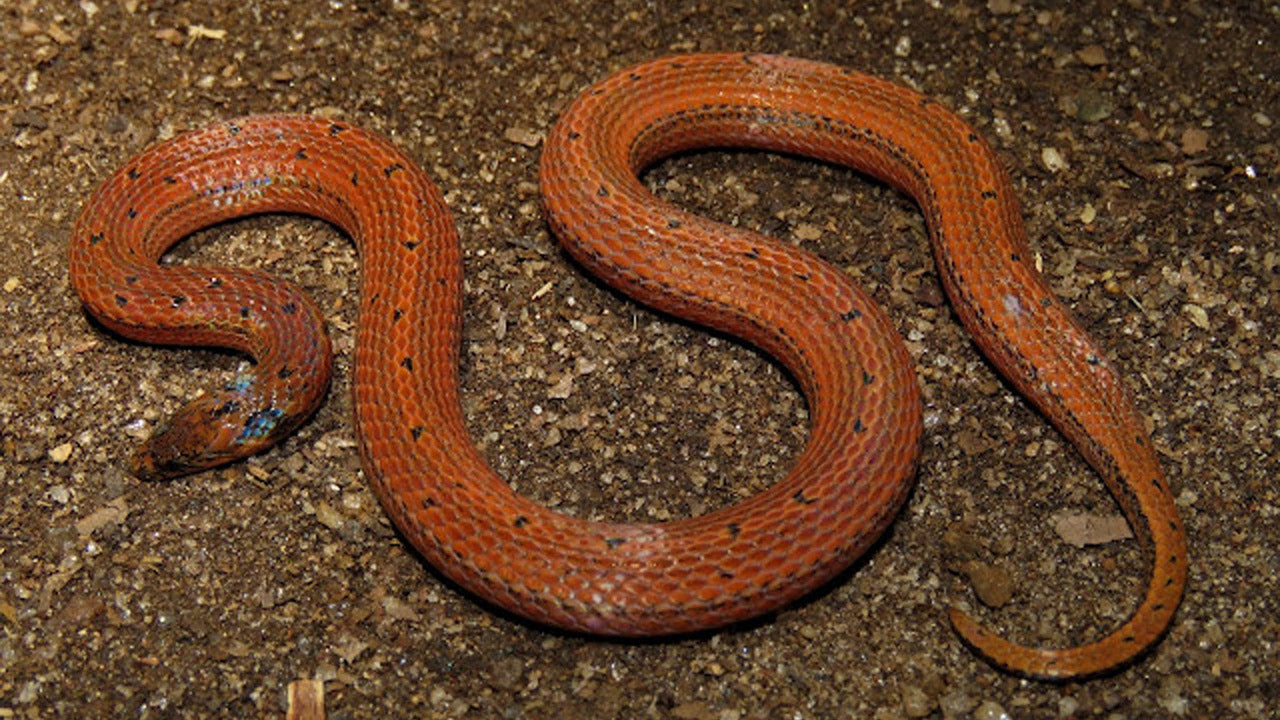 Boie's Rough-Sided Snake
Aspidura brachyorrhos
-
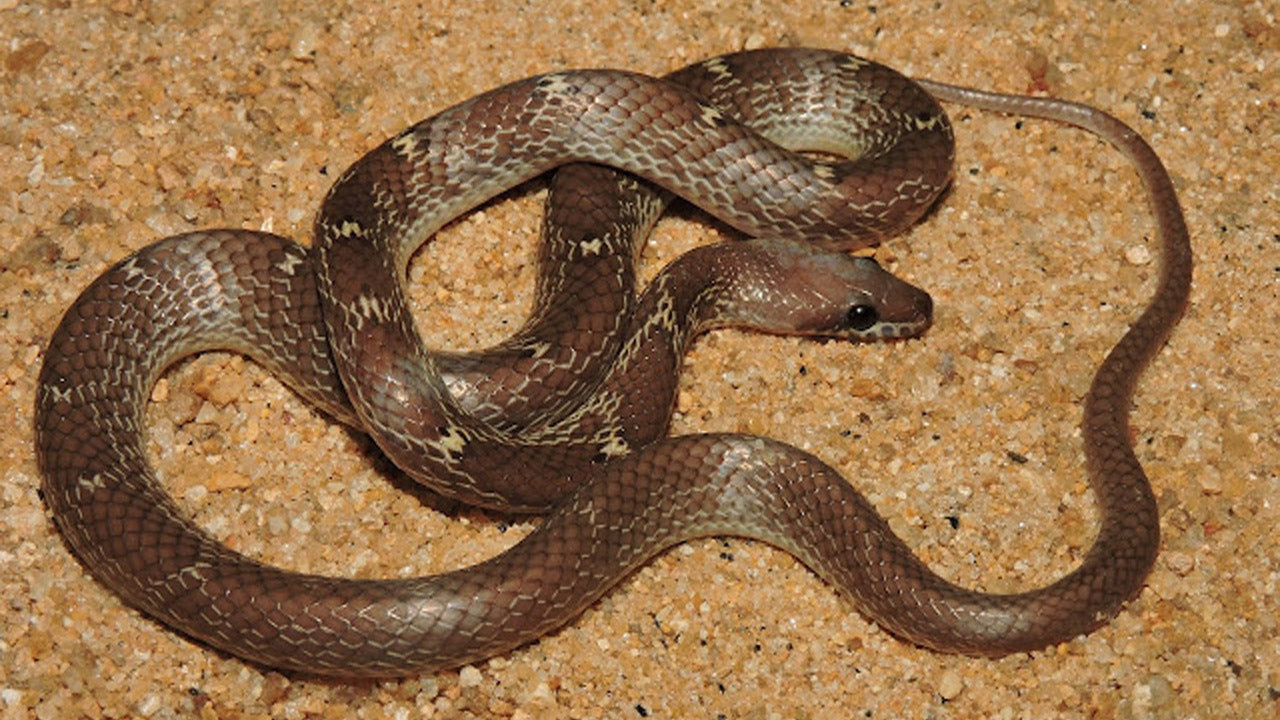 Flowery Wolf Snake
Lycodon anamallensis
-
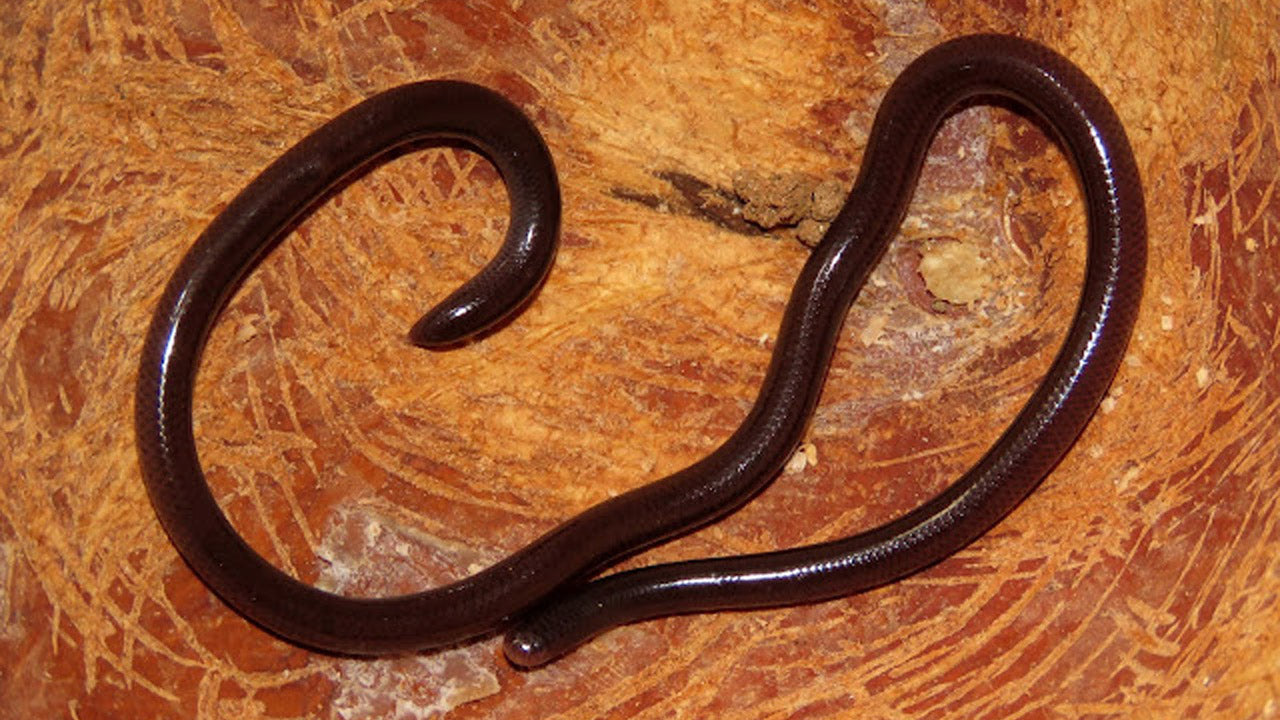 Brahminy Blind Snake
Indotyphlops braminus
-
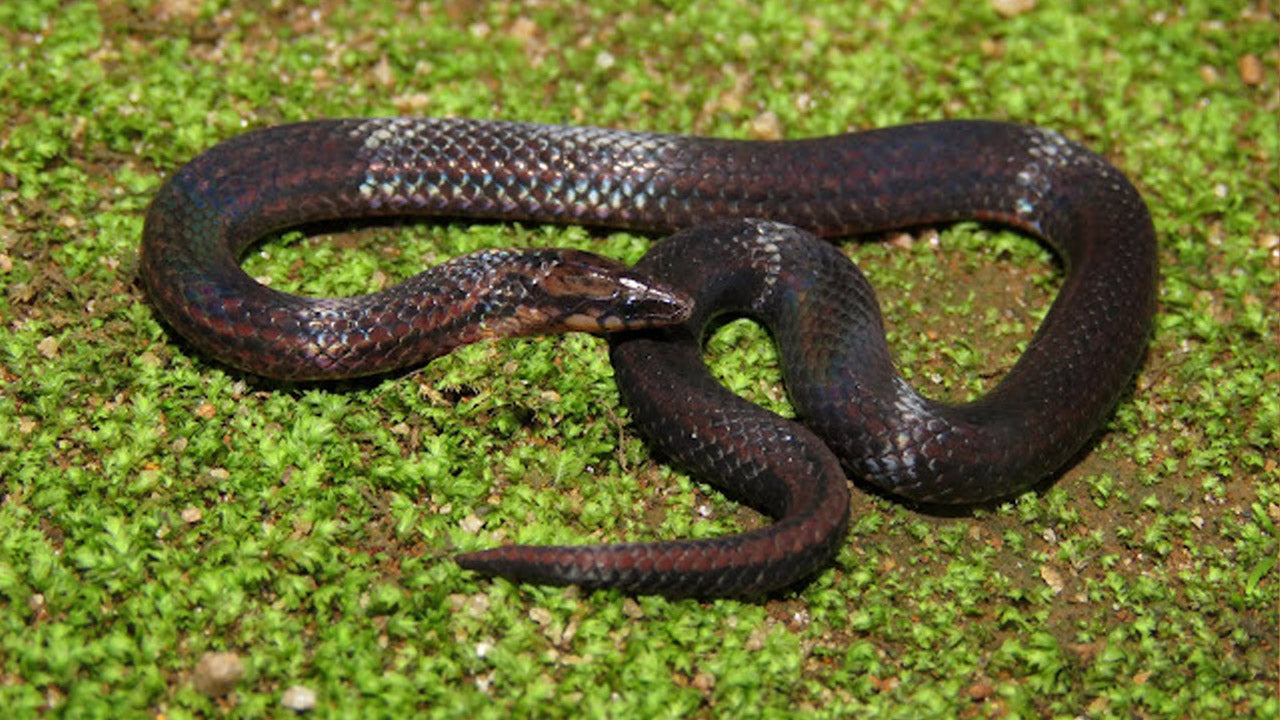 Common Rough-sided Snake
Aspidura trachyprocta
-
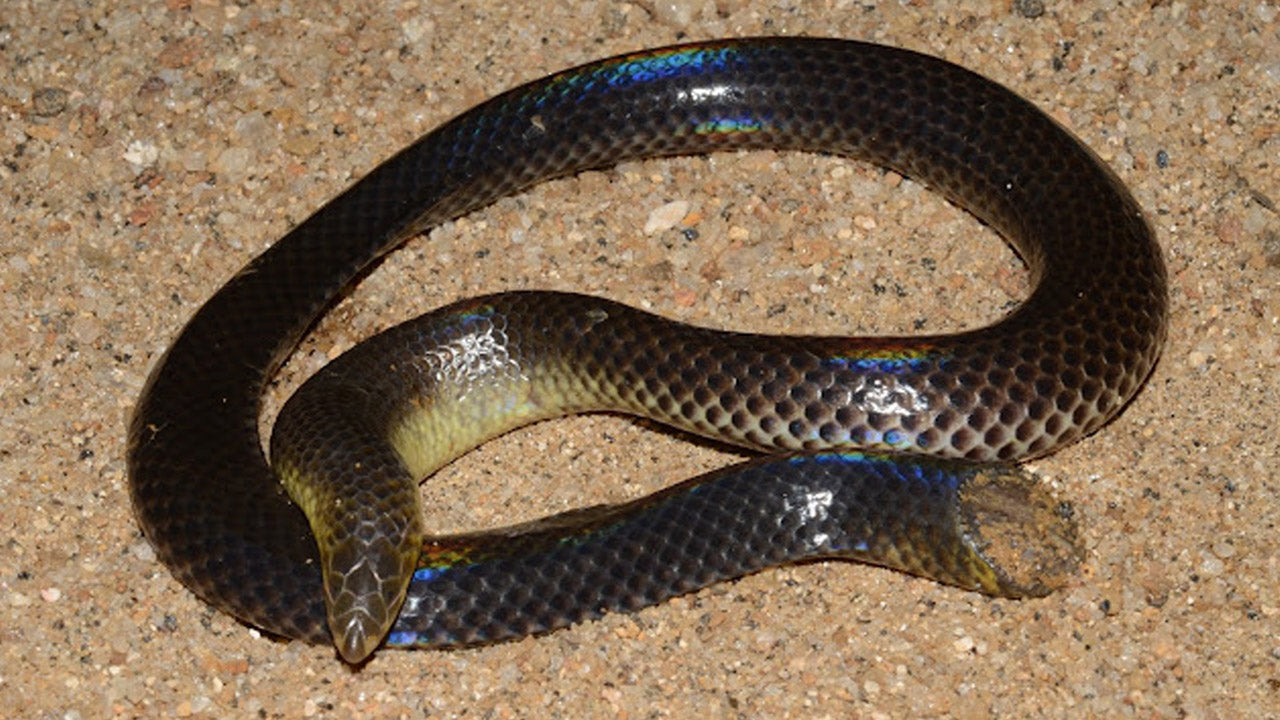 Large Shieldtail
Rhinophis saffragamus
-
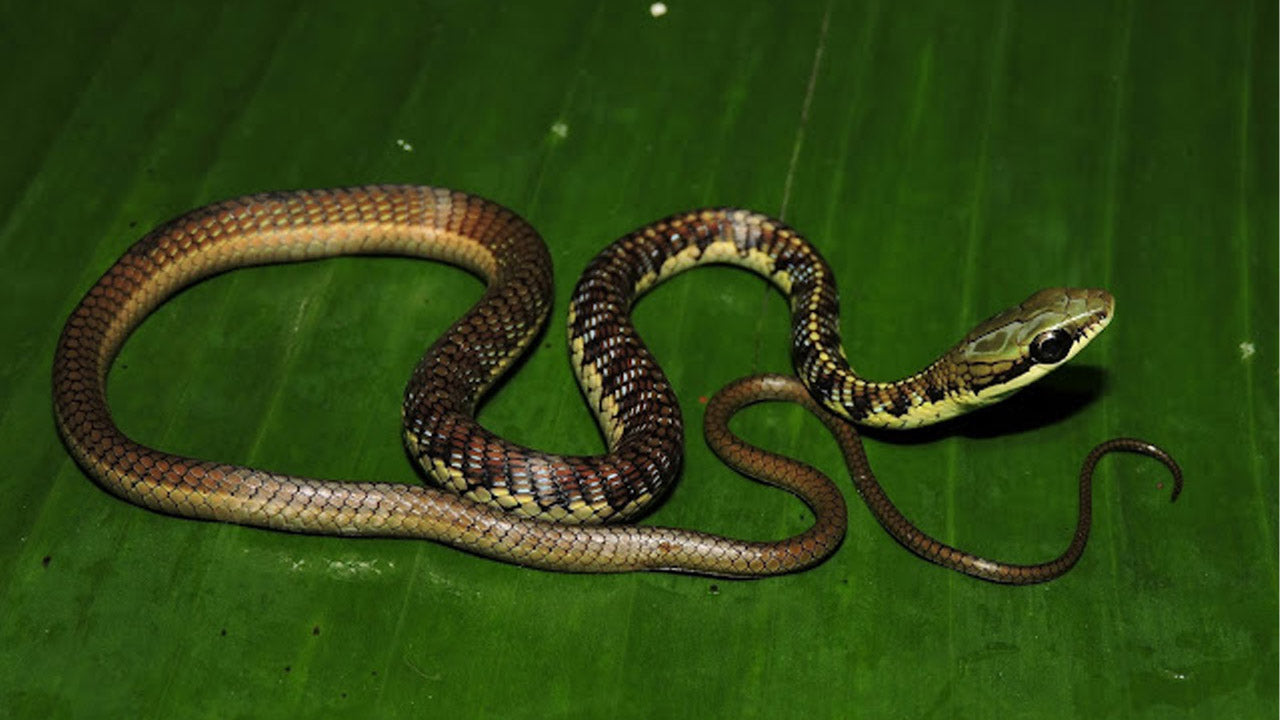 Schokar's Bronzeback
Schokar's bronzeback
-
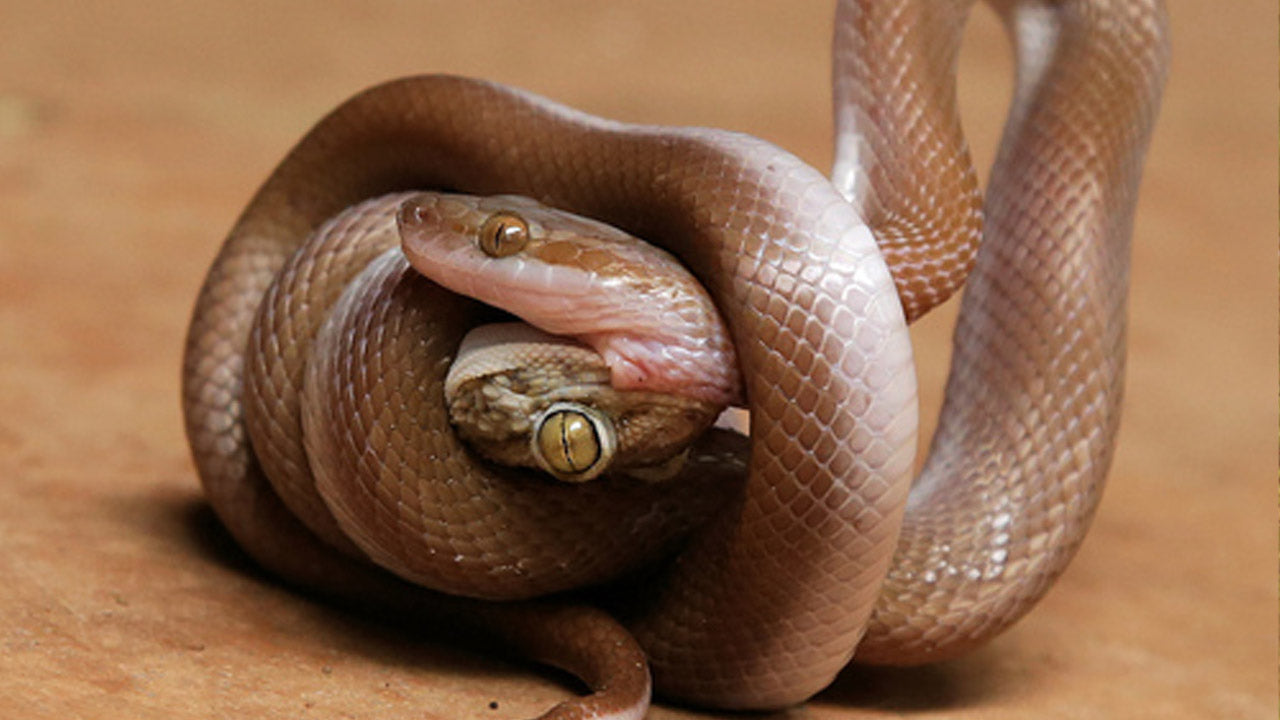 Jan's Worm Snake
Typhlops mirus
-
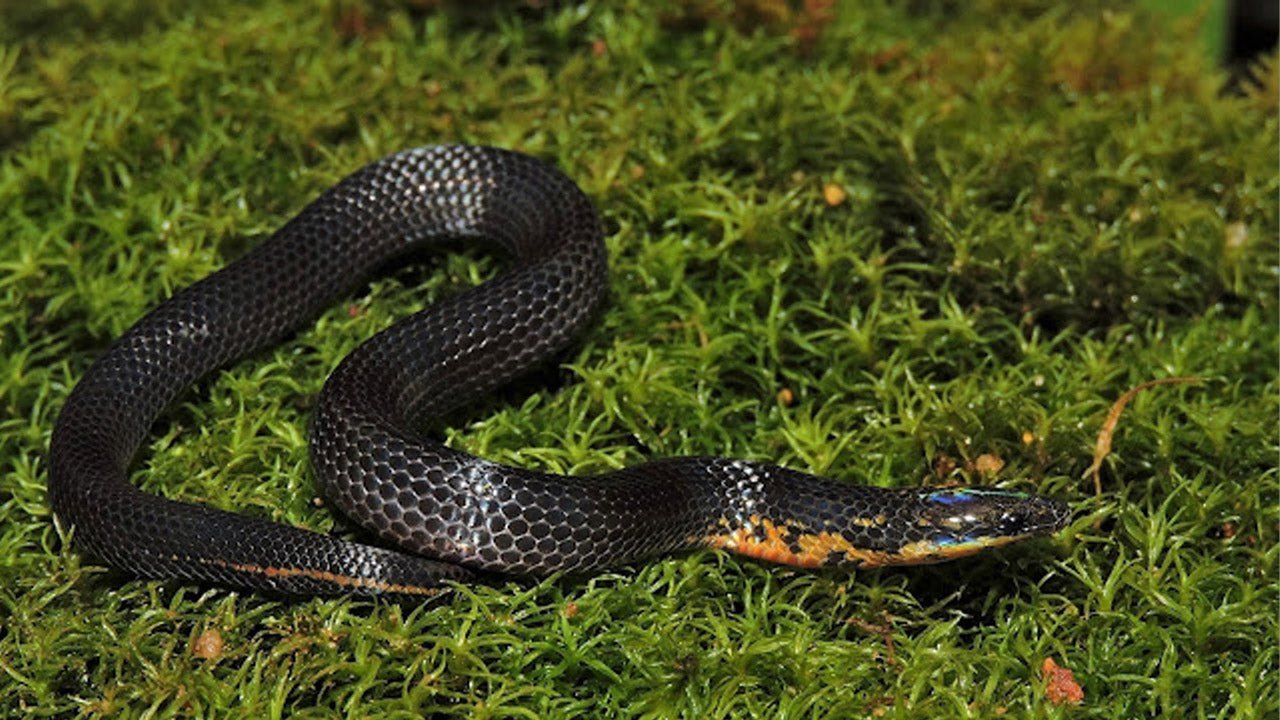 Ravana's Rough-sided Snake
Aspidura ravanai
-
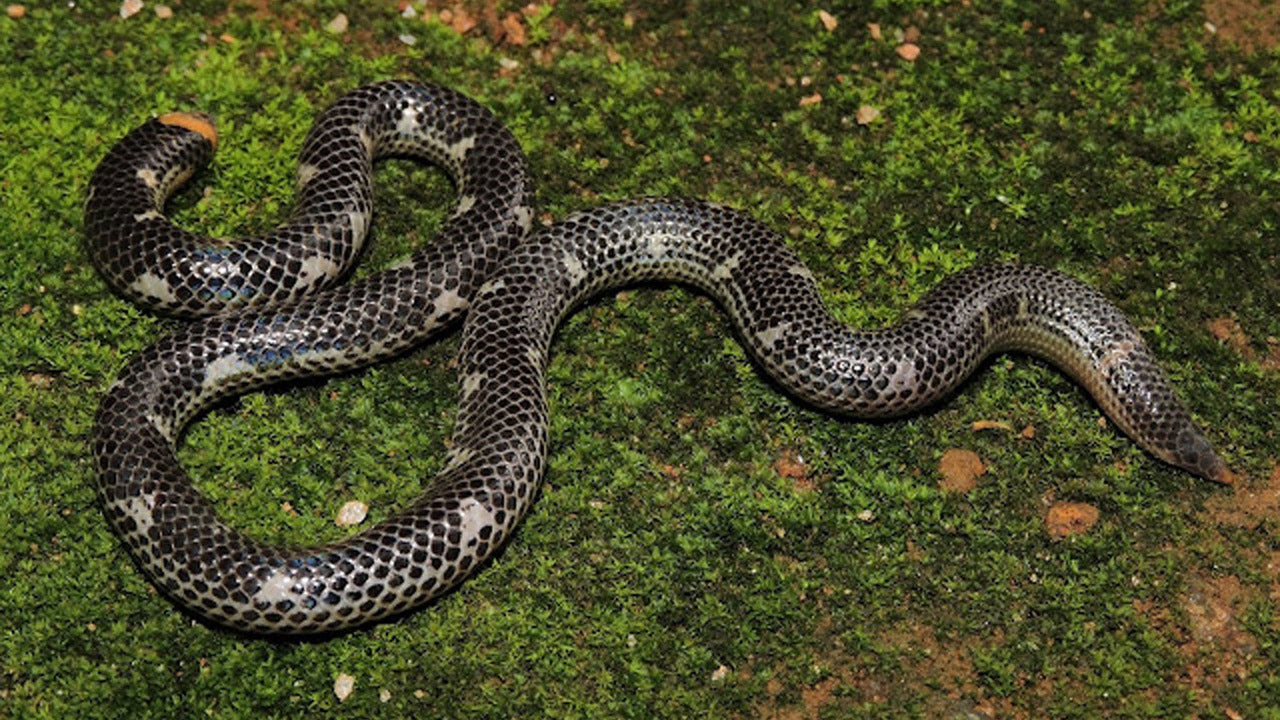 Hemprich's Shieldtail
Uropeltis hemprichii.
-
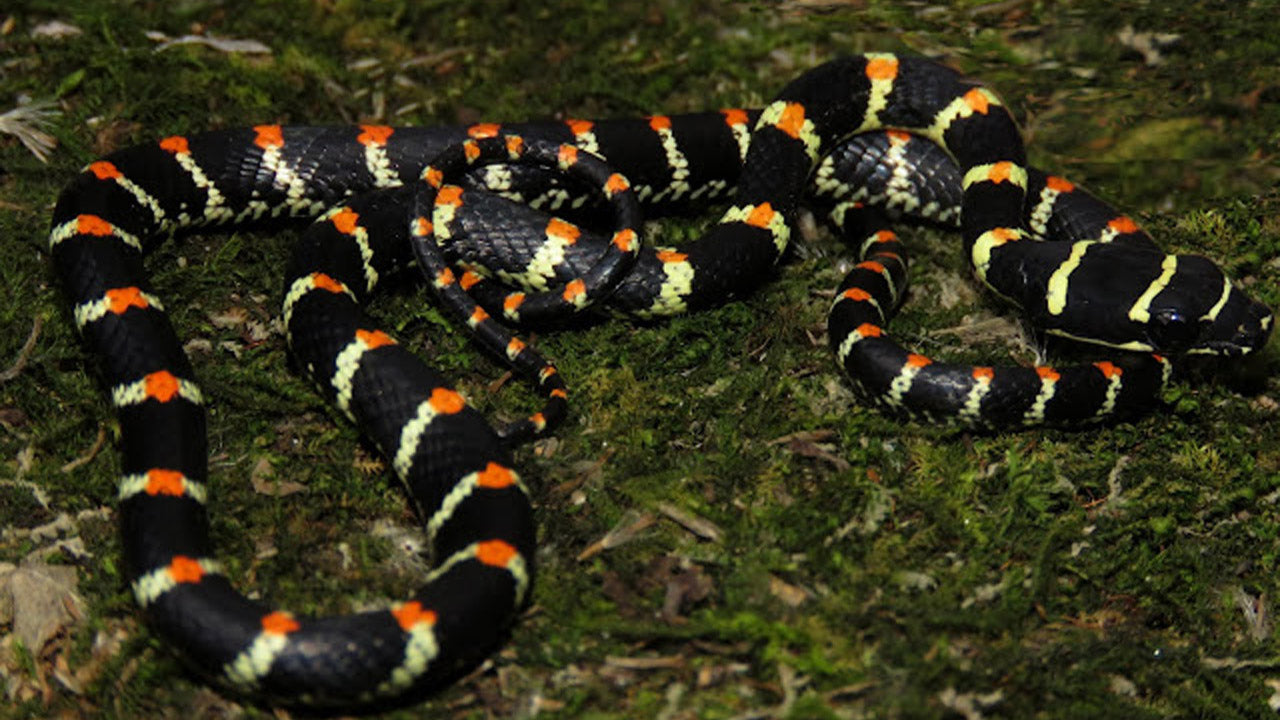 Ornate Flying Snake
Chrysopelea ornata
-
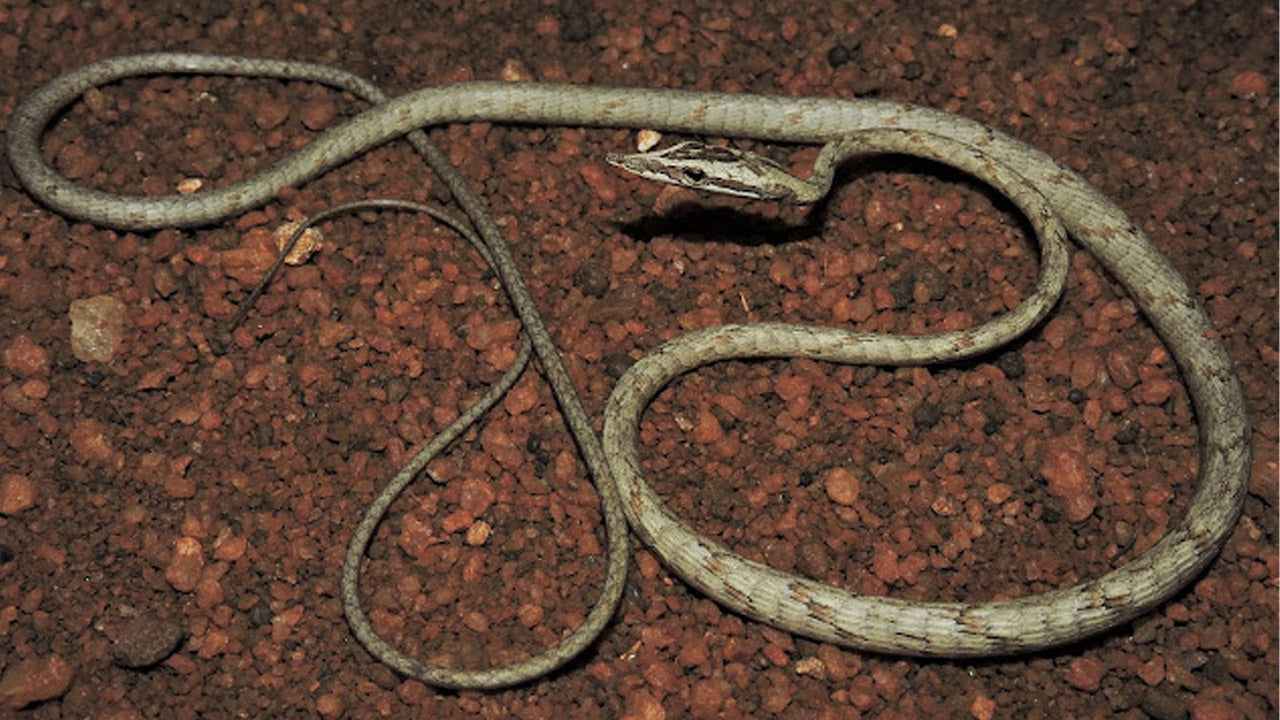 Brown Vine Snake
Ahaetulla pulverulenta
-
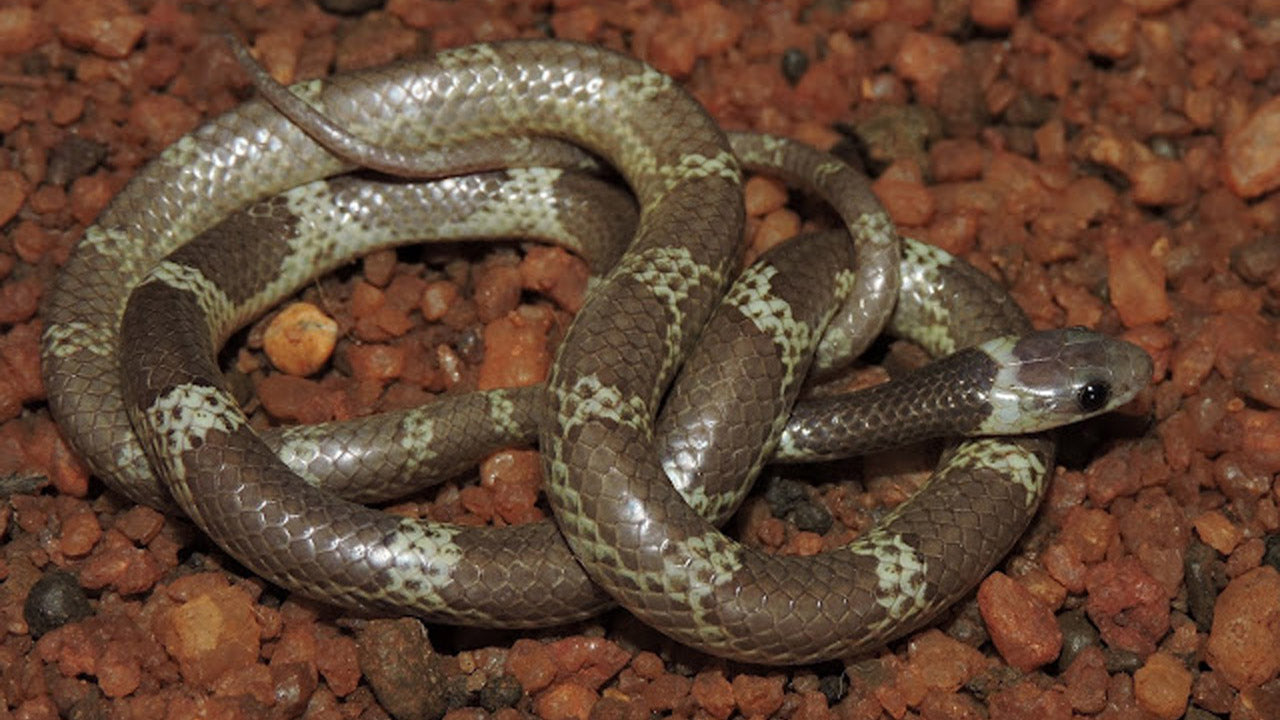 Common Bridal Snake
colubrid snake
-
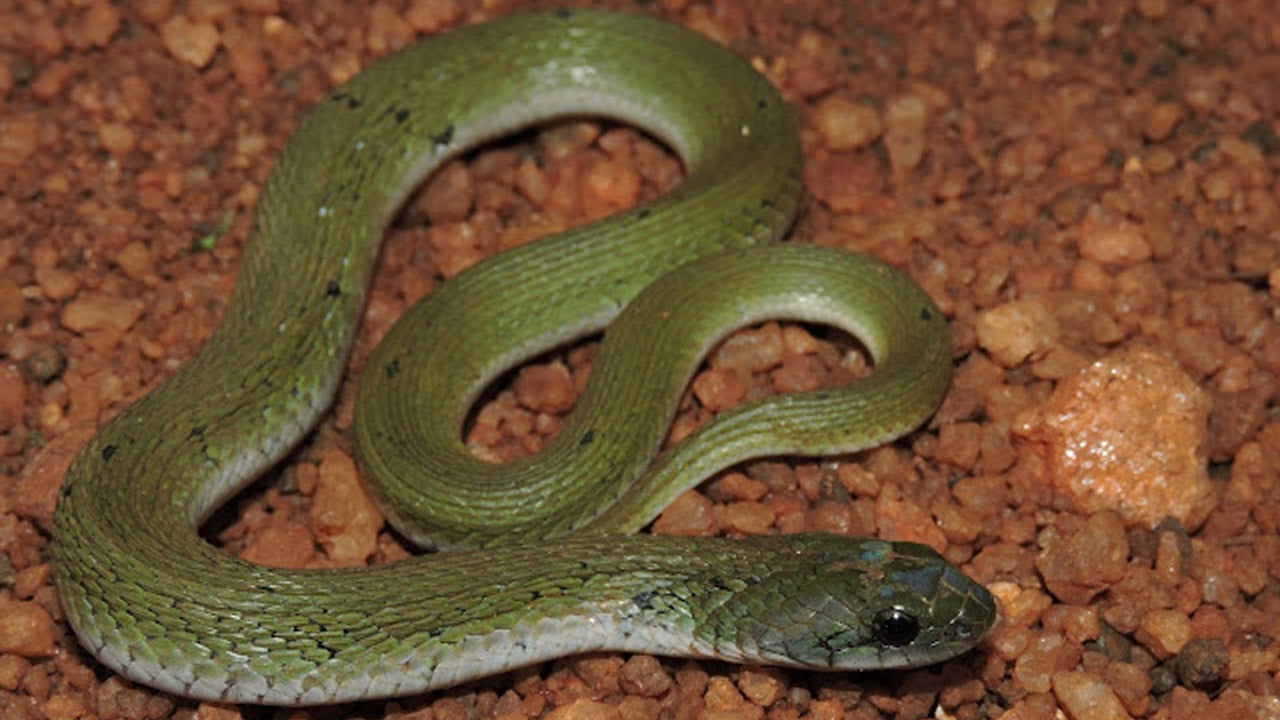 Green Keelback
Rhabdophis plumbicolor