Lakpura
Lakpura®

Papaya

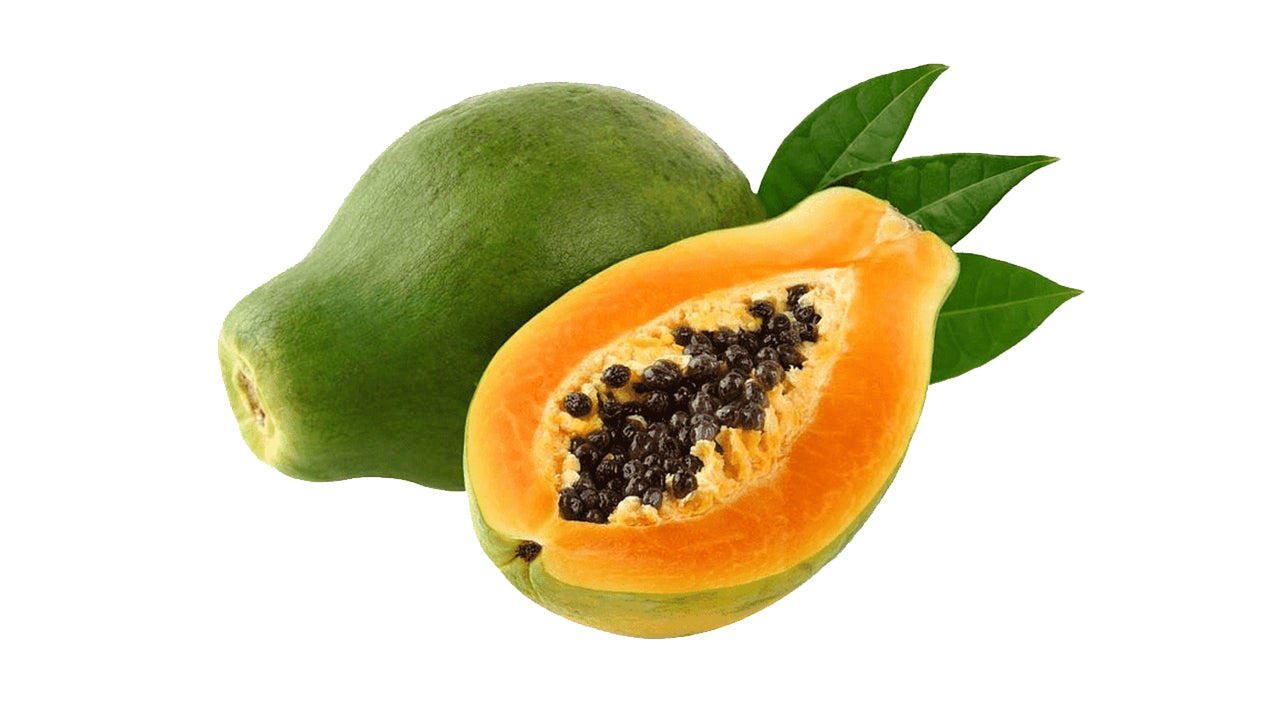
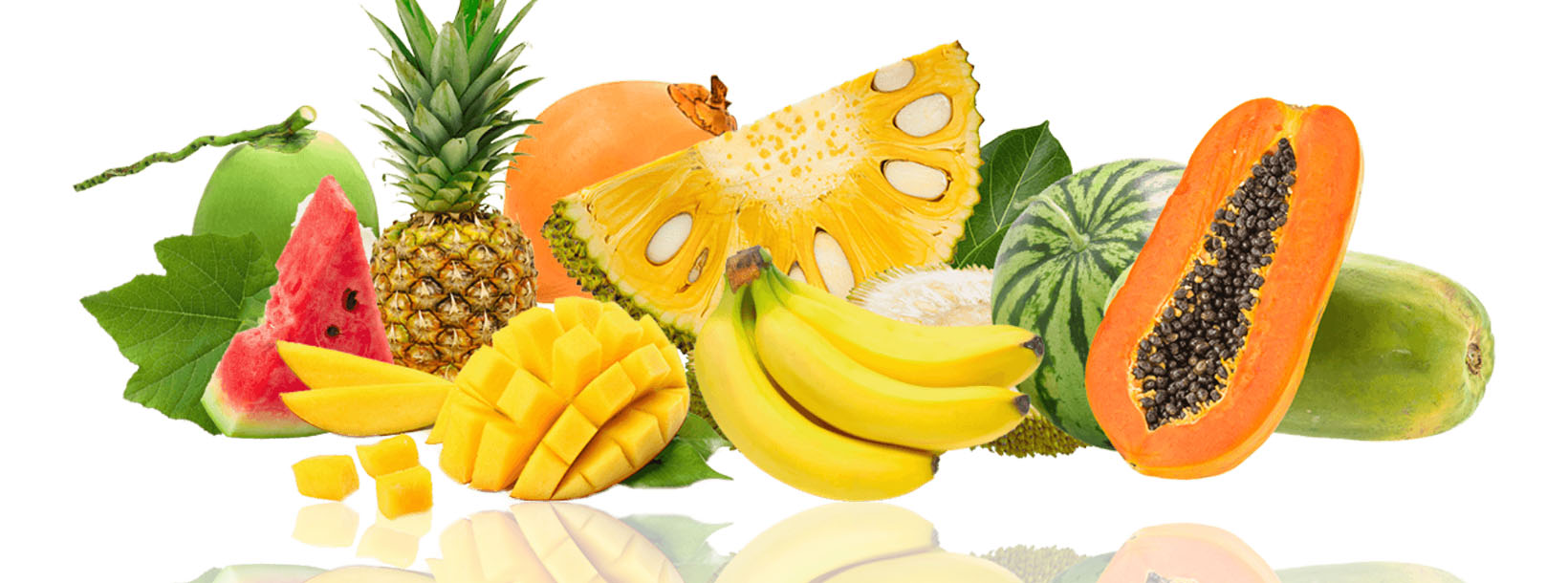
Papaya (Carica papaya), also known as papaw or pawpaw, is one of the most widely grown tropical fruits in the world. Thought to originate from Mexico and Central America — possibly through the natural hybridisation of two or more wild Carica species — it has spread across every tropical region and into the warmer fringes of the subtropics. In Sri Lanka, papaya grows with remarkable ease, appearing in home gardens, village plots, and small-scale fruit farms from the coast to the mid-country foothills.

The flavour is gently sweet with a soft, musky undertone that intensifies depending on the variety and the climate in which it ripens. That complexity makes it a versatile ingredient: eaten fresh at breakfast, blended into juices, folded into salads, or cooked green as a vegetable. For visitors exploring Sri Lankan food culture, papaya is rarely far from the table.

What does a papaya plant actually look like?

Although commonly called a tree, the papaya plant sits in an unusual botanical category. Its hollow, palm-like trunk can reach around 8 metres (roughly 26 feet) in height, yet it lacks the dense woody tissue associated with true trees. A crown of deeply lobed leaves — sometimes 60 cm across — sits atop long, hollow leaf stalks of similar length, giving the plant a distinctly tropical silhouette.

The species is typically dioecious, meaning male and female flowers grow on separate plants. Male flowers appear in long-stalked clusters; they are small, funnel-shaped, and whitish, with ten stamens. Female flowers are considerably larger, usually solitary in the leaf axils, with five fleshy petals fused toward the base and a prominent ovary crowned by fan-shaped stigmas. Hermaphroditic forms also exist and are particularly valued by growers because a single plant can set fruit without a male partner.

How is papaya used in Sri Lankan cooking?

In Sri Lanka, papaya appears at almost every stage of its development. The unripe green fruit is shredded or cubed and cooked as a curry — a mild, slightly starchy dish that absorbs the island's spices beautifully. Ripe papaya is served simply with a squeeze of lime, blended into fresh juice, or added to fruit platters at guesthouses and hotels. It pairs well with other tropical staples; you will often find it alongside coconut-based preparations in coastal households.

Papaya leaves have their own culinary and therapeutic tradition. Young leaves are occasionally cooked as a green vegetable, while dehydrated papaya leaf products — teas, capsules, and powders — have become popular in health-conscious markets both locally and internationally.

What are the main health benefits of papaya?

Papaya is nutritionally dense for a fruit of its caloric weight. A single serving provides significant amounts of vitamin C, folate, vitamin A (from beta-carotene), potassium, and dietary fibre. The following benefits are supported by nutritional research:

  • Antioxidant activity: Papaya is rich in carotenoids, particularly lycopene, which help neutralise free radicals linked to chronic disease.
  • Digestive support: The enzyme papain, found in both the fruit and its latex, assists in breaking down proteins and is used commercially as a meat tenderiser and digestive supplement.
  • Anti-inflammatory effects: Several compounds in papaya, including choline and isothiocyanates, are associated with reduced markers of inflammation in preliminary studies.
  • Heart health: The combination of fibre, potassium, and antioxidants may support healthy blood pressure and cholesterol levels.
  • Skin protection: Topical applications of papaya extract are traditionally used to improve skin texture; vitamin C and lycopene may help protect against UV-related skin damage.
  • Immune function: A single medium papaya can provide well over the recommended daily intake of vitamin C, making it a practical immune-support food.
  • Anticancer research: Laboratory studies have investigated lycopene-rich foods including papaya in relation to reduced cancer risk, though human trials remain ongoing.

Papaya leaf extracts have attracted particular scientific interest in Sri Lanka and other dengue-affected countries. Several clinical studies have examined whether papaya leaf preparations can support platelet count during dengue fever, and the topic remains an active area of local medical research.

What varieties of papaya are grown in Sri Lanka?

Sri Lanka cultivates several papaya varieties suited to its warm, humid climate. The Red Lady variety — a hybrid developed in Taiwan — is among the most commercially significant, valued for its early fruiting, compact plant size, and sweet, red-fleshed fruit. Local heirloom varieties also exist, typically producing larger, pale-fleshed fruits with a more pronounced musky flavour. Visitors to places like Midigama Fruit Farm can see these varieties growing alongside mangoes, jackfruit, and other tropical staples.

Cultivation is straightforward in Sri Lanka's climate: papaya grows well from sea level up to roughly 1,000 metres, requires good drainage, and typically begins fruiting within six to twelve months of planting. Because plants are relatively short-lived — most productive for three to four years — continuous replanting is standard practice in commercial orchards.

How is papaya processed and preserved?

Beyond fresh consumption, papaya is processed in several ways that extend its shelf life and concentrate its nutritional value. Dehydrated papaya slices are a popular snack and export product — the drying process removes moisture while retaining most of the fruit's vitamins and sweetness. Dehydrated papaya leaves are processed into teas and herbal supplements. Papaya extract is incorporated into a wide range of skincare products, from facial washes to body lotions, capitalising on the enzymatic and antioxidant properties of papain and vitamin C.

Sri Lankan producers have developed a notable range of value-added papaya products in recent years, sold both domestically and through speciality export channels targeting health-conscious consumers in Europe, the Middle East, and East Asia.

Where can you find fresh papaya in Sri Lanka?

Fresh papaya is available year-round at virtually every market in Sri Lanka, from large municipal markets in Colombo to roadside stalls in rural villages. Prices are low by any international comparison. Ripe fruit is typically sold whole or halved; green papaya is widely available in wet markets and is a staple ingredient for village-level cooking. Travellers staying in homestays or eco-lodges will often find papaya served at breakfast, straight from trees in the garden.

Book this experience with Lakpura

Curated by our local team. Direct booking, instant confirmation.

Ask Lakpura® Agent