Nallur Kandaswamy Kovil

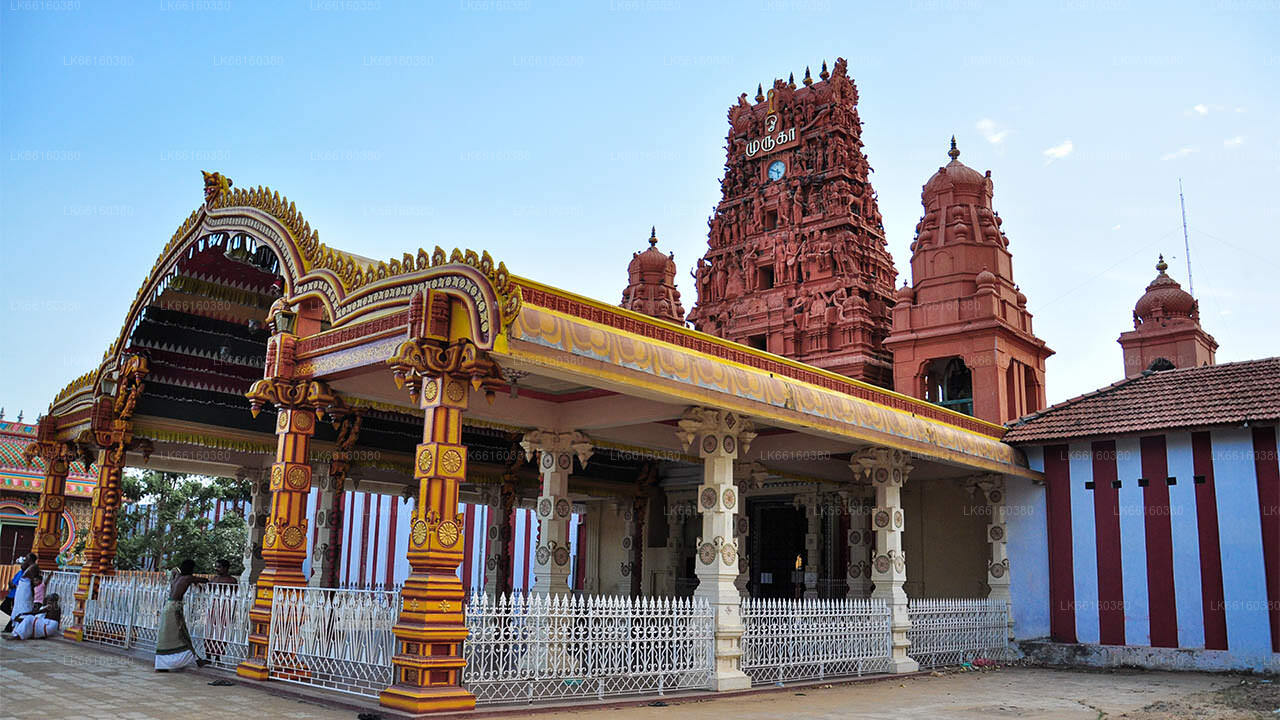
In the hot arid lands of Nallur, in Jaffna, rises the majestic Hindu temple for Skanda/ Murugan – the god of love, war and beauty. It has reigned over the land for centuries, attracting devotees from various walks of life. The temple itself embodies a kind of peace that can only be felt in the most divine of places.

History

The temple was originally founded in 948 AD. However, it reached fame when it was rebuilt in the 13th century by Puvaneka Vaahu, a minister of the Jaffna King Kalinga Maha. The Nallur Kandaswamy Temple was built for a third time by Senpaha Perumal (a.k.a Sapumal Kumaraya) who was the adopted son of the Kotte king. Nallur served as the capital of the kings of Jaffna, and was a highly defensive fort and city. There were courtly buildings, the palaces, businesses and much more.

The third built temple was destroyed by the Portuguese in 1624 AD; and many churches built over the ruins. The location of the original temple is now covered by the St James Church, Nallur. Part of the original Sivalingam from the temple remained in the vicarage, but was destroyed during the recent civil war. Now only the platform where it was mounted remains.

The current temple was built in 1734 AD by Don Juan. However, the ‘Golden Era’ of the Nallur Temple began in the latter 1890s with the takeover of the temple administration by Arumuga Maapaana Mudaliyar; who started renovating it to bring it back to its earlier magnificence.

Design

Created in the ways of the ancient temple cities of Madura and Padaliputra in India; the town of Nallur too revolves around this temple.

  • The cities had four entrances with temples at each gate.
  • There were outer circles where the commoners resided and businesses flourished, inner circles where highly placed nobles resided.
  • The walls of the temple then rose, resembling the towers (in this case kopurams) and palisades of a fort.
  • Within these walls were the outer courtyard, the holy bathing well (theertha keni), the residences of the priests, the inner temple, and smaller shrines for lesser deities.
  • The inner temple itself was large; and contained the inner courtyard, the central shrine or mulasthanam, shrines for other major gods and goddesses, the dance hall, the conference hall, and many other such elements.

While the original Nallur Kandaswamy Temple was on this same grand scale; the current temple is on a much smaller scale when considering area, whilst still being one of the largest and historically accurate temples still existing in Sri Lanka. The temple has four kopurams, a rarity nowadays; including a massive golden-ochre Rajakopuram standing approximately seven stories (22-25m) tall. Some of the kopurams were built within the last decade. The inner and outer circles usually function as normal roads; except during the temple’s elaborate festival. With beautiful sculptures and architecture created by architects brought in from India; the temple is a visual delight that is best seen directly.

Guidelines on visiting the Nallur Kandaswmy Temple.

  • The temple has a large courtyard; don’t forget remove your shoes and wash your feet at the outer well before you enter.
  • You bring items such as flowers, fruits, camphor and such to offer to the shrines. These can be bought from shops opposite the temple; but everything except camphor and incense must be washed outside before offering.
  • Men are not allowed to wear any other garments above waist level within the temple, as has been the Hindu custom from ancient d

نبذة عن منطقة جافنا

جافنا هي عاصمة المقاطعة الشمالية في سريلانكا. يشكل الهندوس 85% من سكان منطقتي جافنا وكيلينوتشي، ويتبعون المذهب الشيفاوي. أما الباقون فهم في غالبيتهم من الروم الكاثوليك أو البروتستانت، وبعضهم من نسل المستوطنين الاستعماريين المعروفين باسم "البورغرز". وينقسم التاميل على أساس طبقي، حيث تشكل طبقة "فيلالار" الزراعية الأغلبية. وتُعدّ المنتجات البحرية والبصل الأحمر والتبغ من أهم المنتجات في جافنا.

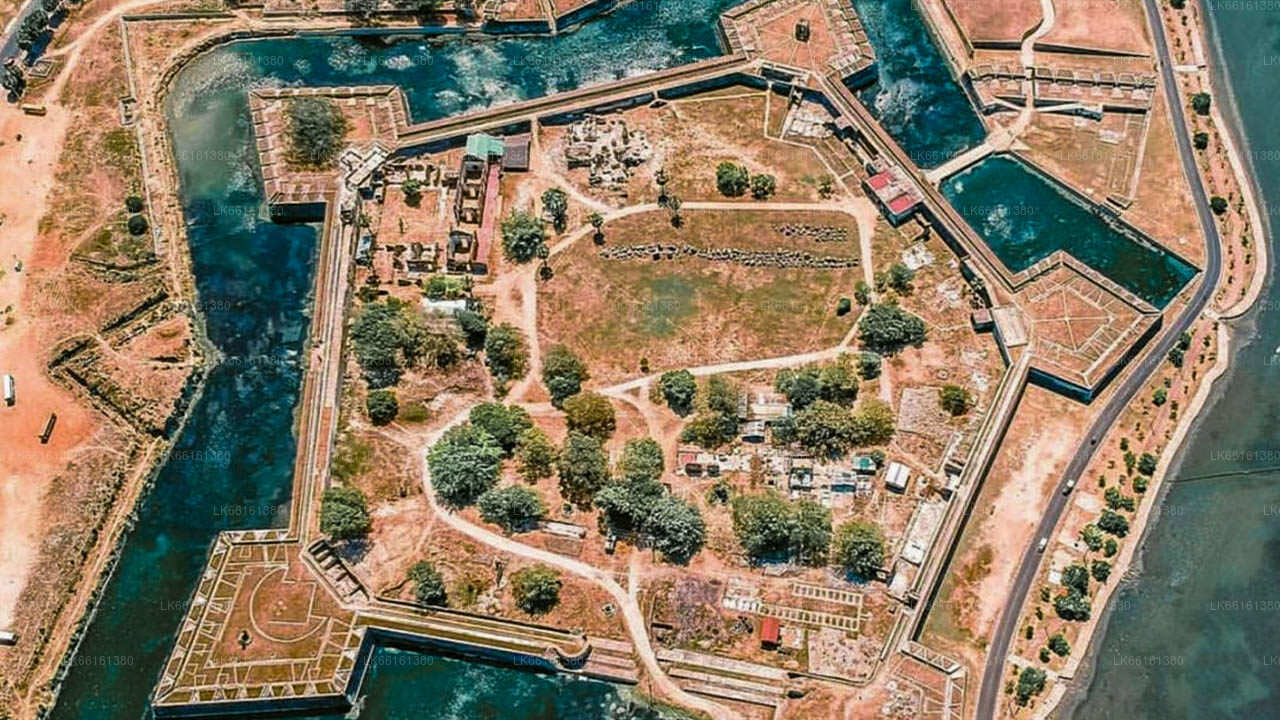
تضم جافنا معابد هندوسية رائعة. ولا يزال حصن هولندي قديم قائماً بحالة جيدة، ويضم كنيسة عريقة. ومن الأمثلة الأخرى على العمارة الهولندية بيت الملك. ولا تكتمل زيارة جافنا دون تذوق مانجو جافنا اللذيذة، المشهورة بحلاوتها. وعلى بُعد حوالي 3 كيلومترات، يقع معبد نالور كانداسوامي المهيب، الذي يستضيف أكبر مهرجان ديني في جافنا. ويُعد ميناء كايتس موقعاً تاريخياً قديماً لرسو السفن في منطقة جافنا.

نبذة عن المقاطعة الشمالية

تُعدّ المقاطعة الشمالية إحدى المقاطعات التسع في سريلانكا. يعود تاريخ المقاطعات إلى القرن التاسع عشر، إلا أنها لم تكن تتمتع بأي صفة قانونية حتى عام ١٩٨٧، حين أقرّ التعديل الثالث عشر لدستور سريلانكا لعام ١٩٧٨ إنشاء مجالس المقاطعات. وبين عامي ١٩٨٨ و٢٠٠٦، دُمجت المقاطعة مؤقتًا مع المقاطعة الشرقية لتشكيل مقاطعة الشمال الشرقي. وعاصمتها مدينة جافنا.

تقع المقاطعة الشمالية في شمال سريلانكا، على بُعد 35 كيلومترًا فقط من الهند. تُحيط بها خليج مانار وخليج بالك من الغرب، ومضيق بالك من الشمال، وخليج البنغال من الشرق، والمقاطعات الشرقية والشمالية الوسطى والشمالية الغربية من الجنوب. تضم المقاطعة عددًا من البحيرات الشاطئية، أكبرها بحيرة جافنا، وبحيرة نانثي كادال، وبحيرة تشونديكولام، وبحيرة فاداماراتشي، وبحيرة أوبو آرو، وبحيرة كوكيلاي، وبحيرة ناي آرو، وبحيرة تشالاي. تقع معظم الجزر المحيطة بسريلانكا غرب المقاطعة الشمالية، وأكبرها: كايتس، ونيدونتيفو، وكارايتفو، وبونغودوتيفو، ومانداتيفو.

بلغ عدد سكان المقاطعة الشمالية 1,311,776 نسمة عام 2007. يشكل التاميل السريلانكيون غالبية السكان، إلى جانب أقلية من المور السريلانكيين والسنهاليين. اللغة التاميلية السريلانكية هي اللغة الرئيسية في المقاطعة، ويتحدث بها غالبية السكان. أما اللغة السنهالية، فيتحدث بها 1% من السكان. وتُستخدم اللغة الإنجليزية على نطاق واسع في المدن.