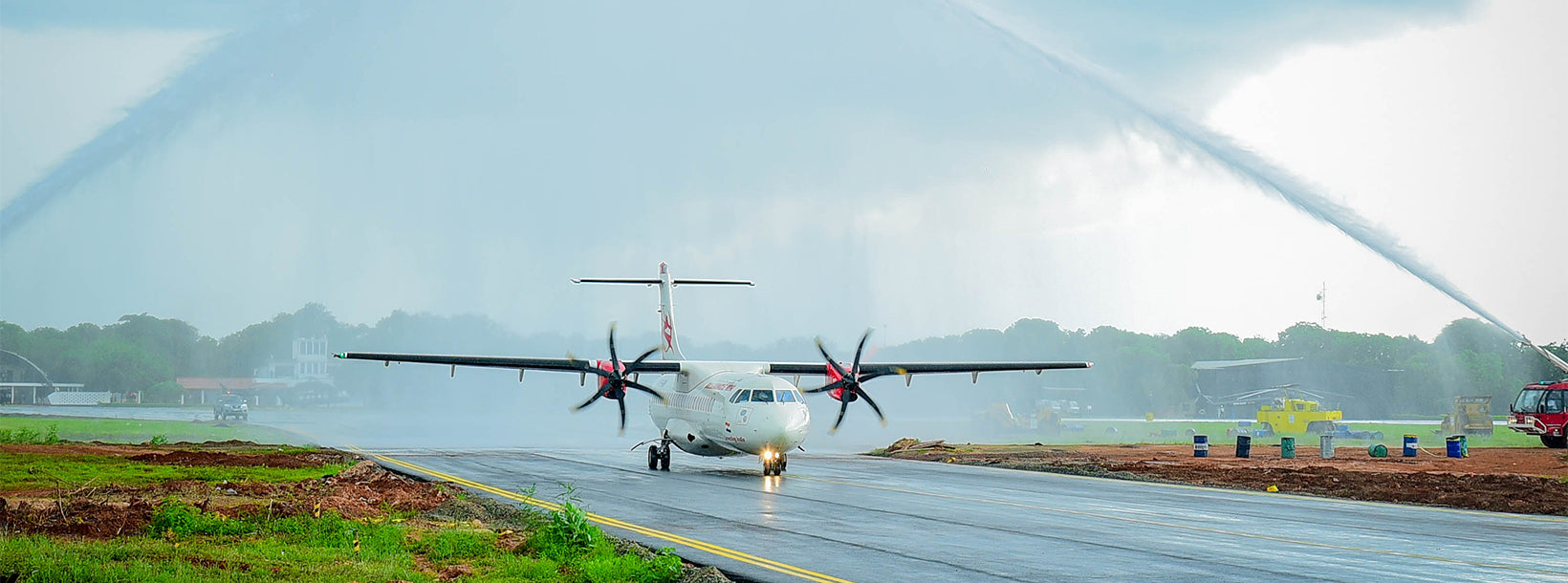
Jaffna International Airport (IATA: JAF), formally known as Palaly Airport, sits at the northern tip of Sri Lanka roughly 10 km from Jaffna city centre. Upgraded and rebranded in 2019, it became Sri Lanka's third international airport — a milestone that reflects both the region's post-war recovery and its growing appeal to travellers from South India and beyond. For anyone planning a trip to the Jaffna Peninsula, this airport removes the need for the lengthy road or rail journey from Colombo and opens up the north in a way that was simply not practical a decade ago.
What is the history behind Jaffna International Airport?
Palaly Air Force Base has a long military history, having served as a strategic installation during Sri Lanka's civil conflict. Civilian use was restricted for decades, effectively cutting the Northern Province off from the rapid air connectivity enjoyed by other parts of the island. After the end of the conflict in 2009, successive governments invested in rebuilding northern infrastructure, and the airport emerged as a symbol of that effort. The upgraded terminal, extended runway, and modernised air traffic control systems were cleared for international operations in 2019, formally integrating Jaffna into Sri Lanka's civil aviation network.
Which airlines and routes serve JAF?
The airport's most consistent scheduled connections link Jaffna with Colombo's Bandaranaike International Airport (CMB), typically operated by domestic carriers. International services have focused on southern India — particularly Chennai and Tirunelveli — reflecting the strong cultural and family ties between the Tamil communities on both sides of the Palk Strait. Route availability and frequency have fluctuated since 2019, so it is advisable to check current schedules directly with airlines or through your travel agent before booking. Expansion to additional Indian cities and potentially other destinations is part of the airport's longer-term development plan.
What facilities are available at Jaffna Airport?
The passenger terminal is modest but functional, designed to handle the current scale of traffic comfortably. Travellers can expect:
- Currency exchange counters
- Duty-free retail (international departures)
- Car rental desks
- Basic food and beverage outlets
- Arrivals and departure halls separated for domestic and international flows
The runway and navigation aids have been brought up to international civil aviation standards, and ongoing upgrades are intended to accommodate larger narrow-body aircraft as demand grows. Facilities remain more limited than at Colombo or Mattala airports, so arriving early and managing expectations around lounge amenities is sensible.
How do I get from Jaffna Airport into Jaffna city?
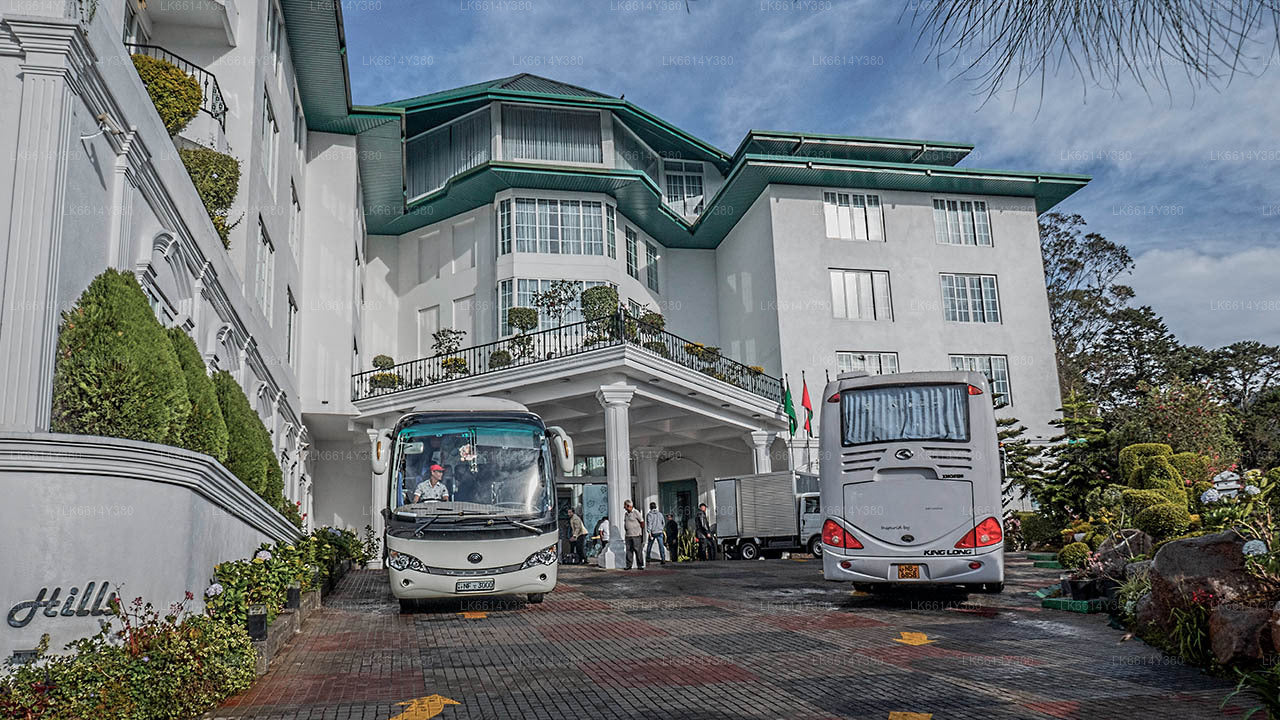
The airport is located in the Palaly area of the Jaffna Peninsula, roughly 10–12 km north of Jaffna city. The most convenient option for most travellers is a pre-arranged private transfer — Lakpura can coordinate door-to-door service from Colombo Airport to your Jaffna hotel if you are combining a CMB arrival with onward travel north. Taxis and three-wheelers are typically available outside arrivals, though supply can be limited on quieter flight days. Public bus routes connect Palaly to Jaffna town, but schedules may not always align with flight times. For a stress-free arrival, a pre-booked private driver is the most reliable choice.
What can I visit near Jaffna Airport?
The Jaffna Peninsula packs a surprising density of cultural and historical landmarks into a compact area. Within a short drive of the airport you will find:
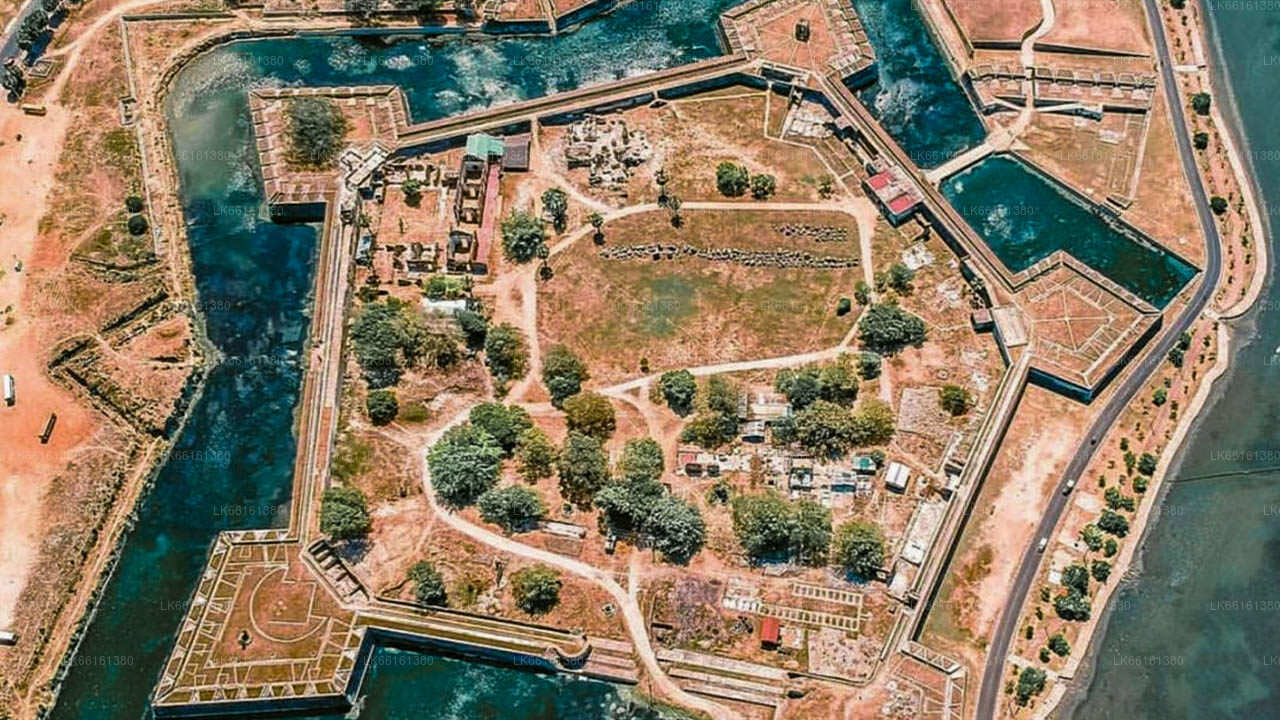
- Jaffna Fort — a well-preserved Dutch colonial fortification overlooking the lagoon, one of the largest forts in Asia built by European colonisers.
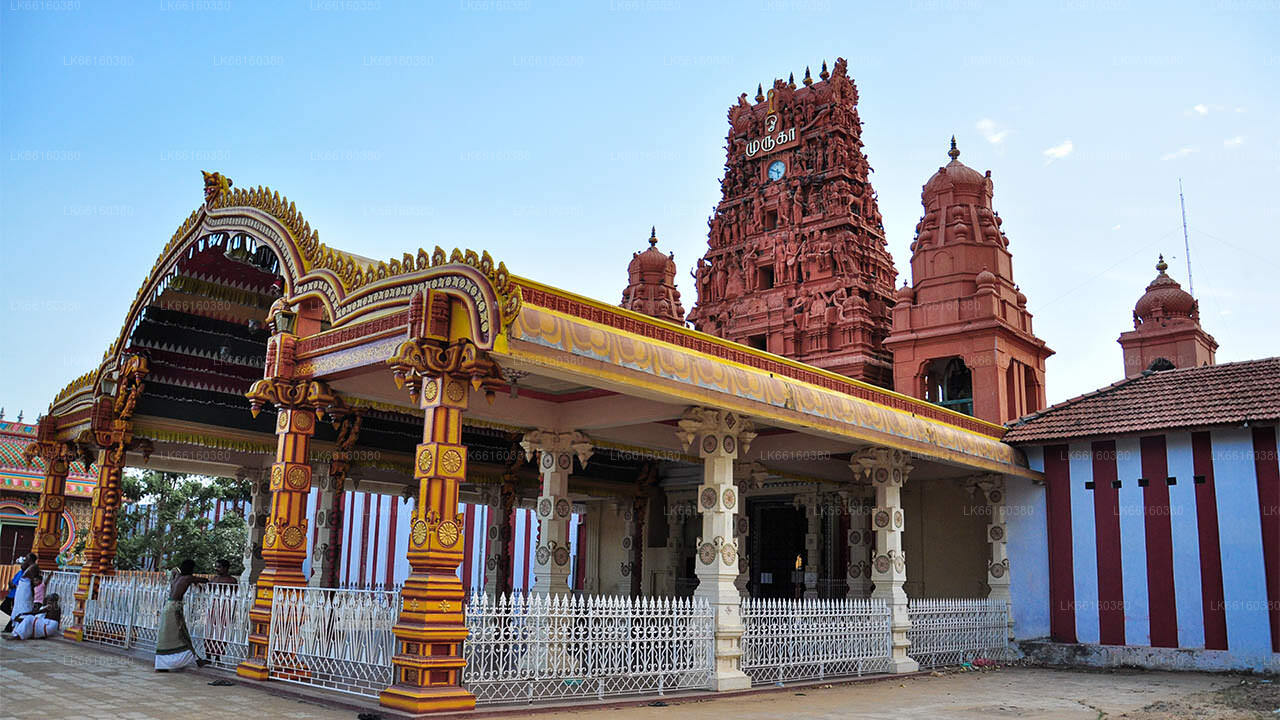
- Nallur Kandaswamy Kovil — the most important Hindu temple in Sri Lanka, drawing tens of thousands of pilgrims during its annual festival in July–August.
- Casuarina Beach — a quiet stretch of shallow, calm water popular with local families, about 30 km from the city on Karainagar island.
- Nagadeepa Purana Viharaya — a revered Buddhist temple on Nainativu Island, accessible by boat from Kurikadduwan ferry jetty.
- Jaffna Public Library — rebuilt after its devastating destruction in 1981, a symbol of the city's resilience and intellectual heritage.
- Delft Island (Neduntheevu) — reached by ferry, known for its wild ponies, ancient baobab trees, and ruined Dutch fortifications.
The peninsula also rewards slower exploration: cycling through palmyra-palm–lined roads, sampling distinctly spiced Jaffna cuisine (crab curry and mutton rolls are local staples), and visiting the salt pans that stretch along the lagoon edges.
When is the best time to fly into Jaffna?
The Northern Province has a different climatic rhythm from southern Sri Lanka. The northeast monsoon, which arrives around October and lasts through January, brings the heaviest rainfall to Jaffna. The most comfortable window for visiting is typically February through September, when conditions are dry and warm. July and August coincide with the Nallur festival season, which is culturally rich but also the busiest period for accommodation. Travelling in the shoulder months of February–April or May–June offers good weather with fewer crowds.
How does JAF compare to travelling overland from Colombo?
The road distance between Colombo and Jaffna is around 400 km, translating to roughly 6–8 hours by car depending on traffic and road conditions. The Yal Devi express train connects the two cities, but journey times typically exceed 7 hours. A direct flight cuts that to under an hour in the air — a significant time saving, particularly for travellers with limited days in Sri Lanka or those combining Jaffna with itineraries elsewhere on the island. For travellers who want to experience the northern landscape gradually, the train journey through Vavuniya and Kilinochchi carries its own quiet appeal, but for efficiency, flying into JAF is the clear choice.
Is Jaffna Airport suitable for travellers with reduced mobility?
The terminal has been built to modern standards and includes basic accessibility provisions. That said, the airport is smaller than CMB, and the range of mobility assistance services on offer is more limited. Travellers requiring wheelchair assistance or other support should notify their airline well in advance and confirm what is available at JAF specifically, as ground-handling capacity can vary by airline and flight day.