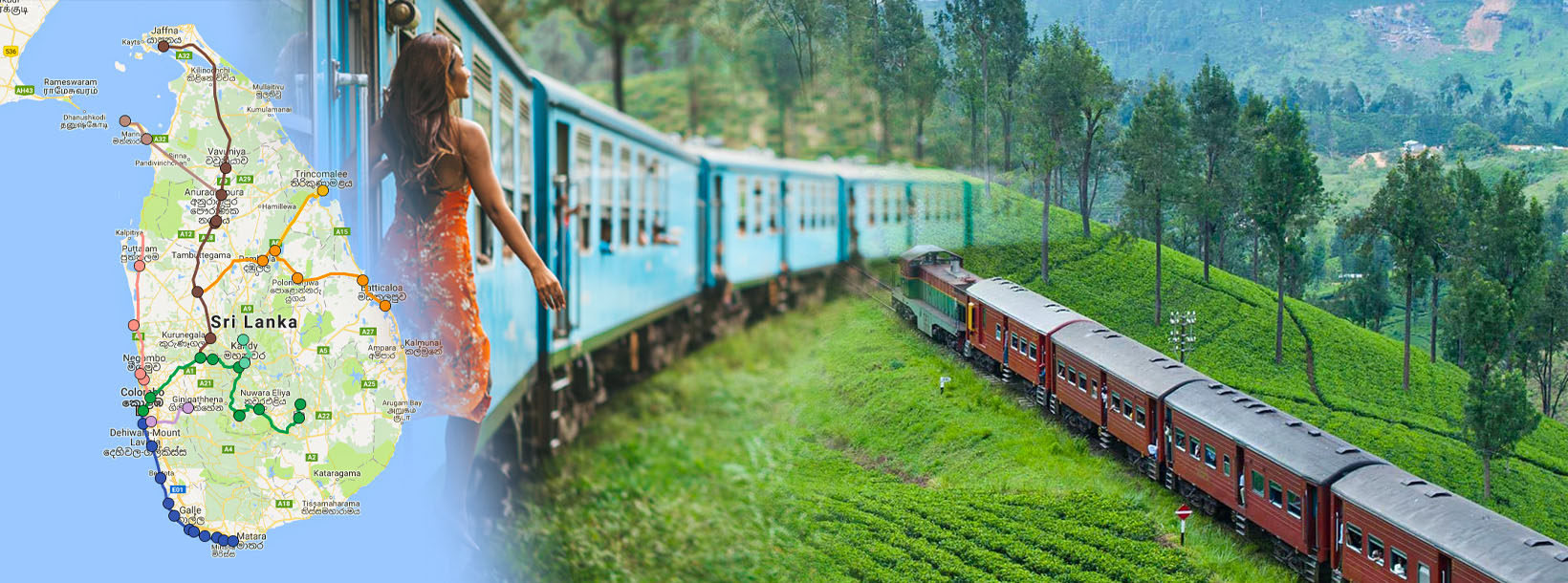
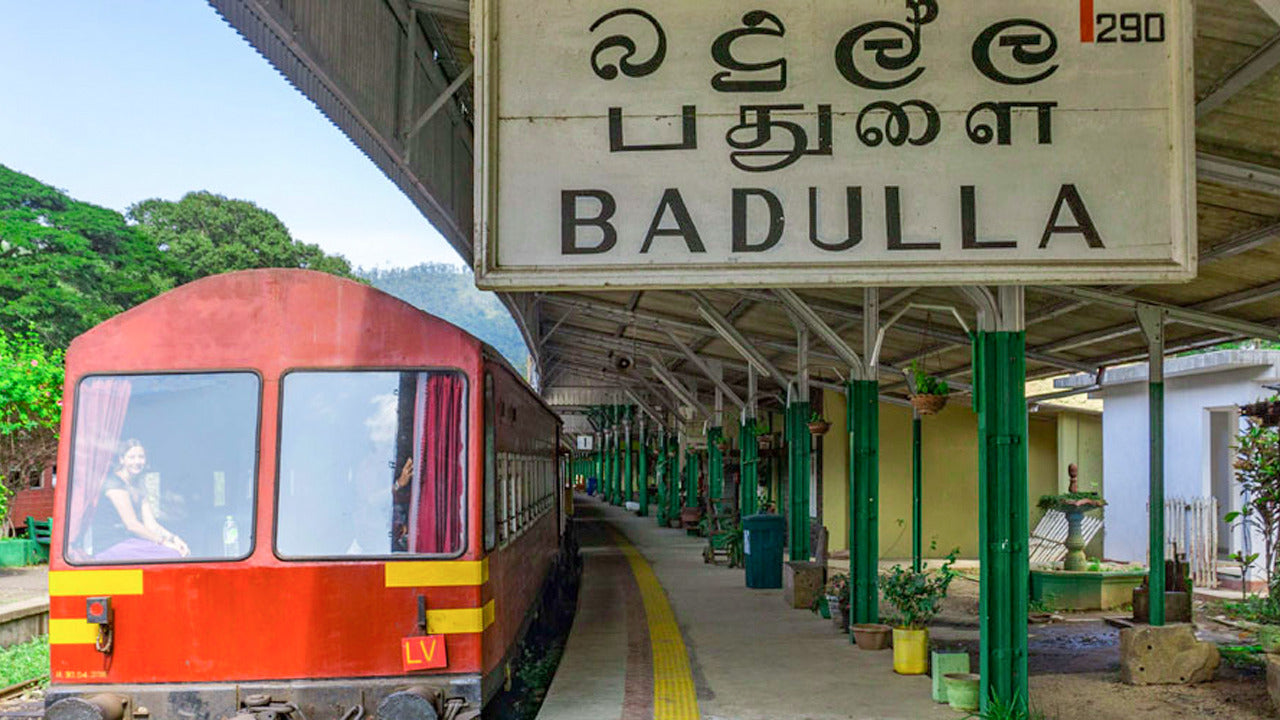
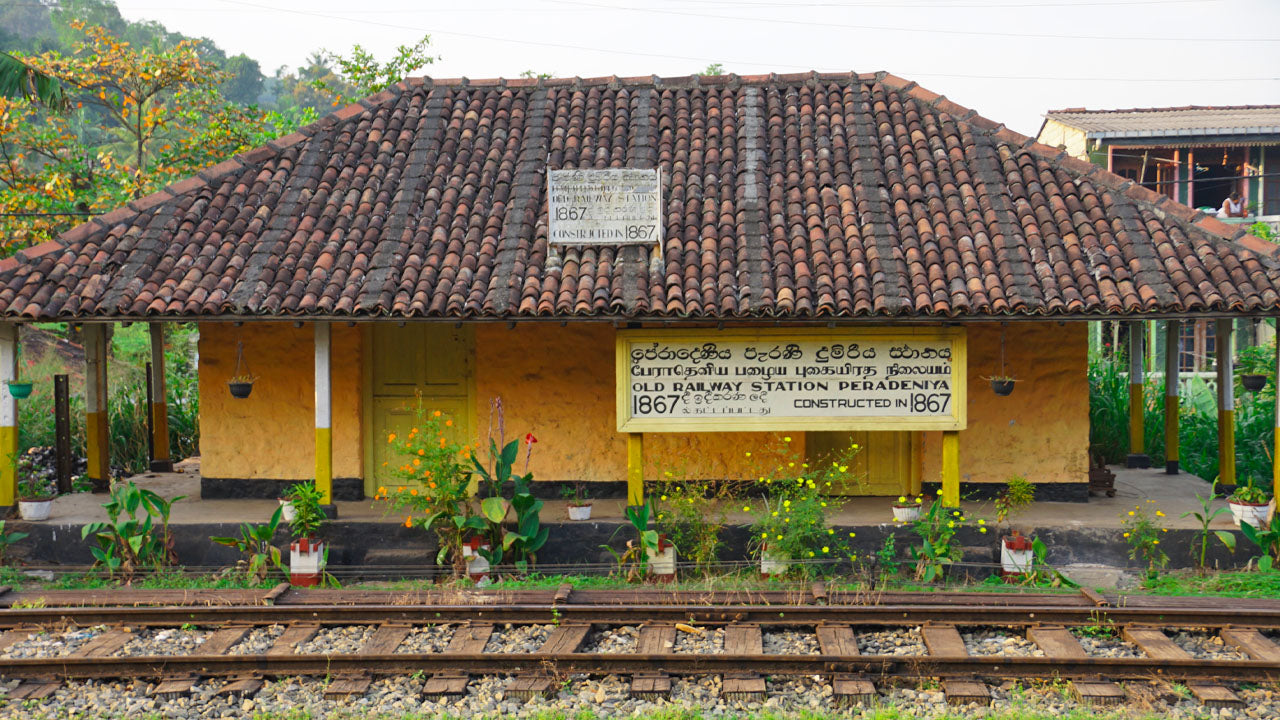
Few travel experiences in Asia rival a long-distance train ride across Sri Lanka. The island's rail network winds through coconut lowlands, paddy valleys, dense rainforest, and the cool mist of the Central Highlands — all on a single journey that can last the better part of a day. Diesel locomotives and vintage rolling stock move at a pace unhurried enough to let landscapes unfold properly, and the open doors and wide windows mean nothing stands between you and the view.
Why travel Sri Lanka by train?
The railway is not simply a budget alternative to road travel. On the hill-country routes, it is genuinely the superior way to move. Mountain roads curve sharply and can be slow; the train cuts through the same terrain on gradients engineered by British colonial builders in the 19th century, passing through rock-hewn tunnels and across viaducts that frame the valleys below. Photography opportunities present themselves continuously, and unlike a car window, the train allows you to step between carriages, lean out, and breathe in cool highland air scented with eucalyptus and Ceylon tea.
The social dimension matters too. Trains carry locals — school children, farmers, pilgrims, office workers — and brief conversations with fellow passengers often leave deeper impressions than any monument.
What are the most scenic train routes in Sri Lanka?
Sri Lanka's rail network covers most of the island, but three corridors stand out for travellers:
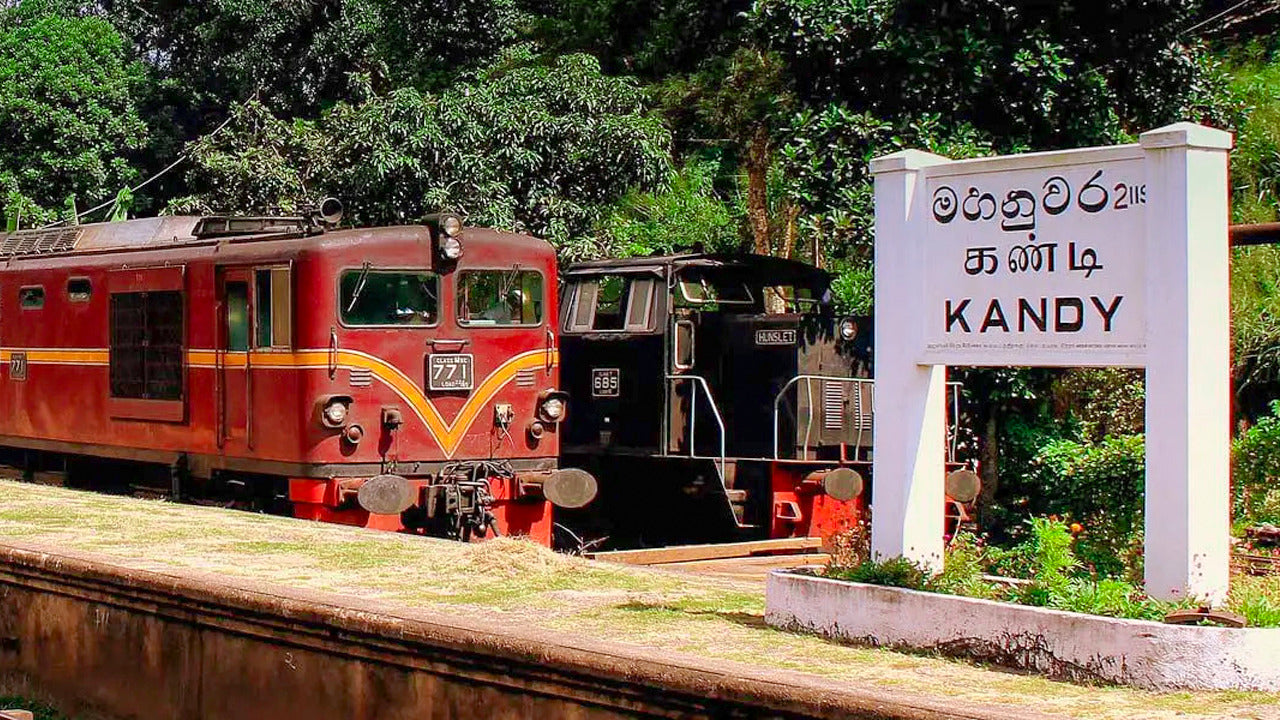
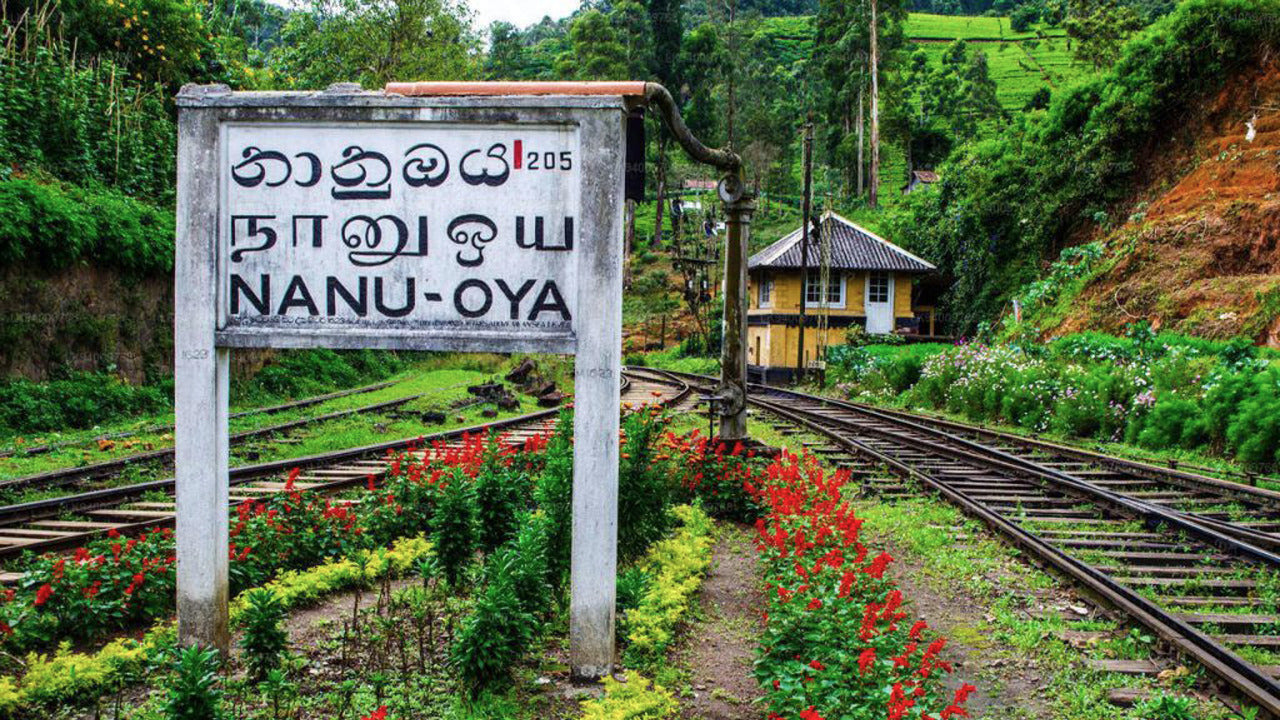
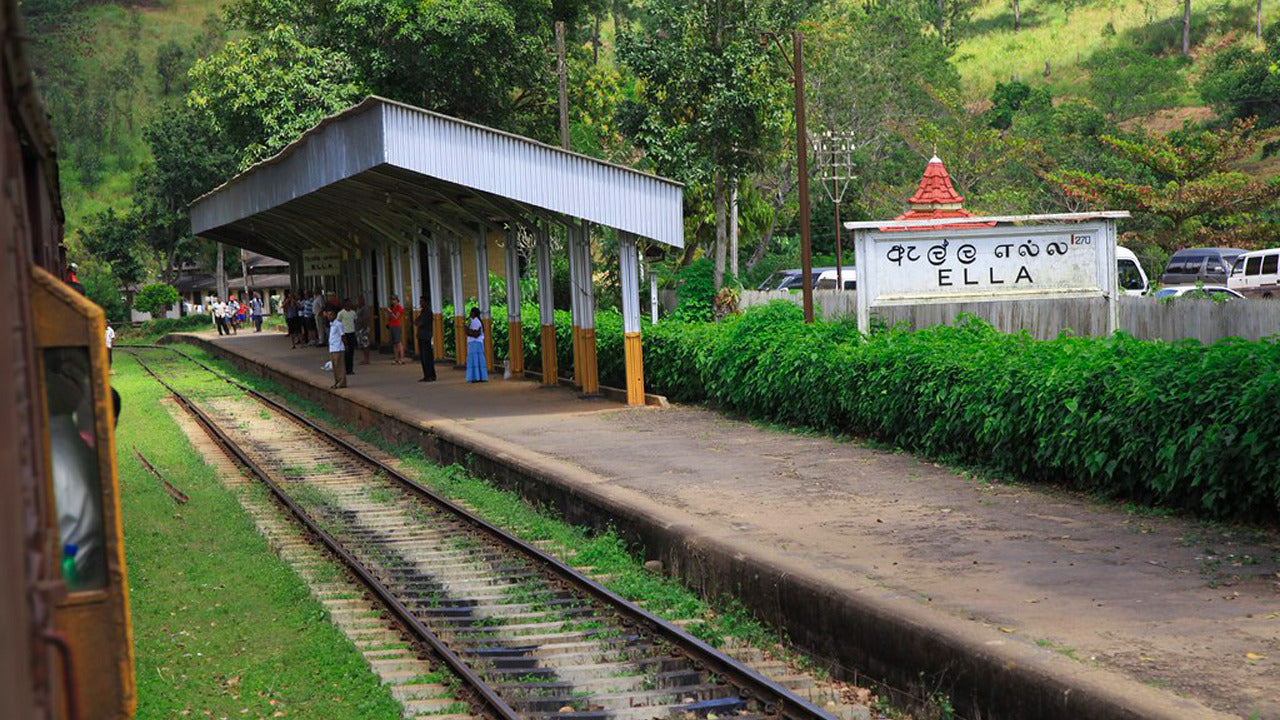
- Kandy to Ella (via Nanu Oya) — Widely considered one of the most scenic rail journeys in the world. The line climbs through tea gardens, skirts the edge of Horton Plains National Park, and descends into the valley town of Ella. Named expresses on this route include the Podi Menike (Train 1005/1006), the Udarata Menike (Train 1015/1016), and the Denuwara Menike (Train 1001). The Ella Odyssey (Train 1041) runs a shorter leg between Nanu Oya and Ella and is popular for day-trip travellers.
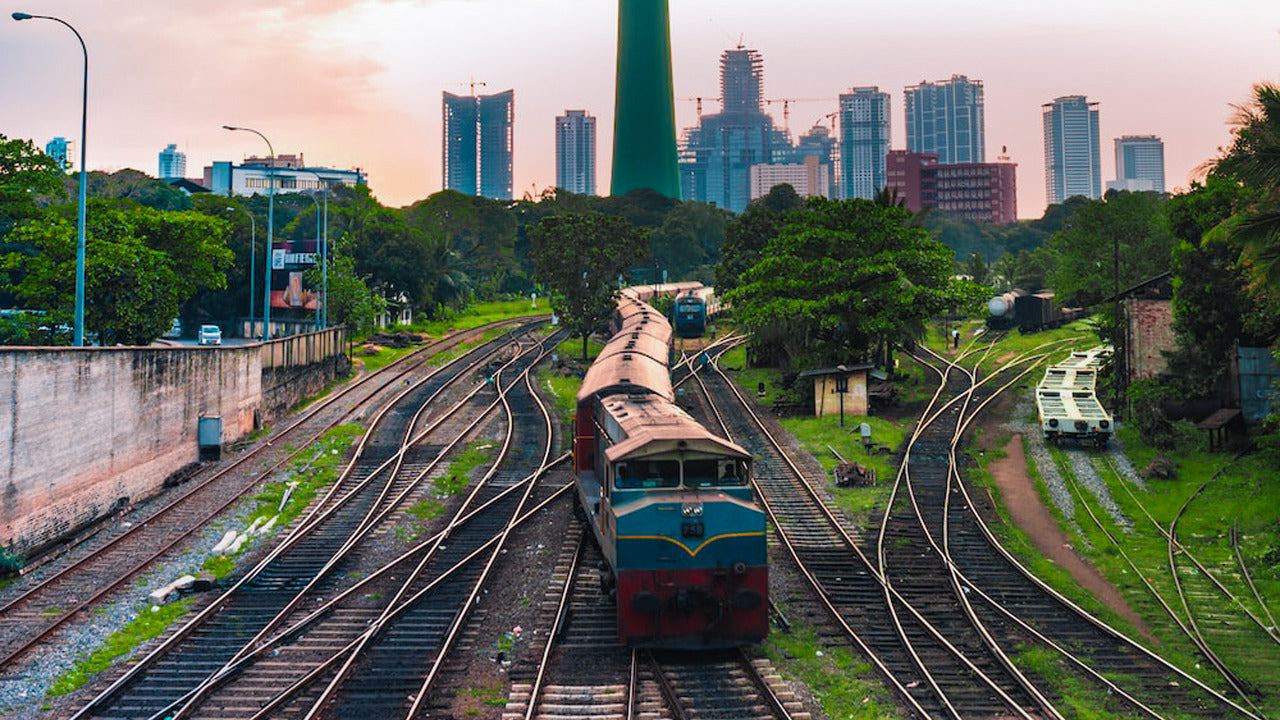
- Colombo Fort to Matara — The coastal line hugs the southwestern shore, giving sea views for much of the journey from the capital south to Matara. This route passes through Colombo's busy suburbs, then opens onto palm-fringed coast and fishing villages.
- Colombo Fort to Vavuniya (Northern Line) — The long northern corridor passes through the dry-zone plains, offering a different visual register: flat scrubland, ancient tanks, and the red-earth landscape of the North Central Province.
Which train class should I book?
Sri Lanka Railways offers three classes on most intercity routes. The choice shapes the experience considerably:
| Class | Description | Best for |
|---|---|---|
| First Class (Observation Saloon) | Air-conditioned or open saloon, reserved seats, panoramic windows. Available on selected expresses. | Comfort-focused travellers who want guaranteed window seats |
| Second Class | Reserved or unreserved seating, fans, open windows. The most popular choice for visitors. | Authentic atmosphere with a reasonable level of comfort |
| Third Class | Unreserved wooden or bench seating, often crowded on popular routes. | Very short journeys or travellers comfortable with local conditions |
On the Kandy–Ella route, observation saloon seats and second-class reserved seats sell out weeks in advance during peak season (December to April). Booking early through a reliable local operator avoids the frustration of arriving at the counter to find the journey fully reserved.
When is the best time to take a hill-country train journey?
The Central Highlands are pleasant year-round, but visibility and comfort vary by season. The period from December through April tends to offer clearer skies and drier conditions on the main hill-country routes, making it ideal for photography and open-window travel. Between May and September the southwest monsoon brings heavy rain to the highlands, though the landscape turns intensely green and waterfalls run full — a different but equally compelling scene. October and November see the inter-monsoon period, with occasional afternoon showers but generally manageable conditions.
What should I expect along the Kandy to Ella route?
Leaving Kandy, the line climbs steadily into cool air and the landscape transitions within an hour from lowland forest to managed tea estates. Stations at Hatton, Nanu Oya (the railhead for Nuwara Eliya), and Haputale punctuate the journey and allow short breaks. Between Haputale and Ella the train descends through one of its most celebrated stretches: a sequence of curves, small bridges, and open drops into the valley that draws photographers to the carriage doors. The nine-arch bridge near Ella, though visible from the road rather than the train itself, is often the highlight of the stop.
Along the way, vendors board at stations selling short-eats, fresh fruit, and sweet tea in small glasses — eating as you travel is part of the experience rather than an afterthought.
How do I get train tickets in Sri Lanka?
Tickets can be purchased at any Sri Lanka Railways station counter, though queues at Colombo Fort and Kandy can be long. Online booking through the official Sri Lanka Railways website is available for some trains, though the system occasionally experiences availability issues for foreign-issued cards. Booking through a Sri Lankan destination management company is the most reliable route for visitors who want reserved seats on specific trains without spending time at the counter. Lakpura handles train reservations as part of broader itineraries and also sells individual route tickets for travellers who prefer to arrange their own schedule.
Can I combine a train journey with other experiences?
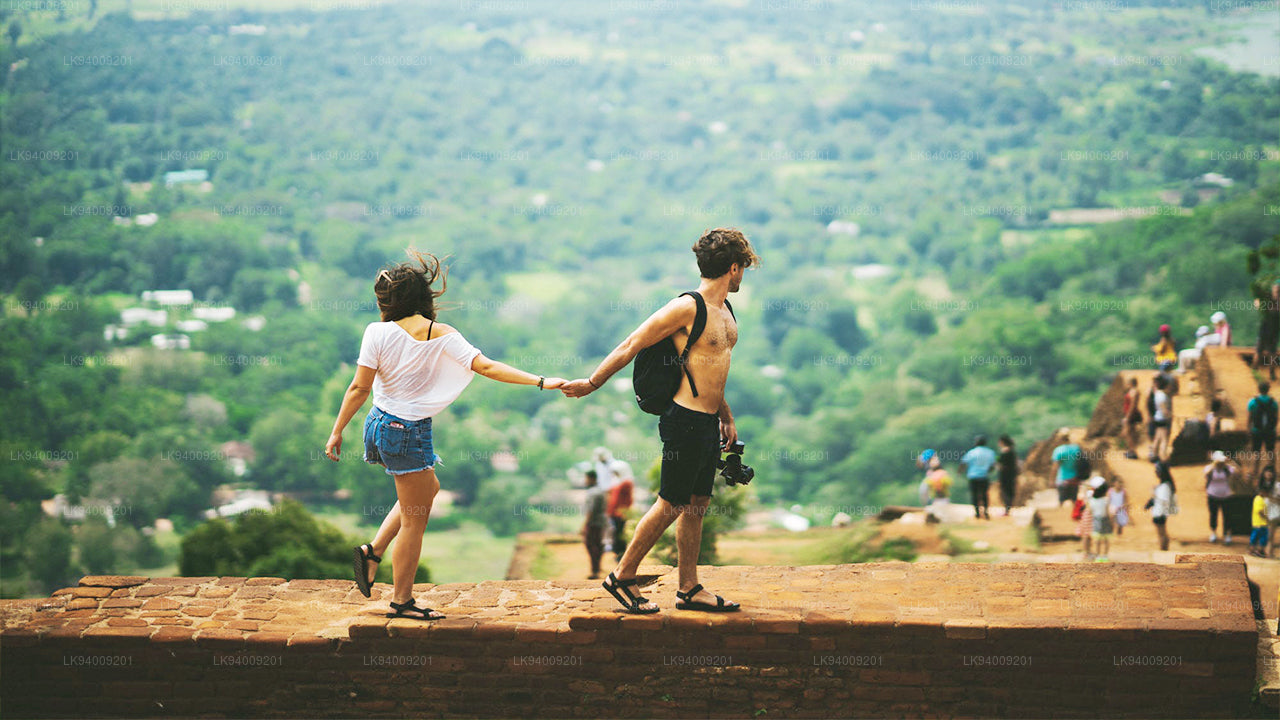
The rail network connects naturally with Sri Lanka's most popular destinations, making it straightforward to pair train travel with other activities. A Kandy city tour works well as the start of a hill-country rail itinerary. Travellers continuing south after the highlands can pick up the coastal line toward Galle for a Galle city tour and the Dutch-colonial fort. For those drawn to nature, the hill-country routes pass within reach of the Sinharaja Forest Reserve, one of Sri Lanka's last lowland rainforests and a UNESCO World Heritage Site.
Multi-day rail tours — covering the Cultural Triangle, the highlands, and the south coast on a single itinerary — are among the most rewarding ways to experience the island's full range of environments and cultures without backtracking by road.
Practical tips for train travel in Sri Lanka
- Book reserved seats in advance, especially for the Kandy–Ella segment during school holidays and the December–April peak.
- Sit on the right side of the train (facing the direction of travel) between Kandy and Nanu Oya for the best valley views; swap to the left after Nanu Oya toward Ella.
- Arrive at the platform early — trains sometimes depart ahead of schedule from intermediate stations.
- Carry small denomination rupee notes for snacks purchased from platform vendors.
- Dress in layers on highland routes — temperature drops noticeably above 1,500 metres, and open windows amplify the chill.
- Keep camera gear accessible: the light changes fast as the train moves between tea-covered ridges and open valleys.