أنورادابورا

أنورادابورا هي مدينة في مقاطعة أنورادابورا التابعة لـ إقليم الشمال الأوسط في سري لانكا. تأسست هذه المدينة المقدسة حول قطعة من "شجرة التنوير"، شجرة التين التي نال تحتها بوذا الاستنارة، والتي جلبتها سانغاميتا، مؤسسة نظام الراهبات البوذيات، في القرن الثالث قبل الميلاد. كانت أنورادابورا عاصمة سياسية ودينية مزدهرة لمدة 1300 عام، قبل أن تُهجر بعد غزو عام 993. وبعد أن ظلت مخفية لسنوات وسط الغابات الكثيفة، أصبح الموقع المهيب بآثاره من القصور والأديرة والمعالم متاحًا للزيارة مرة أخرى.

اليوم تُعد أنورادابورا واحدة من أكثر المدن قدسية لدى البوذيين حول العالم، وتمتلئ بالداياغابا القديمة، والأديرة، والقصور، والخزانات المائية الاصطناعية، والحدائق الملكية. وبسبب آثار الحضارة السريلانكية القديمة فيها، صنفتها اليونسكو موقع تراث عالمي في عام 1982 تحت اسم المدينة المقدسة لأنورادابورا.

البوذية في أنورادابورا

كانت أنورادابورا مركزًا فكريًا رئيسيًا للبوذية الثيرافادية المبكرة، وموطنًا لفلاسفة بوذيين بارزين مثل بوداغوسا. وخلال عهد الملك دهاتوسينا (455-473)، تمت مراجعة شريعة البوذية الثيرافادية، وفي الوقت نفسه بُنيت 18 فيهارا (مجمعًا معبديًا)، وأقيم تمثال لماهيندا، الأمير الراهب الهندي الذي جلب البوذية إلى الجزيرة. وفي أواخر فترة أنورادابورا، قدمت العائلة المالكة والنبلاء في سريلانكا دعمًا كبيرًا للبوذية بتمويل الأعمال الفنية والتبرع بها للمعابد. وفي المقابل، كان المعبد والمجتمع البوذي المحلي يدعمون حكم الملك.

أماكن مميزة في أنورادابورا:

شجرة سيري ماها بوهدي: تُعد هذه الشجرة المقدسة في أنورادابورا من نسل شجرة البودي الأصلية التي نال تحتها بوذا الاستنارة. وهي رمز للتنوير وموقع حج رئيسي.

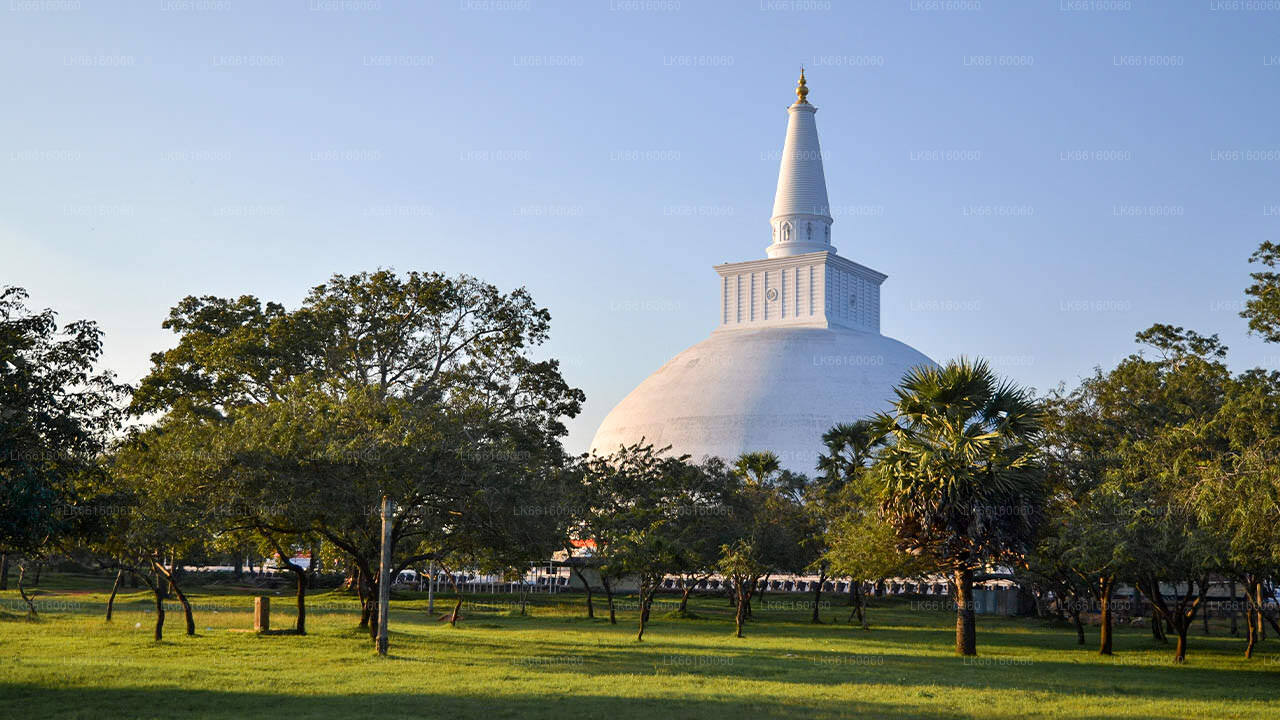
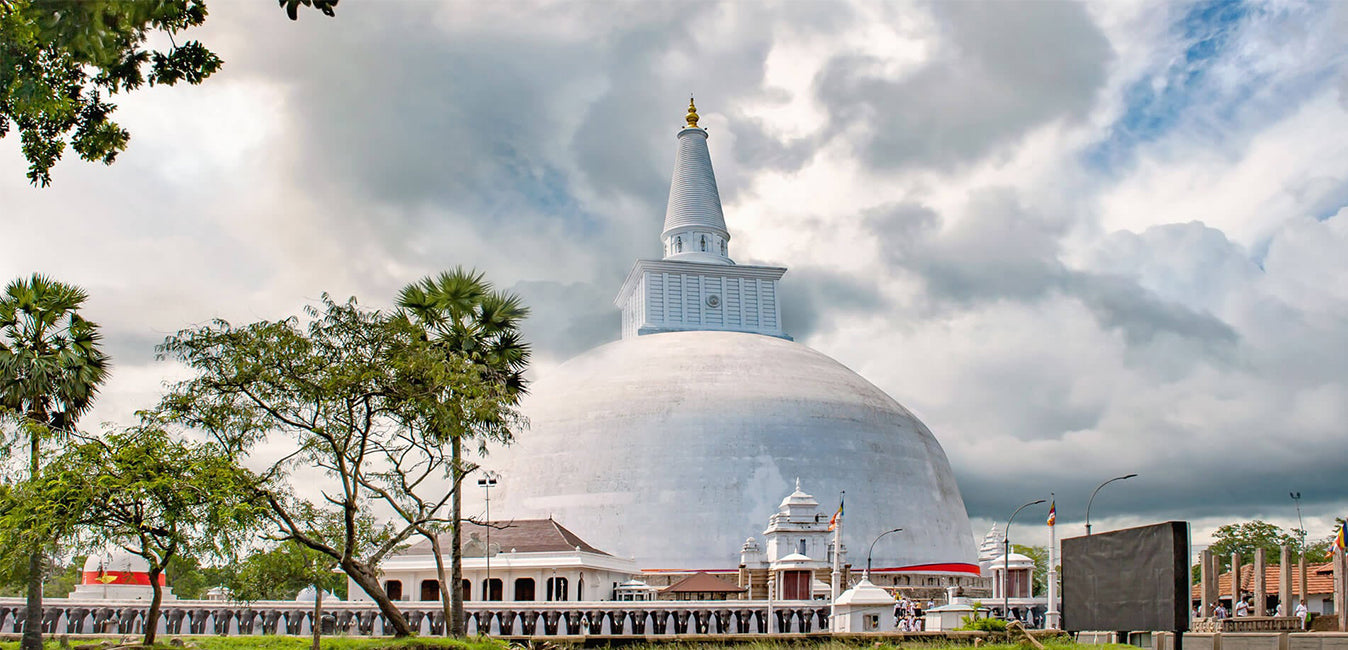
رووانويلي سيّا: المعروف أيضًا باسم الداغابا العظيم، وهو أحد أكبر الستوبات في سريلانكا. يضم رفاتًا بوذية ويعتبر موقعًا مهمًا للعبادة.

ثوبارامايا: يُعد أقدم ستوبا في سريلانكا ويضم رفاتًا لبوذا. يتميز بتصميم معماري فريد ويُعد موقعًا تاريخيًا مهمًا.

لوفاماهابايا: المعروف أيضًا باسم القصر النحاسي، وهو موقع أثري مهم كان جزءًا من مجمع رهباني ويعرض هندسة معمارية قديمة مميزة.

أبهاياغيري داغابا: هذا الستوبا الضخم كان جزءًا من دير أبهاياغيري ولعب دورًا مهمًا في نشر البوذية في سريلانكا. يشتهر بحجمه الكبير وأهميته التاريخية.

جيتافانارامايا: كان في الماضي واحدًا من أطول الهياكل في العالم القديم. يضم هذا الستوبا رفاتًا بوذية ويُعد إنجازًا هندسيًا مذهلًا وموقعًا مهمًا للحج.

ميريساويتي ستوبا: يرتبط هذا الستوبا بأسطورة الملك دوتوغمونو، ويرمز إلى توحيد سريلانكا ويعتبر موقعًا مهمًا للعبادة.

لانكاراما: يتميز هذا الستوبا الدائري بتصميم معماري فريد ويُعد جزءًا من مجمع رهباني قديم. وهو مكان هادئ للتأمل ويحمل قيمة تاريخية.

  • Jaya Sri Maha Bodhi is a sacred bo tree in the Mahamewna Gardens, Anuradhapura, Sri Lanka. It is the southern branch from the historical Sri Maha Bodhi at Buddha Gaya in India under which Buddha attained Enlightenment. It was planted in 288 BC, and is the oldest living human-planted tree in the world with a known planting date.

    Sri Maha Bodhiya 
  • The Ruwanweli Maha Seya, also known as the Mahathupa (the Great Thupa) is a stupa (a hemispherical structure containing relics) in Anuradhapura, Sri Lanka. Two quarts or one Dona of the Buddha's relics are enshrined in the stupa, making it the largest collection of his relics anywhere. It was built by Sinhalese King Dutugemunu in c. 140 B.C., who became king of Sri Lanka after a war in which the Chola King Elāra (Ellalan) was defeated.

    Ruwanweliseya 
  • Thuparamaya is the first Buddhist temple that was constructed, after the arrival of mahinda thero(mahindagamanaya) in Sri Lanka. Located in the sacred area of Mahamewna park, the Thuparamaya Stupa is the earliest Dagoba to be constructed in the island, dating back to the reign of King Devanampiya Tissa (247-207 BC). The temple has been formally recognised by the Government as an archaeological site in Sri Lanka.

    Thuparamaya 
  • Lovamahapaya is a building situated between Ruwanweliseya and Sri Mahabodiya in the ancient city of Anuradhapura, Sri Lanka. It is also known as the Brazen Palace or Lohaprasadaya because the roof was covered with bronze tiles. In ancient times, the building included the refectory and the uposathagara (Uposatha house).

    Lovamahapaya 
  • Abhayagiri Vihāra was a major monastery site of Mahayana, Theravada and Vajrayana Buddhism that was situated in Anuradhapura, Sri Lanka. It is one of the most extensive ruins in the world and one of the most sacred Buddhist pilgrimage cities in the nation.

    Abhayagiri Stupa 
  • The Jetavanarama stupa or Jetavanaramaya is a stupa, or Buddhist reliquary monument, located in the ruins of Jetavana monastery in the UNESCO world heritage city of Anuradhapura, Sri Lanka. At 122 metres (400 ft), it was the world's tallest stupa, and the third tallest structure in the world when it was built by King Mahasena of Anuradhapura (273–301).

    Jetavanaramaya 
  • The Mirisaweti Stupa is a memorial building, a stupa, situated in the ancient city of Anuradhapura, Sri Lanka. King Dutugamunu (161 BC to 137 BC) built the Mirisaveti Stupa after defeating King Elara. After placing the Buddha relics in the sceptre, he had gone to Tissa Wewa for a bath leaving the sceptre.

    Mirisawetiya Stupa 
  • Lankarama is a stupa built by King Valagamba, in an ancient place at Galhebakada in the ancient kingdom of Anuradhapura, Sri Lanka. Nothing is known about the ancient form of the stupa, and later this was renovated. The ruins show that there are rows of stone pillars and it is no doubt that there has been a house built encircling the stupa (vatadage) to cover it.

    Lankarama 
  • Isurumuniya is a Buddhist temple situated near to the Tissa Wewa (Tisa tank) in Anuradhapura, Sri Lanka. There are four carvings of special interest in this Vihara. They are the Isurumuniya Lovers, Elephant Pond and The Royal Family. The ancient Meghagiri Vihara or Meygiri Vihara is presently identified as the Isurumuni Vihara.

    Isurumuniya 

Anuradhapura District

Anuradhapura is belongs to the North Central Province in to Sri Lanka. Anuradhapura is one of the ancient capitals of Sri Lanka, famous for its well-preserved ruins of ancient Lankan civilization. The city, now a UNESCO World Heritage Site, lies 205 km north of the current capital Colombo in Sri Lanka.

In the sacred city of Anuradhapura and in the vicinity are a large number of ruins. The ruins consist of three classes of buildings, dagobas, monastic buildings, and pokuna (ponds). The city had some of the most complex irrigation systems of the ancient world, situated in the dry zone of the country the administration built many tanks to irrigate the land. Most of the civilians are Sinhala, while Tamils and Sri Lankan Moors live in the district.

North Central Province

North Central Province which is the largest province in the country covered 16% of total country's land area. North Central Province consist two districts called Polonnaruwa and Anuradhapure. Anuradhapura is the largest district in Sri Lanka. Its area is 7,128 km².

North Central Province has numerous potentials for Investors to start their Businesses, especially Agriculture, agro based industries and Livestock sectors. More than 65% of North Central Province's people depend on basic Agriculture and agro base industries. NCP also called "Wew Bendi Rajje" because there are more than 3,000 medium and large scale tanks situated in the province. Sri maha bodiyaRuwanweli seyaThuparama dagebaAbayagiri MonastryPolonnaruwa Rankot weheraLankathilake are Sacred
landmarks.