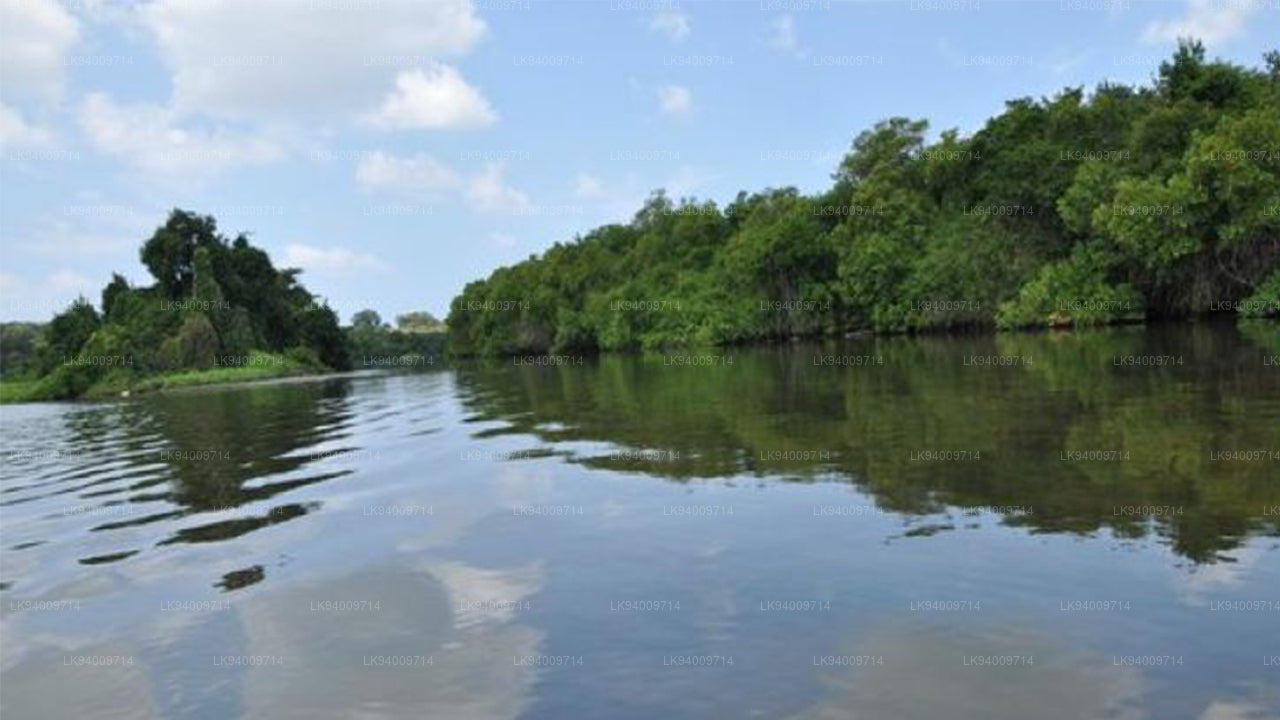
نهر غال أويا


غالي أويا هو أحد الأنهار الرئيسية في سريلانكا في المقاطعة الشرقية، ينبع من المناطق الجبلية الوسطى ويتدفق عبر المنطقة الجافة قبل أن يصل إلى البحر بالقرب من بحيرة باتيكالو. يعد هذا النهر حيويًا للأنشطة الزراعية، حيث يوفر الري والمياه الضرورية لمجتمعات الزراعة في المنطقة. يمر النهر عبر الوديان والسهول والغابات، مما يساهم في الجمال الطبيعي للمنطقة، مما يجعله سمة هامة في مشهد المنطقة.
لعب نهر غالي أويا دورًا مركزيًا في نظم الري في سريلانكا على مدار قرون. يعد النهر حيويًا للاقتصاد الزراعي في المقاطعة الشرقية، حيث يغذي خزانات مثل خزان غالي أويا، الذي يساعد في ري حقول الأرز والمزارع النباتية والأراضي الزراعية الأخرى. يدعم تدفق الماء الثابت في النهر سبل عيش الفلاحين في باتيكالو وأمبارا والمناطق المجاورة، مما يضمن توافر المياه باستمرار طوال الموسم الجاف.
من الناحية البيئية، تدعم حوض نهر غالي أويا مجموعة متنوعة من النباتات والحيوانات. توفر الأراضي الرطبة والمناطق المجاورة للنهر موائل هامة للأسماك العذبة، وطيور المياه، وحيوانات البرية الأخرى. وعندما يدخل النهر المنطقة الساحلية، يغذي بحيرة باتيكالو وغابات المانغروف المحيطة، التي تعد أساسية للتنوع البيولوجي الساحلي والحياة البحرية. تجعل هذه الأراضي الرطبة والأنظمة البيئية الساحلية النهر مصدرًا هامًا للحفاظ على البيئة والسياحة البيئية المستدامة.
ثقافيًا، يعد نهر غالي أويا جزءًا عميقًا من حياة الناس الذين يعيشون على ضفافه. على مر الأجيال، دعم النهر الأنشطة الزراعية ووفّر المياه للاستخدام المنزلي. يعد نهر غالي أويا جزءًا لا يتجزأ من الاقتصاد وطريقة الحياة في المقاطعة الشرقية، وتظل مياهه رمزًا لصمود المنطقة وازدهارها الزراعي.
مخاطر الفيضانات وأهمية الهيدرولوجيا
على الرغم من أن نهر غالي أويا حيوي للزراعة وتوفير المياه، فإنه عرضة للفيضانات خلال فترات الأمطار الغزيرة. إن فهم مخاطر الفيضانات الخاصة بالنهر أمر بالغ الأهمية لإدارة موارد المياه، وحماية الأراضي الزراعية، والحفاظ على المجتمعات التي تعتمد عليه.
- قراءات الهيدرولوجيا الحالية (التقرير الرسمي):
بيانات نهر غالي أويا في التقرير الهيدرولوجي الرسمي غير متوفرة. النهر غير مدرج في محطات تقارير الفيضانات المتاحة. - حساسية حوض النهر: الأمطار الغزيرة في المناطق الجبلية الوسطى يمكن أن تؤدي إلى جريان سريع، مما يزيد من مستويات المياه في النهر في المنبع، خصوصًا خلال موسمي الرياح الموسمية الجنوبية الغربية والشمالية الشرقية.
- المناطق المعرضة للفيضانات: المناطق المنخفضة في أمبارا وباتيكالو والمناطق المجاورة معرضة للفيضانات عندما يتضخم النهر ويتجاوز مستويات تدفقه الطبيعية، خاصةً خلال فترات الأمطار الغزيرة.
- تأثير الفيضانات على الزراعة: يمكن أن تؤدي الفيضانات إلى تعطيل أنظمة الري وتدمير المحاصيل، خاصةً حقول الأرز والمزارع النباتية التي تعتمد على تدفق الماء الثابت من النهر.
- بطء تصريف المياه في المناطق الساحلية: مع دخول النهر إلى السهول الساحلية، يتباطأ تدفقه، مما يزيد من خطر الفيضانات المستمرة والتغريق بالمياه، خاصة في المناطق الزراعية بالقرب من بحيرة باتيكالو.
- ضرورة المراقبة: جمع البيانات الهيدرولوجية بشكل منتظم وتحسين أنظمة المراقبة أمر أساسي للتنبؤ بحوادث الفيضانات وتقديم تحذيرات مبكرة للمجتمعات والفلاحين.
- مخاطر الأمطار الموسمية: يعتبر خطر الفيضانات في نهر غالي أويا أعلى خلال موسم الرياح الموسمية، خاصةً خلال الرياح الموسمية الجنوبية الغربية، عندما تؤدي الأمطار في المناطق الجبلية الوسطى إلى زيادات سريعة في مستويات المياه في المصب.
يظل نهر غالي أويا مصدرًا حيويًا للزراعة، وتوفير المياه، والنظم البيئية في سريلانكا في المقاطعة الشرقية. ومع ذلك، فإن خطر الفيضانات، خاصةً خلال موسم الرياح الموسمية، يبرز الحاجة إلى إدارة فعّالة للفيضانات والمراقبة المستمرة لحماية المجتمعات وموارد الزراعة في المنطقة.


-
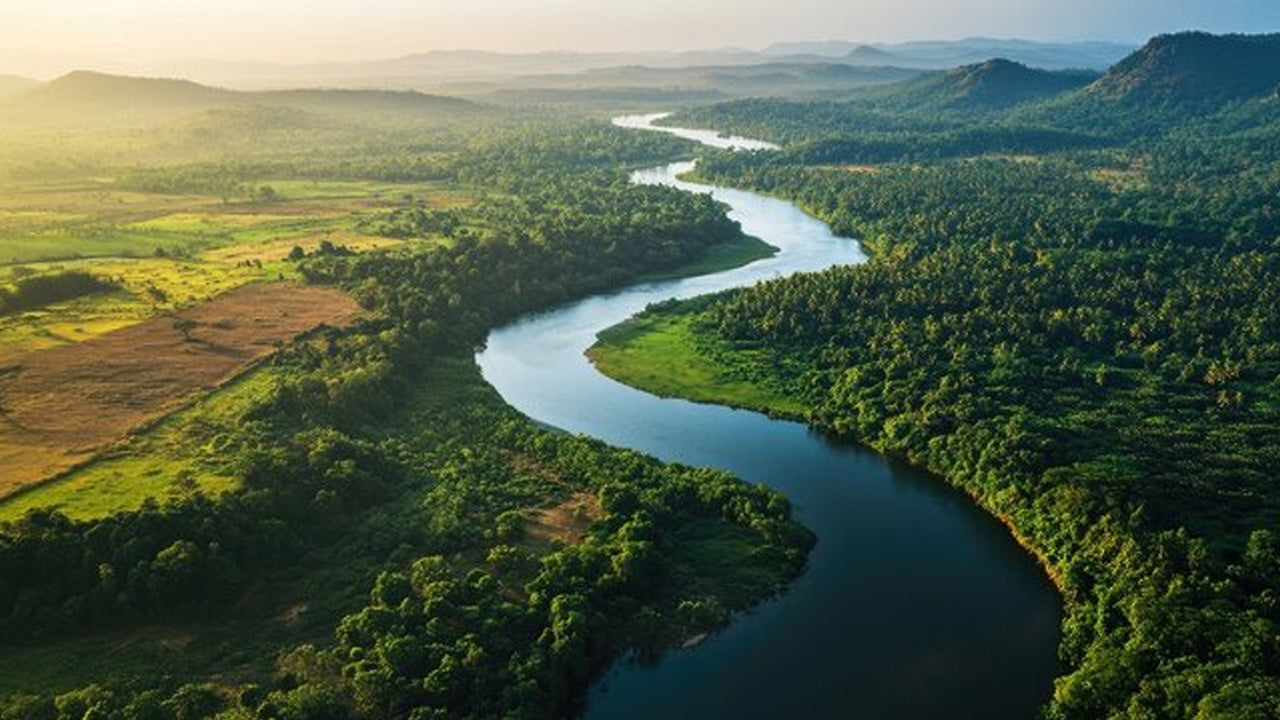 Mahaweli River
Explore the majestic Mahaweli River, Sri Lanka’s longest river, offering serene boat rides and opportunities for birdwatching and nature adventures along its winding course through scenic valleys.
-
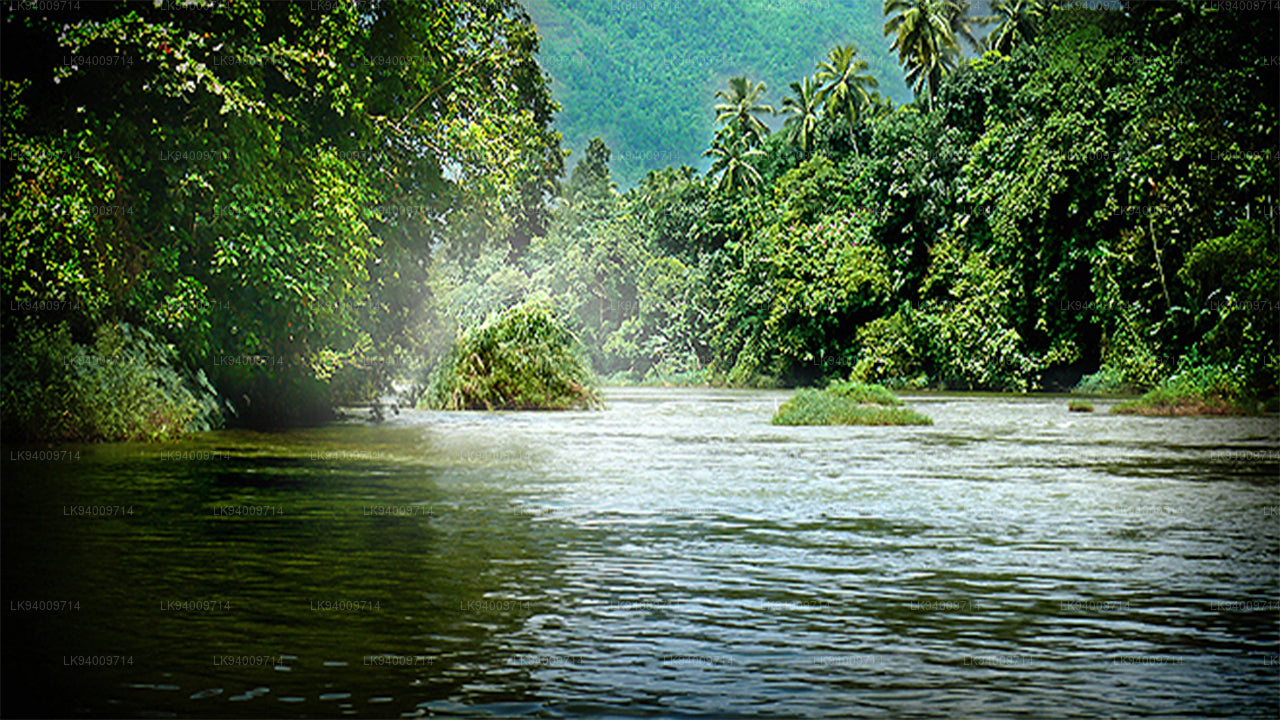 Kelani River
The Kelani River is a 145-kilometre-long (90 mi) river in Sri Lanka. It flows through or borders the Sri Lankan districts of Nuwara Eliya, Ratnapura, Kegalle, Gampaha and Colombo.
-
 Kalu Ganga
Kalu Ganga is a river in Sri Lanka. Measuring 129 km (80 mi) in length. The mountainous forests in the Province and the Sinharaja Forest Reserve are the main sources of water for the river.
-
 Walawe River
The southern region of Sri Lanka is exalted by a bushel of enthralling and glorified rivers and the Walawe River is one of them. Gently flowing through the Udawalawe National Park, the Walawe River provides water for a multitude of species of mesmerising fauna.
-
 Deduru Oya
The Deduru Oya Dam is an embankment dam built across the Deduru River in Kurunegala District of Sri Lanka. Built in 2014, the primary purpose of the dam is to retain approximately a billion cubic metres of water for irrigation purposes, which would otherwise flow out to sea.
-
 Malwathu Oya
The Malvathu River long river in Sri Lanka, connecting the city of Anuradhapura, which was the capital of the country for over 15 centuries, to the coast of Mannar. It currently ranks as the second longest river in the country, with a great historic significance.
-
 Kala Oya
It was around these ancient tank (water storage reservoir) irrigation systems that the economy and human settlements of early Sri Lankan society were organised into a “hydraulic civilization”.
-
 Gal Oya
Discover Gal Oya, a tranquil sanctuary in Sri Lanka, known for its lush landscapes, rich wildlife, and serene boat safaris, offering a peaceful retreat surrounded by nature and wildlife.
-
 Gin Ganga
The Gin Ganga, is a 115.9 km (72 mi) long river situated in Galle District of Sri Lanka. The river's headwaters are located near Deniyaya, bordering the Sinharaja Forest Reserve.
-
 Kirindi Oya
Experience the serene beauty of Kirindi Oya, a tranquil river in Sri Lanka. Enjoy scenic boat rides, lush landscapes, and opportunities for birdwatching, offering a peaceful escape into nature.
-
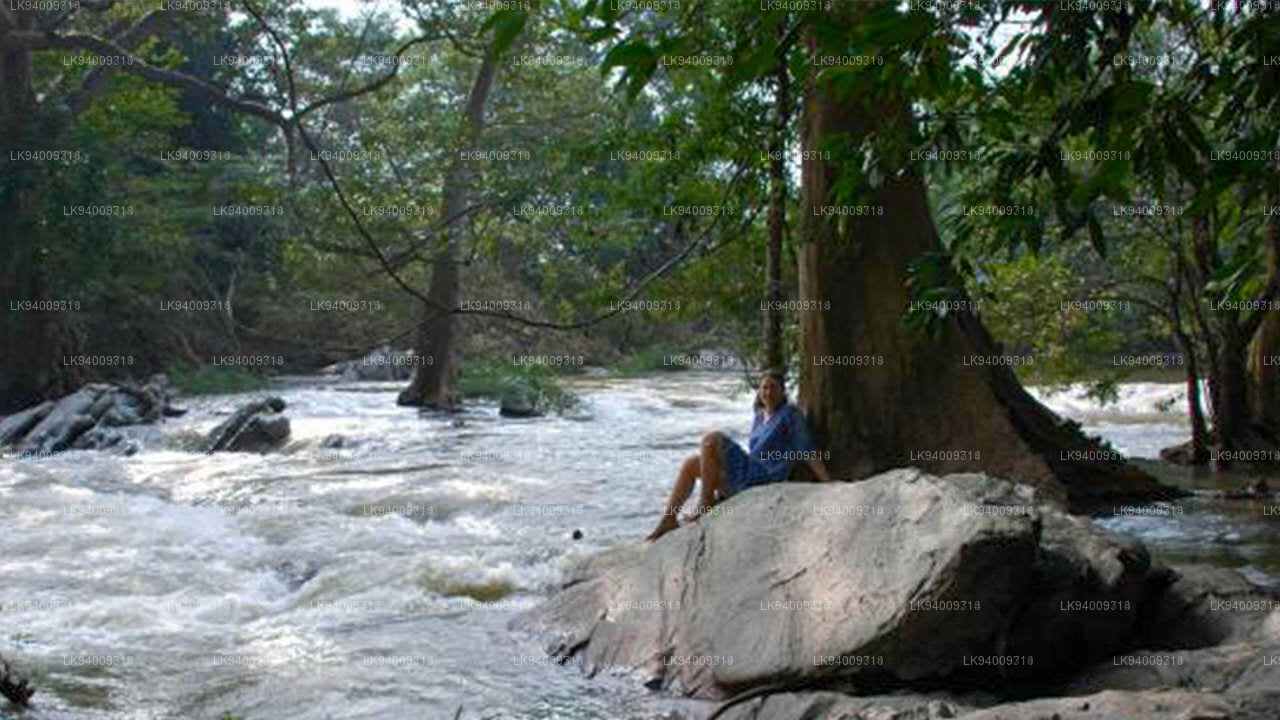 Kumbukkan Oya
The Kumbukkan Oya is the twelfth-longest river of Sri Lanka. It is approximately 116 km (72 mi) long. Its catchment area receives approximately 2,115 million cubic metres of rain per year.
-
 Maduru Oya
The Maduru Oya is a major stream in the North Central Province of Sri Lanka. It is approximately 135 km (84 mi) in length. approximately 3,060 million cubic metres of rain per year
-
 Manik River
Explore the peaceful Manik River, surrounded by lush greenery and rich wildlife. Enjoy scenic boat rides and nature walks, offering a serene and refreshing experience.
-
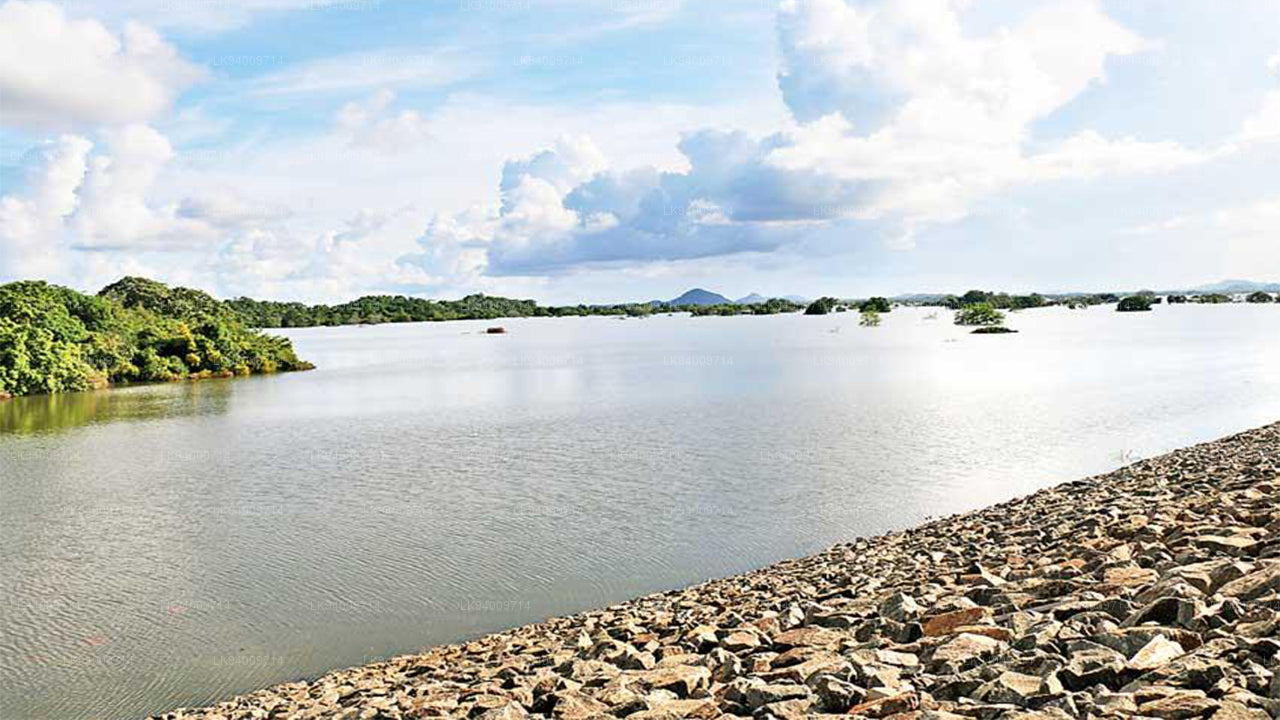 Yan Oya
The Yan Oya, 142 km long and receives 2,371 million cubic meters of rainfall annually, with 17% flowing to the sea. Its catchment area covers 1,520 square kilometers.