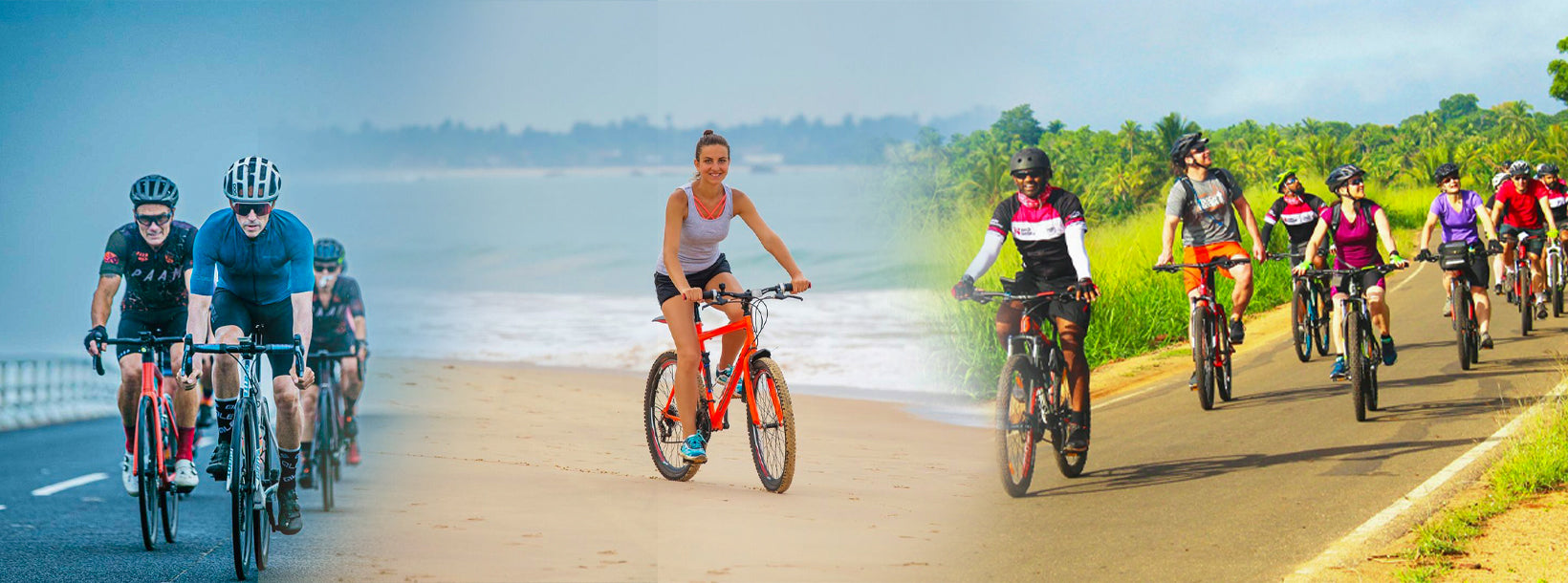
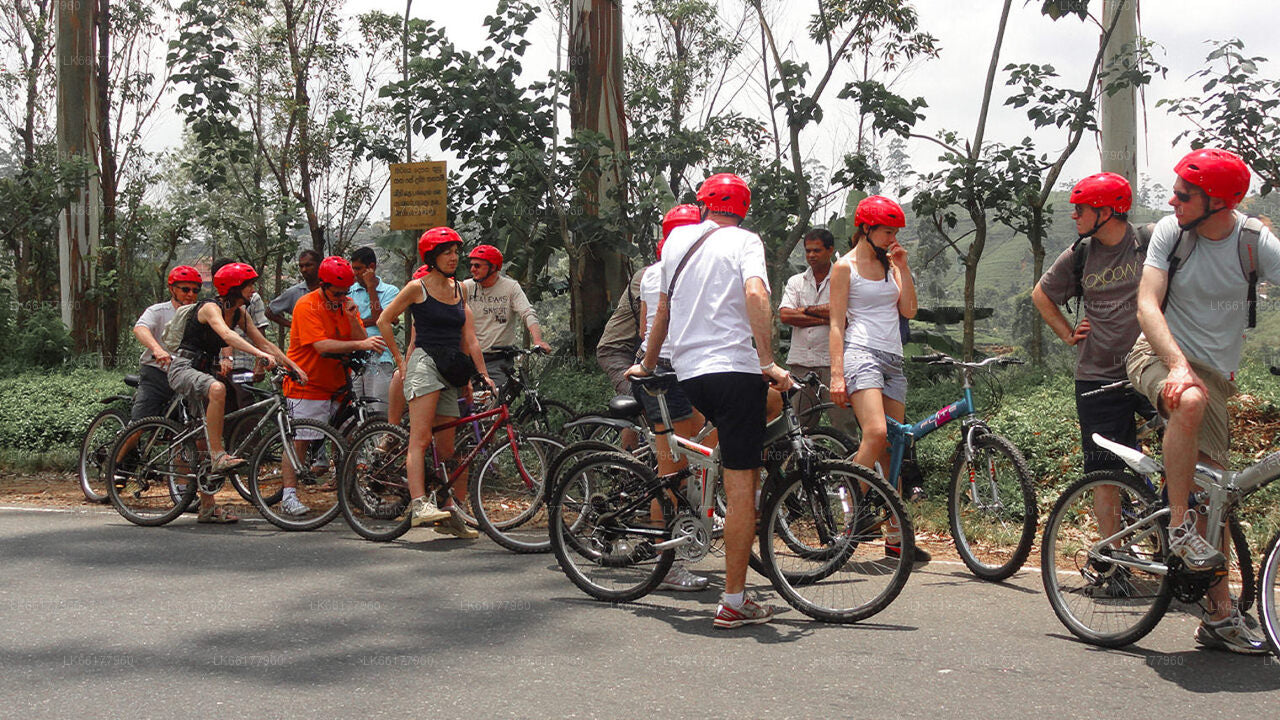
Sri Lanka rewards cyclists in a way few destinations can match. Within a single day's ride you can move from paddy fields stitched between granite outcrops to misty ridgelines cloaked in Ceylon tea — and then descend to a lagoon edged with fishing boats. The island is compact enough that almost every classic region is reachable by two wheels, yet varied enough that no two routes feel alike. Whether you prefer a gentle morning roll through a colonial fort town or a multi-day mountain trail, the road is rarely dull.
What makes Sri Lanka a good destination for cycling?
The island's scale works in a cyclist's favour. Distances between points of interest are manageable, traffic on secondary roads is light, and local communities along the way are genuinely welcoming. Drivers — for the most part — are accustomed to sharing the road with cyclists and tuk-tuks alike. The climate varies significantly by region, which means you can usually find a comfortable zone to ride whatever time of year you visit: the dry, flat north and east suit winter and spring travel, while the hill country is most pleasant between January and April.
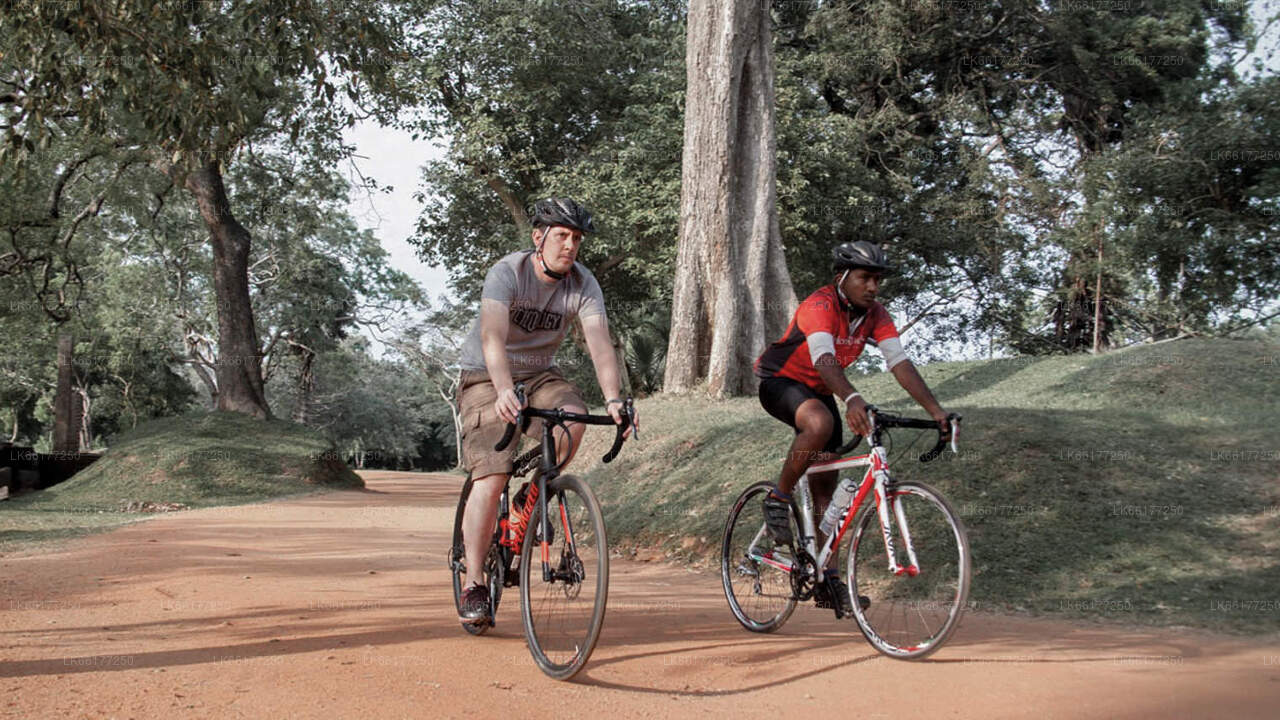
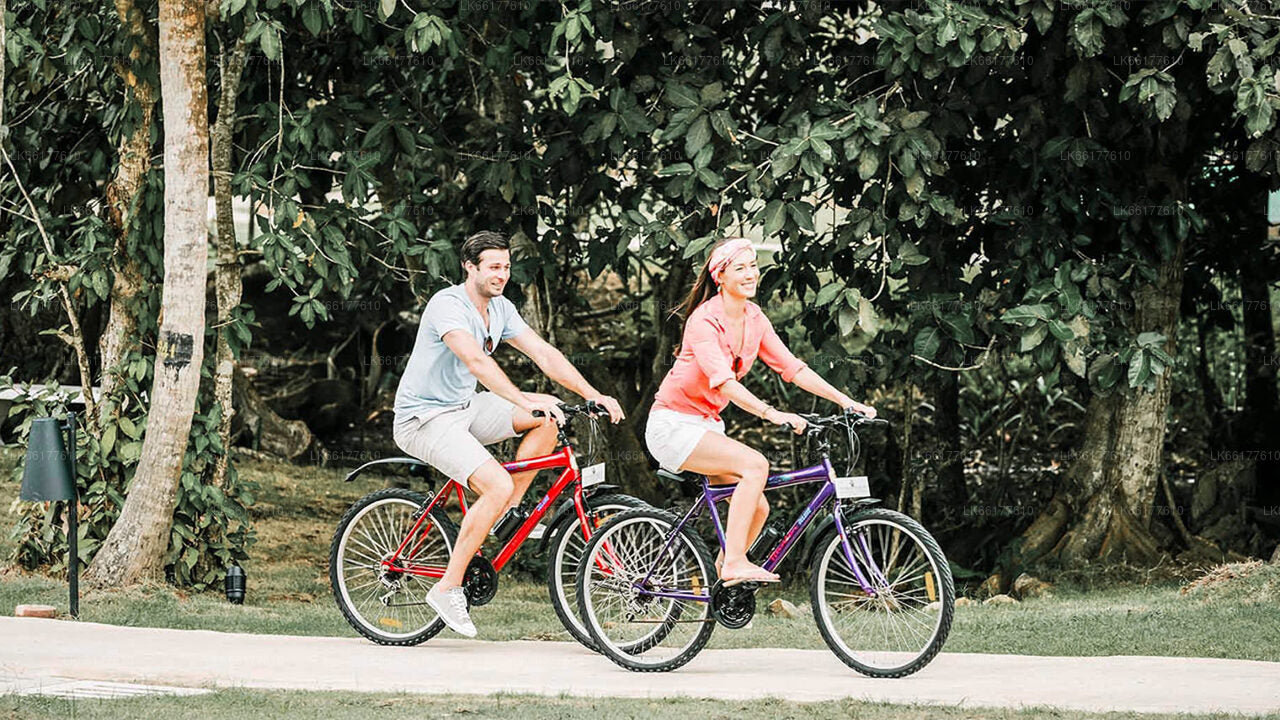
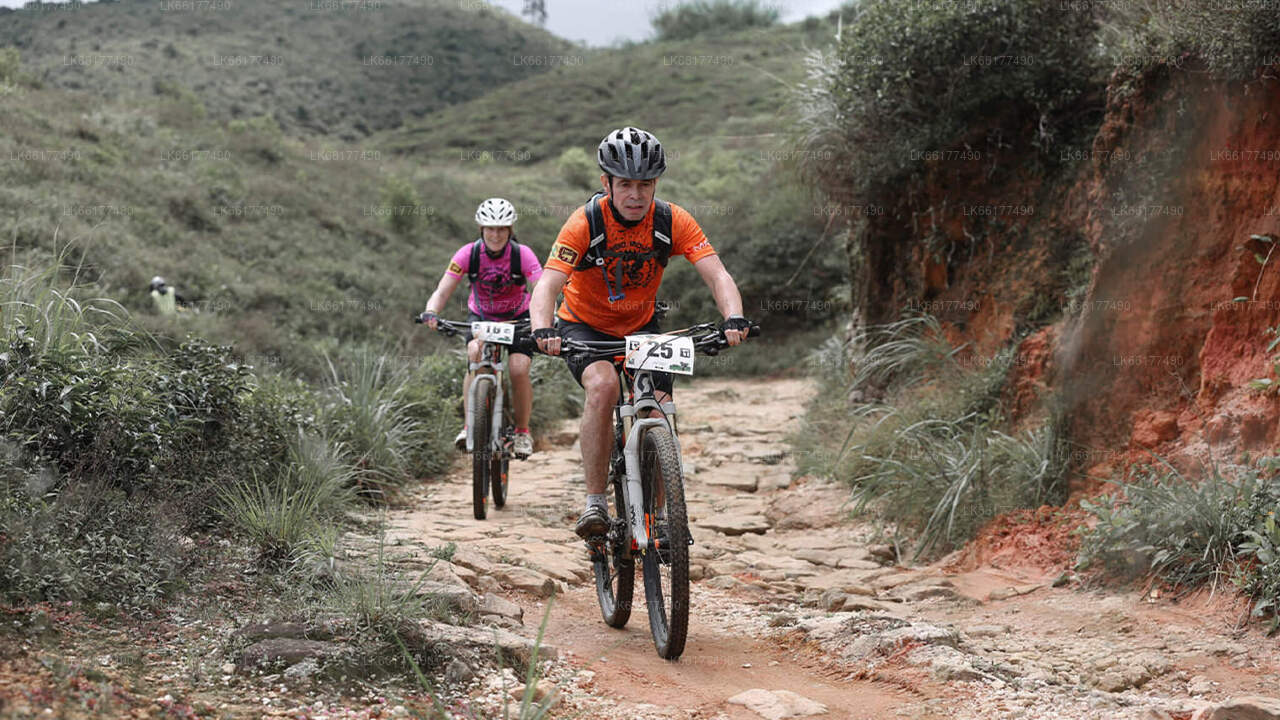
Road surfaces range from smooth tarmac on main routes to red-earth tracks winding through village land. Hybrid and mountain bikes handle both with ease, and most guided operators supply well-maintained bicycles and helmets as standard.
Which cycling routes in Sri Lanka are worth doing?
Routes divide loosely into three zones: the Cultural Triangle in the north-central plains, the Hill Country in the centre and south-centre, and the coastal belt ringing the island.
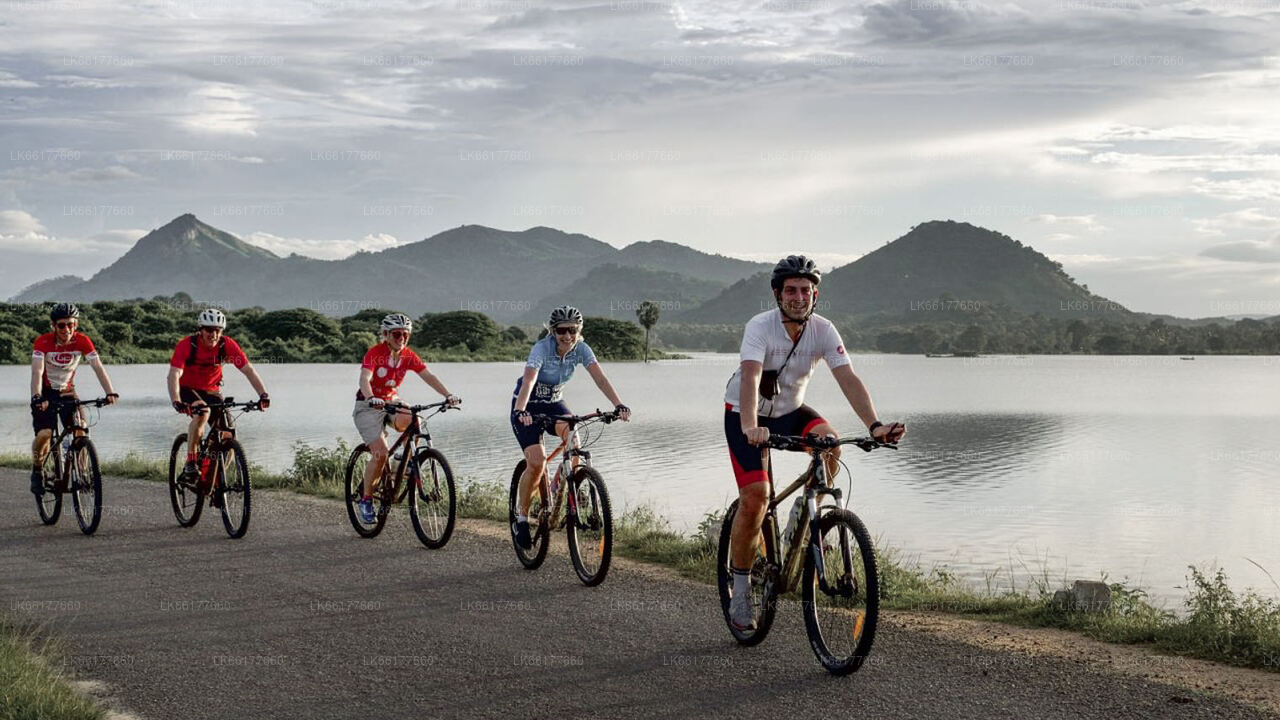
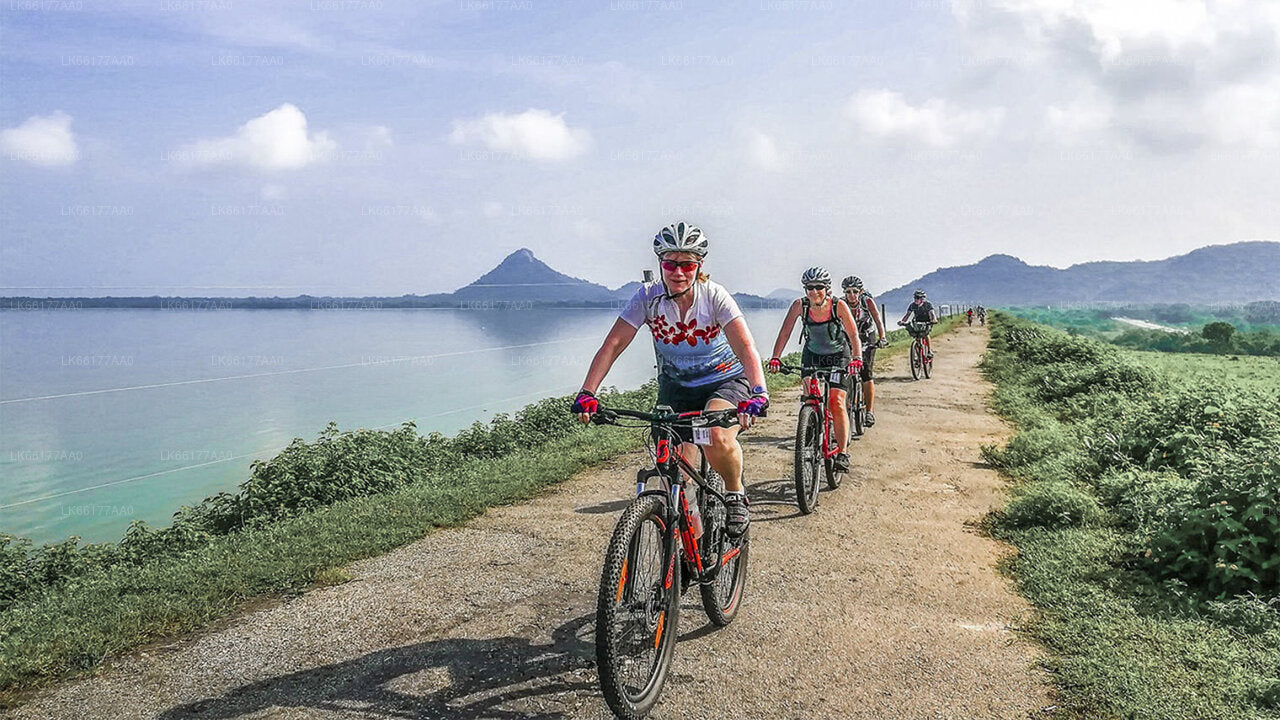
- Cultural Triangle plains — The flat terrain around Anuradhapura and Polonnaruwa makes ancient-city cycling accessible to all fitness levels. You can weave between dagobas, moonstones, and tank (reservoir) embankments with almost no climbing involved. The Mihintale loop from Anuradhapura adds a modest ascent to a sacred hilltop monastery.
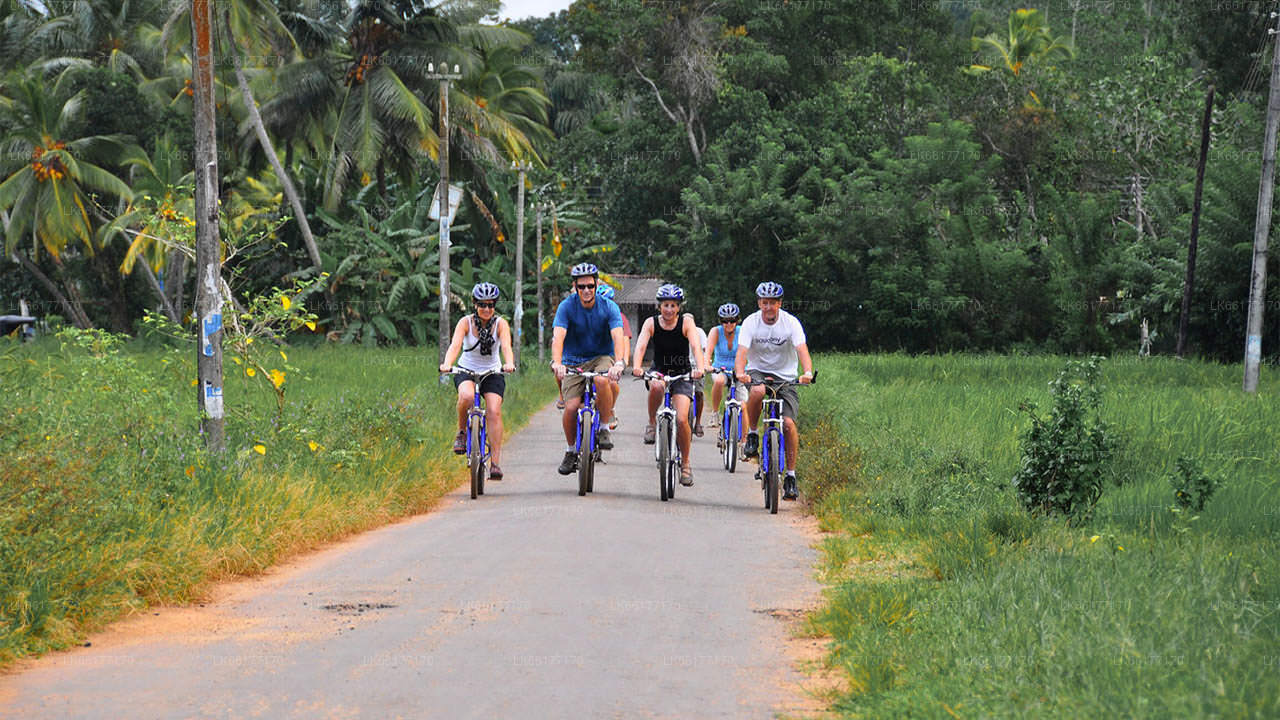
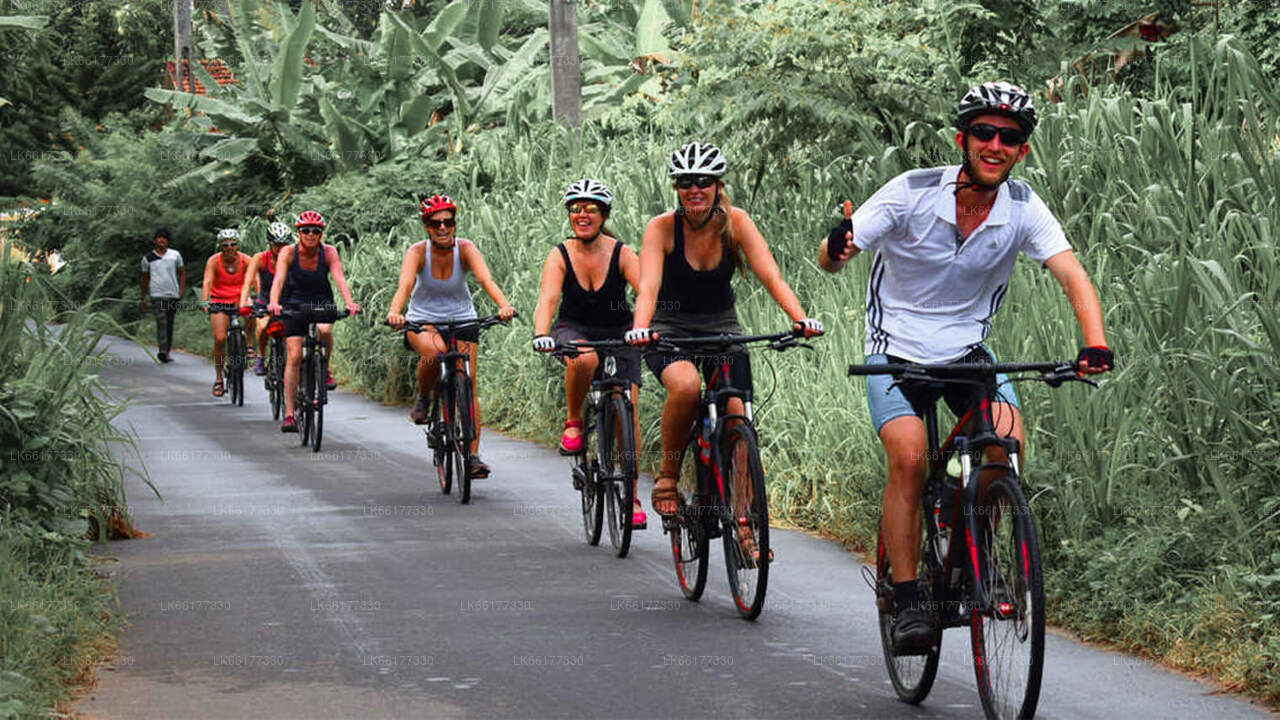
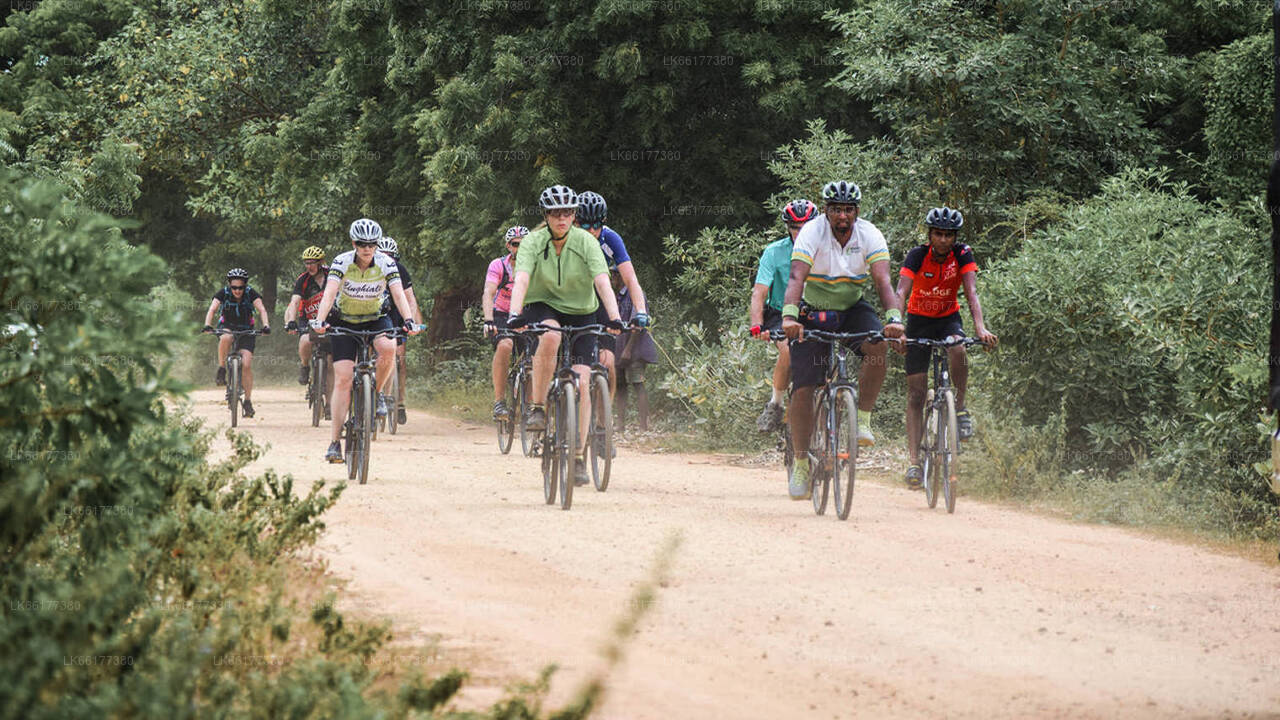
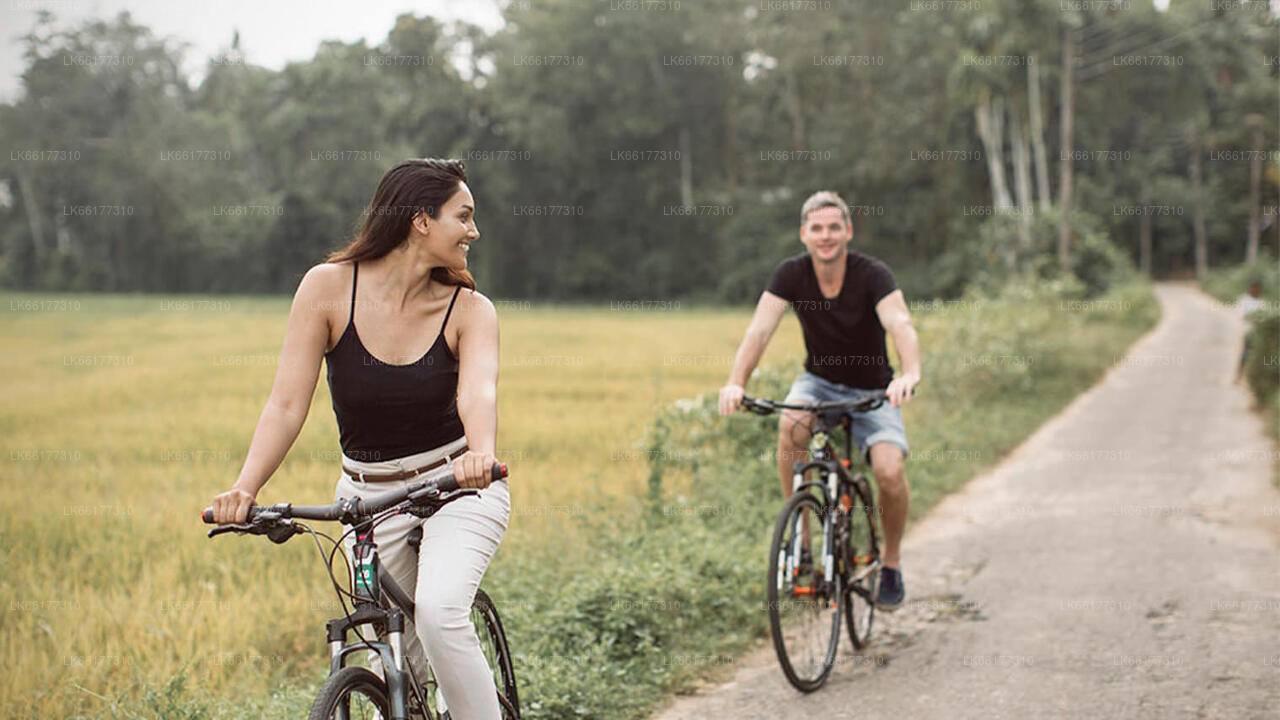
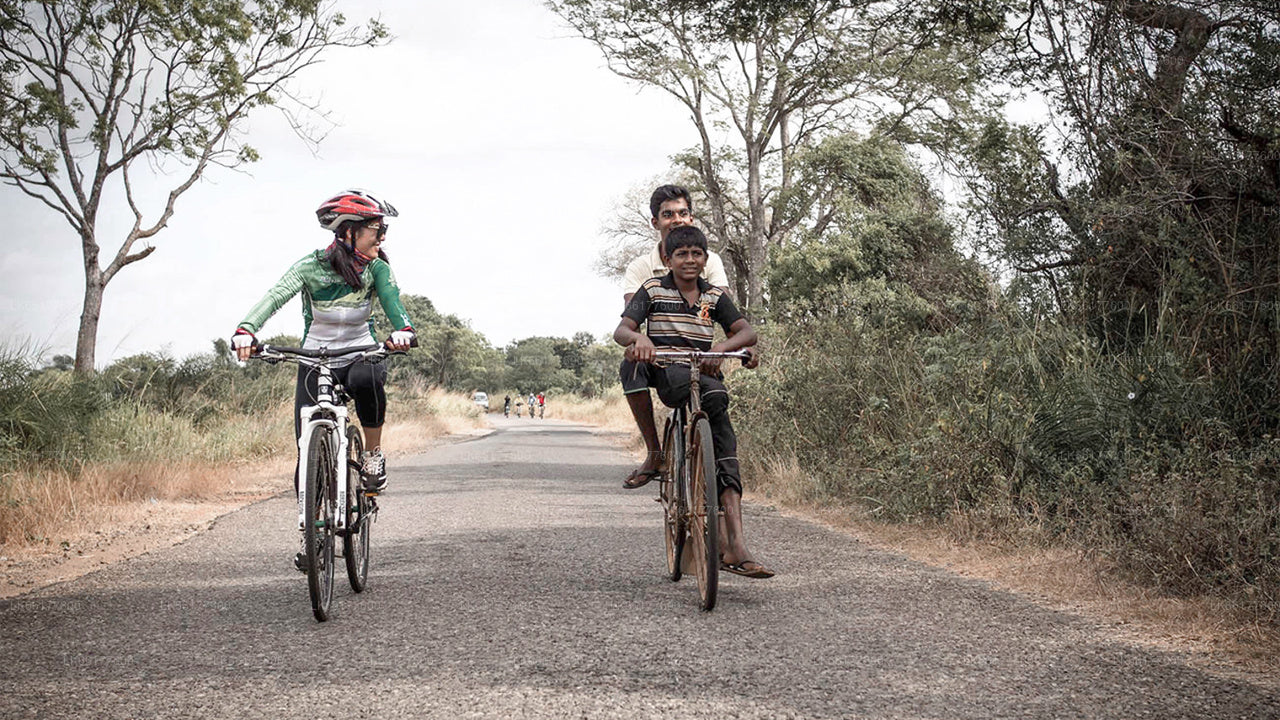
- Sigiriya and the village belt — Roads threading through paddy fields and scrub jungle around Sigiriya Village carry little traffic and pass rural life largely unchanged by tourism. Early morning departures reward riders with bird activity and cool air before the heat builds.
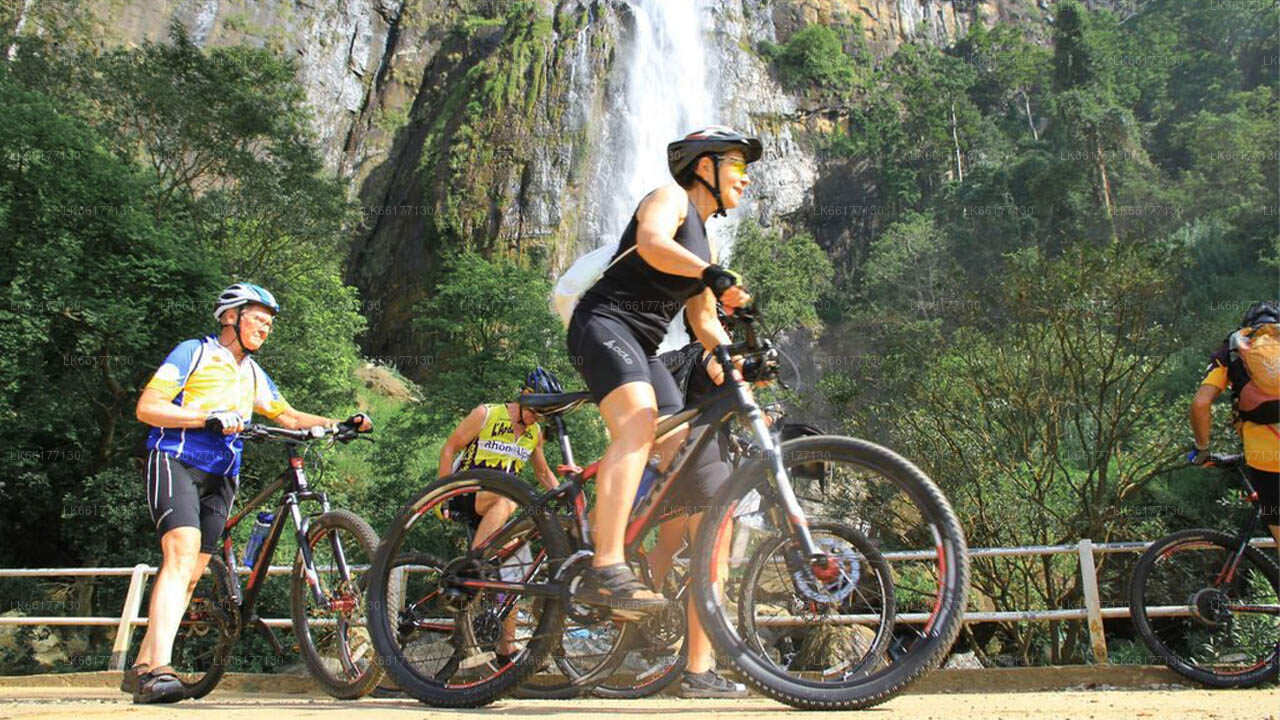
- Ella and the Hill Country — The routes descending from Ella through tea estates combine dramatic valley views with manageable gradients if you start from the ridge and coast downward. The nine-arched bridge and surrounding hillsides see far fewer crowds at dawn, which is when most cycling groups pass through.
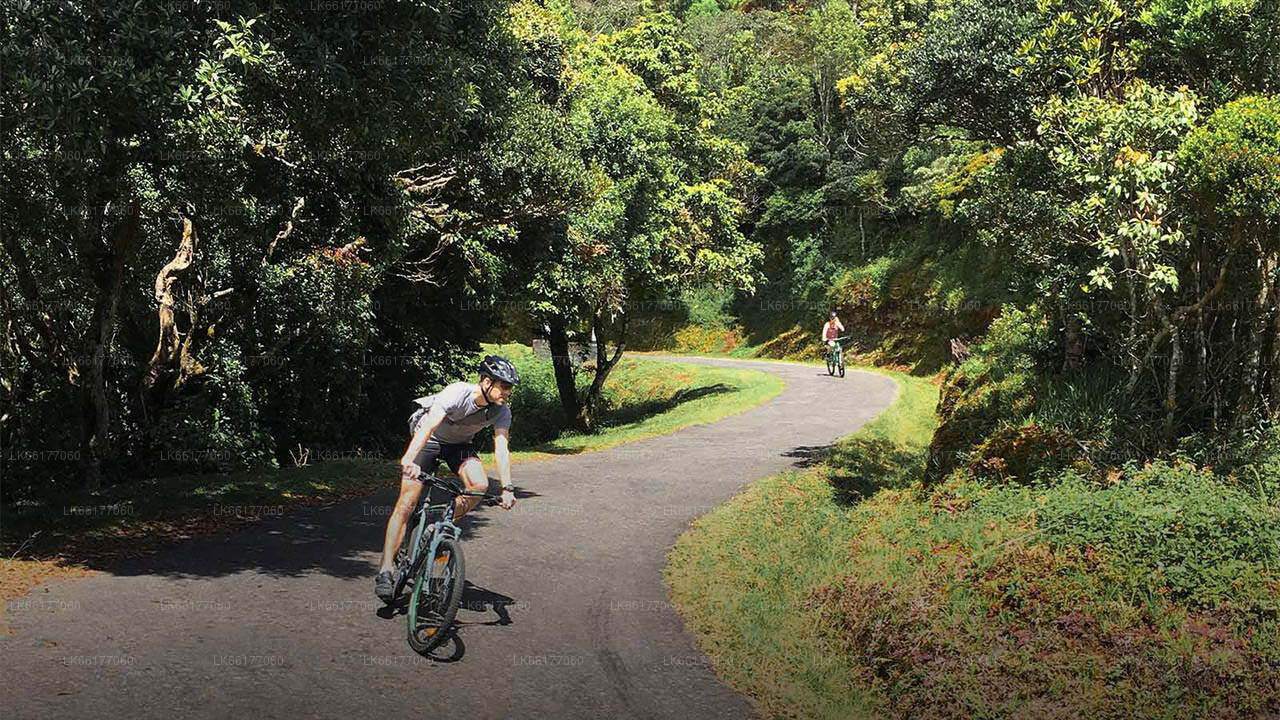
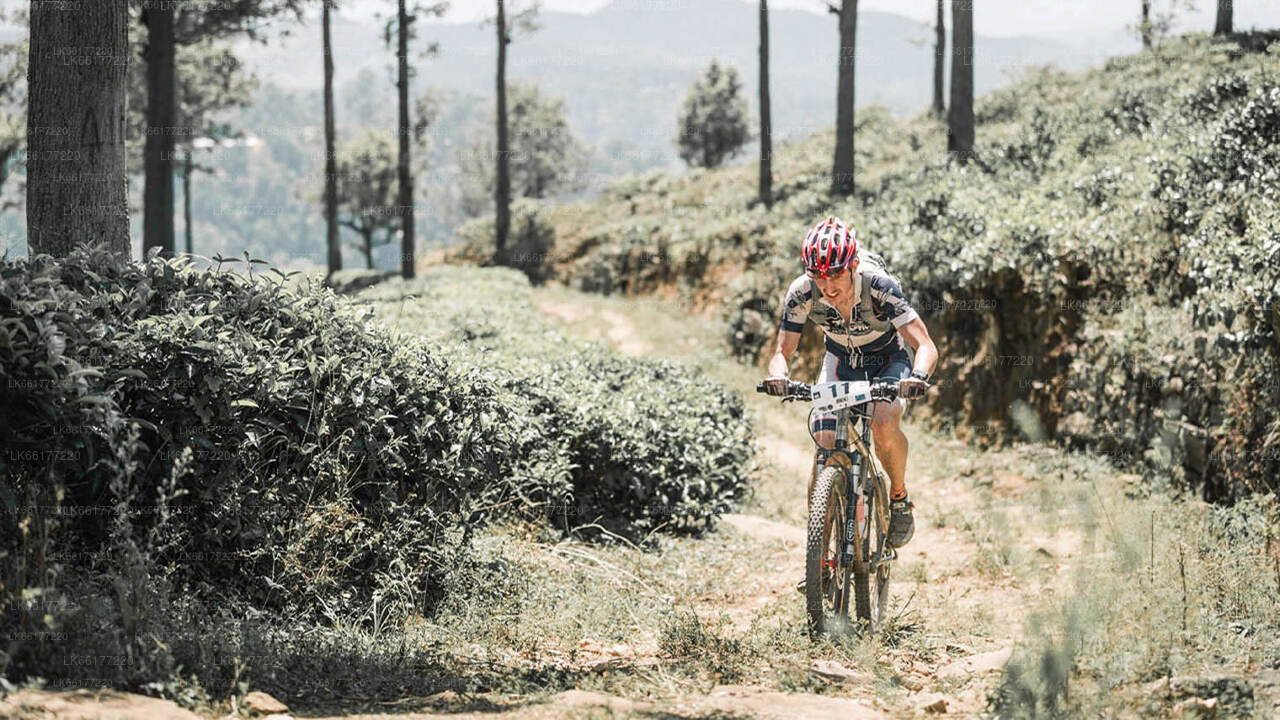
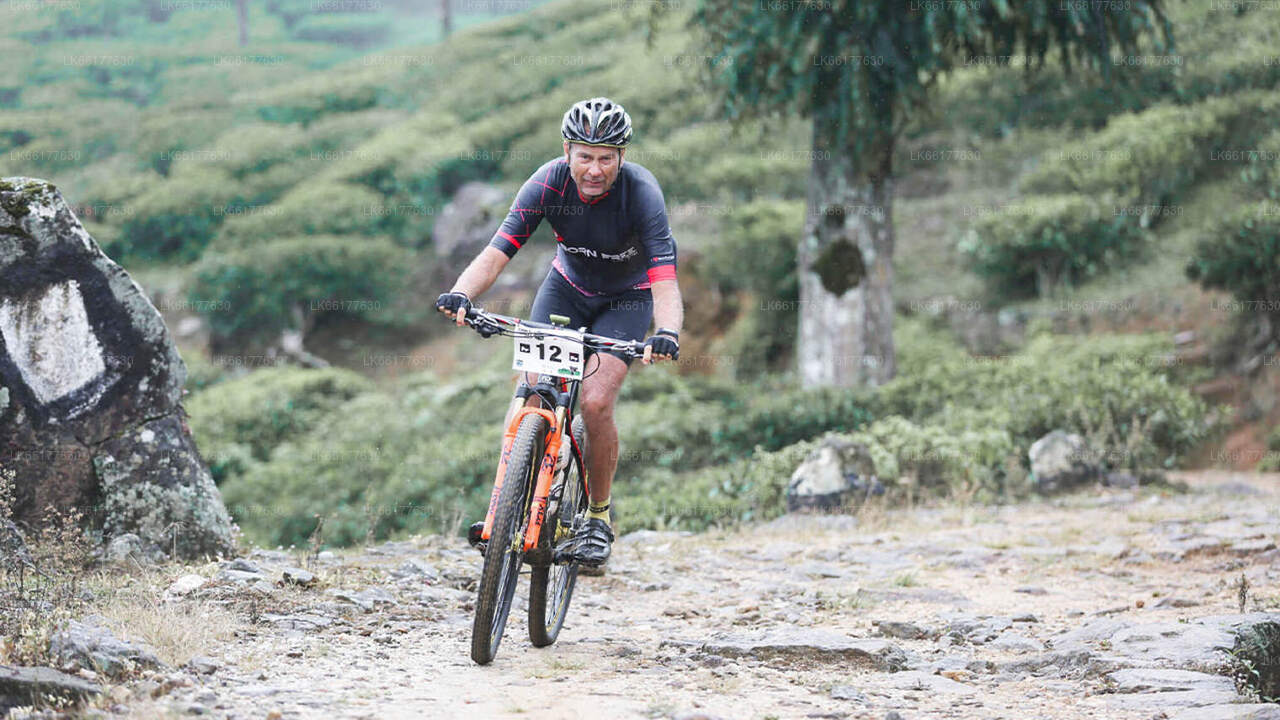
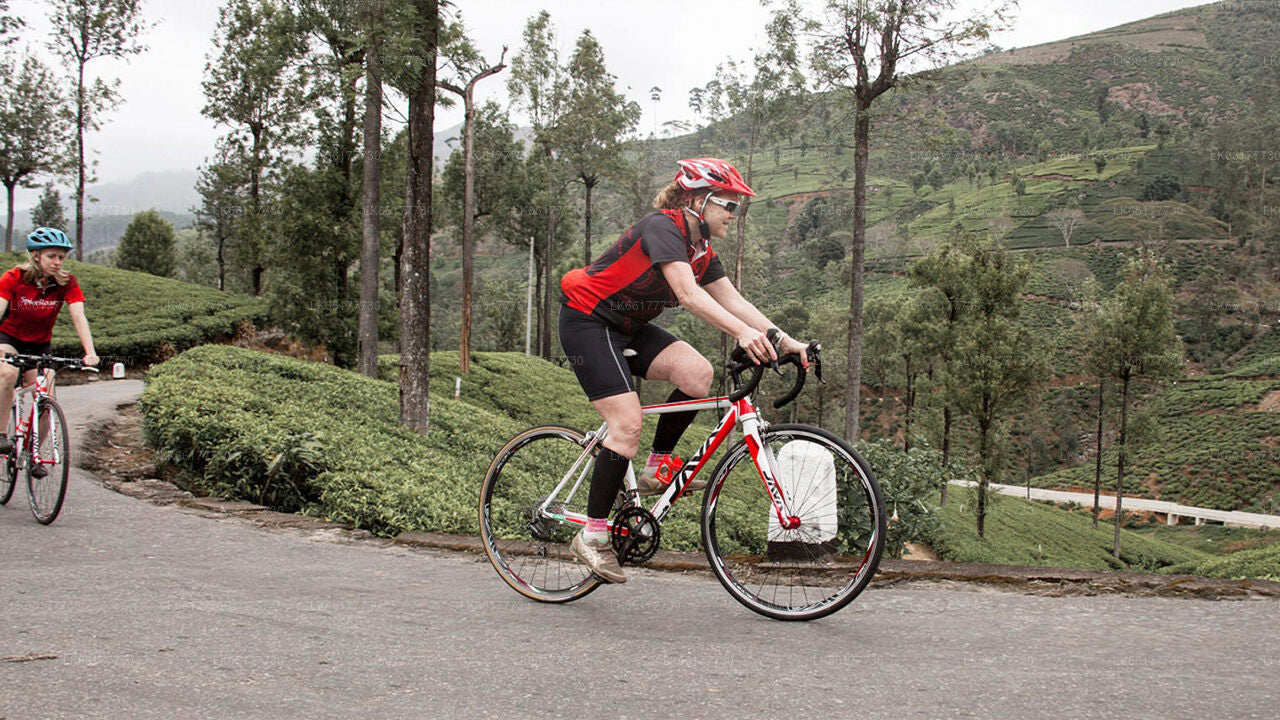
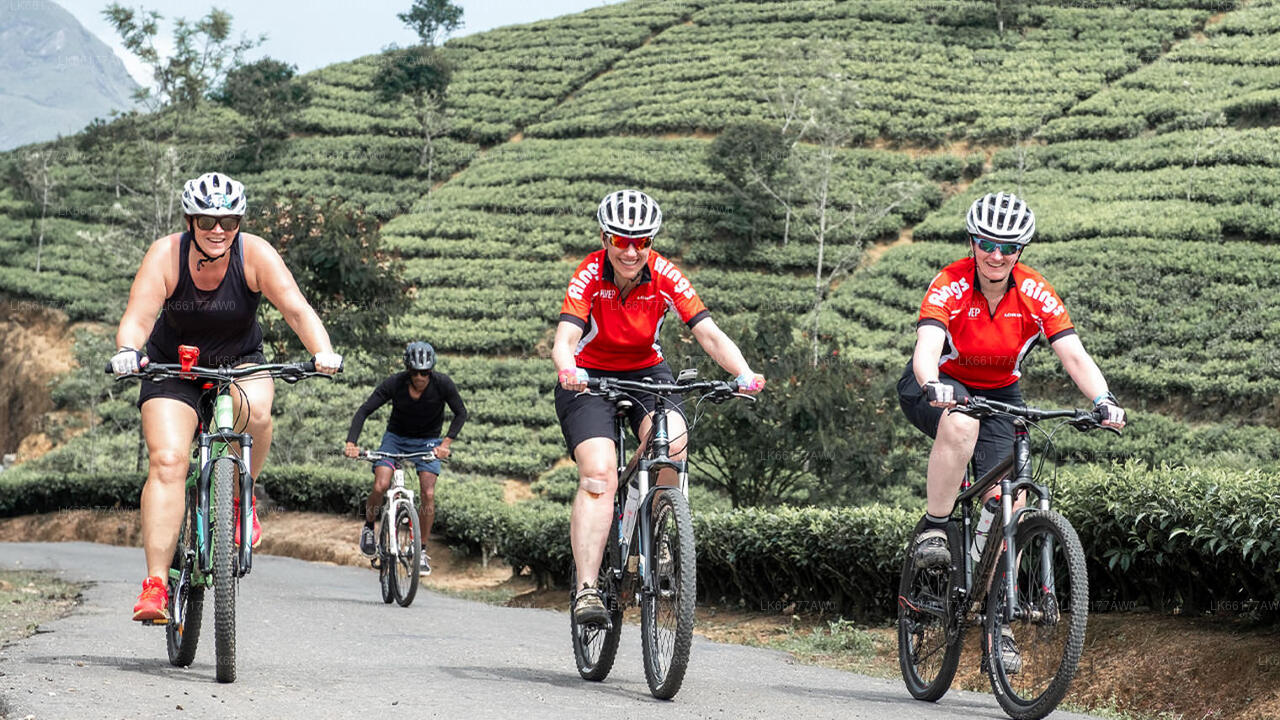
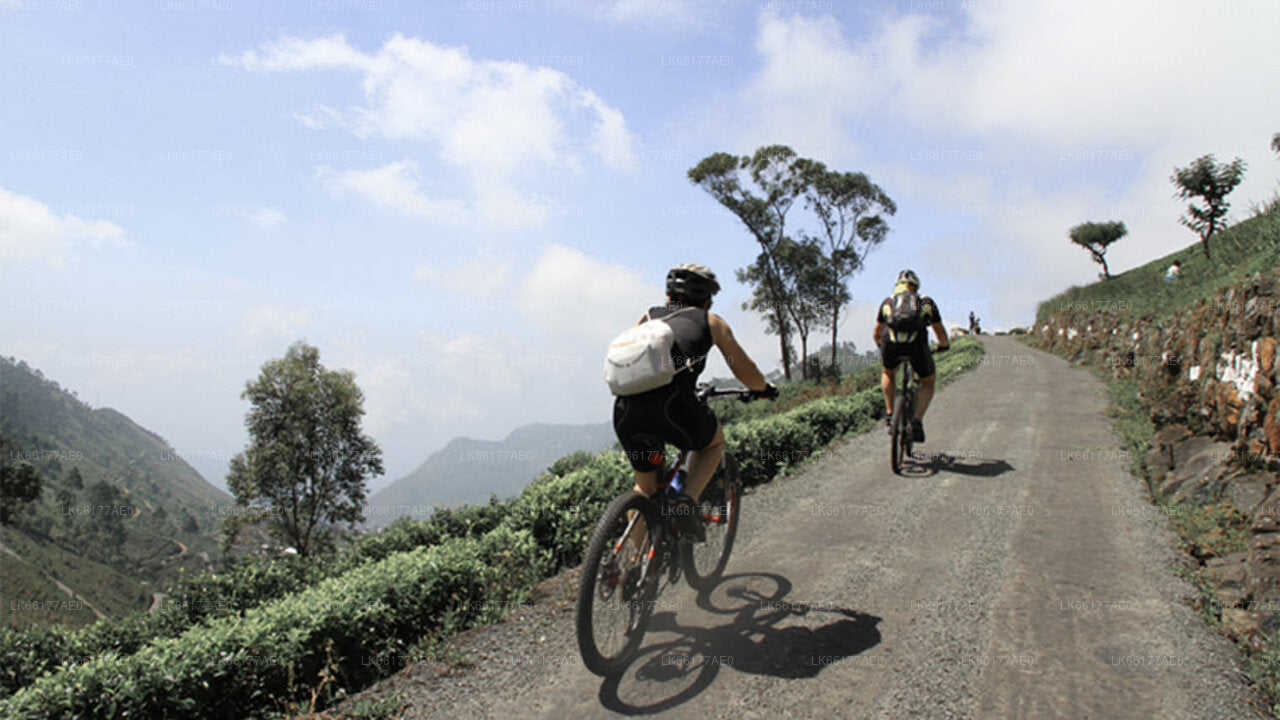
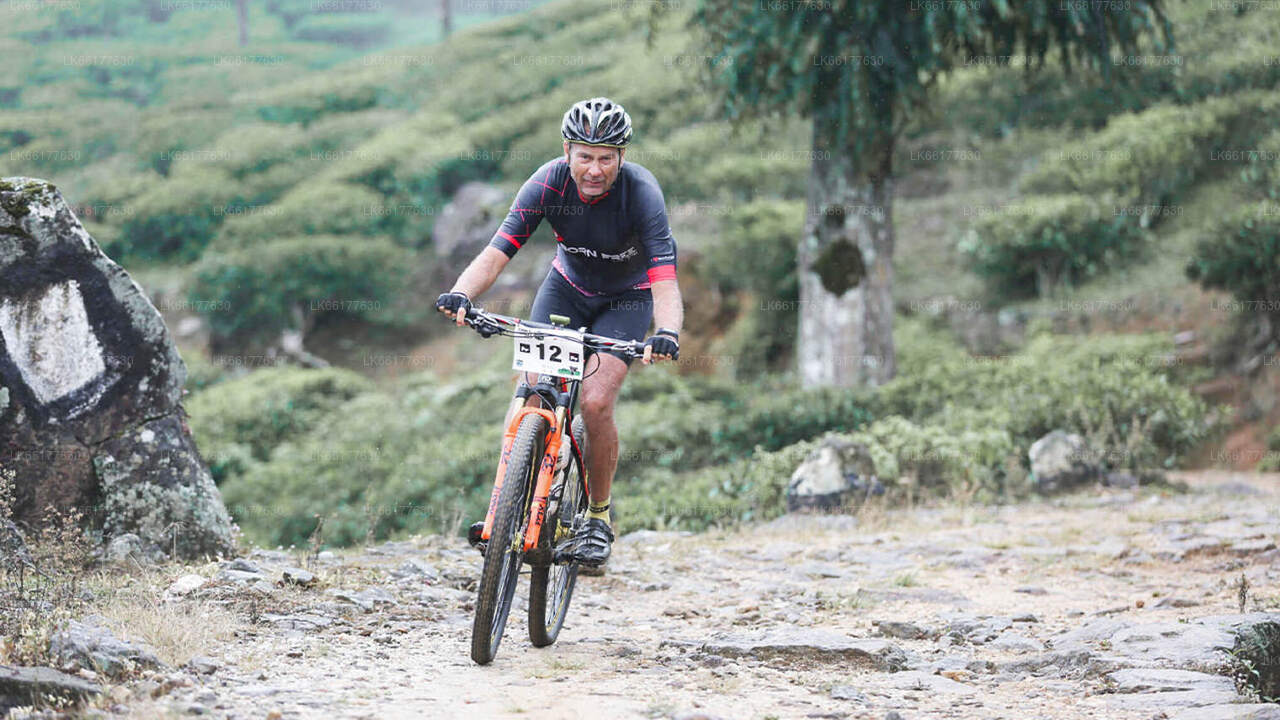
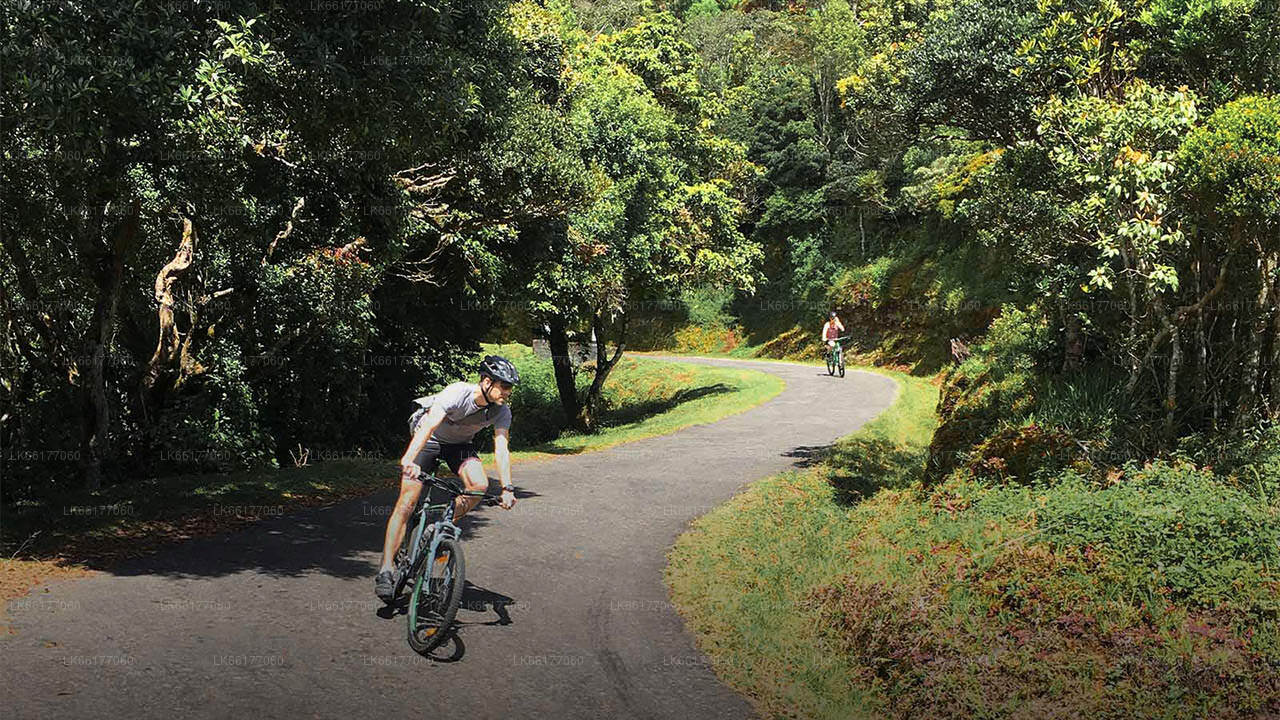
- Nuwara Eliya and Hatton — This region offers classic estate cycling: narrow lanes between manicured tea bushes, cool mountain air, and colonial-era infrastructure (workers' bungalows, processing factories, heritage hotels). Expect some genuine climbing — come prepared for elevation.
- Galle and the Southern Coast — The Dutch-built ramparts of Galle Fort, the wetlands near Madu Ganga, and the quiet lanes of the Galle countryside make for varied half-day and full-day routes. Coastal headwinds can be brisk; a morning start helps.
- Colombo and its fringes — Urban cycling tours of Colombo navigate the city's colonial-era streets, canal paths, and neighbourhood markets. The Thalangama wetland on the city's eastern edge offers a green corridor surprisingly close to the urban core.
- Arugam Bay to Habarana corridor — A cross-island route connecting the east coast surf town with the Cultural Triangle heartland, passing through elephant country and village communities. This multi-day option suits experienced cyclists comfortable with longer daily distances.
How challenging is cycling in Sri Lanka's Hill Country?
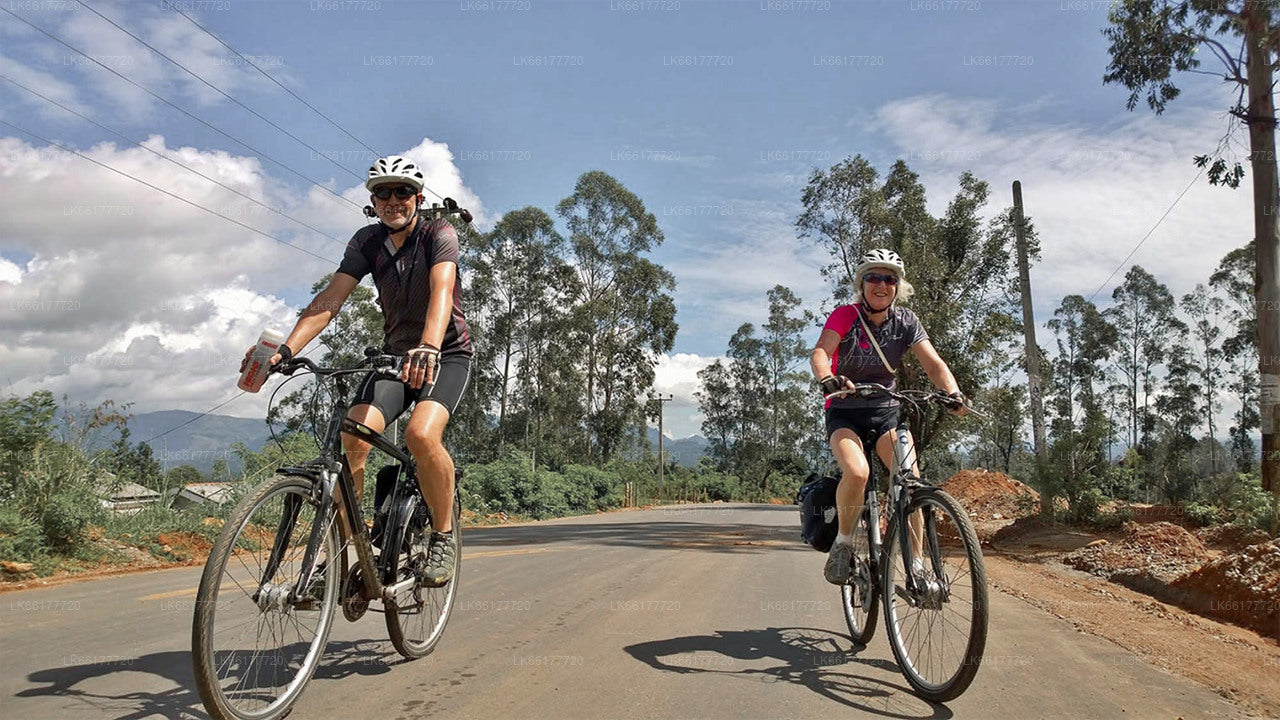
The Hill Country demands respect. Elevation in the Nuwara Eliya and Hatton areas regularly exceeds 1,800 m, and gradients on estate roads can be steep. Experienced cyclists will find the challenge worthwhile; the descents are long and exhilarating, and the landscape — ranks of tea bushes disappearing into low cloud — is unlike anywhere else in Asia.
Less experienced riders can still enjoy the region by choosing point-to-point routes that run predominantly downhill, with a support vehicle handling the luggage. Operators offering the Kalthota-Hambegamuwa pass route from Belihuloya, for instance, pair technical singletrack with river-valley scenery that rewards the effort.
Mountain biking in the Horton Plains area introduces another dimension: high-altitude grassland, endemic bird species, and the occasional sambar deer crossing the trail. Routes here require advance permission from the Department of Wildlife Conservation.
What is cycling like on the Sri Lankan coast?
Coastal cycling tends to be flat and social. The roads between Hikkaduwa and Galle, and further east along the southern arc toward Tangalle, pass fishing villages, small temples, and coconut groves. Morning rides catch the fishing boats returning; afternoon rides catch the golden light over the Indian Ocean.
The eastern coast — particularly the stretch north and south of Arugam Bay — is quieter still. Long straight roads parallel the shoreline, interrupted by lagoons and fishing hamlets. This side of the island is at its best between May and October when the south-west monsoon keeps tourists away from the south.
Can I cycle through Sri Lanka's national parks?
Cycling inside most national parks is not routinely permitted — access is typically by authorised 4WD vehicles only. However, several parks and protected areas have surrounding buffer zones where cycling is possible, and some operators offer specific routes that skirt the park boundaries, allowing wildlife sightings from the road. Areas around Wilpattu National Park in the north-west, for example, pass through dry-zone scrubland where elephant, deer, and bird activity is common even outside the park fence.
What cultural experiences can I combine with a cycling trip?
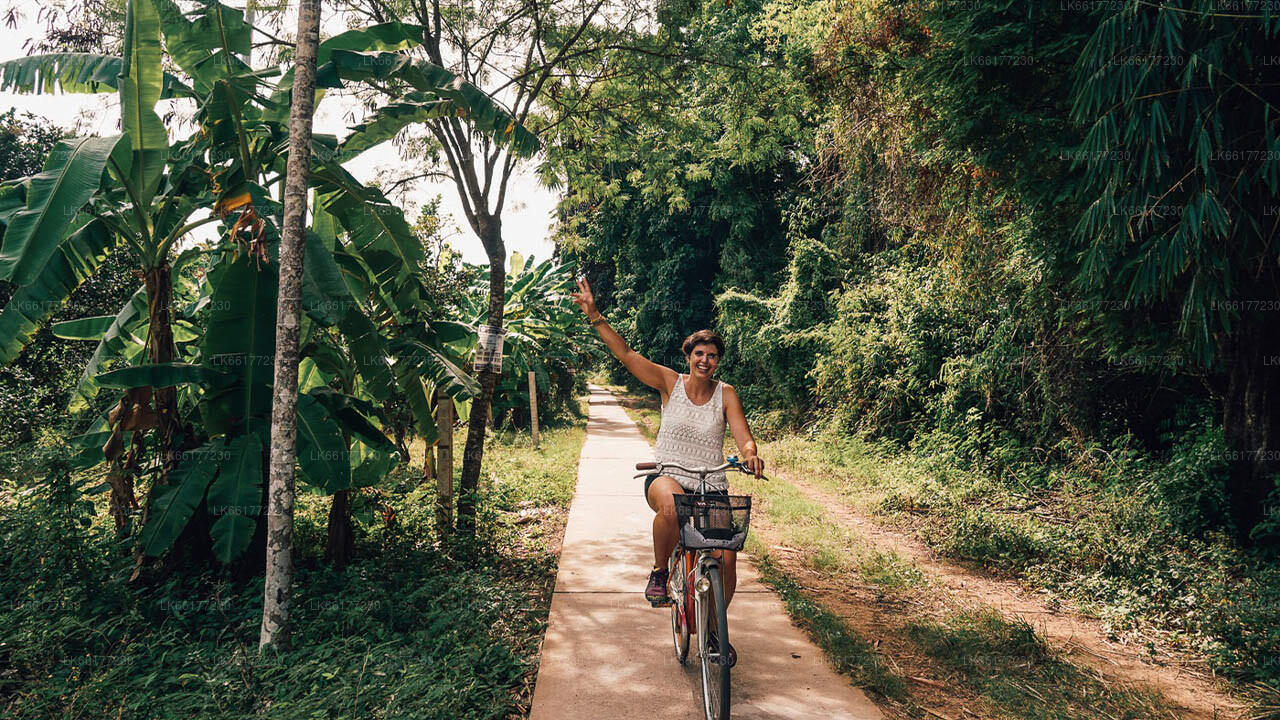
Cycling's pace is ideally suited to slow travel and chance encounters. Village cycling tours — particularly those around Pinnawala and the countryside north of Colombo — weave through pottery workshops, smallholder farms, and flooded paddy fields. Some tours include a cooking demonstration, a visit to a spice garden growing Ceylon black pepper and cloves, or a stop at a rural school.
In the Cultural Triangle, cycling lets you approach ancient sites gradually — reading the landscape before you reach the monument, much as pilgrims once did. The atmosphere at Polonnaruwa's stone sculptures or Anuradhapura's dagobas feels different when you arrive under your own power rather than from an air-conditioned van.
What should I know before cycling in Sri Lanka?
- Traffic — Drive (and cycle) on the left. Main highways carry heavy truck traffic; secondary and rural roads are far preferable.
- Heat — In lowland areas, temperatures between November and April regularly reach 30–34 °C by mid-morning. Start rides before 7 am and plan to finish by early afternoon.
- Hydration — Carry more water than you think you need. Sealed bottles of water are available at small shops (kades) along most routes, but gaps between villages can be longer than expected in the dry zone.
- Clothing — Lightweight, light-coloured cycling clothing suits the heat. When visiting temples or monasteries along the route, carry a sarong or lightweight layer to cover shoulders and knees.
- Guided vs. self-guided — First-time visitors generally benefit from a guide who knows road conditions, can communicate with locals, and carries basic spares. Self-guided cycling is feasible for experienced travellers with good navigation skills and a robust offline mapping app.
- Bike fit and spares — If you hire locally, check saddle height and brake function before departing. Carry at least one inner tube, tyre levers, and a multi-tool. Repair shops exist in most towns but may be scarce on rural routes.