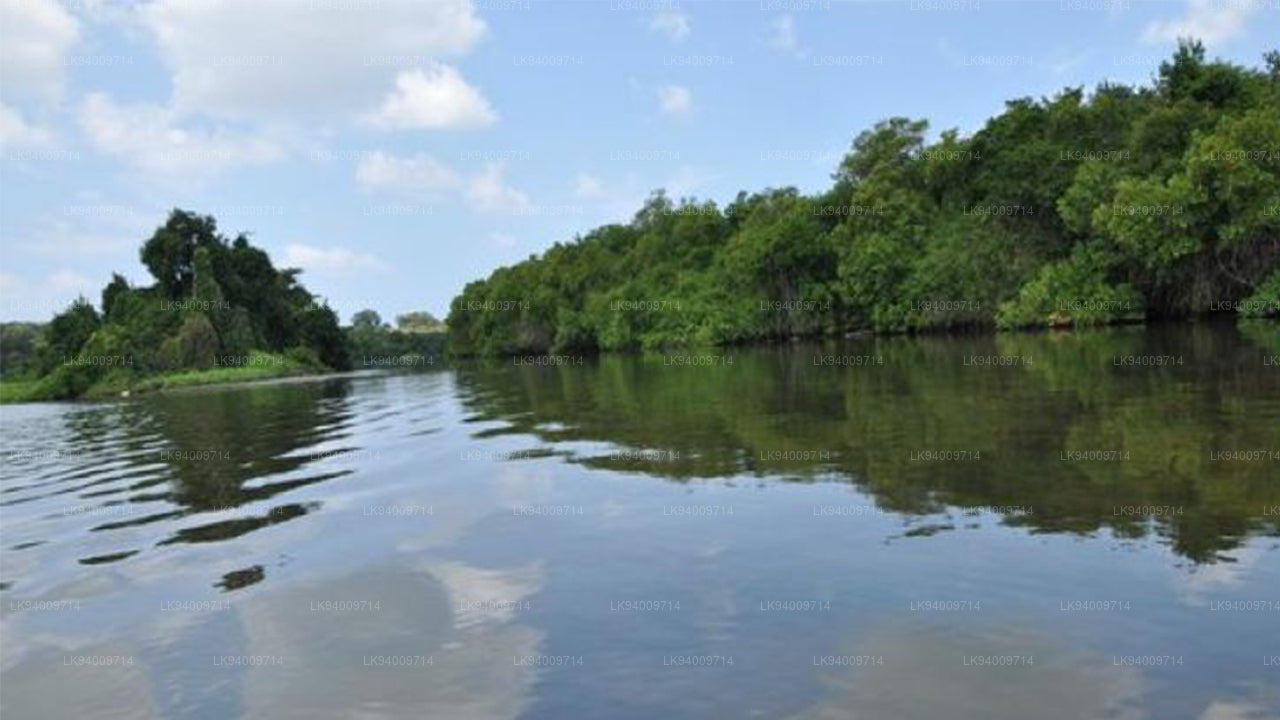
ديدورو أويا


Deduru Oya هو نهر حيوي يتدفق عبر مقاطعة الشمال الغربي في سريلانكا، وينبع من التلال الوسطى ويتعرج عبر الأراضي الزراعية قبل أن يصب في بحيرة بوتالام. يوفر مجراه عبر المنطقة الجافة المياه الأساسية للري والزراعة والمجتمعات المحلية. الجمال الطبيعي للنهر، الذي يتضمن الأراضي الرطبة والمناظر الطبيعية الخصبة، يضيف إلى المناظر الطبيعية في المنطقة، مما يجعله مورداً بيئياً واقتصادياً مهماً.
لعدة قرون، دعم Deduru Oya المجتمعات الزراعية على ضفافه، خاصة في مناطق مثل بوتالام وكورونيغالا. النهر حيوي لزراعة الأرز والخضروات وتربية الحيوانات. توفر العديد من قنوات الري والخزانات التي يغذيها النهر الإنتاج الزراعي على مدار العام، مما يحول مقاطعة الشمال الغربي إلى منطقة كبيرة لإنتاج الغذاء. بالإضافة إلى ذلك، يعتبر النهر مصدرًا للمياه للاستخدام المنزلي والصيد والصناعات الصغيرة.
بيئيًا، يدعم Deduru Oya موائل متنوعة، بما في ذلك الأراضي الرطبة والمستنقعات، والتي هي موطن للعديد من أنواع الطيور والأسماك والحياة المائية. يساهم مصب النهر بالقرب من بوتالام في النظام البيئي المحلي من خلال دعم غابات المنغروف والمستنقعات المالحة والأراضي الرطبة الساحلية. تعتبر هذه المناطق مهمة لـ التنوع البيولوجي وتعد ملاذًا للطيور المهاجرة. دور Deduru Oya في دعم هذه النظم البيئية يجعله مورداً رئيسياً للسياحة البيئية وحماية البيئة في المنطقة.
ثقافيًا، يرتبط Deduru Oya ارتباطًا وثيقًا بسبل عيش الناس في المنطقة. يعتمد العديد من المجتمعات الريفية على مياهه للزراعة والاستخدام اليومي، مما يجعل النهر جزءًا لا يتجزأ من نمط حياتهم. بالإضافة إلى ذلك، للنهر تاريخ طويل في دعم الصناعات المحلية مثل إنتاج الملح والصيدDeduru Oya رمزًا للمرونة لشعب مقاطعة الشمال الغربي، حيث يستمر في دعم كل من الاقتصادات الريفية والتقاليد الثقافية.
مخاطر الفيضانات والأهمية الهيدرولوجية
على الرغم من أن Deduru Oya حيوي للزراعة وإمدادات المياه، إلا أنه عرضة أيضًا للفيضانات خلال فترات الأمطار الغزيرة. إن فهم سلوك النهر الهيدرولوجي أمر بالغ الأهمية لإدارة الفيضانات، خاصة في منطقة الشمال الغربي حيث تكون الأراضي الزراعية والمستوطنات معرضة للفيضانات الموسمية.
- قراءات هيدرولوجية حالية (تقرير رسمي):
محطة موراجاسويوا – مستوى التحذير: 4.75 م، مستوى الفيضانات الطفيفة: 6.00 م، مستوى الفيضانات الرئيسية: 7.00 م، المستوى الحالي: غير متاح (لم يتم الإبلاغ عن مقياس). - المناطق المعرضة للفيضانات: المناطق المنخفضة في مناطق كورونيغالا وبوتالام معرضة للفيضانات عندما يتجاوز النهر مستويات التدفق الطبيعية، خاصة خلال الرياح الموسمية الجنوبية الغربية.
- حساسية الحوض: تساهم مناطق الحوض العليا للنهر في التلال الوسطى في تدفق المياه السريع خلال الأمطار الغزيرة، مما يزيد من مخاطر الفيضانات في المناطق السفلية.
- التأثير على الزراعة: يمكن أن يعطل فيضان Deduru Oya قنوات الري ويغمر الحقول الزراعية، مما يتسبب في تلف المحاصيل ويؤثر على المجتمعات الزراعية.
- التصريف البطيء في المناطق الساحلية: عندما يصل النهر إلى بوتالام، يصبح تدفقه بطيئًا، ويزيد خطر المياه الجوفية في الأراضي الزراعية والأراضي الرطبة الساحلية.
- أهمية المراقبة: تعتبر القياسات الهيدرولوجية المستمرة أمرًا بالغ الأهمية للتنبؤ بالأحداث الفيضانية المحتملة في المناطق المعرضة للفيضانات مثل بوتالام وكورونيغالا.
- مخاطر الأمطار الموسمية: يتزايد خطر الفيضانات في النهر خلال موسم الرياح الموسمية عندما تؤدي الأمطار الغزيرة في مناطق الحوض إلى ارتفاعات سريعة في مستويات المياه.
بينما يبقى Deduru Oya مورداً لا غنى عنه لشعب ومنظومات مقاطعة الشمال الغربي، فإن الحفاظ على مراقبة هيدرولوجية دقيقة واستراتيجيات استعداد للفيضانات أمر بالغ الأهمية لتقليل مخاطر الفيضانات المستقبلية وحماية الزراعة والمجتمعات في المنطقة.


-
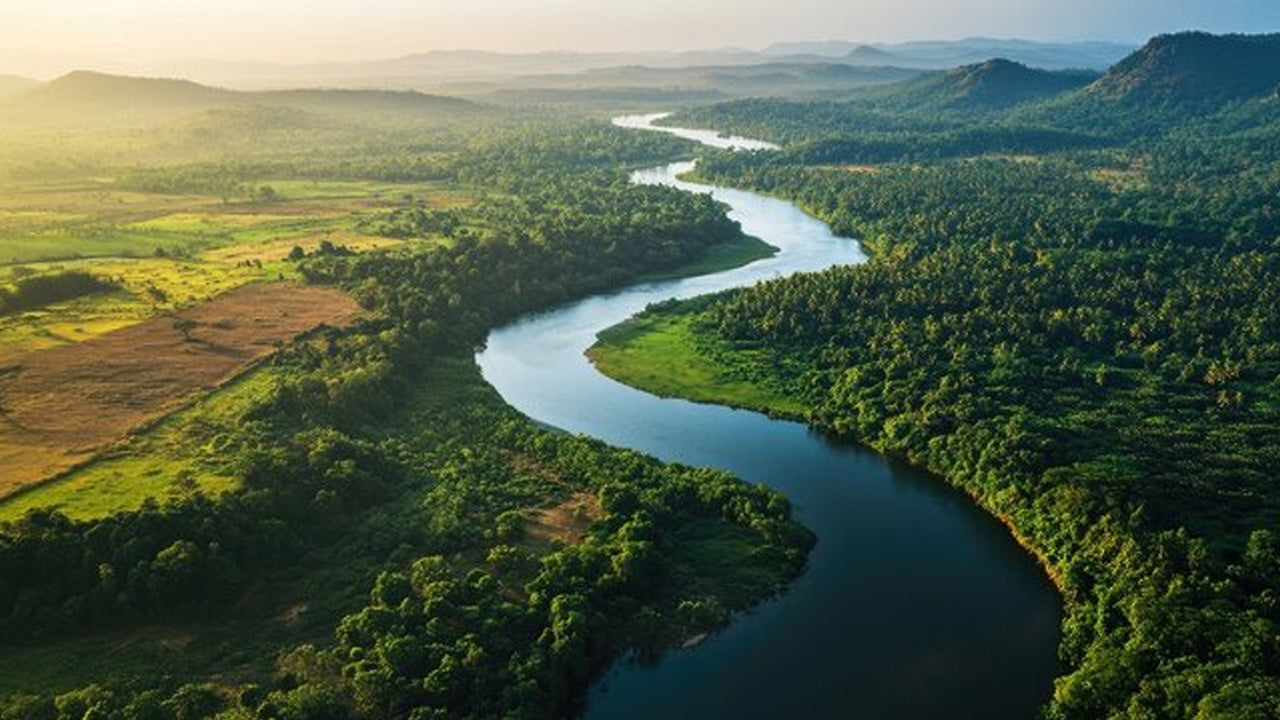 Mahaweli River
Explore the majestic Mahaweli River, Sri Lanka’s longest river, offering serene boat rides and opportunities for birdwatching and nature adventures along its winding course through scenic valleys.
-
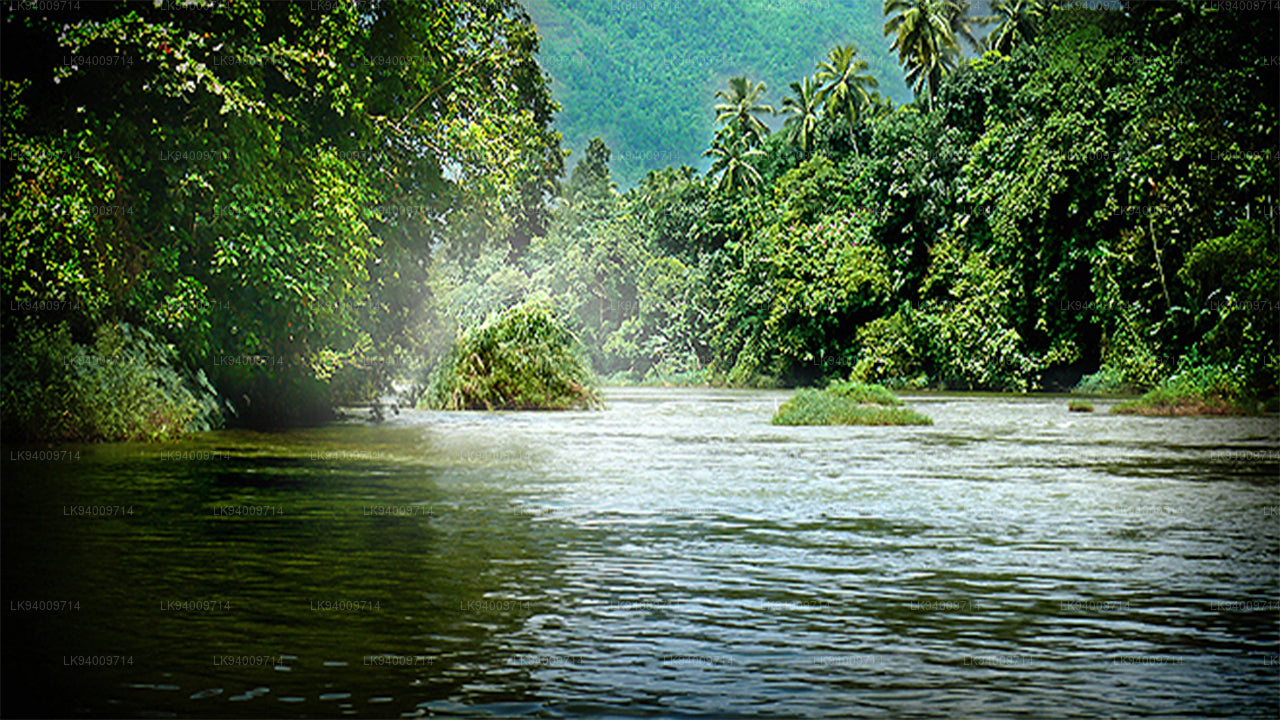 Kelani River
The Kelani River is a 145-kilometre-long (90 mi) river in Sri Lanka. It flows through or borders the Sri Lankan districts of Nuwara Eliya, Ratnapura, Kegalle, Gampaha and Colombo.
-
 Kalu Ganga
Kalu Ganga is a river in Sri Lanka. Measuring 129 km (80 mi) in length. The mountainous forests in the Province and the Sinharaja Forest Reserve are the main sources of water for the river.
-
 Walawe River
The southern region of Sri Lanka is exalted by a bushel of enthralling and glorified rivers and the Walawe River is one of them. Gently flowing through the Udawalawe National Park, the Walawe River provides water for a multitude of species of mesmerising fauna.
-
 Deduru Oya
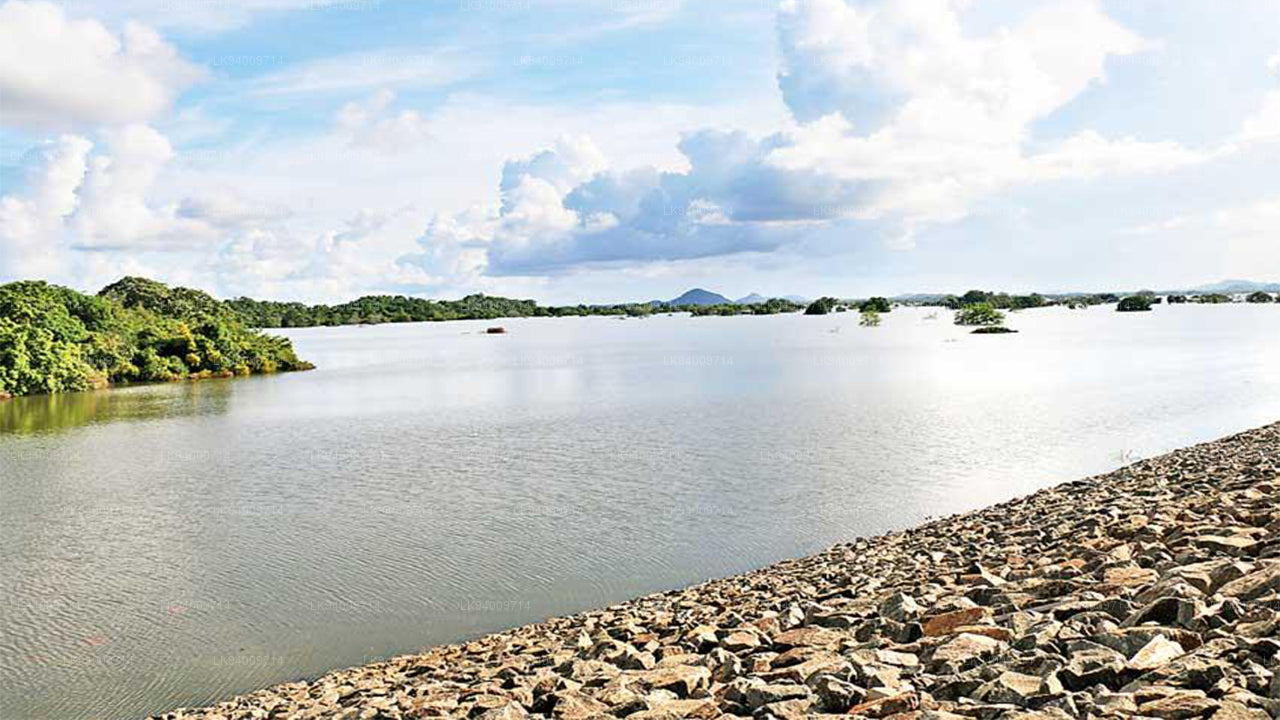
The Deduru Oya Dam is an embankment dam built across the Deduru River in Kurunegala District of Sri Lanka. Built in 2014, the primary purpose of the dam is to retain approximately a billion cubic metres of water for irrigation purposes, which would otherwise flow out to sea.
-
 Malwathu Oya
The Malvathu River long river in Sri Lanka, connecting the city of Anuradhapura, which was the capital of the country for over 15 centuries, to the coast of Mannar. It currently ranks as the second longest river in the country, with a great historic significance.
-
 Kala Oya
It was around these ancient tank (water storage reservoir) irrigation systems that the economy and human settlements of early Sri Lankan society were organised into a “hydraulic civilization”.
-
 Gal Oya
Discover Gal Oya, a tranquil sanctuary in Sri Lanka, known for its lush landscapes, rich wildlife, and serene boat safaris, offering a peaceful retreat surrounded by nature and wildlife.
-
 Gin Ganga
The Gin Ganga, is a 115.9 km (72 mi) long river situated in Galle District of Sri Lanka. The river's headwaters are located near Deniyaya, bordering the Sinharaja Forest Reserve.
-
 Kirindi Oya
Experience the serene beauty of Kirindi Oya, a tranquil river in Sri Lanka. Enjoy scenic boat rides, lush landscapes, and opportunities for birdwatching, offering a peaceful escape into nature.
-
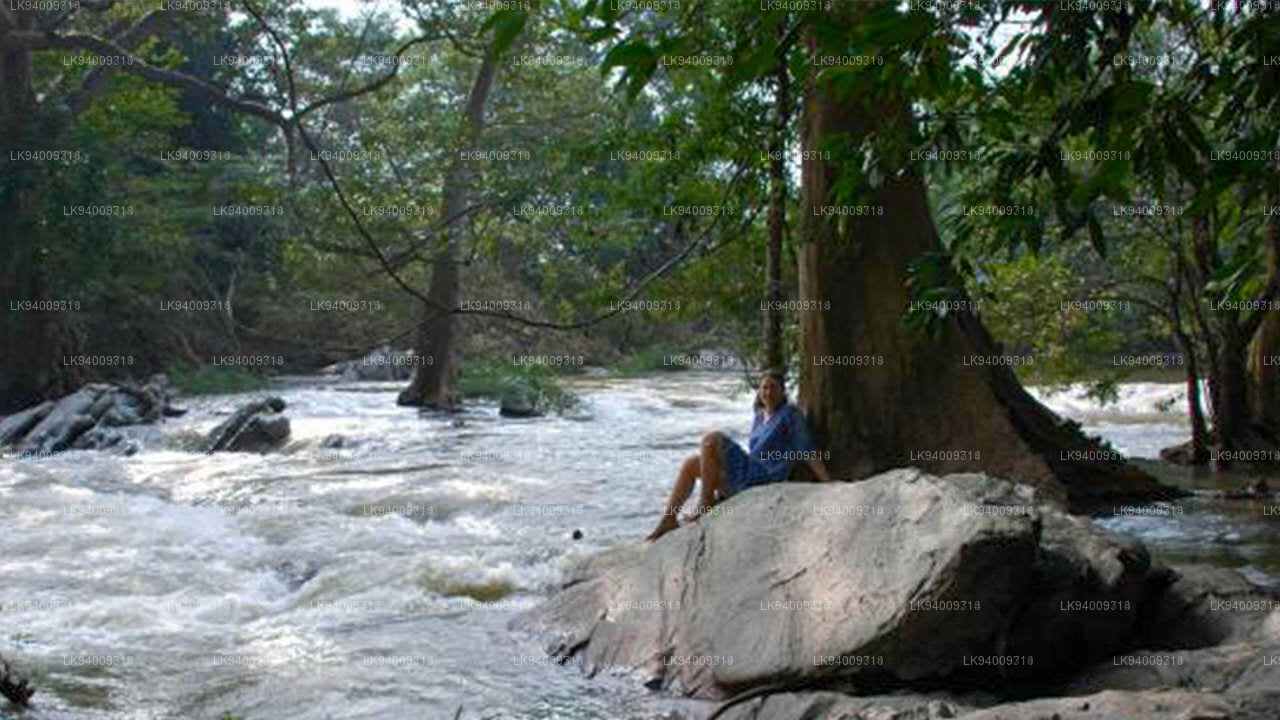 Kumbukkan Oya
The Kumbukkan Oya is the twelfth-longest river of Sri Lanka. It is approximately 116 km (72 mi) long. Its catchment area receives approximately 2,115 million cubic metres of rain per year.
-
 Maduru Oya
The Maduru Oya is a major stream in the North Central Province of Sri Lanka. It is approximately 135 km (84 mi) in length. approximately 3,060 million cubic metres of rain per year
-
 Manik River
Explore the peaceful Manik River, surrounded by lush greenery and rich wildlife. Enjoy scenic boat rides and nature walks, offering a serene and refreshing experience.
-
 Yan Oya
The Yan Oya, 142 km long and receives 2,371 million cubic meters of rainfall annually, with 17% flowing to the sea. Its catchment area covers 1,520 square kilometers.