Sesatha (සේසත)


With the annual Esala Perahera now wending its way through the streets of Kandy, Sesath bearers are a prominent sight. Adding a regal air to this much looked forward to event in the cultural corpus of the country, sesaths have a colourful history. ‘Sesatha’ deriving its name from the Sanskrit term shveta-chatra or ‘white umbrella’ is believed to have served both a functional and ritual purpose of a sunshade for the aristocracy and as a symbol of grandeur and reverence at religious and other cultural observances.
First making its appearance in the island as a shade for the Sri Maha Bodhi sapling brought here by Theri Sangamitta accompanied by a retinue of 500 bhikkunis and 18 artisans representing diverse crafts and industries, necessary to perform Sri Maha Bodhi-associated rituals, sesatha today is an item of home decor and an embellishment at ceremonial observances such as peraheras and at temples.
The story goes that as Thena Gurunnanse was burning the midnight oil in the rural hamlet of Unaveruwa off Matale, working on an intricate design of a sesatha, Loku Kiriya who had befriended the Gurunnanse would visit him at dusk and feign sleep while documenting in his mind, the well-guarded secrets of sesath-making. Although the knowledge is now in the public domain, the artisans of Unaveruwa take pride in the custodianship of this ancient form of art.
The white-hued sesaths which were once a symbol of social standing and authority, particularly among the nobility are now largely obsolete, replaced with more colourful ones, transcending social status. Although the intricacy of the designs and their associated colours have seen winds of change, the raw materials involved are still the same. Thala leaves or talipot palm leaves (Coryphaumbraculifera)which become the base for the sesath designs, are sourced from the area by the Unaveruwa artistes.
Largely a female-labour intense craft today, this is a viable cottage industry for women in Unaveruwa to supplement the family income. The men contribute by sourcing thala leaves and Ginisapu- the type of timber used for the sesath-supporting poles. These poles (traditionally seven feet tall) are adorned with Laksha designs- another traditional form of art at the mercy of the few who still struggle to keep it alive.
Loku Kiriya not only changed the order of the art from a ‘hush-hush’ affair to an open cottage industry, and even set up a training centre in Unaveruwa in the 1960s to impart the skills to the next generation. There still remain old-timers who have apprenticed under him for a daily wage of one rupee!
Completion of a pair of sesath takes one to two weeks, depending on the design involved and the number of rings. “Although traditionally all sesaths were made to the 28-inch diameter requirement, today even smaller ones are in demand for various interior décor purposes,” explains D.B.G. Karunawathi whose husband is a descendant of the Thena Gurunnanse and his forefathers (Komala Durayalegedera clan) who are believed to have made Unaveruwa their home, having first arrived from India with the retinue of Theri Sangamitta.
The nelummala or the lotus which is a signature feature of the sesath has also given way to moderni
Explore Arts and Crafts
-
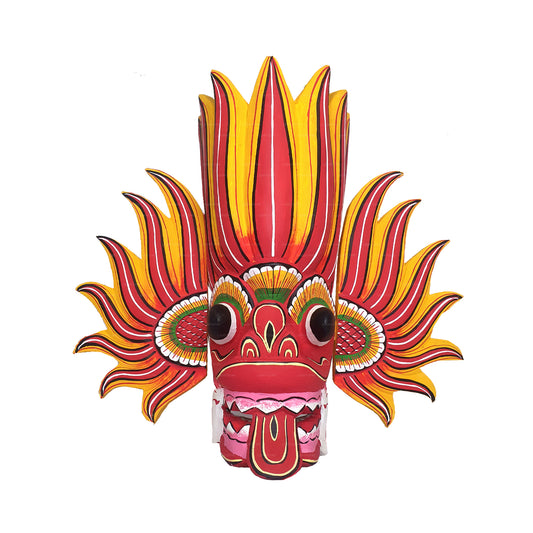 Promoção
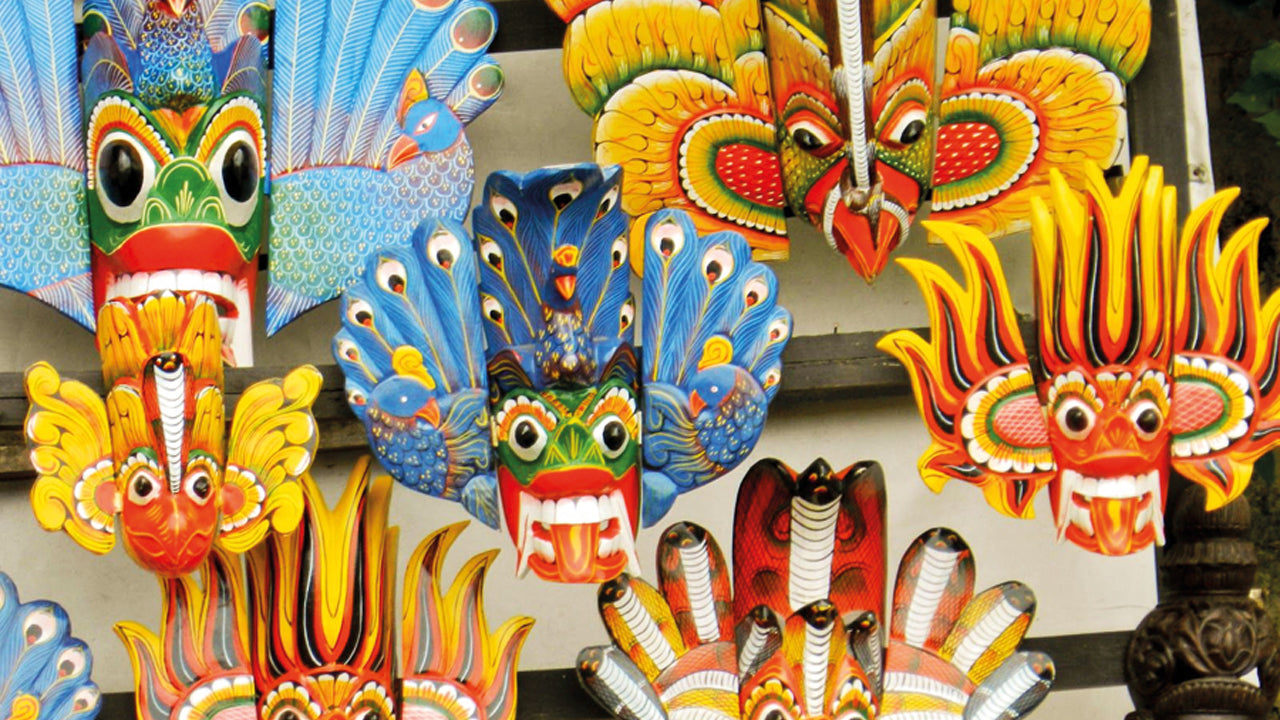
Ginidal Raksha Mask
Preço normal De $18.17 USDPreço normal$20.19 USDPreço promocional De $18.17 USDPromoção -
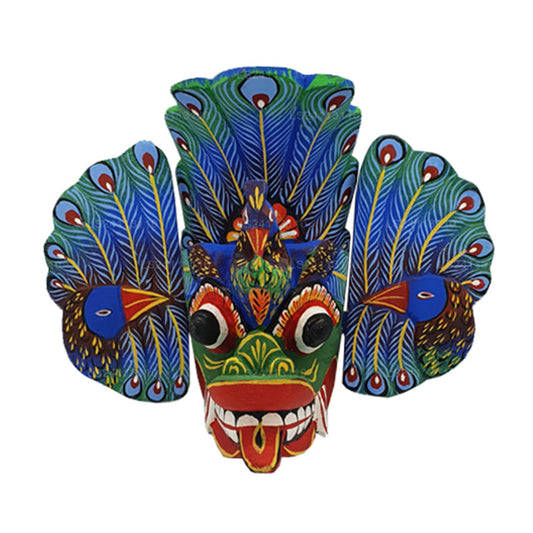 Promoção
Mayura Raksha Mask
Preço normal De $18.17 USDPreço normal$20.19 USDPreço promocional De $18.17 USDPromoção -
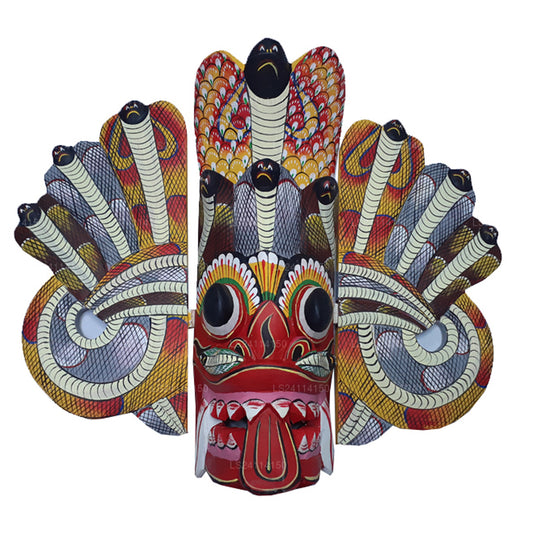 Promoção
Dwi Naga Raksha Mask
Preço normal De $21.81 USDPreço normal$24.23 USDPreço promocional De $21.81 USDPromoção -
 Promoção
Mal Gurulu Raksha Mask
Preço normal De $19.28 USDPreço normal$22.89 USDPreço promocional De $19.28 USDPromoção