Cidade de Jaffna
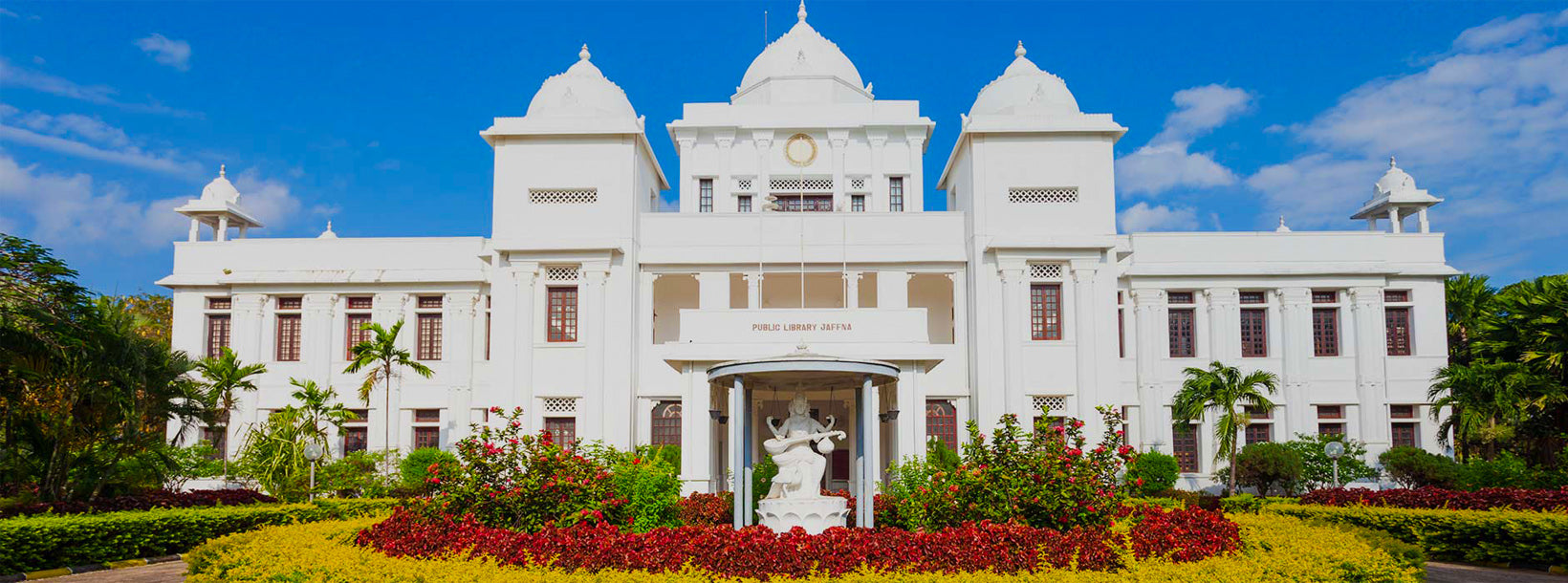
Jaffna é a principal cidade da península de Jaffna, no distrito mais ao norte do Sri Lanka. Ônibus intermunicipais confortáveis partem de Colombo e levam de 10 a 12 horas para chegar à cidade de Jaffna.
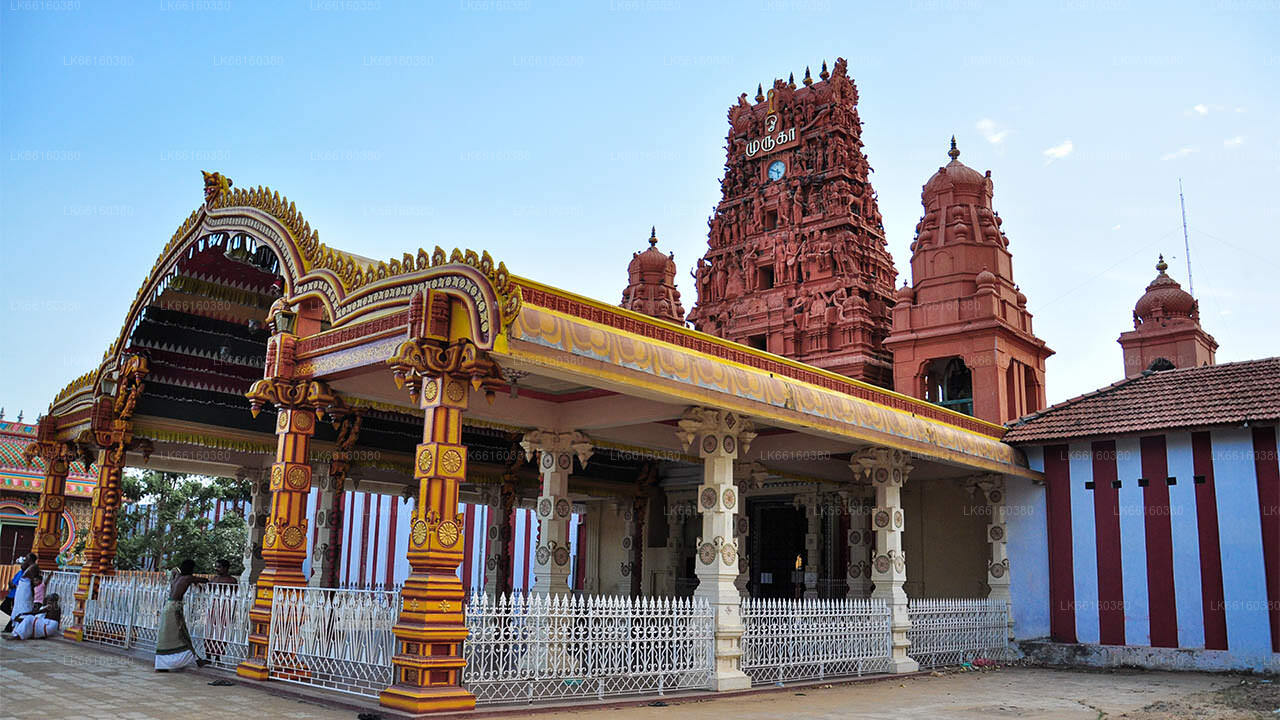
Nallur Kandaswamy Kovil
In the hot arid lands of Nallur, in Jaffna, rises the majestic Hindu temple for Skanda/ Murugan – the god of love, war and beauty. It has reigned over the land for centuries, attracting devotees from various walks of life. The temple itself embodies a kind of peace that can only be felt in the most divine of places.
History
The temple was originally founded in 948 AD. However, it reached fame when it was rebuilt in the 13th century by Puvaneka Vaahu, a minister of the Jaffna King Kalinga Maha. The Nallur Kandaswamy Temple was built for a third time by Senpaha Perumal (a.k.a Sapumal Kumaraya) who was the adopted son of the Kotte king. Nallur served as the capital of the kings of Jaffna, and was a highly defensive fort and city. There were courtly buildings, the palaces, businesses and much more.
The third built temple was destroyed by the Portuguese in 1624 AD; and many churches built over the ruins. The location of the original temple is now covered by the St James Church, Nallur. Part of the original Sivalingam from the temple remained in the vicarage, but was destroyed during the recent civil war. Now only the platform where it was mounted remains.
The current temple was built in 1734 AD by Don Juan. However, the ‘Golden Era’ of the Nallur Temple began in the latter 1890s with the takeover of the temple administration by Arumuga Maapaana Mudaliyar; who started renovating it to bring it back to its earlier magnificence.
Design
Created in the ways of the ancient temple cities of Madura and Padaliputra in India; the town of Nallur too revolves around this temple.
- The cities had four entrances with temples at each gate.
- There were outer circles where the commoners resided and businesses flourished, inner circles where highly placed nobles resided.
- The walls of the temple then rose, resembling the towers (in this case kopurams) and palisades of a fort.
- Within these walls were the outer courtyard, the holy bathing well (theertha keni), the residences of the priests, the inner temple, and smaller shrines for lesser deities.
- The inner temple itself was large; and contained the inner courtyard, the central shrine or mulasthanam, shrines for other major gods and goddesses, the dance hall, the conference hall, and many other such elements.
While the original Nallur Kandaswamy Temple was on this same grand scale; the current temple is on a much smaller scale when considering area, whilst still being one of the largest and historically accurate temples still existing in Sri Lanka. The temple has four kopurams, a rarity nowadays; including a massive golden-ochre Rajakopuram standing approximately seven stories (22-25m) tall. Some of the kopurams were built within the last decade. The inner and outer circles usually function as normal roads; except during the temple’s elaborate festival. With beautiful sculptures and architecture created by architects brought in from India; the temple is a visual delight that is best seen directly.
Guidelines on visiting the Nallur Kandaswmy Temple.
- The temple has a large courtyard; don’t forget remove your shoes and wash your feet at the outer well before you enter.
- You bring items such as flowers, fruits, camphor and such to offer to the shrines. These can be bought from shops opposite the temple; but everything except camphor and incense must be washed outside before offering.
- Men are not allowed to wear any other garments above waist level within the temple, as has been the Hindu custom from ancient d
Sobre o distrito de Jaffna
Jaffna é a capital da Província do Norte do Sri Lanka. 85% da população dos distritos de Jaffna e Kilinochchi é hindu, seguindo a tradição saivita. O restante é composto principalmente por católicos romanos ou protestantes, alguns dos quais descendentes de colonizadores, conhecidos como burghers. Os tâmeis estão divididos por castas, sendo os vellalar, casta de agricultores, a maioria. Produtos do mar, cebola roxa e tabaco são os principais produtos de Jaffna.
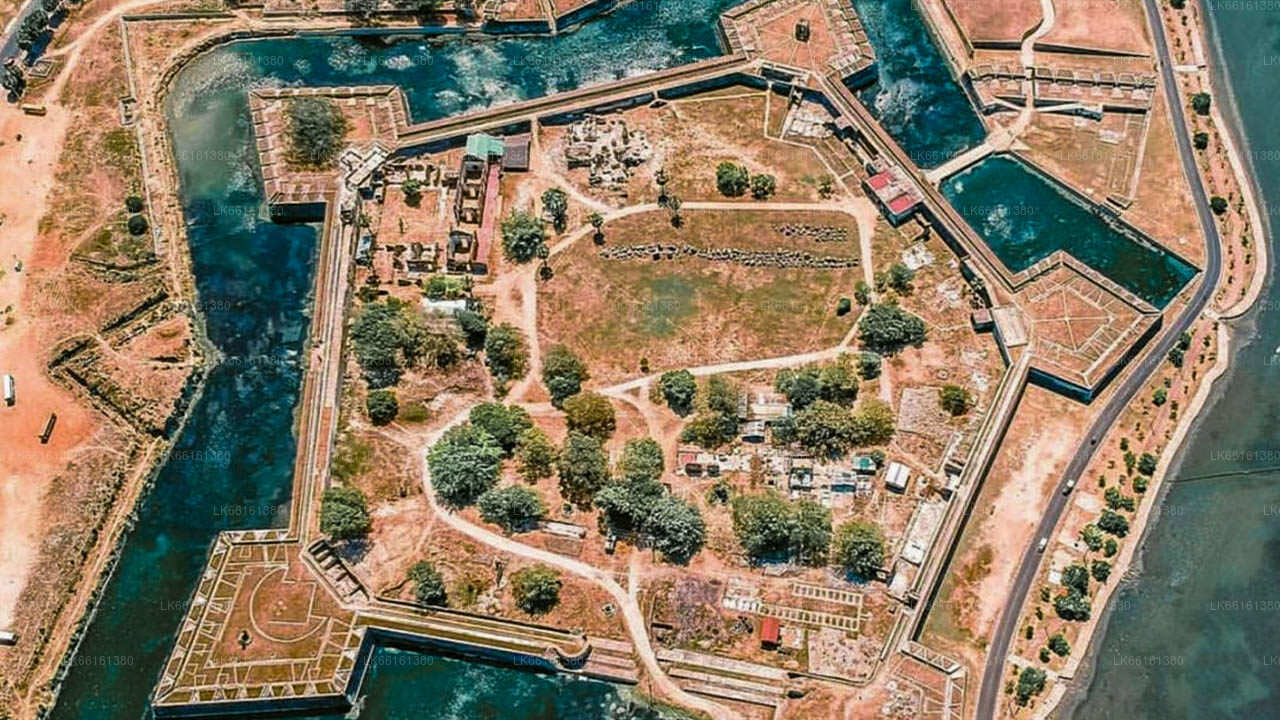
Jaffna abriga belos templos hindus. Um antigo forte holandês ainda se encontra bem preservado, abrigando uma antiga igreja. Outro exemplo da arquitetura holandesa é a Casa do Rei. Nenhuma visita a Jaffna está completa sem provar a requintada manga de Jaffna, famosa por sua doçura. A cerca de 3 km de distância está o majestoso Templo Nallur Kandaswamy, palco do maior festival religioso de Jaffna. O Porto de Kayts é um antigo ancoradouro de navios na região de Jaffna.
Sobre a Província do Norte
A Província do Norte é uma das nove províncias do Sri Lanka. As províncias existem desde o século XIX, mas não possuíam personalidade jurídica até 1987, quando a 13ª Emenda à Constituição de 1978 do Sri Lanka estabeleceu os conselhos provinciais. Entre 1988 e 2006, a província foi temporariamente unida à Província Oriental, formando a Província do Nordeste. A capital da província é Jaffna.
A Província do Norte está localizada no norte do Sri Lanka, a apenas 35 km da Índia. A província é banhada pelo Golfo de Mannar e pela Baía de Palk a oeste, pelo Estreito de Palk ao norte, pela Baía de Bengala a leste e pelas províncias Oriental, Centro-Norte e Noroeste ao sul. A província possui diversas lagoas, sendo as maiores a Lagoa de Jaffna, a Lagoa de Nanthi Kadal, a Lagoa de Chundikkulam, a Lagoa de Vadamarachchi, a Lagoa de Uppu Aru, a Lagoa de Kokkilai, a Lagoa de Nai Aru e a Lagoa de Chalai. A maioria das ilhas ao redor do Sri Lanka encontra-se a oeste da Província do Norte. As maiores ilhas são: Kayts, Neduntivu, Karaitivu, Pungudutivu e Mandativu.
A população da Província do Norte era de 1.311.776 habitantes em 2007. A maioria da população é composta por tâmeis do Sri Lanka, com minorias de mouros e cingaleses do Sri Lanka. O tâmil do Sri Lanka é o principal idioma falado na província pela grande maioria da população. O outro idioma falado é o cingalês, por 1% da população. O inglês é amplamente falado e compreendido nas cidades.