Nagadeepa Viharaya (නාගදීප විහාරය)

Nagadeepa Viharaya Nagadeepa Viharaya Nagadeepa Viharaya

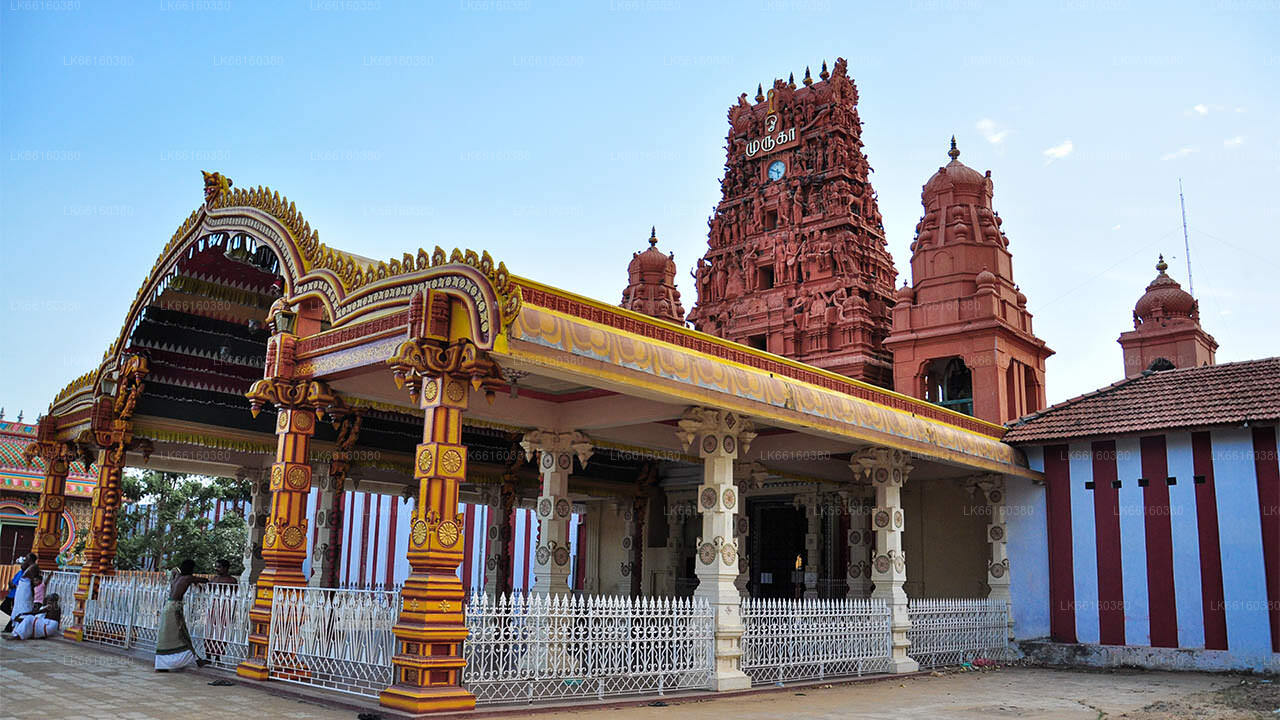
Nagadvipa is only about 35 miles from India and the smallest Island in Gulf of Mannar. Merchants have long come here and the surrounding islands to buy the conch shells that are harvested in the warm shallow waters in the Gulf. The conch shell is of course essential for certain Hindu and Buddhist rituals and a particularly perfect specimen of one spiralling to the right can fetch an enormous price. Pilgrims have also been coming to Nagadvipa (Nainativ) since the 1st century CE to worship its famous Stupa. In the Mahavamsa the Island is one of the sixteen sacred places and the Tamil Buddhist epic, Manimekalai, mentions a gem studded throne and a stone with the Buddha’s footprints enshrined at Nagadvipa which pilgrims from India used to come and worship. The heroine of the epic is described as wandering amongst the island’s ‘long sandy dunes and lagoons’.

However on either side of the side entrance to the temple there are two very ancient objects. On the left as you enter is a large stone with an inscription of Parakramabahu I on it. In the first part of this inscription the king says that foreigners coming into the country should enter only at Uraturai (Kayts) and that they should be helped if in need. This undoubtedly refers to merchants and pilgrims from India. The second part says what measures should be taken if ships carrying elephants or horses and merchant ships are wrecked. On the right of the entrance is a large life saver-shaped stone, an ancient anchor. Arab ships used to carry such anchors. Less than half a kilometre down the road from the temple is Nagadvipa Vihara marking the place where the Buddha is supposed to have stayed during his visit to the small island. On one side of the road is the Bodhi Tree and on the other is the silver painted Stupa. There are two temples as well, one containing a bronze Buddha image donated by the Burmese government in 1956. Nothing at Nagadvipa is of any aesthetic or historical interest except for the inscriptions; everything having been built in the 1950’s.

Nagadeepa Viharaya Nagadeepa Viharaya Nagadeepa Viharaya

Sobre o distrito de Jaffna

Jaffna é a capital da Província do Norte do Sri Lanka. 85% da população dos distritos de Jaffna e Kilinochchi é hindu, seguindo a tradição saivita. O restante é composto principalmente por católicos romanos ou protestantes, alguns dos quais descendentes de colonizadores, conhecidos como burghers. Os tâmeis estão divididos por castas, sendo os vellalar, casta de agricultores, a maioria. Produtos do mar, cebola roxa e tabaco são os principais produtos de Jaffna.

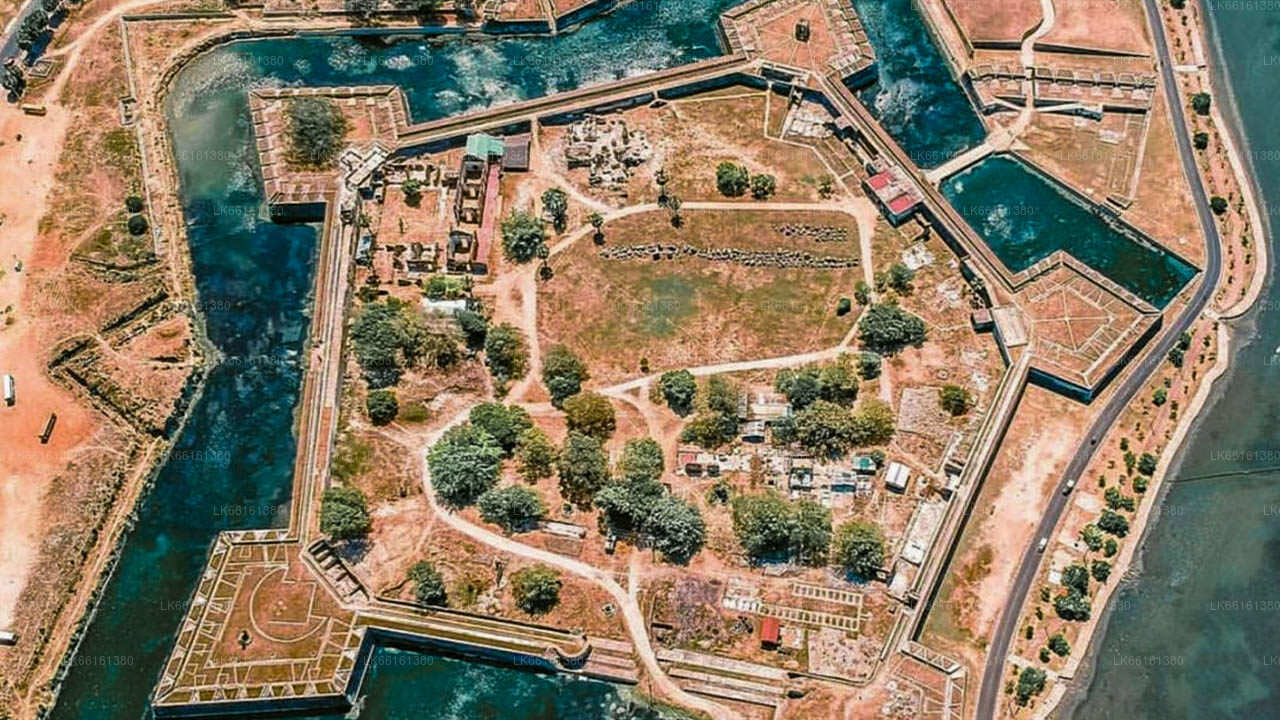
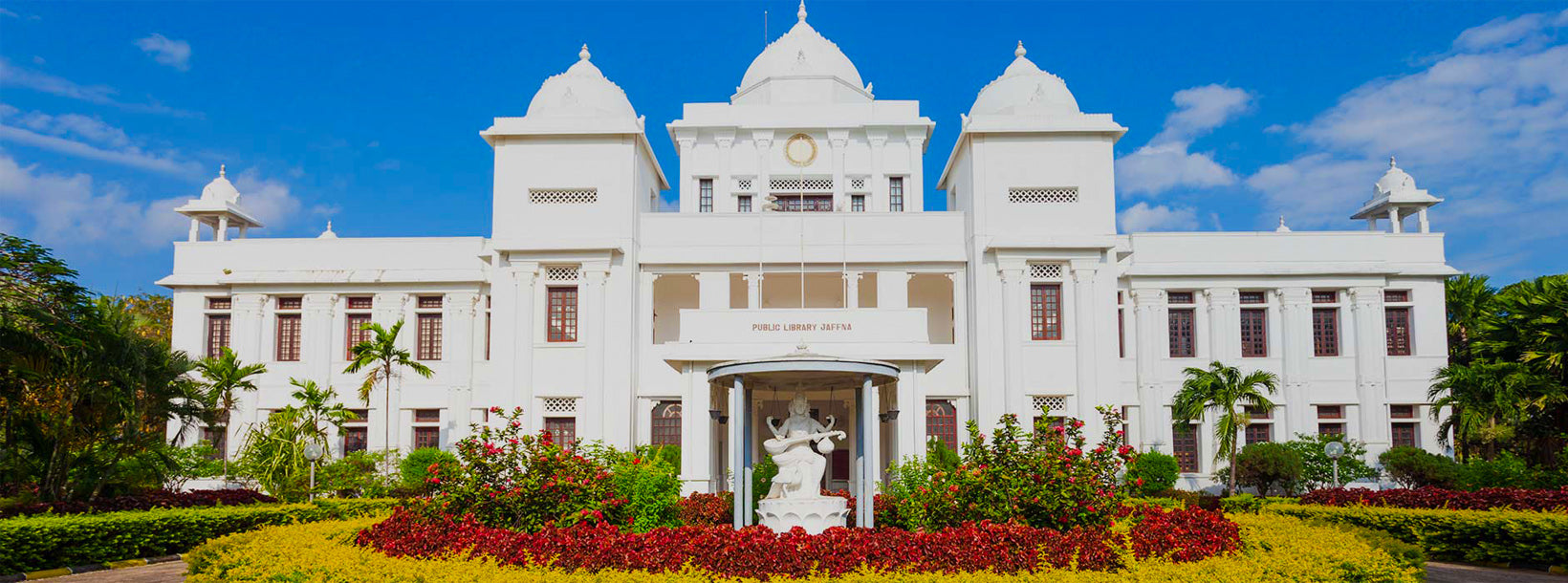
Jaffna abriga belos templos hindus. Um antigo forte holandês ainda se encontra bem preservado, abrigando uma antiga igreja. Outro exemplo da arquitetura holandesa é a Casa do Rei. Nenhuma visita a Jaffna está completa sem provar a requintada manga de Jaffna, famosa por sua doçura. A cerca de 3 km de distância está o majestoso Templo Nallur Kandaswamy, palco do maior festival religioso de Jaffna. O Porto de Kayts é um antigo ancoradouro de navios na região de Jaffna.

Sobre a Província do Norte

A Província do Norte é uma das nove províncias do Sri Lanka. As províncias existem desde o século XIX, mas não possuíam personalidade jurídica até 1987, quando a 13ª Emenda à Constituição de 1978 do Sri Lanka estabeleceu os conselhos provinciais. Entre 1988 e 2006, a província foi temporariamente unida à Província Oriental, formando a Província do Nordeste. A capital da província é Jaffna.

A Província do Norte está localizada no norte do Sri Lanka, a apenas 35 km da Índia. A província é banhada pelo Golfo de Mannar e pela Baía de Palk a oeste, pelo Estreito de Palk ao norte, pela Baía de Bengala a leste e pelas províncias Oriental, Centro-Norte e Noroeste ao sul. A província possui diversas lagoas, sendo as maiores a Lagoa de Jaffna, a Lagoa de Nanthi Kadal, a Lagoa de Chundikkulam, a Lagoa de Vadamarachchi, a Lagoa de Uppu Aru, a Lagoa de Kokkilai, a Lagoa de Nai Aru e a Lagoa de Chalai. A maioria das ilhas ao redor do Sri Lanka encontra-se a oeste da Província do Norte. As maiores ilhas são: Kayts, Neduntivu, Karaitivu, Pungudutivu e Mandativu.

A população da Província do Norte era de 1.311.776 habitantes em 2007. A maioria da população é composta por tâmeis do Sri Lanka, com minorias de mouros e cingaleses do Sri Lanka. O tâmil do Sri Lanka é o principal idioma falado na província pela grande maioria da população. O outro idioma falado é o cingalês, por 1% da população. O inglês é amplamente falado e compreendido nas cidades.