Midigama Surf Point

Midigama Surf Point Midigama Surf Point Midigama Surf Point

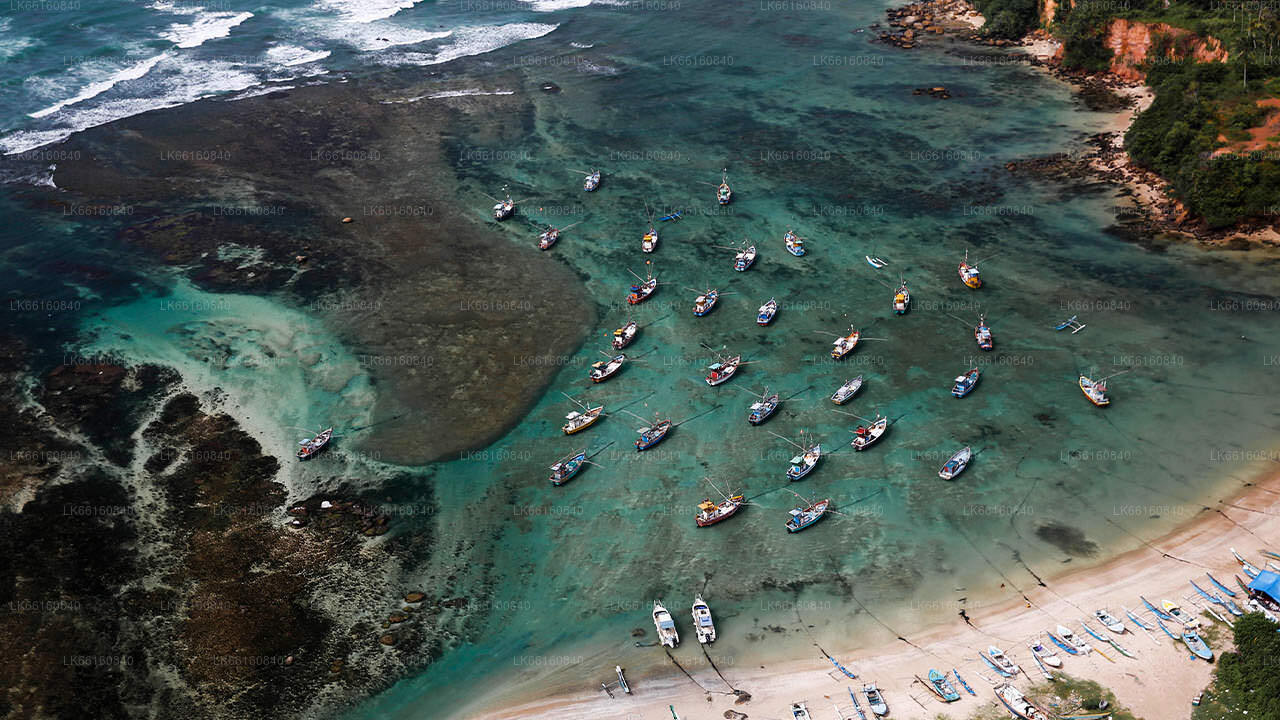
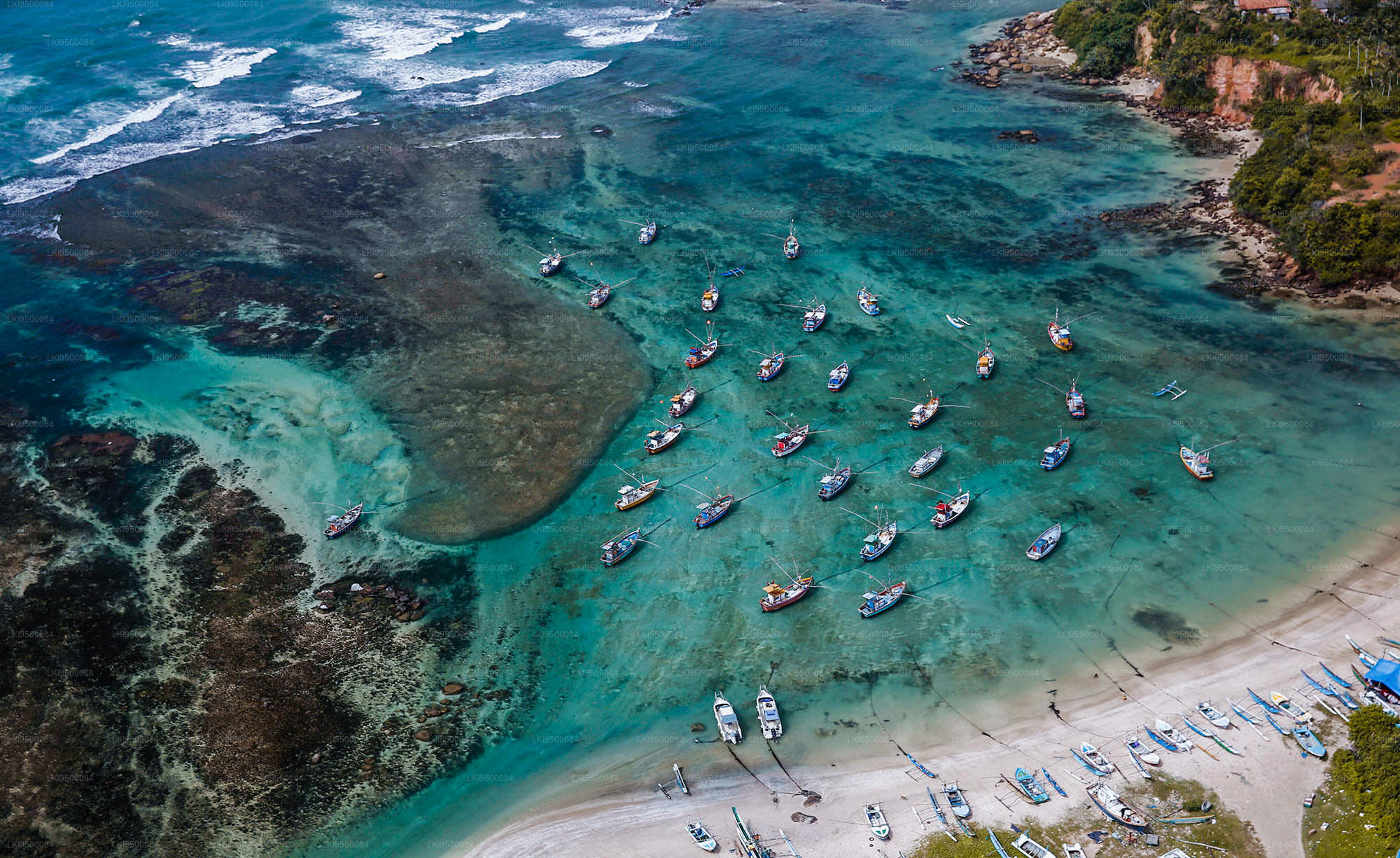
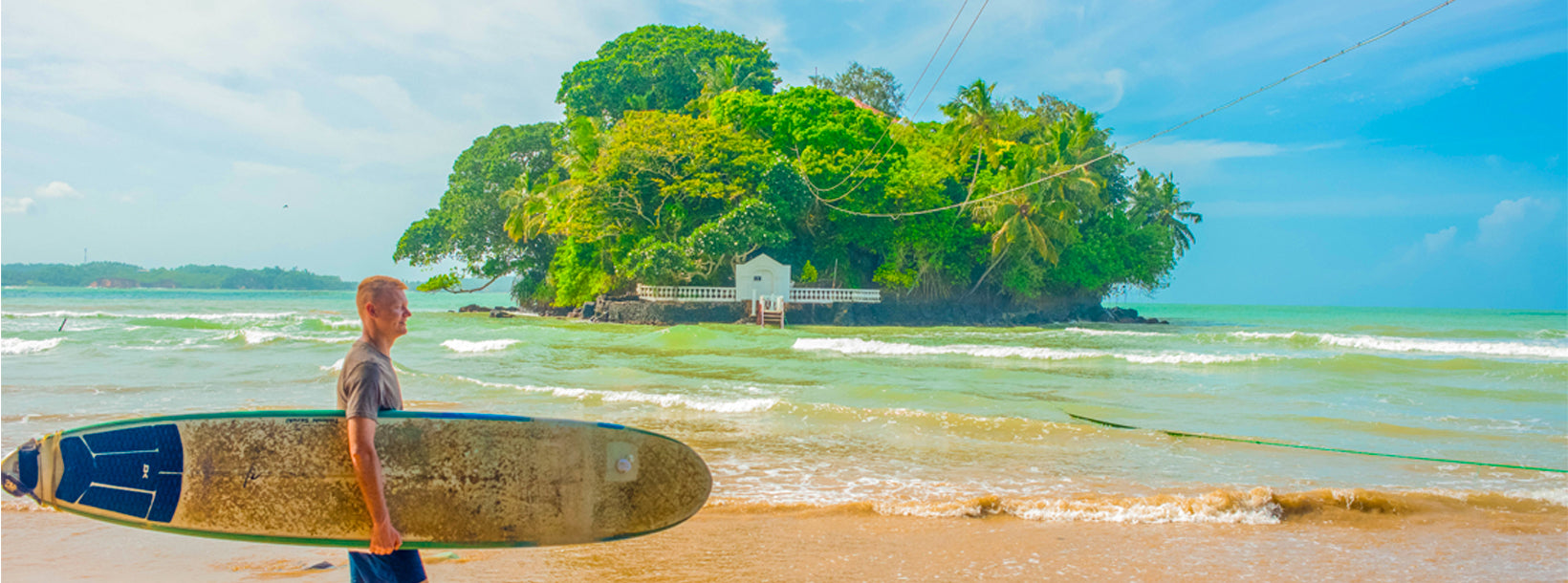
Midigama Surf Point, located on the southern coast of Sri Lanka between Ahangama and Weligama, is a renowned surfing destination loved by both local and international surfers. This beautiful stretch of coastline features clear blue waters, golden sands, and consistent waves, making it ideal for surfing throughout much of the year. Unlike the busier beaches nearby, Midigama retains a relaxed, laid-back charm, offering a perfect blend of adventure and tranquility for beachgoers and surf enthusiasts alike.

The natural beauty surrounding Midigama Surf Point is striking, with palm-fringed shores, tropical vegetation, and a thriving marine ecosystem. The reef breaks here, such as Rams Right and Lazy Left, provide excellent conditions for intermediate and experienced surfers, while the nearby beaches offer gentler waves for beginners. The warm waters and coastal biodiversity of the Southern Province highlight the harmony between Sri Lanka's natural environment and its vibrant surf culture.

Visitors to Midigama Surf Point can enjoy surfing at sunrise, relaxing by the beach, or exploring nearby coastal attractions. The area is lined with surf schools, cafes, and guesthouses catering to travelers seeking an authentic Sri Lankan surf experience. Even those who don't surf will appreciate the spectacular sunsets, the rhythmic sound of waves, and the friendly atmosphere that defines the southern surf community. It's an ideal place to unwind while soaking in Sri Lanka's coastal beauty.

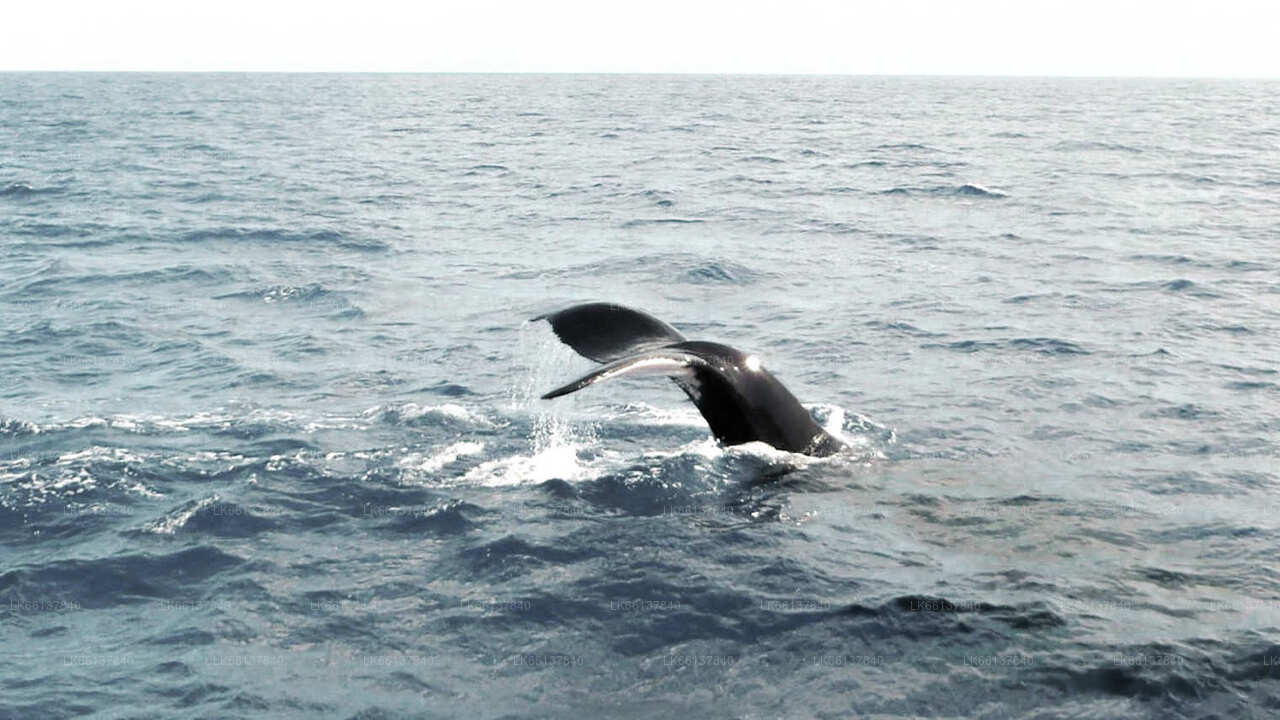
The best time to visit Midigama Surf Point is from November to April, when offshore winds and calm seas create perfect surfing conditions. The location is easily accessible by train, bus, or tuk-tuk from nearby towns such as Weligama, Mirissa, and Galle. Travelers often combine their visit with other surf spots like Kabalana Beach and Ahangama or enjoy whale watching tours in Mirissa. With its reliable waves, natural charm, and welcoming local vibe, Midigama Surf Point stands as one of Sri Lanka's premier destinations for surfing and seaside relaxation.
Sobre o Distrito de Matara

Matara é uma cidade na costa sul do Sri Lanka, a 160 km de Colombo. É uma das maiores cidades do Sri Lanka. A cidade conserva muitos vestígios do passado colonial do país e é dividida pelo terceiro maior rio da ilha, o Nilwala Ganga, também conhecido como Rio Azul, uma bela e ampla extensão de água que separa a cidade antiga da nova.

Nos séculos XVI e XVIII, Matara foi governada por portugueses e holandeses, respectivamente. A cultura e a arquitetura dessa época ainda podem ser apreciadas na região. O famoso Farol de Point Dondra foi construído pelos holandeses e é considerado um dos mais belos e antigos faróis do Sri Lanka.

Matara é uma cidade na costa sul do Sri Lanka, a 160 km de Colombo. É uma das maiores cidades do Sri Lanka. A cidade preserva muitos vestígios do passado colonial do Sri Lanka e é dividida pelo terceiro maior rio da ilha, o Nilwala Ganga, também conhecido como Rio Azul, uma bela e ampla extensão de água que separa a cidade antiga da nova.

Nos séculos XVI e XVIII, Matara foi governada por portugueses e holandeses, respectivamente. A cultura e a arquitetura desses períodos ainda podem ser apreciadas na região. O famoso farol em Point Dondra foi construído pelos holandeses e é considerado um dos mais belos e antigos faróis do Sri Lanka.

Sobre a Província Sul

A Província Sul do Sri Lanka é uma pequena área geográfica composta pelos distritos de Galle, Matara e Hambantota. A agricultura de subsistência e a pesca são as principais fontes de renda para a grande maioria da população dessa região.

Entre os principais pontos turísticos da Província Sul, destacam-se os santuários de vida selvagem dos Parques Nacionais de Yala e Udawalawe, a cidade sagrada de Kataragama e as antigas cidades de Tissamaharama, Kirinda e Galle. (Embora Galle seja uma cidade antiga, quase nada sobreviveu do período anterior à invasão portuguesa.) Durante o período português, dois poetas cingaleses famosos, Andare, de Dickwella, e Gajaman Nona, de Denipitiya, no distrito de Matara, compuseram poemas sobre o homem comum.