Balapitiya sits quietly on Sri Lanka's south-west coast, roughly 80 km from Colombo — close enough for a day trip from the capital, yet far enough that the crowds thin out considerably. The town marks the northern mouth of the Madu Ganga, one of the island's most biodiverse estuarine systems, and that single geographical fact shapes almost everything worth doing here. Families, naturalists, and travellers who have already ticked off the bigger resorts along the southern coast tend to find Balapitiya a genuine change of pace.
What makes Balapitiya different from other south-coast towns?
Most coastal towns between Colombo and Galle are built around a beach. Balapitiya has a good beach, but its defining feature is the Madu Ganga river and the maze of mangrove islands behind it. The river is a UNESCO-recognised Ramsar Wetland, sheltering around 300 plant species, 19 species of mangrove, and a range of birds, monitor lizards, water monitor lizards, and crocodiles. That ecological richness sits right on the doorstep of a relaxed seaside town — an unusual combination on this coastline.
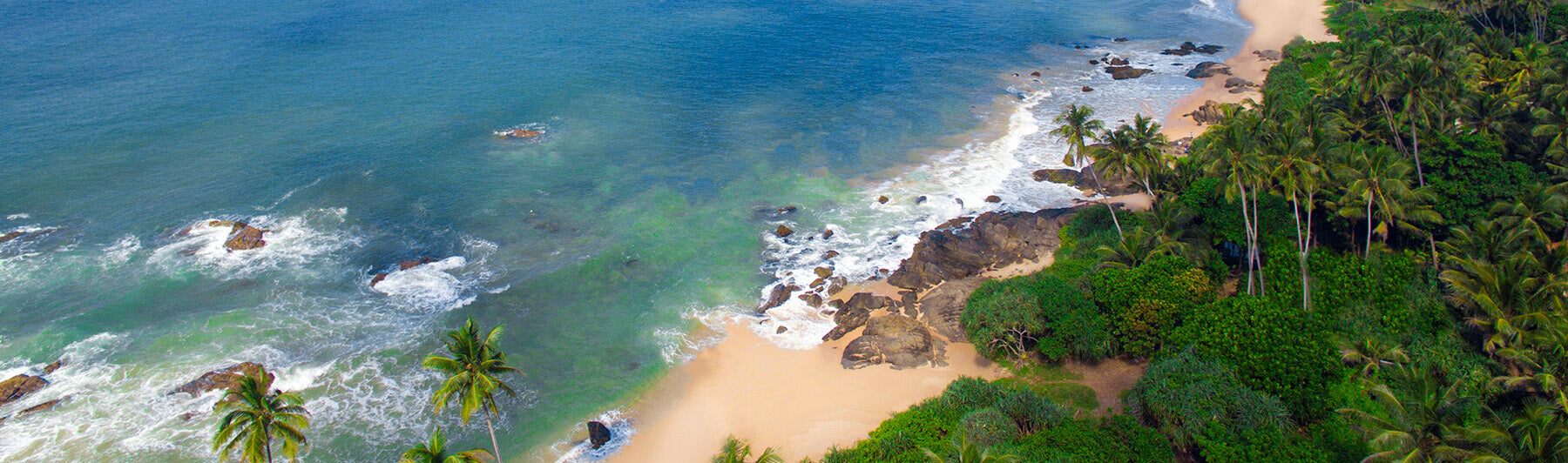
The beach itself faces the Indian Ocean and is noticeably quieter than nearby Hikkaduwa or Bentota, making it suitable for those who prefer to swim or walk without navigating large resort crowds.
What can you do on a Madu River safari?
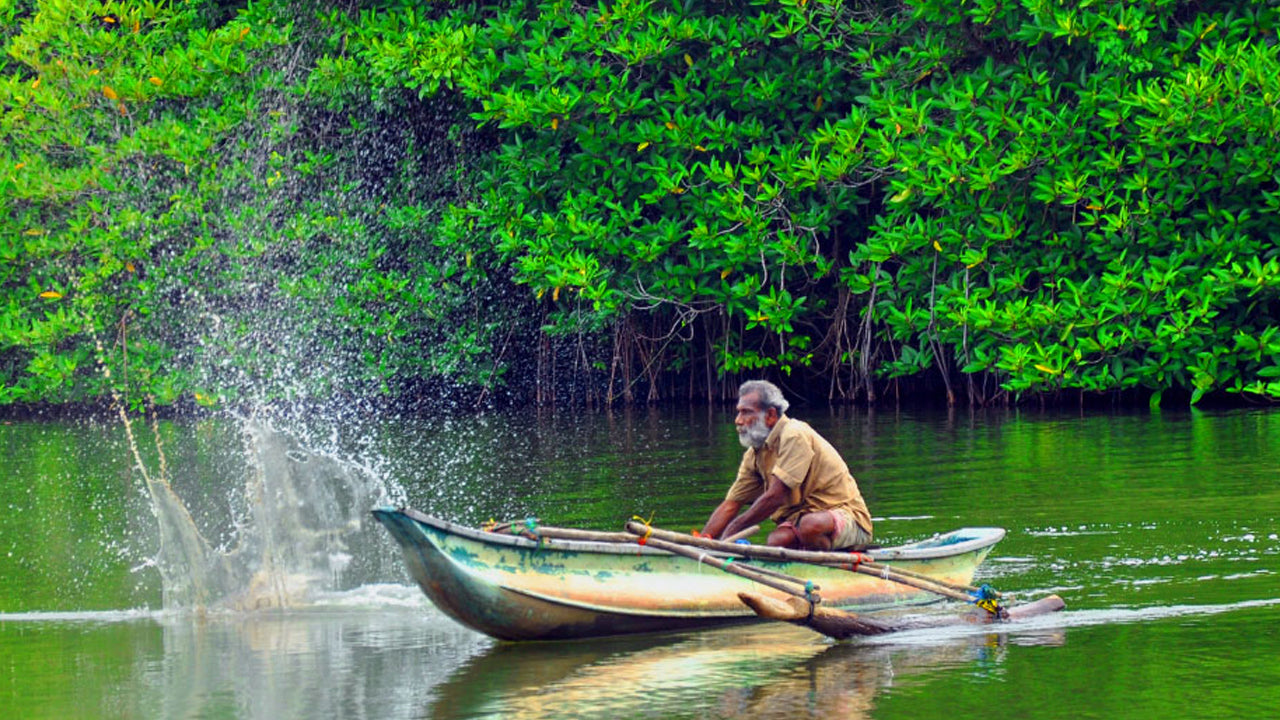
A Madu River Safari is the activity most visitors come to Balapitiya specifically for. Flat-bottomed boats leave from the river bank and thread through a network of 64 small islands, most of them covered in dense mangrove. A typical safari lasts one to two hours and includes several stops.
- Cinnamon Island: Local families demonstrate how cinnamon bark is peeled, dried, and rolled into quills. Ceylon cinnamon grown in this region is among the most prized in the world.
- Kothduwawa (Kothduwa) Temple: A small Buddhist temple on its own island, accessible only by boat. The temple is an active place of worship — dress modestly and remove footwear before entering.
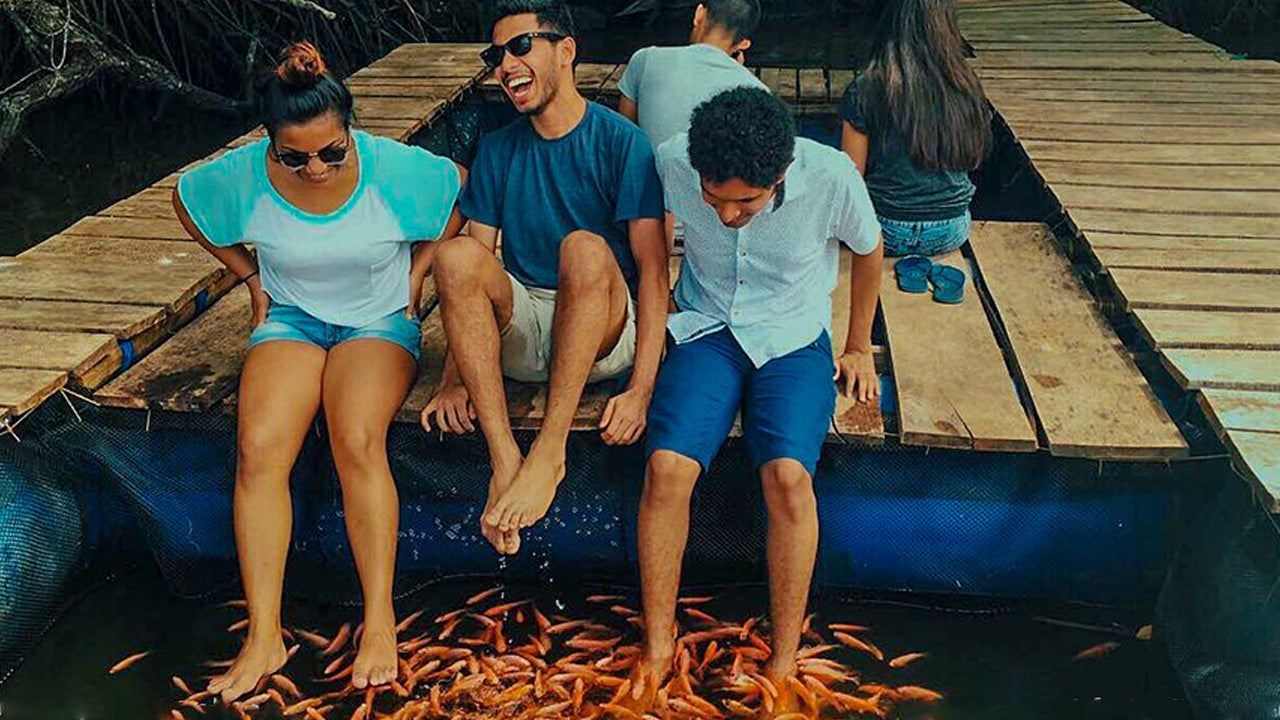
- Fish therapy rock: A shallow section of the river where small doctor fish gather. Many visitors wade in, though this is optional.
- Mangrove canopy passages: Narrower channels where the canopy closes overhead — a striking visual that also provides good conditions for spotting kingfishers and herons.
Independent boat operators and hotel-arranged tours both run safaris daily. Mornings tend to offer calmer water and better light for wildlife observation. Keep an eye out for crocodiles resting on mud banks in the quieter reaches of the river.
What wildlife can you see around Balapitiya?
The Madu Ganga wetland is a recognised biodiversity hotspot. Bird species recorded in the area include purple herons, white-throated kingfishers, little cormorants, and various egrets. Mugger crocodiles are present in the river and are regularly sighted from boats. Water monitor lizards are common along the banks. The mangrove root systems also shelter mud skippers, crabs, and several species of small fish.
Above the waterline, the forests on surrounding land contain flying foxes that roost in large numbers and emerge at dusk — a striking sight visible from the riverbanks without a boat trip.
When is the best time to visit Balapitiya?
The south-west coast of Sri Lanka is generally at its best between November and April, when the south-west monsoon has passed and the sea is calm. This period offers the most reliable conditions for river safaris and beach swimming. December and January are peak months and accommodation books up quickly.
The south-west monsoon (roughly May to September) brings heavy rain and rougher seas. River safaris still operate in the wet season, though boat rides can be choppy if the wind picks up. The surrounding landscape is noticeably greener during and after the rains, which appeals to some visitors.
| Period | Weather | Crowds | River Safaris |
|---|---|---|---|
| Nov – Apr | Dry, calm seas | Moderate–High | Excellent |
| May – Sep | Monsoon, choppy | Low | Possible, variable |
| Oct | Transitional | Low | Good |
How do you get to Balapitiya from Colombo?
By road, Balapitiya is around 80 km south of Colombo along the Southern Expressway (E01) and the coastal A2 highway. A private transfer typically takes about 90 minutes to two hours depending on traffic at the Colombo end. The Southern Expressway has no direct exit for Balapitiya — drivers exit at Dodangoda or Kurundugaha and continue on local roads.
By train, Balapitiya has its own station on the Colombo–Matara coastal railway. Trains from Colombo Fort take around two hours on express services. The station is a short three-wheeler ride from the river embarkation points and most accommodation. The train journey follows the coast closely for much of its length and is a pleasant option in its own right.
What else is near Balapitiya?
The town sits in a stretch of the south-west coast that rewards slow travel. Hikkaduwa's reef and nightlife are around 15 km south. Bentota, with its beach resorts and water sports, is a similar distance to the north. The Kosgoda Sea Turtle Conservation Project is a short drive away and accepts visitors who want to learn about marine turtle protection on this coastline.
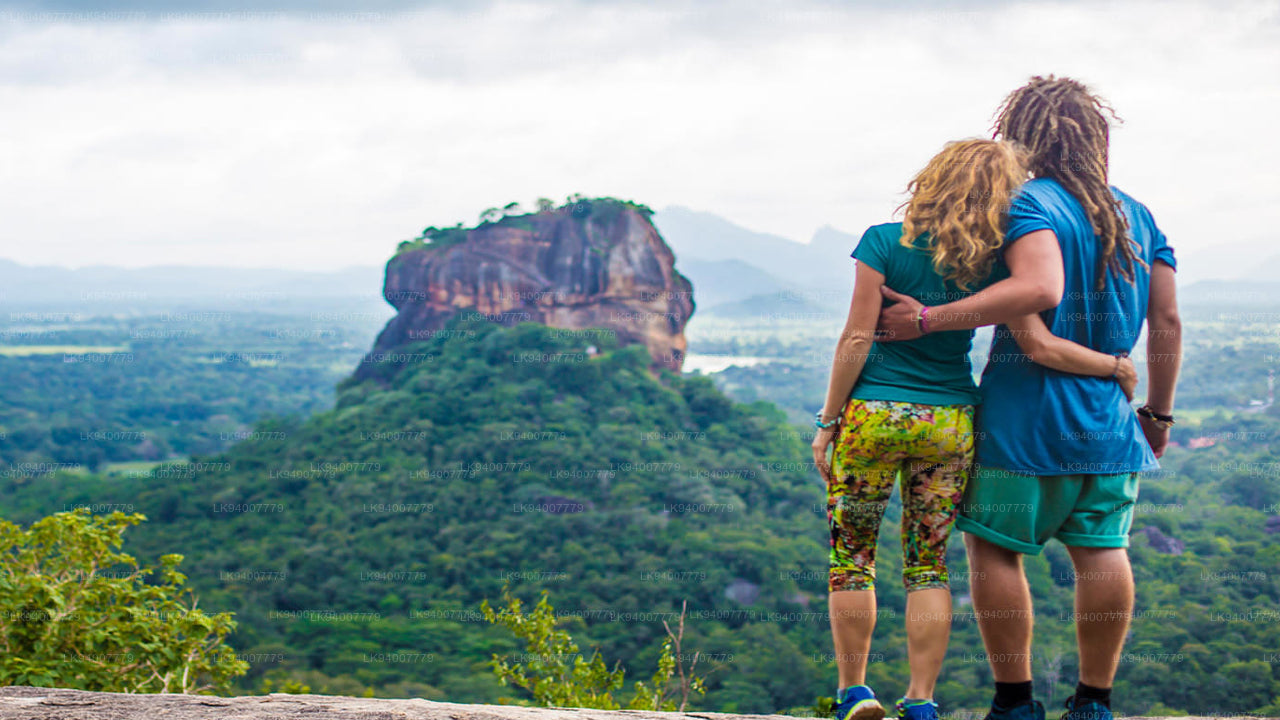
Further inland, the Sinharaja Forest Reserve — Sri Lanka's last substantial lowland rainforest and a UNESCO World Heritage Site — is reachable as a day excursion, though most visitors prefer to stay nearby for at least one night to catch an early morning walk when bird activity is highest.
The historic fort city of Galle, with its Dutch colonial ramparts and contemporary café culture, lies about 35 km to the south and makes a logical half-day extension. A Galle City Tour pairs naturally with a Balapitiya base.
Where should you stay in Balapitiya?
Accommodation in Balapitiya ranges from boutique villas on the river to small beach hotels. Properties on the Madu Ganga itself offer the advantage of private boat access for early-morning wildlife watching before the day-tripping boats arrive. Calamansi Cove Villas by Jetwing is among the more established options, set directly on the river. Several smaller boutique villas — Kumu Beach, The River House, Maduganga Villa — cater to travellers who prefer privacy over resort facilities. Most properties are within walking distance of the beach or the river, if not both.
Is Balapitiya suitable for families with children?
The town is well suited to families. The river safari is engaging for children of most ages, the beach gradient is generally gentle, and the pace of the town is unhurried. Boat operators are accustomed to mixed groups. The cinnamon island demonstration tends to be a highlight for children — they can handle and smell the raw bark and watch the rolling process. Parents should supervise young children near the river banks, particularly around areas where crocodiles have been sighted.