Arankele Monastery

Arankele Monastery Arankele Monastery Arankele Monastery

Arankele Monastery in Sri Lanka is a forest monastery with caves that lie at a distance of 117km from Colombo.

Arankele Forest Monastery, an archaeological site, can be reached by the Colombo- Kurunegala- Ibbagamuwa- Moragolla road.

Arankele Monastery in Sri Lanka: Setting

Arankele Monastery in Sri Lanka was a 6th-century cave hermitage situated up a forested hillside. The densely wooded terrain crowded with huge hardwood trees is interspersed by the openings and clearings created by the on-going process of clearing scattered debris to unearth the ruins and re-erecting the fallen ruins.

Arankele Monastery in Sri Lanka: Rock Caves

On the slopes of the hill containing Arankele Monastery in Sri Lanka is a cluster of natural rock caves once used by monastic monks for shelter and meditation. Though remain rough outside with the exception of the drip ledges, the interior walls are well plastered with lime.

it was the site of an ancient forest monastery – the austere abode of a sect of recluse monks who had been attracted to this site because of its very isolation and seclusion. The building at the entrance of the Arankele site has been identified as a Jantagara or hot water bath with the dimensions of 100ft in length and 60ft in breadth. There also vestiges of grinding stones that had been used to prepare herbal medicines in the past. Among the other ruins that have been identified are meditating promenades, ponds, and long winding pathways.

Long pathways that cut across the dense forest lead to stone-carved drip-ledges and caves used for mediation, alms-giving halls, and bathing ponds that testify to the excellent works of the craftsmen of that day and age.

Arankele Monastery in Sri Lanka: Architecture

Ancient stone slabs of inscriptions in Brahmi script have revealed the existence of meditation halls, stone-faced double platform structures, and ambulatories for the austere Buddhist monks living in Arankele Monastery in Sri Lanka. The platforms aligned in the east-west axis consist of the entrance porch to the east bridged by a large monolith. The smaller of the double platform structure herein, the roof being supported on columns, has the impression of being divided into cells for the monks. The purpose of the construction of double platforms hasn't been yet determined though some scholars are of the opinion those were used for meditation, ceremonies, and teaching.

In line with the severe simplicity and austere religious practices of Arankele Forest Monastery, the building had been built with no pretensions to decorations. Furtherm


Sobre o Distrito de Kurunegala

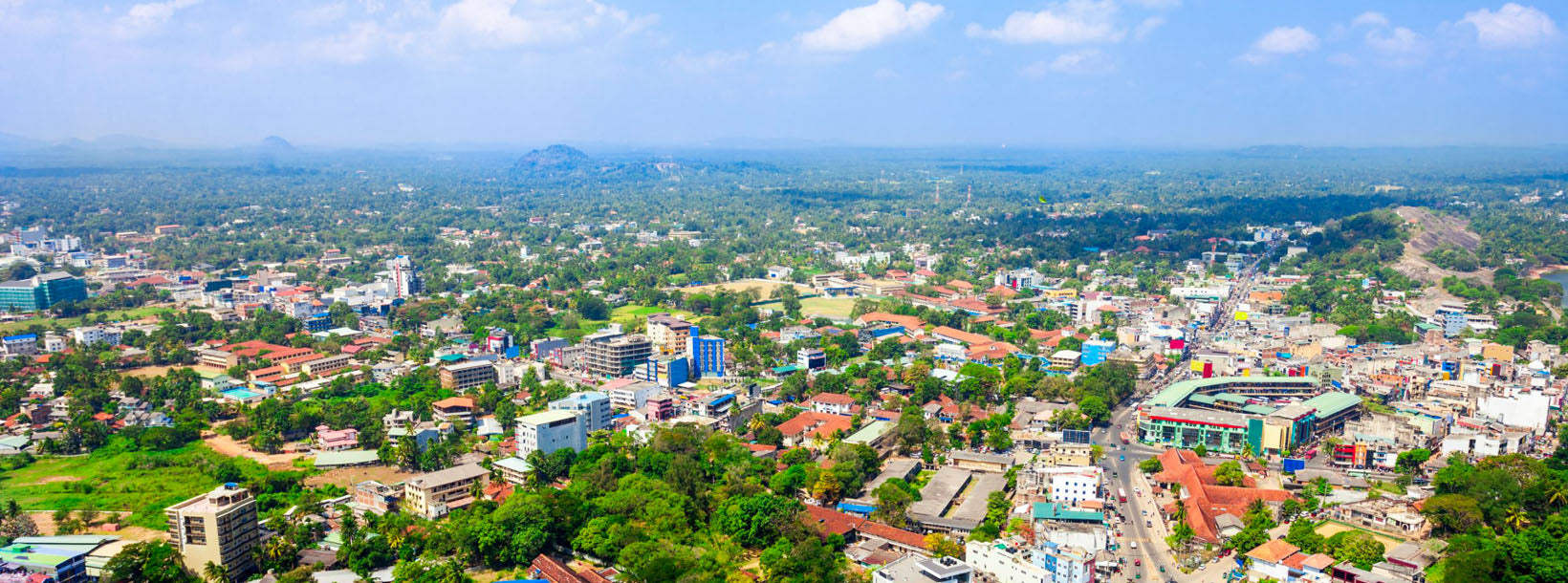
Kurunegala é a capital da Província de Wayamba, no Sri Lanka, e do Distrito de Kurunegala. Kurunegala foi capital real por apenas 50 anos, do final do século XIII ao início do século XX, embora mesmo antes disso já estivesse estrategicamente localizada entre outras fortalezas majestosas, como Yapahuwa ao norte, Dambadeniya ao sul e Panduwasnuwara ao leste. Ethagala, uma rocha que atinge 316 metros de altura, domina a cidade, que está situada a uma altitude de 116 metros acima do nível do mar. O formato de Ethagala lembra um elefante. Como importante centro de transportes, possui uma estação ferroviária e diversas rodovias principais que ligam partes importantes do país. Kurunegala está localizada a cerca de 94 km de Colombo e a 42 km de Kandy. A maioria dos habitantes de Kurunegala pertence à etnia cingalesa. Outras minorias étnicas incluem os mouros do Sri Lanka, os tâmeis do Sri Lanka, os burghers e os malaios. Residentes de minorias étnicas vivem em todas as partes da cidade; no entanto, comunidades consideráveis ​​de mouros e tâmeis também vivem nas áreas de Teliyagonna e Wilgoda.

Sobre a Província Noroeste

A Província Noroeste é uma província do Sri Lanka. Os distritos de Kurunegala e Puttalam formam a Província Noroeste ou Wayamba. Sua capital é Kurunegala, que tem uma população de 28.571 habitantes. A província é conhecida principalmente por suas numerosas plantações de coco. Outras cidades importantes nesta província são Chilaw (24.712 habitantes) e Puttalam (45.661 habitantes), ambas pequenas vilas de pescadores. A maioria da população da província de Wayamba é de etnia cingalesa. Há também uma minoria significativa de mouros do Sri Lanka em torno de Puttalam e de tâmeis do Sri Lanka em Udappu e Munneswaram. A pesca, a criação de camarão e as plantações de seringueiras são outras atividades econômicas importantes da região. A província tem uma área de 7.888 km² e uma população de 2.184.136 habitantes (cálculo de 2005). Wayamba é a terceira maior região produtora de arroz do Sri Lanka.

Wayamba possui uma economia agrícola altamente desenvolvida, cultivando uma variedade de frutas e vegetais, plantas floríferas, especiarias e oleaginosas, além das tradicionais culturas de plantação, como coco, seringueira e arroz. Os solos férteis e o clima variado conferem a Wayamba potencial para o cultivo de praticamente qualquer cultura. Em Wayamba, ou Província Noroeste, encontram-se antigos templos budistas rupestres e as magníficas cidadelas de Panduwasnuwara, Dambadeniya, Yapahuwa e Kurunegala. Os impressionantes vestígios dessas cidadelas, palácios, templos budistas e mosteiros proporcionam aos visitantes uma experiência turística fascinante.