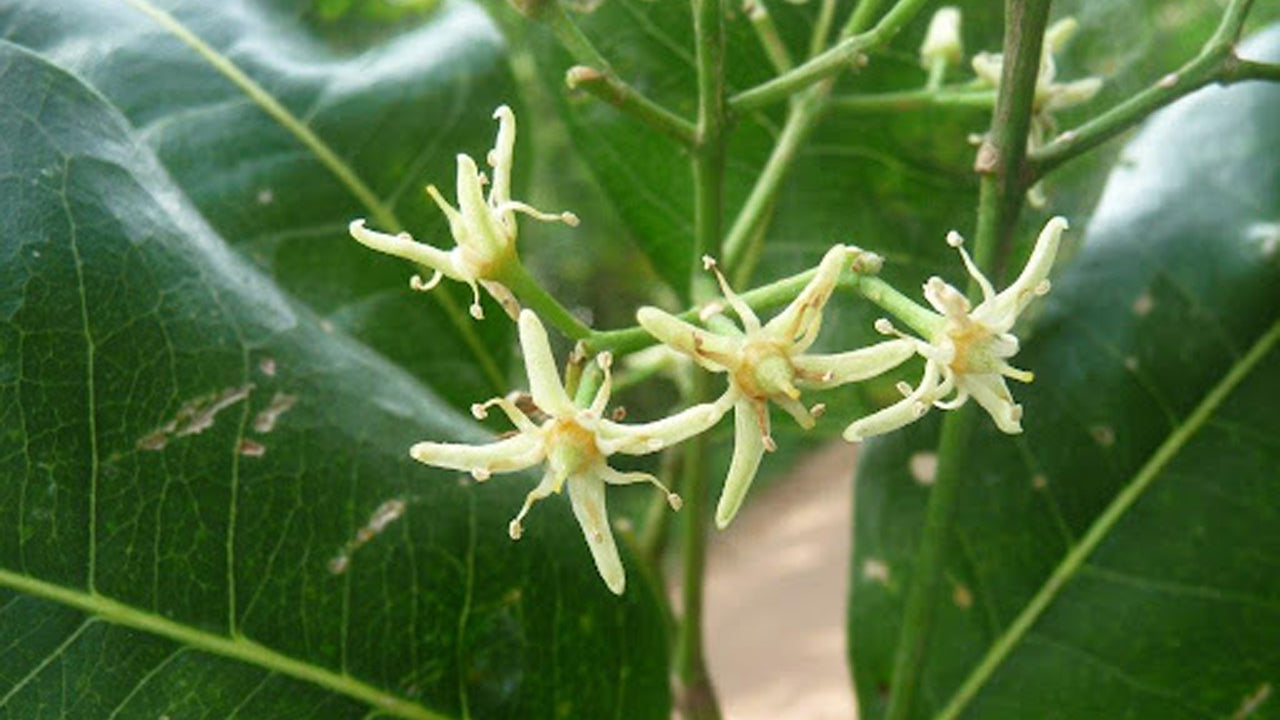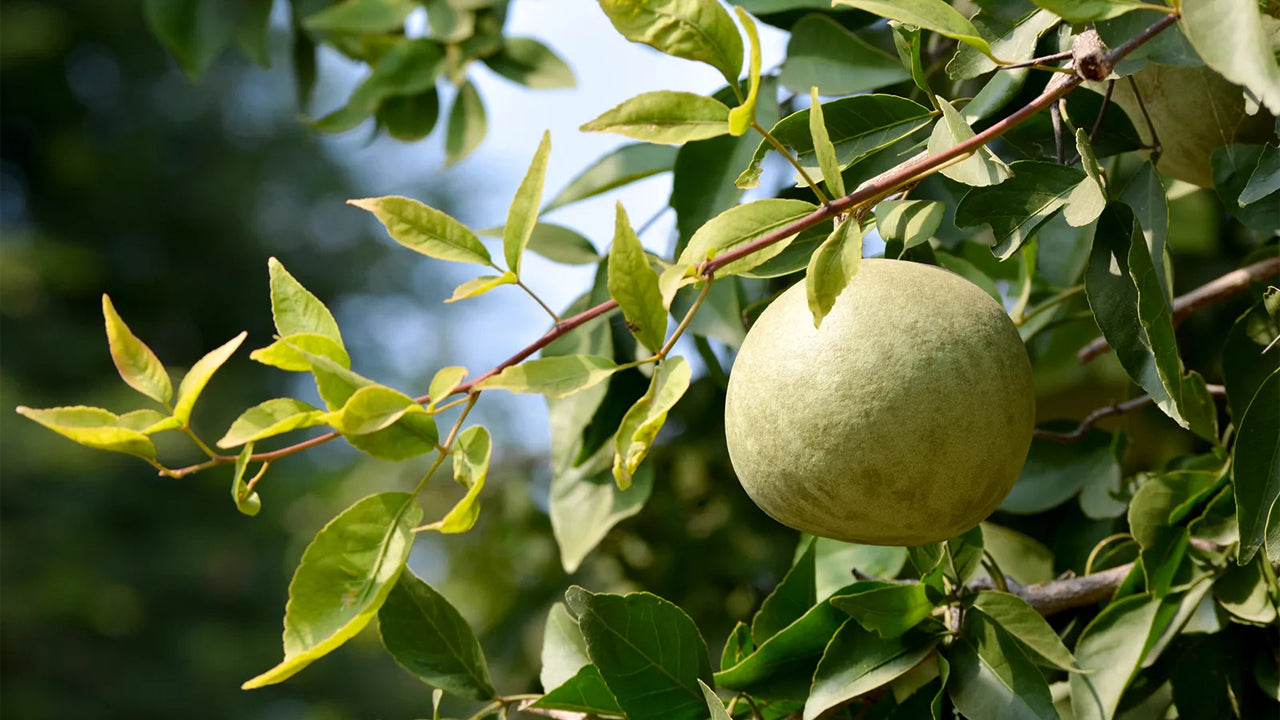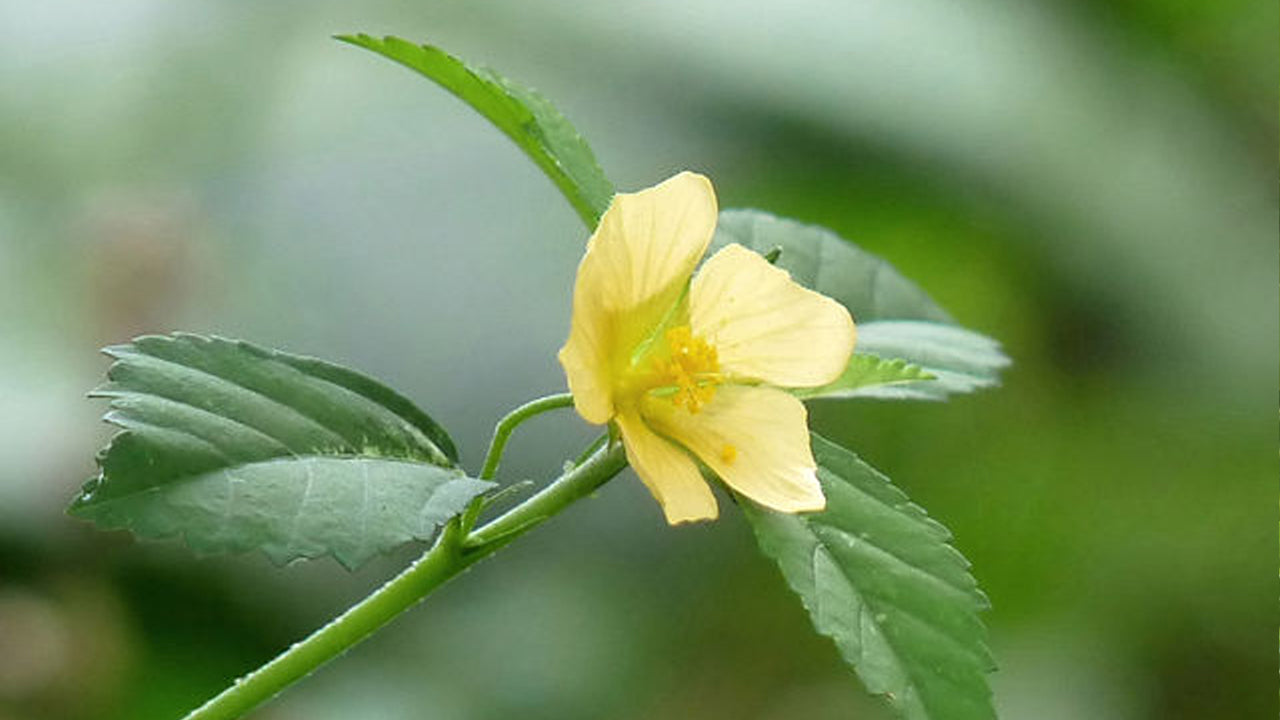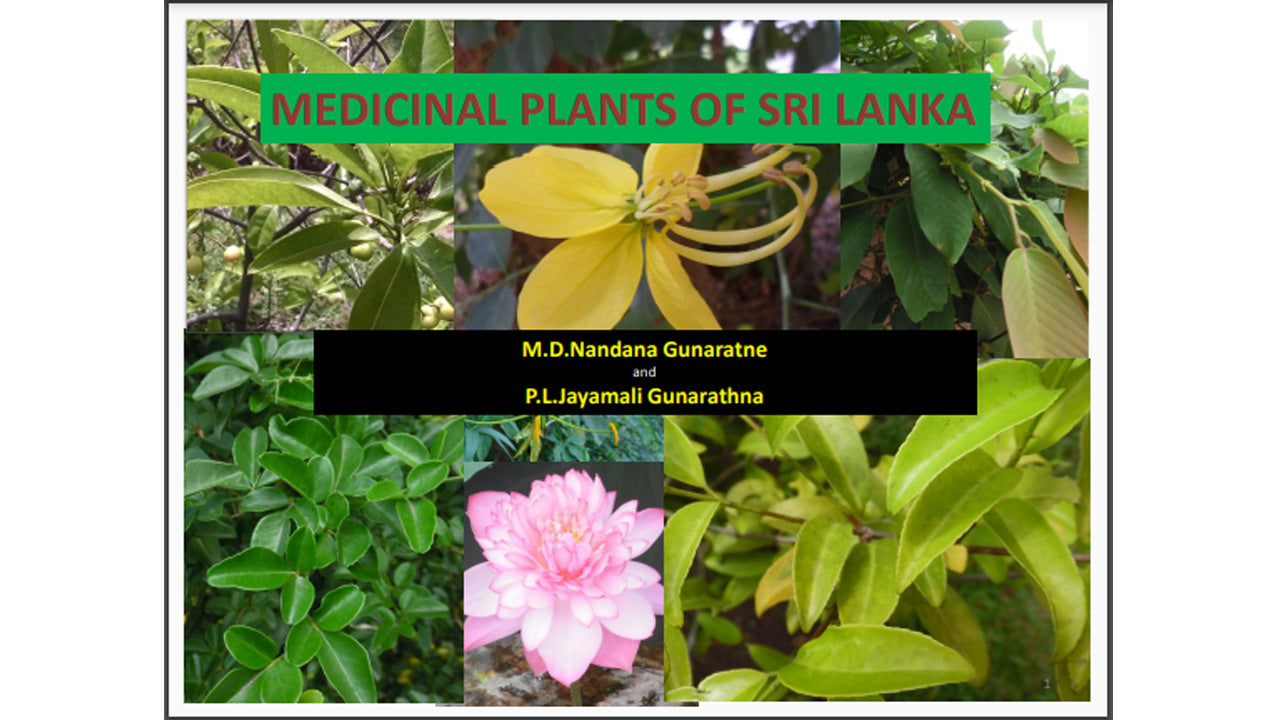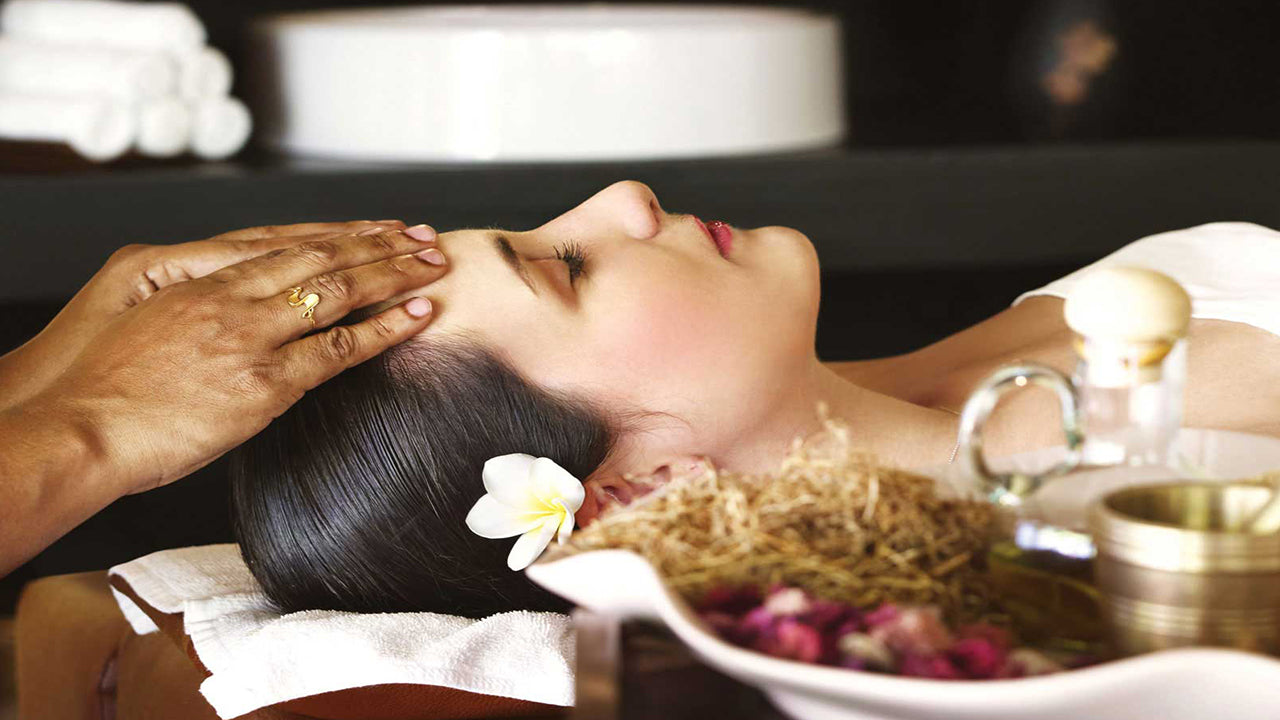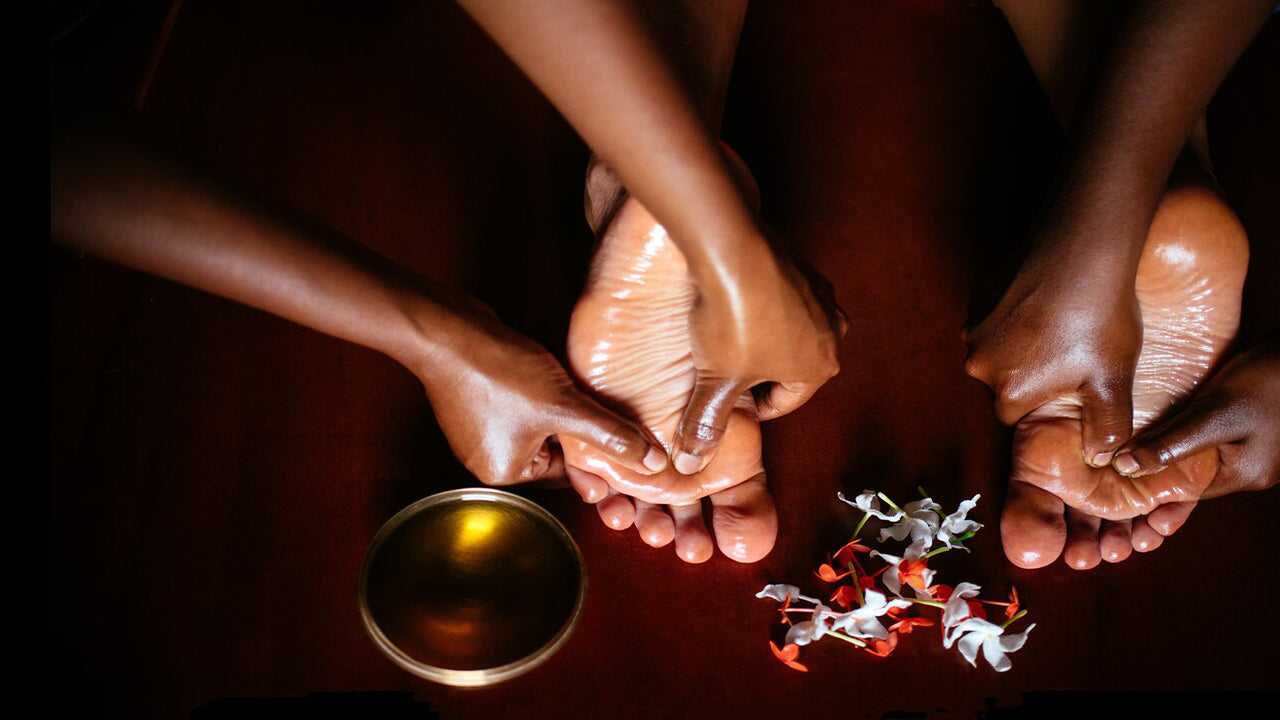



Thespesia populnea, commonly known as the Indian tulip or portia tree, is a medium-sized coastal tree that grows naturally across tropical Asia, including much of Sri Lanka's coastline and dry-zone lowlands. Recognised in Sri Lanka's catalogue of Ayurvedic medicinal plants, it has been part of traditional healing practice for centuries. Its distinctive yellow flowers, similar in form to hibiscus blossoms, make it easy to identify even without specialist botanical knowledge.
What does Thespesia populnea look like?
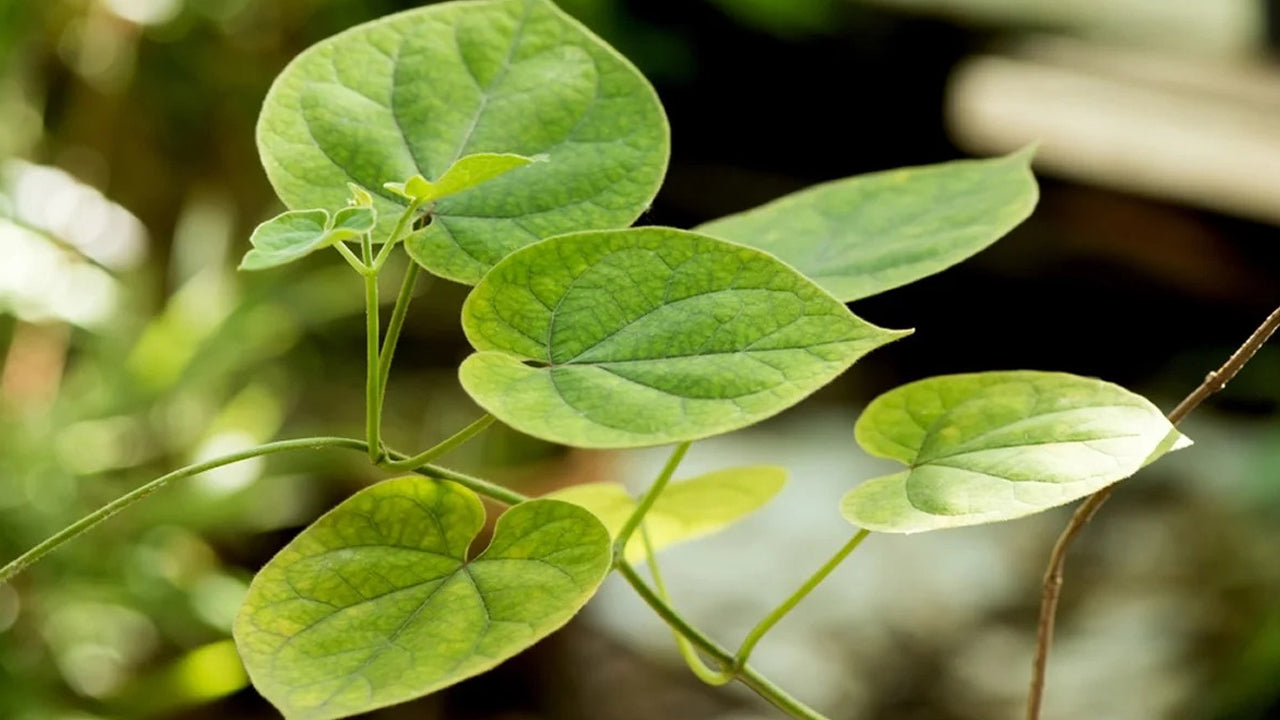
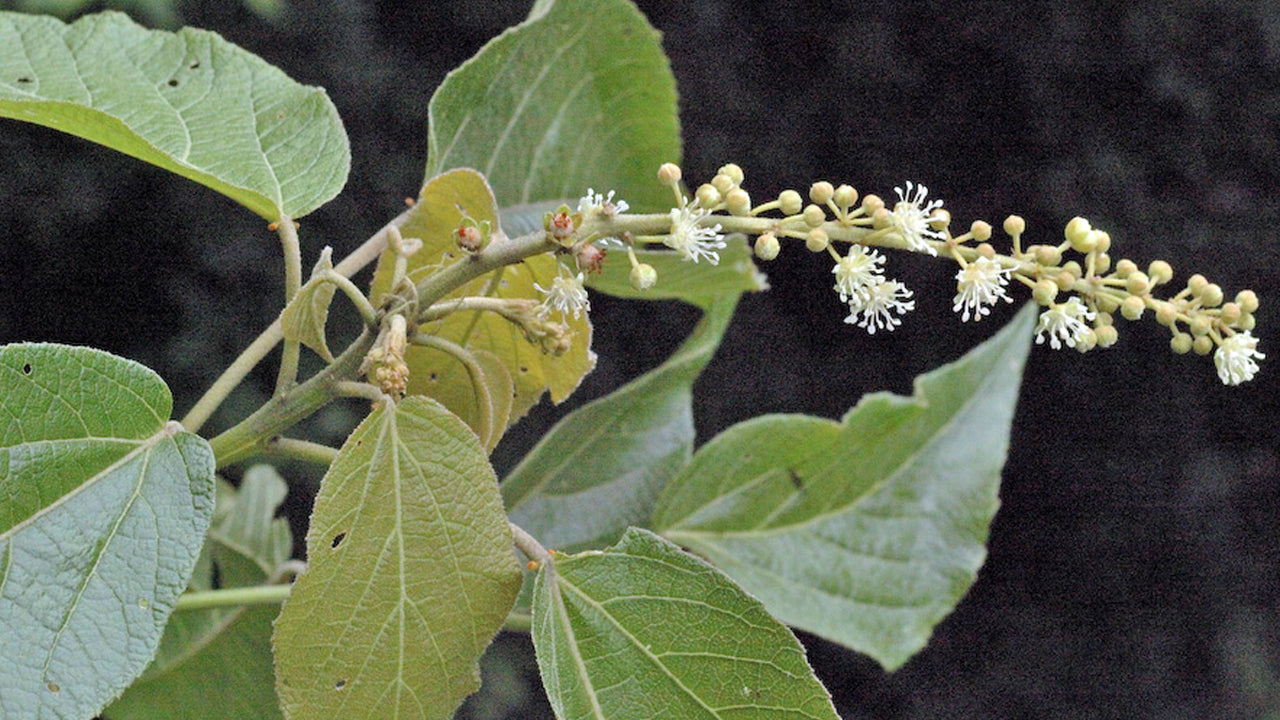
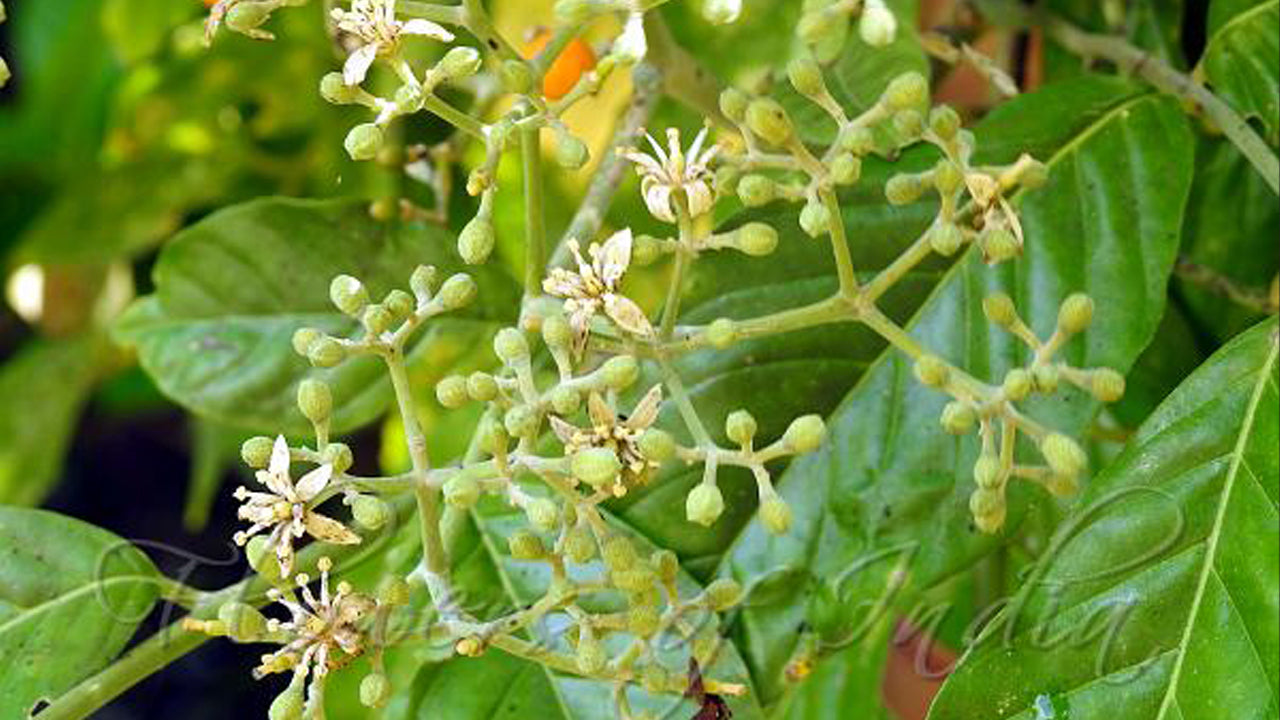
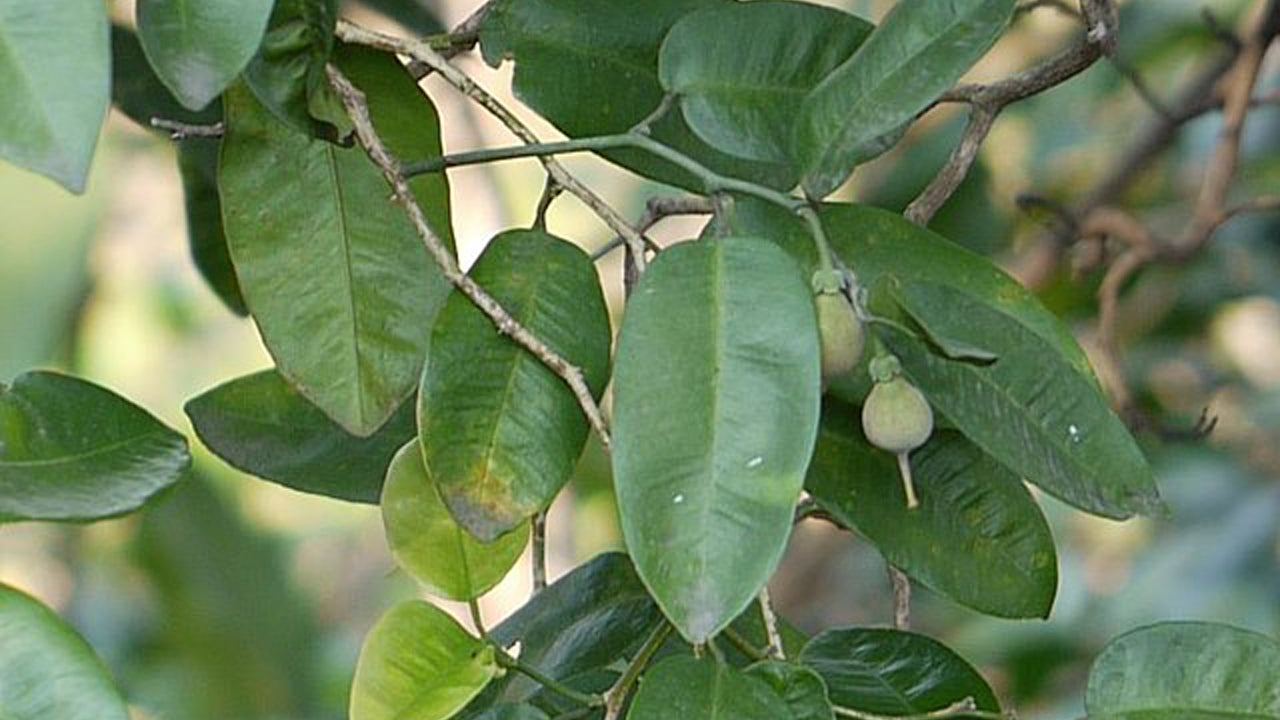
The tree typically reaches 10–15 metres in height and develops a spreading canopy suited to open coastal conditions. Its leaves are heart-shaped, leathery, and dark green — an adaptation that helps the plant retain moisture in exposed seaside environments. The flowers open a pale yellow colour with a deep maroon centre, gradually turning purplish-pink as they age through a single day. Seed pods are woody, flattened, and roughly spherical, containing fibrous seeds that can survive salt water for extended periods, which explains the plant's wide natural dispersal along tropical coastlines.
Where does Thespesia populnea grow in Sri Lanka?
The portia tree thrives in Sri Lanka's coastal belt, particularly in the Western, Southern, and North-Western provinces, where it is planted along roadsides, within temple compounds, and as a shade tree near paddy fields and water bodies. It grows naturally along sandy shores and in mangrove-adjacent zones, often appearing alongside species found in estuarine habitats. You can encounter it near coastal wetlands such as those around Madu Ganga, where riverine and coastal vegetation overlaps. It tolerates poor, sandy, and slightly saline soils where many other trees struggle.
What are the traditional Ayurvedic uses of the portia tree?
In Sri Lanka's Ayurvedic tradition, most parts of the tree — bark, leaves, flowers, seeds, and seed oil — are considered therapeutically useful. The bark has been applied externally to treat skin conditions including scabies, eczema, and fungal infections, and is sometimes prepared as a decoction for internal use. Leaf poultices are traditionally used to relieve joint pain and inflammation. The seed oil, extracted from the dark seeds inside the woody pod, has historically been used as a topical treatment for skin diseases and as a base in medicated oils.
Practitioners of traditional Sri Lankan medicine (Deshiya Chikitsa) have documented the plant under the Sinhala name Suriyamara, and it appears in classical Ayurvedic texts as Parashu. Its properties are generally described as astringent, anti-inflammatory, and antifungal within that framework. These uses align with research published in ethnobotanical literature, though clinical evidence is still being developed.
How is Thespesia populnea used beyond medicine?
The portia tree's uses extend well beyond Ayurveda. Its timber is dense, durable, and resistant to saltwater, making it historically valuable for boat-building, agricultural tools, and cabinet work in coastal communities. The wood carves cleanly and has long been favoured by craftspeople in southern Sri Lanka for decorative items. Its fibrous inner bark can be processed similarly to jute, and in some traditional contexts was used to make rope and cordage.
The tree is also planted for shade and erosion control. Its tolerance for coastal conditions and its relatively fast growth make it a practical choice for replanting degraded coastal land, and it appears in community reforestation and agroforestry programmes across the island. Within temple grounds, it carries mild cultural significance alongside other sacred trees, though it is not considered as central to Sri Lankan religious botany as species like Pongamia pinnata.
What active compounds does Thespesia populnea contain?
Phytochemical research has identified a number of biologically active compounds in various parts of the plant. These include gossypetin and gossypol (related to compounds found in the broader mallow family, Malvaceae), as well as quercetin, mansonone derivatives, and betulinic acid. The seed oil contains fatty acids including oleic and linoleic acid. Researchers have investigated these compounds for antimicrobial, antioxidant, anti-inflammatory, and antifungal activity in laboratory settings. As with many Ayurvedic plants, the translation of these findings into standardised clinical treatments is ongoing.
Is Thespesia populnea the same as Hibiscus or Teak?
It belongs to the family Malvaceae — the same broad family as hibiscus — which explains the flower's visual similarity. However, it is a distinct genus and species, not a true hibiscus. It is sometimes confused with teak (Tectona grandis) in casual conversation because both trees yield hard, durable timber valued in traditional carpentry, but they are botanically unrelated. The portia tree is also distinct from Acacia chundra and other medicinal timber species documented in Sri Lanka's Ayurvedic plant registry.
Is the portia tree endangered or protected in Sri Lanka?
Thespesia populnea is not currently considered endangered. It is widespread across the Indo-Pacific coastal zone and is actively planted rather than harvested from wild populations for most purposes. In Sri Lanka, wild populations remain stable in coastal areas, though localised habitat loss from coastal development poses ongoing pressure. The species does not appear on the IUCN Red List as a threatened taxon. Its resilience and broad coastal distribution make it one of the more ecologically secure plants within Sri Lanka's traditional medicinal catalogue.
How does Thespesia populnea fit into Sri Lanka's broader Ayurvedic heritage?
Sri Lanka holds one of the most intact living traditions of Ayurvedic medicine in South Asia, with a documented pharmacopoeia that encompasses hundreds of native plant species. Thespesia populnea occupies a modest but established place in that system — not among the headline herbs like classical Ayurvedic compound formulations, but as a reliable source plant for specific dermatological and musculoskeletal treatments. Traditional physicians (Veda Mahatmayas) who practise in rural areas of the Western and Southern provinces still incorporate it into prepared oils and decoctions. Visitors with an interest in botanical medicine will find it a rewarding example of how coastal ecosystems contribute to therapeutic traditions in ways that inland forests often overshadow.