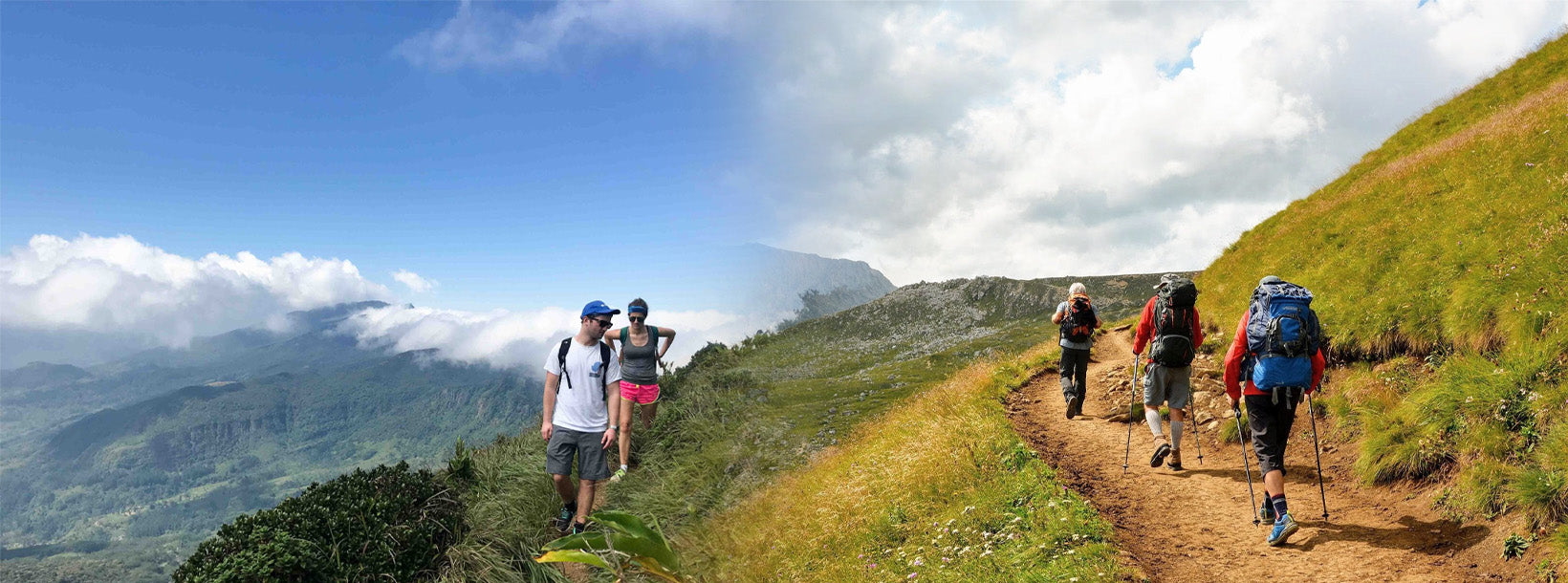
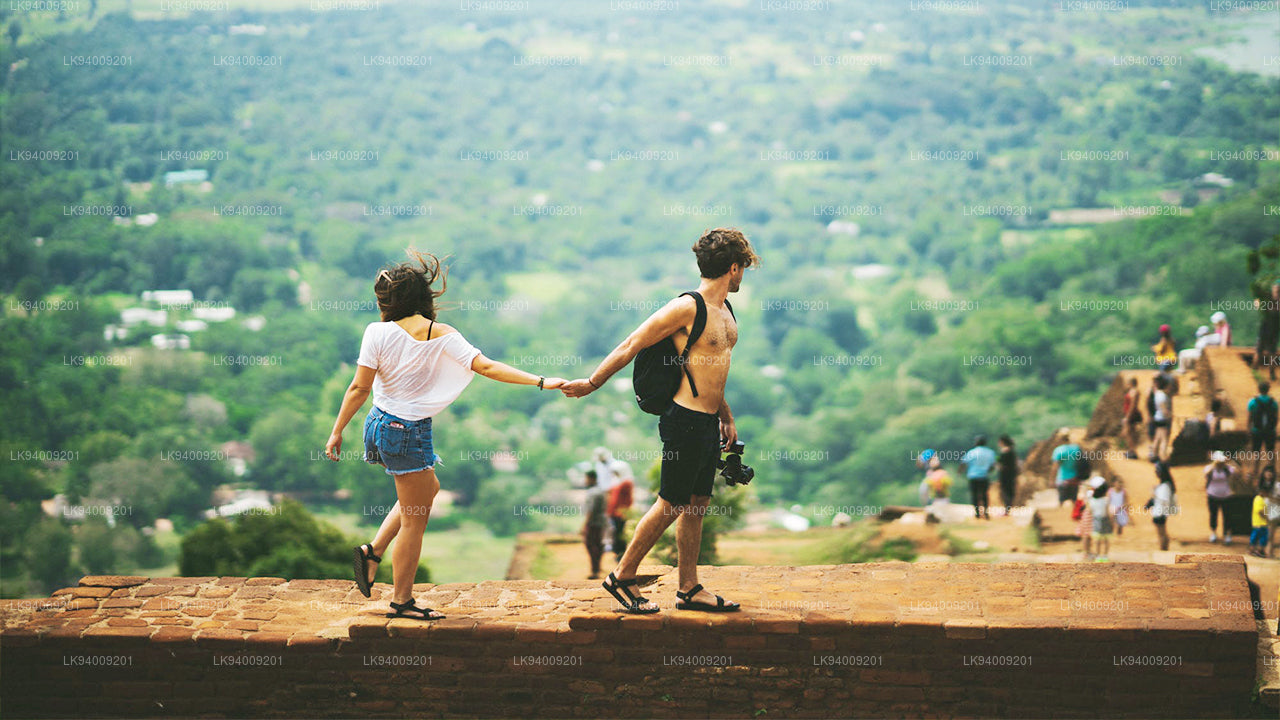
Sri Lanka packs an extraordinary range of landscapes into a relatively small island — cloud-shrouded highlands, ancient rainforests, wildlife corridors, and terraced tea country. That diversity makes it a genuinely rewarding destination for trekkers of all levels, from first-timers looking for a well-marked half-day trail to experienced hikers seeking multi-day routes through remote wilderness.
What makes trekking in Sri Lanka different from other destinations?
Unlike many long-haul trekking destinations, Sri Lanka rarely demands technical climbing skills or weeks of acclimatisation. Most trails sit between 300 m and 2,500 m above sea level, and the terrain shifts remarkably fast — a morning in dense lowland jungle can give way to an afternoon on open grassland with panoramic views. Wildlife encounters are a genuine possibility on many routes: endemic birds, giant squirrels, and the occasional leopard track add a layer of unpredictability that keeps experienced hikers alert.
The country's compact size also means you can combine a trek with heritage sightseeing, beach time, or a yoga retreat without losing significant travel time between activities.
Where are the best trekking areas in Sri Lanka?
Hill Country — Ella and Nuwara Eliya
Ella has become one of the most popular trekking hubs in the country, and for good reason. The trails around town range from the short, steep climb to Little Adam's Peak to longer routes through cardamom plantations and rubber forests. The area rewards early starters — mist clears from the valleys by mid-morning, and temperatures stay comfortable by Sri Lankan standards throughout the day.
Further west, the highlands around Nuwara Eliya are anchored by Horton Plains National Park, a UNESCO-protected plateau at around 2,100 m. The circular trail to World's End — a sheer escarpment with views dropping nearly 900 m — is one of the island's signature walks. Arrive before 9 a.m. to avoid cloud cover obscuring the view.
Rainforest Trekking — Sinharaja and Kitulgala
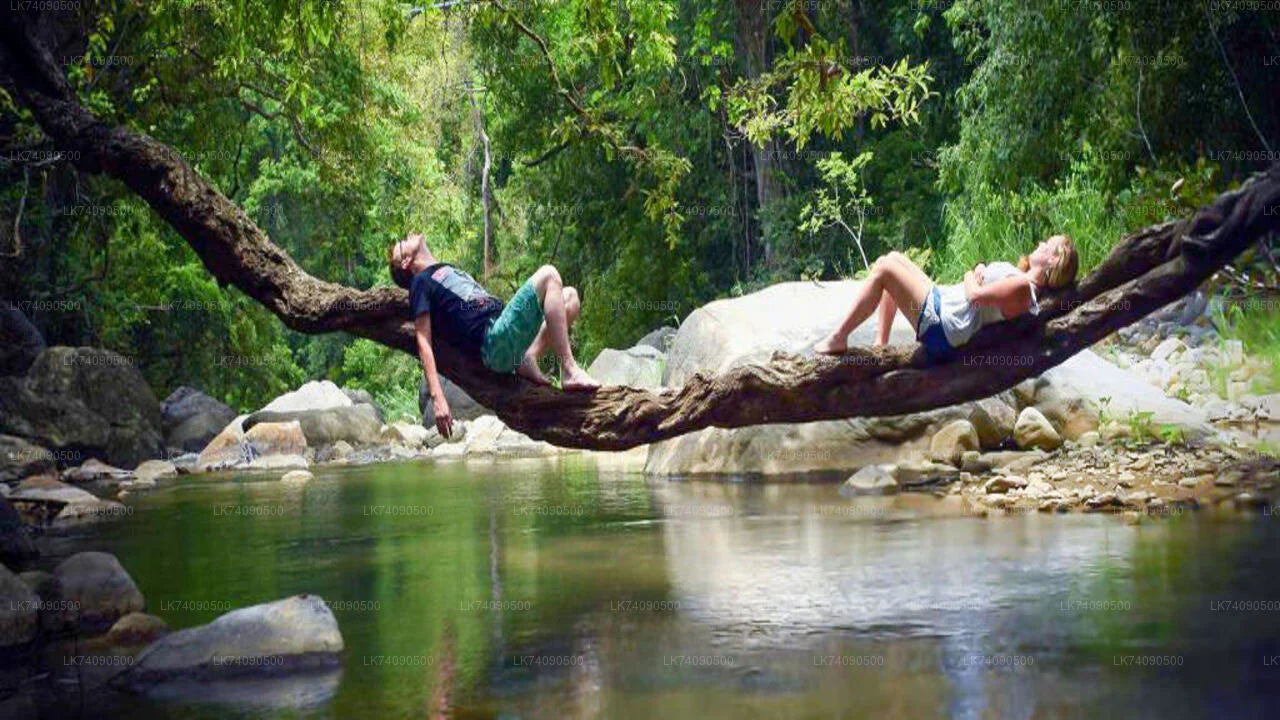
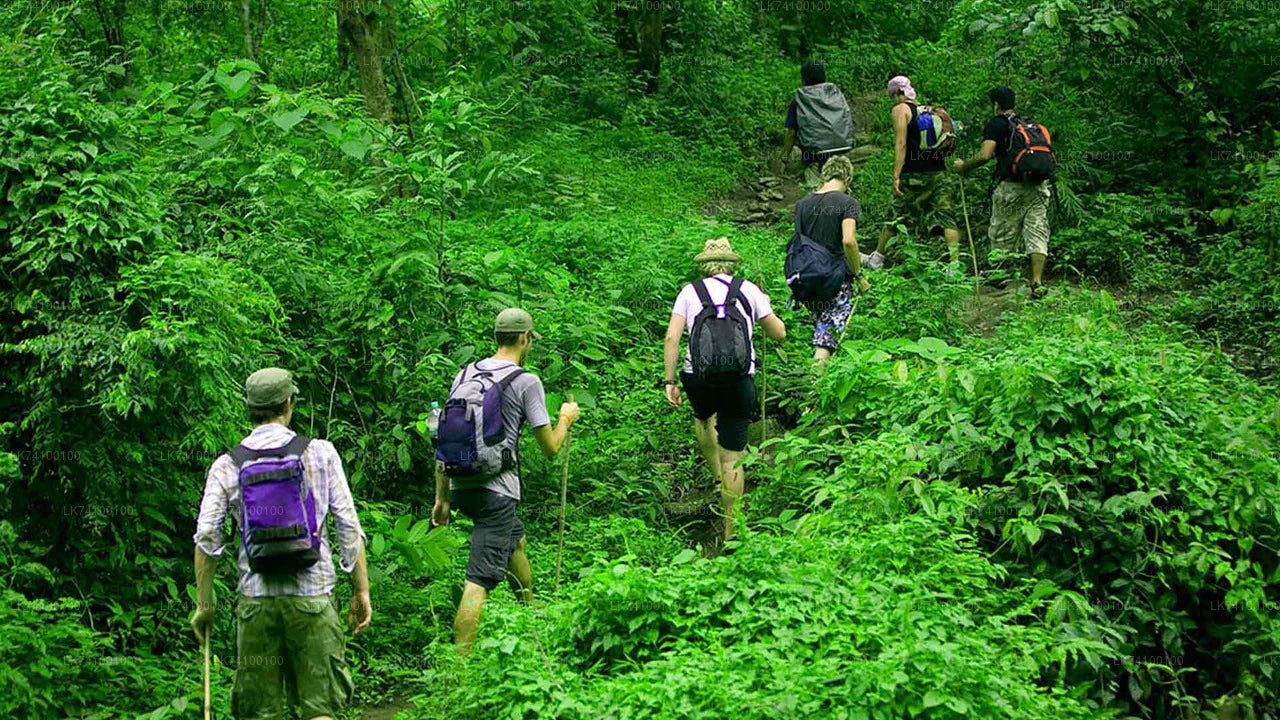
Sri Lanka's lowland wet zone holds some of the most biodiverse forest in Asia. The Sinharaja Forest Reserve, a UNESCO World Heritage Site, shelters an extraordinary concentration of endemic species — over 60% of the island's endemic trees grow here, along with purple-faced langurs, Sri Lanka blue magpies, and green pit vipers. Trails are guided-only, which keeps visitor impact low and improves wildlife spotting considerably.
The forests around Kitulgala, better known as a white-water rafting base, also offer excellent rainforest trekking on trails that follow the Kelani River and its tributaries. The Makandawa Rainforest nearby is an undervisited alternative with well-maintained paths and rich birdlife.
Cultural Landscapes — Kandy and the Village Trails
Not all of Sri Lanka's best trekking is in wilderness. The hill villages surrounding Kandy offer guided walks through paddy fields, spice gardens, and small rural communities that have changed little in generations. Routes to places like Heeloya village pass tea smallholdings and traditional homesteads, giving trekkers an insight into everyday Sri Lankan life that few mainstream itineraries include.
The Knuckles Range
The Knuckles Mountain Range, formally known as the Dumbara Hills, is one of Sri Lanka's most rewarding yet least-crowded trekking areas. Five distinct peaks rise above 1,800 m, and the range encompasses cloud forest, montane grassland, and river valleys. Multi-day routes are possible with camping or village homestays; single-day trails reward visitors with open ridge walks and views across the entire central highlands.
When is the best time to go trekking in Sri Lanka?
Sri Lanka's two monsoon seasons mean there is no single best time that works for every region simultaneously. As a general guide:
- December to March: Ideal for the hill country, Sinharaja, and the south and west coasts. Trails are drier, skies clearer.
- April to September: Better for the north, east, and the Knuckles Range, which sit in the rain shadow of the southwest monsoon during this period.
- Shoulder months (October–November): Inter-monsoonal rains can make paths slippery across the island, but crowds are minimal and landscapes are intensely green.
Whatever the season, start early. Most Sri Lankan trails are best tackled by 6–7 a.m. to avoid afternoon heat and to catch wildlife at its most active.
What difficulty levels are available?
| Difficulty | Typical Routes | Duration | Fitness Required |
|---|---|---|---|
| Easy | Little Adam's Peak (Ella), Sinharaja day trails, Horton Plains plateau walk | 2–4 hours | Moderate general fitness |
| Moderate | Knuckles single-day ridge walks, Kitulgala forest trails, Heeloya village trek | 4–7 hours | Regular walking fitness; some steep sections |
| Challenging | Adam's Peak (Sri Pada) pre-dawn climb, Knuckles multi-day, Sinharaja to Lions Rock | Full day or multi-day | Good cardiovascular fitness; prior hiking experience helpful |
What should I pack for a trek in Sri Lanka?
Sri Lanka's tropical humidity means sweat-wicking fabrics and sun protection are non-negotiable. Leech socks are strongly recommended for rainforest trails from April through November — leeches are harmless but persistent, and covering exposed skin takes care of the problem almost entirely. A lightweight rain jacket doubles as wind protection on exposed highland ridges.
- Sturdy trail shoes with ankle support (sandals are inadequate on rocky paths)
- At least 1.5 litres of water per person for a half-day trek; more for full-day routes
- High-SPF sunscreen and a wide-brimmed hat for open ridgeline sections
- Insect repellent, particularly for dawn and dusk starts
- A small first-aid kit including blister care
- Cash for park entry fees, which are payable at most national park trailheads
Do I need a guide for trekking in Sri Lanka?
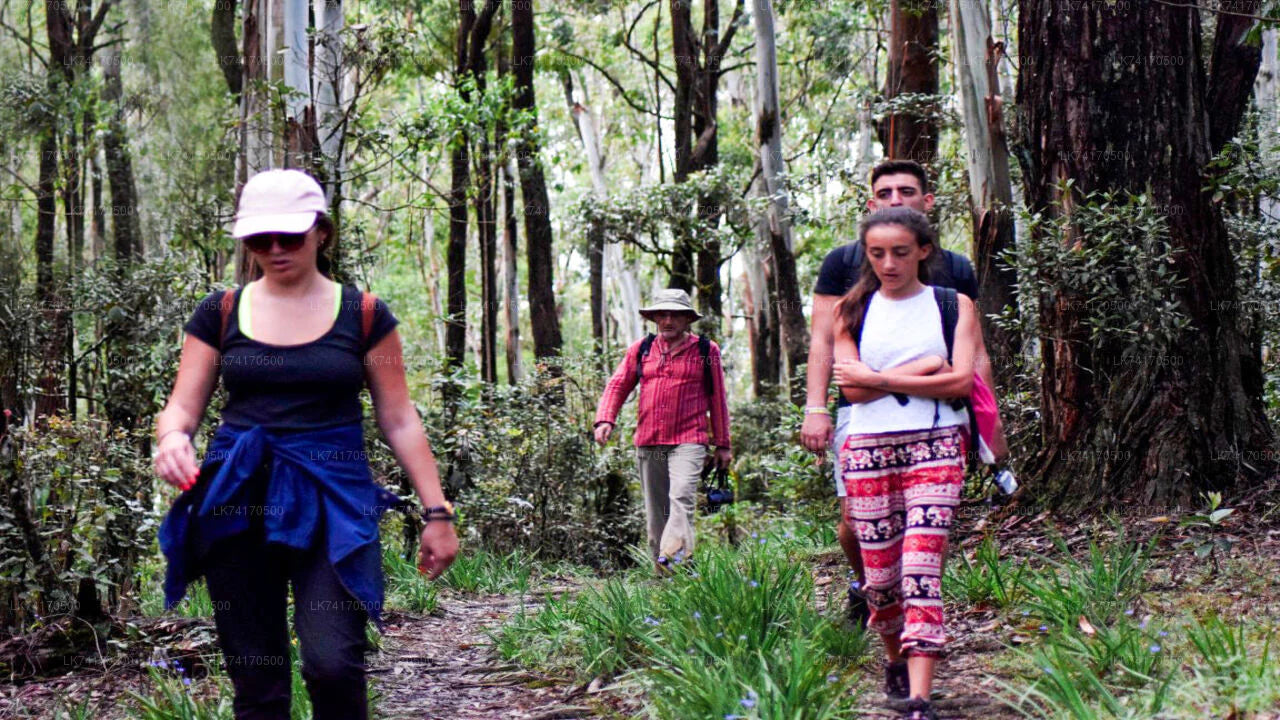
Inside protected areas — Horton Plains, Sinharaja, and the Knuckles Conservation Forest — guided entry is either compulsory or strongly advised. Outside protected zones, trails are not consistently waymarked, and paths through rural farmland or dense jungle can be confusing without local knowledge. A guide also significantly increases your chances of spotting wildlife and learning about the medicinal plants, bird calls, and cultural history of the landscape you're walking through.
Lakpura arranges experienced naturalist guides for all skill levels, with private departures so your pace and route can be adjusted to suit your group.
How do I get to the main trekking areas from Colombo?
Most highland trailheads are three to five hours from Colombo by road. The hill country train — one of Asia's most scenic rail journeys — connects Colombo to Nuwara Eliya and Ella and is a practical option for reaching either base. For Sinharaja, the nearest railhead is Pallegama or Rakwana, after which a short drive reaches the forest boundary. Private taxis and drivers offer the most flexibility for early-morning trailhead starts, which most serious treks demand.