Lakpura
Lakpura®

Sesbania grandiflora


Sesbania grandiflora, known in Sinhala as Katuru murunga, is a fast-growing flowering tree native to tropical Asia and widely cultivated across Sri Lanka. Belonging to the legume family Fabaceae, it is one of the more versatile plants recognised within the island's long tradition of ayurvedic medicine. Its large, pale flowers, broad seed pods, and soft leaves are all used in different ways — as food, as medicine, and as material in traditional agricultural practices.

What is Sesbania grandiflora used for in ayurvedic medicine?

In Sri Lankan ayurveda, virtually every part of the Sesbania grandiflora tree carries a therapeutic application. The leaves are considered cooling in nature and are used in preparations addressing fever, headache, and nasal congestion. Traditionally, leaf juice has been applied topically for skin irritations and is said to have mild anti-inflammatory properties.

The flowers are consumed both fresh and cooked and are valued for their nutritive content, including iron and vitamins A and C. Practitioners of traditional medicine have historically recommended the flowers for conditions relating to the eyes and the liver. The bark, meanwhile, is used in formulations associated with digestive complaints and as a treatment for intestinal worms.

Sri Lanka's ayurvedic tradition draws on a remarkably rich pharmacopoeia. Plants such as Acacia chundra and Pongamia pinnata share a similar dual role — present in both village gardens and formal medicinal preparations — reflecting how deeply botanical knowledge is embedded in Sri Lankan rural life.

What does Sesbania grandiflora look like?

The tree typically reaches six to ten metres in height when mature, though it can grow taller under favourable conditions. Its trunk is slender and the bark pale grey-green. The leaves are pinnate, composed of numerous small oblong leaflets, giving the canopy a feathery, open appearance.

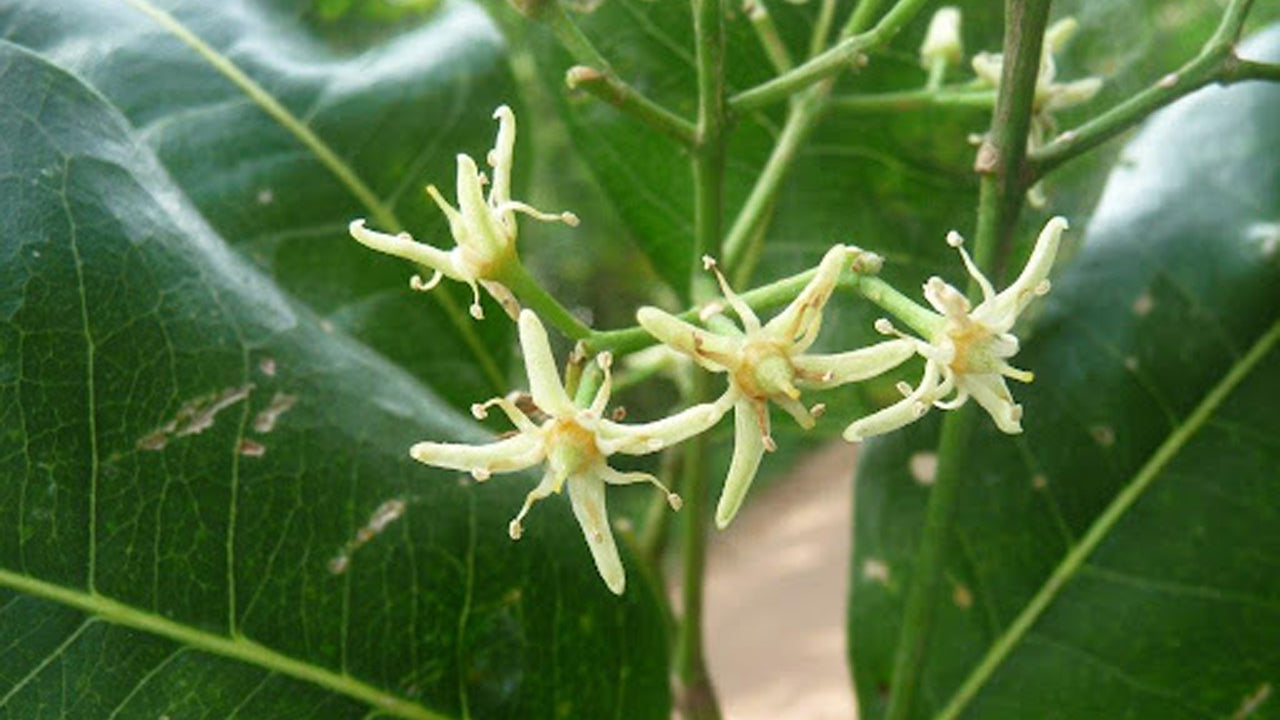
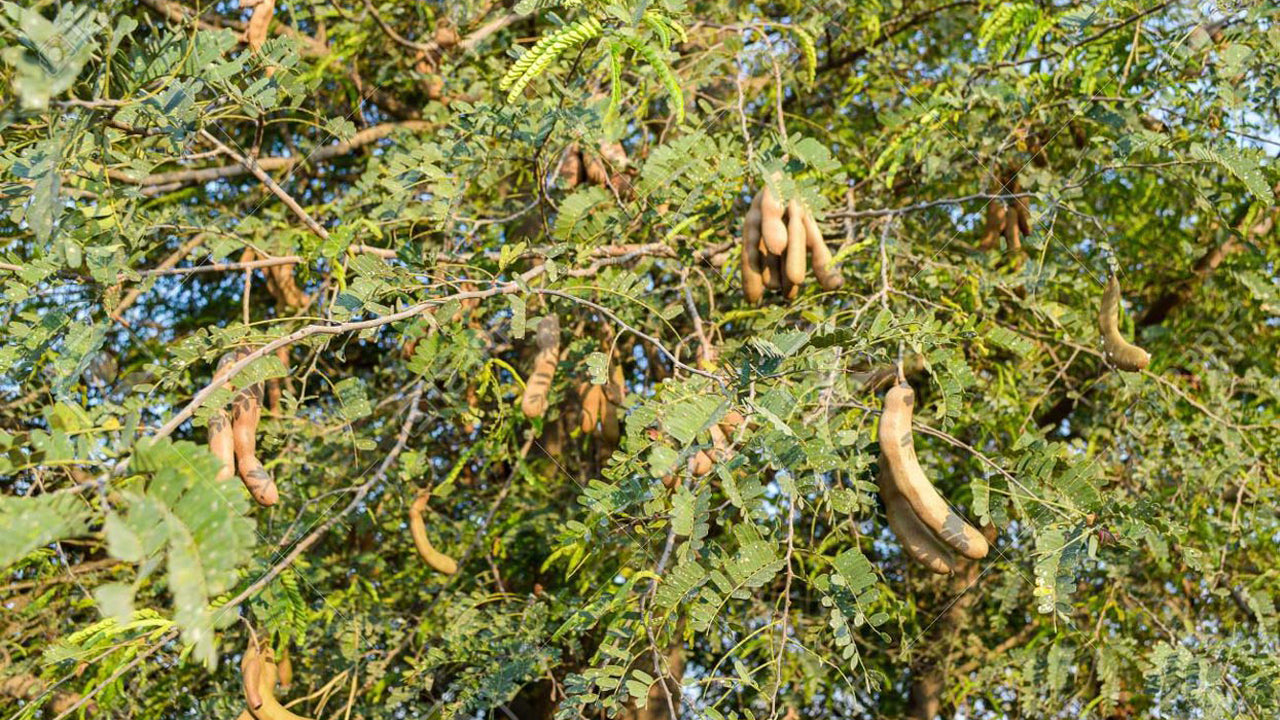
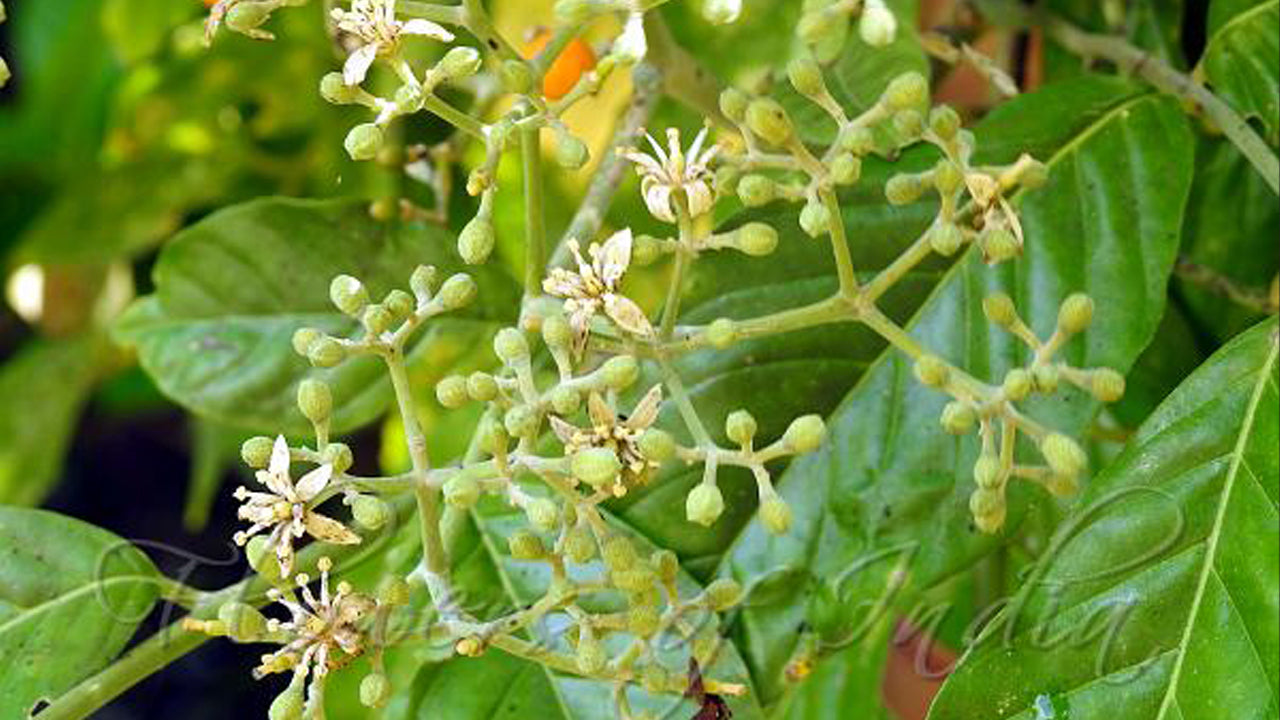
The flowers are the tree's most distinctive feature: large, curved, and usually white or pale pink depending on the variety. They resemble broad, winged petals and can measure up to nine centimetres in length. After flowering, the tree produces long, narrow seed pods that may reach sixty centimetres, hanging in clusters from the branches.

Where does Sesbania grandiflora grow in Sri Lanka?

The tree is found throughout the lowland wet and dry zones of Sri Lanka, typically below 500 metres in elevation. It thrives in humid tropical conditions and tolerates seasonal waterlogging, which makes it well-suited to the paddy-farming landscapes of the country's interior and coastal plains. Home gardens, village boundaries, and the edges of cultivation land are the most common settings where it appears.

Because it is a nitrogen-fixing legume, Sesbania grandiflora improves soil fertility and is often planted deliberately alongside other crops. In the dry zone — around areas such as Tambuttegama in the North Central Province — it serves as a shade tree and a source of fodder for livestock, doubling its value in subsistence farming contexts.

How is Sesbania grandiflora used as food in Sri Lanka?

In Sri Lankan cuisine, the flowers and young leaves of Sesbania grandiflora are eaten as vegetables. The flowers are most commonly stir-fried with coconut, onion, and dried chilli — a preparation similar in style to other leaf-based dishes that appear regularly on the Sri Lankan table. They have a slightly bitter, mildly astringent flavour that becomes more palatable with cooking.

Young seed pods are also edible when harvested before they mature, cooked in a similar fashion to green beans. The culinary use of the plant is most common in rural households, particularly in the Southern and North Central provinces, and the flowers occasionally appear in street markets during the harvest season.

What are the ecological benefits of planting Sesbania grandiflora?

As a leguminous tree, Sesbania grandiflora hosts nitrogen-fixing bacteria in root nodules, naturally enriching the surrounding soil without chemical inputs. This quality has made it valuable in agroforestry systems and organic farming programmes across South and Southeast Asia, including in Sri Lanka.

The tree grows quickly — sometimes reaching several metres within its first year — making it useful for stabilising degraded or eroded land. It also provides green manure when its leaves are cut and incorporated into the soil. Ecologically, its flowers attract bees and other pollinators, contributing positively to garden biodiversity.

How does Sesbania grandiflora fit into Sri Lanka's broader herbal tradition?

Sri Lanka's ayurvedic heritage is one of the oldest continuous medical traditions in the world, drawing on texts dating back over two millennia. The Deshiya Chikitsa system — a localised branch of ayurveda developed specifically in Sri Lanka — recognises Sesbania grandiflora as a plant of documented medicinal value.

Alongside well-known species such as Syzygium aromaticum (clove), Sri Lanka's herbal pharmacopoeia includes hundreds of native and naturalised trees, shrubs, and climbers. Katuru murunga occupies a modest but consistent place in this tradition — not a prestige herb commanding high market prices, but a reliable, accessible plant that rural communities have turned to for generations. Contemporary researchers have explored its antibacterial, antioxidant, and anti-inflammatory properties, lending some scientific support to the traditional claims.

For travellers interested in Sri Lanka's living relationship with medicinal plants, a visit to village homesteads, organic farms, or an ayurvedic treatment centre provides direct insight into how plants like Sesbania grandiflora move from garden to remedy to table — often within the same household.

Ask Lakpura® Agent