


Plumeria obtusa, commonly known as the Singapore Graveyard Flower or Blunt-leaf Frangipani, is a small evergreen tree native to the Caribbean and Central America that has been widely naturalised across tropical Asia, including Sri Lanka. Unlike its close relative Plumeria alba, which sheds its leaves seasonally, P. obtusa retains its foliage year-round — a trait that sets it apart in the genus. In Sri Lanka it appears in home gardens, temple grounds, and roadsides, and holds a recognised place in the country's catalogue of Ayurvedic medicinal plants.
What does Plumeria obtusa look like?
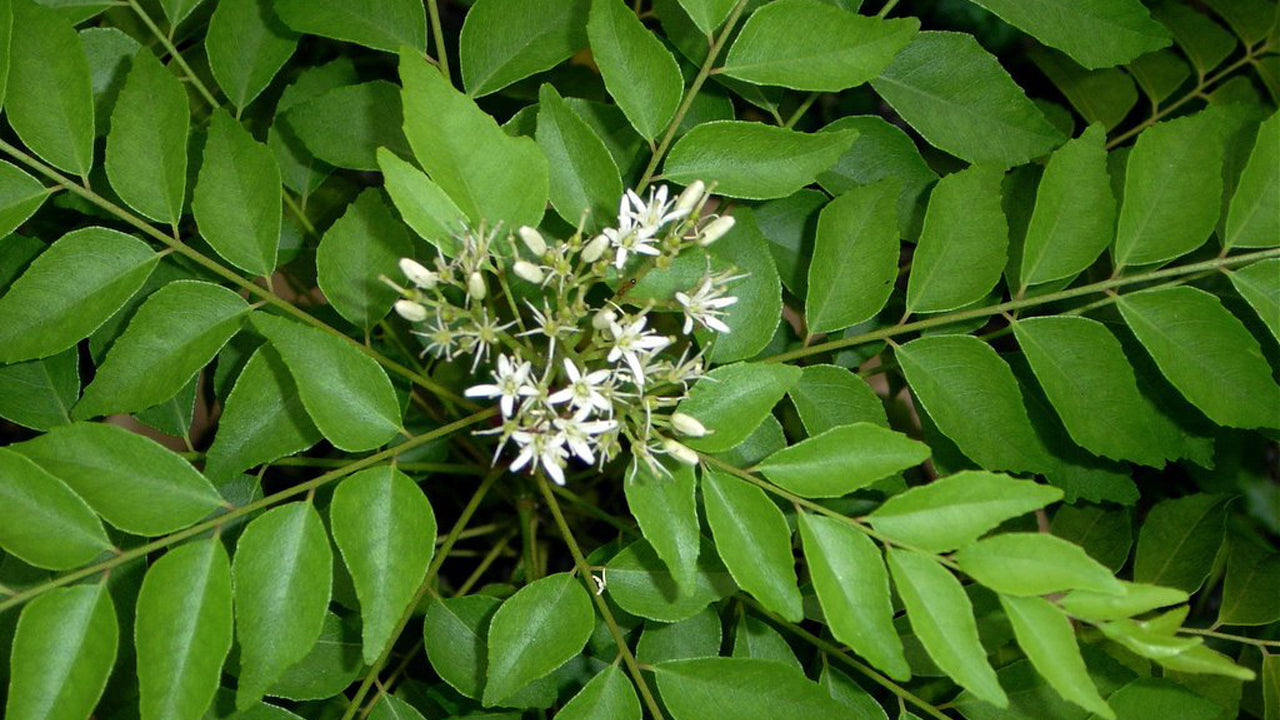
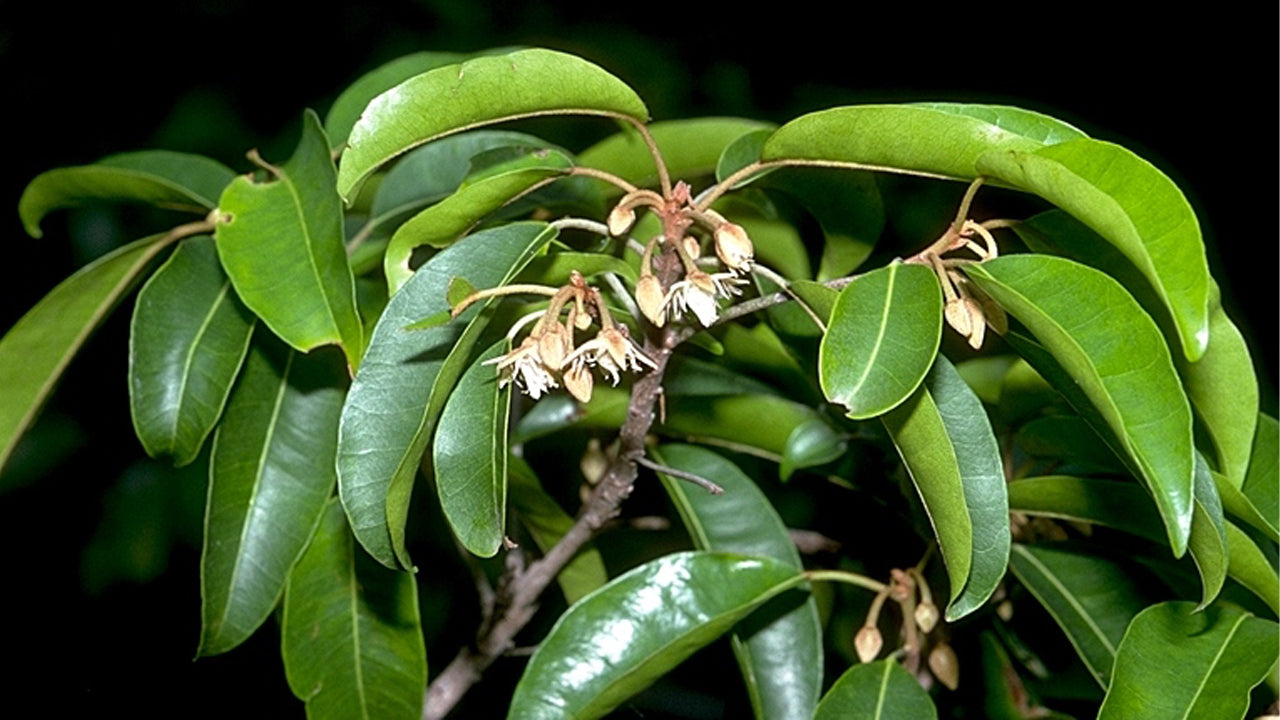
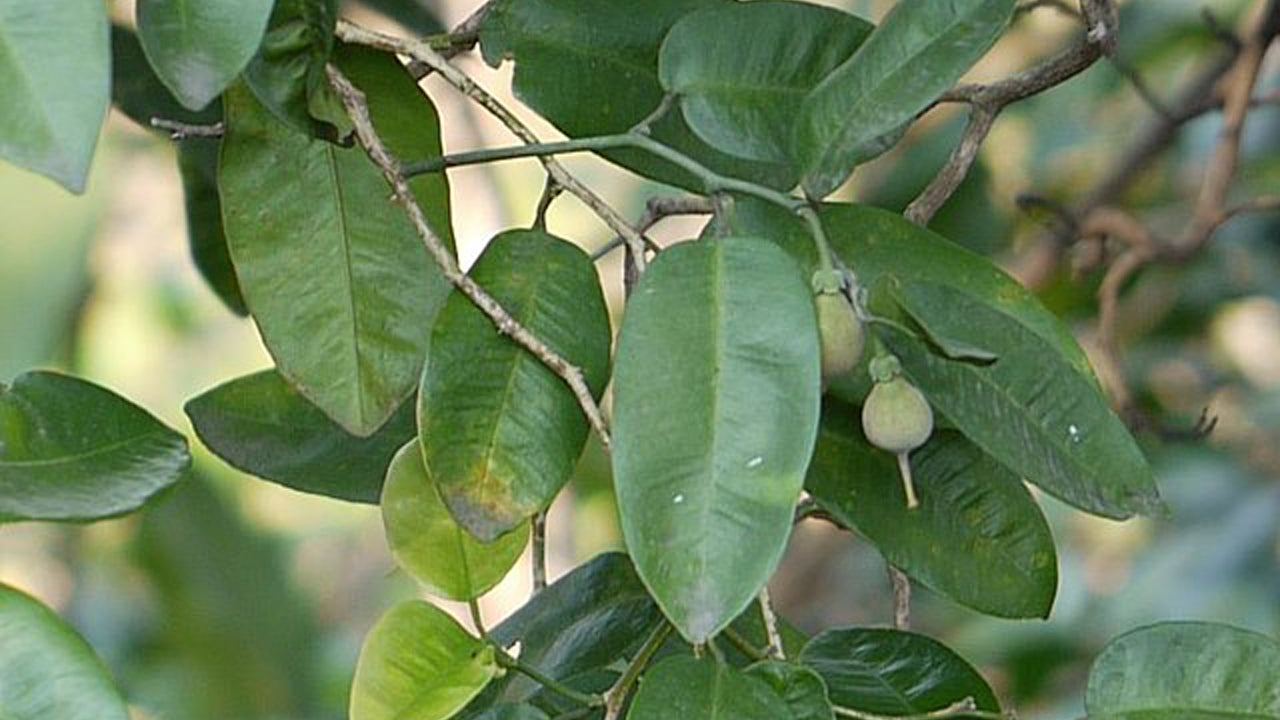
The tree typically grows between three and eight metres tall, with a spreading, open canopy. Its leaves are notably oblong with rounded or blunt tips — hence the species epithet obtusa, meaning "blunt" in Latin. The leathery, dark-green upper surface and paler underside make the leaves easy to distinguish from other frangipani species.
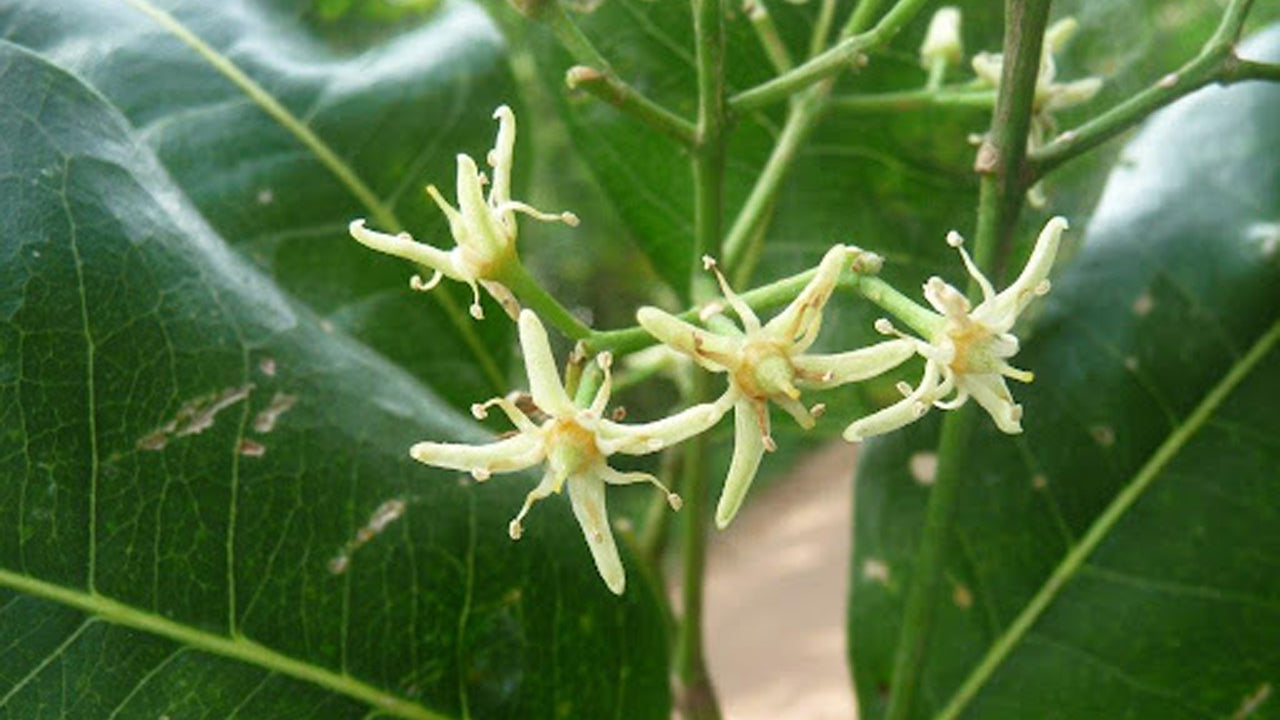
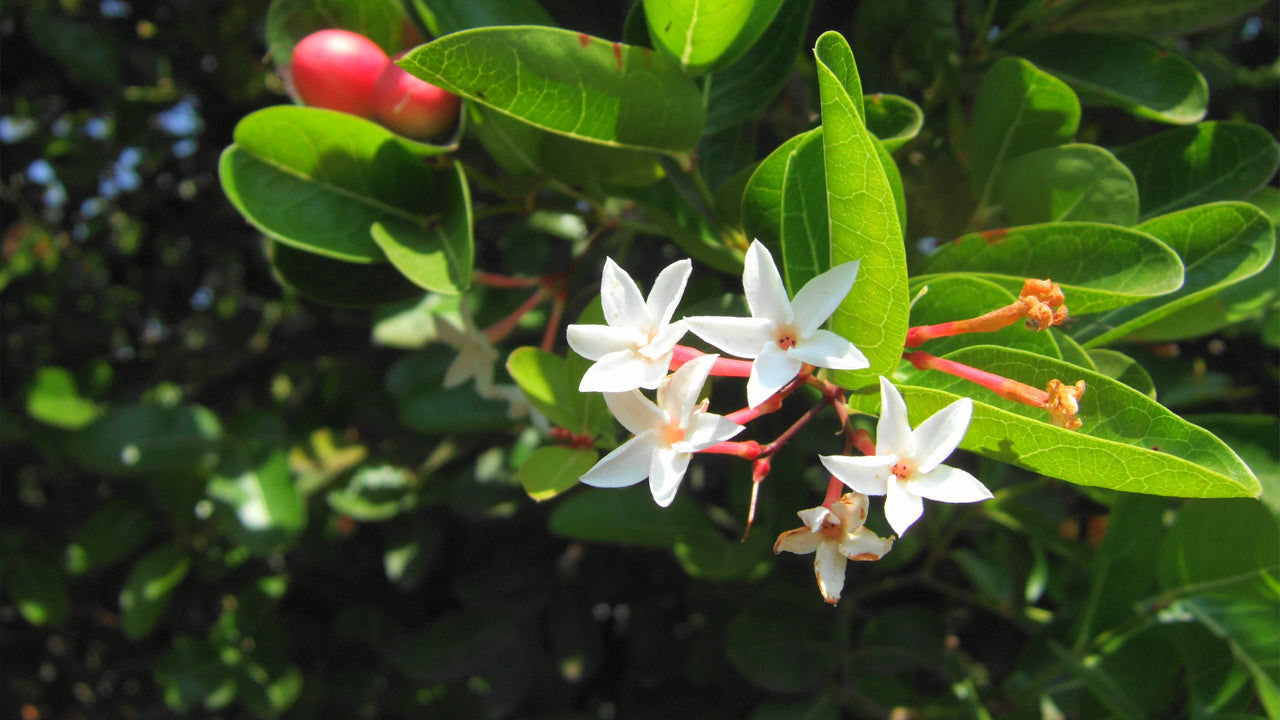
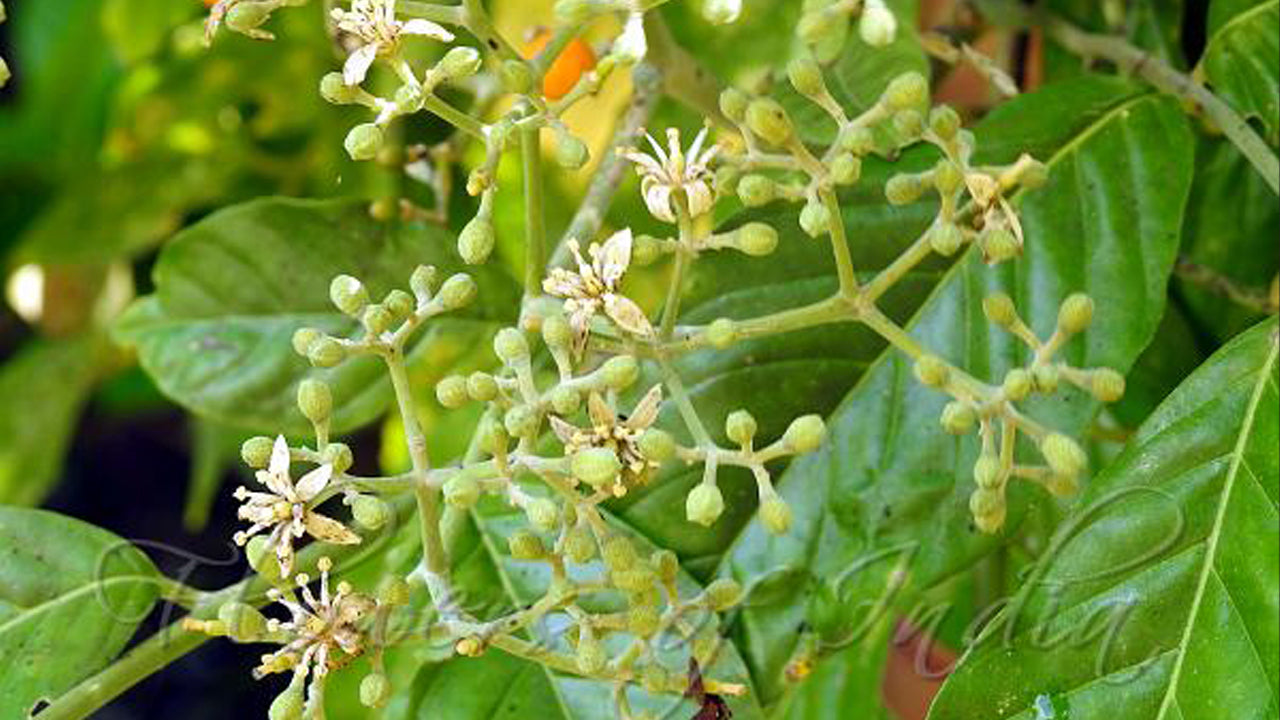
Flowers are white with a soft yellow centre and carry the characteristic frangipani fragrance, strongest in the early morning and evening. The blooms appear in dense terminal clusters throughout much of the year in Sri Lanka's tropical climate, making the tree an attractive ornamental as well as a medicinal one.
How is Plumeria obtusa used in Ayurvedic medicine?
In traditional Ayurvedic and folk medicine systems practised in Sri Lanka, several parts of P. obtusa have documented applications. The latex, bark, and flowers are the most commonly referenced plant materials.
- Latex: The milky white sap expressed from broken stems or leaves has been used topically in traditional practice for skin conditions, though it is a mild irritant and should be handled with care.
- Bark: Preparations from the bark have been employed in folk remedies aimed at inflammation and digestive complaints, reflecting broader Plumeria genus uses documented across South and Southeast Asia.
- Flowers: The flowers are used in certain herbal preparations and are valued in aromatherapy for their calming, cooling properties, consistent with their classification under cooling (sheeta) herbs in Ayurvedic texts.
Research into Plumeria species has identified the presence of iridoids, triterpenes, and flavonoids — compound classes with known anti-inflammatory and antimicrobial activity — lending some scientific context to traditional uses. As with any medicinal plant, therapeutic use should be guided by a qualified practitioner.
Where does Plumeria obtusa grow in Sri Lanka?
Plumeria obtusa tolerates a wide range of conditions and is found across Sri Lanka's low and mid-country zones. It thrives in the dry and intermediate climatic zones, where it is frequently planted around Buddhist and Hindu temples, in memorial gardens, and along garden borders. The species prefers well-drained soils and full sun, and its drought tolerance makes it well suited to the North Central and Northern provinces.
The association of frangipani with temple and cemetery grounds throughout South and Southeast Asia is deeply cultural; the persistent flower fragrance is considered auspicious in several traditions, and fallen blooms are gathered for offerings and garlands.
How does Plumeria obtusa differ from other frangipani species?
The genus Plumeria contains several species, and two are commonly found in Sri Lanka: P. obtusa and P. rubra (which includes the white-flowered variety sometimes listed separately as P. alba). The key practical differences are summarised below.
| Feature | Plumeria obtusa | Plumeria rubra / alba |
|---|---|---|
| Leaf shape | Oblong, blunt tip | Elongated, pointed tip |
| Leaf habit | Evergreen | Deciduous (dry season) |
| Flower colour | White with yellow centre | White, pink, red, or yellow |
| Common name | Singapore Graveyard Flower | Frangipani, Temple Flower |
| Primary aromatic use | Ornamental, Ayurvedic | Essential oil, hydrosol, garlands |
What is the fragrance profile of Plumeria obtusa flowers?
The scent of P. obtusa is softer and slightly creamier than the more intensely floral fragrance of P. rubra or P. alba. Perfumers describe it as fresh and powdery, with light green and slightly fruity undertones. In aromatherapy, frangipani fragrances are generally associated with relaxation and stress relief, qualities that have made Plumeria-derived oils and hydrosols popular in natural wellness products.
Ceylon-sourced frangipani extracts — typically derived from Plumeria alba due to its higher oil yield — are used in essential oils and hydrosols that capture the characteristic floral note of Sri Lankan temple gardens. These products offer a way to experience the botanical heritage of Sri Lankan frangipani beyond the garden itself.
Is Plumeria obtusa safe to handle?
The tree produces a sticky white latex in its stems and leaves that can cause mild skin irritation or allergic reactions in sensitive individuals. Direct contact with the sap, especially around the eyes, should be avoided. The plant is also considered mildly toxic if ingested in quantity, and pets and young children should not be allowed to chew on plant material. Despite these precautions, P. obtusa is widely planted as an ornamental with no special hazard under normal handling.