Museums

Museums in Sri Lanka offer a rich insight in to the history and evolution of Sri Lanka as one of the most distinctive countries in the world. As in any other place in the world, one gets to know all about the past of a country through the exhibits housed in the museums. In a way museums are place to get enlightened about a country’s heritage. Speaking of heritage, Sri Lanka undoubtedly has several areas of tourist attractions.

The museums in the country are dedicated to different themes, or rather the exhibits displayed make us delve deeper in to the relation of sea and the country or the life and times of a past prime minister or the significance of the archaeological findings. You must not forget to pay a visit to the Bandaranaike Museum which houses some important displays on the life and times of this prime minister who met his end when he was tragically assassinated. Bandaranaike was undoubtedly one of the most noteworthy prime ministers of the country and shaped the path of Sri Lanka’s destiny to some extent. You can listen to some of his speeches which are available in the museum. To understand the close relation between Sri Lanka and the sea, explore the National Maritime Museum. Here the exhibits are truly amazing.

This museum is located near the old gate of Galle Fort. Exhibits on Maritime trading, fishing and sea life are all displayed here. You can get an idea of what the ships that were wrecked carried with them.

National Museum, Colombo

This museum depicts natural heritage of Sri Lanka. It displays birds, mammals, reptiles, sea-mammals, insects, botanical plants, gems and geological specimens of Sri Lanka. The museum is Open daily from 09.00 hrs to 17.00 hrs.

The Dutch Period Museum, Colombo

The museum is housed in the old ‘Dutch House’ on Prince Street, Pettah, which was earlier the residence of Count August Carl Van Ranzow. The museum displays Dutch legacy through artifacts such as furniture, ceramics, coins, arms etc. The museum is open daily from 09.00 hrs to 17.00 hrs except on Fridays.

Bandaranaike Museum, Colombo

The museum contains photographs, objects and documents of former Prime Minister Mr. S. W. R. D. Bandaranaike who was assassinated in 1959.

The National Maritime Museum, Galle

The museum is housed in an old Dutch building in the historic fort of Galle. It has on display objects connected with marine biology and botany and also some beautiful diagrams showing local fishing methods, natural coral beds, sea grass beds and deep sea fishes. The museum is open daily from 09.00 hrs to 17.00 hrs.

Koggala Folk Museum

Koggala Folk Museum presents a rare collection of folk implements and appliances from different parts of the island. The items are arranged under twenty five different categories representing handicrafts, folk art and music, cottage industries, agriculture, folk medicine, costumes, religion etc. This museum erected as a tribute to Martin Wickramasinghe, the doyen of Sinhala writers is Ginpathaliya in Koggala, the birthplace of the late writer that had once been the playing field of young Wickramasinghe.

About Colombo District

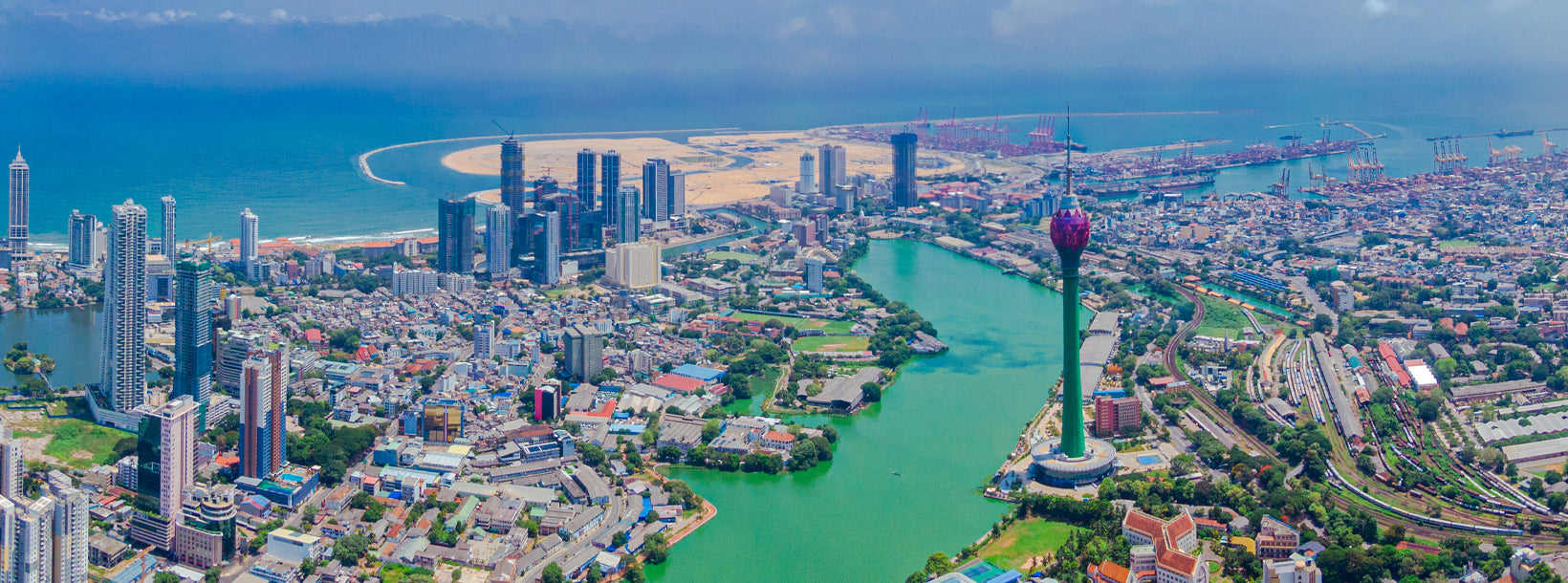
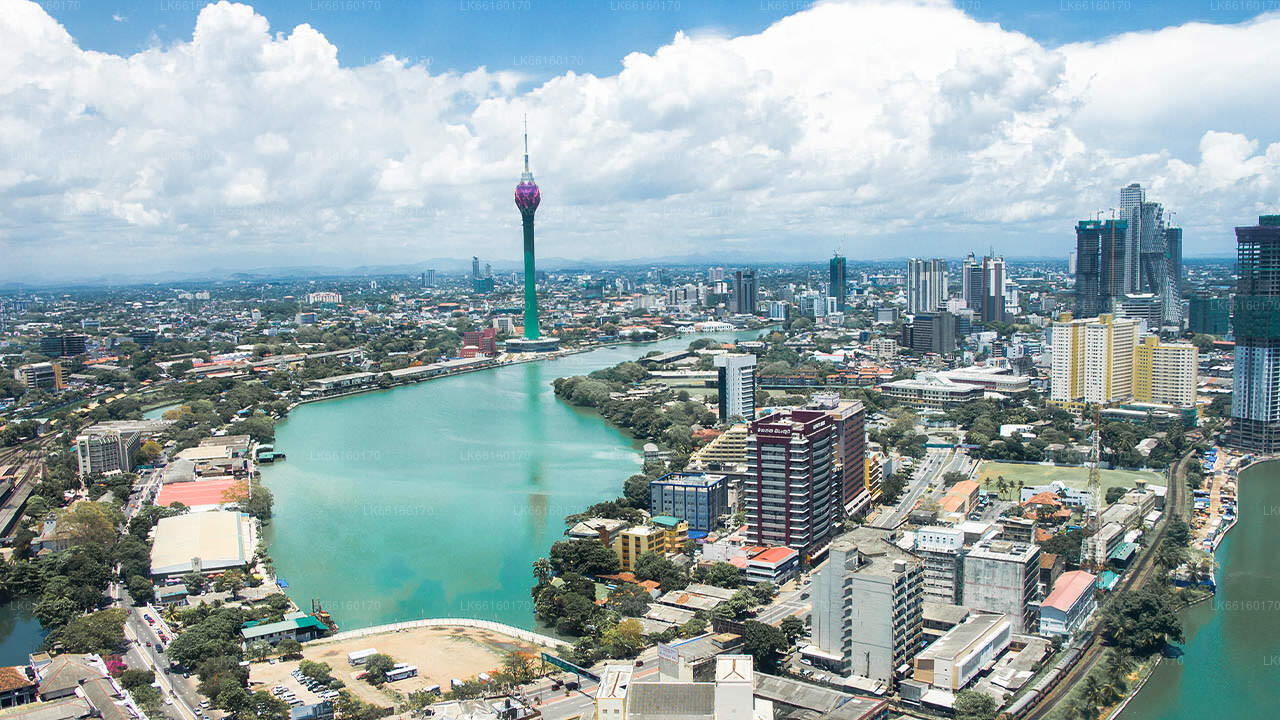
Colombo is the largest city and commercial capital of Sri Lanka. It is located on the west coast of the island and adjacent to Sri Jayewardenepura Kotte, the capital city of Sri Lanka. Colombo is a busy and vibrant city with a mixture of modern life and colonial buildings and ruins and a city population of 647,100.The Colombo Metropolitan Region, defined by the districts of Colombo, Gampaha and Kalutara, has an estimated population of 5,648,000, and covers an area of 3,694.20 km²

Colombo is a multi-ethnic, multi-cultural city. It is the most populous city in Sri Lanka, with 642,163 people living within the city limits. The population of Colombo is a mix of numerous ethnic groups, mainly Sinhalese, Moors and Tamils. There are also small communities of people with Chinese, Portuguese, Dutch, Malay and Indian origins living in the city, as well as numerous European expatriates.

The great majority of Sri Lankan corporations have their head offices in Colombo. Some of the industries include chemicals, textiles, glass, cement, leather goods, furniture, and jewellery. In the city center is located South Asia's second tallest building - The World Trade Centre.

About Western Province

The Western Province is the most densely populated province of Sri Lanka. It is home to the legislative capital Sri Jayawardenepura Kotte as well to Colombo, the nation's administrative and business center. Western Province is divided into 3 main districts called Colombo (642 km²), Gampaha (1,386.6 km²) and Kalutara (1,606 km²) districts. As Sri Lanka's economic hub, all the major local and international corporations have their presence in the city and so do all the major designer and high street retailers, so be ready to indulge in some retail therapy in western province.

Having the highest population in the all the provinces, the almost all the premier educational institutions in the island are located in western province. Universities in the province include the University of Colombo, the University of Sri Jayewardenepura, University of Kelaniya, Open University, Sri Lanka, Buddhist and Pali University of Sri Lanka, General Sir John Kotelawala Defence University and University of Moratuwa .Western province has the largest amount of schools in the country, which includes National, Provincial, Private and International schools.