Lakpura
Lakpura®

August

August sits firmly within Sri Lanka's southwest monsoon season, yet that does not limit your options — it simply redirects them. The western and southern coasts receive the heaviest rainfall, while the east coast, the Cultural Triangle, and the northern plains enjoy generally dry, settled weather. For travellers who plan well, August can be one of the most rewarding months on the island: national parks are lush and active, the ocean off Trincomalee is calm and clear, and the kite-surfing lagoons at Kalpitiya are at their windiest best.

What is the weather like in Sri Lanka in August?

The southwest monsoon dominates the western, southern, and central highlands through August, bringing frequent afternoon showers and overcast skies to those areas. The east coast — including Trincomalee, Nilaveli, and Batticaloa — experiences its dry inter-monsoon period, with low humidity, calm seas, and mostly sunny mornings. The Cultural Triangle region (Sigiriya, Dambulla, Polonnaruwa) receives moderate rainfall but often has clear mornings suitable for sightseeing. Hill country destinations such as Ella and Nuwara Eliya tend to be misty and cool, with regular rain through the month.

Which parts of Sri Lanka are best to visit in August?

Focus your August itinerary on the north and east of the island, along with the dry zone parks of the north-central region. The following areas reward visits most consistently:

  • Trincomalee and Nilaveli — calm seas, clear water, and a full menu of marine activities
  • Kalpitiya — peak kite-surfing season driven by reliable monsoon winds
  • Cultural Triangle (Sigiriya, Dambulla, Polonnaruwa) — mornings are typically clear enough for site visits before afternoon cloud builds
  • North-central dry zone parks — Wilpattu, Minneriya, Wasgamuwa, and Hurulu Eco Park all sit in or near the dry zone and remain accessible

Which national parks are open and active in August?

August is a productive month for wildlife across the dry zone parks. The combination of residual water in tanks and the early signs of vegetation change concentrates animals in predictable locations.

  • Wilpattu National Park — Sri Lanka's largest park by area remains one of the best places to encounter leopards in their natural habitat. The villus (natural lakes) attract elephants and a wide variety of waterbirds through the month.
  • Minneriya National Park — The Great Elephant Gathering, one of Asia's largest terrestrial wildlife spectacles, typically begins building momentum in August as elephants converge around the receding Minneriya Tank. Sightings of large herds are increasingly likely from mid-month onwards.
  • Wasgamuwa National Park — A quieter, less-visited park that consistently delivers elephant sightings along river corridors, with good birding along the Mahaweli River margins.
  • Hurulu Eco Park — A compact dry zone reserve near Habarana, well-suited to half-day game drives and family visits. Elephant sightings are frequent.

Parks in the south and southwest — such as Udawalawe National Park — remain accessible but may experience heavier rain during afternoon game drives in August.

What water sports can I do in August?

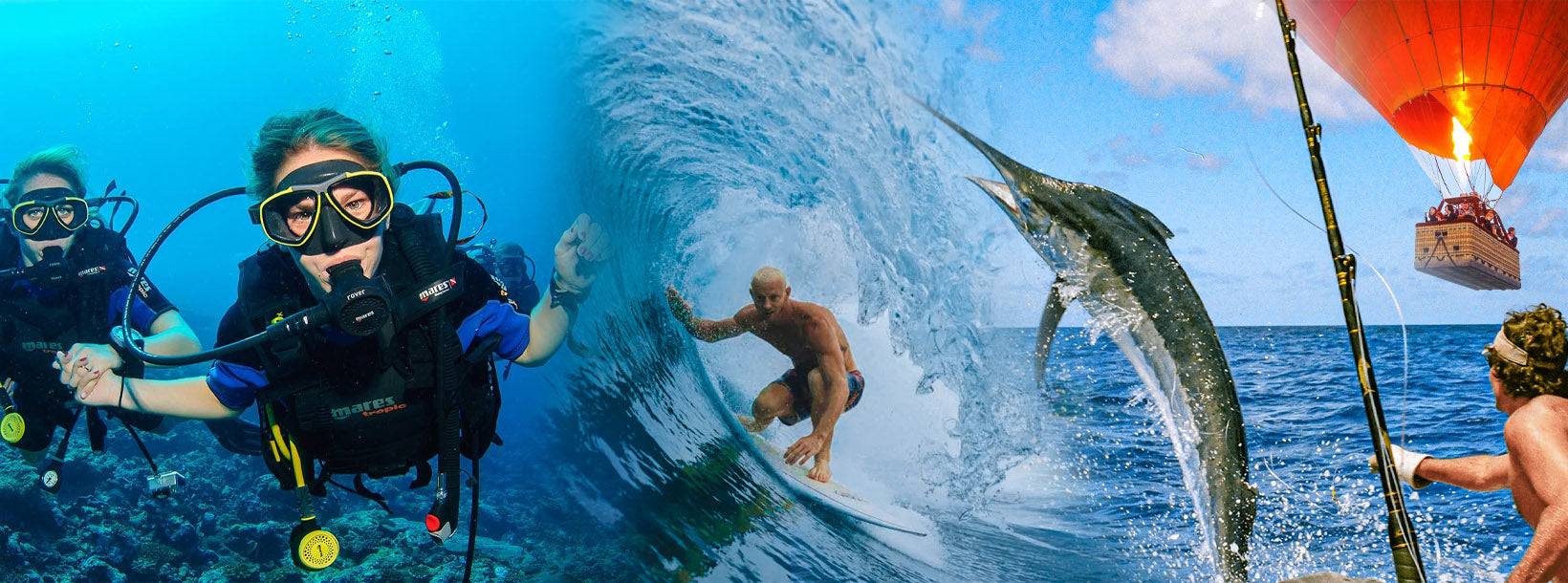
The east coast in August offers conditions that many professional divers and anglers specifically travel for. The sea is generally calm, visibility is high, and marine life is active.

Scuba Diving and Snorkelling

Trincomalee and Nilaveli are the hub for underwater activities in August. Dive sites around Pigeon Island National Park feature hard coral gardens and a reliable population of blacktip reef sharks, hawksbill turtles, and reef fish. Visibility is typically excellent during the morning hours. Pigeon Island is the most accessible snorkelling site from Nilaveli, reachable by short boat ride.

Whale and Dolphin Watching

Trincomalee's deep offshore waters host blue whales and sperm whales during their seasonal migration through August. Spinner dolphins are commonly sighted year-round in these waters, and boat tours regularly encounter large pods feeding close to the surface. Early morning departures offer the calmest conditions and the highest sighting rates.

Deep-Sea Fishing

The east coast's settled August seas make for excellent deep-sea fishing out of Trincomalee and Nilaveli. Target species include yellowfin tuna, dorado, wahoo, and barracuda. Full-day charters take anglers to offshore banks where pelagic species are most concentrated.

Kite-Surfing at Kalpitiya

Kalpitiya, on the northwest coast, sits in a narrow strip that benefits from the southwest monsoon winds without the heavy rainfall that affects the southwest coast. The Kalpitiya lagoon — wide, flat, and shallow — produces some of the most consistent kite-surfing conditions in Asia during July and August. Both beginner lessons and advanced sessions are well-catered for by resident schools operating in the lagoon.

What cultural events happen in August?

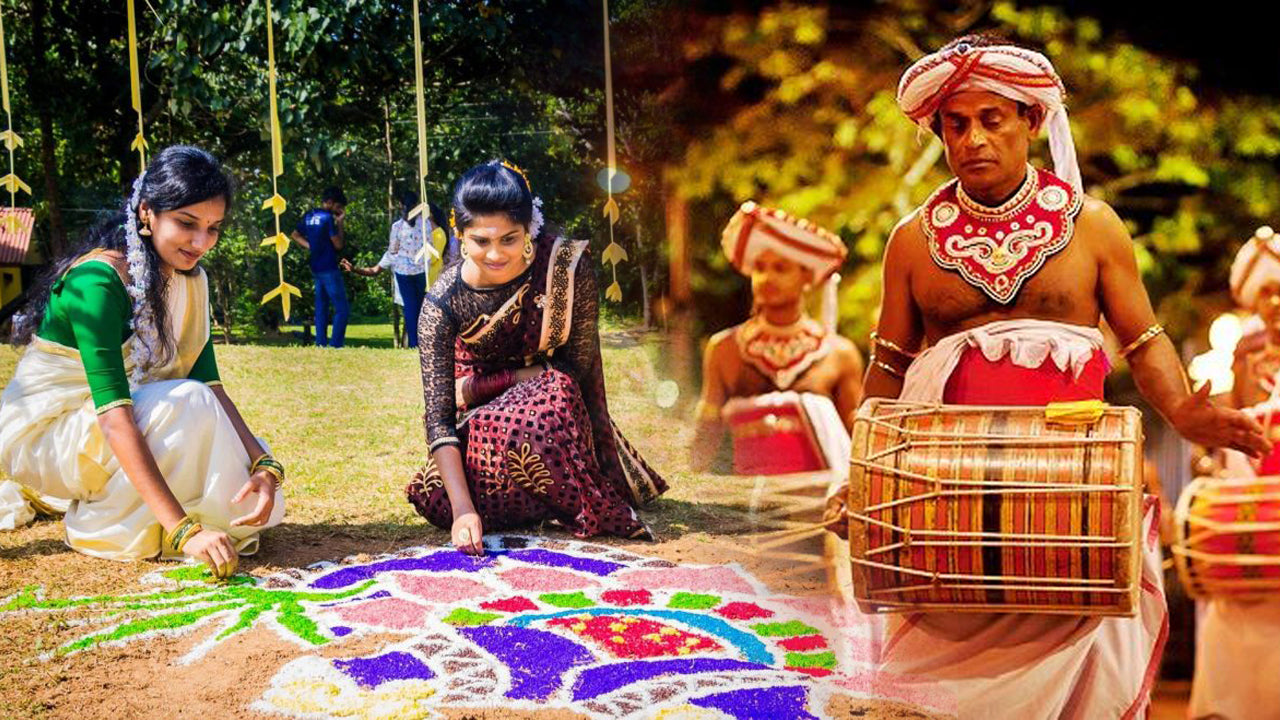
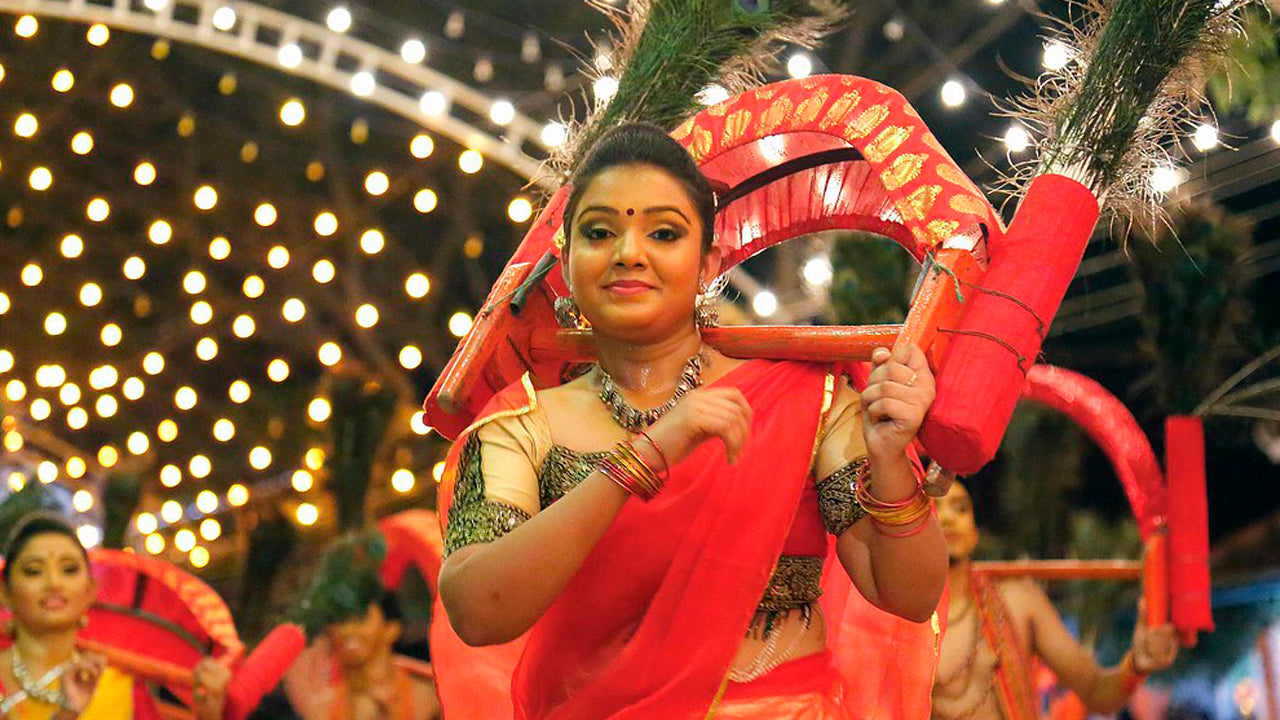
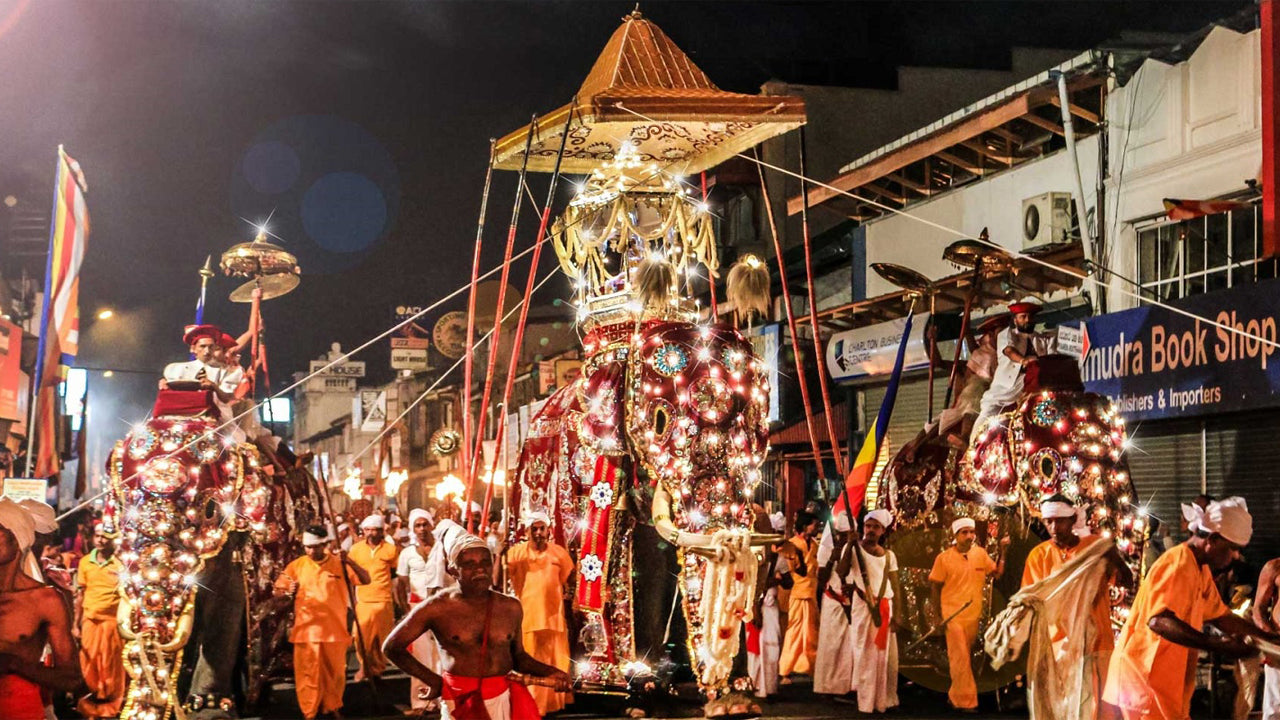
August is one of the most culturally significant months in Sri Lanka's Buddhist calendar. The Esala Perahera Festival in Kandy typically runs from late July into the first week or two of August, concluding with the grand Randoli Perahera procession — one of the most elaborate Buddhist pageants in Asia. The procession features the sacred Tooth Relic casket carried on a caparisoned elephant, accompanied by drummers, dancers, fire performers, and flag bearers. Exact dates shift annually with the lunar calendar; check the current year's schedule before booking.

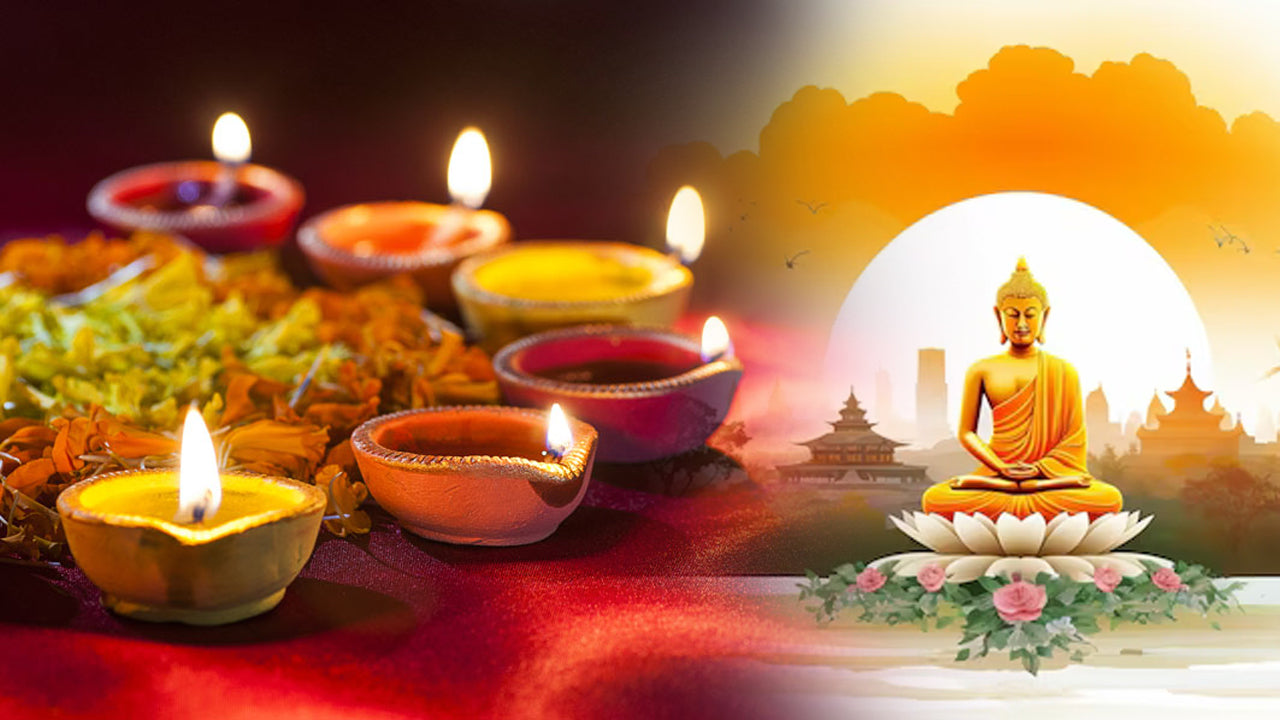
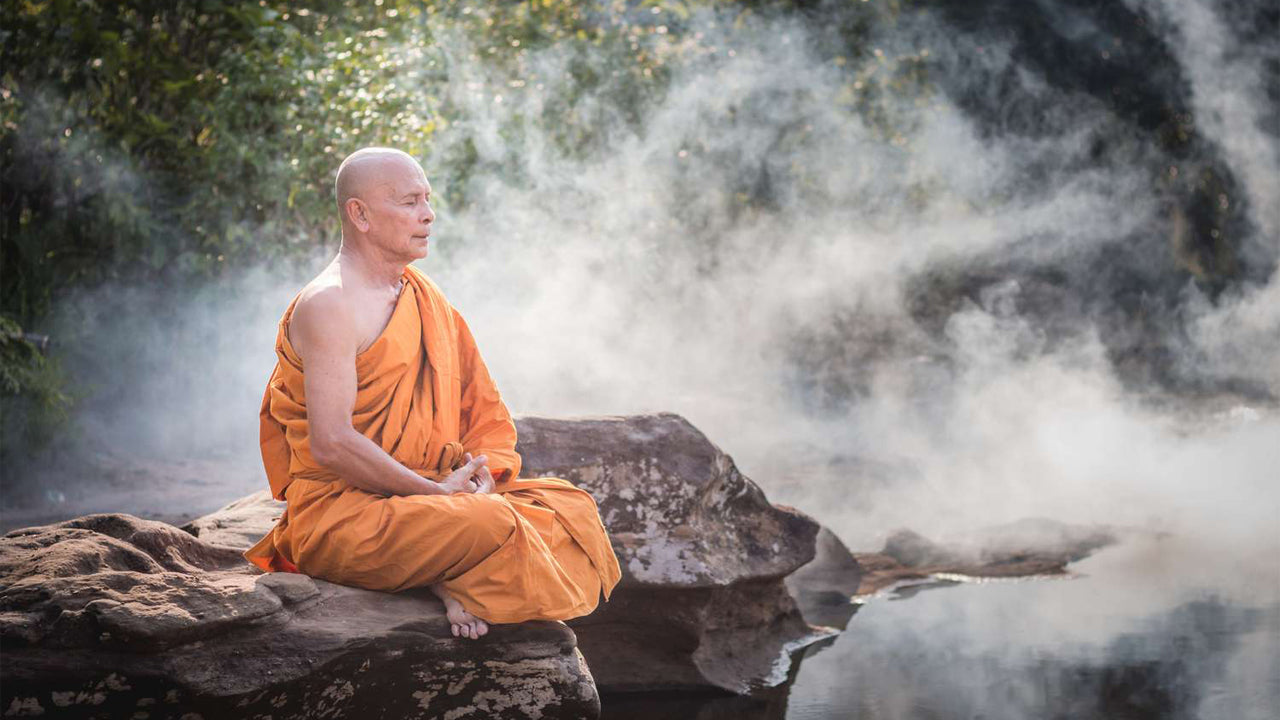
Beyond Kandy, poya (full moon) day falls in August and is observed island-wide as a public holiday. Temples receive additional visitors, alcohol sales are restricted, and many Sri Lankans observe sil (a day of religious observance and meditation).

Can I go hot-air ballooning in August?

Hot-air ballooning in the Cultural Triangle is weather-dependent and less reliable in August than in the dry-season months of November through April. Operators at Dambulla, Habarana, and Sigiriya typically launch on days when winds are light and visibility is sufficient. When conditions allow, an early morning flight over the hot-air ballooning zones of the Cultural Triangle rewards with panoramic views of the rain-greened plains, ancient rock fortresses, and reservoir systems. Guests should expect a higher probability of cancellation than in the dry season and plan for flexible scheduling.

What should I pack for a Sri Lanka trip in August?

Packing for August requires accounting for the split climate across the island. A light rain jacket or packable poncho is essential for cultural sites and highland excursions, even if you are spending most of your time in the dry east. For the east coast, bring reef-safe sunscreen, a rash guard for water sports, and a hat. Comfortable walking shoes with good grip help on rain-slicked temple steps. Modest clothing — shoulders and knees covered — is required for all religious sites, so carry a lightweight sarong or scarf.

How do I get around Sri Lanka in August?

Road conditions in the southwest and highlands can be affected by landslides and flooding during heavy August rainfall, so travelling between Colombo and the south coast or hill country by road requires flexibility. The A9 highway connecting Colombo to the north and the roads to Trincomalee via Habarana remain generally reliable. Private drivers who know local road conditions are a practical choice for navigating August itineraries efficiently. The scenic hill-country train routes — particularly Kandy to Ella — remain popular but check for delays during monsoon surges.

Ask Lakpura® Agent