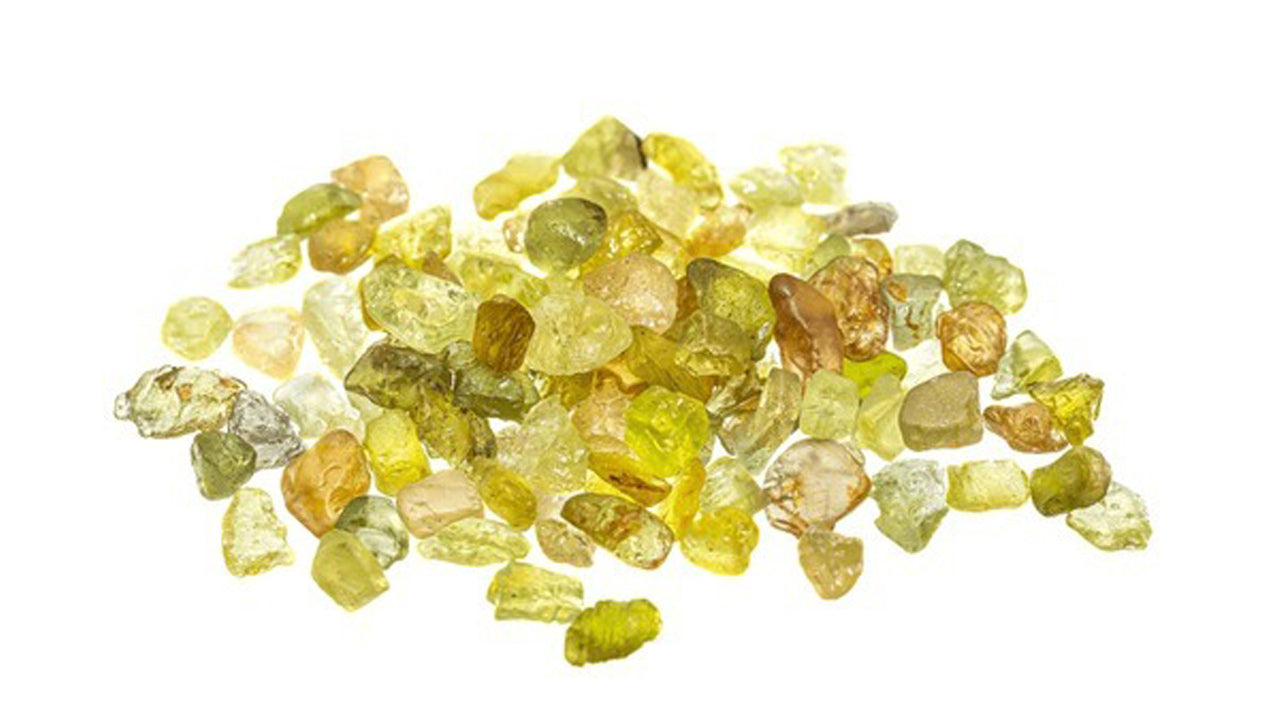
Sri Lanka has been called the "Island of Gems" for good reason. For more than two millennia, its river gravels and ancient alluvial deposits have yielded an extraordinary range of precious and semi-precious stones — a diversity matched by almost no other country on earth. Marco Polo noted the island's sapphires in the 13th century; today, connoisseurs and collectors continue to seek out Sri Lankan stones for their exceptional color and clarity.
Why Does Sri Lanka Produce So Many Gems?
The answer is geological. Sri Lanka's Precambrian basement rocks — some of the oldest on the planet — are rich in the mineral conditions that create gemstones: the right temperatures, pressures, and chemical environments to form corundum, chrysoberyl, spinel, and dozens of other species. Centuries of weathering and river action have concentrated these stones in gem gravels, particularly in the Ratnapura district of Sabaragamuwa Province, whose very name translates from Sanskrit as "City of Gems."
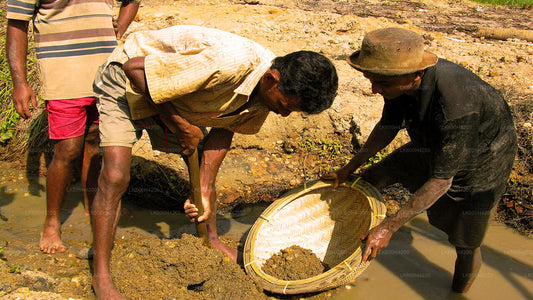
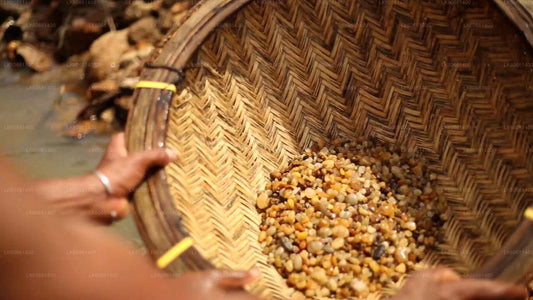
The gem-bearing gravels, known locally as illam, lie just a few metres below the surface and are typically worked by hand in small pits — a method largely unchanged for centuries. This artisanal tradition keeps much of the industry in the hands of local families rather than large mining corporations.
What Gems Are Found in Sri Lanka?
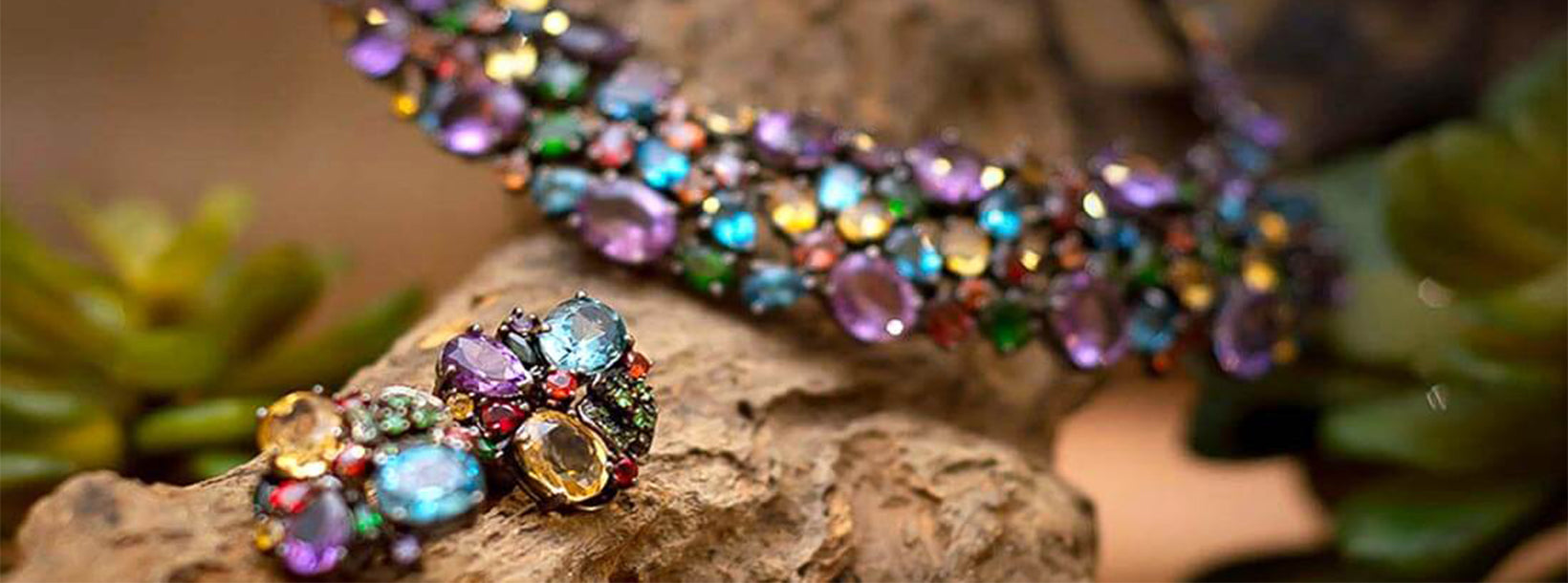
Sri Lanka is best known for its blue sapphires, but the range of gem varieties found here is striking. The island produces more than 30 commercially significant species, plus rarer collector stones that seldom reach the open market.
- Blue sapphire — the benchmark Sri Lankan gem; colors range from pale cornflower to deep royal blue. The variety known as "Ceylon sapphire" commands a premium worldwide.
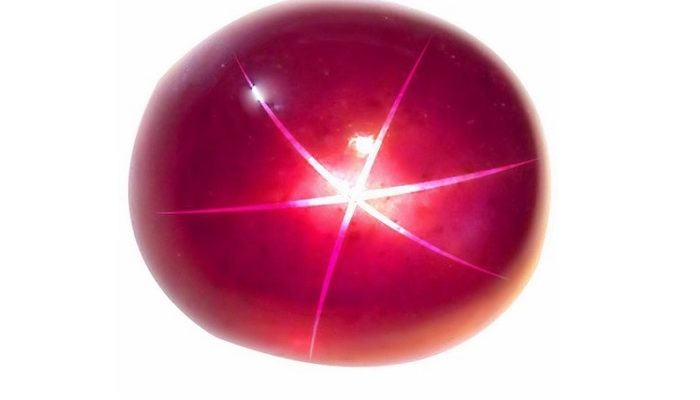
- Star sapphire — the famous six-rayed asterism makes these among the most sought-after cabochons in the world.
- Yellow sapphire — abundant and popular; hues range from lemon to golden amber.
- Ruby — less common than sapphire but found, particularly in pinkish-red hues that edge toward padparadscha.
- Padparadscha sapphire — a rare pinkish-orange corundum unique to Sri Lanka and prized by connoisseurs above almost all other colored stones.
- Cat's eye chrysoberyl — Sri Lanka is one of the world's primary sources; the finest stones display a sharp, milky band of light known as the "milk and honey" effect.
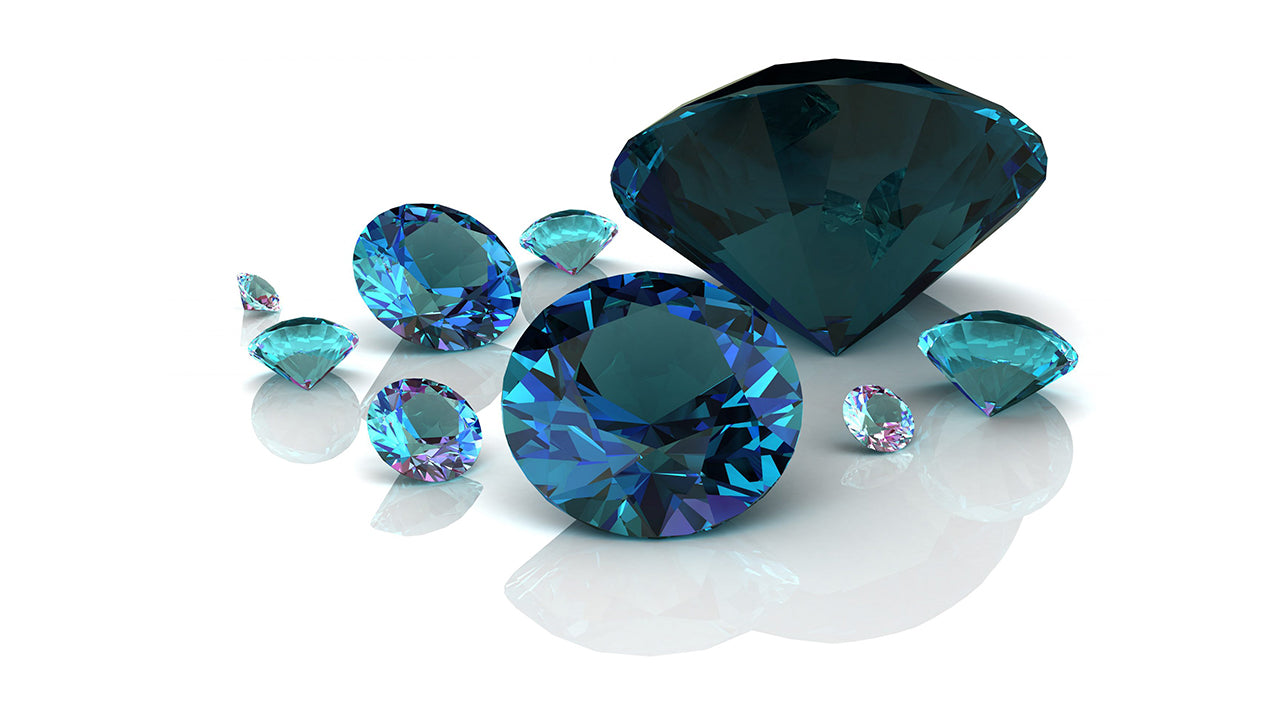
- Alexandrite — the color-change variety of chrysoberyl; Sri Lankan alexandrite can shift from bluish-green in daylight to purplish-red under incandescent light.
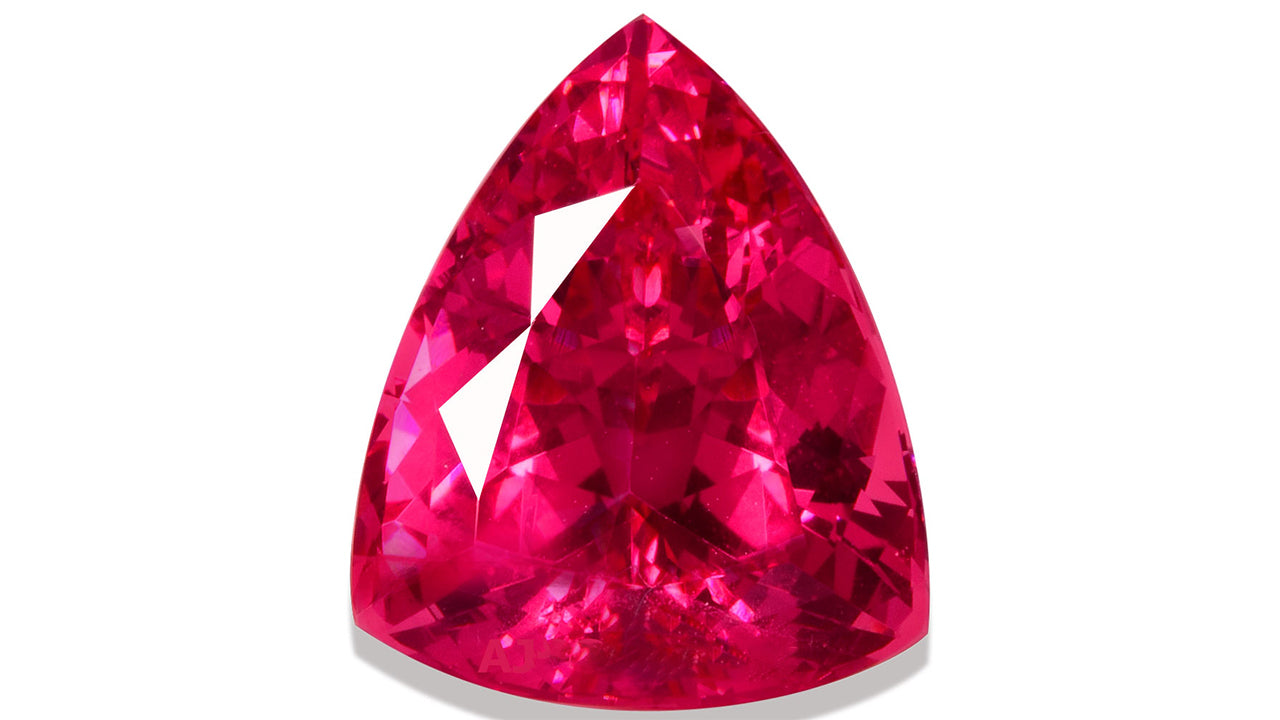
- Spinel — found in a wide color range including red, blue, and violet; historically confused with ruby and sapphire in crown jewels around the world.
- Moonstone — Sri Lanka's blue-sheen adularia moonstone is considered the finest in the world and is the country's national gemstone.
- Tourmaline, garnet, zircon, topaz, and aquamarine — all occur, often in gem-quality specimens.
Where Are Gems Mined and Traded in Sri Lanka?
Ratnapura, roughly 100 kilometres south-east of Colombo, is the undisputed center of Sri Lanka's gem industry. The town's market and its surrounding villages form a network where miners, cutters, dealers, and exporters work within a few kilometres of one another. The National Gem and Jewellery Authority (NGJA) — a government body — oversees licensing, quality standards, and exports.
Elahera in the North Central Province and Okkampitiya in the Uva Province are secondary producing areas, each known for particular gem types. Galle and Colombo, meanwhile, are the main retail hubs where finished, set stones are sold to international buyers.
How Are Sri Lankan Gems Cut and Graded?
Most rough stones are cut and polished locally, often by craftspeople who have learned the trade within their families. The traditional Sri Lankan cut — a high-domed cabochon or a slightly shallow faceted oval — is designed to maximize carat weight from the rough rather than optimize brilliance, which is why re-cutting Sri Lankan stones to modern proportions is common among international dealers. Grading follows international standards for color, clarity, cut, and carat weight, and independent certification from laboratories such as the GIA or the NGJA's own testing service is available for significant stones.
How to Buy Gems Safely in Sri Lanka
Sri Lanka's gem trade has a long and honest reputation overall, but individual buyers — especially first-time visitors — should take a few precautions to avoid overpaying or purchasing misrepresented stones.
- Buy from NGJA-licensed dealers. The National Gem and Jewellery Authority publishes a list of licensed retailers. Purchasing from a licensed dealer gives you legal recourse if a stone is misrepresented.
- Ask for a certificate. For any stone above a few hundred dollars, request a laboratory certificate. Reputable dealers will have this or can arrange independent testing.
- Understand heat treatment. The vast majority of sapphires and rubies on the market — globally — are heat-treated to improve color. This is standard practice and not a form of fraud, but unheated stones command a significant premium. Ask the dealer and check the certificate.
- Take a workshop. Structured gem and jewellery workshops offered through Lakpura give visitors a hands-on introduction to gem identification, cutting, and setting before they reach the market — making it far easier to shop with confidence.
Gems and Sri Lankan Culture
Gems are woven into Sri Lankan life in ways that go well beyond commerce. Astrological gemology — the belief that specific stones correspond to planets and can influence wellbeing — is widely practiced, and many Sri Lankans wear stones prescribed by Ayurvedic or astrological consultants rather than for purely ornamental reasons. Royal regalia, temple treasures, and ceremonial objects throughout the island are set with Sri Lankan gems, and the country's craftsmanship tradition of gold and silver smithing remains strong today.
The Sinharaja Forest Reserve region, adjacent to several gem-producing areas, illustrates how closely Sri Lanka's natural wealth — biological and mineral alike — is concentrated in its ancient geological heartland.
What Should I Know Before Visiting a Gem Workshop?
A well-run gem workshop typically covers four areas: geology and identification (learning to distinguish sapphire from glass by refractive index and specific gravity); grading and valuation basics; the cutting and polishing process, sometimes including a hands-on turn at the wheel; and practical buying guidance. Workshops run by reputable operators are usually small-group, led by experienced gemologists, and conclude with a visit to a licensed showroom where there is no obligation to buy. Lakpura's workshops departing from Galle, Weligama, and Mirissa are structured along these lines.
| Gem | Mineral family | Typical colors | Key Sri Lankan region |
|---|---|---|---|
| Blue sapphire | Corundum | Pale to deep blue | Ratnapura, Elahera |
| Padparadscha | Corundum | Pinkish-orange | Ratnapura |
| Cat's eye | Chrysoberyl | Honey to greenish | Ratnapura, Matale |
| Alexandrite | Chrysoberyl | Green / red (color-change) | Ratnapura |
| Moonstone | Feldspar | White with blue sheen | Meetiyagoda |
| Spinel | Spinel | Red, blue, violet | Ratnapura, Okkampitiya |