Lakpura
Lakpura®

World Trade Center, Colombo

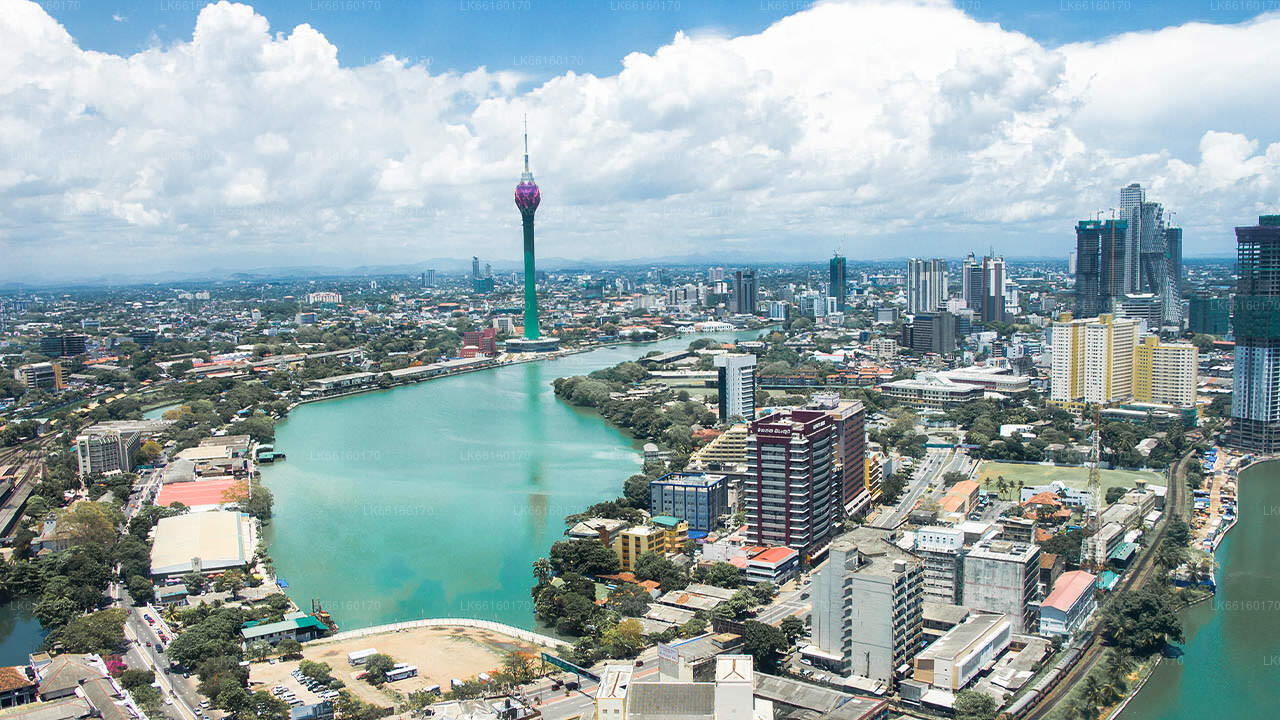
Rising above Colombo's central business district, the World Trade Center (WTC) is one of the most recognisable structures on the island's skyline. Its twin towers of glass and steel mark the geographic and commercial heart of the city, housing multinational firms, financial institutions, retail outlets, and dining venues within a single interconnected complex. For visitors exploring Colombo, the WTC serves as both a landmark to orient yourself by and a destination in its own right.

What is the World Trade Center Colombo?

The Colombo World Trade Center consists of two high-rise towers that stand among the tallest buildings in Sri Lanka. Developed as a joint venture and completed in the 1990s, the complex was designed to signal Colombo's ambitions as a modern commercial hub for South Asia. The towers share a podium level that connects retail floors, banking halls, and food and beverage outlets. Above the podium, upper floors are occupied primarily by corporate tenants — a mix of local conglomerates and international businesses with regional operations in Sri Lanka.

The architecture favours a curtain-wall glass facade that reflects the surrounding cityscape and, on clear days, catches light from the Indian Ocean to the west. At street level, the complex opens onto Echelon Square, a plaza that becomes a meeting point for the city's office workers during lunch hours.

Where exactly is the WTC located?

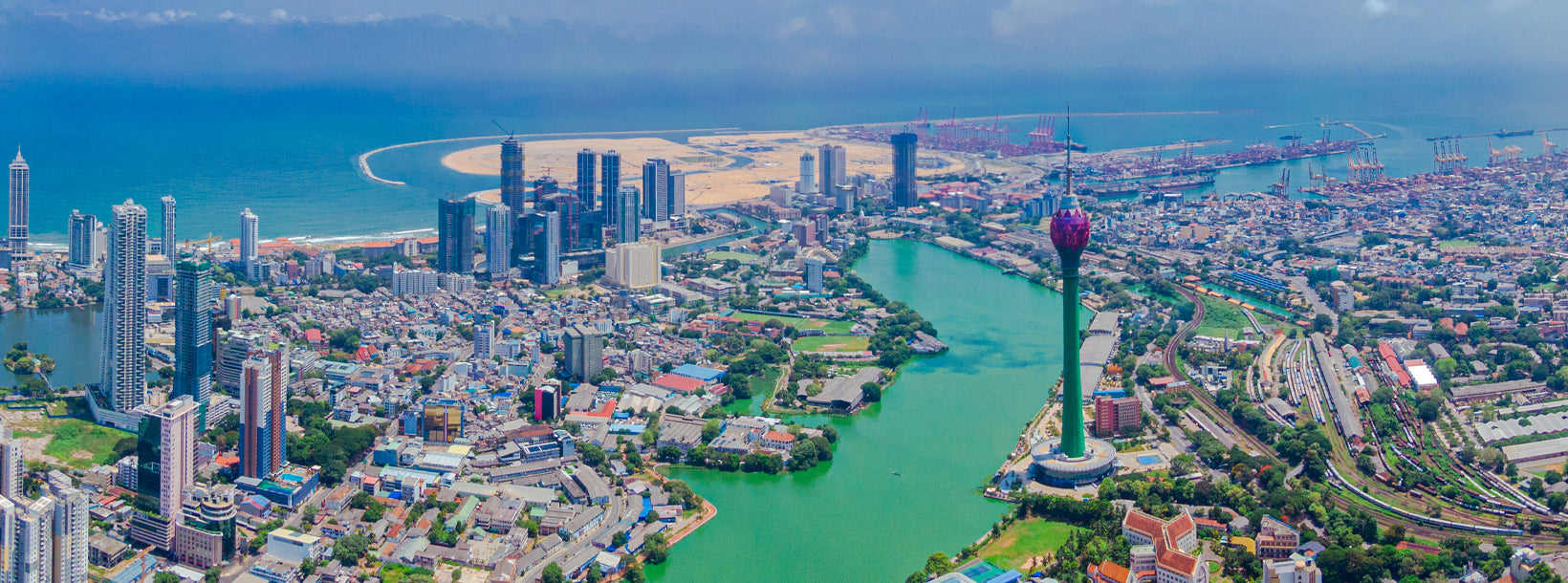
The complex sits on Echelon Square in Colombo 1, the Fort district — the original commercial core of the city laid out during the colonial era. Within a short walk you will find the Colombo Port to the north-west, Galle Face Green to the south, and the arterial Galle Road running along the seafront. The Colombo Lotus Tower, another landmark of the modern skyline, is visible from the upper floors on clear days.

The Fort railway station, Colombo's main rail hub, is roughly a ten-minute walk to the north-east, making the WTC easily reachable from many parts of the city. Metered taxis, ride-hailing apps, and public buses all service the Fort district regularly.

What can visitors do at the World Trade Center?

The WTC is first and foremost a working office complex, so the visitor experience centres on the podium levels rather than the corporate floors above. What you will find there:

  • Retail and banking: Several bank branches and ATMs make this a practical stop, and the retail arcade carries clothing, electronics, and convenience goods.
  • Dining: A range of cafes and restaurants on the podium levels caters to office workers and visitors alike, with options spanning Sri Lankan rice-and-curry to international fast-casual menus.
  • City views: The towers' upper floors offer commanding views over Colombo Harbour and the Indian Ocean, though access depends on whether you are visiting a tenant or attending a function — there is no public observation deck.
  • Business services: The complex contains conference facilities and serviced offices used by firms holding meetings in Colombo without a permanent local address.

How does the WTC fit into a Colombo city visit?

Most travellers encounter the WTC as part of a broader circuit of Colombo's Fort and Pettah districts rather than as a standalone attraction. A logical half-day route from here might take you south along the waterfront to Galle Face Green — one of the largest urban open spaces in South Asia — and then inland through the colonial-era architecture of the Fort before crossing into the Pettah bazaar quarter. A structured Colombo city tour typically covers all of these points in a single outing with a knowledgeable guide.

If you are arriving in Colombo before heading upcountry, the WTC area functions as a convenient orientation point. The Fort district's grid layout is straightforward to navigate on foot, and the twin towers are visible from most streets in the neighbourhood, making them a reliable reference point.

When is the best time to visit Colombo?

Colombo's climate is governed by two monsoon seasons. The south-west monsoon brings heavy rainfall to the city between May and September, while the north-east monsoon delivers shorter, sharper showers from October to January. The most settled period for city exploration is broadly December to April, when humidity eases and rainfall is less frequent. That said, Colombo's showers are often short and intense rather than day-long, and the city functions fully year-round — the WTC and its surrounding district do not close for any season.

How do I get to the World Trade Center from other parts of Sri Lanka?

Travellers arriving from Bandaranaike International Airport (roughly 35 km north of the city centre) can reach the WTC by metered taxi or ride-hailing app in around 45 minutes to 90 minutes depending on traffic — Colombo's congestion peaks sharply in morning and evening rush hours. From the south coast (Galle, Hikkaduwa) the Colombo–Galle expressway terminates at Kottawa, from where a taxi or bus continues into the Fort. The intercity train network connects to Fort railway station, which is the most stress-free entry point for travellers coming from Kandy, Galle, or the hill country.

What else is worth seeing near the WTC?

The immediate neighbourhood rewards an hour of exploration on foot:

  • Galle Face Green: A broad esplanade facing the Indian Ocean, popular in the late afternoon when vendors sell local snacks including isso wade (prawn fritters).
  • Colombo Fort: Colonial-era buildings — Dutch, British, and later — are interspersed with modern bank headquarters along streets such as Janadhipathi Mawatha.
  • Pettah Bazaar: The market district immediately east of Fort is one of the busiest trading areas in South Asia, with streets specialising in electronics, fabric, spices, and street food.
  • Colombo Harbour: The working port forms the northern edge of the Fort district; the harbour view from the sea-facing side of Echelon Square is particularly clear in the morning light.

Is the World Trade Center a tourist attraction or a commercial building?

Primarily the latter. Unlike purpose-built observation towers, the WTC does not market itself to leisure tourists with ticketed viewpoints or guided building tours. Its significance to visitors is contextual — as a symbol of Colombo's commercial character and a useful anchor for exploring the Fort district — rather than experiential in the way that a museum or heritage site might be. That context, however, is genuinely interesting: the decision to build twin towers here in the early 1990s, during a period of considerable economic reform in Sri Lanka, says something concrete about the country's trajectory over the past three decades.

For travellers whose itinerary includes Colombo as either a gateway or a destination, the WTC district is best experienced at ground level — walking the streets, stopping for a short-eats lunch, watching the harbour traffic — rather than from any single vantage point inside the towers themselves.

Ask Lakpura® Agent