Lakpura
Lakpura®

Gampaha City

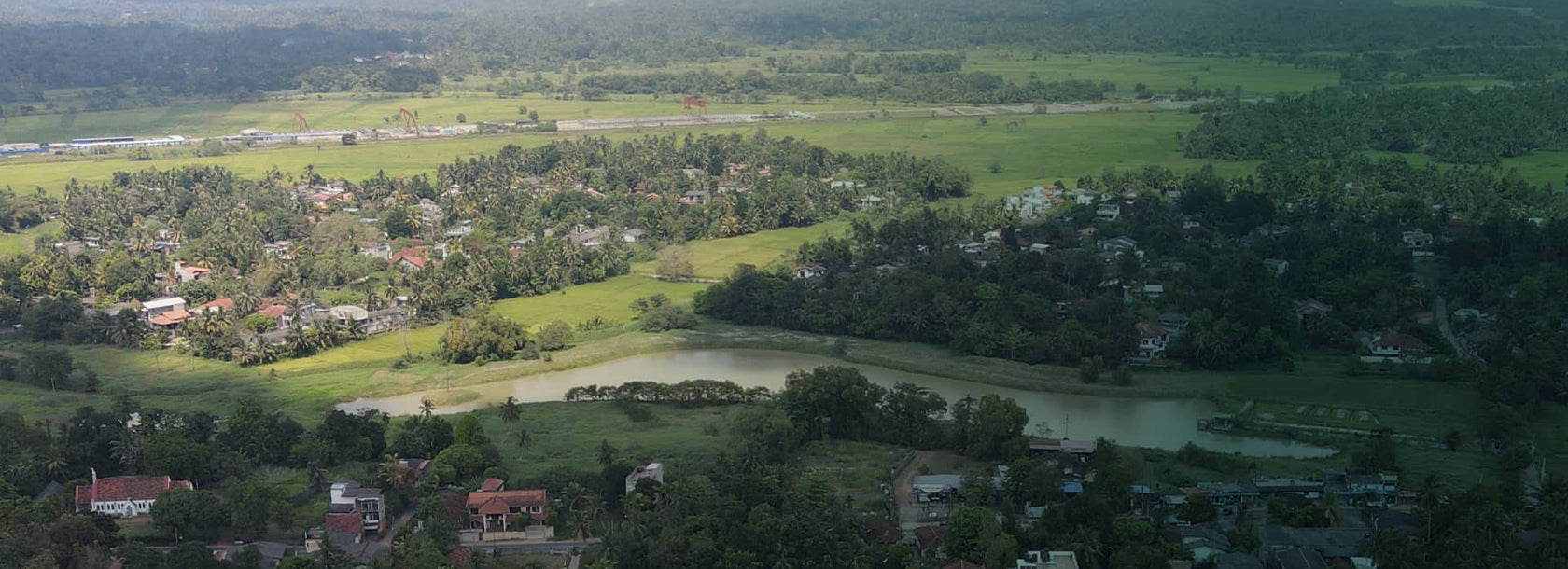
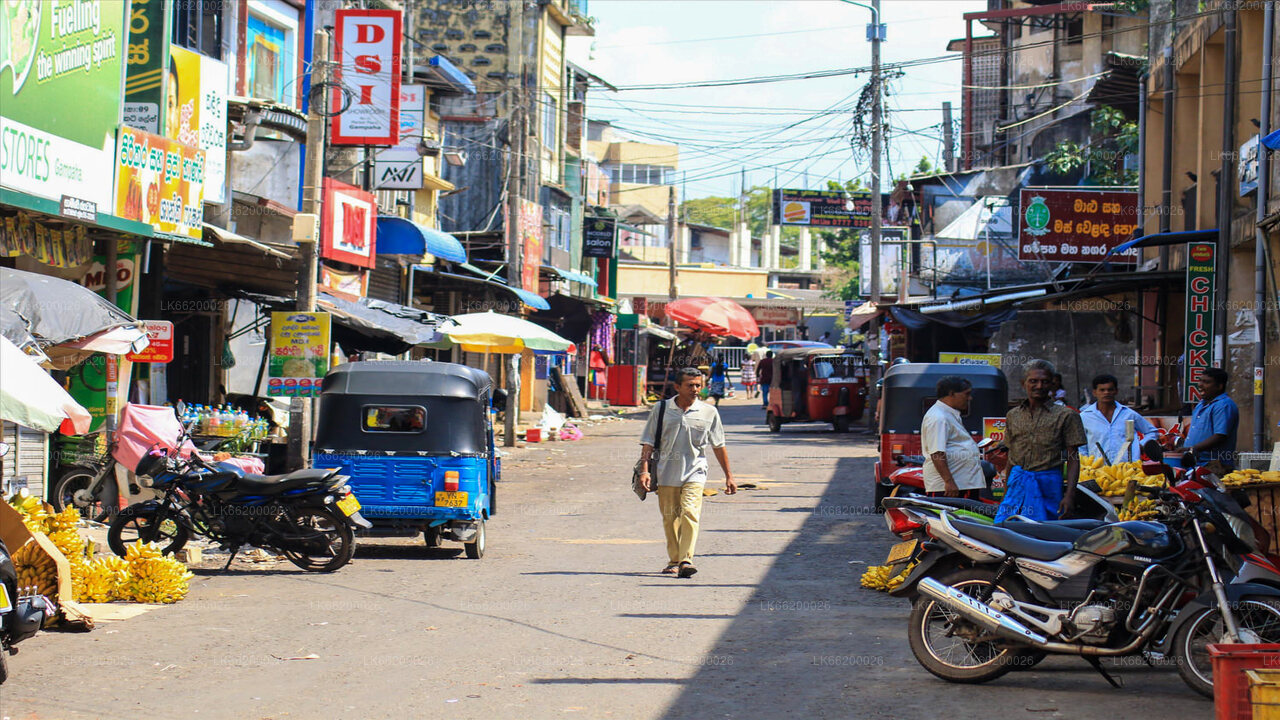
Gampaha sits roughly 30 kilometres north-east of Colombo, tucked into the lush lowlands of Western Province. Though relatively compact — covering around 25.8 hectares — it punches above its size as an administrative hub, housing the offices of approximately 75 government institutions. It ranks as the second largest municipal centre in Gampaha District after Negombo, and the sixth largest urban area in Western Province overall. For travellers, the city itself is less a destination than a gateway — a practical base from which to explore the quieter corners of Sri Lanka's most densely settled province.

What is Gampaha known for?

Gampaha is perhaps best recognised outside Sri Lanka as the home of the Gampaha Wickramarachchi Ayurveda Institute, one of the country's foremost centres of traditional medicine and Ayurvedic scholarship. The institute, affiliated with the University of Kelaniya, has shaped generations of Ayurvedic practitioners and underpins a range of herbal preparations — oils, churnas, guggulus — that are distributed nationally and internationally. Travellers with an interest in traditional wellness often make a point of visiting the institute or seeking out its products.

Beyond Ayurveda, the broader Gampaha District is known for its rubber and coconut estates. The flat, well-watered plains support extensive cultivation of coconut, and the area is considered part of Sri Lanka's traditional coconut triangle. Small rubber smallholdings dot the roadsides between towns, a reminder that the district's economy remains rooted in plantation agriculture.

What can I see and do in and around Gampaha?

The city itself is compact and functional rather than overtly scenic, but several worthwhile stops lie within easy reach.

  • Attanagalla Rajamaha Viharaya — A revered Buddhist temple in the nearby town of Attanagalla, traditionally associated with the goddess Pattini and one of the oldest places of worship in the district. Pilgrims arrive year-round, and the annual perahera draws large crowds.
  • Henarathgoda Botanical Garden — One of Sri Lanka's lesser-visited botanical gardens, located on the outskirts of Gampaha town. The garden is historically significant as the site where rubber trees were first cultivated in Sri Lanka after seeds arrived from Kew Gardens in London in 1876. The grounds offer a tranquil walk through mature tropical specimens.
  • Makandawa Forest Reserve — A short drive from Gampaha, the Makandawa Rainforest near Kithulgala offers canopy walks and light trekking through lowland rainforest, suitable for travellers who want a taste of Sri Lanka's biodiversity without the longer journey to Sinharaja.
  • Iranawila Coast — To the north-west, the coastal town of Iranawila and its Rajamaha Viharaya offer a quieter alternative to the busier Negombo beach strip. The area is popular with kitesurfers during the right wind season.

How do I get to Gampaha from Colombo?

Gampaha is well connected by rail and road. The Main Line train from Colombo Fort station stops at Gampaha — the journey takes around 45 minutes on an express service and is one of the more pleasant commuter rail rides in the country. By road, the A1 and A3 highways both provide access; travel time by car is typically 40–60 minutes depending on Colombo traffic, which can be heavy during rush hours. Private taxis and ride-hailing apps operate readily on the route.

Bandaranaike International Airport at Katunayake is only about 20 kilometres from Gampaha, making the city a convenient first or last stop for travellers flying into or out of Sri Lanka without needing to return to Colombo.

When is the best time to visit Gampaha?

Western Province receives rainfall from both the south-west monsoon (May to September) and inter-monsoon periods, so there is no single dry season as clear-cut as in the Cultural Triangle or the south coast. That said, the months from December through April are generally drier and more comfortable for sightseeing. The humidity is high year-round given the lowland elevation and proximity to the coast. Mornings tend to be clearer than afternoons, which often bring brief convective showers.

What is the Gampaha Wickramarachchi Ayurveda tradition?

The Wickramarachchi lineage of Ayurvedic medicine traces back several generations and is closely associated with the town of Gampaha. The family's formulations — covering everything from medicated oils and herbal churnas to guggulu preparations — are grounded in classical Sanskrit medical texts adapted for Sri Lankan plant species and climate. The Gampaha Wickramarachchi Ayurveda Institute now operates under the University of Kelaniya's Faculty of Siddha and Ayurveda and is recognised by the Sri Lankan Ministry of Indigenous Medicine.

Visitors interested in Ayurveda can explore treatments and authentic herbal preparations through Lakpura's curated selection of Wickramarachchi products, which range from joint-care oils to digestive formulas and are available for purchase and home delivery.

Where should I stay in Gampaha?

Accommodation options in the city centre are modest, reflecting Gampaha's role as an administrative rather than tourist town. A number of guesthouses and small hotels cater to business travellers and pilgrims. For more comfortable leisure stays, the Wet Water Resort on the outskirts of town offers recreational facilities in a more relaxed setting. Travellers preferring airport-adjacent accommodation will find villa-style guesthouses in the Gampaha area a practical alternative to Colombo hotels, particularly for early-morning departures from Bandaranaike Airport.

What day trips can I take from Gampaha?

Gampaha's central position within the Western Province makes it a reasonable hub for several day excursions.

  1. Colombo city — A Colombo city tour is easily managed in a half-day from Gampaha, with time left for a return journey before evening.
  2. Negombo — The beach town and Dutch colonial heritage of Negombo are around 20 kilometres west. The Dutch Fort Negombo and the lagoon fish market are the main draws.
  3. Kithulgala and the Kelani River — Heading east towards the hill country, Kithulgala offers white-water rafting on the Kelani River and access to the Makandawa rainforest, achievable as a full-day excursion.
  4. Kandy — The cultural capital is roughly two to three hours by road or rail. A Kandy city tour combining the Temple of the Tooth, the Royal Botanical Gardens at Peradeniya, and the Kandy Lake makes for a rewarding full day.

Book this experience with Lakpura

Curated by our local team. Direct booking, instant confirmation.

Ask Lakpura® Agent